RMW Carne

Michelin Plate
Our verdict
RMW Carne holds consecutive Michelin Plate recognition (2024 and 2025) and occupies the accessible mid-range tier of Seoul's steakhouse circuit, located on Daesagwan-ro 5-gil in Yongsan-gu. The kitchen takes a Western cuts-and-sides format and anchors it firmly in a city where domestic and international beef culture intersect.

Pearl is the En Primeur Club membership app, where members save venues, book tables and use the concierge.
The Room Before the Beef
The steakhouse dining room has a specific grammar wherever you find it in the world: low light, heavier table settings, a menu that moves in a predictable sequence from cold first courses through to cut and sides. Seoul's version of that grammar has evolved considerably over the past decade, as the city's appetite for premium beef, domestic hanwoo and imported grain-fed cuts alike, produced a steakhouse tier that now ranges from high-volume grill chains to Michelin-recognised rooms pressing into fine-dining territory. RMW Carne, located on Daesagwan-ro 5-gil in Yongsan-gu, occupies the accessible middle of that range, holding Michelin Plate recognition in both 2024 and 2025 at a ₩₩ price point that sits well below the city's leading steakhouse ceiling.
Yongsan-gu is a useful place to read Seoul's dining character. The district spans Itaewon's international dining corridor through to the quieter residential lanes behind it, and Daesagwan-ro 5-gil sits in that latter territory, side-street addresses that have historically attracted smaller, owner-operated restaurants rather than corporate flagships. For a steakhouse format, that address signals a deliberate scale: this is not a room built around spectacle or volume, but one working within the more considered end of a mid-market bracket.
Why the Sides Tell the Real Story
In any serious steakhouse, the accompaniments do more editorial work than critics usually credit them for. The principal cut arrives at the table as a known quantity, its grade, its provenance, its cooking method are the expected subject of conversation. The sides, by contrast, reveal the kitchen's decision-making more nakedly. Creamed spinach prepared with restraint, rather than drowned in cream, signals a cook who understands balance. A potato preparation that holds texture rather than collapsing signals timing and timing signals discipline. A wedge salad, if it appears, either commits to the retro American steakhouse tradition with appropriate confidence or hedges awkwardly toward something else entirely.
Seoul's steakhouse kitchens vary considerably on this question. The higher-spend rooms, where Wagyu grades and dry-aging specifications are the marketing headline, tend to invest in sides that match the premium register of the main event. The mid-range tier, where RMW Carne operates, faces a more interesting constraint: the supporting cast has to carry proportionally more weight relative to the price the diner has paid. A ₩₩ room that gets the classics right earns disproportionate loyalty from the kind of diner who knows what a good creamed spinach actually costs to produce correctly.
RMW Carne's consecutive Michelin Plate designations, a recognition the Guide assigns to restaurants offering food of good quality, below the starred tier, place it in a cohort of Seoul restaurants acknowledged for delivering consistent cooking without reaching the upper price brackets. At the city's ₩₩ level for Western-format dining, that recognition carries real weight: the competition at this price point is dense and the Plate designation requires the kitchen to maintain standards across sittings and seasons.
Seoul's Steakhouse Tier: Where RMW Carne Sits
Seoul's premium beef culture is bifurcated in a way that distinguishes it from, say, Tokyo's or Taipei's. Domestic hanwoo, graded through a local system that prizes fat marbling, commands a loyal high-spend audience and has produced its own specialist dining format, barbecue-adjacent rooms built around the cut itself. The imported-beef steakhouse tradition runs parallel to that, drawing on American, Australian, and Japanese Wagyu supply chains and presenting them in a Western dining format. Vault Steakhouse operates at the higher-spend end of that imported-beef format in Seoul; RMW Carne works at a meaningfully different price register, which changes the diner's calculus entirely.
For context on how Seoul's broader dining scene intersects with the steakhouse category, the city's fine-dining circuit leans heavily toward Korean and Korean-contemporary formats. Mingles, Jungsik, Kwonsooksoo, and alla prima each represent different inflections of that dominant mode. The Western steakhouse sits as a distinct parallel track, not competing with those rooms but answering a different appetite, one for a familiar format executed with care. RMW Carne's position at ₩₩ makes it accessible to a diner who wants that format without committing to the upper-tier spend required by the city's highest-profile rooms.
Across the region, the mid-range steakhouse format has developed its own competitive logic. A Cut in Taipei and Born and Bred in Busan each demonstrate how the steakhouse template translates differently depending on local beef culture and price norms. Within Korea, Born and Bred in Busan represents an interesting point of comparison for travellers moving between the two cities.
Michelin Plate Recognition: What It Signals
Two consecutive Michelin Plate awards, 2024 and 2025, establish a baseline of consistency that single-year recognition cannot. The Plate sits below the starred tier but above the general population of listed restaurants; Michelin's editors include it to flag kitchens where the cooking is reliably good even if not at the level of starred peers. For a ₩₩ steakhouse in a district that doesn't generate the same volume of critical attention as Gangnam or Cheongdam, maintaining that designation across two guide cycles is a meaningful signal. It implies the kitchen is not performing sporadically but has embedded its standards into its daily operation.
Planning Your Visit
How hard is it to get a table at RMW Carne?
At the ₩₩ price point, demand is less acute than at the city's starred rooms, where three-month advance booking windows are common. That said, Michelin Plate designation does attract attention, and weekend sittings at side-street Yongsan-gu addresses with limited capacity tend to fill faster than weekday slots. If you are visiting during peak Seoul tourism periods, spring cherry blossom season or autumn, planning a few days ahead is sensible. Booking method is not confirmed publicly; direct contact with the venue to confirm availability is the recommended approach. For those with flexible itineraries, Kwonsooksoo and 권숙수 in Gangnam-gu require considerably more lead time as a point of comparison, given their starred status. Baegyangsa Temple in Jangseong-gun and The Flying Hog in Seogwipo offer additional reference points for regional planning outside Seoul. Capa in Orlando provides an instructive international comparison for how the Michelin-recognised steakhouse format translates across very different market contexts.
Peers You’d Cross-Shop
| Venue | Cuisine | Price | Awards | Notes |
|---|---|---|---|---|
| RMW CarneThis venue (the venue you are viewing) | Dry-Aged Steakhouse | $30–50 | Michelin Plate | Not listed |
| 7th Door | Modern Korean Fermentation Fine Dining | $100–150 | 1 Michelin Star · World's 50 Best #49 | Korean, Contemporary |
| Solbam | Contemporary Neo-Classical Korean | $200–300 | 1 Michelin Star · World's 50 Best #55 | Contemporary |
| Onjium | Modern Korean Royal Court Cuisine | Not listed | 1 Michelin Star · World's 50 Best #14 | Korean |
| L'Amitié | Classic French Fine Dining | $100–150 | 1 Michelin Star · La Liste Top Restaurants | French |
| Zero Complex | Modern French Neo-Bistro | $100–150 | 1 Michelin Star · La Liste Top Restaurants | Korean-French, Innovative |
Recognition history
Dated appearances from independent guides and award organizations, with the underlying list record or original source where available.
Michelin Plate
Michelin
Full recognition history (2 entries)
Michelin Plate
Michelin
Continue exploring
More in Seoul
Restaurants in Seoul
All restaurants in Seoul →
Bars in Seoul
All bars in Seoul →


Details
- Cozy
- Intimate
- Date Night
- Casual Hangout
- Open Kitchen
- Sake Program
- A La Carte
- Wine
- Beer
- Vegetarian Friendly
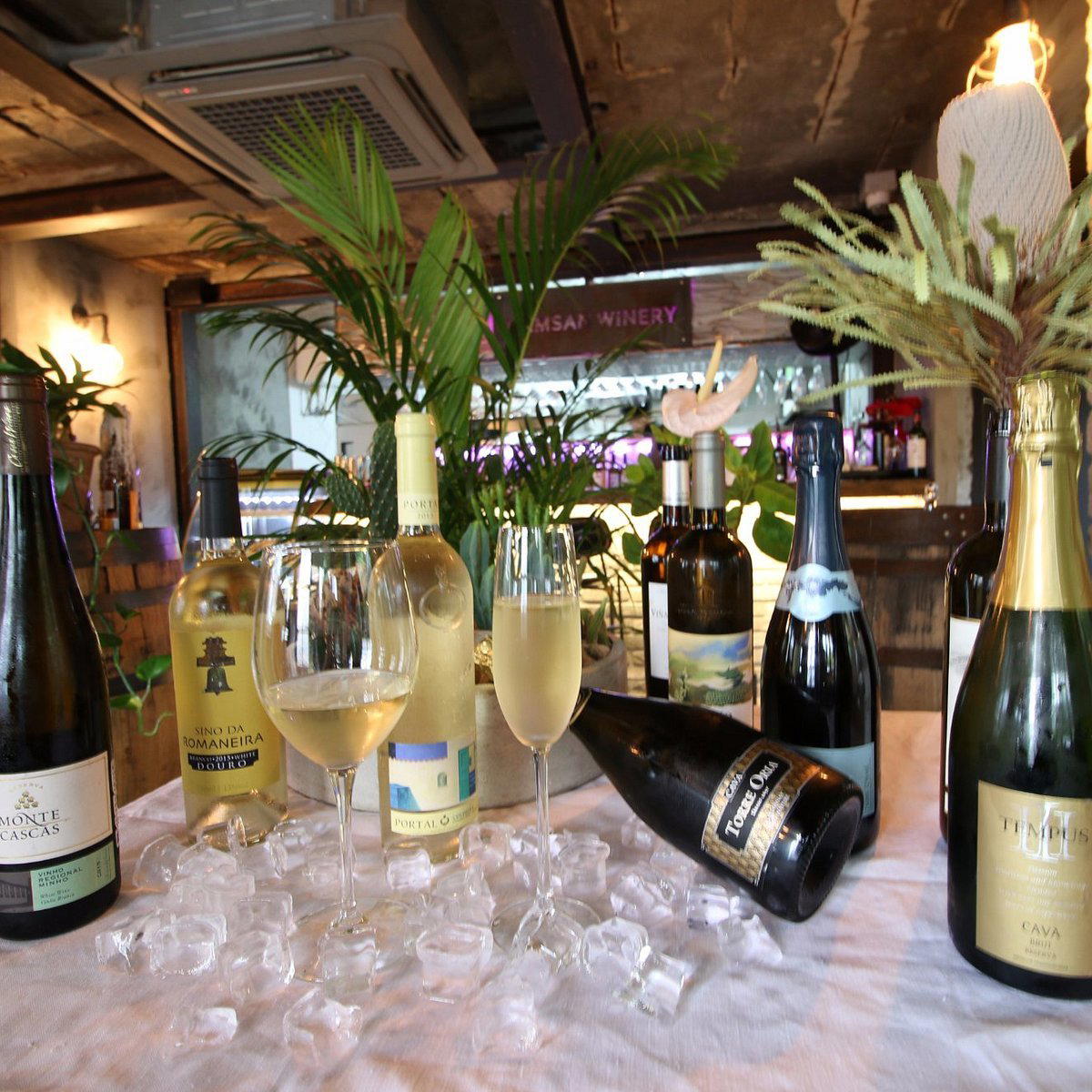
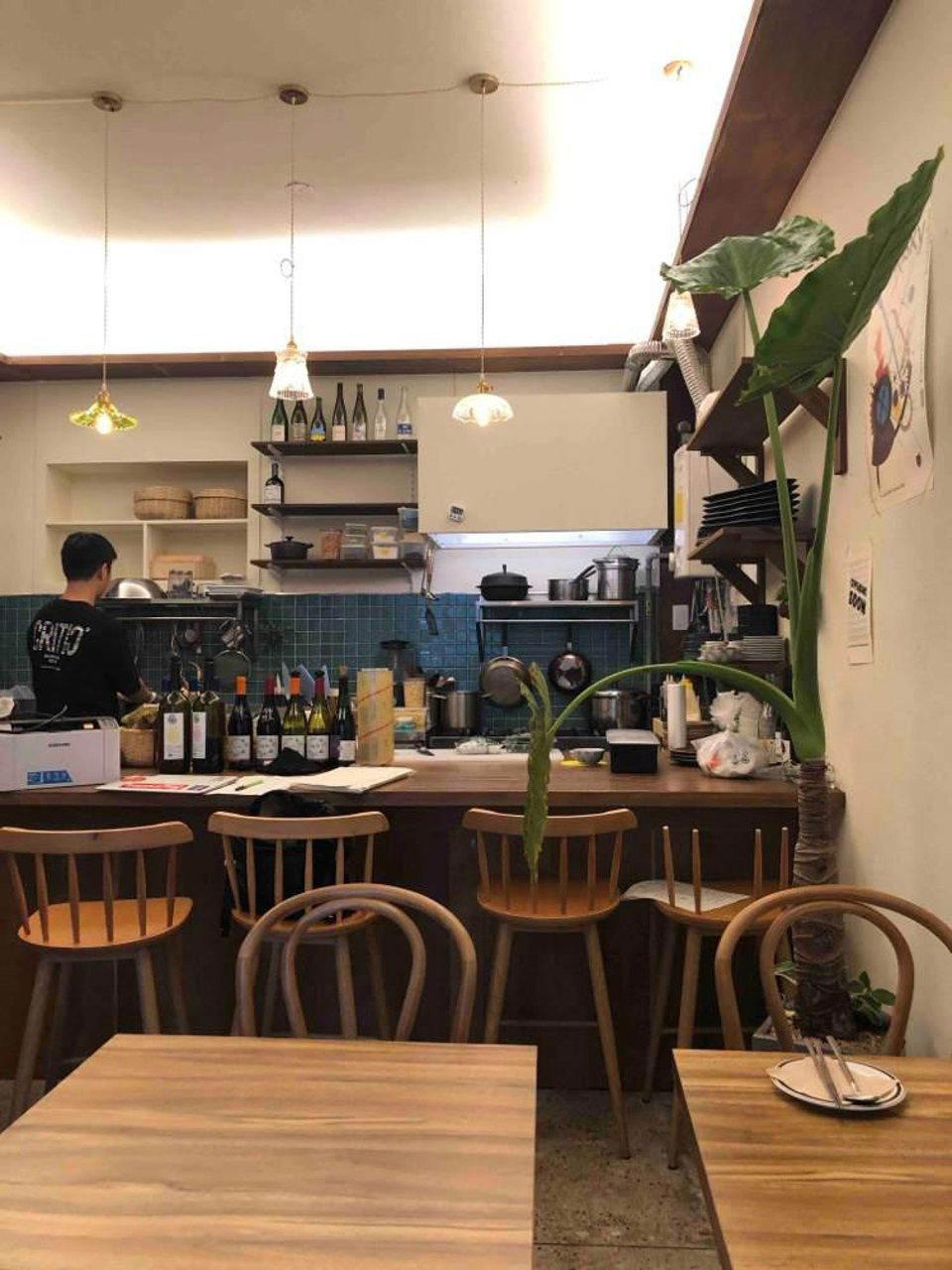
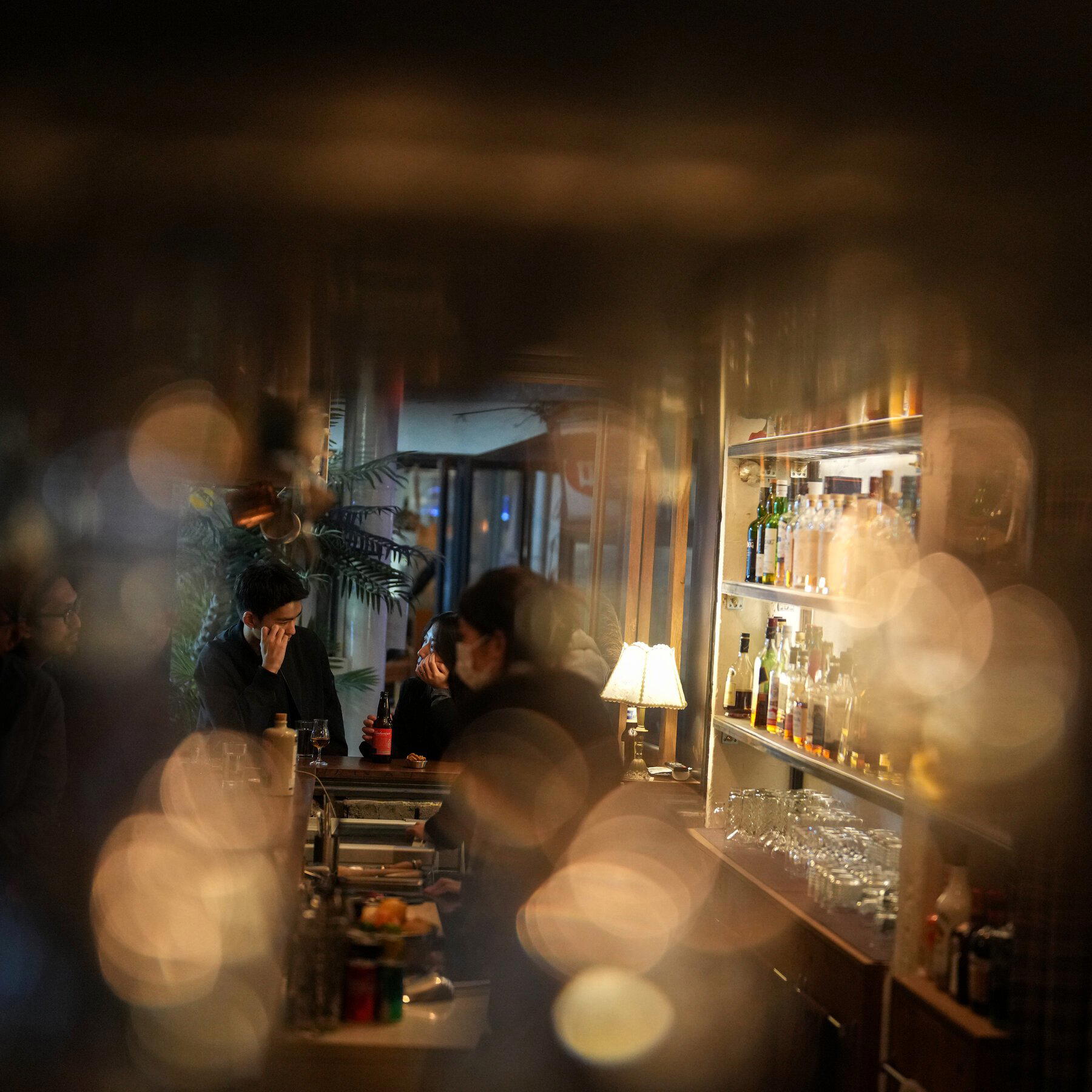
Cozy and intimate atmosphere in a comfortably petite venue on the second floor of a renovated old house, featuring warm and relaxed lighting.