Vault Steakhouse

Michelin Plate
Our verdict
Vault Steakhouse holds two consecutive Michelin Plates (2024–2025) and occupies the premium end of Apgujeong's dining corridor, where imported dry-aging and butchery technique meets the precision cuts and service register that Seoul's Gangnam dining culture demands. At the ₩₩₩₩ price tier, it competes directly with the city's upper-bracket steakhouses rather than the mid-market grill segment.

Pearl is the En Primeur Club membership app — saves, bookings, and concierge access live there. Same editors, same standards.
- Address
- 22 Apgujeong-ro 72-gil, Gangnam District, Seoul, South Korea
- Phone
- +82 2-544-9235
- Website
- vaultsteakhouse.co.kr
- Directions
- Get directions
The menu
What to order
- Porter house
- Bone-in ribeye
- Filet mignon
Where Apgujeong Sets the Bar for Imported Technique
Apgujeong-ro is one of Seoul's most competitive dining corridors — a stretch through Gangnam where restaurants are priced against international peers and judged by the same standards as comparable addresses in Tokyo, Hong Kong, or New York. The steakhouse format arrived in this neighbourhood through a particular lens: not as a casual American-style grill, but as a precision-led, premium-occasion destination where dry-aging protocols, cut selection, and service choreography carry as much weight as the beef itself. Vault Steakhouse, on Apgujeong-ro 72-gil, operates in exactly that register.
The Michelin Plate recognition in both 2024 and 2025 places Vault in the tier of Seoul restaurants that Michelin inspectors have judged worth visiting — below the starred category but above the undifferentiated mass of Gangnam's dining options. Within the steakhouse format specifically, that recognition is meaningful context: Seoul's premium beef-focused restaurants now operate inside a clearly stratified system, and Michelin Plate status at the ₩₩₩₩ price tier signals a venue competing at the top of the non-starred bracket.
The Seoul Steakhouse in Its Regional Setting
The premium steakhouse format across East Asia has evolved differently from its American origins. In cities like Seoul, Tokyo, and Taipei, the format absorbed local precision and service culture and shifted toward a more ceremony-conscious experience, smaller portions, more detailed sourcing narration, and a stronger emphasis on beef provenance as a selling point. A Cut in Taipei and Born and Bred in Busan represent different city-level inflections of the same regional pattern: imported Western butchery logic refracted through local hospitality expectations.
In Seoul's case, the steakhouse conversation sits alongside one of Asia's most demanding fine dining ecosystems. Restaurants like Mingles, Jungsik, and alla prima have established Seoul as a city where global technique and Korean ingredients interact at the highest level. A premium steakhouse operating in this environment has to compete with that broader creative ambition, the customer choosing Vault on a given evening could equally have booked a tasting menu at Kwonsooksoo or a kaiseki-influenced Korean progression at Gaon. The format, then, has to justify itself on technique and sourcing clarity, not nostalgia for Western dining conventions.
Global Method, Local Demand: The Steakhouse Proposition in Gangnam
The editorial angle on a venue like Vault is less about the restaurant itself and more about what Seoul's dining culture demands of any steakhouse that wants to operate at the ₩₩₩₩ level. Gangnam's dining clientele is among the most internationally travelled in Asia, they have benchmarks from New York's Keens, Tokyo's Aragawa, and London's Hawksmoor. That creates pressure on any local premium steakhouse to demonstrate technique that goes beyond simply importing a format.
The intersection of imported methodology and domestic market expectation is where Seoul's steakhouses find their specific character. Dry-aging, fire management, and Western-style butchery cuts are the technical vocabulary. But the service pace, portion logic, and occasion framing are calibrated to Korean dining culture, where communal ordering, soju and wine pairing, and table-length hospitality are part of the expectation rather than an afterthought. RMW Carne represents another data point in that same Seoul steakhouse conversation, offering a useful comparison in terms of format and positioning within the Gangnam premium tier.
Vault's Apgujeong-ro address puts it in the centre of that negotiation. The neighbourhood has historically attracted restaurants that take Western formats seriously while understanding that Seoul's dining public will read any gap between claimed standard and actual execution immediately. Two consecutive Michelin Plate years suggest the kitchen is maintaining consistency at the level that matters for repeat business in a neighbourhood where alternatives are dense.
Seasonal Timing and When to Book
Seoul's premium restaurant calendar has distinct peak windows. The autumn season, October through early December, concentrates the city's highest-spend dining occasions: corporate entertainment, family milestone dinners, and international visitors arriving before the winter cold settles in. For a ₩₩₩₩ steakhouse in Apgujeong, this is when booking pressure is most acute and when kitchens tend to be running at peak form after the summer adjustment period.
Spring (April through May) is the secondary high season, with cherry blossom tourism and the pre-summer entertainment calendar driving reservation volume. The winter months of January and February are comparatively quieter in Gangnam's restaurant corridor, which can mean better table availability without a corresponding drop in kitchen quality. Visitors to Seoul in winter who want access to the premium tier without the autumn booking competition will find that window the most practical.
For the broader Seoul restaurant picture, see our full Seoul restaurants guide. Other EP Club resources covering Seoul: our full Seoul hotels guide, our full Seoul bars guide, our full Seoul wineries guide, and our full Seoul experiences guide. For regional context beyond Seoul, Mori in Busan and Baegyangsa Temple in Jangseong-gun show how Korea's broader restaurant culture extends well beyond the capital. 권숙수, Kwon Sook Soo in Gangnam-gu and 더 플라잉 호그, The Flying Hog in Seogwipo further illustrate the range of the Korean dining scene across format and region.
Planning Details: How Vault Compares in the Gangnam Premium Tier
| Venue | Cuisine | Price Tier | Award Status | Format |
|---|---|---|---|---|
| Vault Steakhouse | Steakhouse | ₩₩₩₩ | Michelin Plate (2024, 2025) | À la carte, premium beef-focused |
| RMW Carne | Steakhouse/Grill | ₩₩₩₩ | See EP Club listing | Premium beef, à la carte |
| 7th Door | Korean, Contemporary | ₩₩₩₩ | See EP Club listing | Tasting menu format |
| Zero Complex | Korean-French, Innovative | ₩₩₩₩ | See EP Club listing | Tasting/innovative |
| Onjium | Korean | ₩₩₩₩ | See EP Club listing | Traditional Korean progression |
Frequently asked questions
What should I budget for a meal at Vault Steakhouse?
Pricing at Vault Steakhouse is listed as ₩₩₩₩.
What part of town is Vault Steakhouse in?
Vault Steakhouse is located at 22 Apgujeong-ro 72-gil, Gangnam District, Seoul, South Korea, Seoul.
Has Vault Steakhouse won any awards?
Vault Steakhouse has received recognition including: Michelin Plate (2025); Michelin Plate (2024).
What's the signature dish at Vault Steakhouse?
What two consecutive Michelin Plate recognitions (2024 and 2025) do confirm is consistent kitchen execution at the ₩₩₩₩ tier — the upper range of Seoul's restaurant pricing. In Apgujeong, that tier generally signals dry-aged or premium imported cuts prepared with technique, though the specific programme here remains unverified.
Is Vault Steakhouse reservation-only?
At the ₩₩₩₩ price point in Apgujeong — one of Gangnam's most competitive dining corridors — and with two consecutive Michelin Plate years, advance reservations are strongly advisable. Walking in without a booking at this tier in Seoul carries real risk, particularly during autumn peak season (October through early December).
Nearby-ish Comparables
Comparable options at a glance, pulled from our tracked venues.
| Venue | Cuisine | Price | Awards | Notes |
|---|---|---|---|---|
| Vault SteakhouseThis venue — the venue you are viewing | American Steakhouse | $100–150 | Michelin Plate | Not listed |
| 7th Door | Modern Korean Fermentation Fine Dining | $100–150 | 1 Michelin Star · World's 50 Best #49 | Korean, Contemporary |
| Solbam | Contemporary Neo-Classical Korean | $200–300 | 1 Michelin Star · World's 50 Best #55 | Contemporary |
| Onjium | Modern Korean Royal Court Cuisine | Not listed | 1 Michelin Star · World's 50 Best #14 | Korean |
| L'Amitié | Classic French Fine Dining | $100–150 | 1 Michelin Star · La Liste Top Restaurants | French |
| Zero Complex | Modern French Neo-Bistro | $100–150 | 1 Michelin Star · La Liste Top Restaurants | Korean-French, Innovative |
Recognition history
Dated appearances from independent guides and award organizations, with the underlying list record or original source where available.
Michelin Plate
Michelin
Full recognition history (2 entries)
Michelin Plate
Michelin
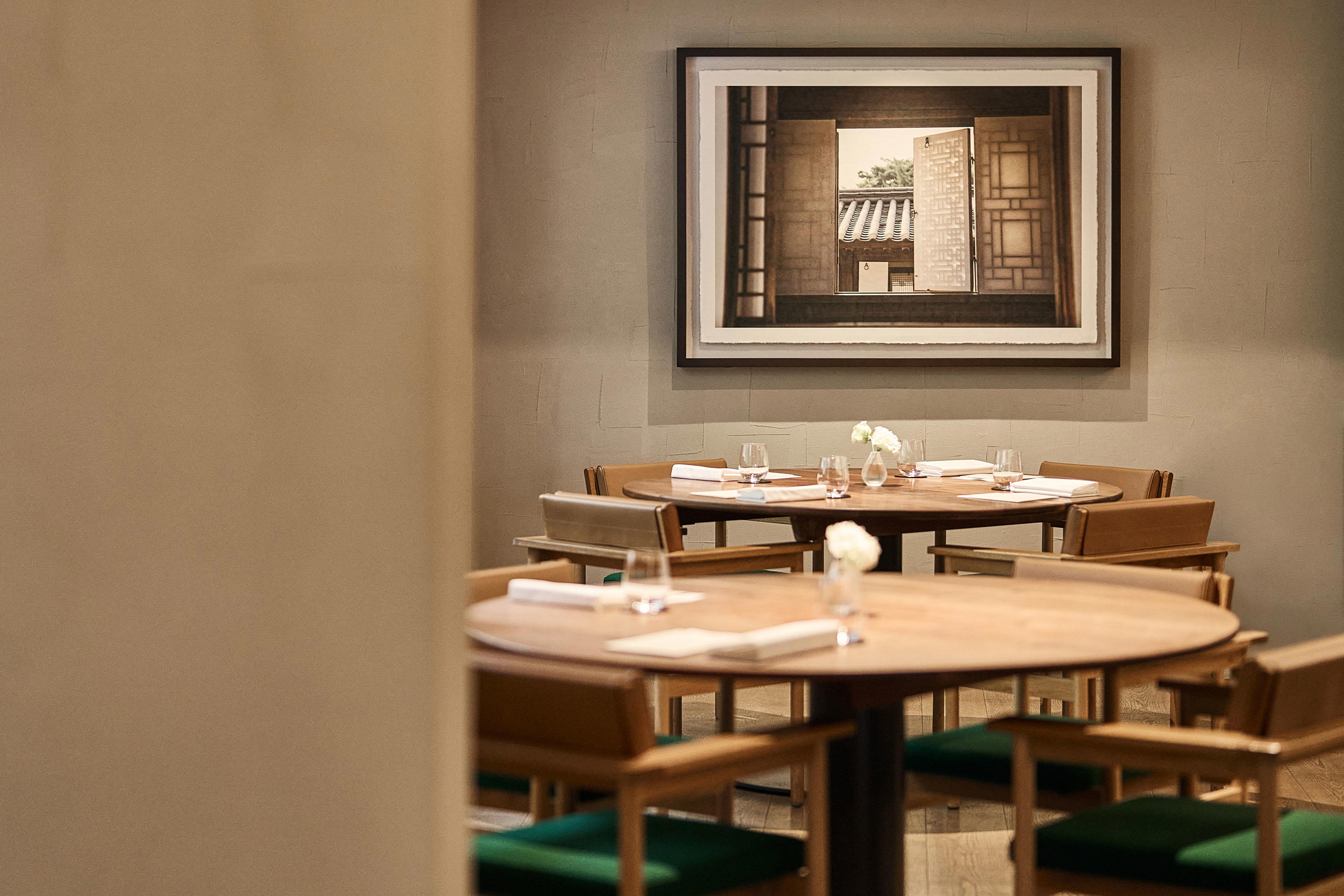
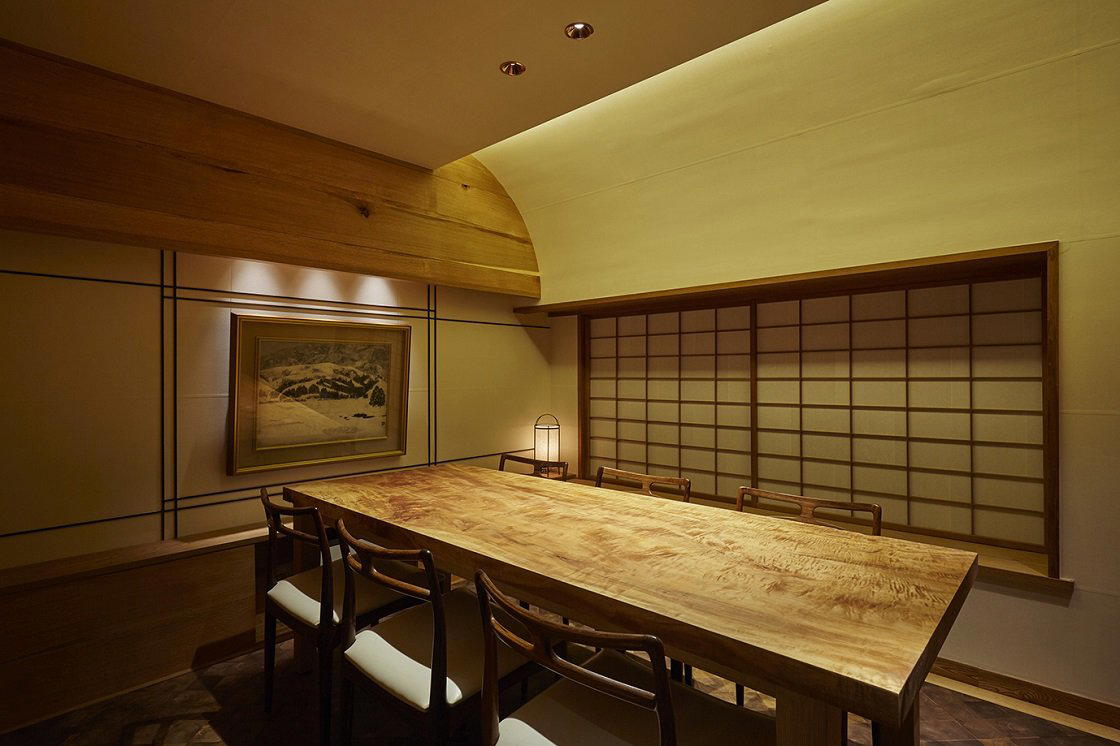
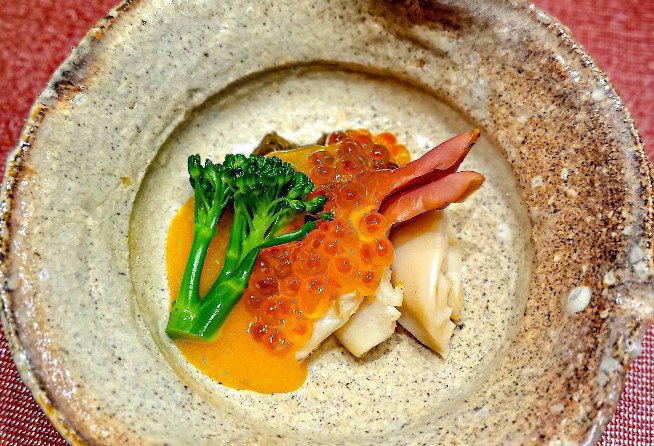
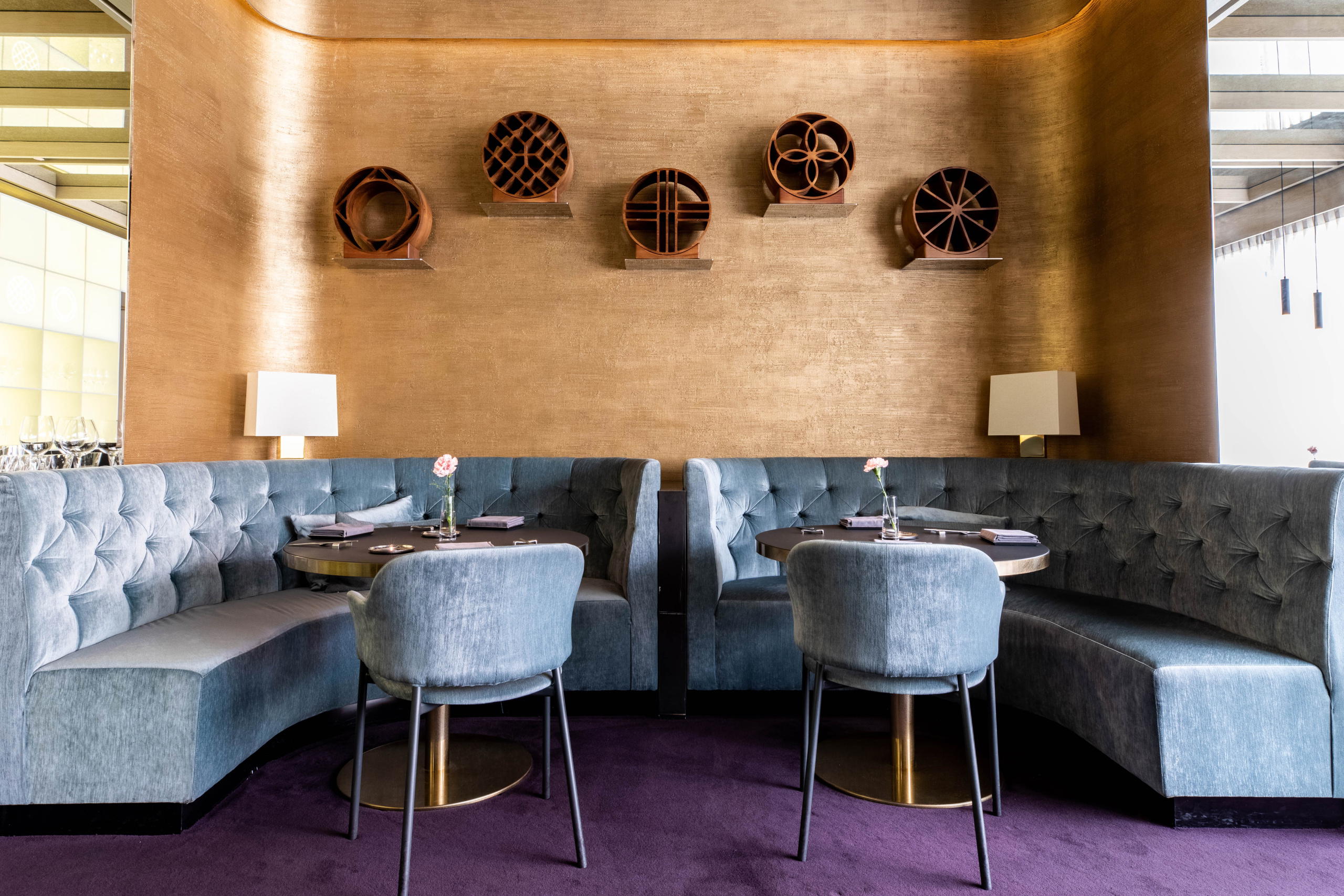
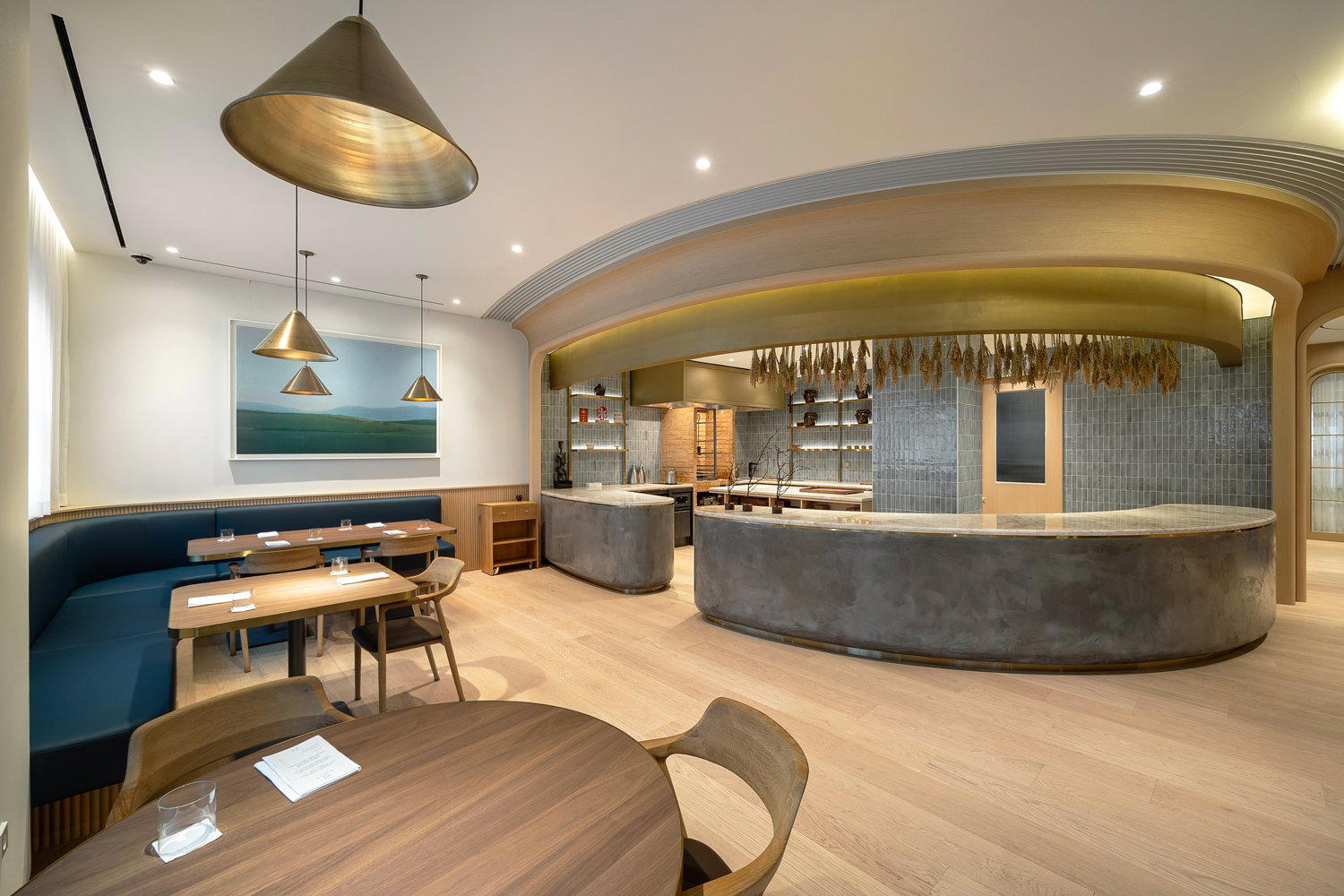
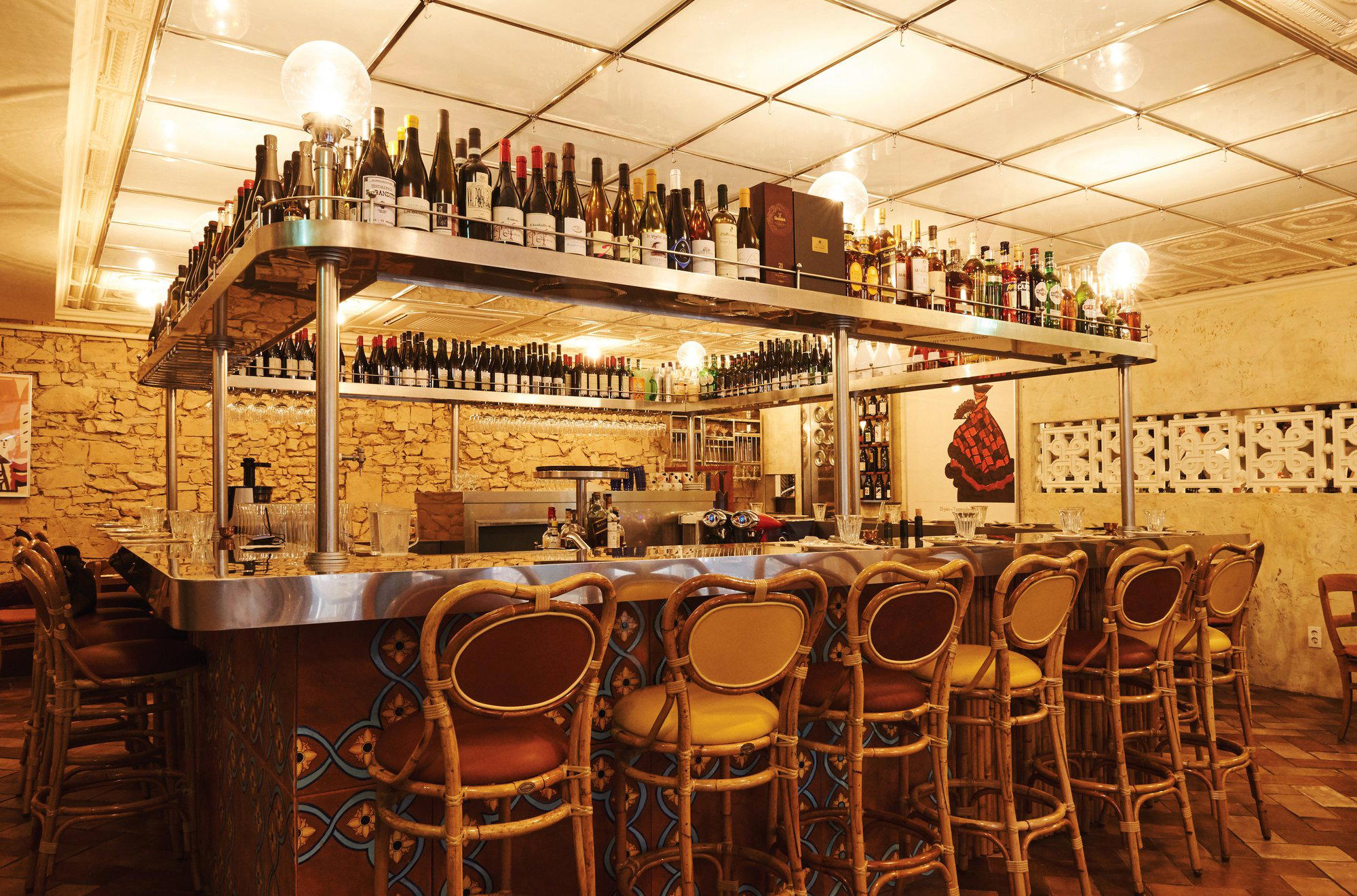

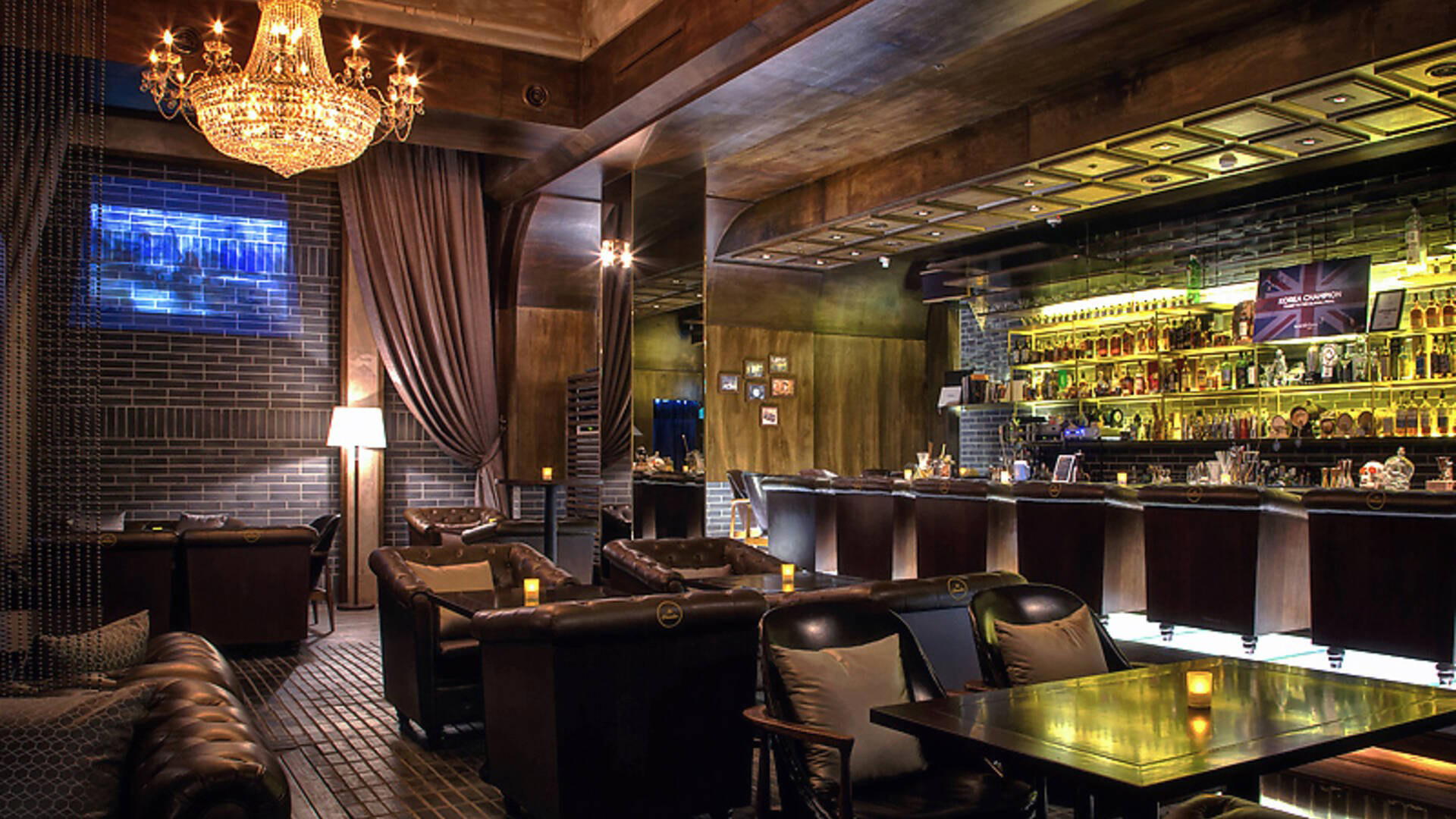
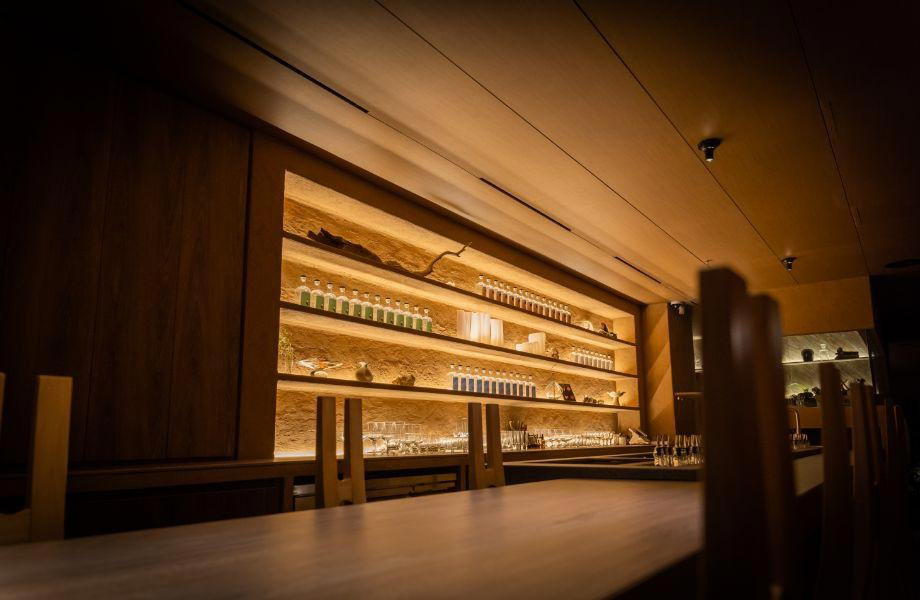
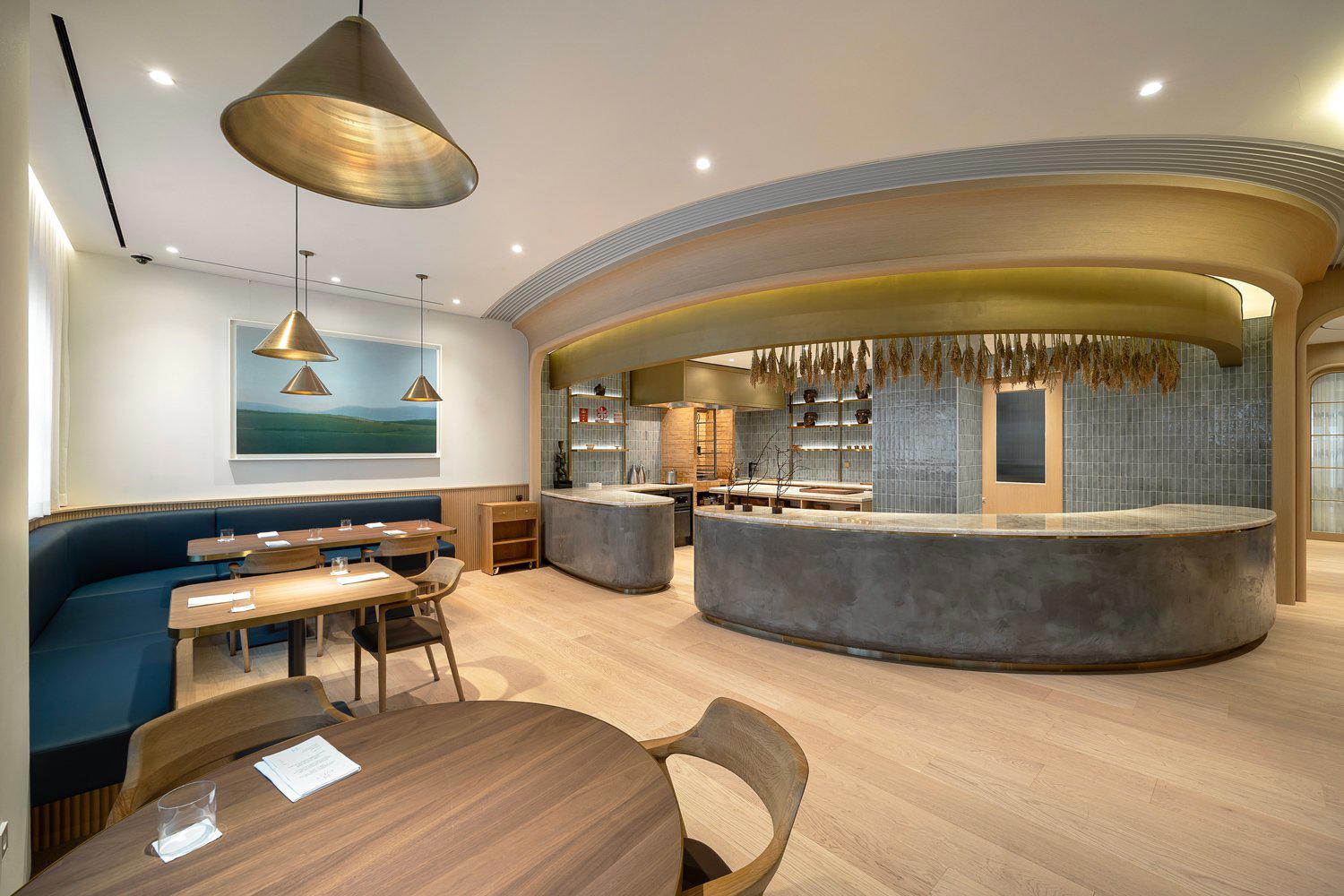
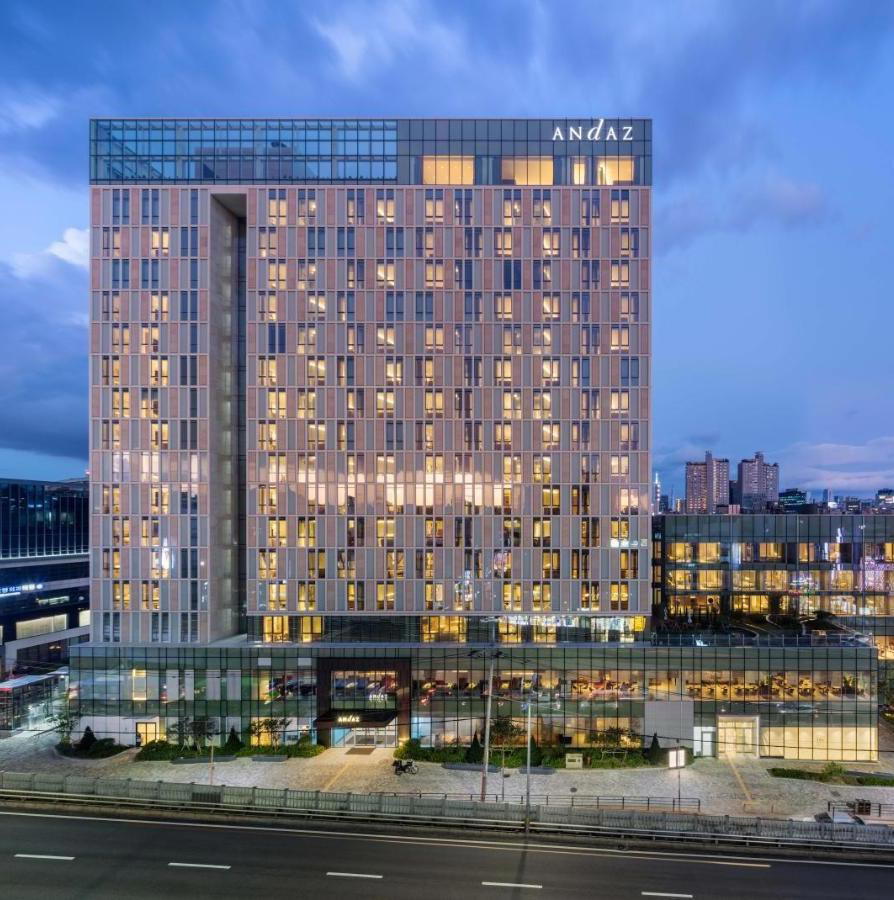
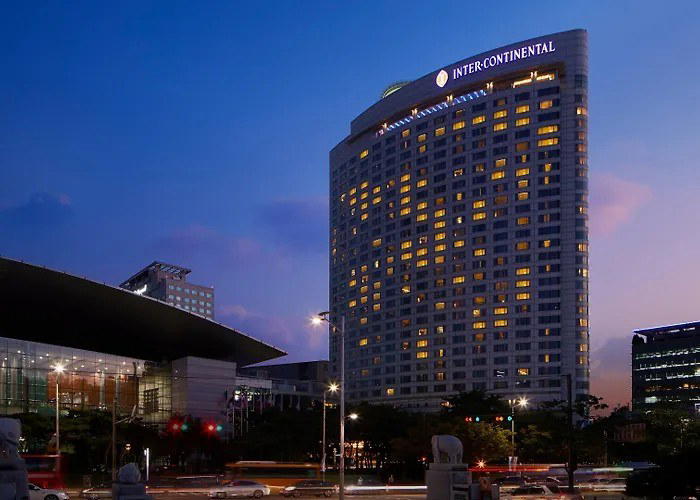
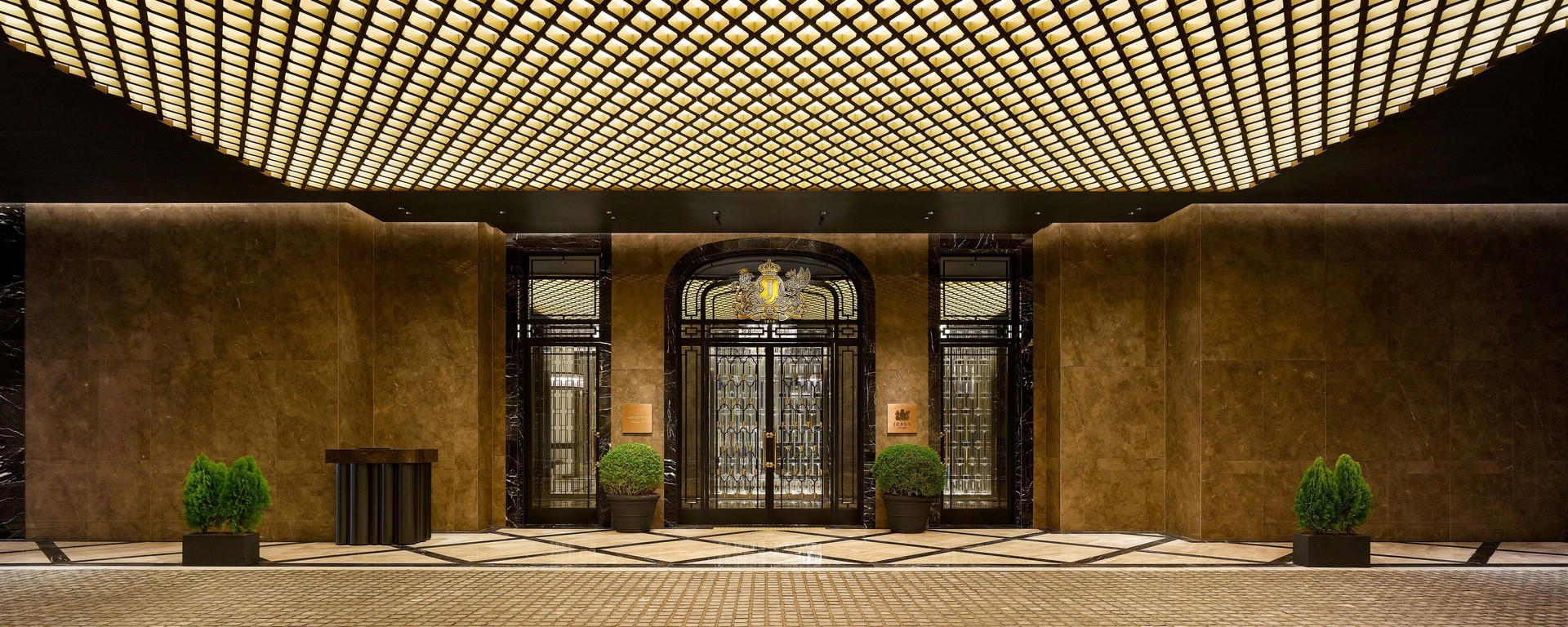
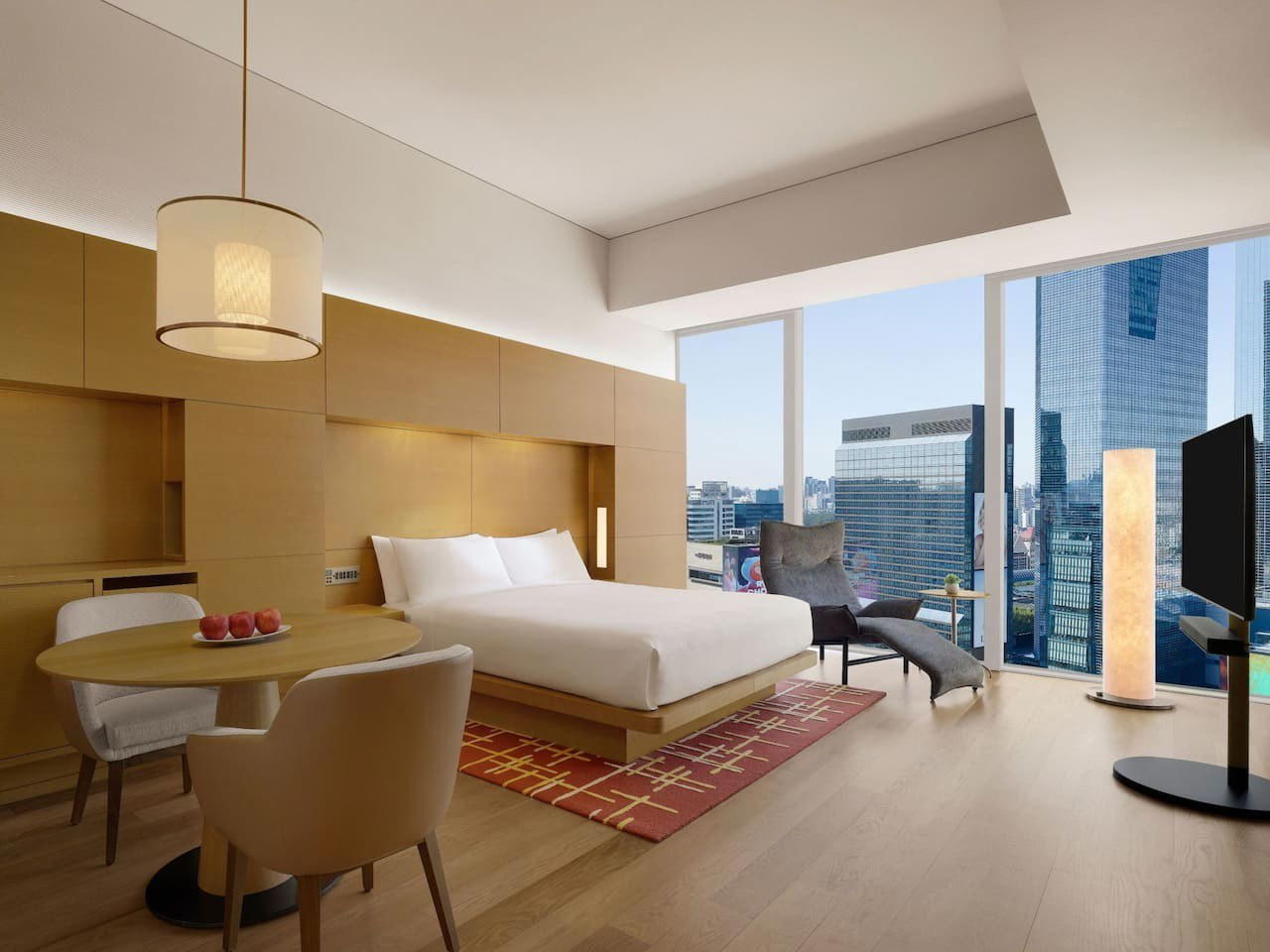
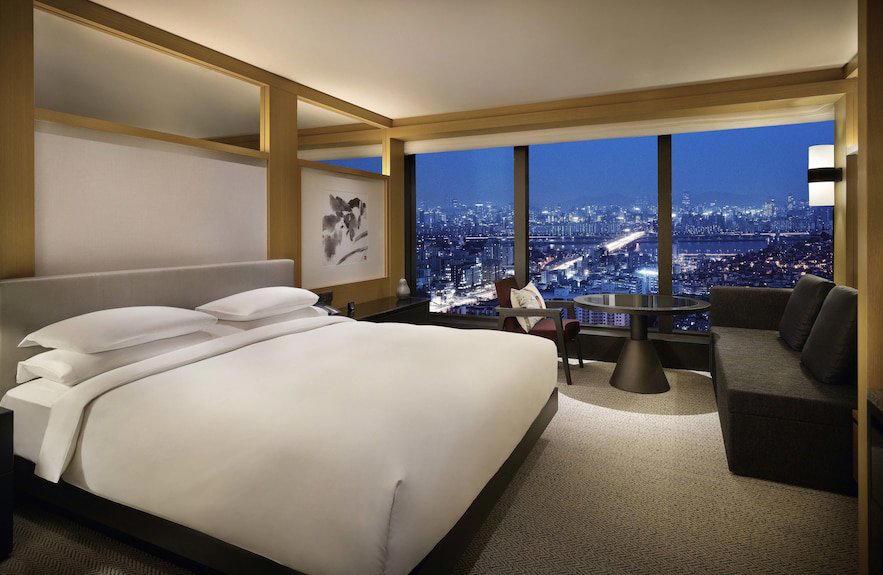
Vault Steakhouse
The wine
- Wine program
- Curated wine list
- Extensive wine list
Details
- Elegant
- Sophisticated
- Business Dinner
- Special Occasion
- Date Night
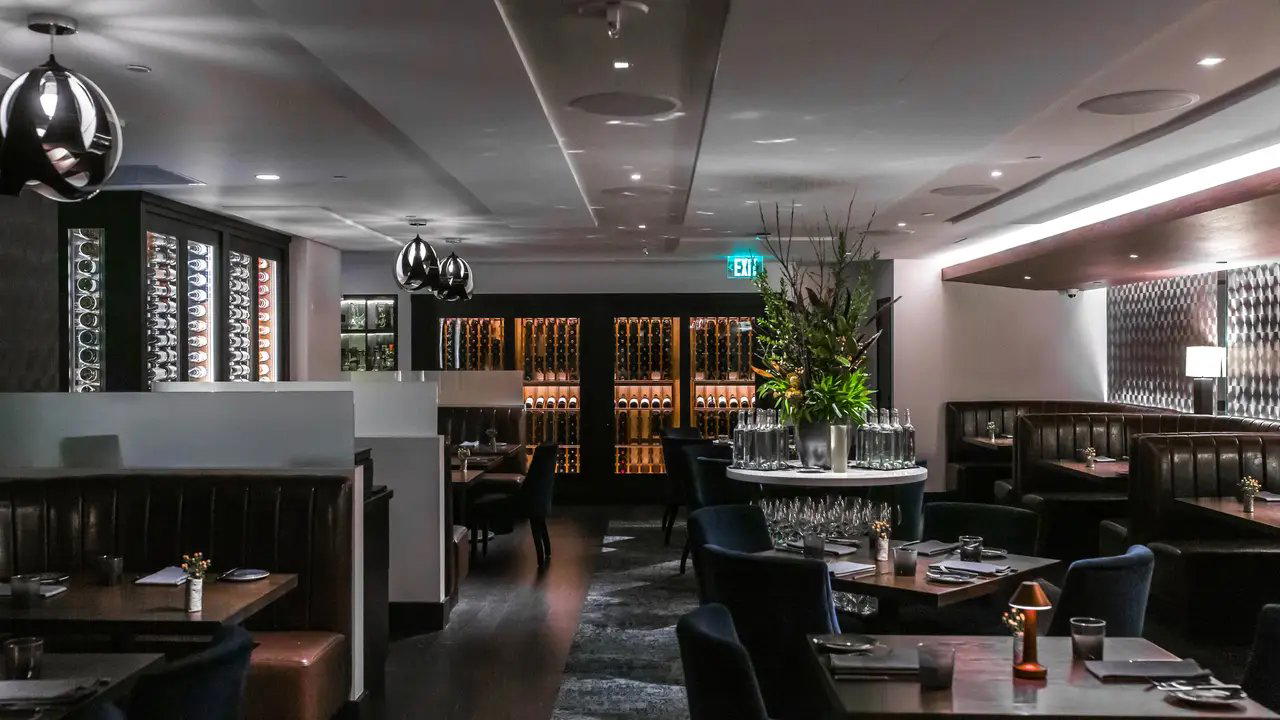
- Wine Cellar
- Extensive Wine List
- A La Carte
- Whiskey
Dimly lit masculine décor creating an upscale, sophisticated atmosphere.