

A Michelin one-star steakhouse on the second floor of the Ambassador Hotel in Taipei's Zhongshan District, A Cut positions itself at the summit of Taiwan's premium beef scene. The airy, light-filled dining room handles both power lunches and evening service with equal formality, and the à la carte program covering Australian Mayura Full-blood Wagyu and rare wine vintages sets it apart from the city's broader steakhouse tier.
Pearl is the En Primeur Club membership app — saves, bookings, and concierge access live there. Same editors, same standards.
- Address
- 104105, Taiwan, Taipei City, Zhongshan District, Liaoning St, 177號2樓
- Phone
- +886 2 2571 0389
- Website
- ambassador-hotels.com
- Directions
- Get directions
 Saves & bookings on Pearl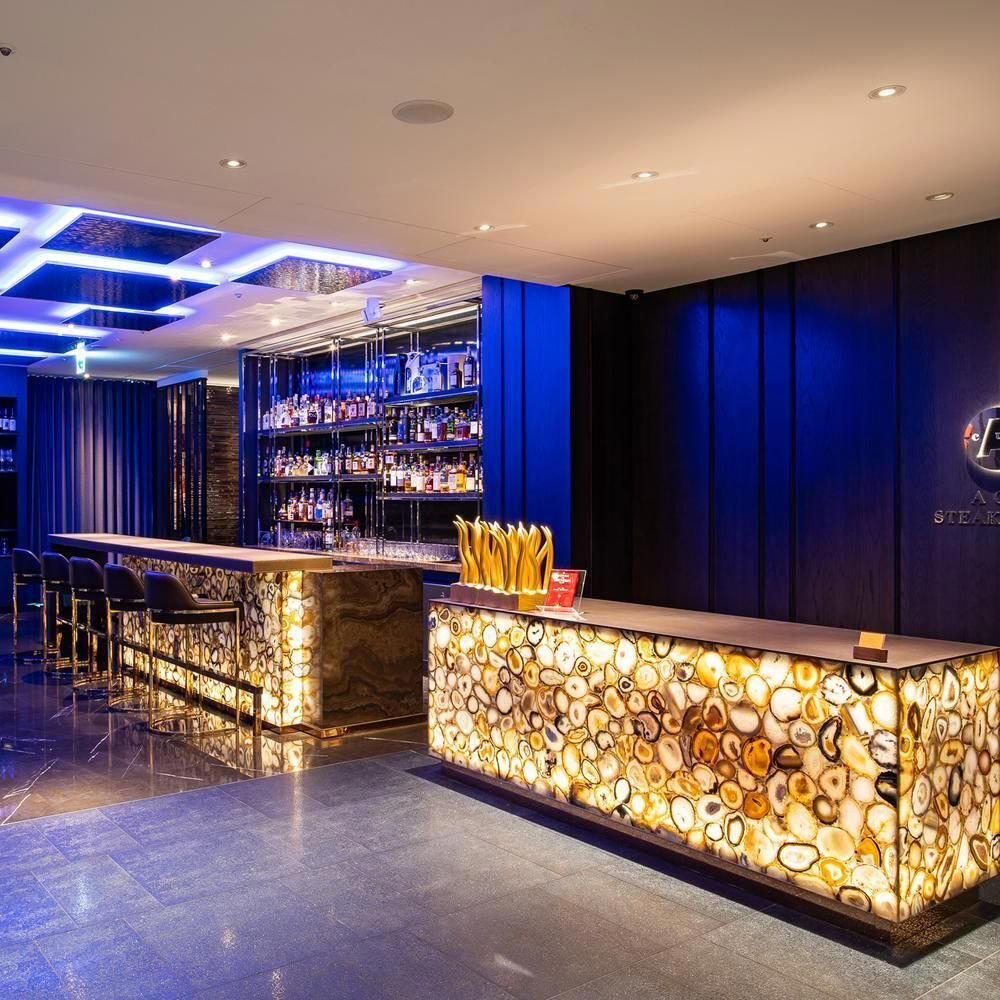
The Zhongshan Power Lunch, Codified in Beef
Taipei's business lunch culture has always had a geographic logic to it. Zhongshan District, with its hotel corridors, corporate towers, and long avenues of mid-century architecture, has functioned as the city's deal-making quarter for decades. Within that context, the upper-floor steakhouse occupying a position inside one of the district's established hotels carries a specific social weight that a street-level restaurant simply cannot replicate. A Cut, on the second floor of the Ambassador Hotel on Liaoning Street, operates squarely within that tradition.
The room itself does much of the work before a plate arrives. Guests are escorted past an open kitchen, a deliberate transparency that signals confidence in the production process, into a dining room where natural light defines the atmosphere rather than supplementing it. For a format built around long lunches and extended dinners where decisions get made across the table, that quality of light matters. It keeps the space from feeling sealed-off or pressurised, which is a different calculation than a downtown Manhattan chophouse like Keens, where the dark-wood density is the whole point.
Where A Cut Sits in Taipei's Steakhouse Tier
Taipei's premium steakhouse scene has consolidated around a handful of operators running at the leading price tier. At that level, the differentiators are sourcing provenance, dining format discipline, and whether the room can absorb a working meal without feeling transactional. Danny's Steakhouse has long anchored the American-cut end of that conversation, while Fresh & Aged and N°168 Prime Steakhouse in Zhongshan carve out their respective positions on dry-aging and volume. A Cut's Michelin one-star recognition in 2024 formally separates it from that peer group and places it inside a smaller bracket where the conversation about beef has to operate with more precision.
That Michelin recognition also places A Cut alongside Taipei's wider fine-dining tier, venues like logy, running two stars in the Modern European and Asian Contemporary register, and Le Palais at three stars in Cantonese. What distinguishes a Michelin-recognised steakhouse within that cohort is that the format demands justification at every point: the sourcing has to be traceable, the cooking technique has to demonstrate genuine command, and the wine list has to operate as a serious document rather than a supplement. A Cut's name references the grading term for premium-quality beef directly, which signals that the kitchen is not hedging on what it considers the central proposition.
The Beef Program and What It Implies
The sourcing detail in A Cut's program is specific enough to carry editorial weight. Australian Mayura Full-blood Wagyu ribeye represents a particular position in the global Wagyu conversation, full-blood genetics without crossbreeding, producing a fat profile that registers as milkier and more delicate than grass-fed alternatives. The menu also covers New York strip and ribeye cap as distinct cuts, reflecting an understanding that different muscles within the same animal deliver fundamentally different eating experiences: the strip for pronounced flavour intensity, the cap for the marbling consistency that Wagyu breeding prioritises. This is not a steakhouse presenting beef as an undifferentiated protein; the cut selection functions as an argument about how the animal is fundamentally understood.
For context across Asia's premium beef dining circuit, this level of sourcing specificity places A Cut in a comparable conversation to venues like Born and Bred in Busan, where Korean beef provenance carries equivalent weight, and at a different angle from Capa in Orlando, which approaches the steakhouse format through a Spanish-influenced lens. The sourcing argument is different in each case, but the underlying logic, that premium beef requires verifiable origins to command premium pricing, is consistent.
The Format: Set Menus, À La Carte, and the Noon Window
A Cut runs split services, opening at 11:30 AM through 3 PM for lunch and returning at 5:30 PM through 10 PM for dinner, seven days a week. The lunch window is where the power-meal format operates most efficiently: long enough to conduct a proper working meal, compressed enough that the format doesn't drift into leisure. The à la carte steaks can each be converted into set meals at a surcharge, which gives a business table the option of a more structured progression without surrendering access to the headline cuts. That flexibility is a practical concession to how corporate dining actually works, some guests want the full format, others want to eat specifically and move on.
The wine list, with its noted rare vintages, is a significant operational signal. A wine cellar carrying aged bottles is a capital investment that a restaurant only makes when it expects guests who will use it. In the Zhongshan business context, that means the room is set up for negotiations where a serious bottle is part of the ritual, not an exception.
A Cut in Taiwan's Broader Dining Context
Taiwan's Michelin Guide has produced a credible fine-dining circuit across the island, not just in Taipei. JL Studio in Taichung holds two stars in the Southeast Asian contemporary register, while GEN in Kaohsiung represents Michelin recognition spreading south. In Tainan, A Cun Beef Soup on Baoan Road operates in an entirely different register, where beef as ingredient is processed through a centuries-old Taiwanese tradition rather than a European-lineage steakhouse format. The contrast is useful: Taiwan handles premium beef in multiple cultural idioms simultaneously, and understanding A Cut requires placing it within the Western steakhouse tradition rather than conflating it with the island's indigenous beef culture.
For travellers spending time outside Taipei, Akame in Wutai Township and Volando Urai Spring Spa & Resort in Wulai District demonstrate how the island's premium dining and hospitality reach well beyond the capital. EP Club's full guides to Taipei restaurants, Taipei hotels, Taipei bars, Taipei wineries, and Taipei experiences cover the full width of that circuit.
Planning a Meal at A Cut
A Cut is located at 177 Liaoning Street, 2nd Floor, Zhongshan District, Taipei, within the Ambassador Hotel. Zhongshan is well-served by the MRT's Zhongshan and Xingtian Temple stations, and the hotel address is direct to reach from either the central business district or the Songshan area. The price tier is the leading bracket for Taipei dining, consistent with the $$$$ category, and the restaurant operates across both lunch and dinner formats.4 across more than 3,200 reviews, which for a formal steakhouse at this price point indicates consistent execution. Reservations are recommended, particularly for the 12 PM to 1:30 PM lunch window when business demand concentrates.
Where It Fits
Comparable venues nearby, for context on price, style, and recognition.
| Venue | Cuisine | Price | Awards | Notes |
|---|---|---|---|---|
| A CutThis venue — the venue you are viewing | Michelin-Starred Steakhouse | $$$$ | Michelin 1 Star | Not listed |
| Sushiyoshi | Edomae Omakase with French Fusion | $$$$ | Michelin 1 Star | Checeng |
| Sens | Modern French Fine Dining | $$$$ | Michelin 1 Star | Songji |
| INITA | Italian-Japanese-Taiwanese Fusion | $$$$ | Michelin 1 Star | Dunhua |
| Circum- | Modern Chinese Fine Dining with French Technique | $$$$ | Michelin 1 Star | Zhongshan |
| Ken Anhe | Traditional Japanese Omakase | $$$$ | Michelin 1 Star | Dun'an |
Recognition history
Dated appearances from independent guides and award organizations, with the underlying list record or original source where available.
Michelin 1 Star
Michelin
Star Wine List
Star Wine List
Michelin 1 Star
Michelin
Michelin 1 Star
Michelin
Continue exploring
More in Taipei
Restaurants in Taipei
Browse all →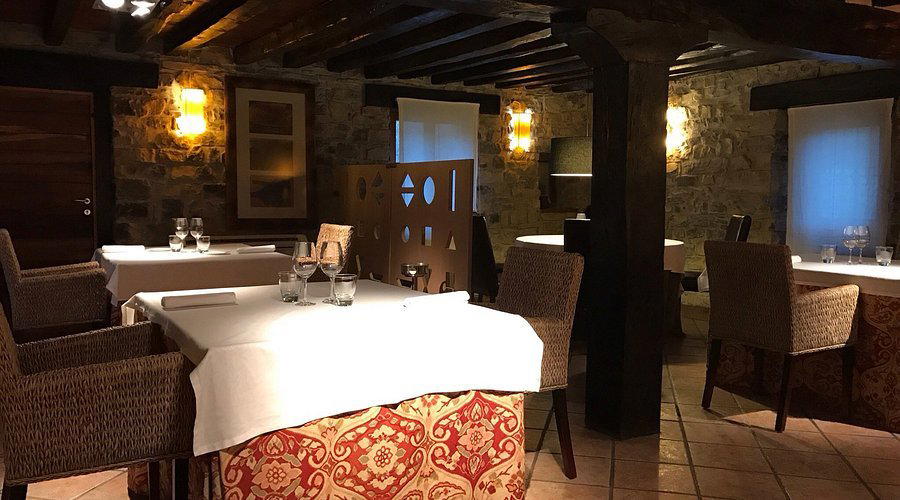
Bars in Taipei
Browse all →
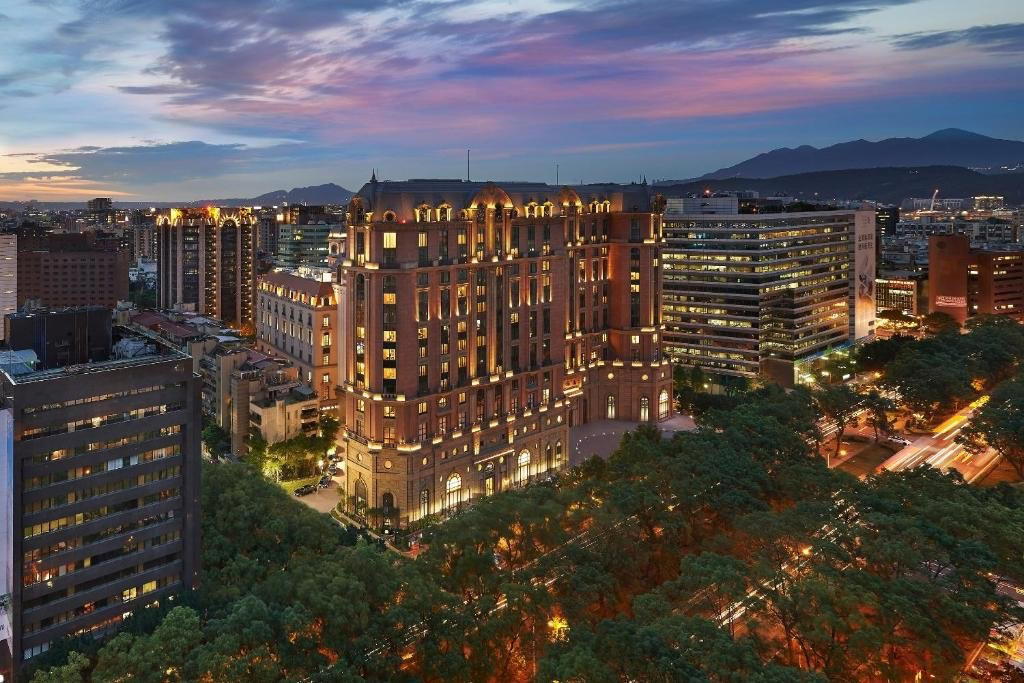
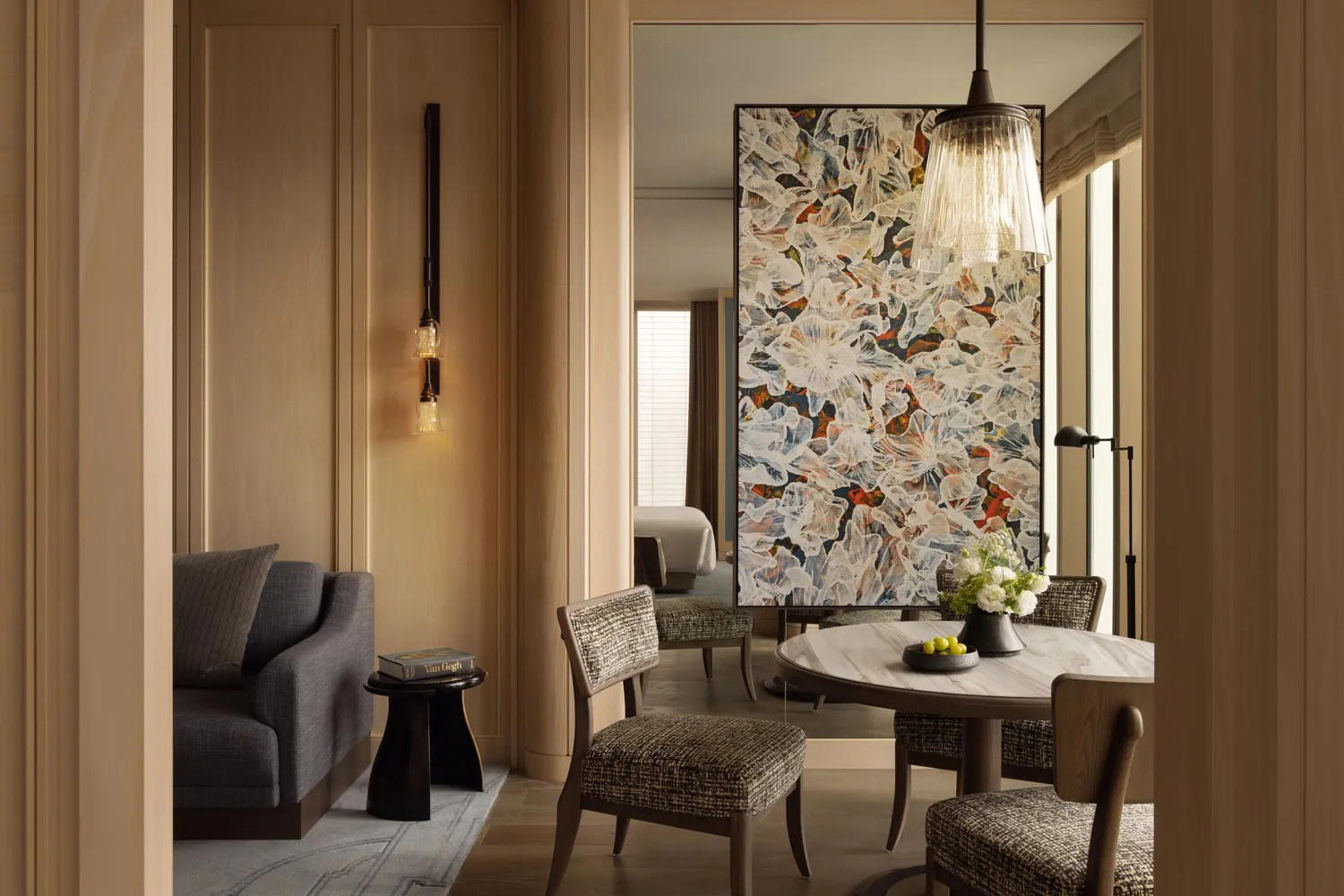
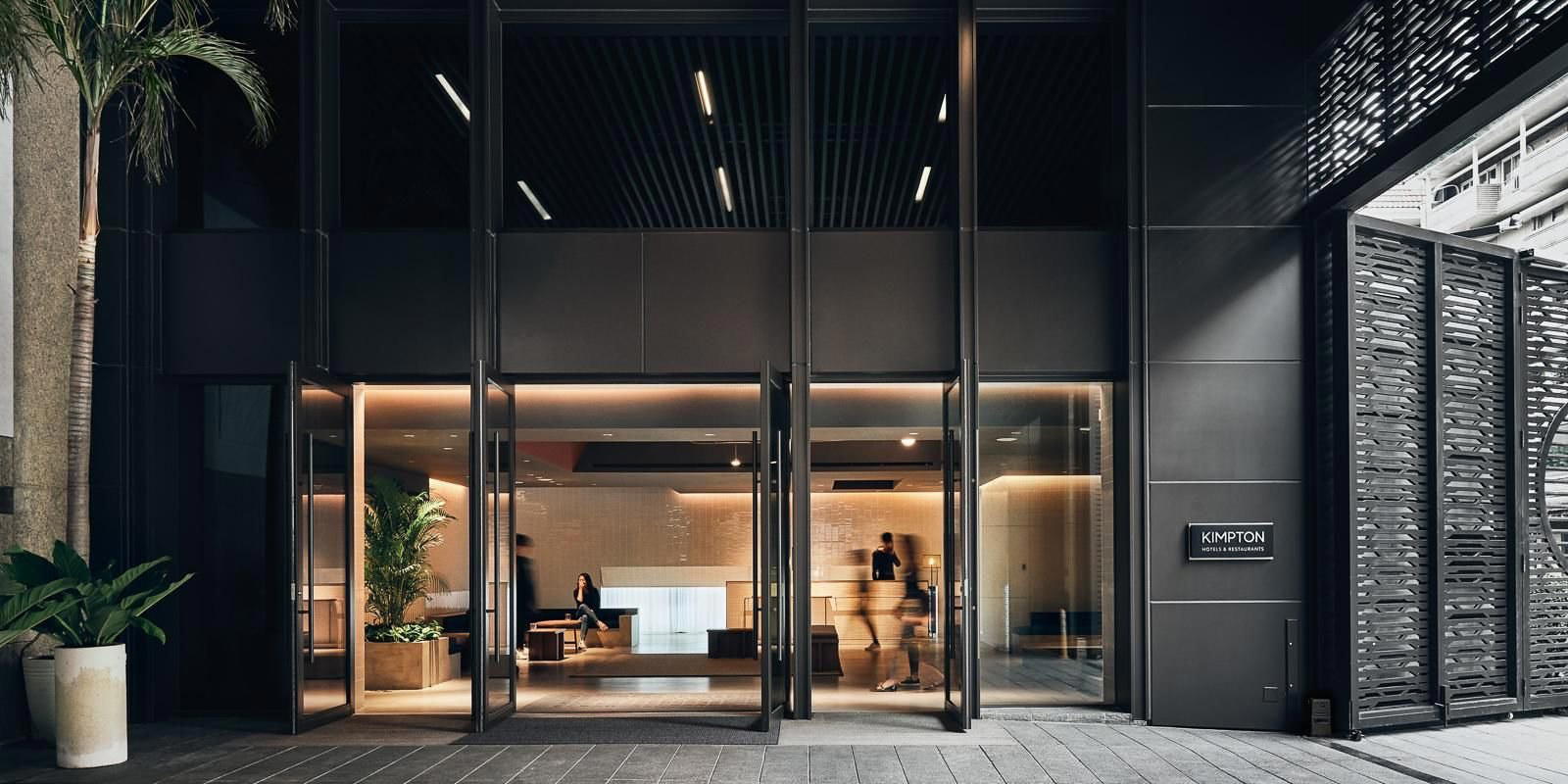
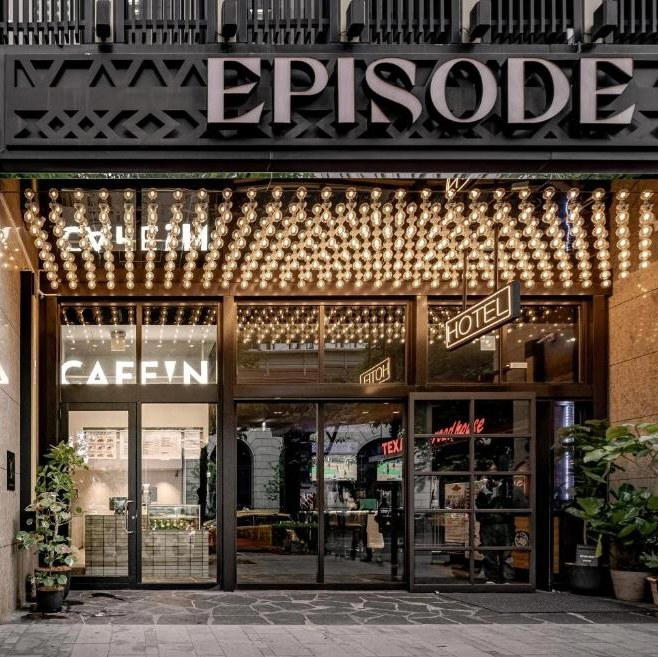
Hotels in Taipei
Browse all →
Wineries in Taipei
Browse all →
At a Glance
- Elegant
- Sophisticated
- Cozy
- Special Occasion
- Business Dinner
- Date Night
- Celebration
- Open Kitchen
- Private Dining
- Extensive Wine List
Current opening hours
- Monday
- 11:30 AM–3 PM, 5:30–10 PM
- Tuesday
- 11:30 AM–3 PM, 5:30–10 PM
- Wednesday
- 11:30 AM–3 PM, 5:30–10 PM
- Thursday
- 11:30 AM–3 PM, 5:30–10 PM
- Friday
- 11:30 AM–3 PM, 5:30–10 PM
- Saturday
- 11:30 AM–3 PM, 5:30–10 PM
- Sunday
- 11:30 AM–3 PM, 5:30–10 PM
Hours can change for holidays and private events. Last verified .
Cozy and elegant with professional service, open kitchen views, and a bourgeois atmosphere ideal for special occasions.