On Via Giovanni de Agostini in Rome's Pigneto quarter, Vitaminas24 occupies a neighbourhood far removed from the tourist circuits around the historic centre. Where Pigneto's dining scene skews toward trattoria tradition and low-key aperitivo culture, Vitaminas24 positions itself within the city's growing conversation around plant-forward cooking, ethical sourcing, and reduced-waste kitchen practice, a set of concerns that Rome's fine-dining tier is only beginning to absorb seriously.
Pearl is the En Primeur Club membership app — saves, bookings, and concierge access live there. Same editors, same standards.
- Address
- Via Giovanni de Agostini, 41/45, 00176 Roma RM, Italy
- Phone
- +39601902086
- Website
- vitaminas24.it
- Directions
- Get directions
 Saves & bookings on Pearl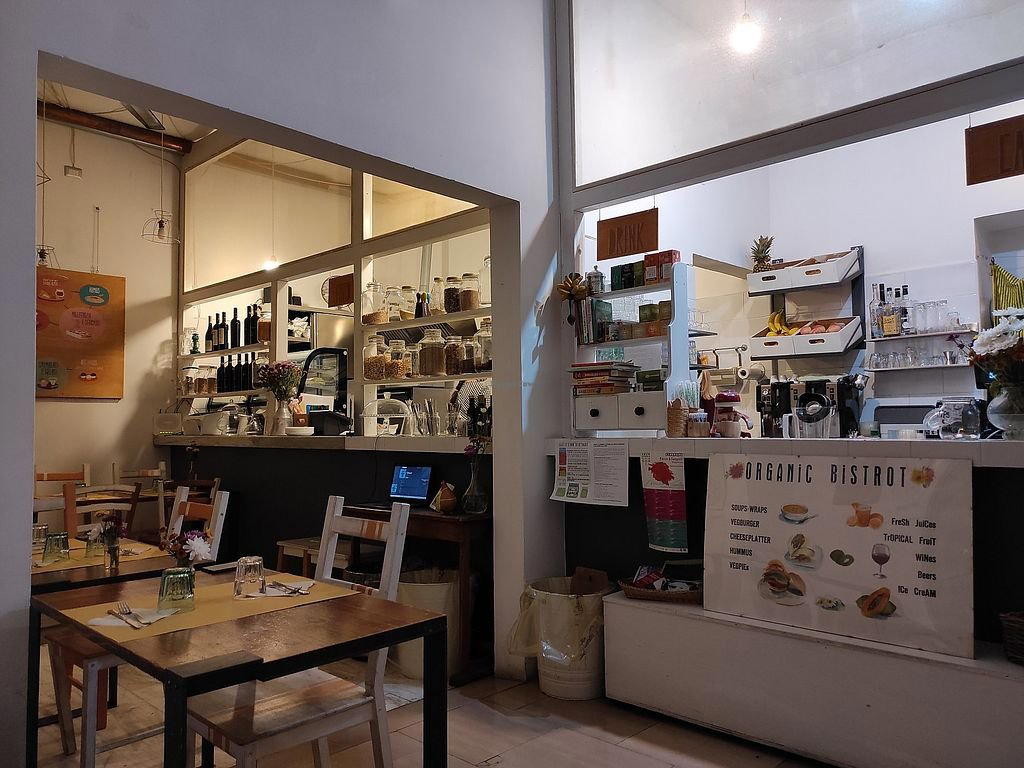
Pigneto and the Rome That Doesn't Face the Colosseum
Rome's most talked-about restaurants tend to cluster along a predictable arc: the historic centre, Prati, Parioli, and the Flaminio corridor. Pigneto sits east of the Aurelian Walls, closer to Torpignattara than to Trastevere, and the neighbourhood's dining identity has historically been shaped by working-class trattoria culture and the kind of aperitivo bars that don't need a concept to fill their tables. That context matters when placing Vitaminas24, located at Via Giovanni de Agostini 41/45, because the address itself signals something deliberate. Restaurants that open in Pigneto are not chasing proximity to La Pergola's clientele or the expense-account tables of the city's formal dining tier. They are, by geography, making a different argument about what Roman eating should look like.
That argument, in the case of Vitaminas24, connects to a broader shift visible across European cities where younger restaurant operators are building programs around sustainability, plant-centric menus, and supply chains short enough to name. Rome has been slower than Milan or Florence to absorb this shift at scale, the city's culinary identity is deeply tied to offal, cured meat, aged cheese, and technique transmitted through decades of household cooking. A restaurant framing itself through environmental consciousness in this city is not swimming with the current.
The Sustainability Frame in Italian Fine Dining
Across Italy's most recognised restaurants, the sustainability conversation has arrived unevenly. At Atelier Moessmer Norbert Niederkofler in Brunico, the Cook the Mountain philosophy has made zero-kilometre sourcing and Alpine-only ingredients the structural basis of the entire menu, not an add-on, but the constraint that generates the cooking. At Uliassi in Senigallia, the relationship with Adriatic fishing communities functions as both ethical sourcing and creative input. At Reale in Castel di Sangro, the kitchen's Apennine location makes hyper-local sourcing a practical necessity as much as a philosophical position.
What these examples share is that sustainability, at their level, is not communicated through signage or branding language, it is expressed through the specificity of the ingredient list and the discipline of the menu structure. For a neighbourhood restaurant in Pigneto operating outside the Michelin bracket occupied by Il Pagliaccio or Enoteca La Torre, the question is whether the same rigour can operate at a different price point and in a different register. Italy has produced working models of this in country cooking, Dal Pescatore in Runate has maintained a three-Michelin-star kitchen rooted in Mantovan ingredients for decades without abandoning its regional foundations.
Plant-Forward Cooking in a City Built on Cacio e Pepe
Rome's canonical dishes, cacio e pepe, amatriciana, carbonara, coda alla vaccinara, are not incidental to the city's identity. They are the product of a specific economic and agricultural history in which offal cooking and cheese-and-egg technique developed as practical responses to available ingredients and limited means. Plant-forward restaurants in Rome are not simply offering an alternative menu; they are proposing a different relationship to the city's culinary memory.
Across Europe, this reconfiguration has found different forms. In New York, Atomix has built a tasting menu framework that foregrounds vegetable preparation within a Korean fine-dining context. In Paris and London, particularly credible plant-forward operators have tended to emerge from classical fine-dining backgrounds, their ethical sourcing claims are supported by technique dense enough to carry the menu without the structural crutch of protein. In Rome, the challenge is compounded by a dining culture that remains deeply sceptical of what it perceives as ideological cooking. The restaurants that have made traction in this space, scattered across Testaccio, Ostiense, and now Pigneto, tend to earn credibility through ingredient quality first, messaging second.
For context on where Rome's creative dining tier currently sits, Acquolina and Achilli al Parlamento represent the kind of creative Italian cooking that Rome's recognised fine-dining space has converged around, fish-forward, technically precise, anchored in Italian product. The sustainability conversation at that level is present but rarely the primary frame. Vitaminas24, operating at a different scale and in a different neighbourhood, is part of a separate, emerging conversation.
Waste Reduction and the Neighbourhood Kitchen
In the broader European restaurant economy, waste reduction has moved from a marginal concern to a competitive signal. Particularly rigorous kitchens, at establishments like Osteria Francescana in Modena and Piazza Duomo in Alba, have integrated whole-animal and whole-vegetable approaches as part of their tasting menu logic, generating secondary preparations from trim and offcuts that function as distinct courses. At the neighbourhood level, waste reduction tends to express itself differently: shorter menus, daily-changing specials built around what arrived from suppliers that morning, and portion calibration that reflects actual yield rather than plated aspiration.
This model has affinities with the Italian merenda and cucina povera traditions, where nothing was wasted because nothing could be. The contemporary sustainability frame is a different motivation arriving at a similar practice. Whether that alignment between historical necessity and current ethics makes the cooking more or less interesting is a question individual diners will answer differently. What it does mean is that a restaurant in Pigneto operating on this model has cultural material to work with, the neighbourhood's history provides a form of authenticity that a sustainability-branded restaurant in a more affluent Roman postcode would have to work harder to establish.
For those mapping Rome's wider dining geography before visiting Pigneto, the full Rome restaurants guide covers the city's current fine-dining tier alongside neighbourhood-level options across multiple price points and styles. Italy's broader fine-dining network, from Le Calandre in Rubano to Enrico Bartolini in Milan to Quattro Passi in Marina del Cantone, provides reference points for understanding where different sustainability and sourcing commitments sit within the national conversation. Internationally, Le Bernardin in New York City and Enoteca Pinchiorri in Florence represent the higher reaches of what sustained sourcing discipline can produce when combined with deep technical investment.
Vitaminas24 is a restaurant on Via Giovanni de Agostini in Rome's Pigneto quarter. Tram line 5 and 14 both serve Pigneto, with the neighbourhood a short walk from the Pigneto stop.
Compact Comparison
Comparable venues nearby, for context on price, style, and recognition.
| Venue | Cuisine | Price | Notes |
|---|---|---|---|
| Vitaminas24This venue — the venue you are viewing | Not listed | $$ | Not listed |
| Profumo di Mirto | Tuscolano, Sardinian Seafood | $$ | Not listed |
| Trattoria L'avvolgibile | Not listed | $$ | Appio-Latino, Traditional Roman Trattoria |
| Taverna Volpetti | Testaccio, Traditional Roman Trattoria | $$ | Not listed |
| ZI ROSETTA | Not listed | $$ | San Eustachio, Traditional Roman Trattoria |
| Gelateria La Romana | Sallustiano, Artisanal Italian Gelato | $$ | Not listed |
Continue exploring
More in Rome
Restaurants in Rome
Browse all →
Bars in Rome
Browse all →
Hotels in Rome
Browse all →


At a Glance
- Minimalist
- Cozy
- Modern
- Casual Hangout
- Open Kitchen
- Organic
Current opening hours
- Monday
- Closed
- Tuesday
- 12 PM–12 AM
- Wednesday
- 12 PM–12 AM
- Thursday
- 12 PM–12 AM
- Friday
- 12 PM–12 AM
- Saturday
- 12 PM–12 AM
- Sunday
- 12 PM–12 AM
Hours can change for holidays and private events. Last verified .
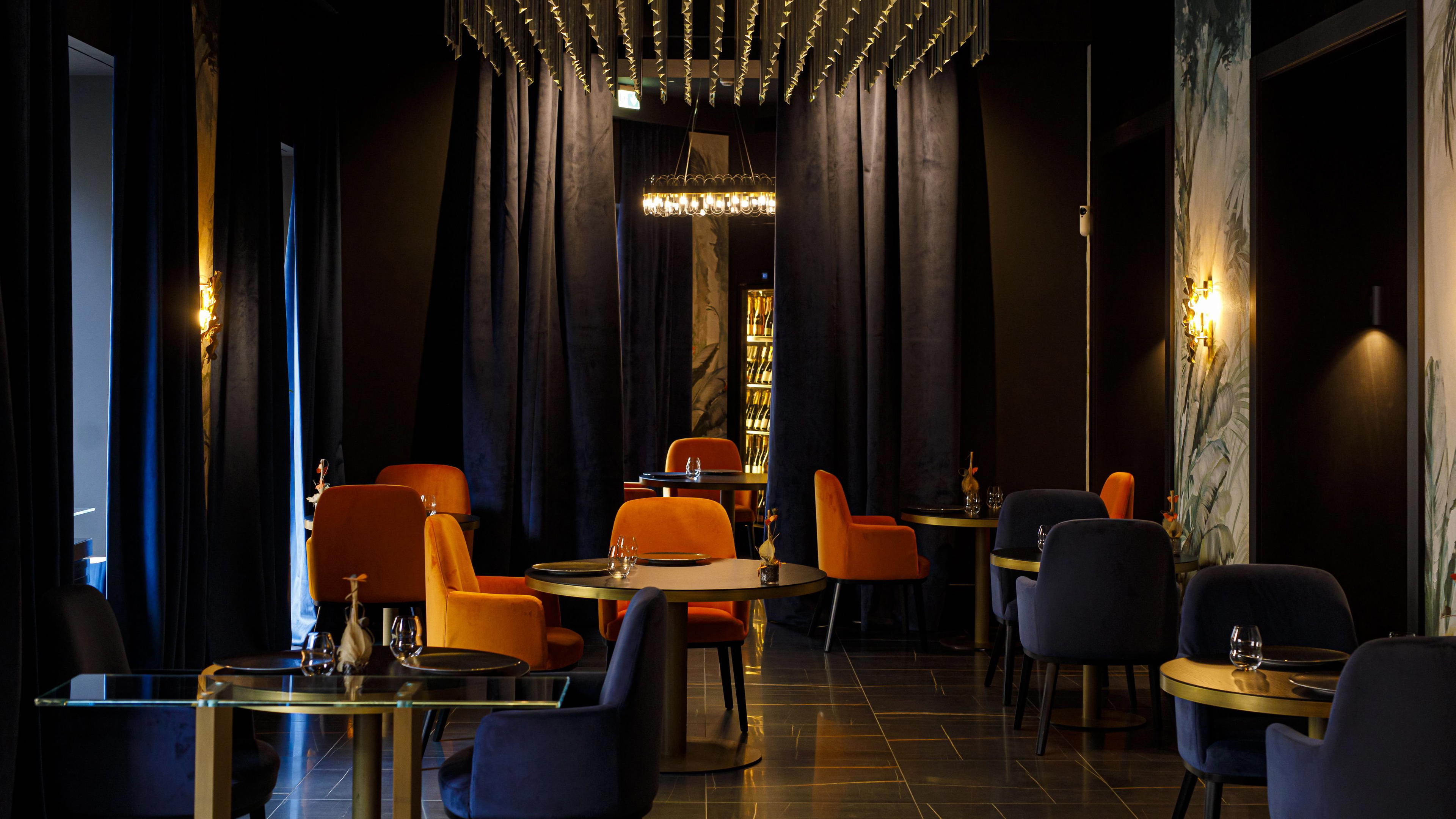
Calming minimalistic décor with simple, cozy interiors and a focus on healthy, unpretentious dining.