Michelin Bib Gourmand
Our verdict
The name means 'recover' in Italian, and the kitchen operates accordingly: nothing is discarded, with meat and vegetable trimmings repurposed into breads and sauces. Chef Francesco Torcasio holds consecutive Michelin recognition in 2024 and 2025 at a mid-range price point.

Pearl is the En Primeur Club membership app, where members save venues, book tables and use the concierge.

The menu
What to order
- Wood-fired pistachio bread bruschetta
- Wagyu bolognese pasta
- Straw-grilled tuna
Fire as Method, Not Metaphor
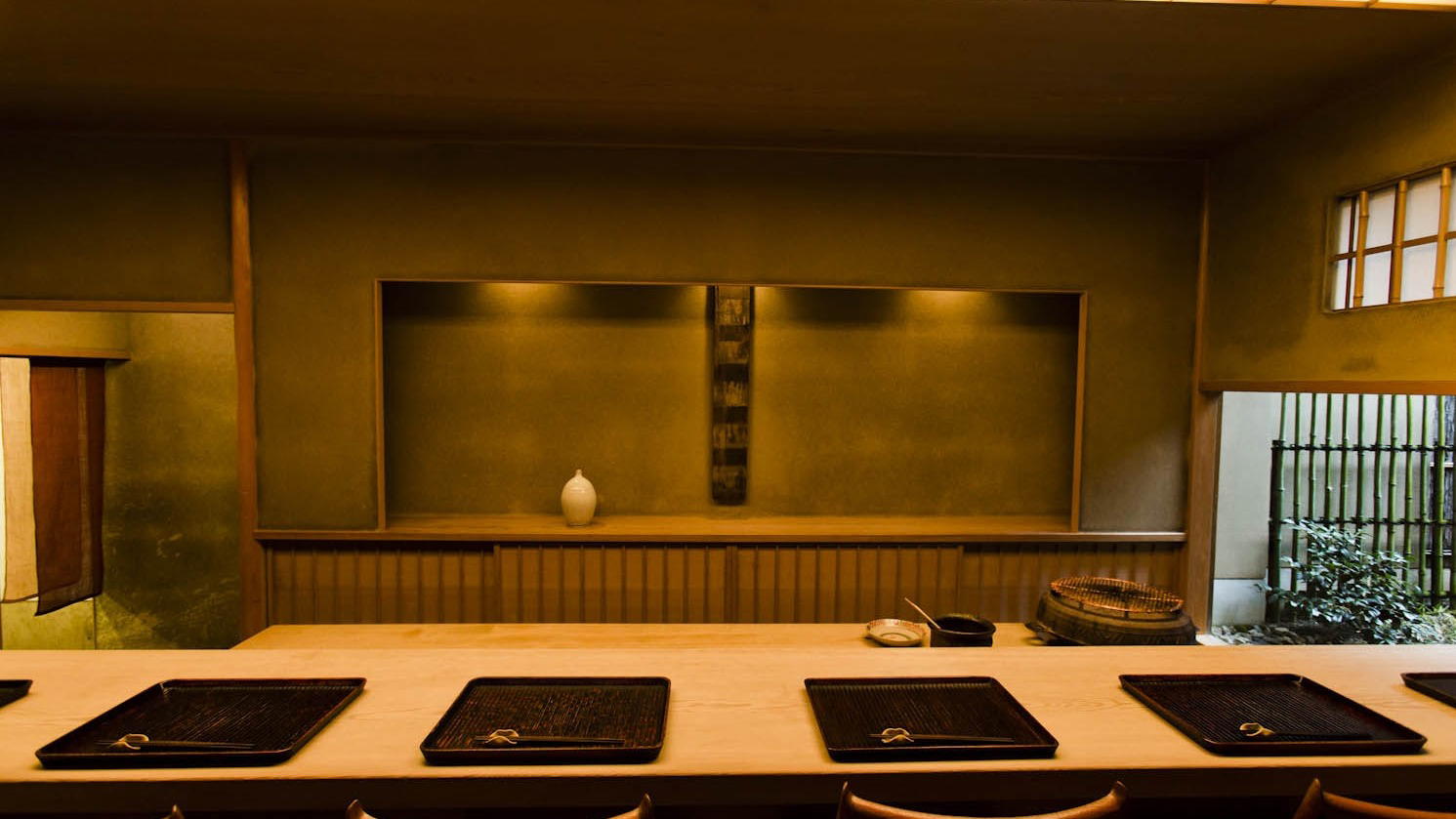
Walk into the right kind of trattoria and the first thing you register is smoke. Not the acrid kind that signals a kitchen in distress, but the layered, specific smell of different fires burning for different purposes.
This is not a theatrical gesture. The logic is precise. Wood fire produces a moisture-retaining heat suited to beef; charcoal generates the concentrated, direct intensity that sears rather than steams; straw burns fast and fragrant, lending duck and bonito a fleeting aromatic quality that a longer-burning fuel would overwhelm. The result is a kitchen where the choice of fuel is as deliberate as the choice of ingredient, and where the cook's attention to heat source is as legible as their attention to seasoning. At ricuperare TAKEUCHI, it functions as the primary technical system.
What Zero-Waste Looks Like in Practice
The restaurant's name, which translates from Italian as 'recover' or 'restore', sets up a dual promise: recovering health and spirit in the guest, and recovering value from every part of the ingredient. In practice, this means meat trimmings and vegetable ends that would otherwise leave the kitchen as waste are instead redirected into bread doughs and cooking sauces. It is a form of nose-to-tail thinking extended to the whole mise en place, not just the protein. For an Italian restaurant in this price band, that discipline distinguishes ricuperare TAKEUCHI from peers that spend more on raw materials and less on technique. Alongside fire-led trattorias like this one, the city now hosts a range of formats from casual pasta counters to more considered multi-course operations. cenci in Kyoto and 8 1/2 Otto e Mezzo Bombana in Hong Kong represent the higher end of that register. Ricuperare TAKEUCHI makes the case for Italian rigour at a mid-range price, using technique rather than ingredient cost as the primary value driver. That audience tends to reward consistency over novelty, and the kitchen's repeat Bib Gourmand recognition suggests it is meeting that standard. akordu in Nara and Gion Sasaki in Kyoto represent other strong dining options within a day-trip radius, and the full Harutaka in Tokyo, Goh in Fukuoka, 1000 in Yokohama, and The kitchen's technical signature runs through its fire choices, so dishes cooked over each fuel type give the clearest read on what the restaurant does well. Beef preparations using the wood-fire method and duck or bonito finished over straw are the categories most directly connected to the kitchen's stated approach. The bread and sauce preparations derived from meat and vegetable trimmings are also worth attention as a window into the restaurant's waste-recovery philosophy. Chef Francesco Torcasio's consecutive Michelin Bib Gourmand recognition provides the primary trust signal for the kitchen's overall standard, and ordering across the fire categories is the surest way to experience what distinguishes this trattoria from other Italian options in the city.
Frequently asked questions
What's the price range at ricuperare TAKEUCHI?
Pricing at ricuperare TAKEUCHI is listed as ¥¥.
How would you describe the cuisine at ricuperare TAKEUCHI?
What awards or recognition does ricuperare TAKEUCHI have?
ricuperare TAKEUCHI has received recognition including: Wood, charcoal and straw all fuel the cooking flames at this trattoria. The aim is to find the perfect flame for each ingredient. Beef is grilled over a wood fire for its moisture, a charcoal fire for its heat; for duck and bonito, straw is….
What should I order at ricuperare TAKEUCHI?
The clearest read on what this kitchen does comes from ordering across fuel types: beef grilled over wood for its retained moisture, beef over charcoal where high heat is the priority, and any duck or bonito preparation where straw smoke is used for its aromatic contribution. The bread and sauces, built from meat and vegetable trimmings as part of the restaurant's zero-waste philosophy, are also worth attention. Two consecutive Bib Gourmand listings confirm the kitchen's consistency at a price point marked ¥¥, so ordering broadly here carries less financial risk than at Michelin-starred peers.
Cost Snapshot
| Venue | Cuisine | Price | Awards | Notes |
|---|---|---|---|---|
| ricuperare TAKEUCHIThis venue (the venue you are viewing) | Wood-Fired Italian Trattoria | $50–100 | Michelin Bib Gourmand | Not listed |
| HAJIME | Avant-Garde Japanese Fine Dining | $300–500 | 3 Michelin Stars · World's 50 Best #83 | French, Innovative |
| La Cime | Modern French with Japanese Ingredients | $150–200 | 2 Michelin Stars · World's 50 Best #13 | French |
| Kashiwaya Osaka Senriyama | Seasonal Kaiseki Omakase | $200–300 | 3 Michelin Stars · La Liste Top Restaurants | Japanese |
| Taian | Traditional Japanese Kaiseki Omakase | $150–200 | 3 Michelin Stars · La Liste Top Restaurants | Kaiseki, Japanese |
| Fujiya 1935 | Modern Japanese with European influences | $100–150 | 2 Michelin Stars · La Liste Top Restaurants | Innovative |
Recognition history
Dated appearances from independent guides and award organizations, with the underlying list record or original source where available.
Michelin Bib Gourmand
Michelin
Full recognition history (3 entries)
Michelin Bib Gourmand
Michelin
Michelin Bib Gourmand
Michelin