Restoran Dinčić
Restoran Dinčić serves Serbian barbecue at Jezerska 57 in Veliko Gradište, with ribs, catfish and chorba on the menu and a garden view.
Pearl is the En Primeur Club membership app — saves, bookings, and concierge access live there. Same editors, same standards.
- Address
- Jezerska 57, Veliko Gradište 122200, Serbia
- Phone
- +381127662341
- Website
- vila-restorandincic.rs
- Directions
- Get directions
 Saves & bookings on Pearl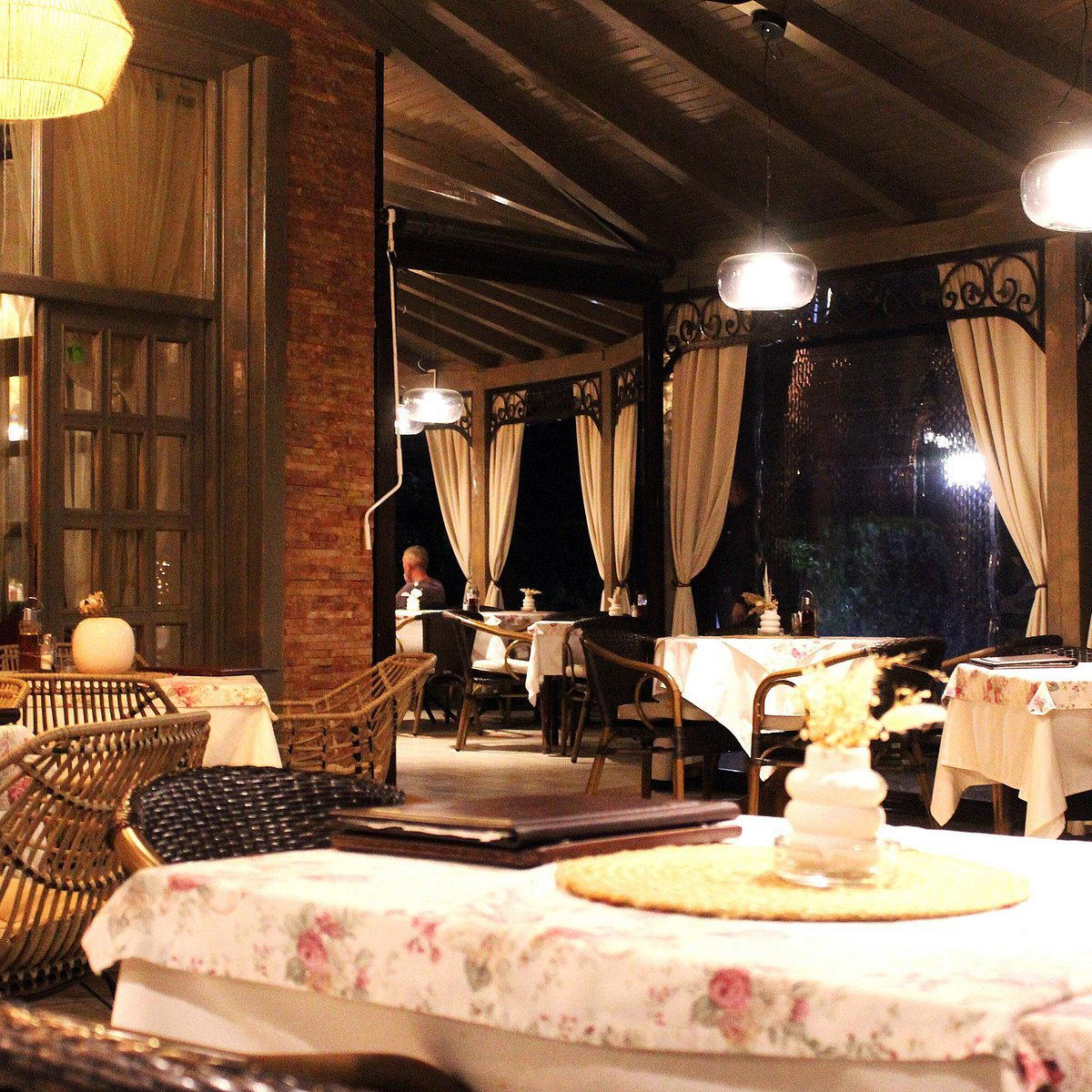
Where the Danube Tributary Towns Set the Table
Along the Serbian stretch of the Danube, where the river broadens and slows before the Romanian border, small towns like Veliko Gradište occupy a particular niche in the country's dining geography. They are not destination cities with a self-conscious food scene, but they are active dining towns with a clear local rhythm. The surrounding region, anchored by the Silver Lake (Srebrno jezero) and the agricultural flatlands of eastern Serbia, produces ingredients that have sustained local cooking for generations: freshwater fish pulled from the lake and river, pork raised on small holdings, seasonal vegetables from kitchen gardens. Restoran Dinčić, at Jezerska 57 in Veliko Gradište, sits directly inside that supply chain, and that proximity is one important thing to understand before you arrive.
The Sourcing Logic Behind Lakeside Cooking
Serbian restaurant cooking in smaller regional towns tends to split between two modes. The first is the kafana tradition, which leans on grilled meats, slow-cooked beans, and fermented cabbage, drawing from a pantry that is largely preserved and cured. The second, more specific to riverine and lakeside settlements, is a fresher, more fish-forward approach that tracks the season and the catch. Restoran Dinčić's address on Jezerska, which translates directly as Lake Street, places it squarely in the second category. In towns built around bodies of water, the leading restaurants operate on a short supply chain almost by default: what is caught or grown nearby arrives quickly, and the menu reflects that rhythm rather than a fixed card drafted months in advance.
This matters because freshwater fish cookery in eastern Serbia has its own register, distinct from the Adriatic seafood culture of the Serbian coast and from the Belgrade restaurant scene, where venues like Langouste in Belgrade operate at a much higher price point with a more composed, technique-driven approach. At lakeside restaurants in the Danube corridor, the cooking is structured around the fish itself: šaran (carp), smuđ (pike-perch), and som (catfish) are the recurring protagonists, typically grilled over wood, roasted in a clay pot, or cooked in the paprika-laden fish stew known as čorba or riblja čorba. The quality of the dish depends almost entirely on the quality of the catch and the timing of service, which is why provenance matters more here than in a kitchen working with imported or long-shelf-life ingredients.
Regional Context: Veliko Gradište and the Lake Restaurant Tier
Veliko Gradište is a town of roughly six thousand people, positioned at the edge of Silver Lake, one of the largest artificial lakes in Serbia, created in the mid-twentieth century. During summer, the lake draws domestic tourists from Belgrade and beyond, making the town's restaurant strip on and near the waterfront busier than its year-round population would suggest. This seasonal compression creates a two-tier dining reality: establishments that exist primarily for the summer influx and calibrate quality accordingly, and those that maintain consistent operation and local custom through the quieter months. The latter tend to have more reliable kitchens because they are cooking for regulars with high expectations rather than one-time visitors with low ones.
For broader comparison across eastern Serbia's mid-range dining tier, venues like Etno Kuća Dinar in Vrsac and KAFANA DUKAT in Pirot represent the traditional kafana register, where the emphasis falls on meat-heavy menus and folk-inflected atmosphere. The lakeside restaurant format in Veliko Gradište operates with a different emphasis, one where fish is central rather than supplementary. That distinction makes Restoran Dinčić part of a smaller, more specific peer group within Serbian regional dining, closer in spirit to the čarda (riverside inn) tradition of the Vojvodina waterways, as seen at ČARDA ZLATNA KRUNA in Apatin, than to the inland kafana tradition.
What the Menu Tells You About the Place
What the address and regional context do confirm is the culinary logic at work. Restaurants on Jezerska Street in Veliko Gradište operate in a food culture where freshwater fish is the primary differentiator. The supporting cast, roasted peppers, ajvar, strukli-adjacent pastry, grilled pork alongside the fish, follows the eastern Serbian template, but the fish cookery is the reason to choose a lakeside address over an inland one. Across the Danube corridor, from Golubac to Kladovo, the leading meals tend to arrive without elaborate presentation: fish cooked simply, served with bread and salad, in a setting where the view of the water does part of the work.
For those planning a wider tour through Serbia's regional dining, the contrast with higher-register urban cooking is instructive. Aleksandar Gold in Uzice and Grand in Kopaonik represent the resort and urban end of Serbian mid-market dining, while venues like Kafana Studenac in Bajina Basta and Kafana Pećinar Ljubiš in Cajetina anchor the mountain-village kafana tradition. The restaurant sits in a different column entirely, one defined by water rather than altitude or urbanism.
Planning Your Visit
Veliko Gradište is approximately 90 kilometres east of Belgrade by road, making it a viable day trip from the capital as well as an overnight stop for those following the Danube cycling or driving route. The town is most accessible by car; public transport connections from Belgrade exist but are infrequent. The summer months, June through August, bring the highest visitor volume and the fullest version of the lakeside dining scene, with tables filling quickly on weekends. Visiting in May or September offers a quieter experience without sacrificing the warmth needed to enjoy outdoor terrace seating, which is the preferred format at most Jezerska Street restaurants. Booking ahead is advisable for weekend meals during peak season, especially given the recommended reservation policy.
Those extending their trip into other parts of Serbia can look to Koliba Etno Restoran in Leskovac, ETNO PODRUM BRKA in Nis, Kafe Restoran Maša in Novi Sad, Lovački dom in Valjevo, Kod Brana in Cacak, Windmill in Pancevo, and Kod poštara in Aran Elovac. For international comparison,
Fast Comparison
Comparable venues nearby, for context on price, style, and recognition.
| Venue | Cuisine | Price | Notes |
|---|---|---|---|
| Restoran DinčićThis venue — the venue you are viewing | Serbian Barbecue | $$ | Not listed |
| Крофна Бар | Cafe | $$ | Kragujevac |
| Etno Kuća Dinar | Traditional Serbian | $$ | Vršac center |
| Mala Kolubara na reci | Traditional Serbian Riverside | $$ | New Belgrade |
| Ananda | Vegan Serbian-Western | $$ | Novi Sad |
| Durmitor | Traditional Serbian BBQ | $$ | New Belgrade |
Continue exploring
More in Veliko Gradiste
Restaurants in Veliko Gradiste
Browse all →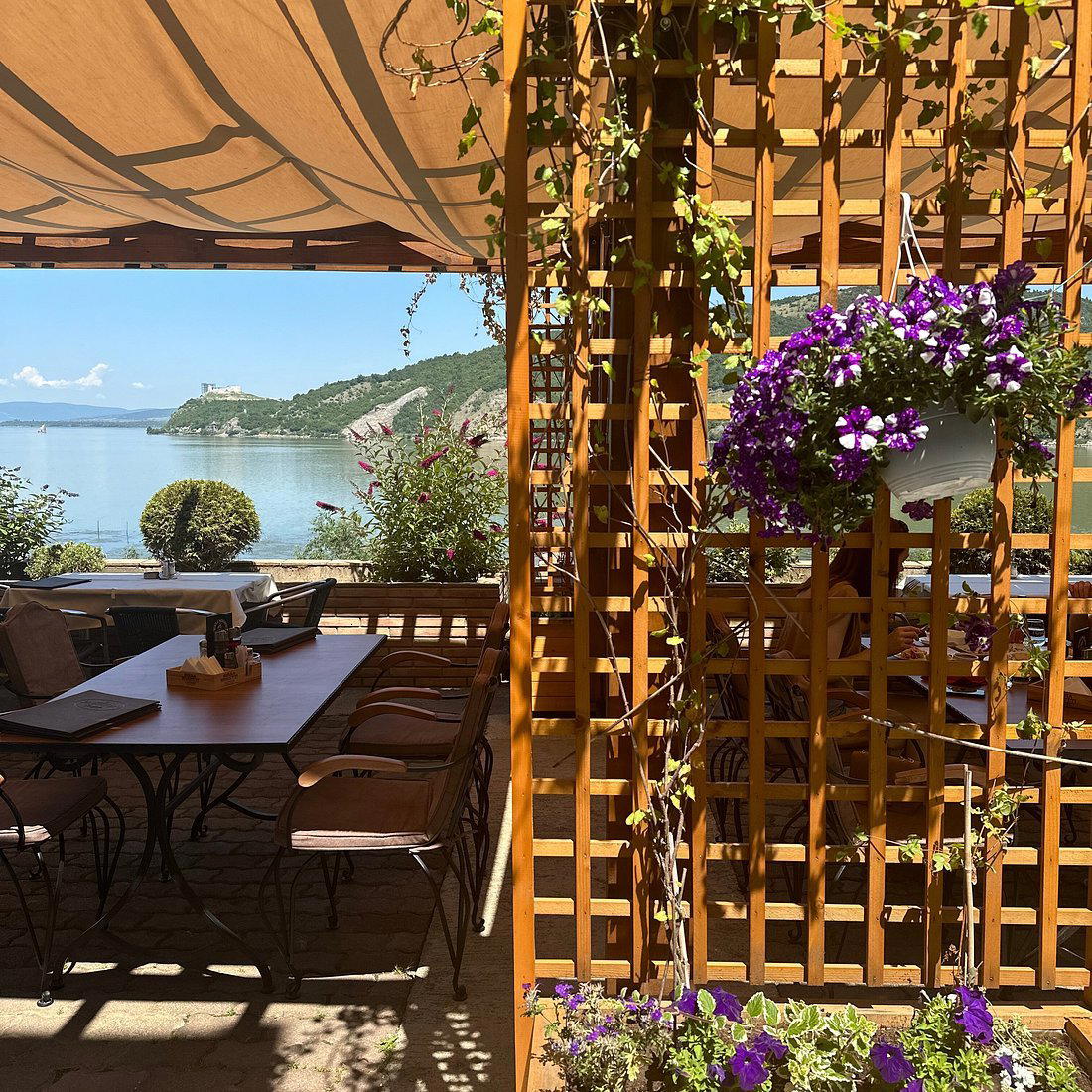
At a Glance
- Cozy
- Rustic
- Scenic
- Family
- Group Dining
- Casual Hangout
- Terrace
- Garden
- Garden
Current opening hours
- Monday
- 8 AM–11 PM
- Tuesday
- 8 AM–11 PM
- Wednesday
- 8 AM–11 PM
- Thursday
- 8 AM–11 PM
- Friday
- 8 AM–11 PM
- Saturday
- 8 AM–11 PM
- Sunday
- 8 AM–11 PM
Hours can change for holidays and private events. Last verified .
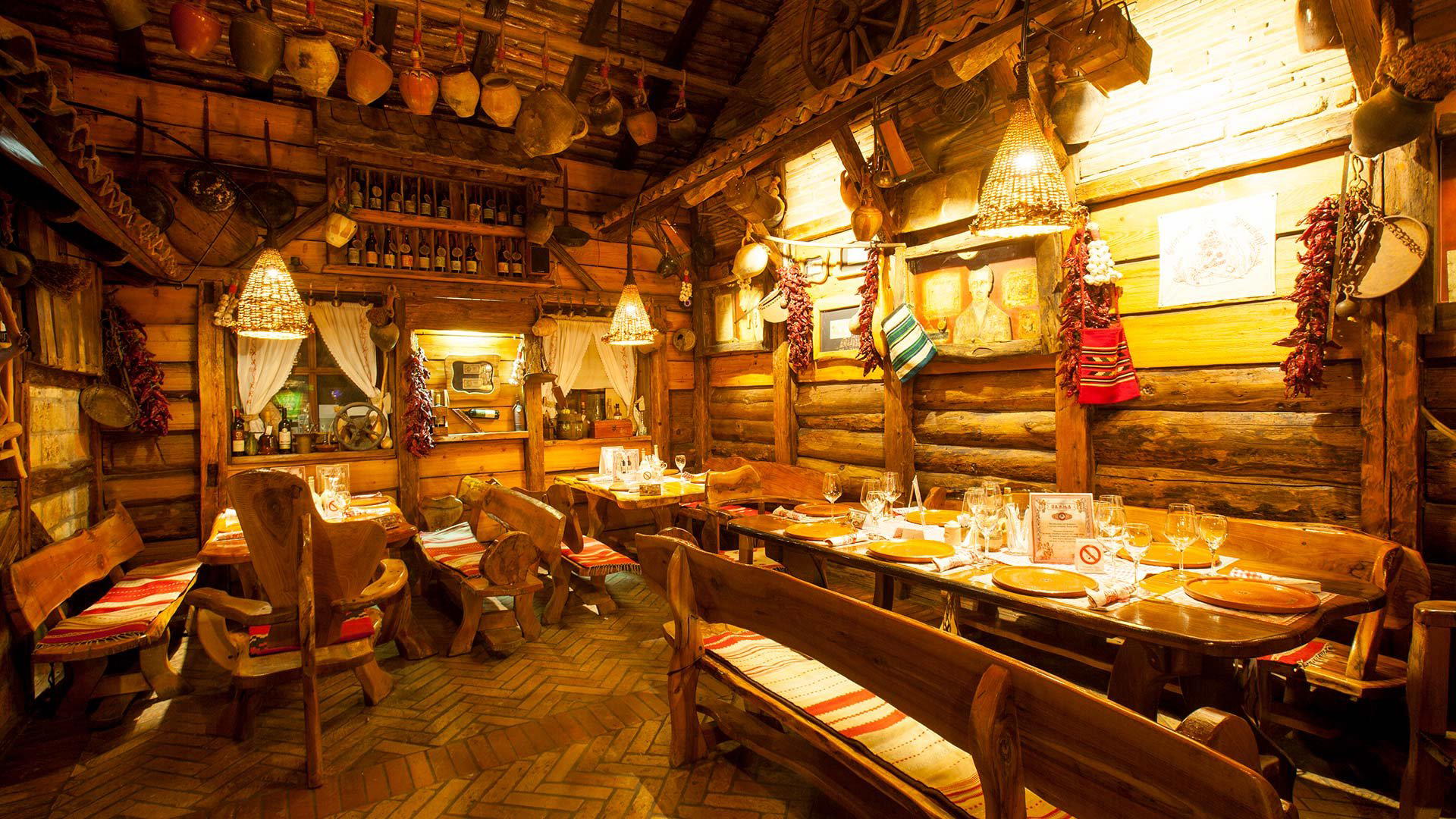
Pleasant and aesthetically pleasing with a half-open terrace and garden views, offering a cozy and welcoming atmosphere.