Restoran Jorgovan sits in Ridan, on the edge of Golubac in eastern Serbia, where the Danube narrows toward the Iron Gates. The kitchen draws on the produce traditions of this river corridor, where freshwater fish, foraged herbs, and locally raised meat have shaped the table for generations. For travellers passing through the Djerdap region, it occupies a practical and culturally grounded stop on a route with few comparable options.
Pearl is the En Primeur Club membership app — saves, bookings, and concierge access live there. Same editors, same standards.
- Address
- Ridan bb, Golubac 12223, Serbia
- Phone
- +381665732530
- Website
- restoranjorgovan.rs
- Directions
- Get directions
 Saves & bookings on Pearl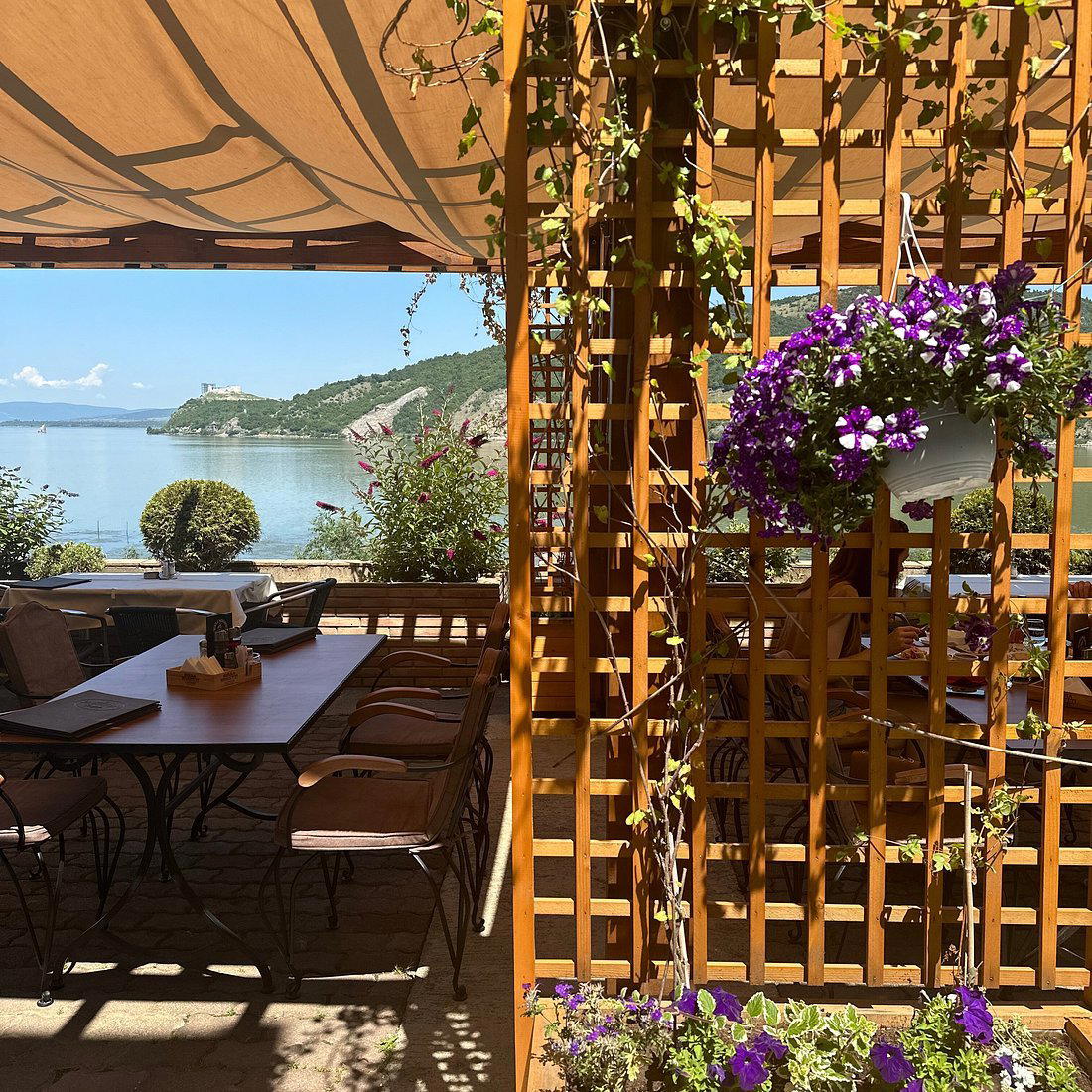
Where the Danube Dictates the Menu
Eastern Serbia's restaurant culture is shaped by the Danube and the hills around Golubac. The Djerdap gorge, running from Golubac toward the Romanian border, is one of Europe's most dramatic river corridors, and the villages that line it have always eaten according to what the water and the surrounding hills provide. Restoran Jorgovan, located on Ridan bb at the edge of Golubac, sits inside that tradition in a literal sense. The address places it in a settlement that functions as an approach to the national park, which means the sourcing pressures and the ingredient logic here are shaped by the landscape itself rather than by supply chain convenience.
The broader context matters. Serbian riverside dining, particularly in the eastern corridor, tends to divide into two categories: the čarda format built around Danube fish, and the inland kafana format centred on grilled meats and slow-cooked village dishes. Golubac sits at the intersection of both traditions. The river is present, the hills behind the town carry game and foraged produce, and the agricultural flatlands to the west contribute the durable pantry items that define Serbian home cooking at its most seasonal. A restaurant operating in this geography, if it is paying attention, has access to a sourcing story that more famous urban addresses cannot replicate.
The Ingredient Logic of the Iron Gates Region
Understanding what drives a kitchen like Jorgovan's requires some familiarity with what this part of Serbia actually produces. The Danube at Golubac is still a working river, and freshwater species including carp, catfish, and the prized smederevka-adjacent catches of the lower Danube basin have been central to the local diet since Roman settlement of the region. The 4th-century Golubac Fortress, visible from the water just downstream, is a useful reference point for the town's long history.
Foraging in the Djerdap national park buffer zone contributes wild herbs, mushrooms, and seasonal greens that change the character of local cooking in ways that a fixed menu cannot fully express. Spring brings nettles, sorrel, and wild garlic from the hillsides. Autumn shifts toward dried mushrooms, smoked meats, and the preserved preparations that carry the pantry through winter. Restaurants in this corridor that source honestly and seasonally are not making a philosophical choice so much as following the practical logic of where they are.
This regional sourcing tradition is what separates the dining around the Iron Gates from the more generic Serbian grill-house format you find along major highways. Venues that lean into the river fish, the foraged additions, and the slow-cooked preparations tied to this specific geography offer something that urban counterparts, even accomplished ones like Langouste in Belgrade, are not positioned to replicate. The trade-off is consistency and infrastructure; the reward is proximity to source.
Golubac and the Broader Eastern Serbia Circuit
Golubac is not a dining destination in the conventional sense. It is a waypoint on a route that draws visitors primarily for Djerdap National Park, the fortress, and the river scenery. The town's food options reflect that reality: the expectation is that diners are passing through, often arriving by road from Pozarevac or crossing from the Romanian side, and want something rooted and satisfying rather than elaborate. This is the operative context for any serious restaurant in the area, and it is one that rewards places serving direct, ingredient-driven food over those attempting a format more suited to a city centre.
The regional comparison set is instructive. Elsewhere in rural Serbia, venues like Kafana Studenac in Bajina Basta and Kafana Pećinar Ljubiš in Cajetina operate on similar logic: location-specific ingredients, a menu calibrated to what the surrounding land provides, and a format that reads as unpretentious but is in practice highly specific to its geography. Etno Kuća Dinar in Vrsac and Koliba Etno Restoran in Leskovac represent the more formally staged version of the same tradition, where the ethnographic setting is part of the offer. Jorgovan, on the edge of a national park in a small river town, occupies a position closer to the working end of that spectrum.
For travellers building an itinerary through the region, Golubac connects naturally to stops further along the Danube. The Djerdap circuit has enough to justify two or three days, which changes the calculus around where and how you eat: a single lunch becomes part of a longer engagement with the region rather than an isolated occasion.
How Jorgovan Fits the Route
The practical reality of dining in Golubac is that options outside the national park and its immediate vicinity are limited. Ridan bb is not a central address, and travellers arriving by car from the park or the fortress should factor in that the town itself has modest hospitality infrastructure. Advance planning can be difficult through conventional channels. The Serbian approach in areas like this is typically to arrive and assess, and the summer and early autumn months, when the national park sees its highest footfall, are the periods when river-town kitchens are at their most active.
Those travelling wider through Serbia and wanting to benchmark the regional food tradition against urban interpretations have a useful spread of references. Kod Brana in Cacak and Lovački dom in Valjevo each work within Serbian culinary traditions but in larger town contexts. ČARDA ZLATNA KRUNA in Apatin is the more direct river-dining parallel, set on the Danube in Vojvodina and built around a similar freshwater-fish sourcing premise, though the northern Danube produces a different catch profile than the Iron Gates stretch. KAFANA DUKAT in Pirot and ETNO PODRUM BRKA in Nis represent the southern corridor equivalents, where Nišlija culinary identity replaces the Danube fish tradition with its own distinct ingredient logic.
For context at the more formally ambitious end of what Serbian and regional cooking can become, it is worth noting how much distance exists between a rural riverside stop and venues operating at international reference points: Le Bernardin in New York City and Atomix in New York City sit at the far end of a spectrum that begins with exactly this kind of embedded, geography-specific cooking. The sourcing principles are not so different; the infrastructure and ambition are.
Planning Your Visit
Golubac is accessible from Belgrade via the E75 and regional roads toward Pozarevac and the Danube, a drive of roughly two hours depending on the route taken. The Djerdap National Park entrance is close to town, and the fortress sits just east on the riverbank. Visitors should plan ahead when possible. Arriving at standard meal times, particularly lunch, is the practical approach. Those continuing east along the gorge toward Donji Milanovac and Kladovo will find the river-kitchen tradition persisting, with the ingredient base shifting gradually as the river widens toward the delta.
At-a-Glance Comparison
Comparable venues nearby, for context on price, style, and recognition.
| Venue | Cuisine | Price | Notes |
|---|---|---|---|
| Restoran JorgovanThis venue — the venue you are viewing | Traditional Serbian Grill with Danube Views | $$ | Not listed |
| Etno Kuća Dinar | Traditional Serbian | $$ | Vršac center |
| JB Pivnica | Traditional Serbian Family Restaurant | $$ | Belgrade |
| Aleksandar Gold | Barbecue and European | $$ | Uzice |
| ETNO PODRUM BRKA | Traditional Serbian | $$ | Jelašnica |
| Paligo Palata | Serbian and International | $$ | Palic |
Continue exploring
More in Golubac
Restaurants in Golubac
Browse all →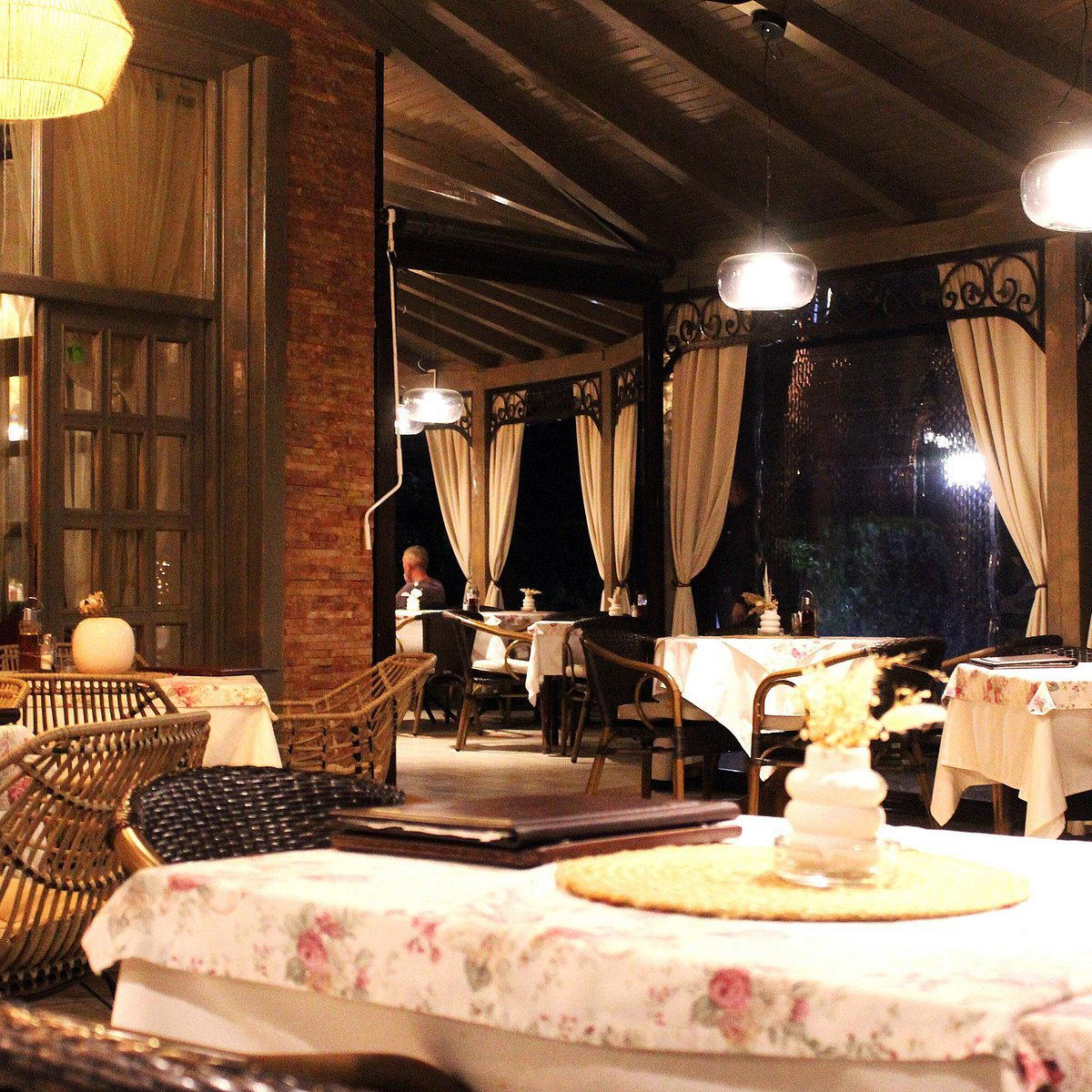
At a Glance
- Cozy
- Scenic
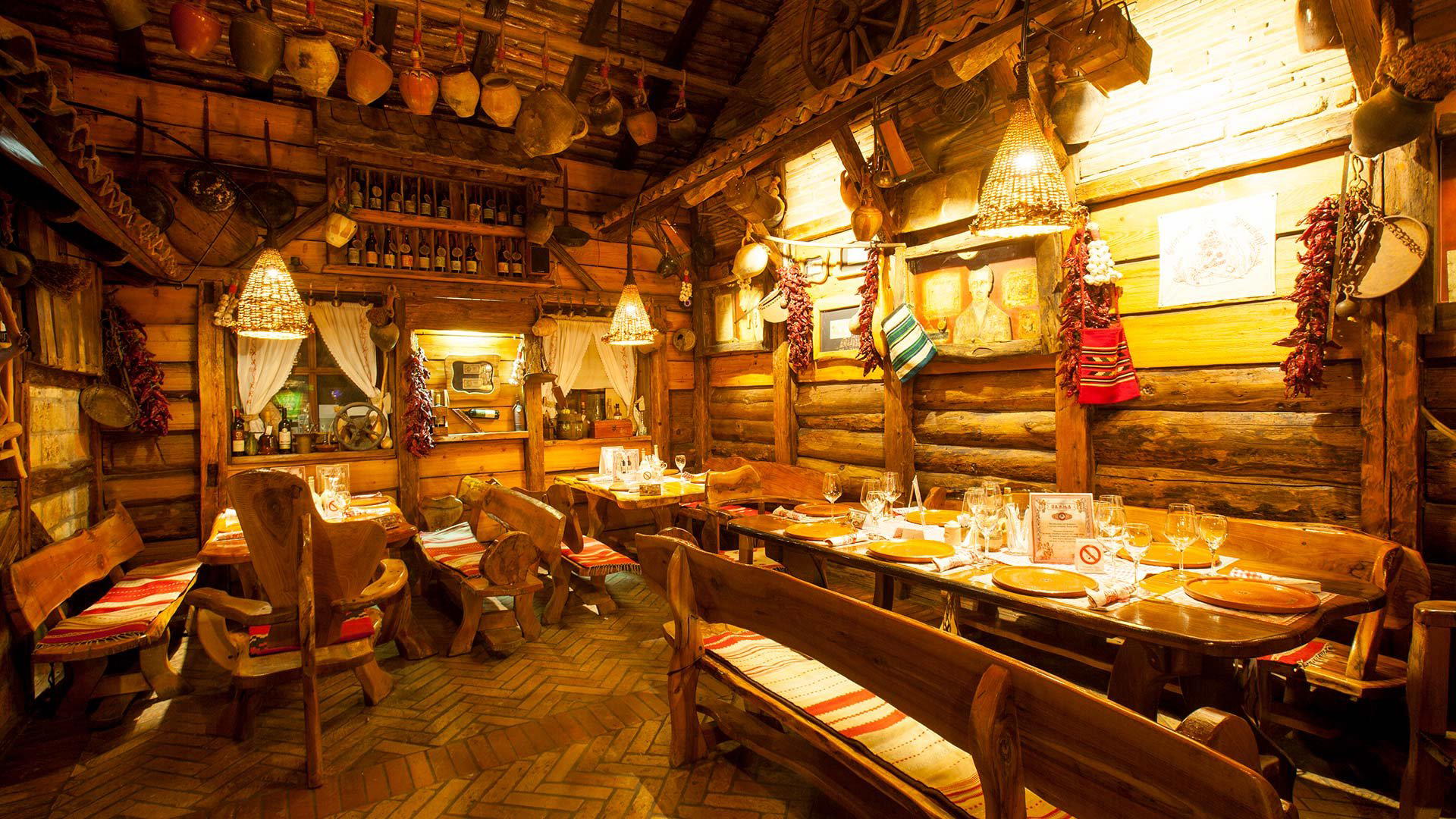
- Rustic
- Family
- Group Dining
- Casual Hangout
- Terrace
- Waterfront
- Waterfront
Current opening hours
- Monday
- 9 AM–9 PM
- Tuesday
- 9 AM–9 PM
- Wednesday
- 9 AM–9 PM
- Thursday
- 9 AM–9 PM
- Friday
- 9 AM–9 PM
- Saturday
- 9 AM–9 PM
- Sunday
- 9 AM–9 PM
Hours can change for holidays and private events. Last verified .
Cozy atmosphere with beautifully decorated terrace offering panoramic river views and scenic landscapes.