

World's 50 Best #31 · The Best Chef One Knife
Our verdict
DeMo Magnolia operates from within Hotel Magnolia in Santiago's historic center, where chef Pedro Chavarría builds a contemporary tasting menu around local products and the culinary memory of the surrounding barrio. The format places it alongside the city's serious tasting-menu circuit, where the dining room's design-led setting amplifies the kitchen's focus on Chilean tradition reread through a modern lens.

Pearl is the En Primeur Club membership app — saves, bookings, and concierge access live there. Same editors, same standards.
- Address
- Víctor Manuel 2022, Santiago, Región Metropolitana, Chile
- Hours
- Mon–Fri ClosedSat–Sun 10:30 AM–4 PM
- Website
- instagram.com
- Directions
- Get directions
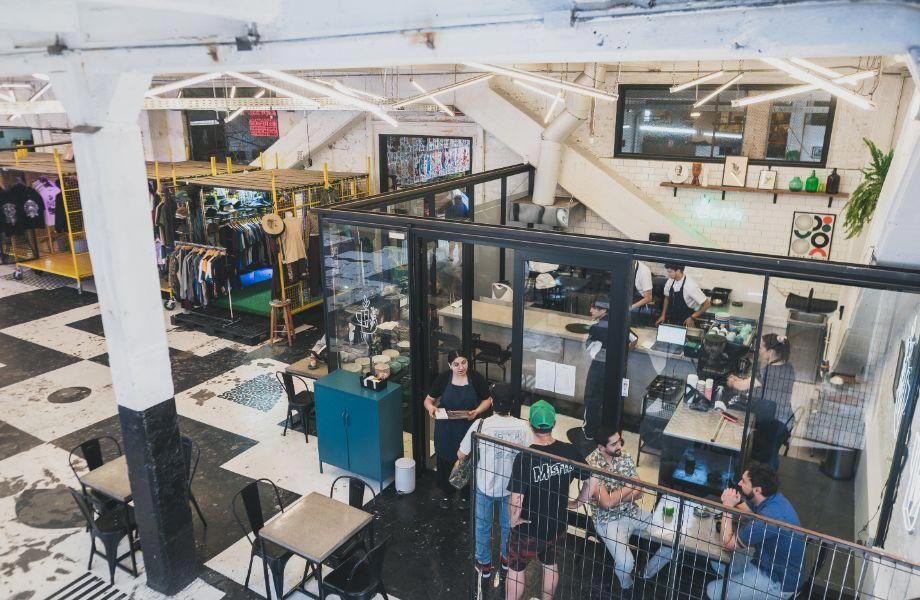
The menu
What to order
- Yellow langoustine croquette
- Tofu with noodles
- Duck breast with salsa oriental
Santiago's Historic Center as a Menu
The case for Santiago's centro histórico as a serious dining destination has grown steadily over the past decade, as a cluster of design-conscious hotels and chef-driven restaurants began treating the area's layered history as an asset rather than an obstacle. DeMo Magnolia sits inside that shift, operating from within Hotel Magnolia on Víctor Manuel at the edge of the centro, where the building's renovation sensibility sets the register before any food arrives. The approach here belongs to a format that has become the clearest signal of ambition in Chile's contemporary restaurant scene: the curated tasting menu built around native and regional produce, structured to read as a statement about place.
That format now anchors Santiago's most discussed tables. Boragó established the template, using wild-foraged and endemic ingredients to construct menus that argued for Chilean biodiversity as a culinary subject in its own right. DeMo occupies a related but distinct position: where Boragó reaches into remote ecosystems, DeMo's explicit frame is Santiago's centro itself, its markets, its street-food memory, its colonial and immigrant food traditions compressed into a modern tasting sequence. The menu is, in effect, an argument about what the neighborhood contains.
What the Menu Architecture Says
A tasting menu structured around culinary memory and local tradition operates under specific constraints that distinguish it from a produce-showcase format. The kitchen cannot simply source well; it must also make editorial choices about which traditions to foreground, how to translate street-level reference into a plated context, and where to allow tension between heritage and technique. Chef Pedro Chavarría's brief at DeMo engages all three of those questions simultaneously.
The positioning of DeMo within Hotel Magnolia is not incidental to how the menu reads. Design-led hotel restaurants in Latin America's contemporary scene have developed a particular grammar: the dining room carries the building's aesthetic program, the menu carries the city's cultural program, and the guest is positioned as the reader of both at once. This is a more demanding format than a standalone restaurant, because the kitchen's choices are always in dialogue with the space, and the space is always arguing for a particular version of Santiago. When both elements are calibrated, the result is a coherent experience of place. When they diverge, the hotel setting tends to win by default.
At DeMo, the stated alignment between avant-garde technique and culinary heritage places the kitchen in a tradition that runs through several of Santiago's most serious contemporary addresses. Ambrosia has long held a French-Chilean synthesis as its structural logic. La Calma by Fredes makes the Pacific coast the organizing principle. DeMo's organizing principle is vertical rather than geographic: it moves through time, using the centro's layered food history as the sequence structure. That is a less common approach among Santiago's tasting-menu restaurants, and it places certain demands on the diner as well as the kitchen, asking for some prior curiosity about what Santiago's centro has historically eaten.
The Hotel Magnolia Setting
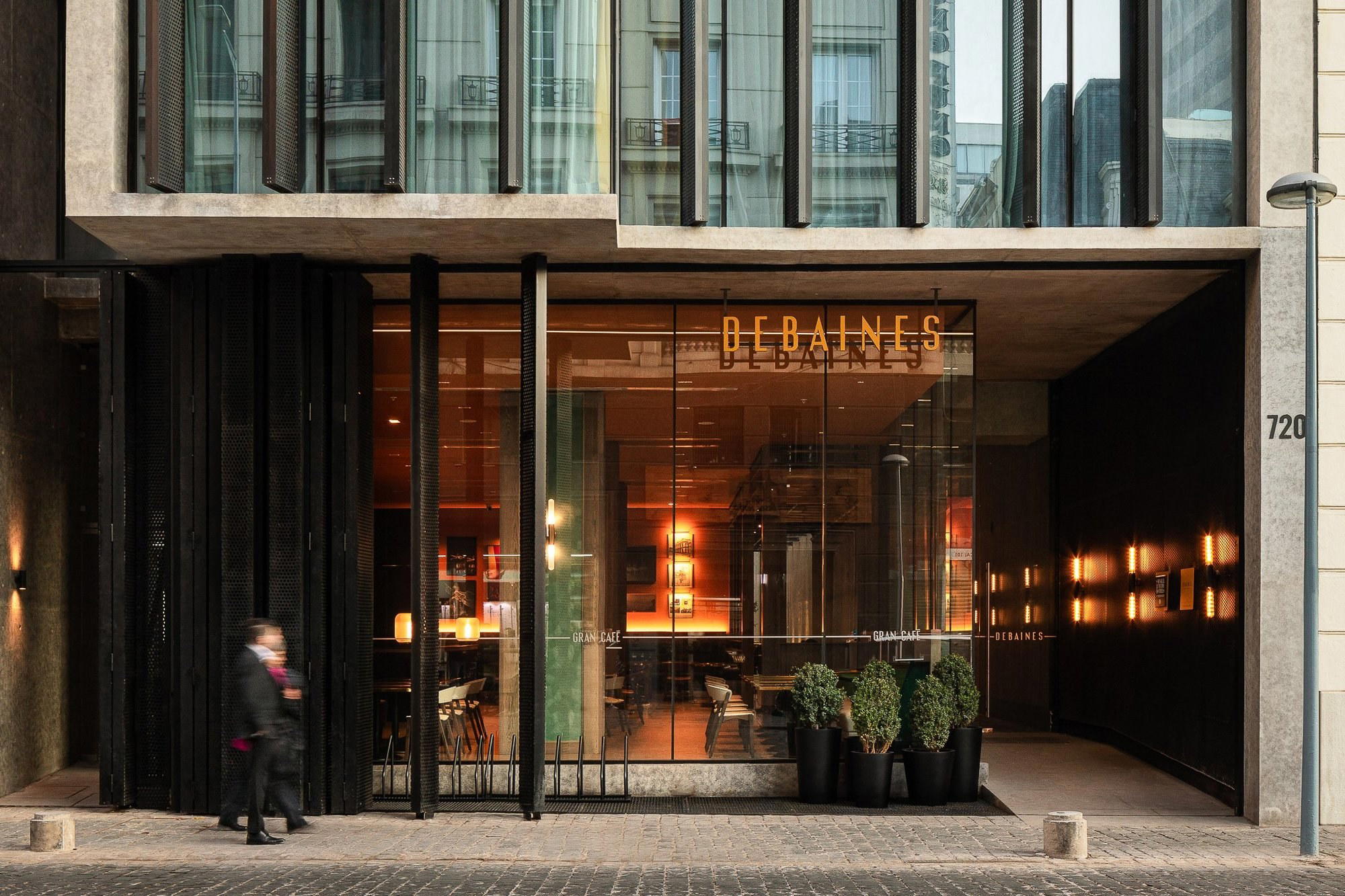
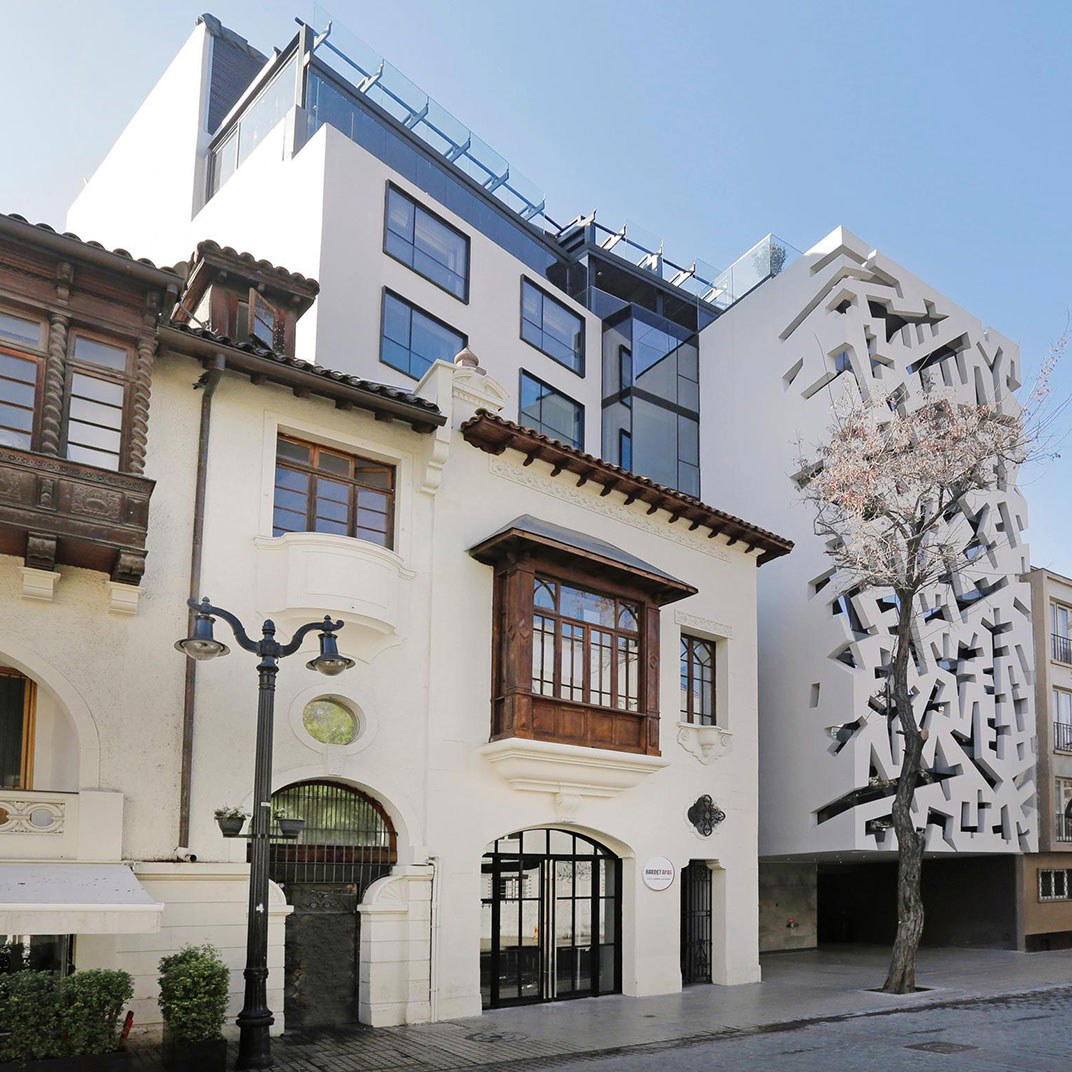
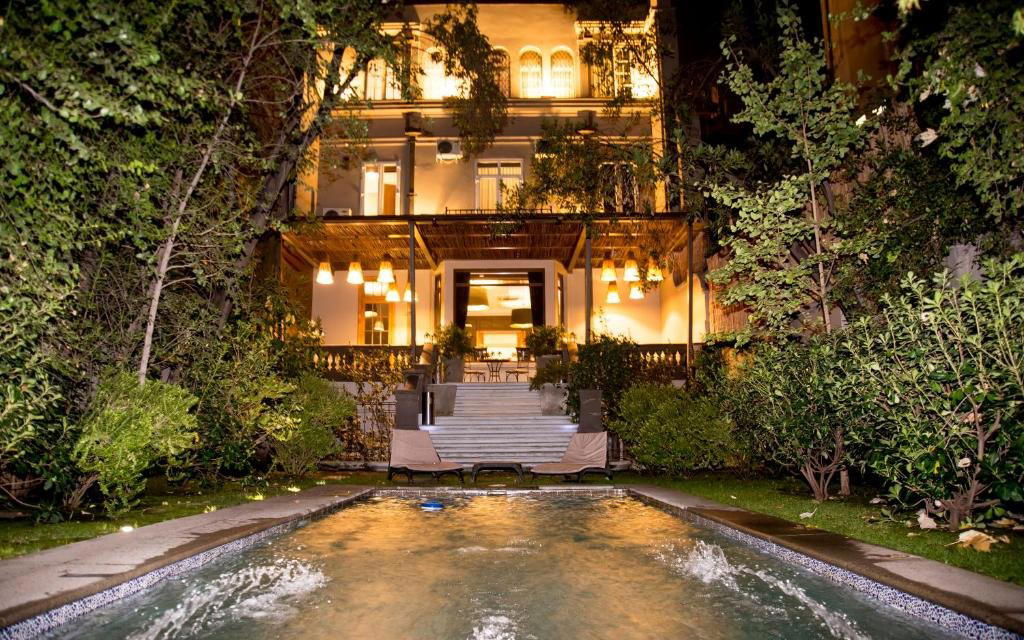
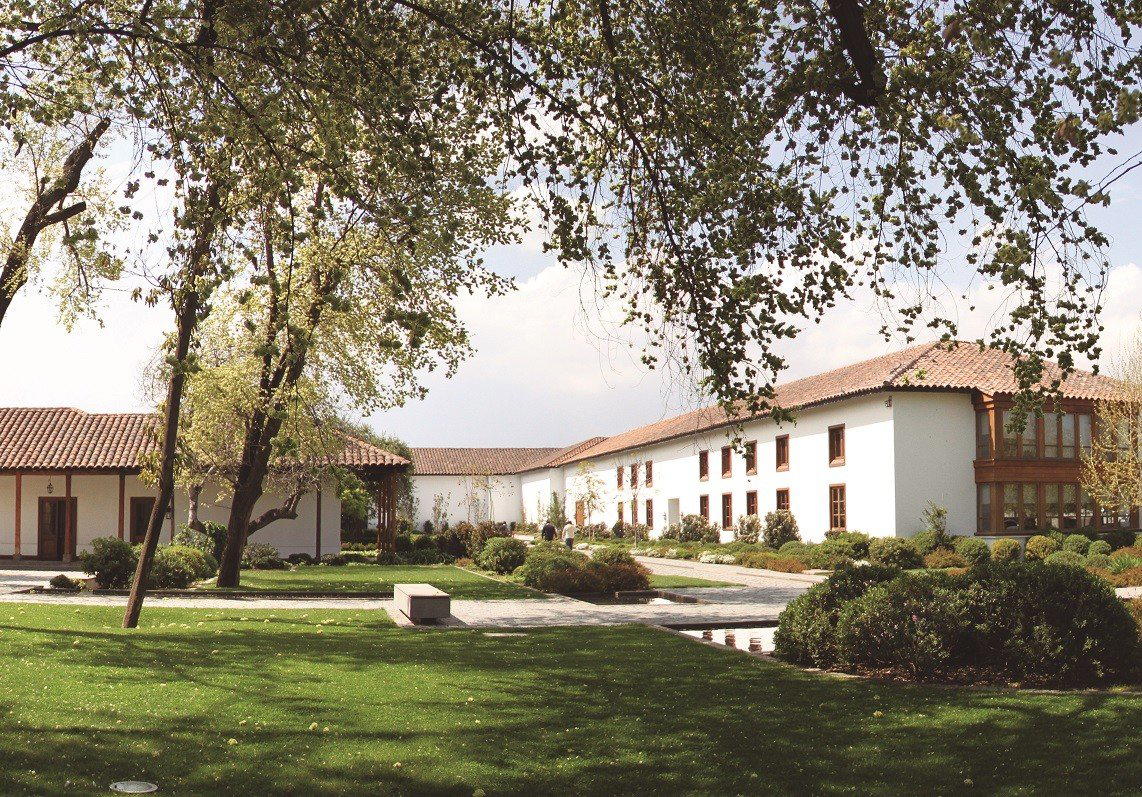
Hotel Magnolia's design approach belongs to a wave of Latin American boutique conversions that have treated heritage buildings not as period pieces to be preserved in amber but as raw material for contemporary spatial programs. The result in properties of this type is typically a building that reads as old and new simultaneously, where the dining room inherits both registers. For a kitchen making arguments about culinary memory, this context is productive: the room's own layering reinforces the menu's temporal ambitions rather than contradicting them.
The high-end tasting menu format within a design-led hotel also carries specific logistical implications for the Santiago visitor. For those exploring the city's full hospitality range, our full Santiago hotels guide maps the broader accommodation tier, while our full Santiago bars guide covers the city's evolving drink scene, including Bocanáriz, whose wine-bar format makes it one of the sharper pre- or post-dinner options for Chilean wine depth in the Lastarria-adjacent zone.
Where DeMo Sits in Santiago's Tasting-Menu Tier
Santiago's contemporary tasting-menu circuit has widened considerably since the mid-2010s, and it now spans several distinct positions. There are the destination formats that draw visitors as their primary purpose, the hotel-integrated tables that serve both hotel guests and walk-in reservations, and the neighborhood anchors that function primarily for local regulars. DeMo occupies the middle category, where the hotel address provides a built-in audience but the kitchen's ambitions clearly address a wider dining public.
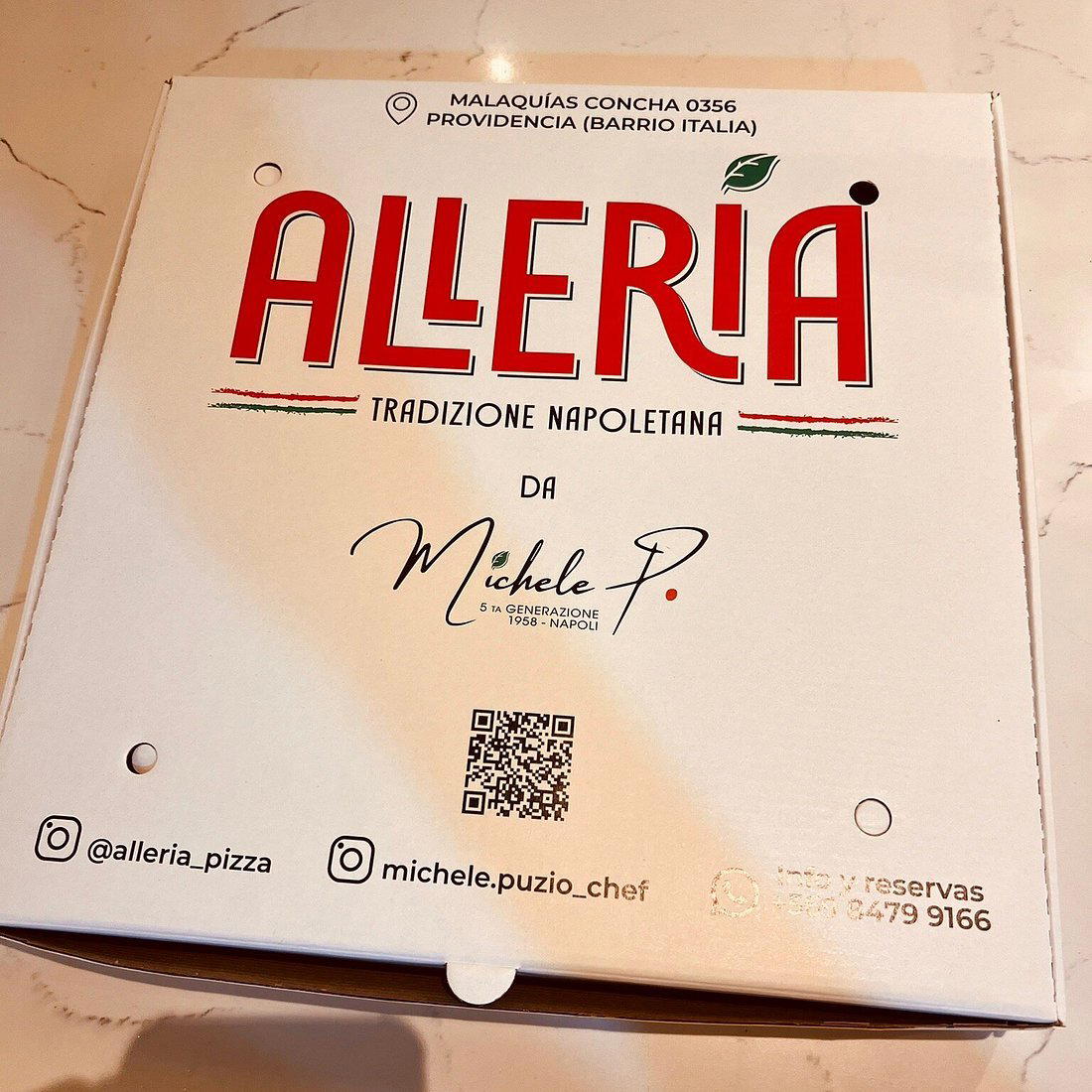
Allería in Providencia and Demencia represent adjacent points on the same map, each working through a version of the question that animates DeMo's menu: what does contemporary Chilean cooking look like when it takes its own traditions seriously rather than defaulting to European frameworks.
For visitors building a Chile itinerary around food, DeMo's centro location also makes it a natural first or last meal in Santiago, given the neighborhood's proximity to transport links. Those extending into Chile's wider food geography will find relevant reference points at Awasi Atacama in the north and Awasi Patagonia in the south, both of which apply a similar logic of place-as-menu in their respective extreme environments. CasaMolle in El Molle and Clos Apalta Residence in the Colchagua Valley extend that geography into wine country.
For context on how this tasting-menu format plays out at the highest international level, Atomix in New York offers a useful comparison point: a kitchen that translates cultural memory into a structured sequence, operating in a design-led space, and arguing for a cuisine that the broader dining public was still learning to read when the restaurant opened. Le Bernardin in New York represents a different but equally instructive comparison in the question of how a kitchen sustains a single organizing principle, in that case the primacy of the fish itself, across decades of menu evolution.
Planning a Visit
DeMo Magnolia is located at Víctor Manuel 2022 in Santiago's historic center, within Hotel Magnolia. The centro is accessible from most of the city's hotel clusters via Metro, with Baquedano and Universidad de Chile stations both within reasonable walking distance, depending on your approach. As a hotel restaurant operating at the high end of the tasting-menu format, reservations are the expected approach; walk-in availability at this tier in Santiago tends to be limited, particularly on weekends. Those planning around Chile's wine calendar should note that Santiago's restaurant scene draws a more concentrated local dining public between May and August, when the city's social life moves indoors and booking windows at tasting-menu tables compress accordingly. Our full Santiago wineries guide covers the regional wine context that will inform the list, and Naoki in Vitacura represents a usefully different point on the city's fine-dining map for those building a multi-night itinerary. Our full Santiago restaurants guide and our full Santiago experiences guide provide the broader context for planning time in the city.
What Should I Eat at DeMo?
DeMo's tasting menu is structured around local products and the culinary traditions of Santiago's historic center, with contemporary technique applied to inherited reference points. The menu's organizing logic is culinary memory rather than produce showcase, which means the sequence tends to move through recognizable Santiago food culture reread through a modern kitchen's vocabulary. As with any tasting-menu format at this level, the full sequence is the intended way to engage with the kitchen's argument; ordering à la carte, if available, removes the editorial structure that gives individual courses their meaning. Chef Pedro Chavarría's approach aligns DeMo with the wider Chilean contemporary movement, where heritage and avant-garde technique are not in opposition but are the same conversation conducted at different speeds.
Frequently asked questions
Who runs the kitchen at DeMo?
The chef associated with DeMo is Pedro Chavarría.
What awards or recognition does DeMo have?
DeMo has received recognition including: Chef: Pedro Chavarría document.addEventListener("DOMContentLoaded", function { var el = document.getElementById("Achievements_chefs"); if (el && el.parentNode) { el.parentNode.removeChild(el); } });; DeMo Magnolia, led by chef Pedro Chava….
What should I eat at DeMo?
DeMo's tasting menu is the only format worth booking here. Chef Pedro Chavarría structures it around local products and the culinary traditions of Santiago's historic center, applying contemporary technique to ingredients and references tied to the centro histórico. The menu reads as a sequence built around culinary memory rather than a seasonal produce showcase, which means the selections shift with the narrative logic of the territory rather than simple market availability. Commit to the full menu rather than treating it as a flexible à la carte situation.
Where is DeMo located?
DeMo is located at Víctor Manuel 2022, Santiago, Región Metropolitana, Chile, Santiago.
Peers You’d Cross-Shop
| Venue | Cuisine | Price | Awards | Notes |
|---|---|---|---|---|
| DeMoThis venue — the venue you are viewing | Modern Chilean Fusion Tasting Menu | $20–30 | World's 50 Best #31 · The Best Chef One Knife | Not listed |
| Boragó | Hyper-Local Chilean Tasting Menu | $100–150 | World's 50 Best #23 · La Liste Top Restaurants | Modern Chilean |
| Ambrosia | Modern Gastro-Bistro | Not listed | We're Smart World 1 Radish | French - Chilean |
| La Calma by Fredes | Fresh Chilean Seafood | $50–100 | World's 50 Best #57 · The Best Chef One Knife | Seafood |
| Bocanáriz | Modern Chilean Wine Bar | $50–100 | Not listed | Wine Bar |
| The Singular Santiago, Lastarria Hotel | Modern French-Chilean Fine Dining | $50–100 | La Liste Top Restaurants | Chilean Modern |
Recognition history
Dated appearances from independent guides and award organizations, with the underlying list record or original source where available.
World's 50 Best Latin America's Best Restaurants #31
World's 50 Best
The Best Chef One Knife
The Best Chef
Continue exploring
More in Santiago
Restaurants in Santiago
Browse all →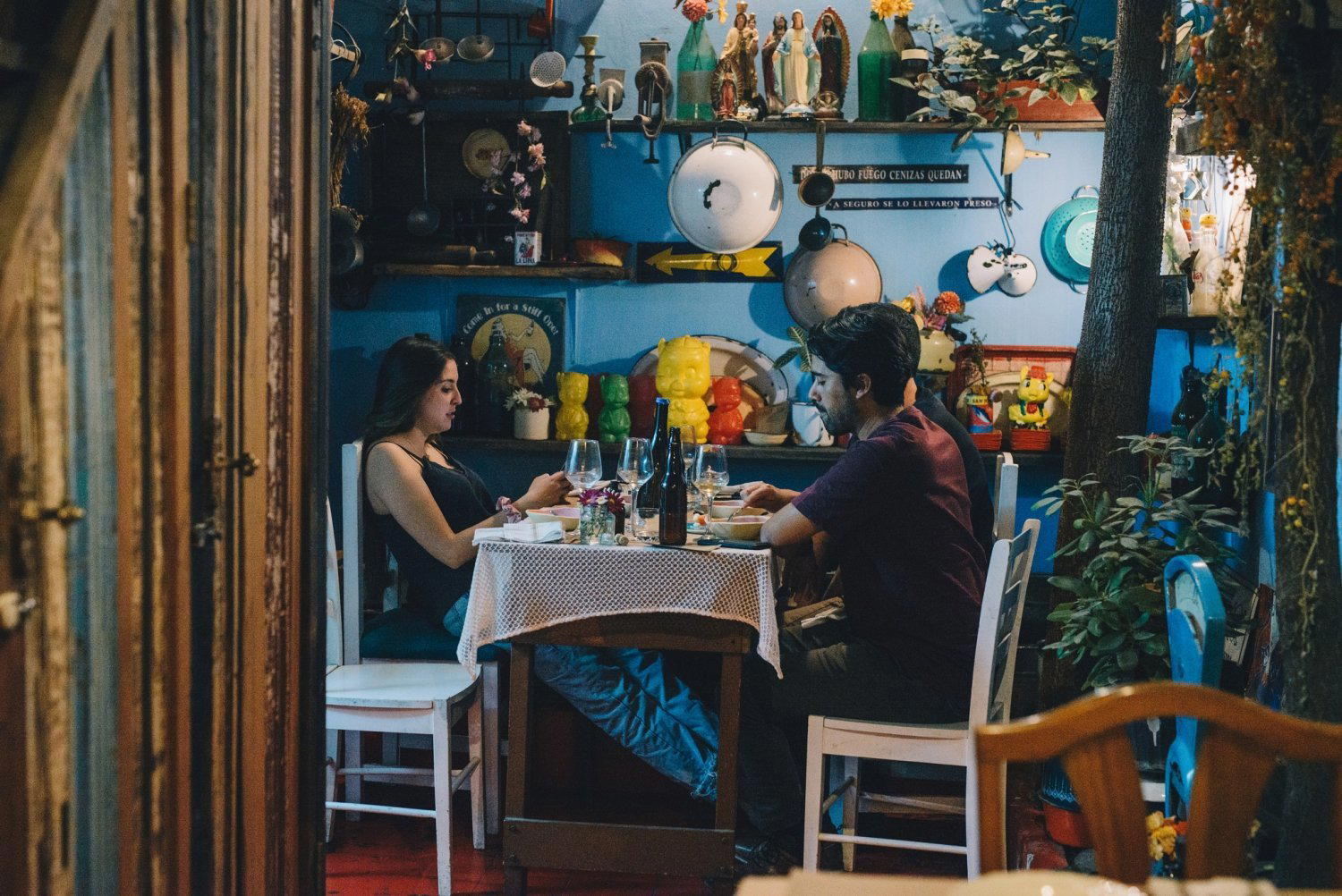
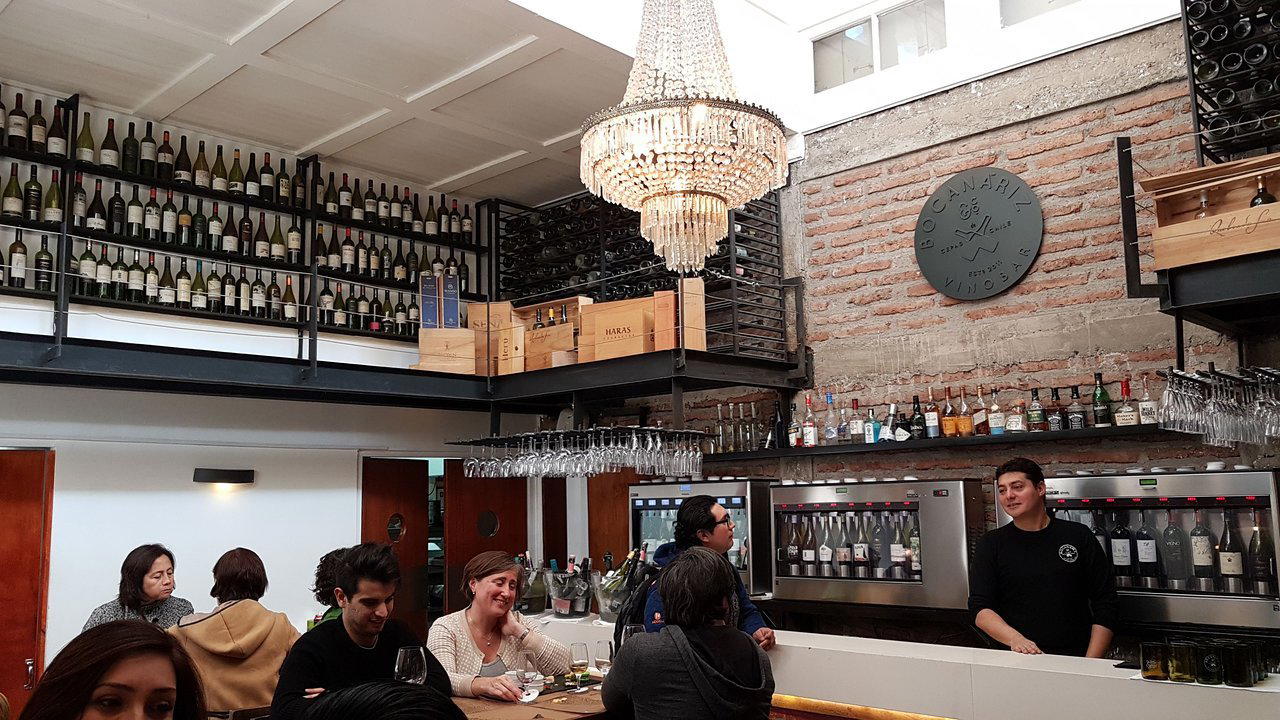
Bars in Santiago
Browse all →
Hotels in Santiago
Browse all →
Details
- Modern
- Intimate
- Trendy
- Special Occasion
- Open Kitchen
- Hotel Restaurant
- Local Sourcing
- Tasting Menu
Current opening hours
- Monday
- Closed
- Tuesday
- Closed
- Wednesday
- Closed
- Thursday
- Closed
- Friday
- Closed
- Saturday
- 10:30 AM–4 PM
- Sunday
- 10:30 AM–4 PM
Hours can change for holidays and private events. Last verified .
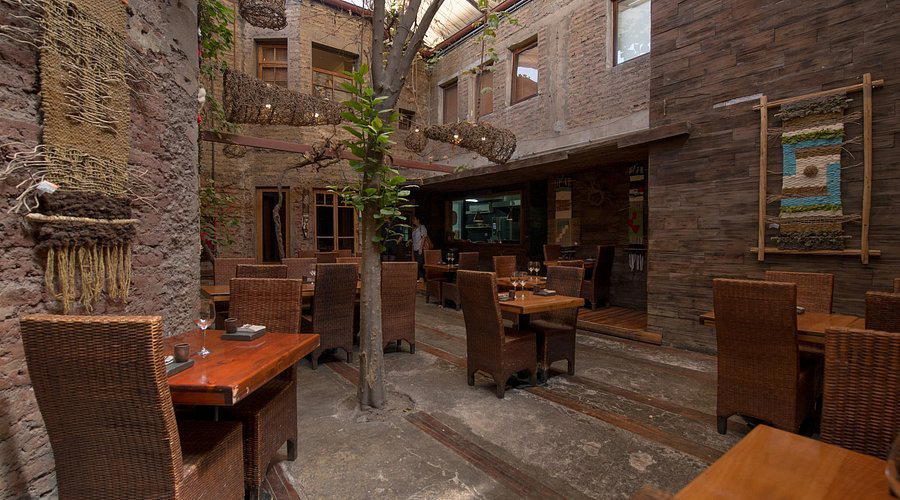
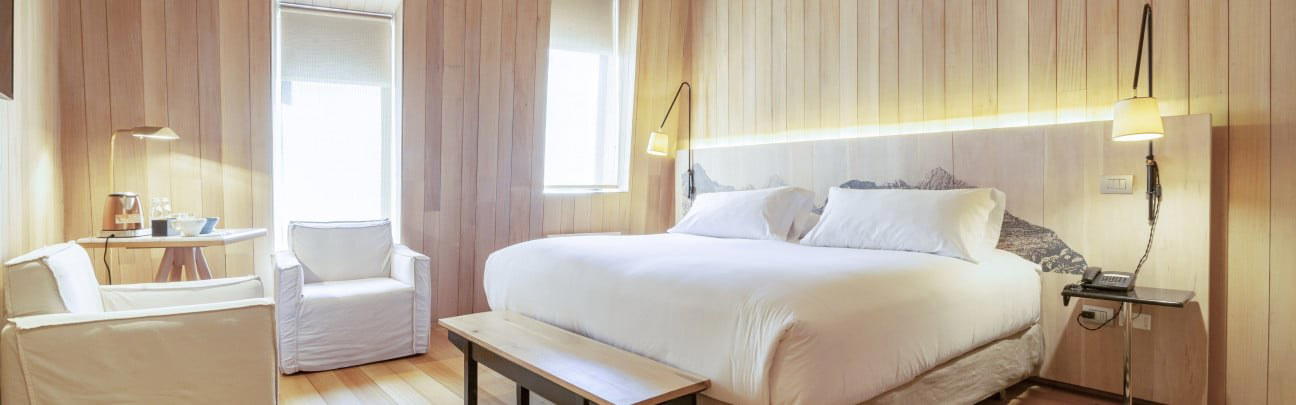
Sophisticated and minimalist setting in a design-led hotel with focus on culinary demonstration in an exclusive 15-seat dining room.