Our verdict
Restaurante Cuadrilla sits in the Fuencarral-El Pardo district of northern Madrid, removed from the city centre's densest dining corridors. The address alone signals a neighbourhood-rooted operation rather than a destination-restaurant play, placing it in a category of Madrid dining that rewards locals and deliberate visitors over passing trade.

Pearl is the En Primeur Club membership app, where members save venues, book tables and use the concierge.

The Northern Edge of Madrid's Dining Map
Madrid's restaurant geography is rarely discussed with the same precision applied to its food. The city's most-cited tables cluster in Salamanca, Chamberí, and the historic centre, leaving the northern districts of Fuencarral-El Pardo in a quieter register. This is not a disadvantage. In cities where premium dining has become heavily concentrated along a few recognisable axes, the outlier address often signals something different: a room that earns its audience through repeat custom rather than tourist throughput, a space designed for the neighbourhood it serves rather than the photograph it produces.
Restaurante Cuadrilla occupies an address on Avenida del Monasterio de Silos, a stretch of northern Madrid where the urban grid loosens and residential scale reasserts itself. That physical context shapes what a visit means before you reach the door. Madrid's dining offer at this latitude sits apart from the €€€€ avant-garde tier represented by venues like DiverXO, Coque, or Deessa. The Fuencarral-El Pardo zone operates on a different register, one where the physical container and the neighbourhood character tend to matter as much as the menu's ambition.
Space as Editorial Statement
In Spanish dining culture, the room has always carried meaning. The long timber bar of a traditional tasca, the whitewashed walls of an Andalusian venta, the deliberately austere concrete of a new-wave Basque dining room: each is a positioning signal. Cuadrilla's address in a district that skews residential over commercial puts it in a category of Madrid rooms that prioritise familiarity over theatre. The architectural language of Fuencarral-El Pardo's dining spaces tends toward the settled rather than the declarative, built for conversation and return visits rather than for the single-occasion spectacle.
This is a meaningful distinction in a city where the high-profile end of the market has moved decisively toward tasting-menu formats with elaborate tableside production. DSTAgE and Paco Roncero both operate in spaces where the interior design functions as part of the dining proposition, reinforcing the experiential distance from everyday eating. The neighbourhood restaurant, by contrast, tends to subordinate its design to the social function of the meal. Chairs are comfortable rather than considered. Acoustics support conversation rather than suppress it. The room does not demand to be noticed.
Madrid's Broader Dining Tradition
Spanish restaurant culture has always maintained a productive tension between the neighbourhood staple and the destination table. At the far end of that spectrum, Spain's most cited restaurants operate as national and international draws: El Celler de Can Roca in Girona, Arzak in San Sebastián, Azurmendi in Larrabetzu, and Mugaritz in Errenteria all function as pilgrimage points requiring advance planning and often overnight stays. Closer to home but still within the destination tier, Martin Berasategui in Lasarte-Oria, Quique Dacosta in Dénia, Aponiente in El Puerto de Santa María, Ricard Camarena in València, Cocina Hermanos Torres in Barcelona, and Atrio in Cáceres define a tier of Spanish dining where the journey is baked into the proposition.
Madrid's neighbourhood restaurants occupy the opposite end of the same tradition: places where the civic function of feeding a local community week after week is the actual work. That consistency is harder than it appears. The average Madrid diner has access to enough competition within their arrondissement that mediocrity at the neighbourhood level gets punished quickly. Survival over years at a residential address in a city this food-literate is its own form of credential.
What the Address Tells You
The Fuencarral-El Pardo district extends north from the M-30 ring toward the Casa de Campo and the Monte de El Pardo. It is not a district that attracts restaurant tourists in the way that Chueca or Las Letras do, which means venues here build their audience differently: through word-of-mouth among residents, through the quality of what's on the plate rather than the volume of media coverage, and through the kind of consistency that keeps the same tables filled across seasons. International comparisons at this neighbourhood-anchored level might reach toward a bistrot in Paris's outer arrondissements or a trattoria in Rome's Prati district rather than the headline addresses that make city dining guides.
For visitors to Madrid who have already covered the high-end circuit, a table in a district like Fuencarral-El Pardo offers a different kind of read on how the city eats. Our full Madrid restaurants guide maps the full range from avant-garde tasting menus to precisely this kind of neighbourhood anchor. Internationally, the contrast sharpens further: the difference between a long-established New York tasting counter like Atomix and a neighbourhood staple mirrors the gap between Madrid's Michelin tier and its residential dining rooms, just as Le Bernardin in New York City occupies a category defined by a different kind of ambition entirely.
Planning a Visit
Visitors are advised to contact the restaurant directly before planning a trip. Location: Av. del Monasterio de Silos, 67, Fuencarral-El Pardo, 28049 Madrid. Getting there: The Fuencarral-El Pardo district is accessible by Metro (Line 9 serves the northern zones) and by taxi or ride-share from central Madrid. Timing: Spanish lunch service typically runs 2pm to 4pm and is the main meal occasion; dinner tends to start later than northern European conventions, with most kitchens active from 9pm onward. Reservations: For a residential-district restaurant in Madrid, booking ahead is prudent, particularly for Friday and Saturday lunch.
Frequently asked questions
Where exactly is Restaurante Cuadrilla?
Restaurante Cuadrilla is located at Av. del Monasterio de Silos, 67, Fuencarral-El Pardo, 28049 Madrid, Spain, Madrid.
Is Restaurante Cuadrilla worth visiting if I'm staying in central Madrid?
Restaurante Cuadrilla's location on Avenida del Monasterio de Silos, in the Fuencarral-El Pardo district near the Monte de El Pardo, puts it well outside the Salamanca and Chueca dining corridors that most visitors cover first. Whether the journey makes sense depends on what draws you: this is a neighbourhood address in a residential part of Madrid, not a destination table with Michelin recognition or a nationally published profile. Visitors specifically interested in how Madrid eats away from its most-cited postcodes will find the district worthwhile on those terms.
What should I order at Restaurante Cuadrilla?
The address in Fuencarral-El Pardo, a working residential district of Madrid rather than a tourist corridor, suggests a kitchen oriented toward local regulars rather than showcase tasting menus. Contacting the restaurant directly before visiting is the reliable way to understand what is currently on offer.
Should I book Restaurante Cuadrilla in advance?
Restaurante Cuadrilla sits on Avenida del Monasterio de Silos in Fuencarral-El Pardo, a northern Madrid neighbourhood that draws a predominantly local clientele rather than destination diners. Without a confirmed award profile or wide press coverage, the restaurant is unlikely to carry the same booking pressure as Salamanca or Chueca tables. That said, calling ahead is sensible for any sit-down dinner in Madrid, particularly on weekend evenings.
Comparable Venues
Comparable venues nearby, for context on price, style, and recognition.
| Venue | Cuisine | Price | Notes |
|---|---|---|---|
| Restaurante CuadrillaThis venue (the venue you are viewing) | Traditional Spanish Mediterranean | $30–50 | Not listed |
| Restaurante Taiga Madrid | Traditional Spanish | $20–30 | El Viso |
| "B de J" | Spanish Sandwich Bar | Not listed | Chueca |
| Arrocería FERROZ | Spanish Arrocería (Rice Specialist) | $20–30 | Arguelles |
| Ana la Santa | Modern Spanish Tapas | $30–50 | Barrio de las Letras |
| SANTANCHA | Modern Traditional Spanish | $20–30 | Almagro |
Continue exploring
More in Madrid
Restaurants in Madrid
All restaurants in Madrid →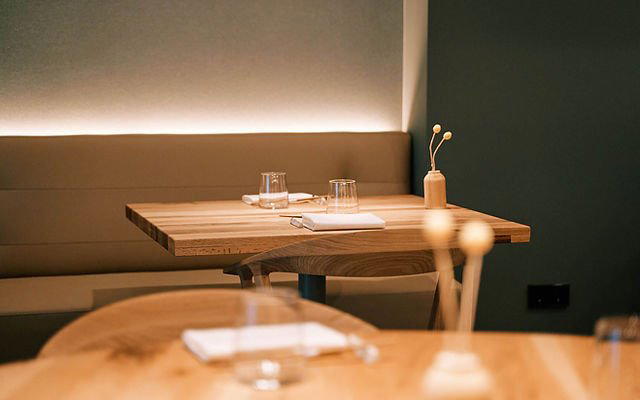
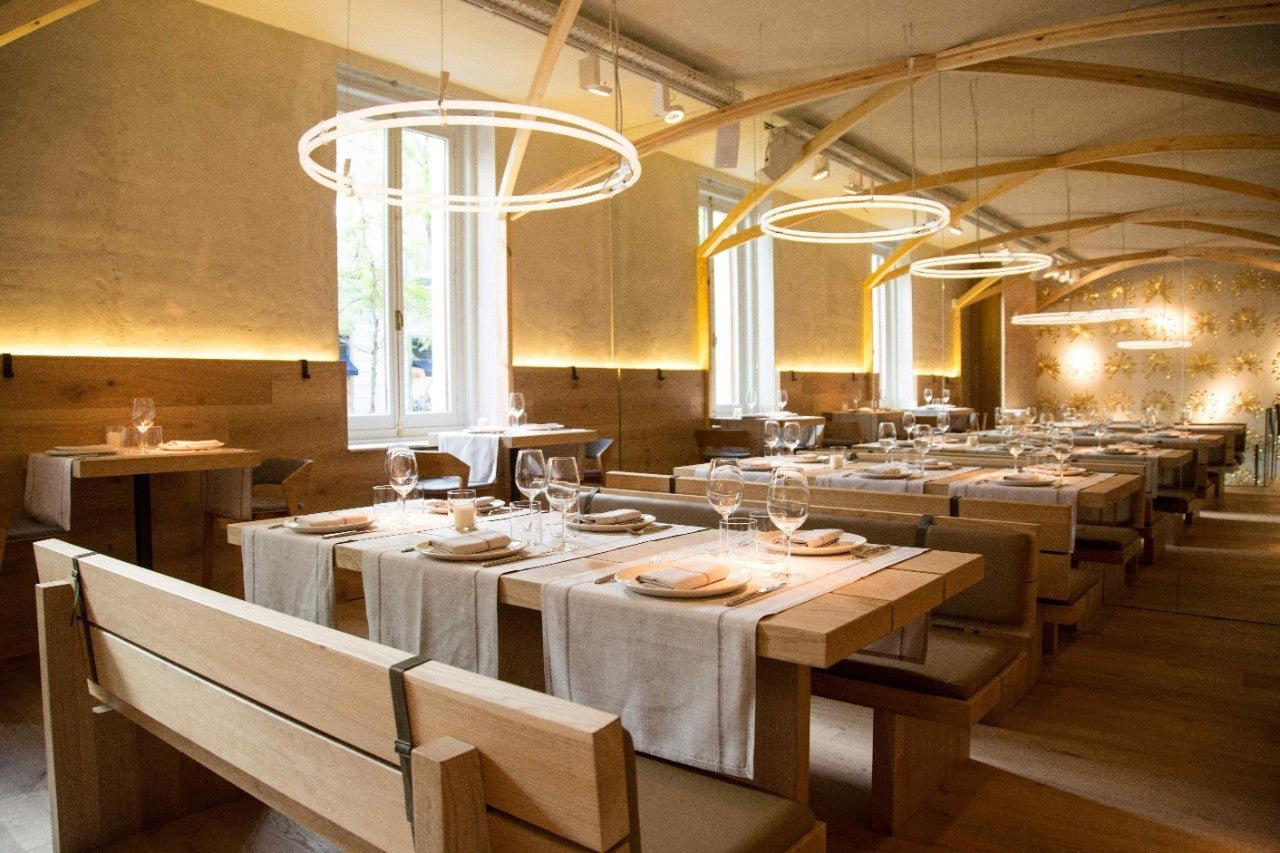
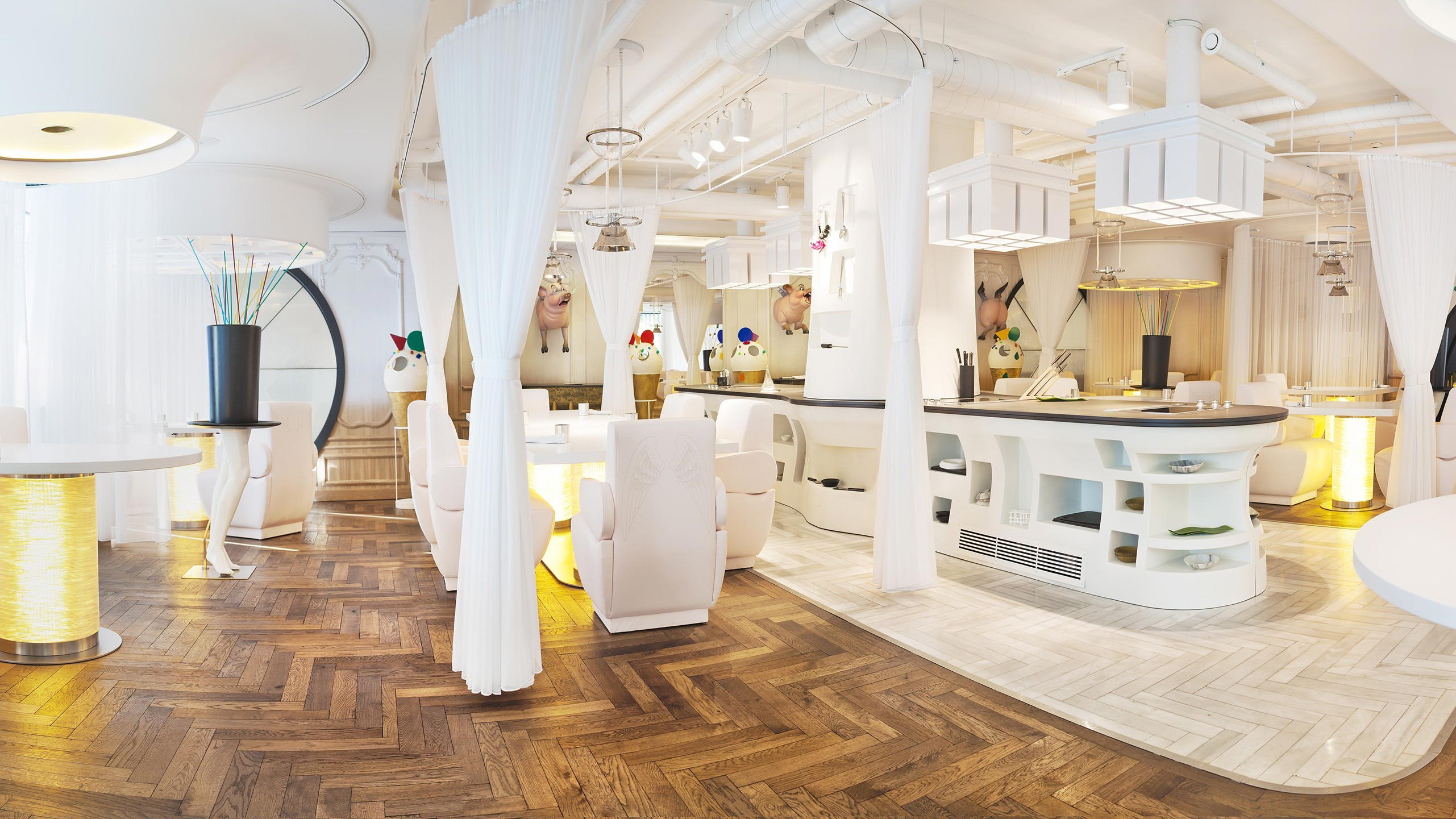
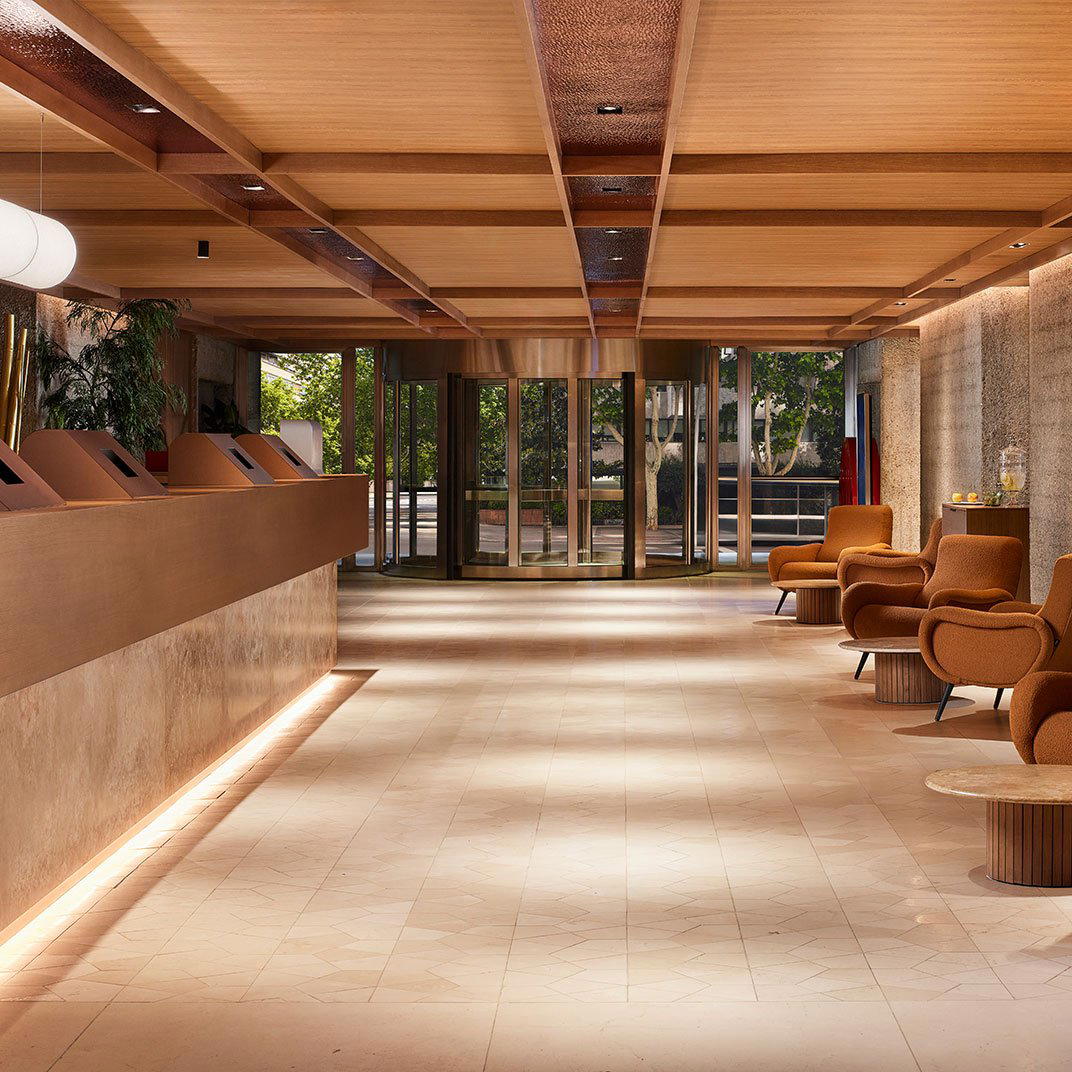
Bars in Madrid
All bars in Madrid →

Details
- Cozy
- Elegant
- Family
- Group Dining
- Casual Hangout
- Terrace
- A La Carte
- Small Plates
- Vegetarian Friendly
- Gluten Free Options
- Vegan Options
Current opening hours
- Monday
- Closed
- Tuesday
- 12:30 PM–12 AM
- Wednesday
- 12:30 PM–12 AM
- Thursday
- 12:30 PM–12 AM
- Friday
- 12:30 PM–1 AM
- Saturday
- 12:30 PM–1 AM
- Sunday
- 12:30–5:30 PM
Hours can change for holidays and private events. Hours as of .
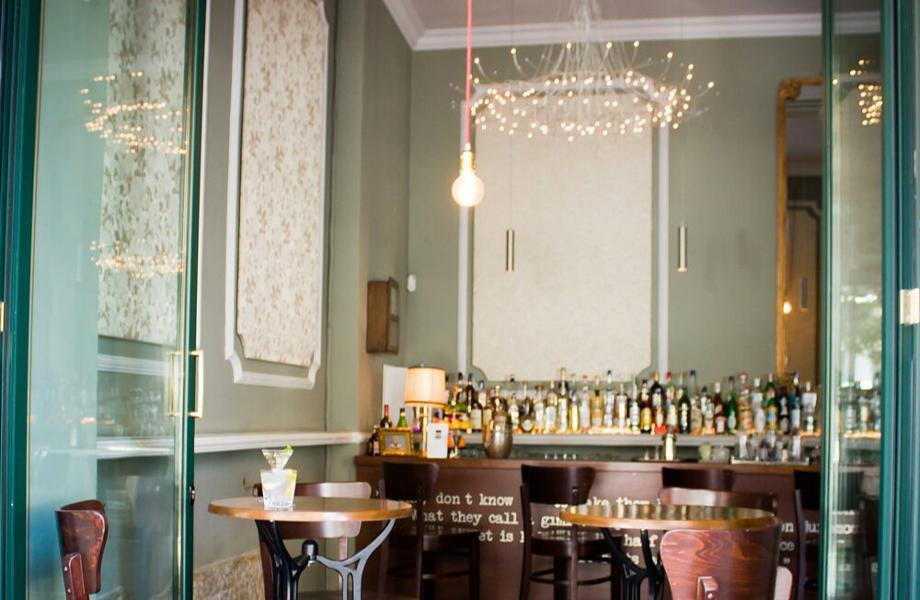
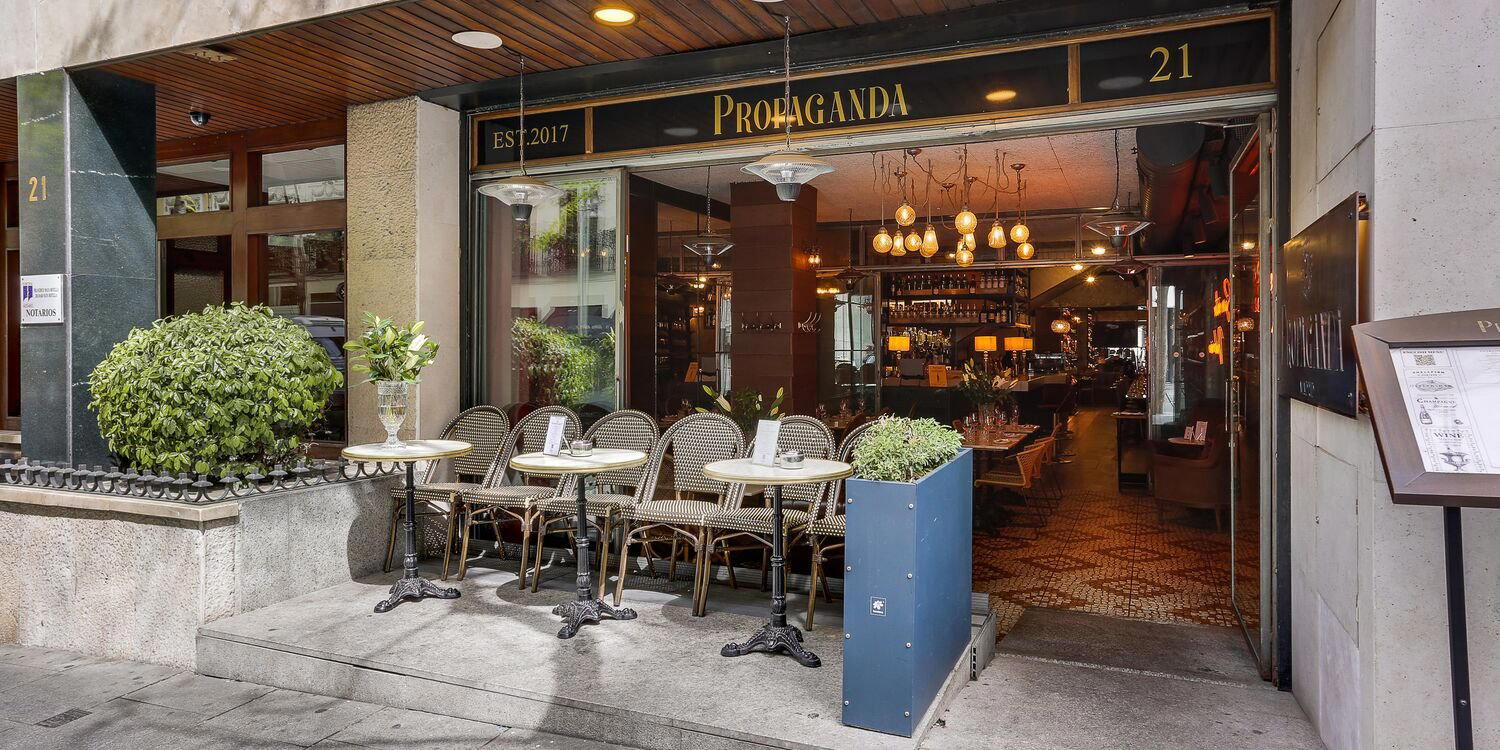
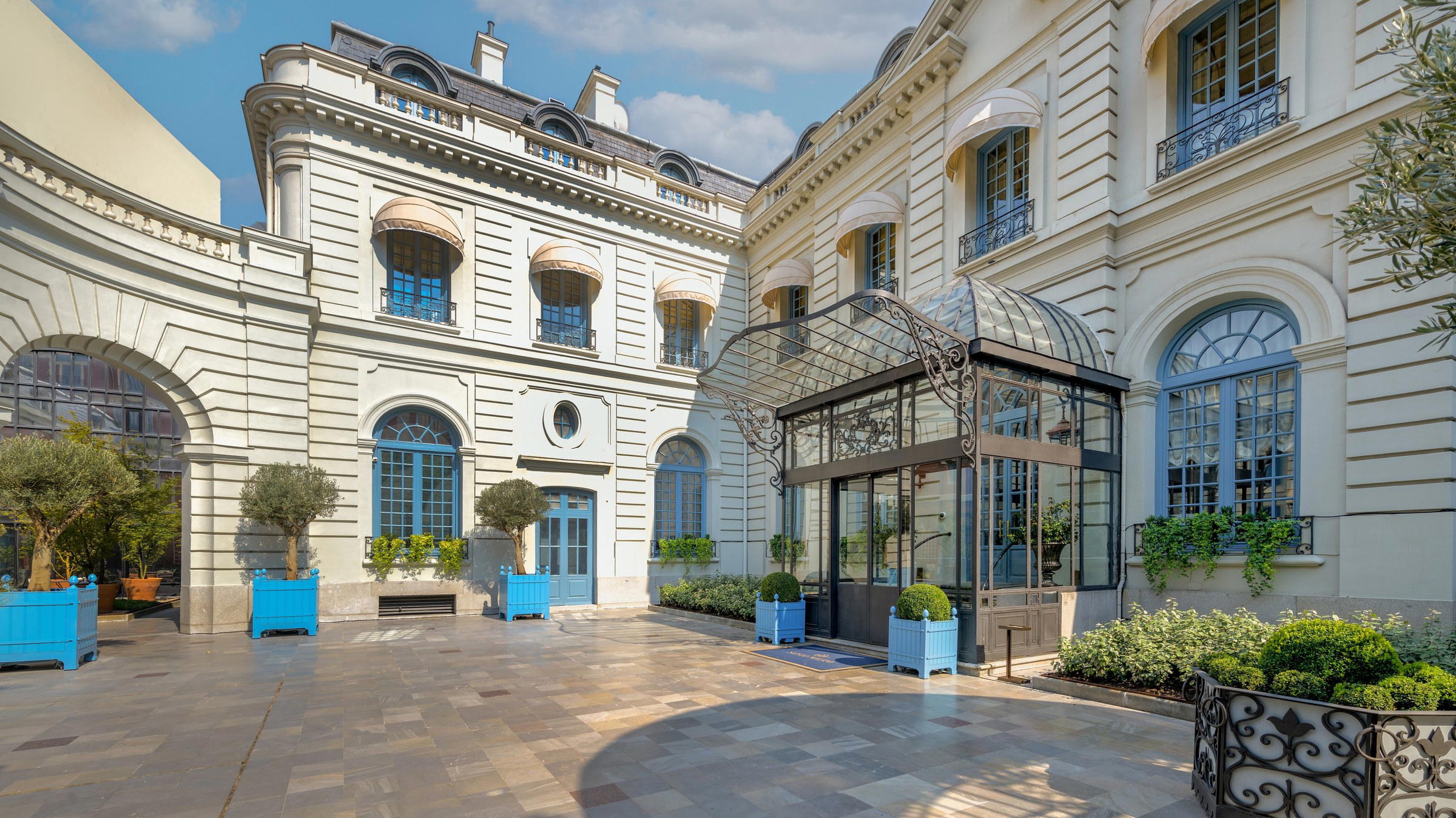
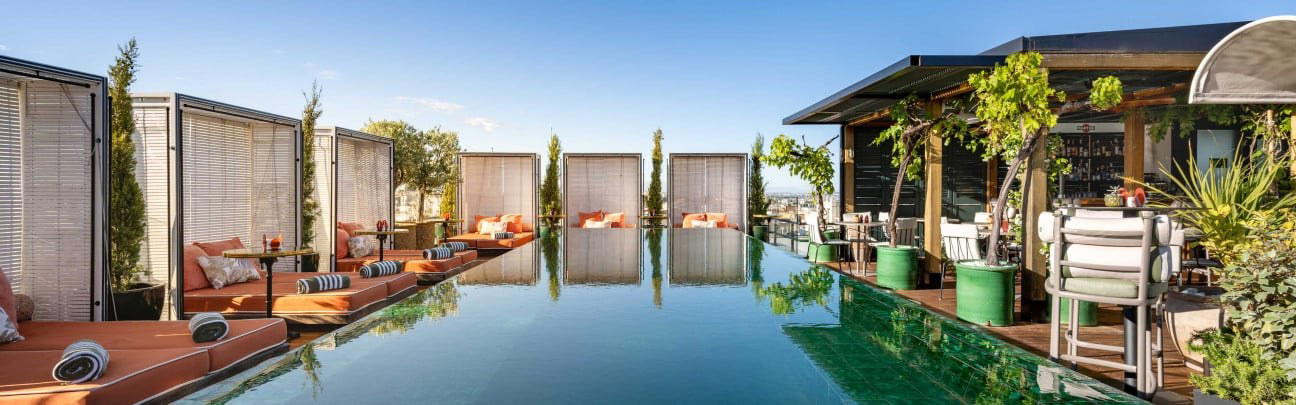
Cozy and tastefully decorated with a pleasant terrace that can be closed in cold weather, offering a quiet and welcoming environment.