On Calle de Santa Engracia in Madrid's Chamberí district, SANTANCHA occupies a residential stretch where the neighbourhood's quieter character shapes the dining atmosphere as much as anything on the plate. The address places it among a cohort of Chamberí establishments that trade on intimacy rather than volume, distinguishing it from the high-profile creative kitchens clustered further south.
Pearl is the En Primeur Club membership app — saves, bookings, and concierge access live there. Same editors, same standards.
- Address
- Calle de Sta Engracia, 41, Chamberí, 28010 Madrid, Spain
- Phone
- +34912190630
- Website
- santancha.es
- Directions
- Get directions
 Saves & bookings on Pearl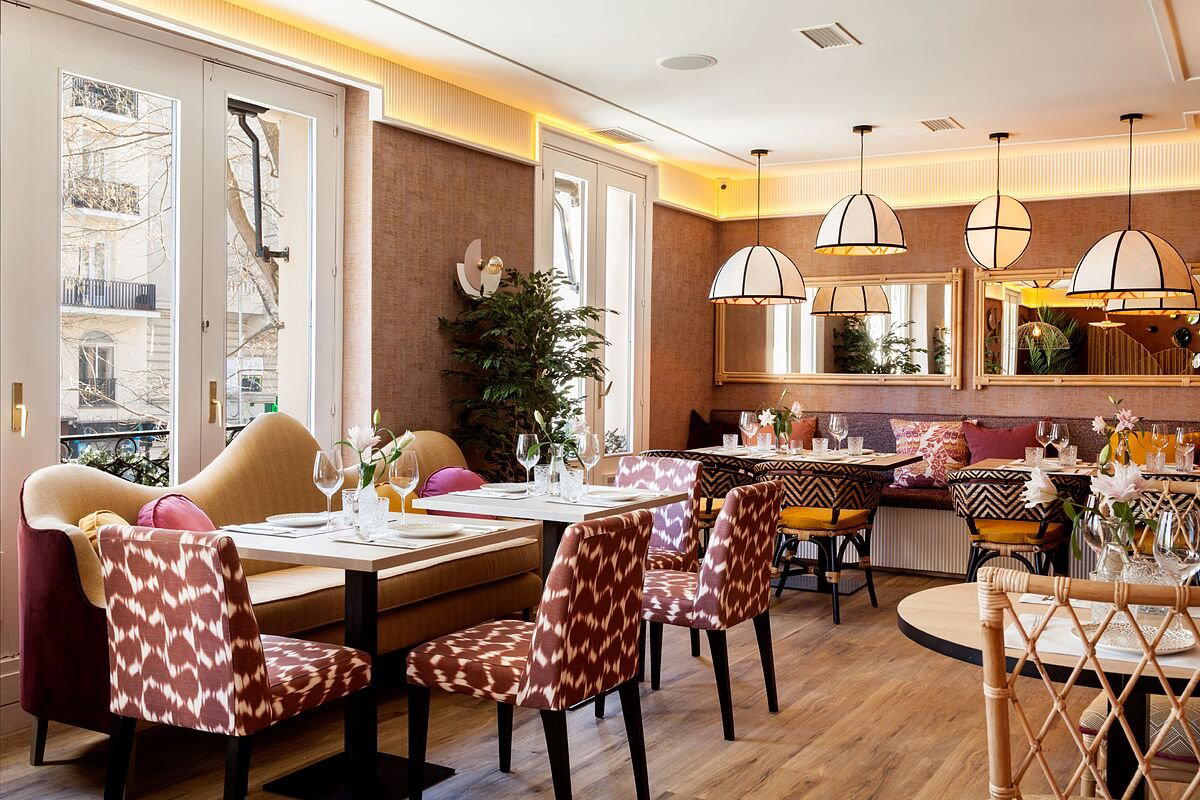
The Physical Address as Editorial Statement
Chamberí has a way of revealing its restaurants gradually. The district north of Alonso Martínez runs through tree-lined streets of early twentieth-century residential architecture, and Calle de Santa Engracia is a working example of that fabric: wide-pavement, ground-floor businesses fronting apartment buildings, a neighbourhood that accommodates dining without organising itself around it. SANTANCHA at number 41 sits in that context, which is itself an editorial choice. In a city where the loudest creative kitchens, DiverXO, Coque, Deessa, concentrate around the Paseo de la Castellana corridor or the historic centre, a Chamberí address signals something different: proximity to a local residential audience rather than the hotel and tourism circuit.
That spatial positioning matters more than it might seem. Madrid's premium dining tier has bifurcated over the past decade into two recognisable cohorts. One cohort chases international visibility, Michelin hardware, destination-dining itineraries, the kind of tasting menus that attract international visitors flying in for a table. The other operates at the level of the well-resourced neighbourhood, where the clientele is predominantly local and the room's character is defined by repeat visits rather than single-occasion spectacle. SANTANCHA's Chamberí address puts it in conversation with the latter pattern.
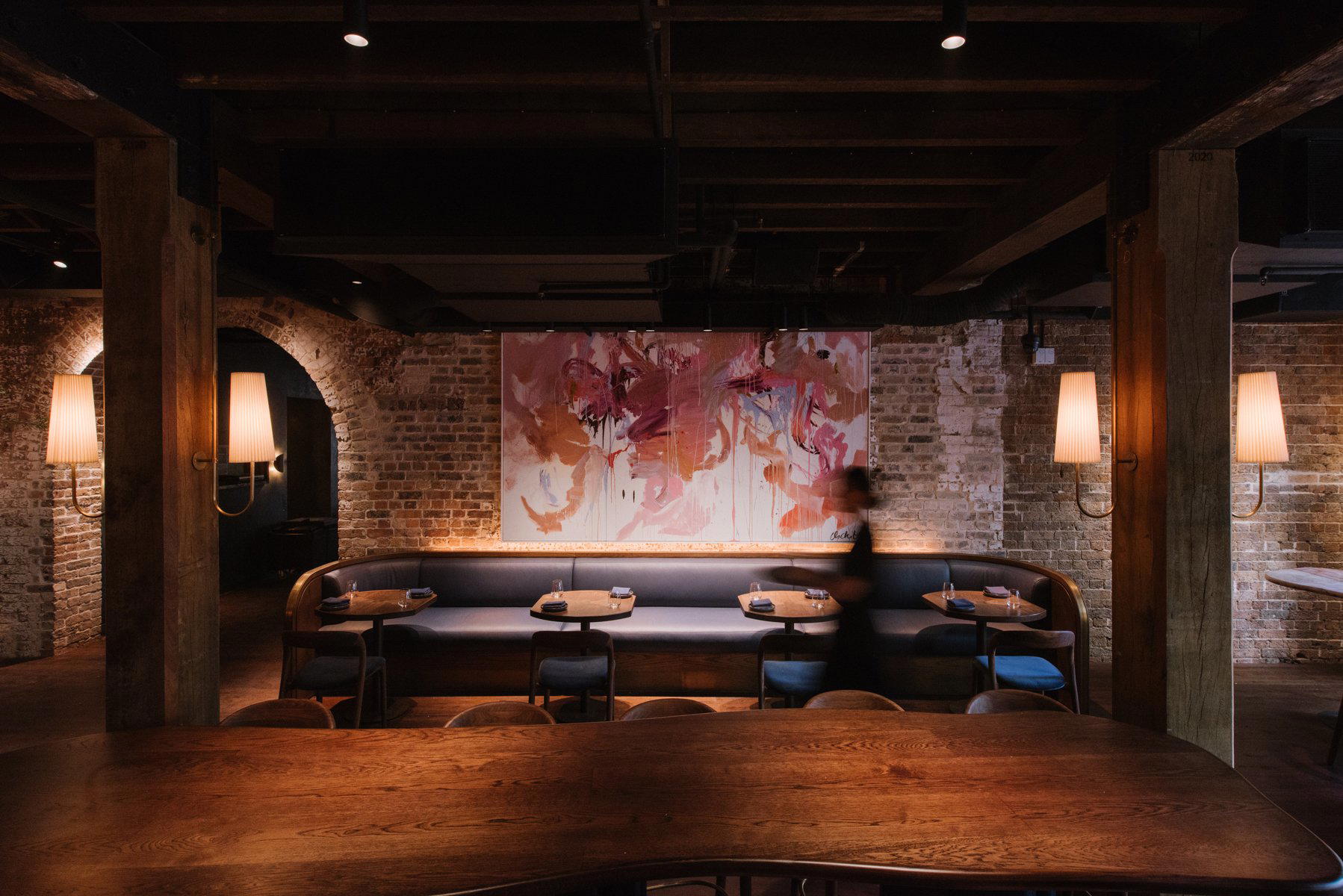
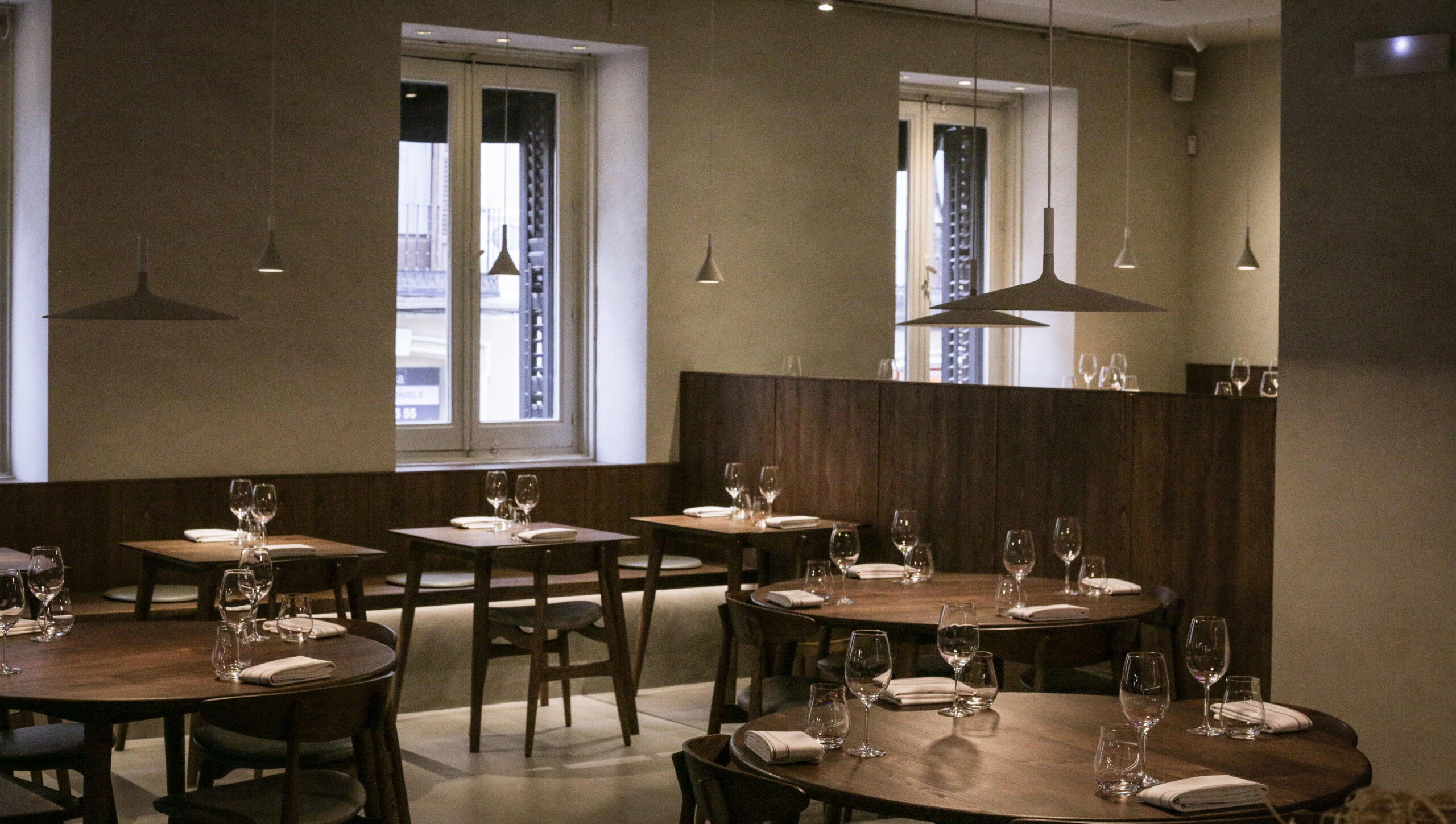
Interior Architecture and the Logic of the Room
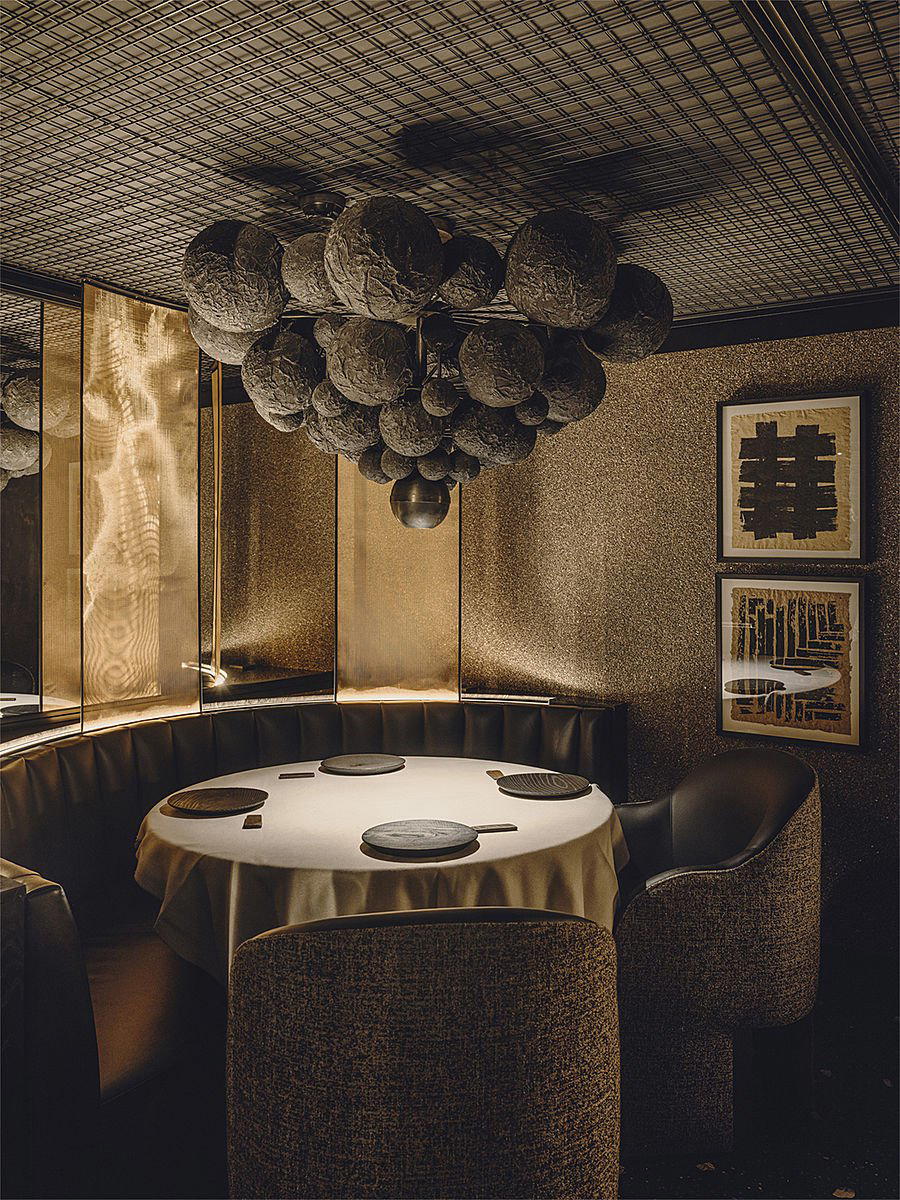
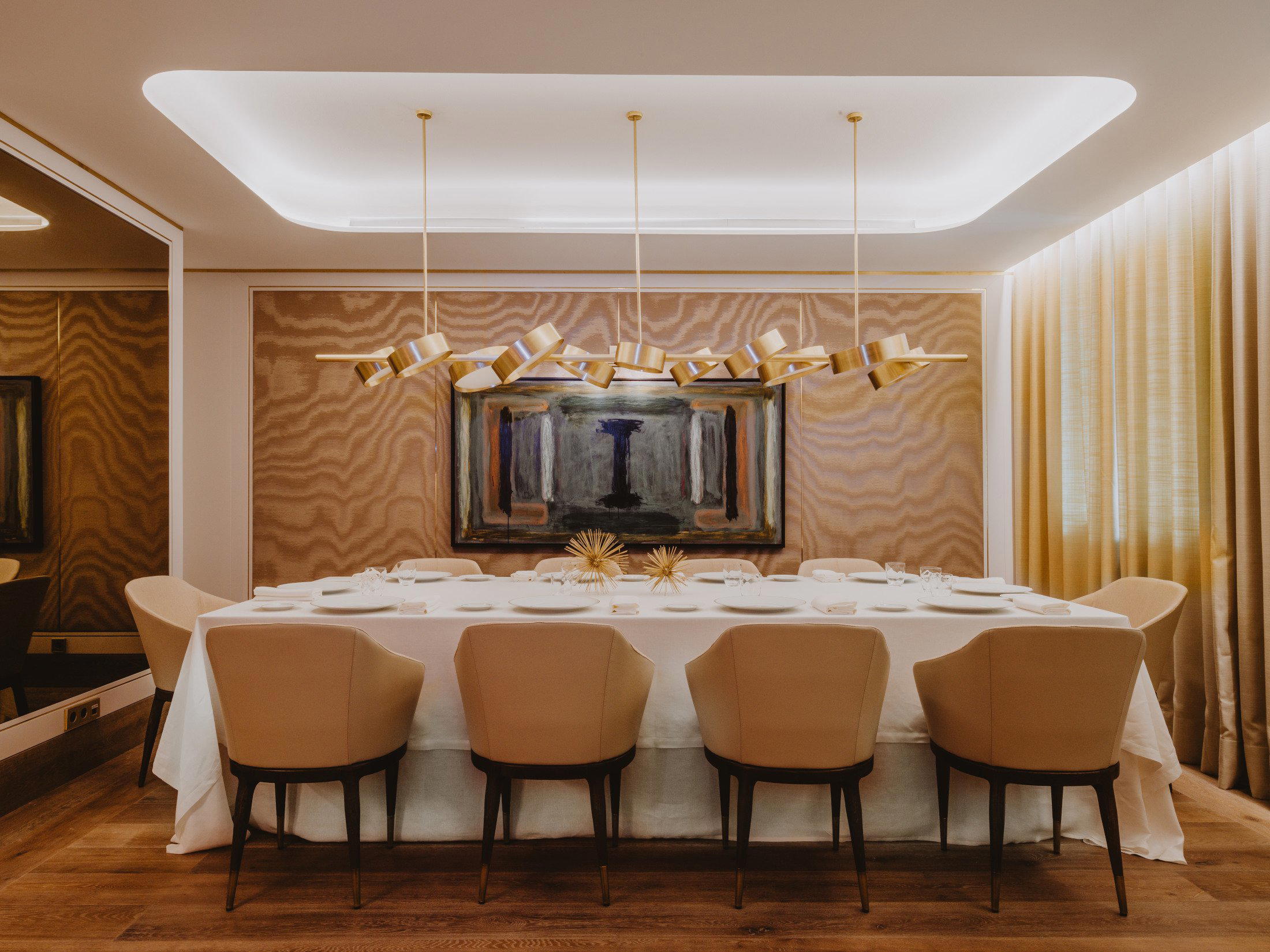
The design language of mid-range to premium Madrid dining has shifted noticeably in recent years. The era of theatrical set-dressing, the industrial-exposed-ceiling moment, the maximalist tile work, has given way in many new openings to more considered restraint: considered material choices, acoustic management, lighting that serves the table rather than the Instagram grid. How a room deploys its square footage, how it spaces seating to preserve conversation privacy, how it handles the acoustic ceiling, these are now credibility markers in a way they were not a decade ago.
What the address and district pattern do suggest is that the physical container is scaled to neighbourhood use rather than high-volume throughput. Chamberí's restaurant stock in this part of the district tends toward mid-size rooms, not the 200-cover operations that anchor commercial streets further south, and not the eight- or twelve-seat counter formats that define the upper end of Madrid's tasting-menu scene. The spatial logic is typically one of considered domesticity: a room that functions as an extension of the residential neighbourhood it serves.
Where SANTANCHA Sits in Madrid's Broader Scene
To place SANTANCHA accurately against Madrid's current restaurant map requires acknowledging what the city's top tier looks like. DSTAgE and Paco Roncero represent the city's creative-tasting-menu tier, operating at price points and with booking lead times that reflect their Michelin positioning. That tier sets a benchmark, but it does not represent the full spectrum of serious dining in Madrid. Between the Michelin three-star rooms and the casual tapas circuit, there is a substantial middle ground occupied by restaurants that bring genuine culinary ambition to formats that remain accessible in price and atmosphere.
Spain's broader restaurant ecology, from El Celler de Can Roca in Girona to Arzak in San Sebastián, from Azurmendi in Larrabetzu to Aponiente in El Puerto de Santa María, demonstrates the range of formats in which serious cooking operates across the country. Martin Berasategui in Lasarte-Oria, Quique Dacosta in Dénia, Mugaritz in Errenteria, Ricard Camarena in València, Cocina Hermanos Torres in Barcelona, and Atrio in Cáceres each demonstrate that Spanish fine dining distributes itself across a wide geographic and stylistic range. Within Madrid specifically, the neighbourhood-level restaurant with serious cooking credentials, rather than the destination tasting-menu room, fills a genuine function in the city's dining culture.
Internationally, the pattern of technically accomplished neighbourhood restaurants holds across cities with strong dining cultures. Le Bernardin in New York City and Atomix in New York City represent the high-intensity end of that city's spectrum; the restaurants that operate between those peaks and the casual tier are what sustain a dining culture day-to-day. Madrid's Chamberí makes a credible case for being one of the districts where that sustaining middle operates with the coherence.
Planning Your Visit
SANTANCHA's address on Calle de Santa Engracia, 41, in the Chamberí district (postcode 28010) places it within walking distance of the Alonso Martínez and Iglesia metro stations, both on Line 4, making the approach from central Madrid direct by public transport. The district is low on tourist foot traffic relative to Malasaña or Chueca immediately to the south, which means the pavement outside is not a staging area for queues.
For booking, the reservation policy is recommended. SANTANCHA’s regular hours are Mon to Wed 1 to 11:30 PM, Thu 1 PM to midnight, Fri and Sat 1 PM to 12:30 AM, and Sun 1 to 5:30 PM. Spanish restaurant culture accommodates dietary requirements with more flexibility than its traditional format might suggest, but specific requests are leading communicated at the point of reservation rather than on arrival.
Quick reference: Calle de Santa Engracia, 41, Chamberí, 28010 Madrid. Nearest metro: Alonso Martínez (Line 4) or Iglesia (Line 4). Reservations are recommended.
Just the Basics
Comparable venues nearby, for context on price, style, and recognition.
| Venue | Cuisine | Price | Notes |
|---|---|---|---|
| SANTANCHAThis venue — the venue you are viewing | Almagro, Modern Traditional Spanish | $$ | Not listed |
| Arrocería FERROZ | Not listed | $$ | Arguelles, Spanish Arrocería (Rice Specialist) |
| Candela Bernabéu | Not listed | $$ | El Viso, Traditional Spanish Tapas & Cervecería |
| Café de la Galería | Not listed | $$ | Palacio, Traditional Spanish with Creative Touches |
| Salamar | Prosperidad, Spanish Seafood and Paella | $$ | Not listed |
| "B de J" | Chueca, Spanish Sandwich Bar | $$ | Not listed |
Continue exploring
More in Madrid
Restaurants in Madrid
Browse all →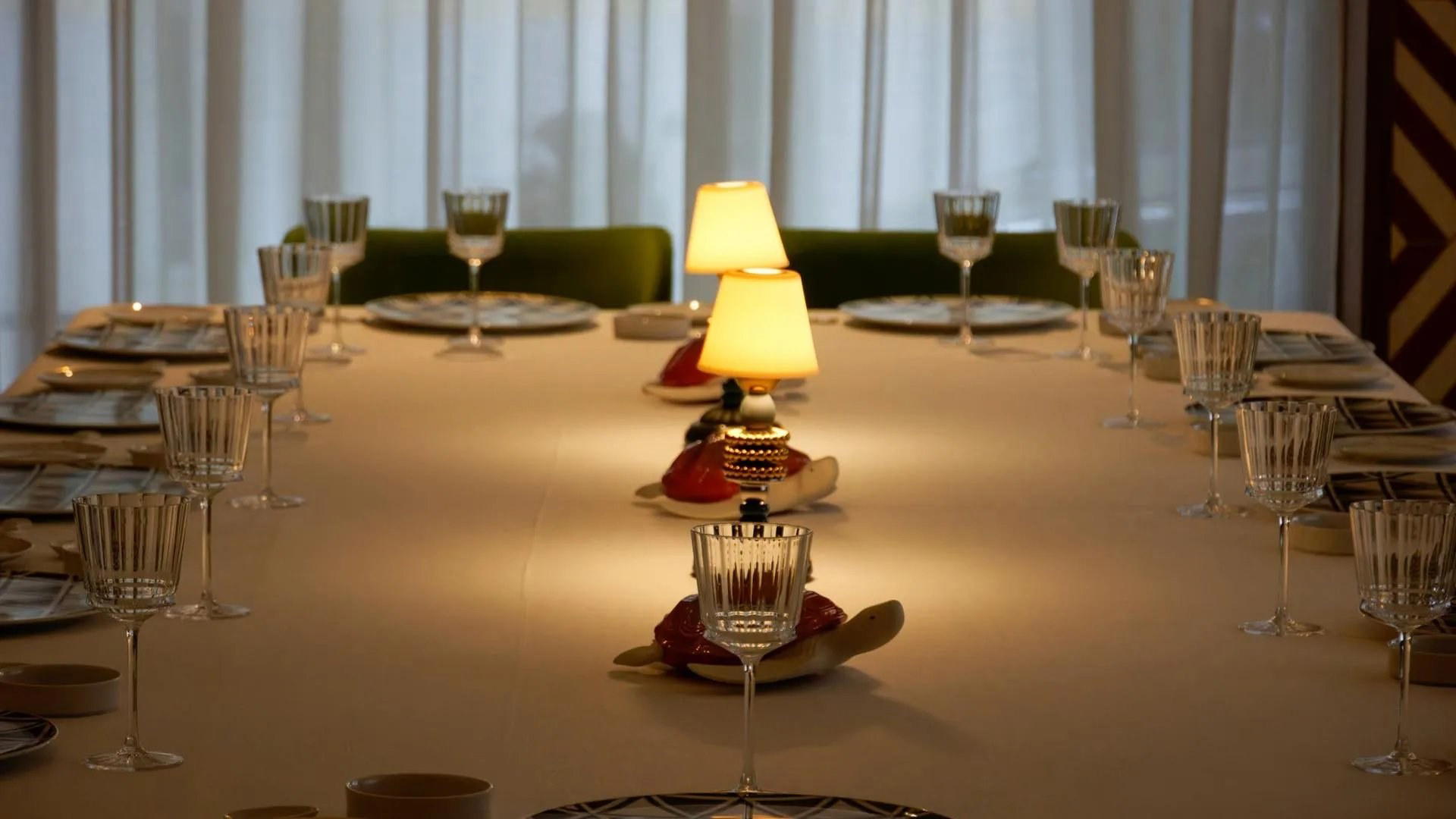
Bars in Madrid
Browse all →
Hotels in Madrid
Browse all →

At a Glance
- Classic
- Date Night
- Business Dinner
- Casual Hangout
- Open Kitchen
- Extensive Wine List
Current opening hours
- Monday
- 1–11:30 PM
- Tuesday
- 1–11:30 PM
- Wednesday
- 1–11:30 PM
- Thursday
- 1 PM–12 AM
- Friday
- 1 PM–12:30 AM
- Saturday
- 1 PM–12:30 AM
- Sunday
- 1–5:30 PM
Hours can change for holidays and private events. Last verified .
Casual dining atmosphere suitable for informal dinners and lunch gatherings.