On Calle de Ferraz in the Moncloa-Aravaca district, Arrocería FERROZ occupies a specific niche in Madrid's rice-specialist category, a format that sits between the casual paella joints of the tourist circuit and the tasting-menu houses that dominate the city's critical conversation. The address places it within reach of the Parque del Oeste, in a residential quarter where the dining room tends to serve the neighbourhood as much as it courts visitors.
Pearl is the En Primeur Club membership app — saves, bookings, and concierge access live there. Same editors, same standards.
- Address
- C. de Ferraz, 36, Moncloa - Aravaca, 28008 Madrid, Spain
- Phone
- +34613394028
- Website
- ferroz.es
- Directions
- Get directions
 Saves & bookings on Pearl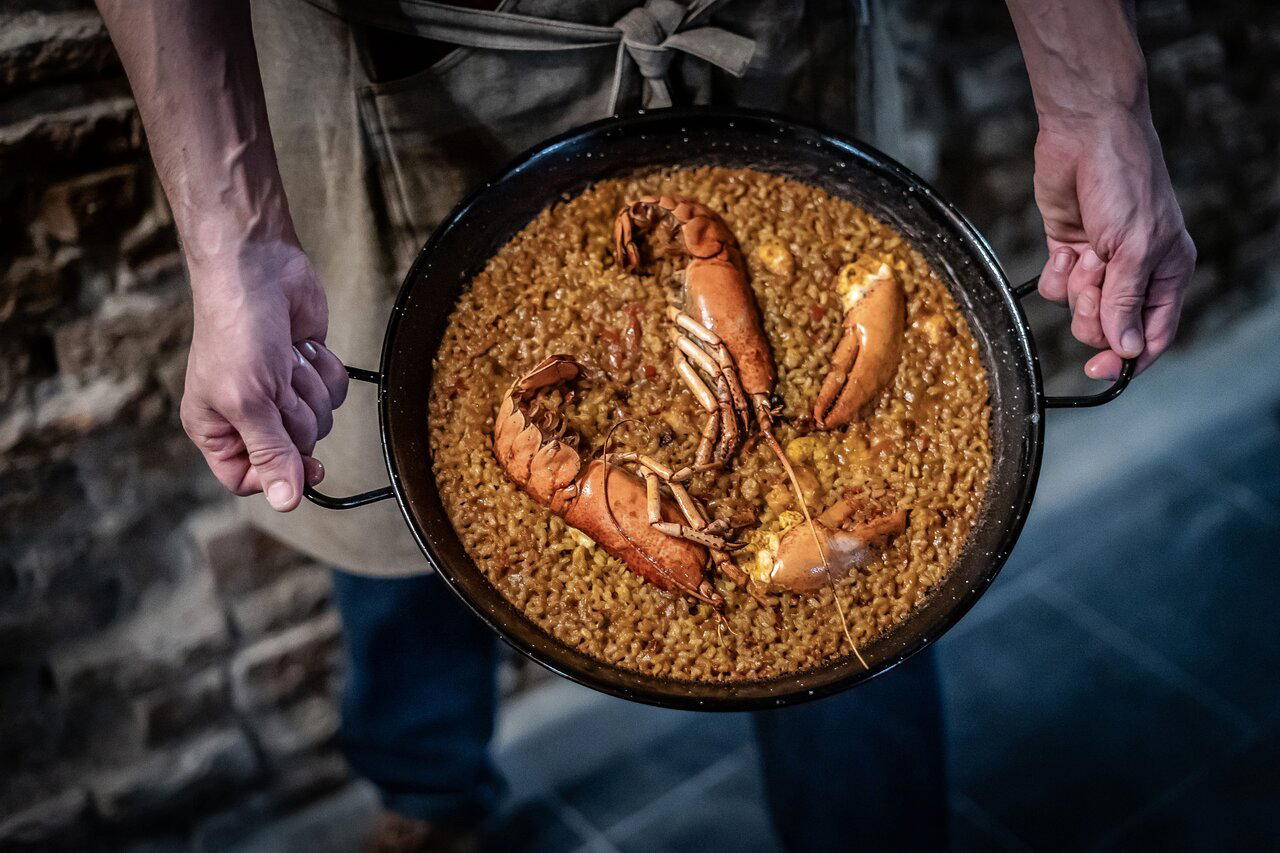
Rice, Technique, and the Moncloa Address
Madrid's serious rice restaurants have always operated in the shadow of Valencia's claim on the dish. The political and cultural argument, that authentic paella and arroz belong to the Levantine coast, has never quite resolved, but it has pushed Madrid's arrocerías to work harder on differentiation. The response, across the better addresses in the capital, has been to apply rigorous kitchen technique to rice formats that Valencia might not recognise as its own: soupy caldosos, dry socarrat-heavy variants, and preparations that draw from further afield than the orange-grove coast. Arrocería FERROZ, at number 36 on Calle de Ferraz in the Moncloa-Aravaca district, operates within that tradition.
The street itself runs between the Parque del Oeste and the Argüelles metro interchange, a corridor of mid-century apartment buildings and neighbourhood commerce that sits at some remove from the more photographed dining circuits around Chueca or the Salamanca barrio. This part of Madrid eats seriously but quietly. That dynamic shapes the room's atmosphere before a single dish arrives.
The Arrocería Format in a Madrid Context
It is worth understanding where the arrocería sits in Madrid's broader dining structure. At the summit of the city's critical hierarchy sit the tasting-menu institutions: DiverXO, with its three Michelin stars and progressive Asian-inflected framework; Coque, where the Sandoval brothers run a technically demanding Spanish creative menu; Deessa and DSTAgE, both operating in the modern Spanish creative register; and Paco Roncero, whose kitchen sits at the technically innovative end of the capital's fine dining tier. Below that stratum, and largely outside it, the arrocería occupies a distinct format category: a specialist house where a single ingredient family anchors the entire menu, and where the quality measure is execution depth rather than conceptual range.
Spain's most scrutinised rice practitioners work in other regions. Quique Dacosta in Dénia has brought avant-garde treatment to Valencian rice traditions. Ricard Camarena in València focuses on technique and local product in a way that has attracted sustained critical attention. The Madrid arrocería scene is less celebrated in aggregate, but that gap creates space for serious operators who are not competing for the same press as the Basque country's benchmark houses, Arzak in San Sebastián, Mugaritz in Errenteria, Martin Berasategui in Lasarte-Oria, Azurmendi in Larrabetzu, or the Catalan and Andalusian institutions like El Celler de Can Roca in Girona, Cocina Hermanos Torres in Barcelona, Aponiente in El Puerto de Santa María, or Atrio in Cáceres.
Local Ingredients, Considered Execution
The editorial angle that matters most for a rice specialist in Madrid is the intersection of indigenous product and applied technique. Arroz caldero draws from Murcia's fishing tradition. Arroz negro uses cephalopod ink in a way that carries direct lineage from the Mediterranean coast. The better Madrid arrocerías are not simply replicating coastal originals, they are sourcing the same raw materials (bomba and senia varieties from the Albufera, shellfish from Galicia, game from the meseta interior) and making kitchen decisions about heat, timing, stock reduction, and fat that reflect training rather than habit.
This is the category of restaurant where the quality of the base stock is the single largest determinant of the final dish. A poorly reduced or imprecisely seasoned caldo will produce a competent-looking rice that flatters no one at the table. The restaurants that hold a regular clientele in this format do so because they have solved that problem consistently, not because they have invented a novel presentation. Globally, rice-specialist traditions that have attracted serious critical attention, from the paella masters of Alicante's inland towns to the Cantonese clay-pot rice houses of Hong Kong, share the same discipline: the technique is largely invisible, and the grain is the proof.
For international visitors arriving from markets where rice operates as a side dish rather than a centrepiece, the Madrid arrocería provides a useful calibration. The expectation shift required is similar to approaching a dedicated ramen counter in Tokyo or a whole-animal barbecue house in Texas, formats explored in high-technique registers by kitchens like Lazy Bear in San Francisco or, at the seafood end of technical precision, Le Bernardin in New York City. The dish carries the weight of a main course, often the only main course, and the table typically orders collective rather than individually.
Planning a Visit to Ferraz
Moncloa-Aravaca is accessible via the Moncloa or Argüelles metro stations on Lines 3 and 6, placing the address within a short walk of the Parque del Oeste and the Templo de Debod, the latter worth combining with a lunch visit given its proximity. The neighbourhood runs on a residential rhythm, which means midday service on weekdays tends to be less pressured than Friday and Saturday lunch, the two sessions that draw the widest range of diners to arrocerías across Madrid. Rice dishes typically require a minimum preparation time of 20 to 25 minutes from order, a structural element of the format that rewards unhurried timing rather than tight schedules. For a fuller picture of where FERROZ sits relative to other Madrid addresses across all price tiers and styles, consult our full Madrid restaurants guide.
The Quick Read
Comparable venues nearby, for context on price, style, and recognition.
| Venue | Cuisine | Price | Notes |
|---|---|---|---|
| Arrocería FERROZThis venue — the venue you are viewing | Not listed | $$ | Not listed |
| Café Comercial | Not listed | $$ | Trafalgar, Traditional Madrid Cuisine with Contemporary Touches |
| Ana la Santa | Not listed | $$ | Barrio de las Letras, Modern Spanish Tapas |
| Pastelería Celicioso | Chueca, Gluten-Free Spanish Bakery Cafe | $$ | Not listed |
| Restaurante Taiga Madrid | El Viso, Traditional Spanish | $$ | Not listed |
| Restaurante Cuadrilla | Not listed | $$ | Montecarmelo, Traditional Spanish Mediterranean |
Continue exploring
More in Madrid
Restaurants in Madrid
Browse all →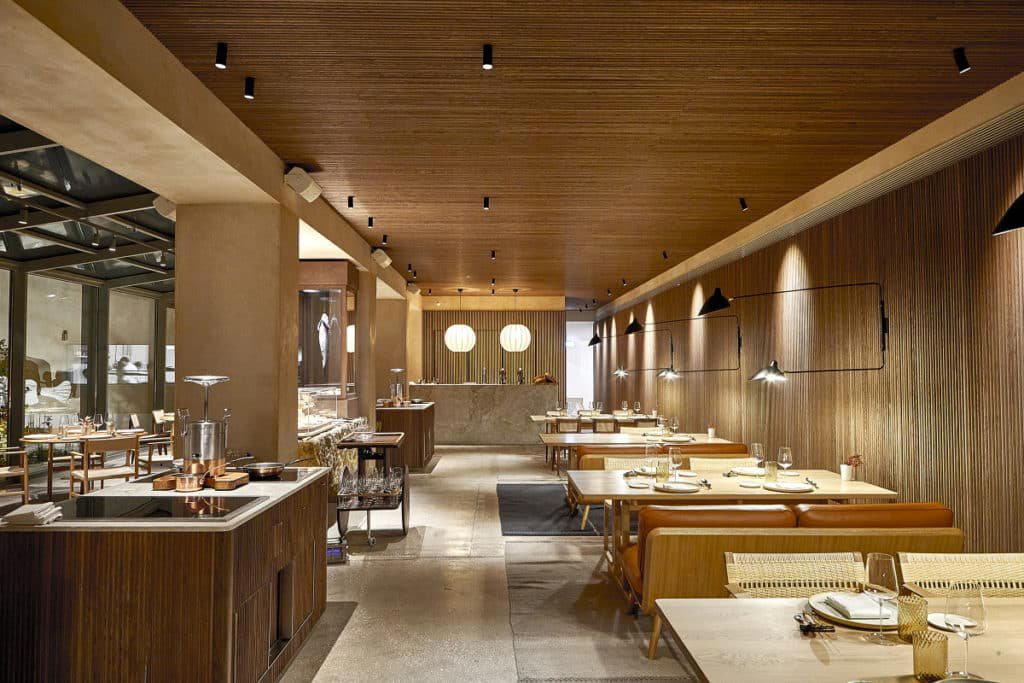
Bars in Madrid
Browse all →
Hotels in Madrid
Browse all →

At a Glance
- Modern
- Cozy
- Group Dining
- Special Occasion
- Open Kitchen
- Local Sourcing
Current opening hours
- Monday
- Closed
- Tuesday
- Closed
- Wednesday
- 12:30–4:30 PM, 7–11 PM
- Thursday
- 12:30–4:30 PM, 7–11 PM
- Friday
- 12:30–4:30 PM, 7–11 PM
- Saturday
- 12:30–11 PM
- Sunday
- 12:30–5:30 PM
Hours can change for holidays and private events. Last verified .
Modern yet relaxed neighborhood atmosphere with a polished feel, though some find it narrow and noisy.