Restaurant Smaragd
Restaurant Smaragd sits in Maria Taferl, a small pilgrimage town above the Danube in Lower Austria, where serious regional dining exists alongside one of the country's most visited baroque churches. The restaurant occupies a position in a culinary corridor that runs along the Wachau and Nibelungengau valleys, placing it within reach of some of Austria's most discussed country-kitchen traditions. Visitors travelling the Danube route will find it a natural stop in a town that rewards slow arrival.
Pearl is the En Primeur Club membership app — saves, bookings, and concierge access live there. Same editors, same standards.
- Address
- Maria Taferl 24, 3672 Maria Taferl, Austria
- Phone
- +434374136355
- Website
- hotel-schachner.at
- Directions
- Get directions
 Saves & bookings on Pearl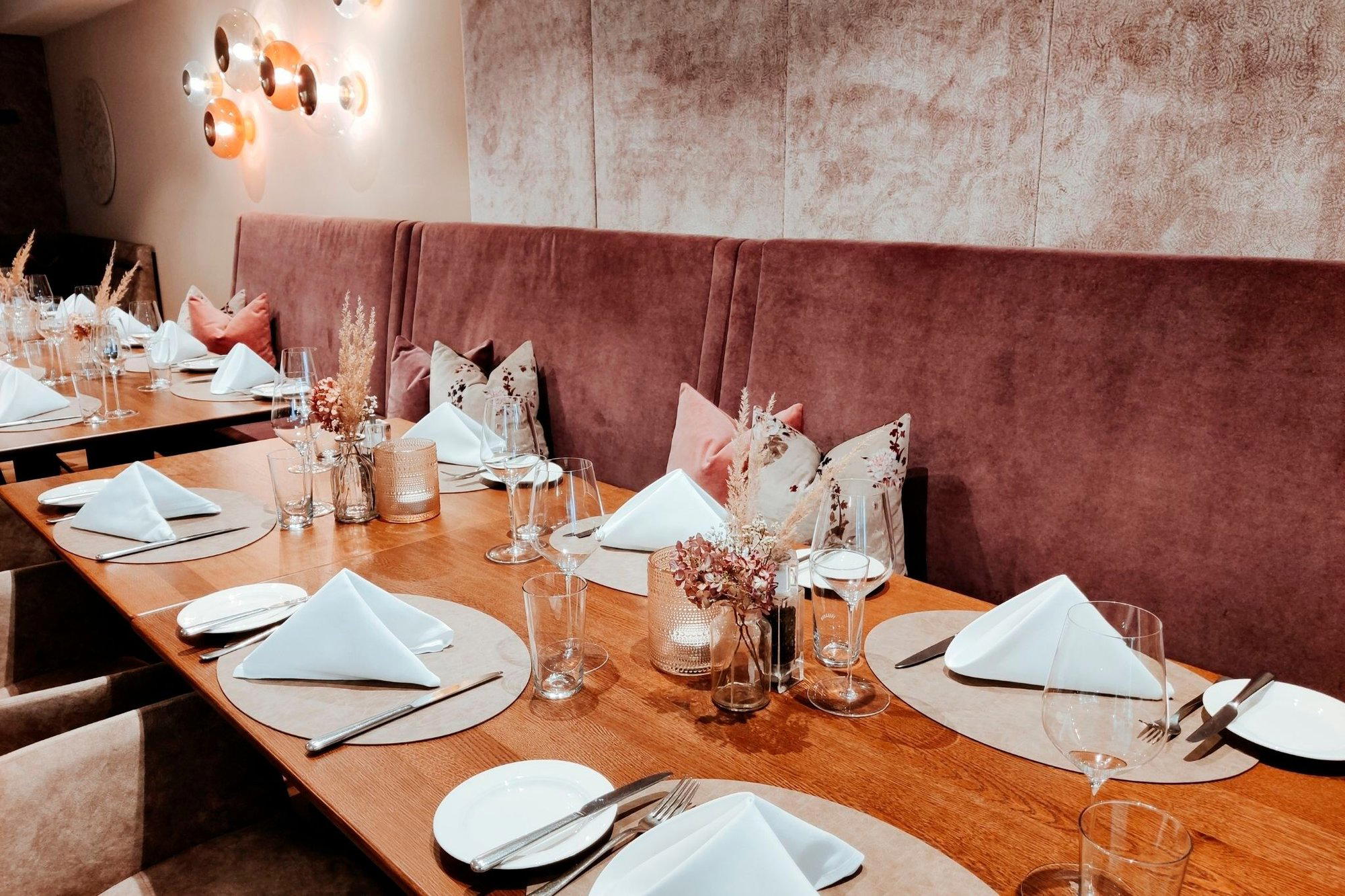
A Pilgrimage Town at the Table
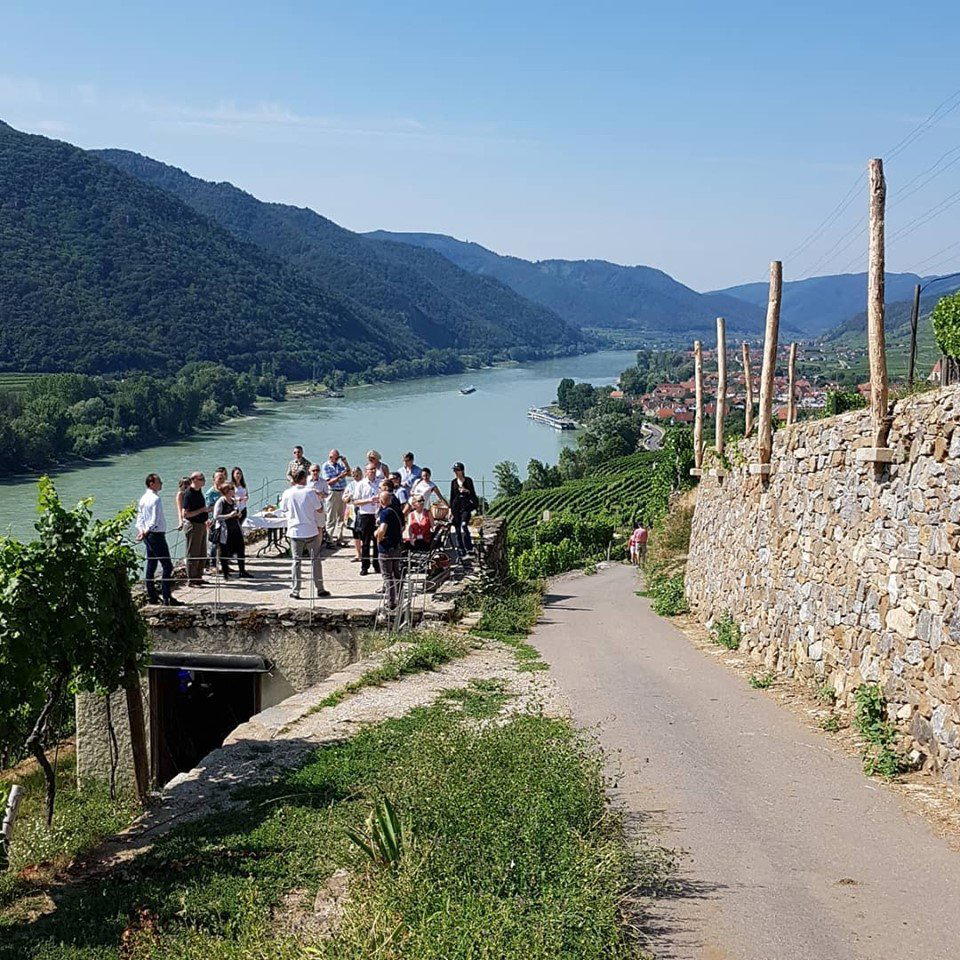
Maria Taferl is the kind of place that appears on Austrian maps primarily because of its basilica, a late-baroque structure visible from the Danube valley floor and drawing hundreds of thousands of pilgrims annually. What that footfall has produced, over generations, is a hospitality infrastructure that punches well above what a village of this size would normally sustain. The town sits on a promontory above the river, and arriving by road from the valley means a climb through forest before the plateau opens and the church dominates the skyline. That sequence, the ascent and the arrival, gives the place a quality of deliberate destination that shapes how its restaurants and guesthouses operate. You do not pass through Maria Taferl on the way to somewhere else. You come here because you have decided to come here.
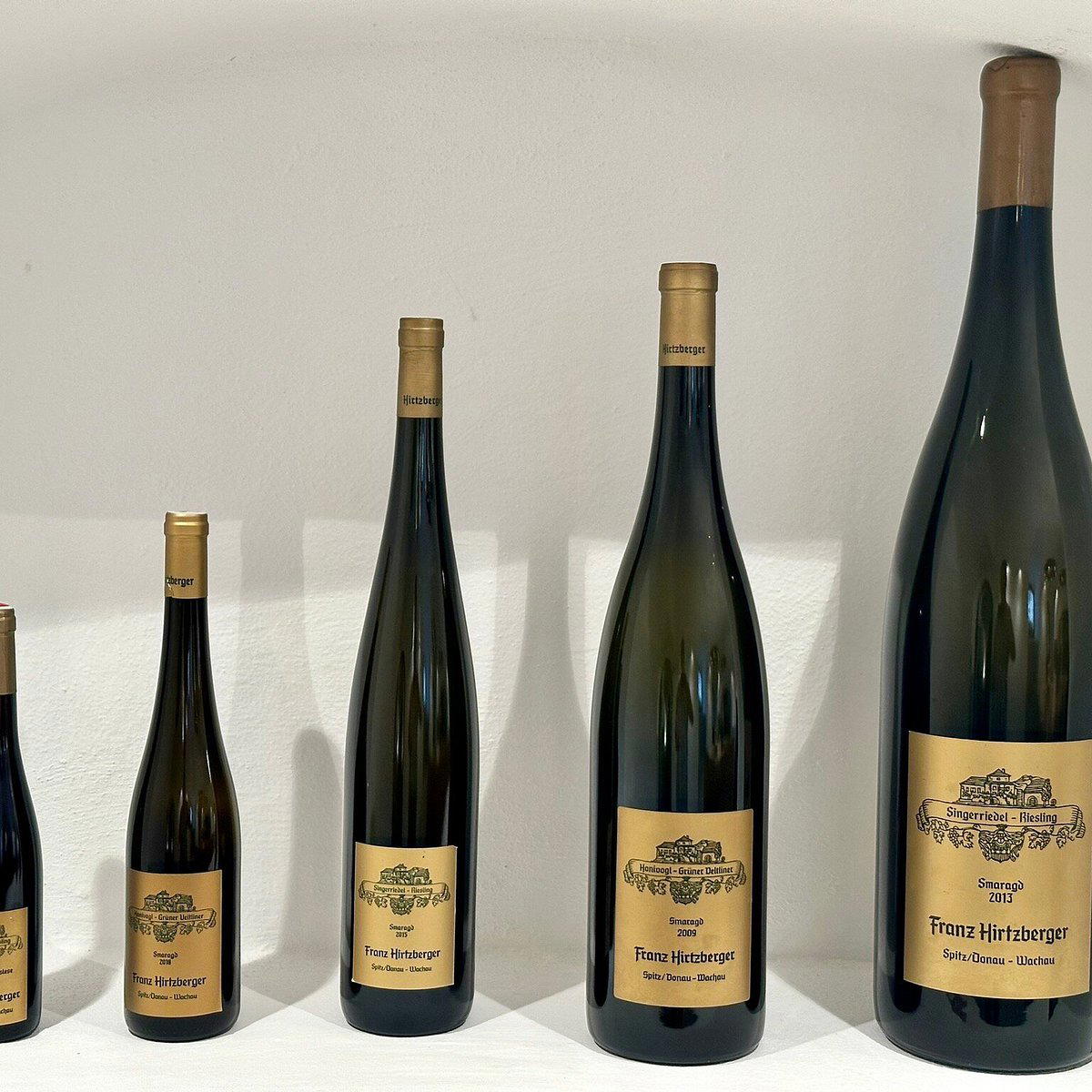
Restaurant Smaragd is part of that deliberate-destination economy. It is a restaurant in Maria Taferl, Austria, serving Modern Austrian Gourmet in a smart casual setting, with reservations essential. The name itself carries a regional signal: the Smaragd designation is the highest classification in the Wachau wine system, reserved for wines with particularly concentration and age-worthiness from the steep terraced vineyards a short distance downstream. Naming a restaurant after that tier is a statement of intent, aligning the dining room with the serious end of the region's food and wine culture rather than the pilgrim-trade catering that sustains much of the town's simpler hospitality.
The Nibelungengau Dining Corridor
Lower Austria's culinary reputation is anchored further south and west, in the Wachau, where Landhaus Bacher in Mautern an der Donau has operated at the summit of the country-kitchen tradition for decades. Maria Taferl and its immediate surroundings form the Nibelungengau section of the Danube corridor, a stretch that shares the Wachau's river geography and its proximity to quality wine production but attracts less international attention. That relative quietness is precisely what defines the dining proposition here. The restaurants that operate in this zone serve a clientele that is largely Austrian, largely aware of the region's seasonal produce, and largely interested in food as a complement to landscape rather than as a destination attraction in itself.
The broader Austrian fine-dining conversation has become increasingly concentrated in a handful of recognised addresses. Steirereck im Stadtpark in Vienna anchors the urban end of that conversation. At the contemporary rural end, places like Döllerer in Golling an der Salzach and Obauer in Werfen have built national reputations from provincial bases. The Nibelungengau has not yet produced a restaurant in that named tier, which means that Smaragd and its neighbours, including Hotel Schachner across the village, operate as part of a quieter but no less committed regional tradition.
Cultural Roots: Austrian Country Cooking and the Danube Table
The cuisine of this stretch of the Danube valley is rooted in a specific version of Austrian country cooking that differs from both the elaborate Viennese tradition and the alpine kitchen of the Tyrol or Salzburg regions. The defining characteristics are freshwater fish from the river and its tributaries, game from the surrounding forests, root vegetables and orchard fruit from the plateau, and a close relationship with the wine regions immediately to the west. Carp, pike-perch, and catfish appear on menus along this corridor in ways they do not in Austria's mountain restaurants. The orchard tradition, particularly apricot and quince, shapes dessert courses and preserves in ways that are specific to this river basin.
This is a cuisine of restraint and seasonality by necessity rather than by trend. The kitchen follows what the surrounding landscape produces, which means menus shift meaningfully across the year. Spring brings asparagus from the Marchfeld and river herbs. Autumn brings mushroom and game. Winter in this part of Lower Austria is serious, and the food reflects that. Visitors who arrive expecting the kind of performance-cooking associated with Austria's most awarded urban restaurants, such as Ikarus in Salzburg or the alpine luxury tier represented by Griggeler Stuba in Lech and Gourmetrestaurant Tannenhof in Sankt Anton am Arlberg, will find something different in character here, closer to the grounded, produce-led approach that also defines Taubenkobel in Schützen am Gebirge in the Burgenland.
The wine relationship deserves its own attention. The Smaragd tier of Wachau Grüner Veltliner and Riesling, from which the restaurant takes its name, represents wines built for the table rather than for drinking alone. These are structured, mineral-edged whites that hold their own against the river fish and the richer game preparations of the region. Pairing them correctly requires a kitchen that understands their weight and character. That understanding is baked into the culinary culture of this corridor in a way it cannot be elsewhere.
Placing Smaragd in Its comparable set
Within Maria Taferl itself, the dining options are small in number. Hotel Schachner, the town's other main hospitality address, represents the same general tradition of Austrian country hospitality. The two properties serve a town that receives significant visitor numbers but whose visitors are not primarily there for gastronomy. That creates an interesting dynamic: the restaurants that succeed here must satisfy pilgrims and day-trippers seeking direct Austrian comfort food while also serving the smaller segment of guests who have made a specific decision to eat well in a scenic and historically layered location.
Across Austria's broader regional fine-dining tier, comparison points include Kräuterreich by Vitus Winkler in Sankt Veit im Pongau, Schwarzer Adler in Hall in Tirol, Stüva in Ischgl, Restaurant 141 by Joachim Jaud in Mieming, Ois in Neufelden, and Artis in Graz, each of which operates from a provincial base with a distinctive regional identity. The common thread is a commitment to local sourcing and seasonal rhythm that the Nibelungengau kitchen shares, even if the specific ingredients and wine pairings differ by geography. For international reference, the contrast with destination restaurants like Le Bernardin in New York City or Atomix in New York City is instructive: those addresses are built around performance and a global diner base; Smaragd and its regional equivalents are built around a local landscape and a guest who arrives already oriented toward the place.
Planning Your Visit
Maria Taferl sits above the south bank of the Danube between Melk and Pöchlarn, accessible by road from the A1 motorway or along the scenic Danube cycling and driving route. The town's basilica draws visitors throughout the pilgrimage season. Visitors who want to eat well and stay in the village itself should look at both Restaurant Smaragd and Hotel Schachner together.
Budget and Context
Comparable venues nearby, for context on price, style, and recognition.
| Venue | Cuisine | Price | Awards | Notes |
|---|---|---|---|---|
| Restaurant SmaragdThis venue — the venue you are viewing | Maria Taferl, Modern Austrian Gourmet | $$$$ | Not listed | Not listed |
| Hotel Schachner | Not listed | $$$ | Not listed | Maria Taferl, Regional Austrian with Seasonal Danube Valley Ingredients |
| OXBO Vienna Waterfront | Not listed | $$$ | Not listed | Prater, Modern Farm-to-Fork with Austrian Classics |
| Mole Melk | Melk, Modern Local Austrian | $$ | Not listed | Not listed |
| Pedro´s | Not listed | $$$$ | Not listed | Kasten bei Boeheimkirchen, Austrian-Mediterranean Fine Dining |
| Broadmoar | Not listed | $$$$ | Michelin Plate | St. Josef, Seasonal Contemporary Austrian |
Continue exploring
More in Maria Taferl
Restaurants in Maria Taferl
Browse all →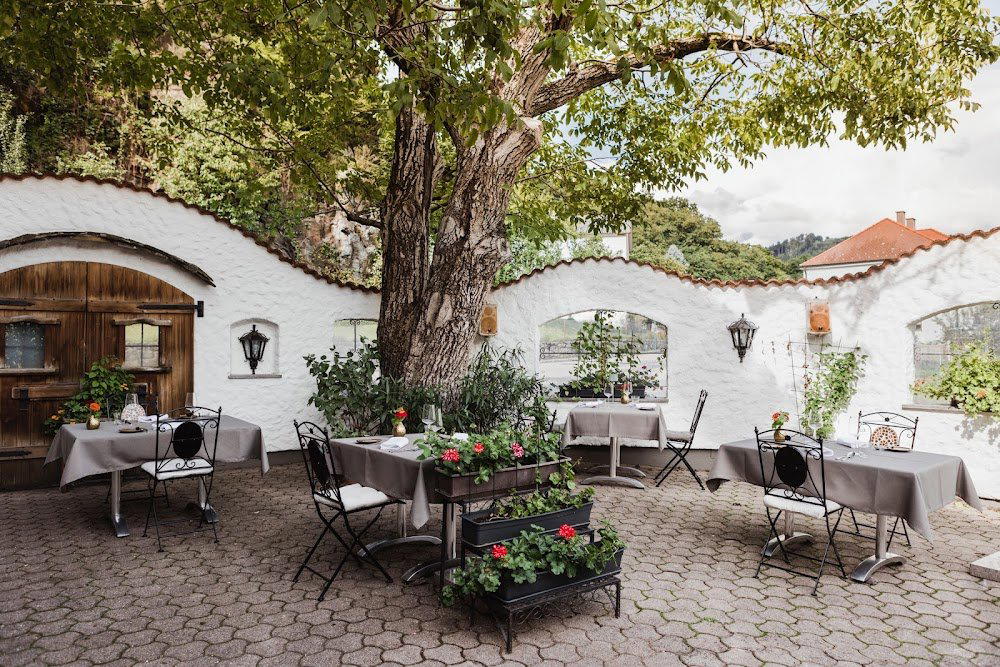
Bars in Maria Taferl
Browse all →

Hotels in Maria Taferl
Browse all →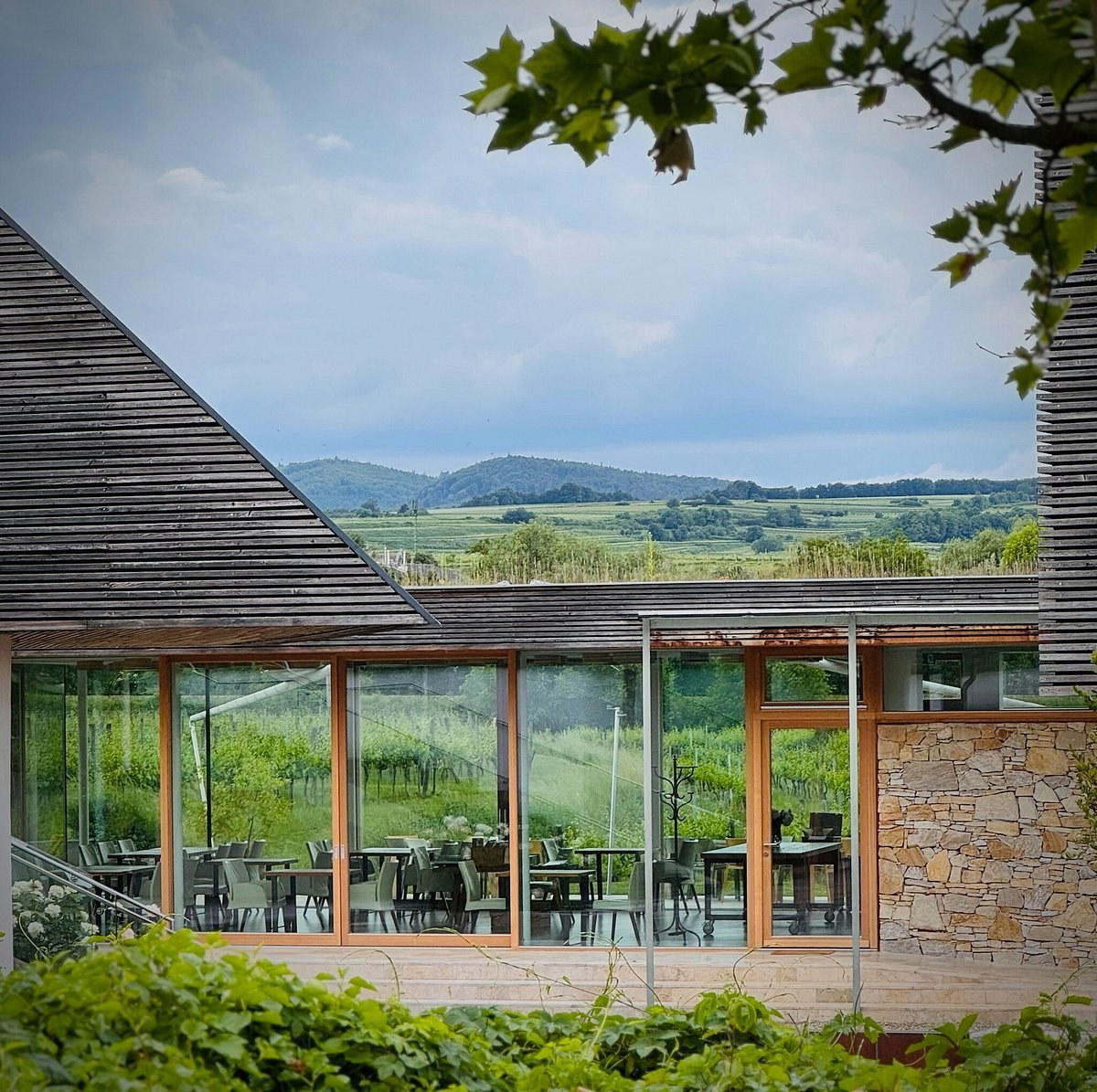
At a Glance
- Elegant
- Sophisticated
- Intimate
- Special Occasion
- Date Night
- Panoramic View
- Hotel Restaurant
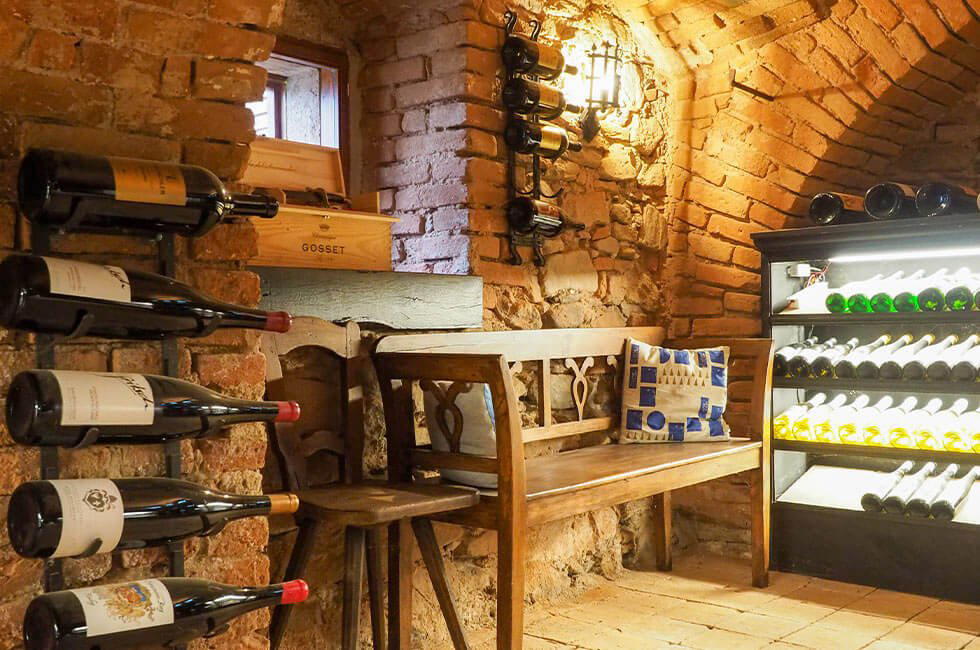
- Extensive Wine List
- Local Sourcing
- Mountain
- Waterfront
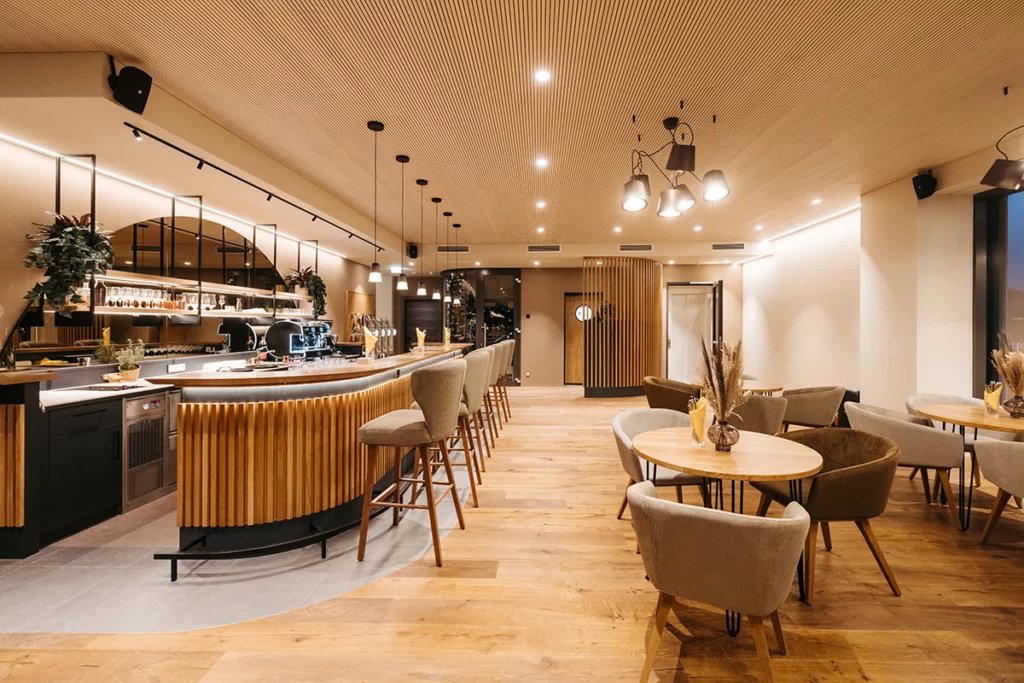
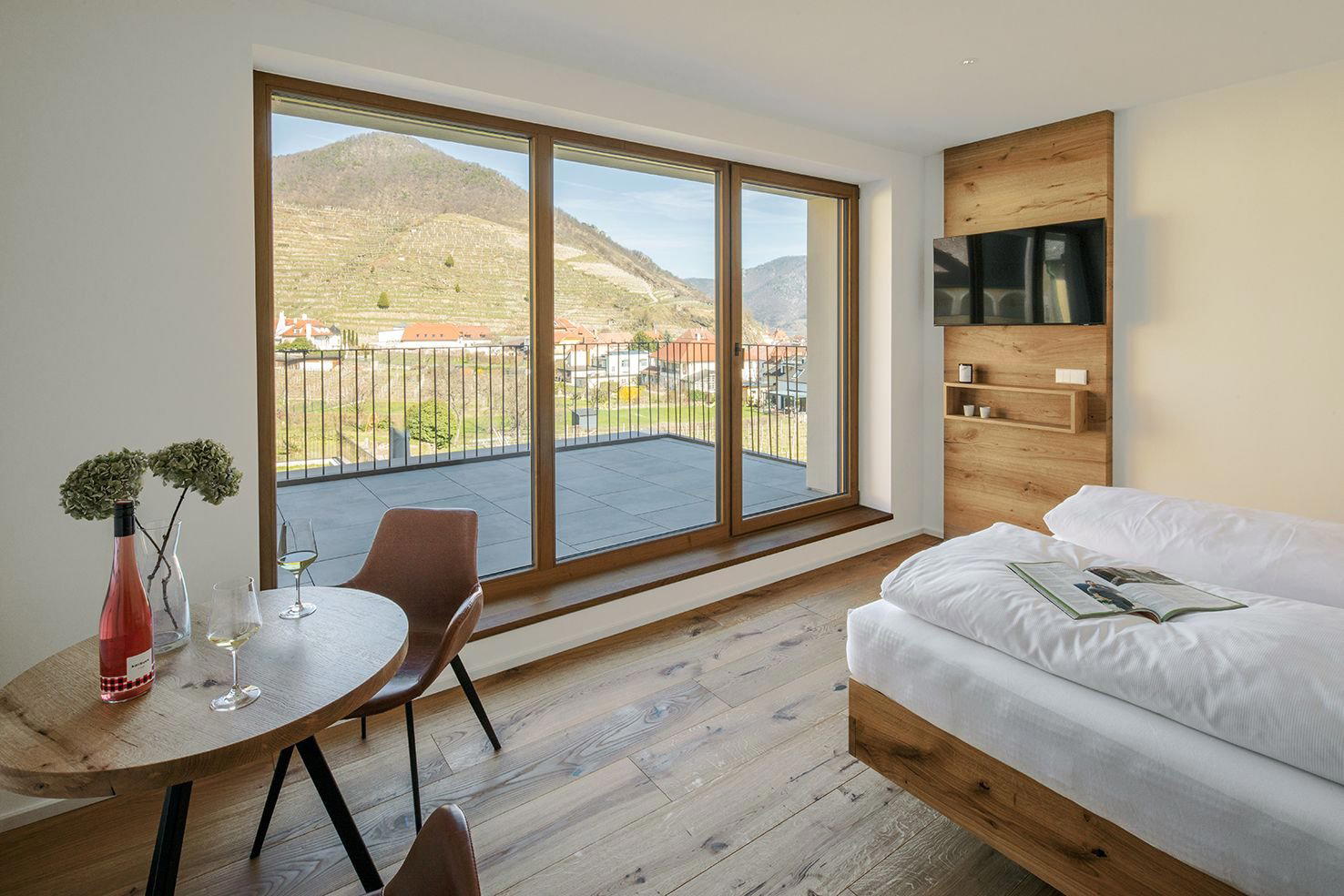
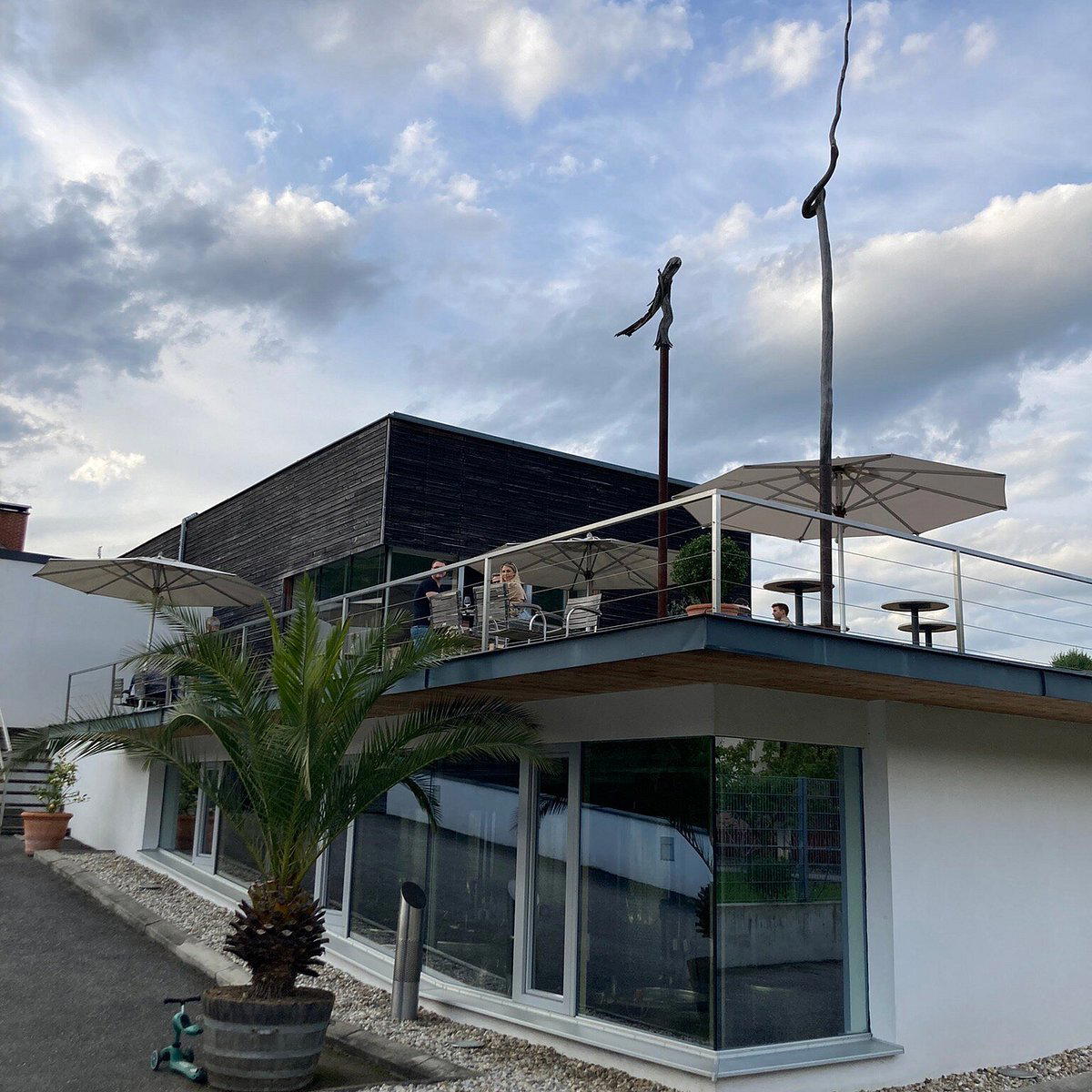
Stylish and exclusive atmosphere in a small gourmet setting with impressive panoramic views.