
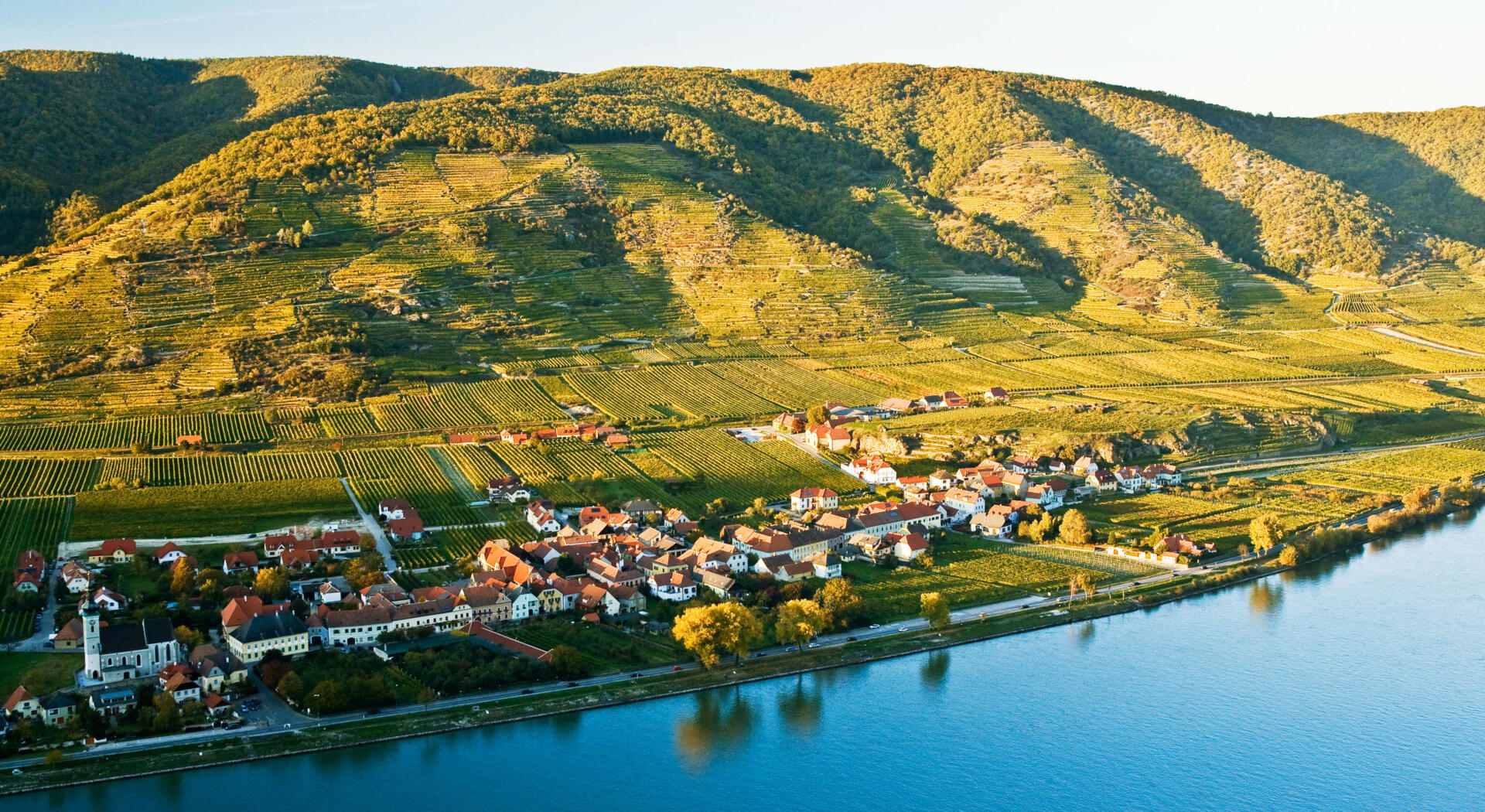
Weingut Josef Schmelz operates from the heart of Joching in the Wachau, one of Austria's most closely regulated wine valleys. Joching sits along the Danube between Weißenkirchen and Spitz, where steep terraced vineyards define both the physical environment and the character of the wines produced here.
Pearl is the En Primeur Club membership app — saves, bookings, and concierge access live there. Same editors, same standards.
- Address
- Weinbergstraße 14, 3610 Joching / Wachau
- Phone
- +43 2715 2435
- Website
- schmelzweine.at
- Directions
- Get directions
 Saves & bookings on Pearl
A Village Address in One of Austria's Most Demanding Wine Valleys
The Wachau does not make winemaking easy. The valley's defining character is geological pressure: narrow terraced vineyards carved into gneiss and primary rock above the Danube, a continental climate with significant day-to-night temperature swings, and a regulatory framework, the Vinea Wachau classification, that divides wines into Steinfeder, Federspiel, and Smaragd tiers with rules attached to each. Producers working here do not simply grow grapes; they negotiate the valley's specific conditions every vintage.
Joching itself rarely appears in the opening paragraph of Wachau coverage. The village lacks the tourist infrastructure of Dürnstein or the name recognition of Weißenkirchen, but that relative quiet is part of what makes it interesting as a wine address. The vineyards above Joching benefit from the same primary rock soils and thermal dynamics that define the broader valley, and producers here tend to work at a scale that allows detailed attention to individual plots. For visitors who come specifically to understand the Wachau's terroir, Joching rewards that focus.
The Wachau's Approach to Grüner Veltliner and Riesling
Wachau wine identity rests on two white varieties. Grüner Veltliner and Riesling together account for the overwhelming proportion of the valley's serious production, and the debate about which variety better expresses the Wachau's character has structured critical discussion of the region for decades. The answer depends on which specific sites you are drawing from. Grüner Veltliner from the Wachau's leading sites carries mineral weight, a spice note particular to the variety, and an aging capacity that surprises those who associate the grape only with lighter, early-drinking styles. Riesling from the valley's primary rock sites develops a petrol-edged aromatic complexity over time that differs markedly from Mosel or Alsace expressions of the same grape.
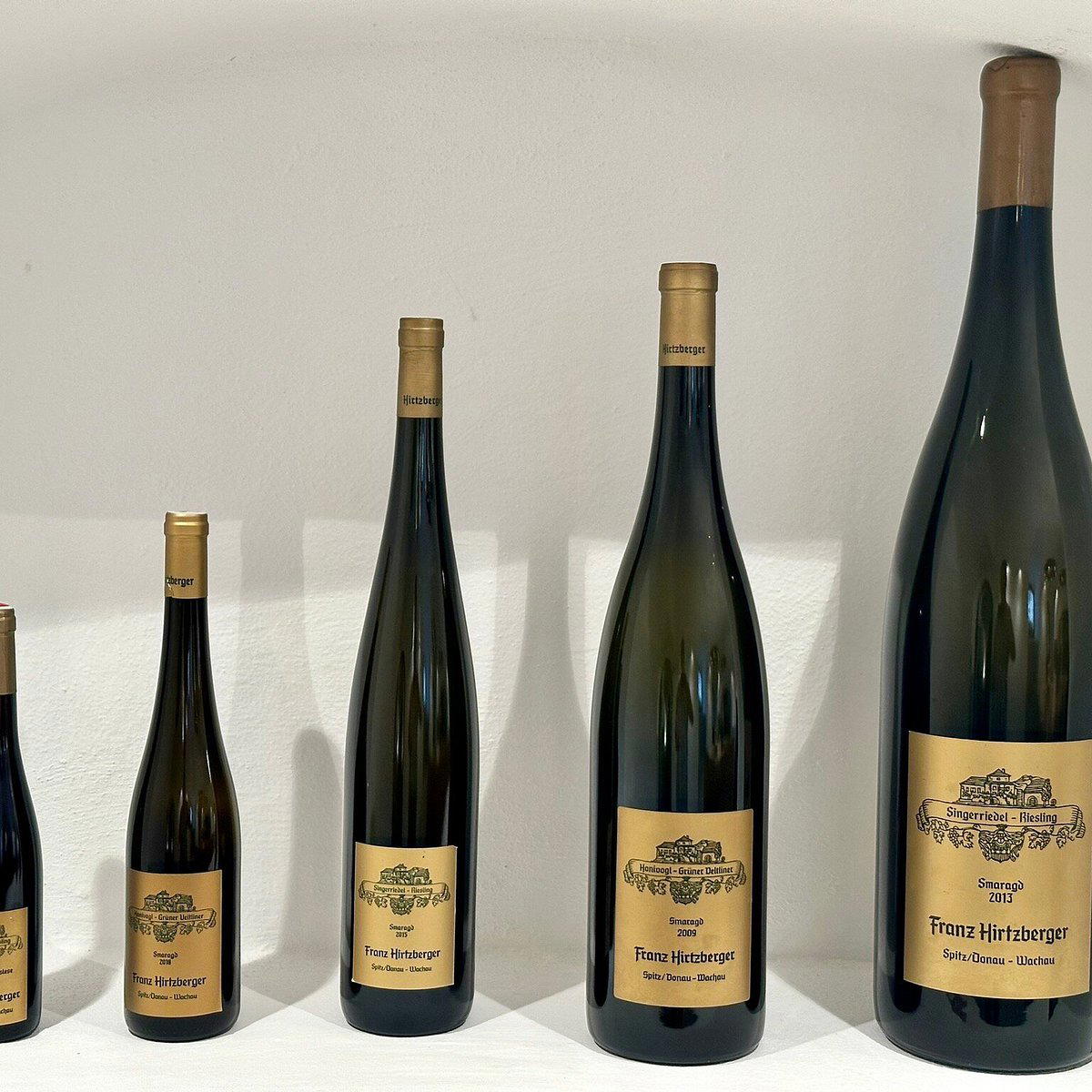
The Smaragd classification represents the peak of the Vinea Wachau hierarchy: wines with residual sugar and extract levels that correspond to the ripeness achievable only in the warmest years from the valley's best-exposed sites. The Smaragd classification marks the ripest tier of the Vinea Wachau hierarchy and borrows its name from the lizard found on those south-facing slopes. Producers who consistently achieve Smaragd designations are making claims about both site quality and winemaking discipline. Estates like Weingut Emmerich Knoll in Dürnstein have built international reputations on exactly this tier, and the Wachau's premium identity in export markets flows primarily through these top-classification bottlings.
Award recognition in the Austrian wine sector has become more structured over the past decade, with a layered set of competitions and publications, from the Falstaff Weinguide to international competitions, providing a grid against which producers can be assessed comparatively. This does signal a level of seriousness that distinguishes the estate from producers working at a less demanding standard.
The award also matters as a current quality marker for visitors. The Wachau has numerous small family producers, and without some kind of external assessment framework, differentiating between them requires either prior research or local guidance. A 2025 award functions as a current-vintage quality anchor: it reflects work that has been assessed recently, not a historical reputation coasting on past vintages. For visitors planning tastings in the Joching area, that contemporaneity is useful. The nearby Weingut Jamek, also in Joching, represents a different scale and profile within the same village, and visiting both in a single afternoon is a practical way to understand how two producers working from adjacent positions in the same valley can produce wines with distinct character.
Visiting Joching: Context and Logistics
The cycling route that traces the northern bank of the Danube through the Wachau is one of the more pleasant ways to move between villages: Joching, Weißenkirchen, and Dürnstein are all reachable on the same route, and the distance between them is small enough to allow tastings at multiple estates without significant transit effort. The valley's tourist season concentrates between April and October, with harvest months in September and October bringing the highest visitor numbers and the active winemaker presence at estate tasting rooms.
This is the standard format for family estates across Austria's premium wine regions, from the Kamptal north of the valley to the Burgenland estates like Weingut Pittnauer in Gols, and it means that contact with the estate before arrival is practical planning rather than a formal requirement. Visitors to the Wachau who treat it as a drive-through wine destination tend to see the scenic surface without the winemaking depth; those who book ahead and engage with producers directly get a different, more textured version of the valley.
The Wachau's reputation sits at a premium level within Austrian wine, and the estates receiving current recognition reflect the valley's continued investment in quality production. Producers from other Austrian regions worth understanding in parallel include Weingut Wohlmuth in Kitzeck in Styria and Weingut Heinrich Hartl in Oberwaltersdorf in the Thermenregion, both of which illustrate how Austria's winemaking ambition extends well beyond the Danube valley. For international reference points, Aberlour in Aberlour and Accendo Cellars in St. Helena occupy analogous positions of prestige recognition in their respective categories.
Price and Positioning
Comparable venues nearby, for context on price, style, and recognition.
| Venue | Cuisine | Price | Notes |
|---|---|---|---|
| Weingut Josef SchmelzThis venue — the venue you are viewing | Joching, Grüner Veltliner, Riesling | $$ | Not listed |
| Weingut Jamek | Joching, Grüner Veltliner, Riesling | $$ | Not listed |
| Destillerie Wieser | Winery | Not listed | Not listed |
| Weingut Salomon Undhof | Not listed | $$ | Stein an der Donau, Riesling, Grüner Veltliner |
| Privatbrennerei Hiebl | Winery | Not listed | Not listed |
| Weingut Malat | Not listed | $$ | Furth bei Göttweig, Grüner Veltliner, Riesling |
Recognition history
Dated appearances from independent guides and award organizations, with the underlying list record or original source where available.
Falstaff Winery - 4 Stars
Falstaff
Continue exploring
More in Joching
Wineries in Joching
Browse all →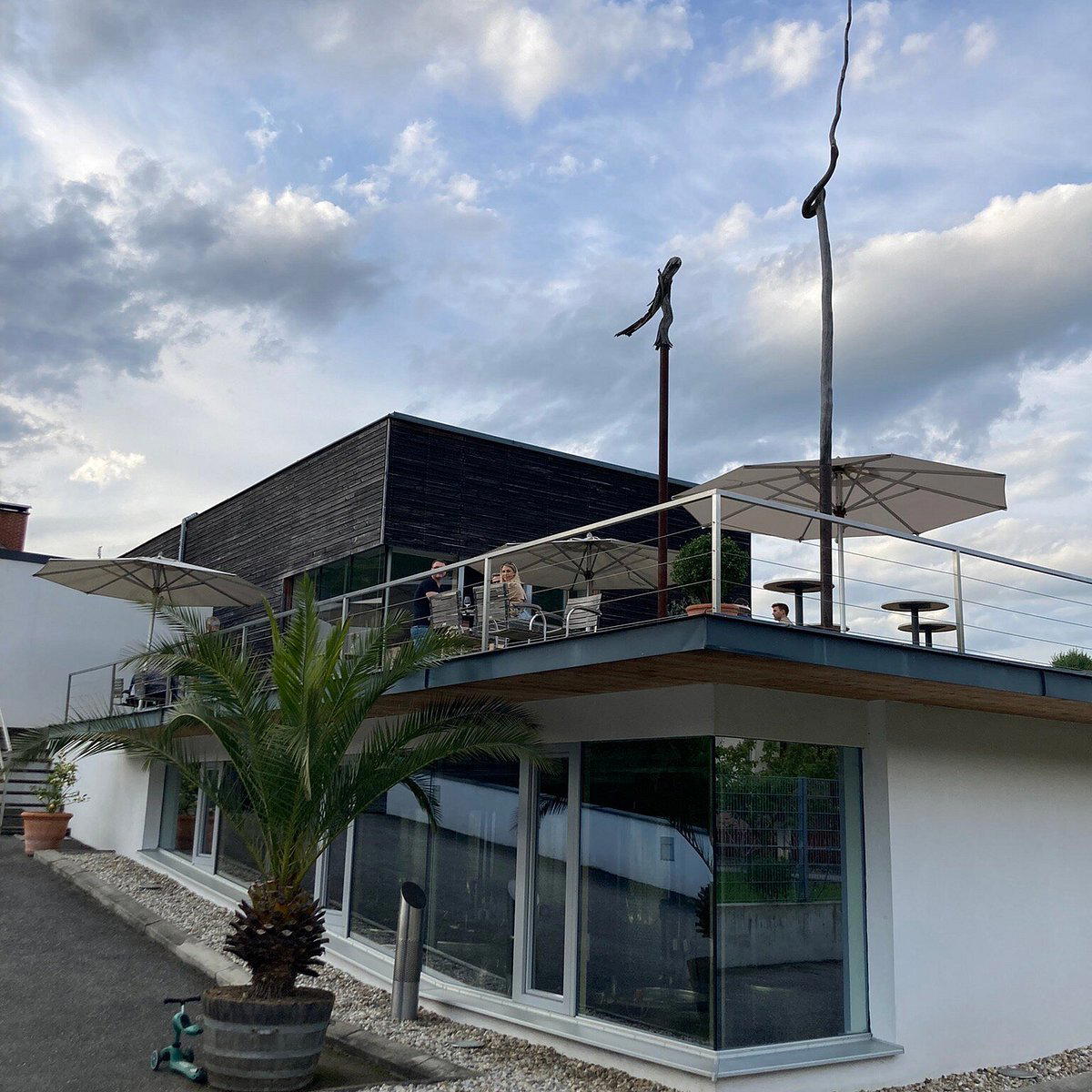
Bars in Joching
Browse all →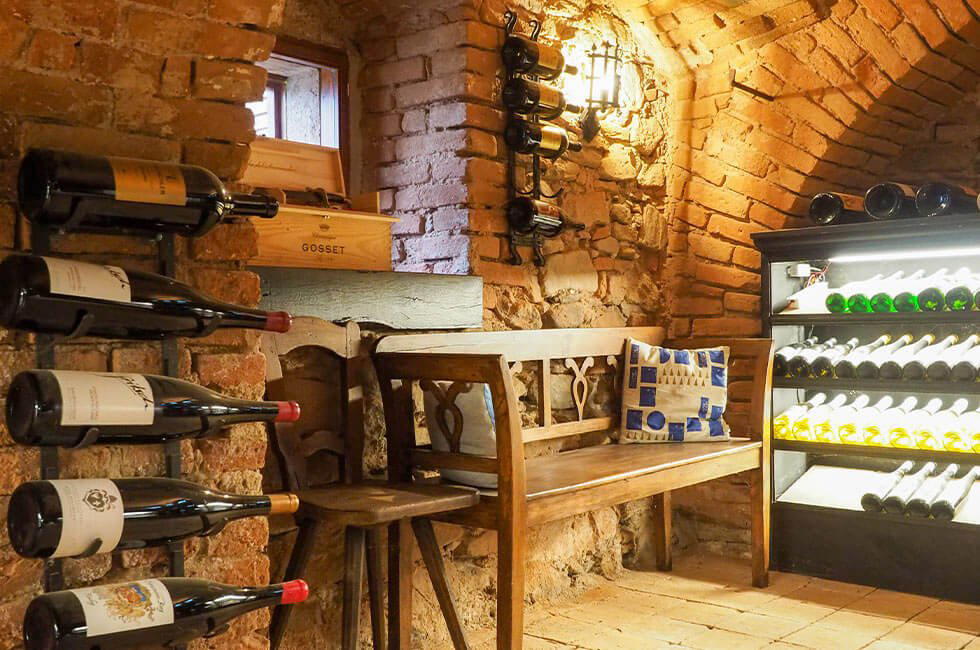

Restaurants in Joching
Browse all →
At a Glance
- Rustic
- Classic
- Scenic
- Wine Education
- Solo Exploration
- Estate Grounds
- Panoramic View
- Sustainable
- Vineyard
- Wachau
- Grüner Veltliner
- Riesling
- Still White
- Cave Tasting
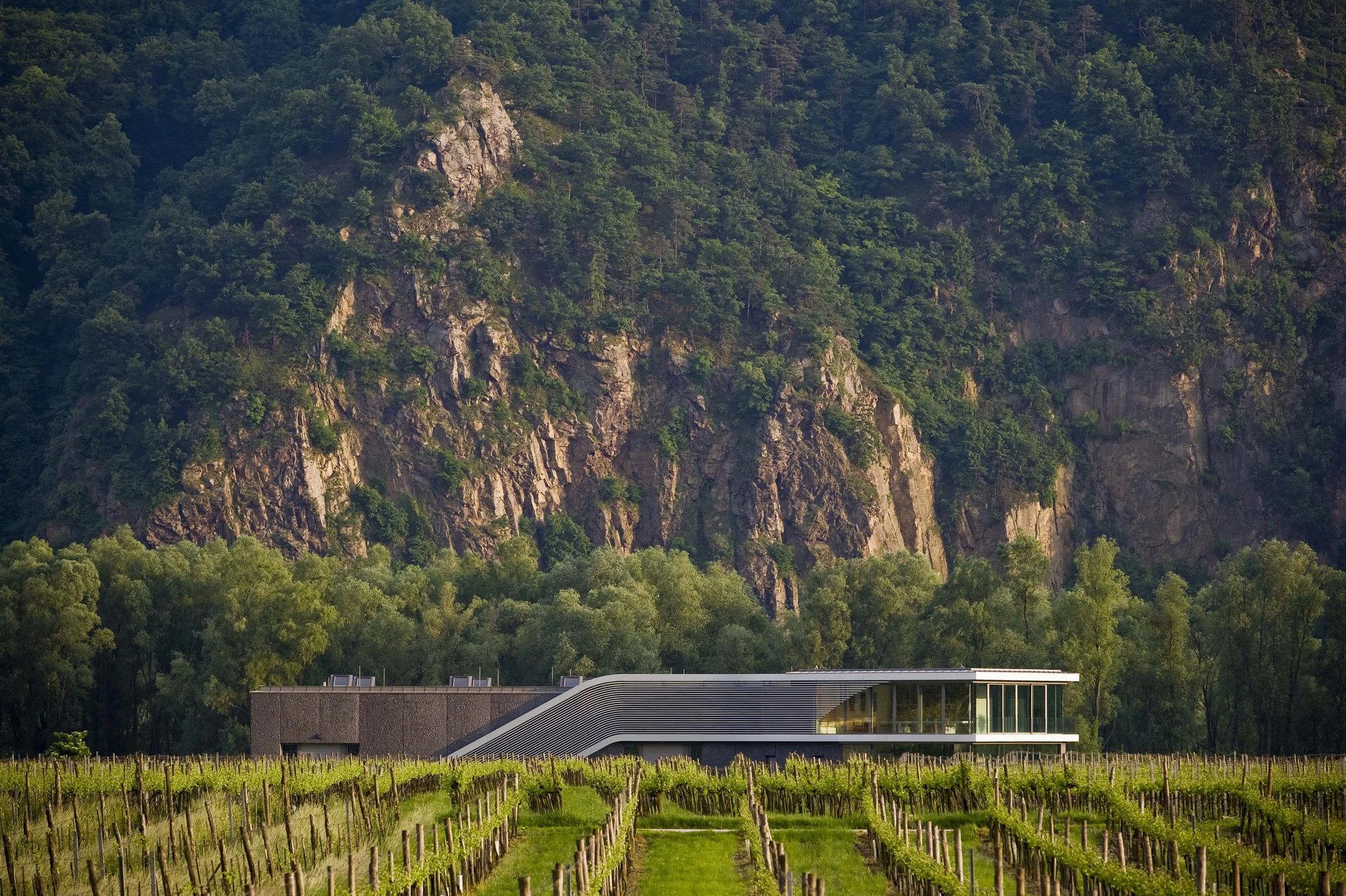
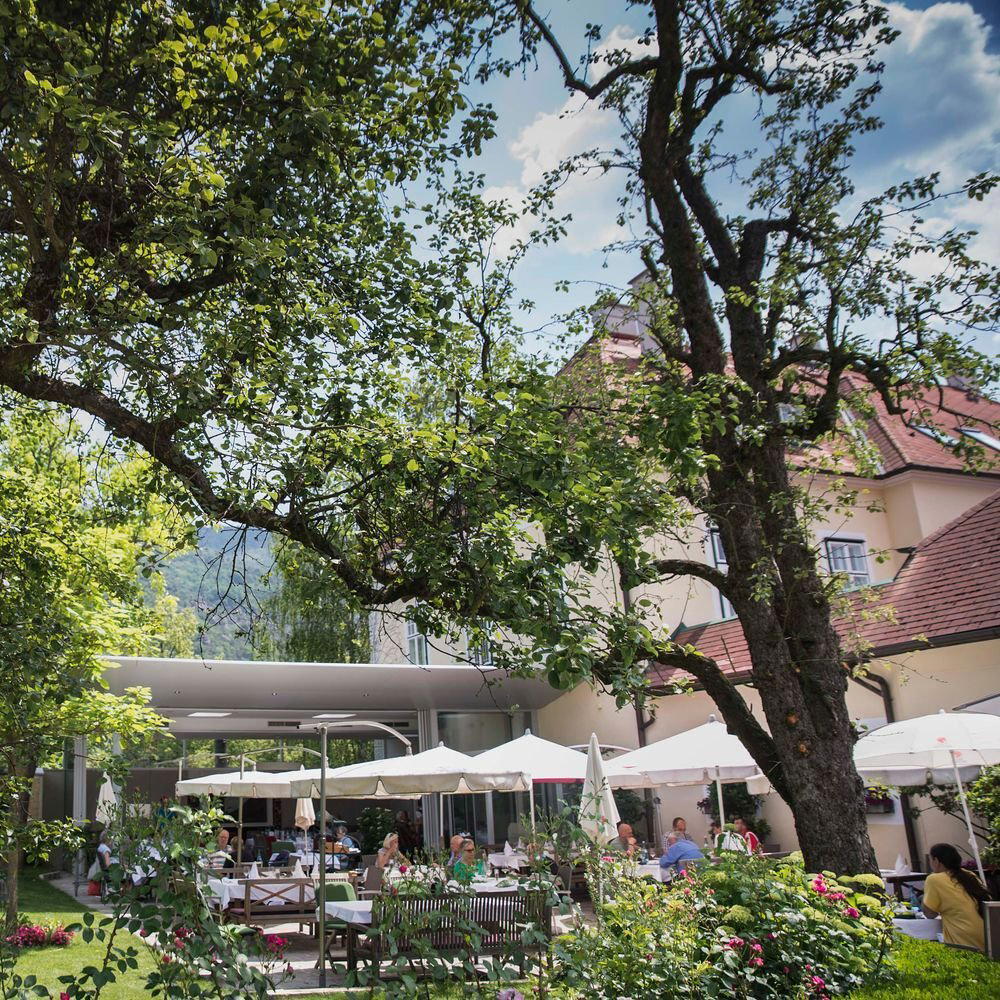
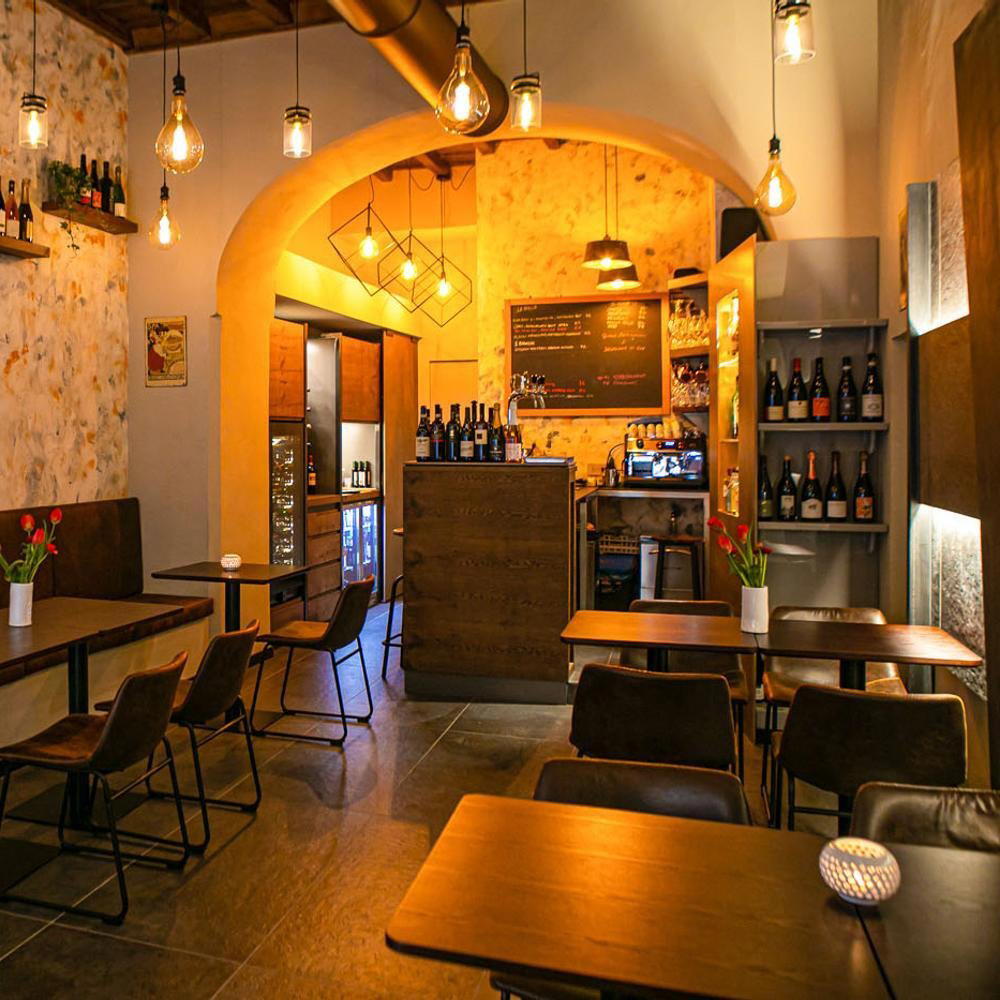
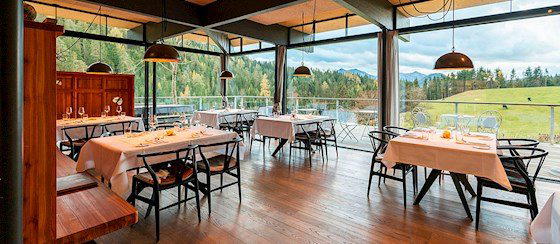
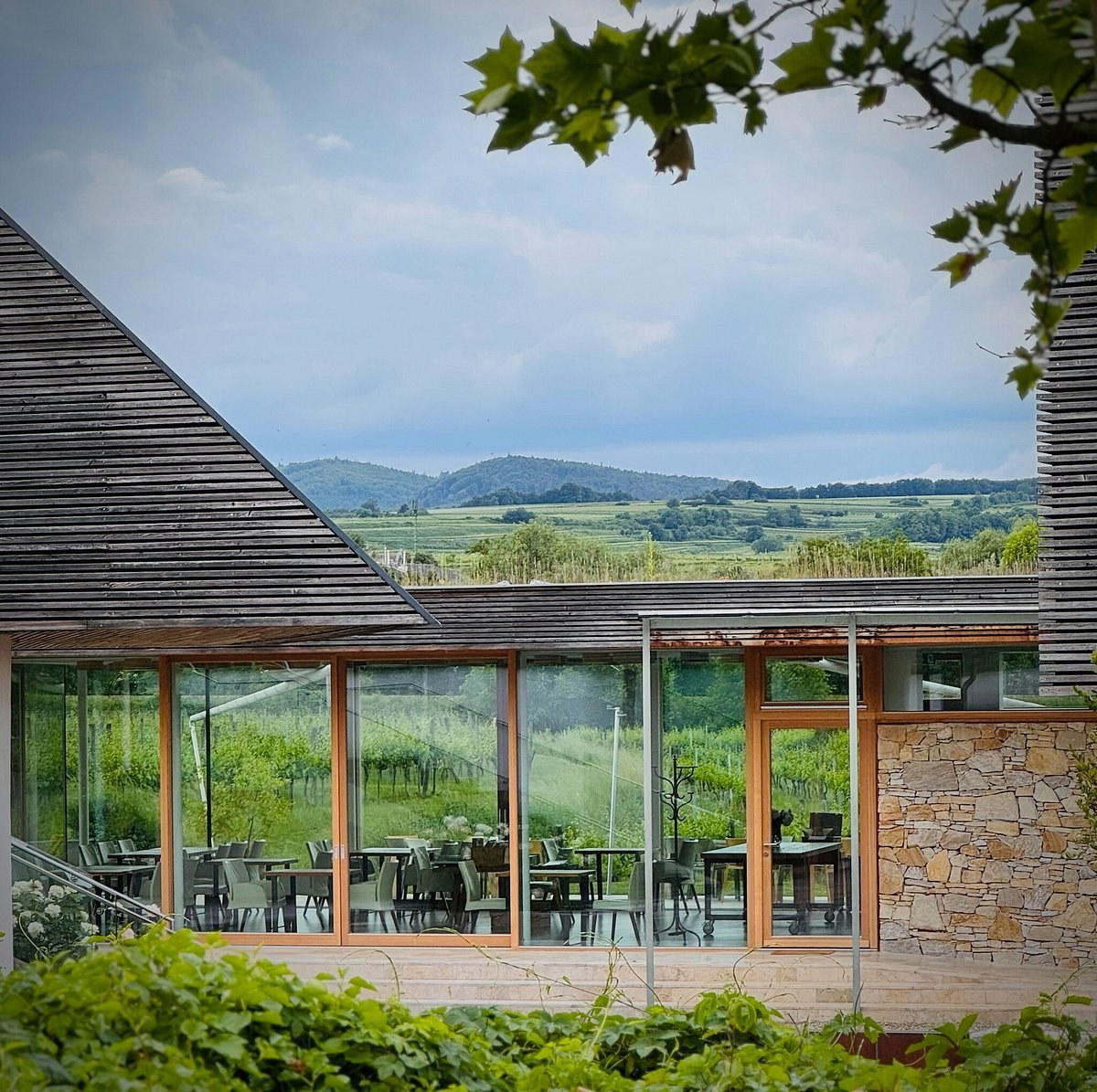
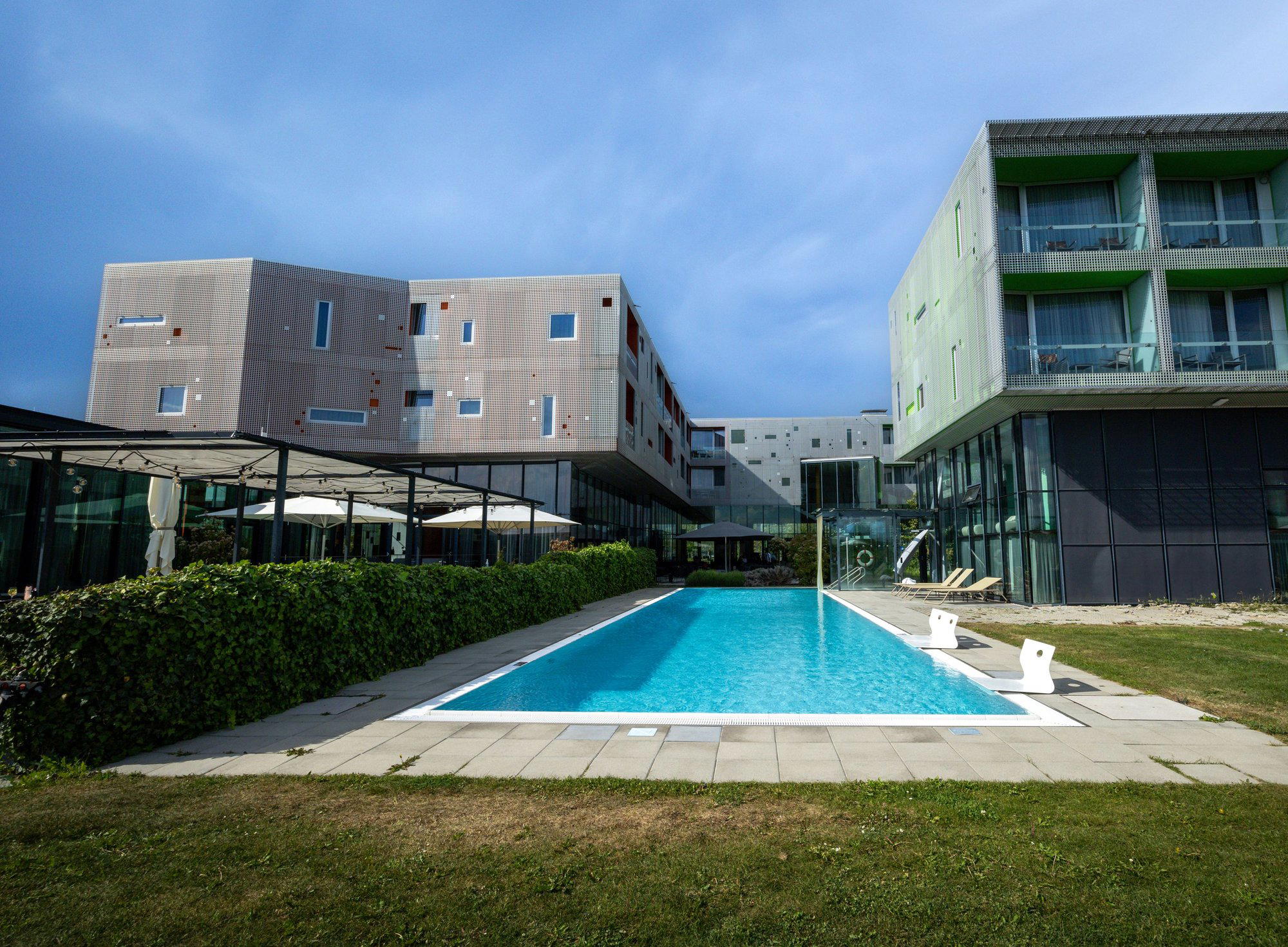
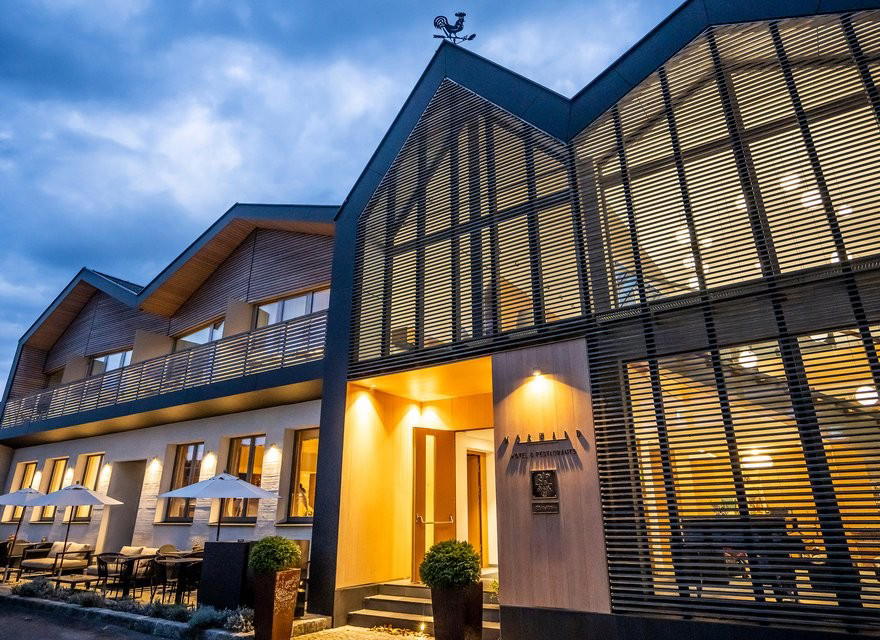
Traditional and nature-focused atmosphere in a glass tasting room overlooking prized vineyards.