Taubenkobel





A two-Michelin-star restaurant set in a converted farmhouse in the Burgenland wine country, Taubenkobel places Modern Austrian and French Contemporary cooking inside a family-run format that reads less like a destination restaurant and more like a serious country house that happens to cook at this level. Ranked 73rd in Europe by Opinionated About Dining in 2025, it operates Thursday through Sunday and closes entirely from November through February.
 Discover on Pearl
Pearl is the En Primeur Club membership app — saves, bookings, and concierge access live there. Same editors, same standards.
- Address
- Hauptstraße 27/33, 7081 Schützen am Gebirge, Austria
- Phone
- +43 2684 2297
- Website
- taubenkobel.at
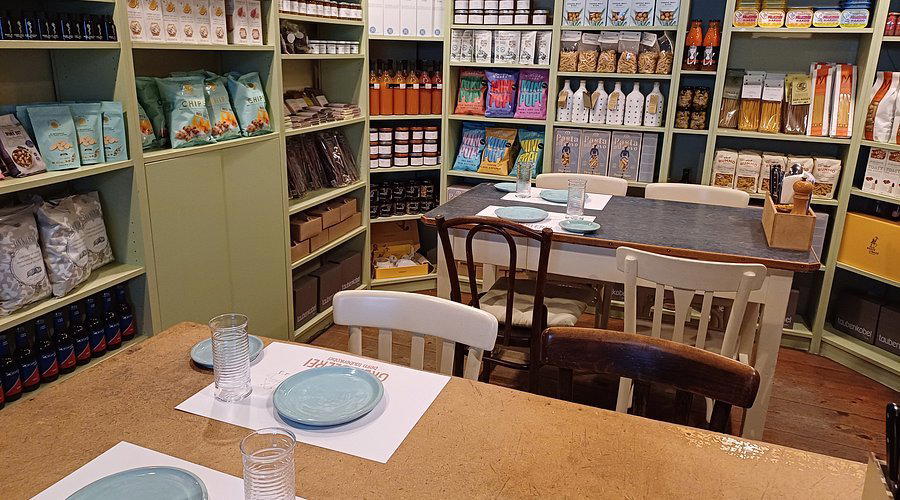
Country Cooking at a High Level: The Burgenland Model
There is a particular tradition in French provincial dining where the most serious cooking happens not in capital cities but in farmhouses, former coaching inns, and village auberges an hour or two from anywhere obvious. The Michelin guide built much of its early authority mapping exactly these places: establishments where the physical setting carried generations of local character, the kitchen drew from what grew nearby, and the format retained the intimacy of a family operation even as the cooking reached considerable technical heights. Austria has its own version of this tradition, and the Burgenland region, with its flat lake plains, its Pannonian warmth, and its wine villages strung along the eastern edge of the Alps, produces several of the country’s clearest examples. Taubenkobel is a 2-Michelin-star restaurant in Schützen am Gebirge, Austria.
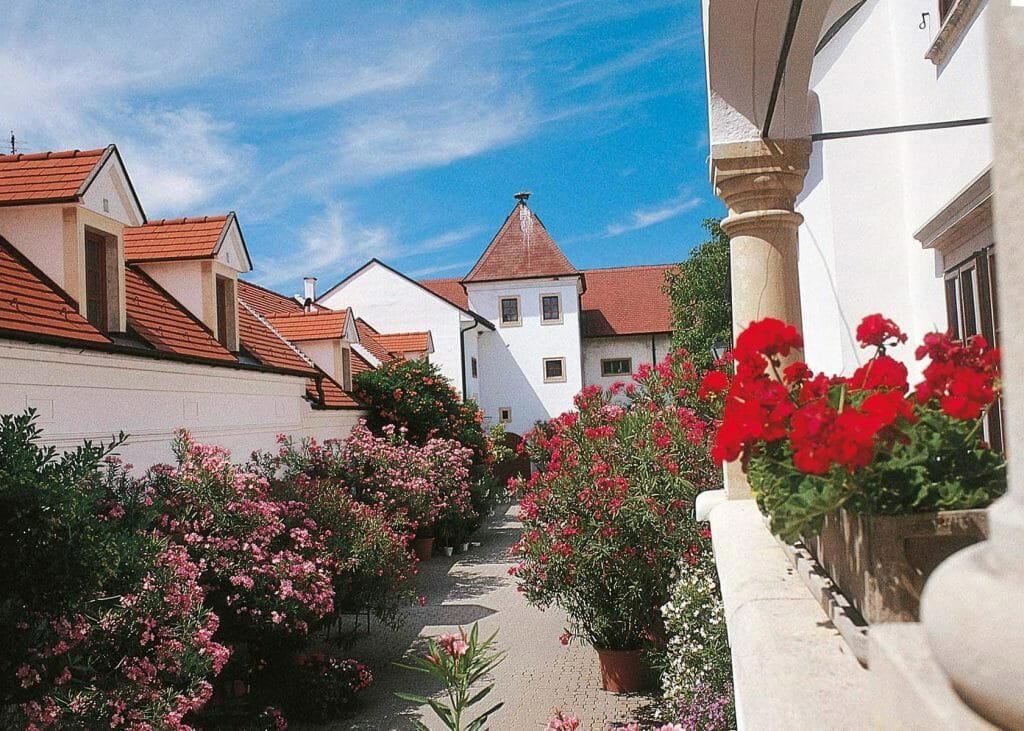
The address, Hauptstraße 27/33, places it in the middle of a village that most Austrian dining conversations would not otherwise mention. That is precisely the point. The setting is a converted farmhouse, family-run, with the low-key physical presence of a building that was doing something else before it was doing this. Its Michelin recognition and guide placements reflect sustained consistency over many years.
The Bistro Tradition, Read in an Austrian Register
The French bistro, properly understood, not in its stripped-down urban imitations, was always an argument for the primacy of place and product over spectacle. A true bistro tradition holds that the room should feel lived-in, that the cooking should express a specific geography, that formality should be in the food rather than the service style, and that the operation should feel as though it belongs to a family rather than a corporation. These qualities are easier to declare than to sustain at the level of two-star cooking, where technical expectation and the economics of serious restaurants often push in the opposite direction: toward abstraction, theatrical presentation, and the erasure of local character in favour of a generic international luxury register.
What makes the country-house format credible at this level is precisely the friction between those pressures. Taubenkobel’s classification as Modern Austrian and French Contemporary positions it inside this productive tension: the French cooking tradition supplies the technical vocabulary, the Austrian and Burgenland context supplies the grammar. Chef Alain Weissgerber leads the kitchen. That stability matters in this format: the family-run country restaurant lives or dies by continuity in a way that larger urban operations do not.
Among Austria’s two-star peer group, Steirereck im Stadtpark in Vienna operates at the apex of urban creative Austrian cooking, and Döllerer in Golling an der Salzach represents the mountain-country end of contemporary Austrian cuisine. Taubenkobel occupies a different position: Pannonian rather than Alpine, French-inflected rather than mountain-rooted, and with the particular intimacy of a farmhouse operation rather than a purpose-built destination restaurant.
What the Awards Record Implies About the Cooking
Award signals, read carefully, tell you more than the stars alone. La Liste, which aggregates hundreds of international sources into a single scoring model, gave Taubenkobel 96.5 points in 2025 and 93 in 2026. The two systems weight different things. The more durable signal is the Opinionated About Dining ranking. OAD is a reader-survey system weighted toward frequent high-end diners, so upward movement in that ranking reflects actual meals eaten and assessed, not just a committee decision. A rise of seven places in a single year in the European top 100 is a meaningful signal of positive momentum.
Austria’s broader two-star and three-star scene, which includes Ikarus in Salzburg and the family-run Obauer in Werfen, provides useful context for what the guide expects at this level. Ikarus operates a rotating guest-chef model that places it in a completely different category. Obauer, like Taubenkobel, is a family-run country operation, though in the Alpine rather than Pannonian register, and it has held serious recognition for a longer continuous period. That Taubenkobel now sits adjacent to these names in European rankings suggests it has moved past the stage of promising regional restaurant into a more durable position in the continental conversation.
For readers who want to map the wider Austrian fine-dining circuit, see Gourmetrestaurant Tannenhof in Sankt Anton am Arlberg, Griggeler Stuba in Lech, Kräuterreich by Vitus Winkler in Sankt Veit im Pongau, Restaurant 141 by Joachim Jaud in Mieming, Schwarzer Adler in Hall in Tirol, and Ois in Neufelden.
The Schützen am Gebirge Setting
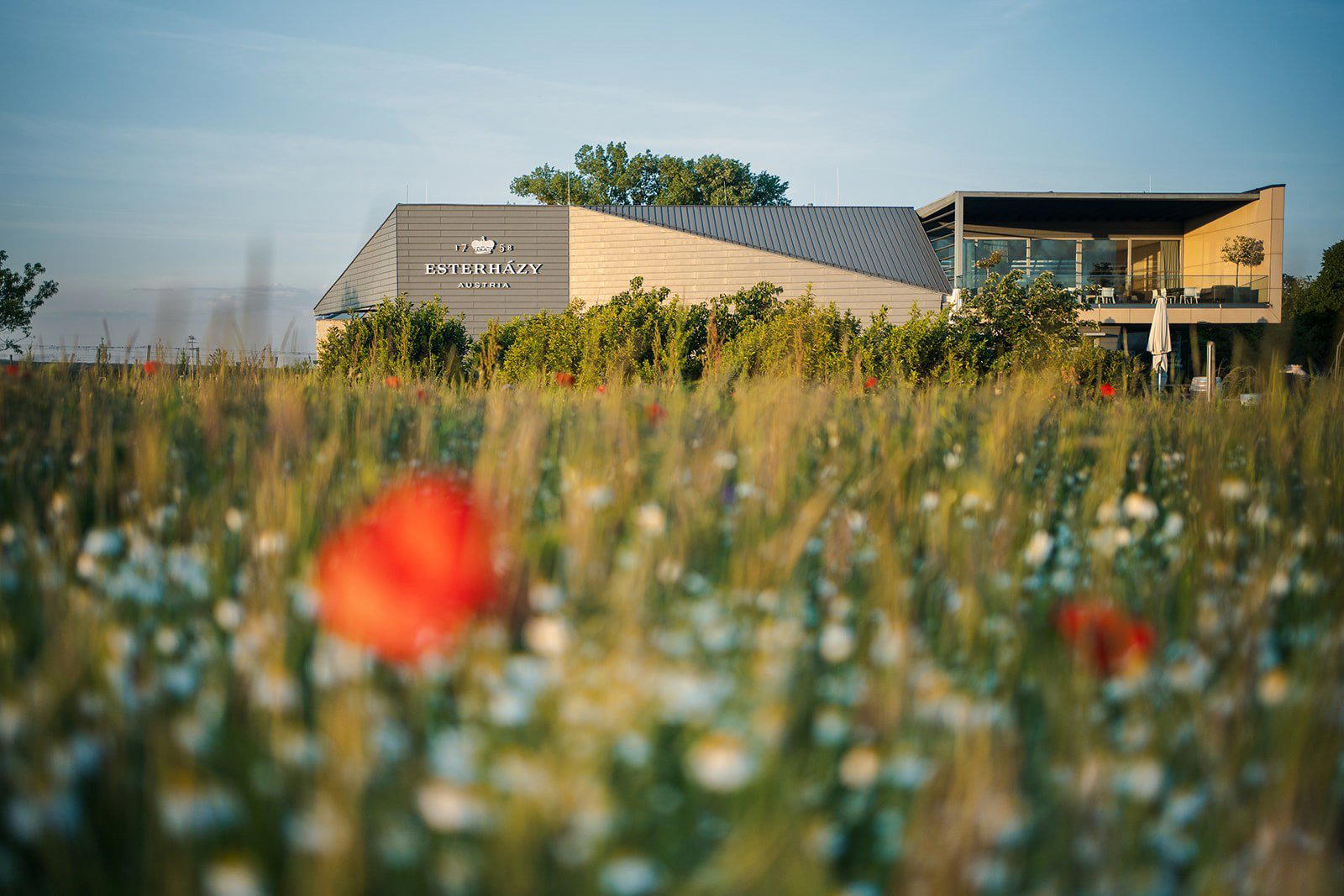
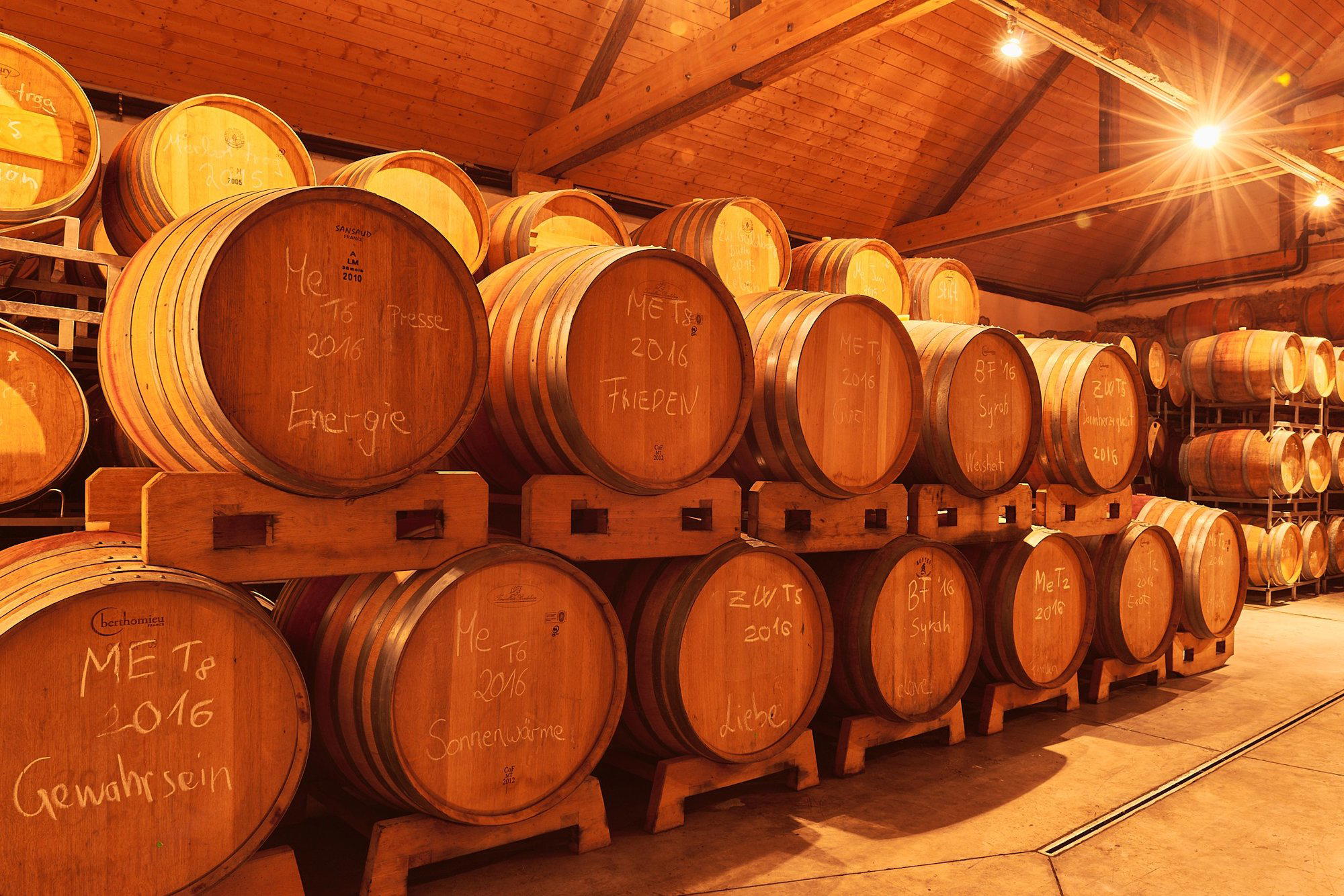
Burgenland is Austria’s easternmost and smallest federal state, and its character as a wine region, predominantly red wines from Blaufränkisch and Zweigelt alongside serious white Grüner Veltliner and Welschriesling, has developed substantially over the past two decades. The area around the Neusiedlersee, a large shallow lake with UNESCO World Heritage designation, produces growing conditions that differ markedly from the Alpine wine regions to the west. Schützen am Gebirge sits on the low ridge above the lake’s western shore. The restaurant’s farmhouse format, in this context, is not a decorative choice but an accurate reflection of the agricultural character of the area.
Taubenkobel operates a related property, Greisslerei beim Taubenkobel, which operates on a farm-to-table model and provides a lower-key entry point to the same culinary philosophy.
Planning a Visit
The operational pattern here is worth understanding before you book. Taubenkobel opens Thursday through Saturday from 10am to 10pm and Sunday from 10am to 9pm, closing on Monday and Tuesday entirely. More significantly, the restaurant and hotel close for an extended annual period from early November through the end of February: the 2025/2026 closure runs from 3 November 2025 to 28 February 2026. This is a seasonal operation in the European country-restaurant tradition, where the kitchen takes a genuine winter pause rather than staying open year-round. For visitors planning around this, the active season runs roughly March through late October. The price tier is €€€€. Google reviews sit at 4.1 across 513 ratings.
Those travelling for a broader exploration of European two-star and above dining might also consider how the Burgenland visit fits within a wider itinerary.
Price and Recognition
Comparable venues nearby, for context on price, style, and recognition.
| Venue | Cuisine | Price | Awards | Notes |
|---|---|---|---|---|
| Taubenkobel | $$$$ | Michelin 2 Star | Schützen am Gebirge, Regional Austrian Fine Dining | |
| Meet Luv | $$ | , | Schützen am Gebirge, Street Food - Burgers & Sausages | |
| Obauer | Werfen, Modern Austrian Fine Dining | $$$$ | Michelin 2 Star | |
| Döllerer | $$$$ | Michelin 2 Star | Golling an der Salzach, Modern Alpine Cuisine | |
| Landhaus Bacher | Austrian | $$$$ | Michelin 2 Star | |
| Senns | Kasern, Modern Cosmopolitan Fine Dining | $$$$ | Michelin 2 Star |
Continue exploring
More in Schützen am Gebirge
Restaurants in Schützen am Gebirge
Browse all →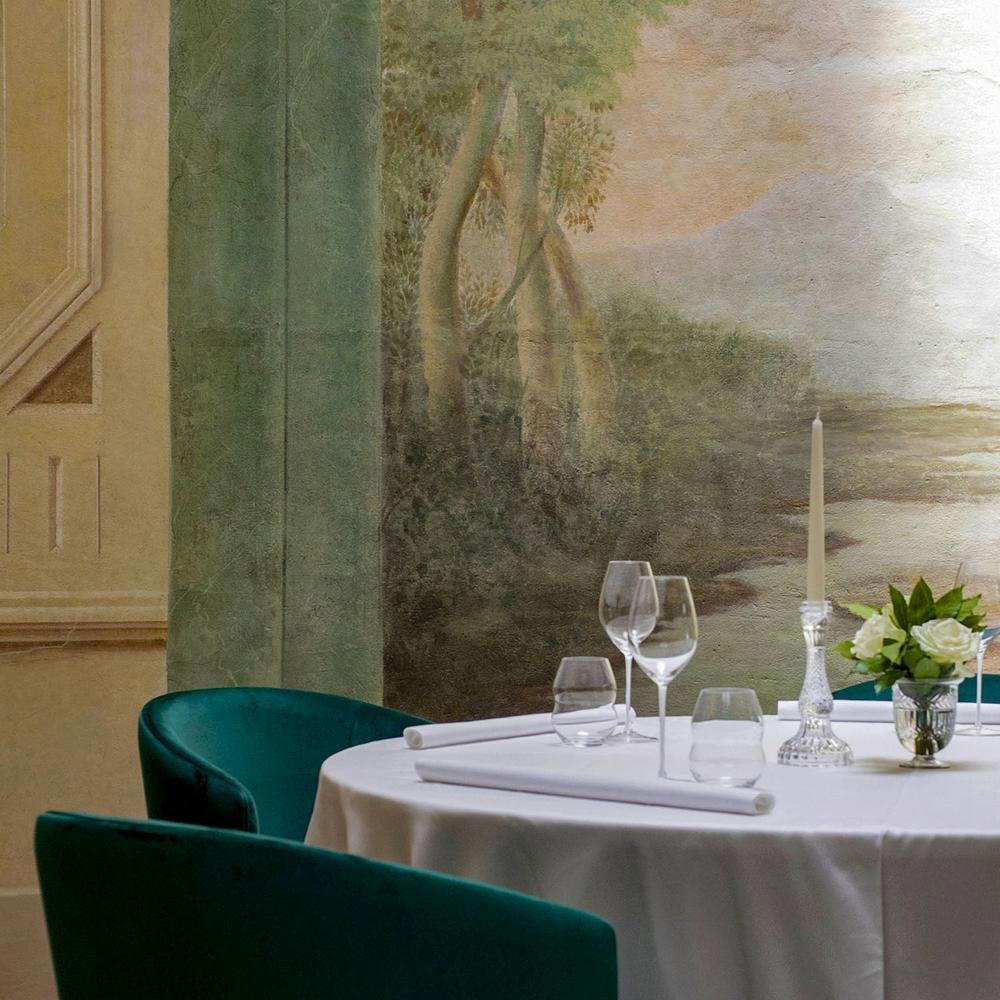
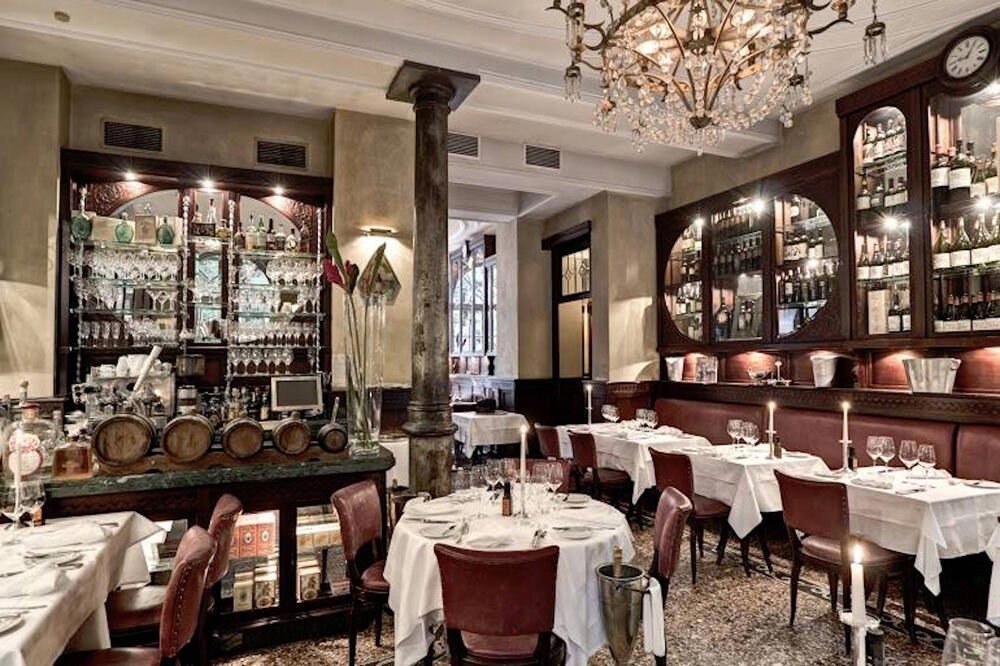
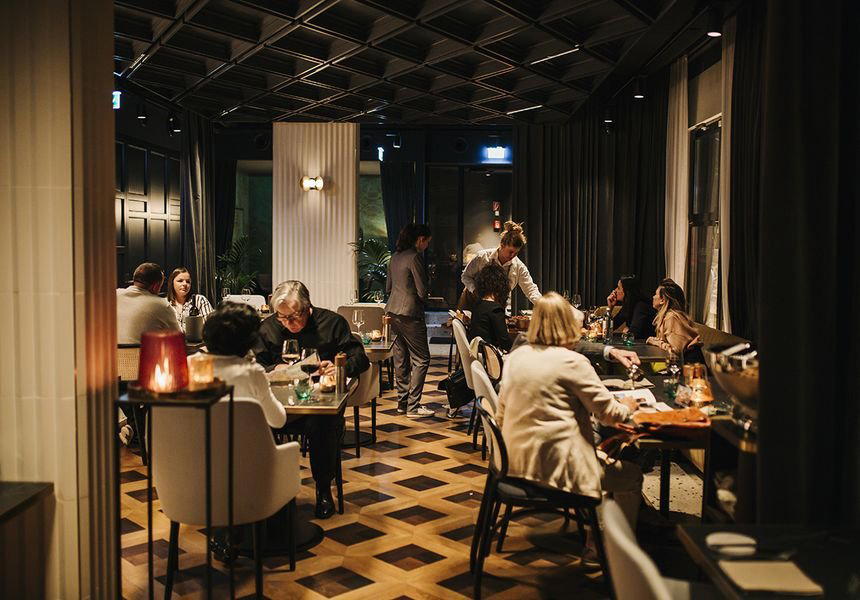
![[aend] restaurant in Vienna](https://cdn.enprimeurclub.com/storage/v1/object/public/images/locations/recsVyRkMfzCxPmp0/hero2.jpg?width=3840&quality=75)
Bars in Schützen am Gebirge
Browse all →
Hotels in Schützen am Gebirge
Browse all →
At a Glance
- Romantic
- Scenic
- Rustic
- Elegant
- Cozy
- Intimate
- Date Night
- Special Occasion
- Garden
- Terrace
- Private Dining
- Extensive Wine List
- Sommelier Led
- Farm To Table
- Local Sourcing
- Garden
- Vineyard
Idyllic garden setting with a charming-elegant dining room, protected terrace, and relaxed bohemian atmosphere fostering romance and gourmet enjoyment.