Gasthaus Gruber
Our verdict
Gasthaus Gruber in Euratsfeld serves Modern Austrian Gastropub cooking with an open kitchen, garden seating, and an extensive wine list for leisurely meals.

Pearl is the En Primeur Club membership app — saves, bookings, and concierge access live there. Same editors, same standards.
- Address
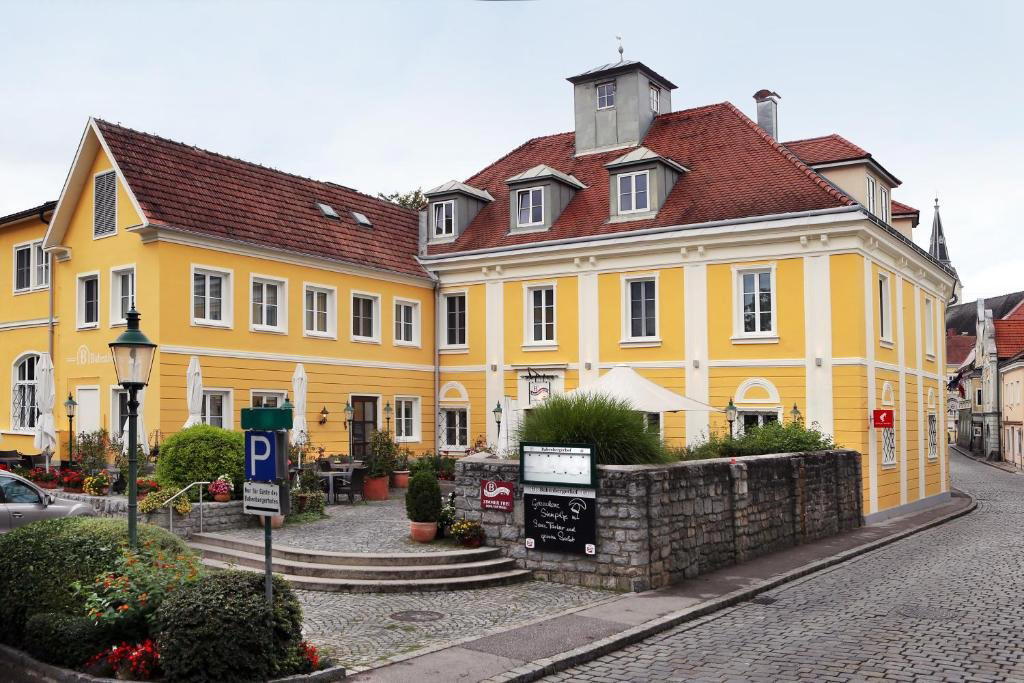
- Hauptstraße 3, 3324 Euratsfeld, Austria
- Phone
- +43437474262
- Hours
- Mon–Tue ClosedWed–Sat 8 AM–10 PMSun 8 AM–3 PM
- Website
- gasthausgruber.com
- Directions
- Get directions
The menu
What to order
- Char with Jerusalem artichokes
- Sweetbreads with black garlic
A Gasthaus in Mostviertel: What Rural Austrian Dining Looks Like at Ground Level
The road into Euratsfeld passes through orchard country, the kind of Lower Austrian landscape where pear trees line the verges and farm buildings sit close to the road. This is Mostviertel, a region named for its fermented pear cider, and the villages here have sustained a particular style of hospitality for generations: the gasthaus. Not a restaurant in the urban sense, not a hotel dining room, but a combination of inn, tavern, and community table that serves as the social infrastructure of small Austrian towns. Gasthaus Gruber at Hauptstraße 3 sits inside that tradition, in a village of roughly 3,000 residents that sits between Amstetten and Waidhofen an der Ybbs.
Understanding what a gasthaus offers means understanding the sourcing logic that underpins it. These establishments historically drew from whatever was grown, raised, or fermented within a short radius. That structural relationship between kitchen and local producer is what distinguishes the gasthaus from chain hospitality, and it remains the operating principle at places like this even as urban Austrian dining has moved toward more elaborate, internationally inflected formats. Where Steirereck im Stadtpark in Vienna works with regional ingredients inside a highly composed creative framework, and Döllerer in Golling an der Salzach applies technical precision to Alpine produce, the gasthaus operates in a simpler register: ingredients sourced close, prepared without excess intervention, served in a room where regulars know each other by name.
Mostviertel's Ingredient Logic and Why It Shapes the Plate
Mostviertel's agricultural character directly informs what ends up on gasthaus tables. The region produces pork, game, freshwater fish from the Ybbs and Enns river systems, and a range of root vegetables suited to the continental climate. Cider from local pear orchards appears both as a drink and as a cooking element. This is not a marketing positioning; it is a practical consequence of where these kitchens sit. Supply chains in rural Lower Austria have always been short by necessity, which means the seasonal calendar governs the menu more directly than it does in urban settings where logistics can extend availability almost indefinitely.
The contrast with more decorated Austrian destinations is instructive. Landhaus Bacher in Mautern an der Donau, situated in the Wachau wine region, works in a similar non-urban register but at a significantly higher price tier, with ingredients sourced partly from its own kitchen garden. Obauer in Werfen occupies a comparable geographic remoteness but operates at the top of Austrian dining recognition. The gasthaus category sits below these in formal ambition but shares the foundational ingredient relationship: local, seasonal, minimally transported.
The Physical Environment: What You Walk Into
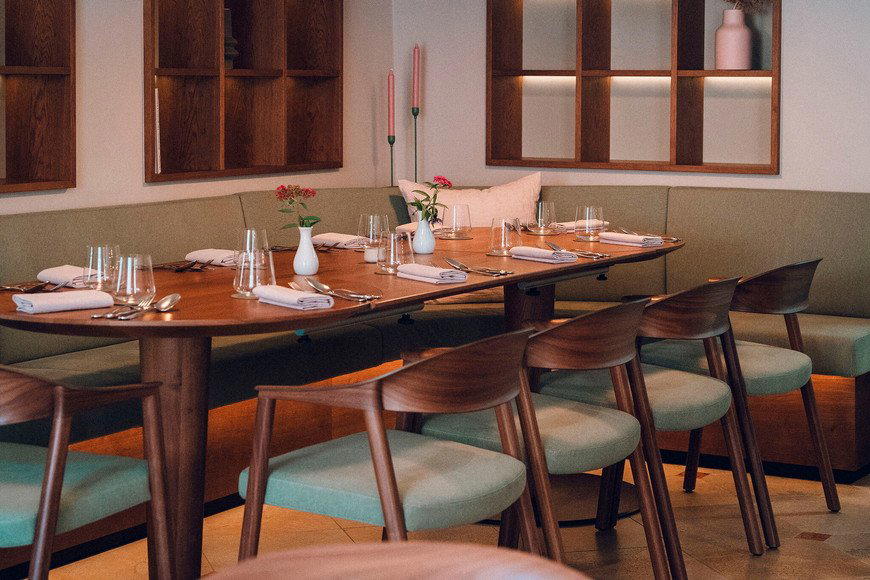
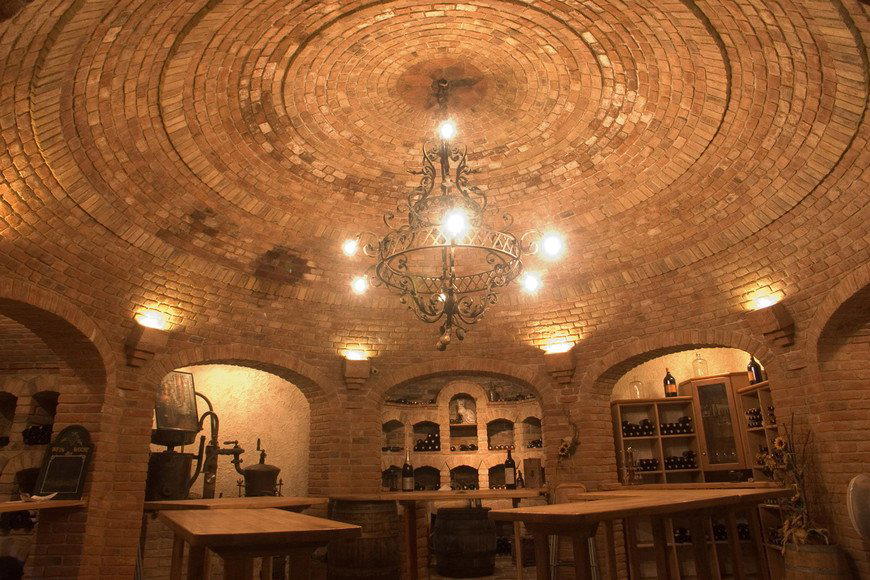
A traditional Austrian gasthaus occupies a specific visual grammar. Expect low ceilings, wooden furniture worn to a patina by decades of use, and a bar area that doubles as the social center of the room. Framed photographs and local memorabilia typically cover the walls in a way that functions as community archive rather than decoration. The dining room and bar are rarely fully separated, which means the ambient noise carries across both zones. This is eating in a room with a social life, not a curated silence designed to concentrate attention on the plate.
Arrival in Euratsfeld from Vienna takes roughly ninety minutes by car via the A1 and then regional roads through Amstetten. There is no direct rail connection to the village itself, which means this is a destination primarily accessed by car. That access profile shapes the guest mix: it draws almost entirely from the surrounding area, with visitors arriving specifically rather than as part of a broader tourist circuit. That dynamic reinforces the community-anchored character of the experience.
Where Gasthaus Gruber Sits in the Broader Austrian Dining Spectrum
Austria's dining scene has split into several distinct tiers over the past two decades. At one end, Michelin-recognized restaurants in Vienna, Salzburg, and resort towns like Stüva in Ischgl and Griggeler Stuba in Lech operate with refined technique and international-level recognition. Mid-tier urban restaurants have followed European trends toward natural wine lists and produce-led menus. The gasthaus occupies a separate category entirely, one that does not map cleanly onto the Michelin framework but sustains a different kind of value: access to a dining tradition that has not been packaged for visitors.
Properties like Taubenkobel in Schützen am Gebirge and Kräuterreich by Vitus Winkler in Sankt Veit im Pongau represent gastronomy at the decorated end of the rural Austrian spectrum. Gasthaus Gruber operates at the other end of that rural range, where the reference point is the local guest, not the destination diner. That is not a disadvantage in every context. For a traveler who has worked through the decorated tier — perhaps Ikarus in Salzburg or Gourmetrestaurant Tannenhof in Sankt Anton am Arlberg — a gasthaus meal offers a reset to something less mediated.
Nearby, Landhotel Gafringwirt provides a local comparison point within Euratsfeld itself. For a broader overview of what the area offers, our full Euratsfeld restaurants guide maps the options across formats and price points.
Further afield, Ois in Neufelden and Atelier Fischer in Sankt Gilgen show how some rural Austrian restaurants have moved toward a more refined, destination-conscious model while retaining regional ingredient focus. Restaurant 141 by Joachim Jaud in Mieming and Schwarzer Adler in Hall in Tirol represent Tyrolean variants of the same broader pattern. The gasthaus format, by contrast, has largely resisted this upward repositioning, which is part of what makes it a distinct and durable category in Austrian hospitality.
For international travelers building a broader culinary itinerary, it is worth noting how differently the gasthaus operates from destination dining in other contexts. Le Bernardin in New York City and Lazy Bear in San Francisco both represent highly deliberate, experience-designed formats where every element is controlled. The gasthaus is the structural opposite: open to whoever walks in, indifferent to curation, shaped by the same forces that shaped it thirty years ago.
Planning Your Visit
Gasthaus Gruber is located at Hauptstraße 3, 3324 Euratsfeld, Lower Austria. Specific hours, current pricing, and booking arrangements are best confirmed directly upon arrival or through local inquiry, as no current operational data is publicly indexed. The village is compact and the address direct to locate by car. Given the community-oriented nature of the format, arriving without a reservation is common practice at Austrian gasthaus establishments, though weekend evenings in smaller venues can fill quickly with local groups.
Frequently asked questions
Would Gasthaus Gruber be comfortable with kids?
The gasthaus format has been a family dining institution in Austrian rural communities for generations, and Euratsfeld is no exception to that tradition. A village gasthaus on Hauptstraße operates without the formality that makes children awkward — no tasting menus, no hushed dining rooms, no dress codes. Families eat alongside regulars at shared or adjacent tables, and that communal rhythm suits children reasonably well.
How would you describe the vibe at Gasthaus Gruber?
Gasthaus Gruber sits at Hauptstraße 3 in a small Mostviertel village, which already tells you something: this is not a destination restaurant oriented around performance dining. The gasthaus category in this part of Lower Austria runs unpretentious and communal — regulars, working lunches, farmers stopping in after market. Expect worn wooden furniture, low ceilings, and a room that operates on its own tempo rather than yours.
Is Gasthaus Gruber a good base for exploring Mostviertel's food and drink traditions?
Euratsfeld sits in the agricultural core of Mostviertel, a Lower Austrian region historically defined by pear orchards and the cider-like perry called Most. A gasthaus at Hauptstraße 3 in that village puts you close to the producers, farm shops, and market cycles that supply the region's tables. If the drinks list follows local convention, Most or regional wine should appear alongside the food.
What's the must-try dish at Gasthaus Gruber?
No menu details are publicly documented for Gasthaus Gruber, so naming a specific dish would mean inventing data. What the gasthaus format in Mostviertel reliably produces is seasonal cooking anchored in local pork, game from the surrounding countryside, and freshwater fish from rivers including the nearby Ybbs. Those are the categories worth asking about when you arrive.
What part of town is Gasthaus Gruber in?
Gasthaus Gruber is located at Hauptstraße 3, 3324 Euratsfeld, Austria, Euratsfeld.
Should I book Gasthaus Gruber in advance?
No formal booking infrastructure is publicly recorded for Gasthaus Gruber at Hauptstraße 3, Euratsfeld. Walk-in dining is the historical norm for Austrian gasthaus venues in villages of this size, though weekend evenings and local event days can fill a small room quickly. Calling ahead is sensible; the address is documented even if a public phone number is not currently listed.
Comparable Spots, Quickly
Comparable venues nearby, for context on price, style, and recognition.
| Venue | Cuisine | Price | Notes |
|---|---|---|---|
| Gasthaus GruberThis venue — the venue you are viewing | Modern Austrian Gastropub | Not listed | Not listed |
| Landhotel Gafringwirt | Regional Austrian Country Inn Cuisine | $30–50 | Mostviertel |
| Pöstlingberg Schlössl | Austrian Fine Dining | $50–100 | Pöstlingberg |
| Joseph II. Schloss-Restaurant Schönbrunn | Authentic Viennese | $30–50 | Schonbrunn |
| Stadt Meierei | Refined Austrian Cuisine | $30–50 | City Center |
| Café & Restaurant Motto am Fluss | Modern Austrian with International Influences | $50–100 | Innere Stadt |
Continue exploring
More in Euratsfeld
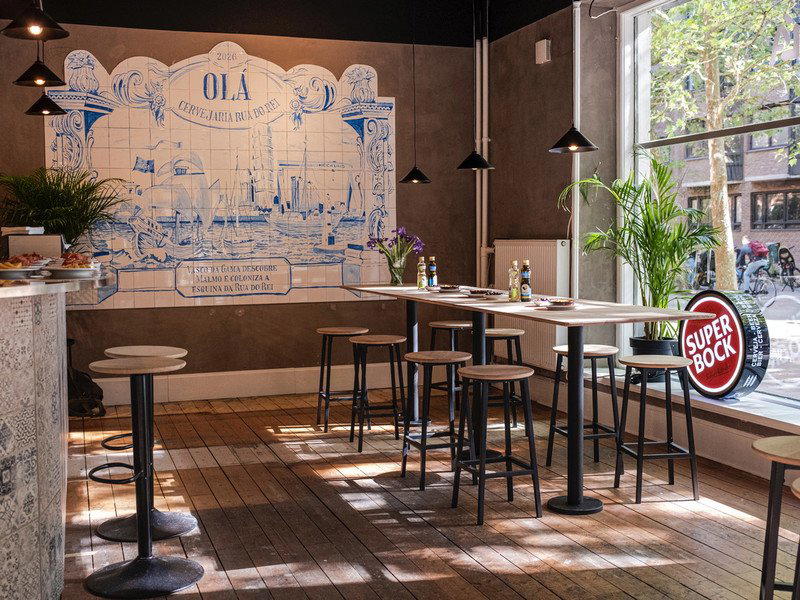
Restaurants in Euratsfeld
Browse all →
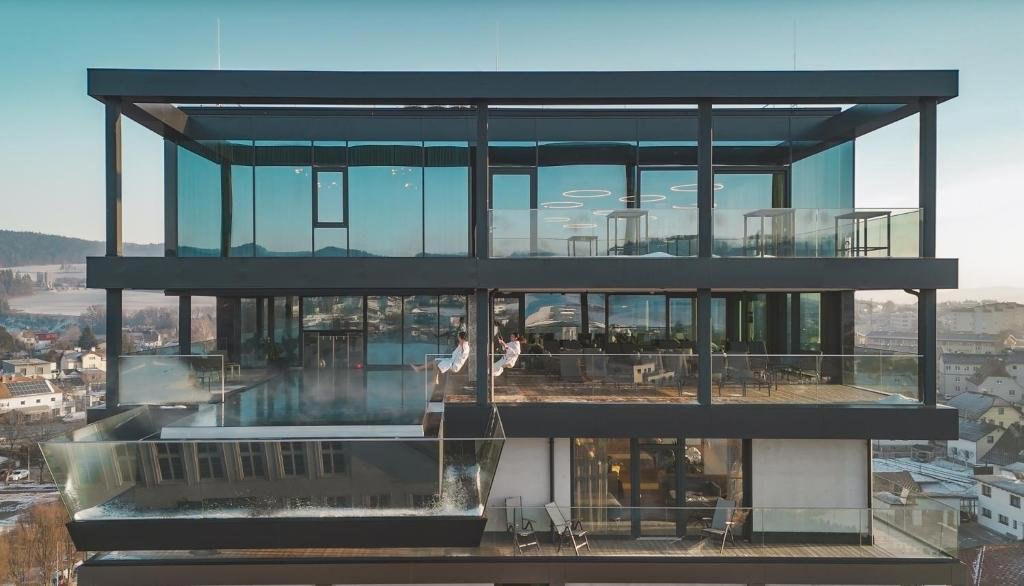
Bars in Euratsfeld
Browse all →

Hotels in Euratsfeld
Browse all →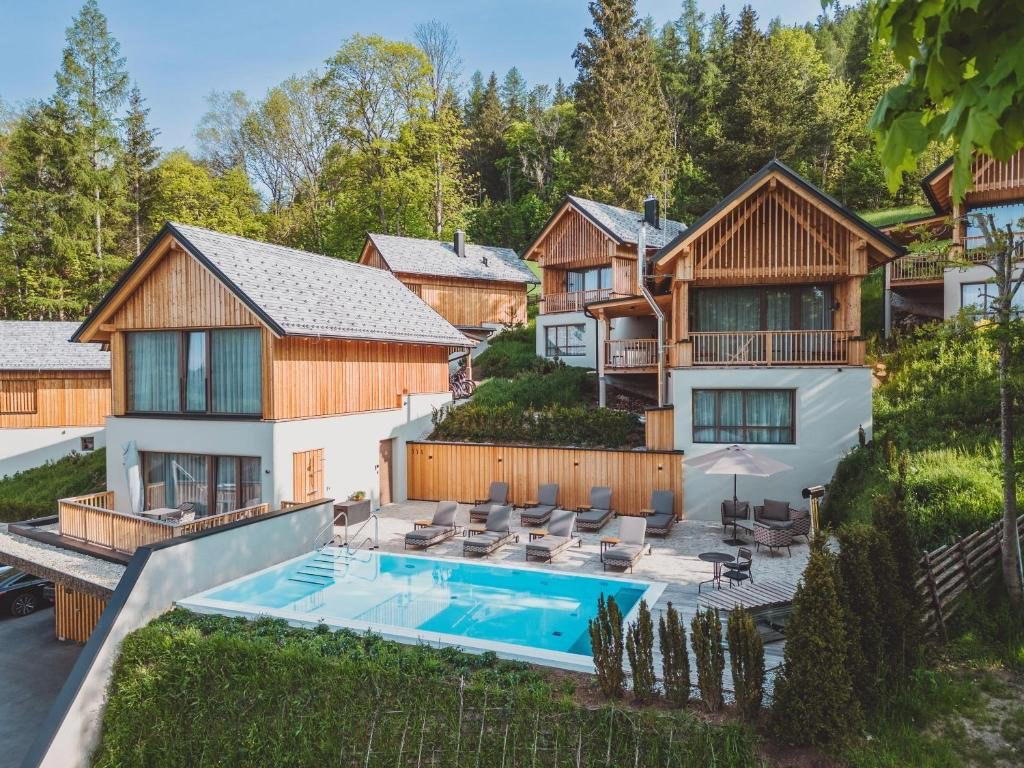

Details
- Rustic
- Cozy
- Sophisticated
- Modern
- Classic
- Casual Hangout
- Group Dining
- Special Occasion
- Garden
- Open Kitchen
- Standalone
- Extensive Wine List
- Farm To Table
- Local Sourcing
- A La Carte
- Set Menu
- Wine
- Vegetarian Friendly
- Vegan Options
- Allergy Accommodating
Current opening hours
- Monday
- Closed
- Tuesday
- Closed
- Wednesday
- 8 AM–10 PM
- Thursday
- 8 AM–10 PM
- Friday
- 8 AM–10 PM
- Saturday
- 8 AM–10 PM
- Sunday
- 8 AM–3 PM
Hours can change for holidays and private events. Last verified .
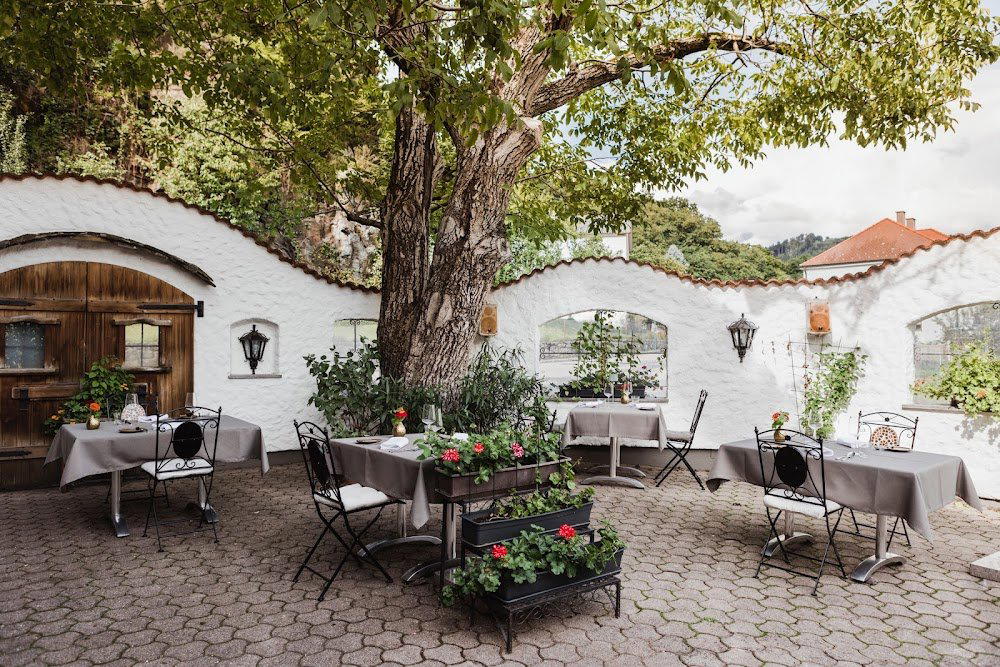
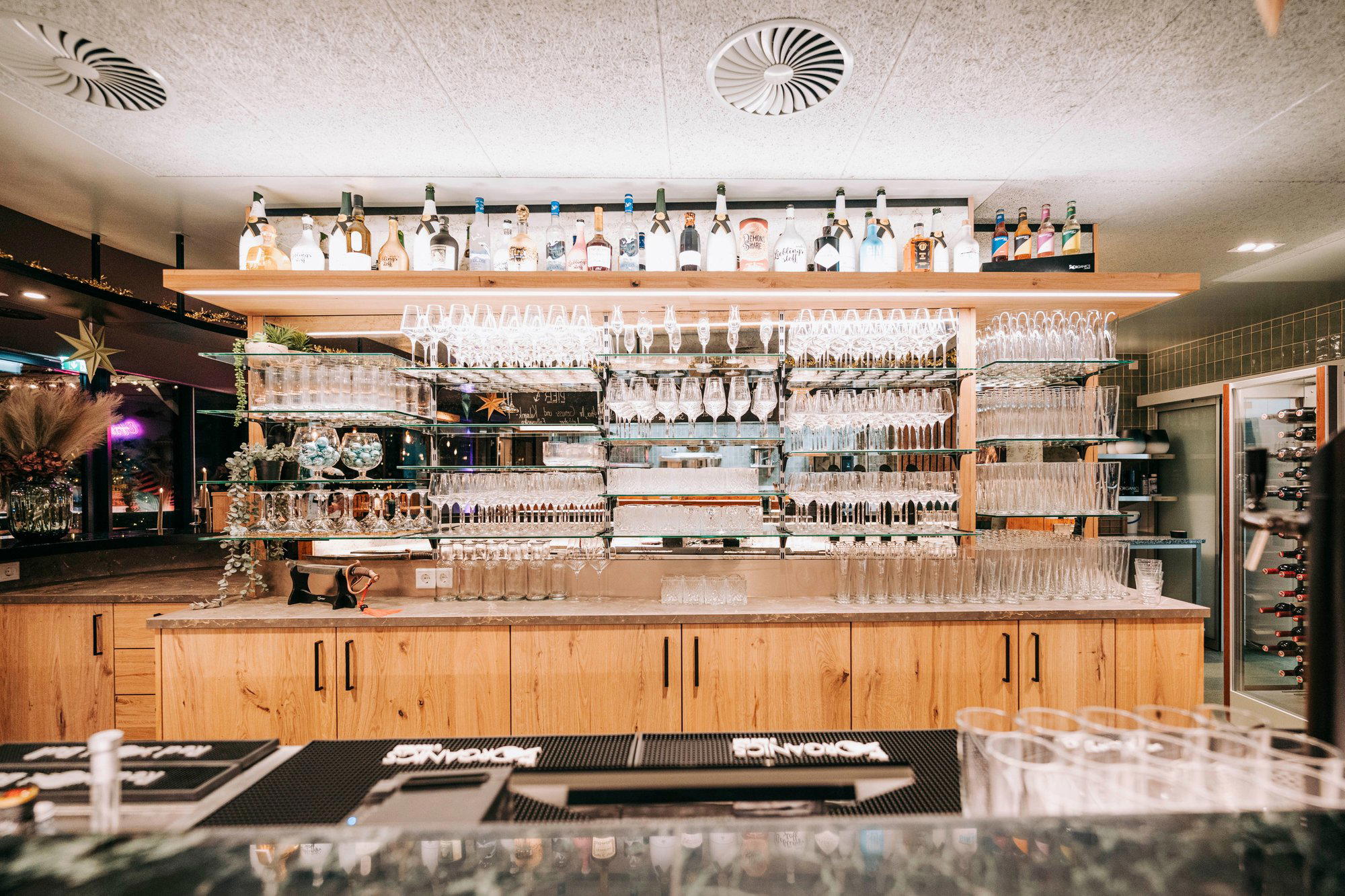
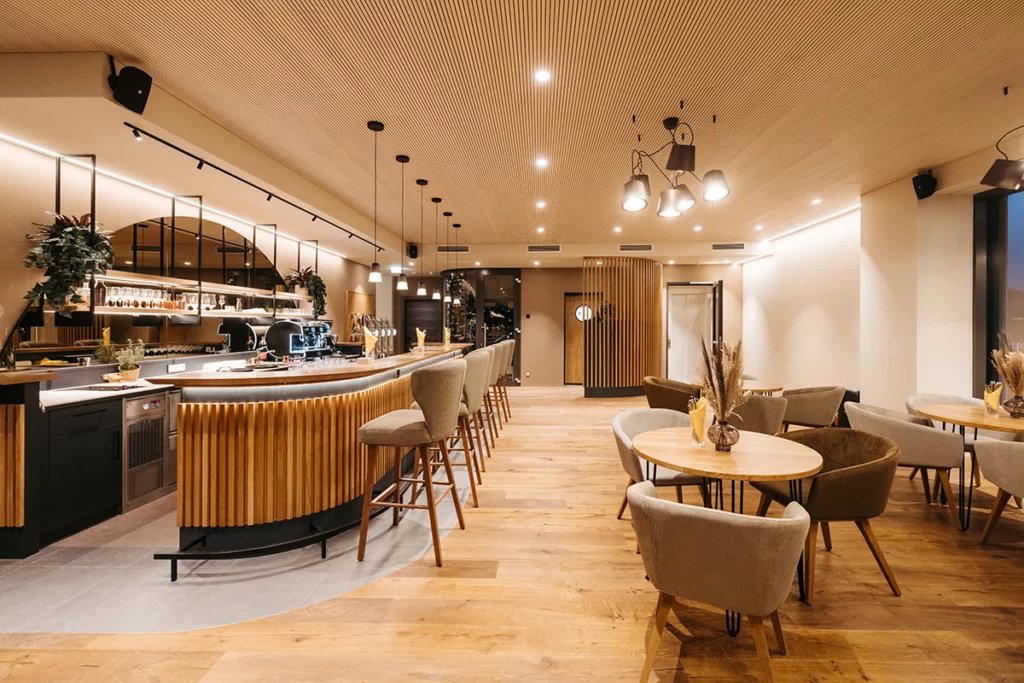
Warm and welcoming with a cozy garden setting; sophisticated yet unpretentious atmosphere that honors Austrian tavern culture while embracing contemporary design.