Babenbergerhof
Our verdict
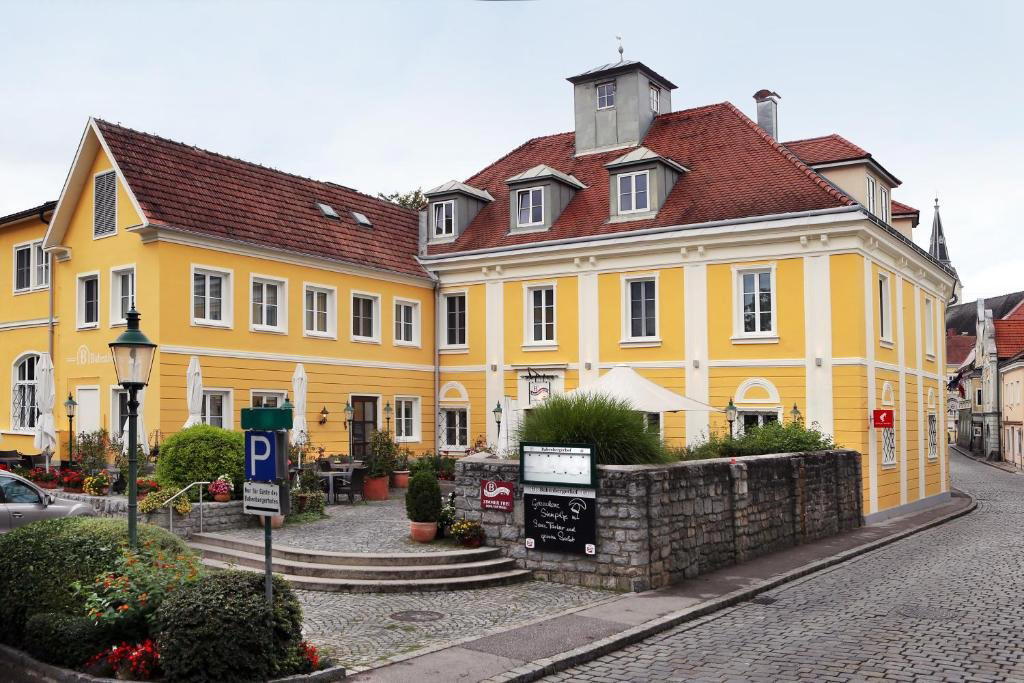
A long-established address on the western approach to Ybbs an der Donau, Babenbergerhof occupies the kind of position in provincial Austrian dining where kitchen confidence and regional sourcing count for more than metropolitan fanfare. Situated at Wiener Strasse 10, the restaurant draws on the agricultural depth of the Mostviertel and the riverside character of the Danube corridor — context that shapes what ends up on the plate.

Pearl is the En Primeur Club membership app — saves, bookings, and concierge access live there. Same editors, same standards.
- Address
- Wr. Str. 10, 3370 Ybbs an der Donau, Austria
- Phone
- +437412543340
- Website
- babenbergerhof.at
- Directions
- Get directions
The menu
What to order
- Cordon Bleu vom Schwein
- Spinat-Ricotta Ravioli
- Zwiebelrostbraten
- Marillenpalatschinken
Where the Mostviertel Meets the Table
Provincial Austrian dining has always operated on a different logic from the country's urban restaurant scene. Where Vienna concentrates its ambition into a handful of celebrated addresses — Steirereck im Stadtpark being the most discussed — the towns strung along the Danube between Linz and Krems have historically produced a quieter, more grounded form of hospitality. The kitchens here answer to a different set of pressures: proximity to farmers and orchards, the expectations of a local clientele who return weekly rather than annually, and a seasonal rhythm dictated by one of central Europe's most productive agricultural regions.
Babenbergerhof sits on the Wiener Strasse at the edge of Ybbs an der Donau, a market town on the south bank of the Danube roughly midway between Linz and Krems. That positioning is not incidental. The Mostviertel, the hilly, orchard-dense hinterland immediately south, supplies the region with pears and apples for its celebrated Most (fermented fruit juice), along with cattle, dairy, root vegetables, and game. A kitchen working in this corridor, even without shouting about provenance, inherits a supply chain that many urban restaurants spend considerable effort trying to replicate. For our full overview of the local scene, see our full Ybbs an der Donau restaurants guide.
The Sourcing Argument in the Danube Valley
Austrian regional cooking's credibility rests heavily on the connection between kitchen and land, and the Danube valley between the Wachau and the Mostviertel represents one of the country's more compelling sourcing environments. Landhaus Bacher in Mautern an der Donau, some forty kilometres downstream, has built a reputation, including Michelin recognition, partly on that proximity to Wachau produce: apricots, Grüner Veltliner grapes, river fish. The pattern repeats upstream: Döllerer in Golling an der Salzach and Obauer in Werfen have each demonstrated that Austrian kitchens removed from Vienna can build serious culinary reputations when they commit to regional materials.
The Mostviertel context matters here for a specific reason: it is not a prestige agricultural zone in the way that the Wachau or Styria are internationally perceived. The produce is workhorse rather than trophy, good beef, surplus pears, honest dairy. A kitchen that works with these materials well is making an argument about craft over glamour, about depth of execution rather than the shortcut of a fashionable ingredient list. That argument, made consistently over time, is what separates the provincial restaurants worth travelling to from those that simply fill a local need.
Placing Babenbergerhof in the Regional Picture
Lower Austria's dining scene outside Vienna tends to cluster around two poles: the destination restaurants drawing visitors from the capital (Landhaus Bacher being the clearest example in this sub-region) and the Gasthof-format establishments serving the working week of market towns. Babenbergerhof at Wiener Strasse 10 occupies the Ybbs address that sits within that second category's geography, but the question any serious visitor asks is how much kitchen ambition sits behind the traditional format.
For comparison, Taubenkobel in Schützen am Gebirge and Ois in Neufelden have each found a way to frame provincial Austrian cooking through a contemporary lens while remaining anchored to regional supply. The same is true, in a mountain context, of Kräuterreich by Vitus Winkler in Sankt Veit im Pongau, where herb cultivation on-site is part of the sourcing story. These examples share a logic: that the most defensible position for an Austrian regional kitchen is one where the cooking and the landscape it draws from are visibly connected.
Elsewhere in the Austrian landscape, Schwarzer Adler in Hall in Tirol, Gourmetrestaurant Tannenhof in Sankt Anton am Arlberg, Stüva in Ischgl, and Griggeler Stuba in Lech operate in an alpine tourism economy with different pressures, high-season visitors, resort pricing, international competition. The Danube valley corridor runs on different terms: a slower visitor rhythm, stronger local repeat business, and produce shaped by river and orchard rather than altitude.
Arriving and Planning Your Visit
Ybbs an der Donau is accessible by rail on the Westbahn corridor, with connections from both Vienna and Linz; the town's station sits within walking distance of the centre. By road, Ybbs lies on the B1 Wiener Strasse, which runs along the south bank of the Danube and connects it to both St. Pölten and Amstetten. The address at Wiener Strasse 10 places Babenbergerhof on the main through-road, which makes it direct to locate whether arriving from the motorway network or from the riverbank route. As with most provincial Austrian establishments of this format, visiting midweek or outside peak lunch hours gives a better read of the kitchen at a measured pace rather than at full turn.
For those building a broader itinerary through this corridor, the Wachau wine region is approximately forty minutes east by car, making a combination with Landhaus Bacher a logical pairing for a day or overnight trip. Alternatively, Atelier Fischer in Sankt Gilgen, Restaurant 141 by Joachim Jaud in Mieming, and Thaller - Gasthaus in Sankt Veit am Vogau represent other provincial Austrian formats worth considering depending on direction of travel. Further afield, Ikarus in Salzburg covers a different end of the Austrian dining register entirely.
For a sense of how ingredient-led sourcing operates at the highest level internationally, useful as a benchmark rather than a direct comparison, Le Bernardin in New York City and Lazy Bear in San Francisco both demonstrate how a kitchen's relationship with primary ingredients can become a defining editorial argument, regardless of format or geography.
Frequently asked questions
Is Babenbergerhof okay with children?
Babenbergerhof sits in Ybbs an der Donau, a small Danube valley town where provincial Austrian restaurants typically operate as community dining rooms rather than formal destination venues. That context tends to make them accommodating to families.
What's the overall feel of Babenbergerhof?
The address — Wiener Straße 10 in central Ybbs an der Donau — places it in the working fabric of a Danube market town rather than a polished tourist corridor. Lower Austrian Gasthäuser in this setting typically run toward unhurried, unpretentious rooms where locals eat on weeknights and weekend lunches draw families from the surrounding Mostviertel. Think regional solidity rather than destination theatrics.
Is Babenbergerhof a good stop on a Vienna-to-Linz Danube route?
Ybbs an der Donau sits on the Westbahn rail corridor with direct connections from both Vienna and Linz, and the town station is within walking distance of Wiener Straße 10. That makes Babenbergerhof a plausible midpoint stop for travellers tracing the Danube valley rather than a detour destination. No booking or hours data is currently available, so confirming opening times before building a journey around it is advisable.
What do regulars order at Babenbergerhof?
Restaurants in this part of Lower Austria's Danube valley have historically centred their menus on orchard-country produce — the Mostviertel is pear and apple country — alongside freshwater fish from the Danube and classic Austrian meat preparations. What locals tend to reach for at a Ybbs Gasthof is usually the daily special board rather than the printed menu.
Where exactly is Babenbergerhof?
Babenbergerhof is located at Wr. Str. 10, 3370 Ybbs an der Donau, Austria, Ybbs An Der Donau.
In Context: Similar Options
| Venue | Cuisine | Price | Awards | Notes |
|---|---|---|---|---|
| BabenbergerhofThis venue — the venue you are viewing | Austrian Regional Cuisine | $30–50 | Not listed | Not listed |
| Steirereck im Stadtpark | Modern Austrian Fine Dining | $200–300 | 3 Michelin Stars · World's 50 Best #33 | Creative |
| Döllerer | Modern Alpine Cuisine | $100–150 | 2 Michelin Stars · La Liste Top Restaurants | Contemporary Austrian, Innovative |
| Landhaus Bacher | Classic Austrian Fine Dining | $100–150 | 2 Michelin Stars · La Liste Top Restaurants | Austrian, Classic Cuisine |
| Obauer | Modern Austrian Fine Dining | $50–100 | 2 Michelin Stars · La Liste Top Restaurants | Classic Cuisine |
| Taubenkobel | Regional Austrian Fine Dining | Not listed | 2 Michelin Stars · La Liste Top Restaurants | Modern Austrian, French Contemporary |
Continue exploring
More in Ybbs an der Donau
Restaurants in Ybbs an der Donau
Browse all →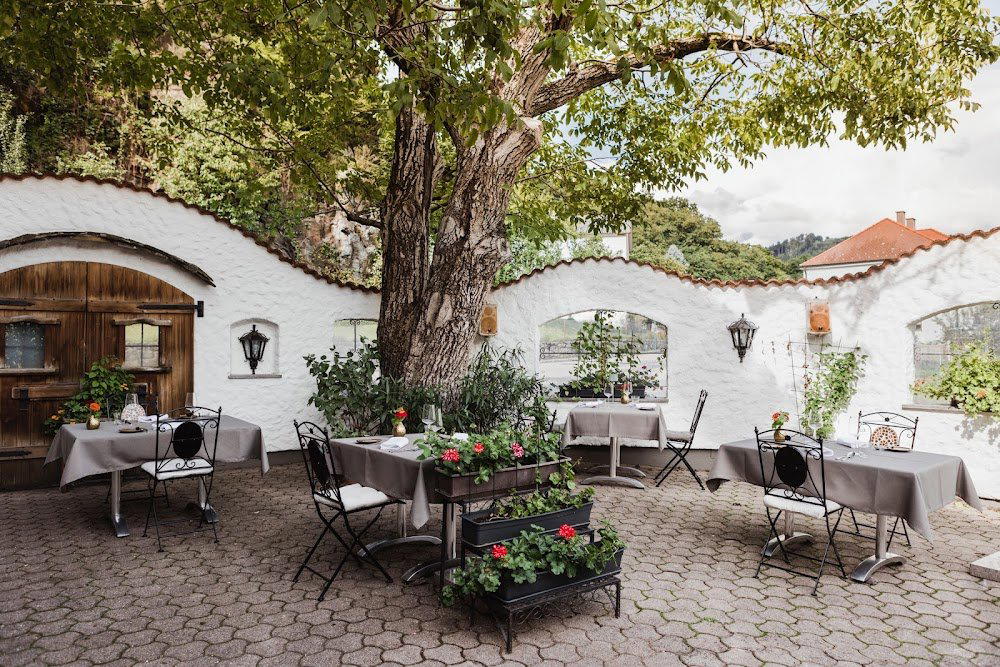
Bars in Ybbs an der Donau
Browse all →

Hotels in Ybbs an der Donau
Browse all →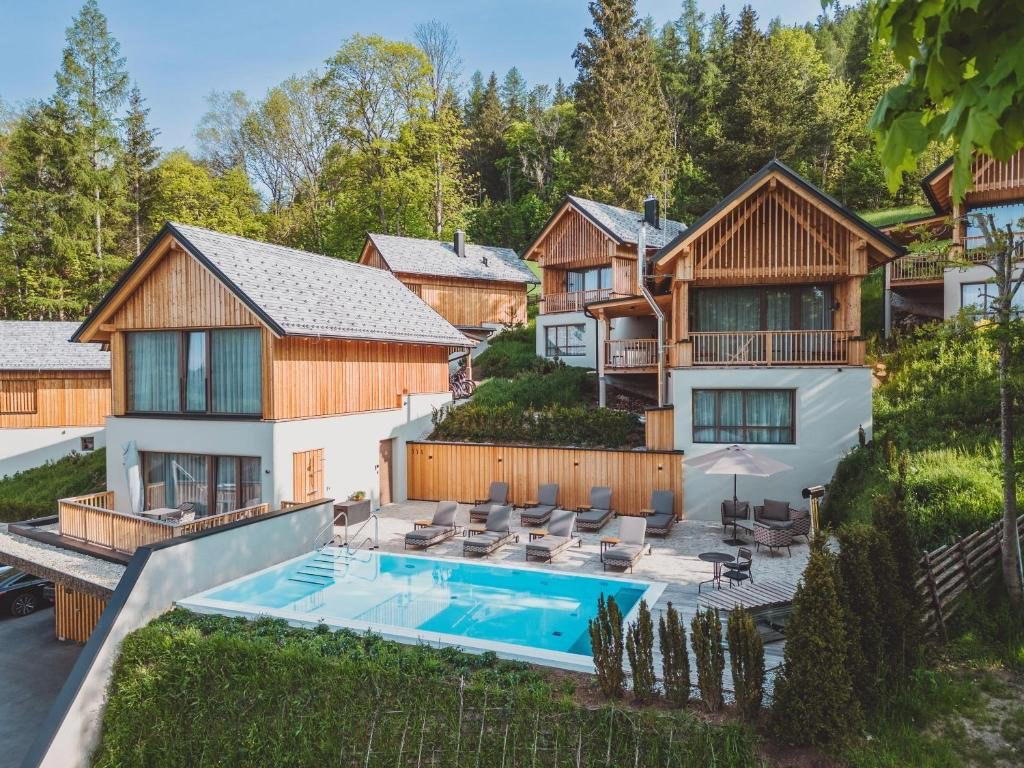
Details
- Romantic
- Cozy
- Scenic
- Classic
- Date Night
- Family
- Group Dining
- Special Occasion
- Waterfront
- Terrace
- Courtyard
- Historic Building
- Hotel Restaurant
- Garden
- Extensive Wine List
- Farm To Table
- Local Sourcing
- Organic
- Waterfront
- Garden
- A La Carte
- Set Menu
- Wine
- Vegetarian Friendly
- Vegan Options
- Gluten Free Options
- Organic Focus
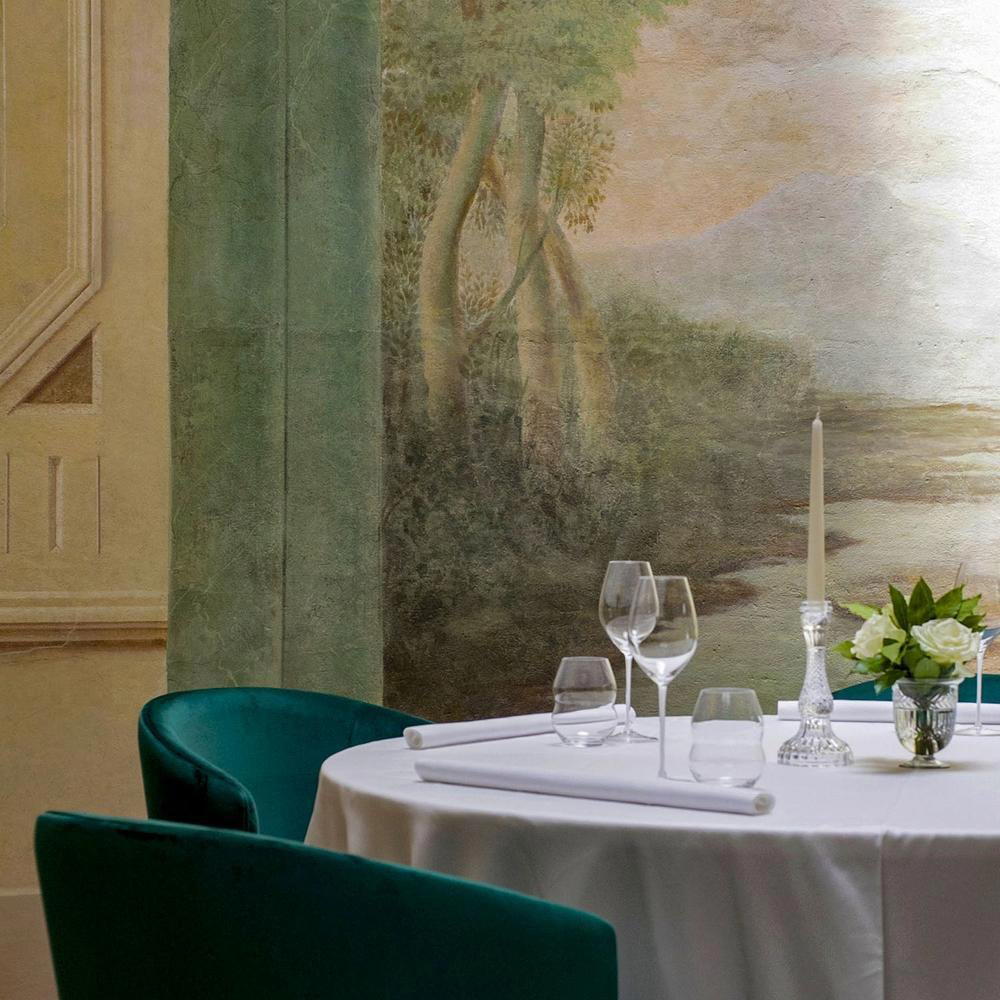
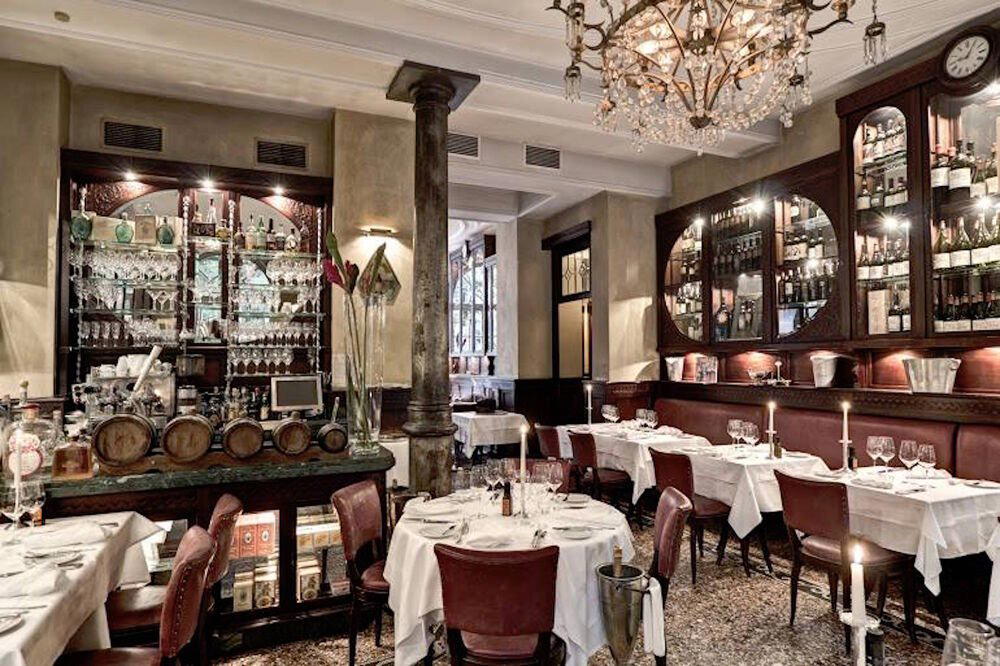
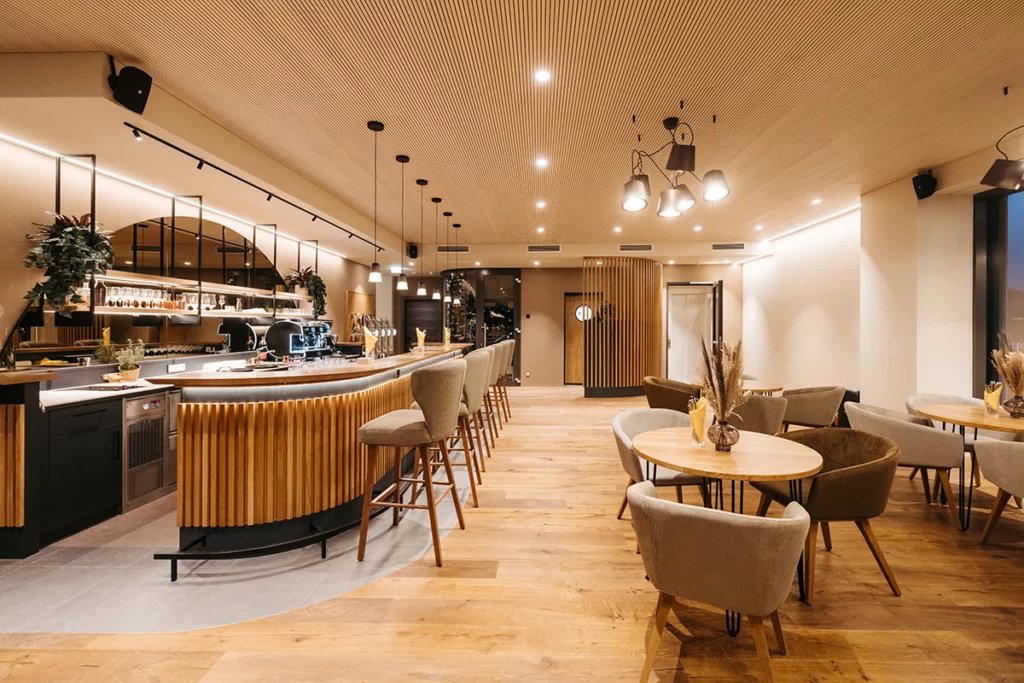
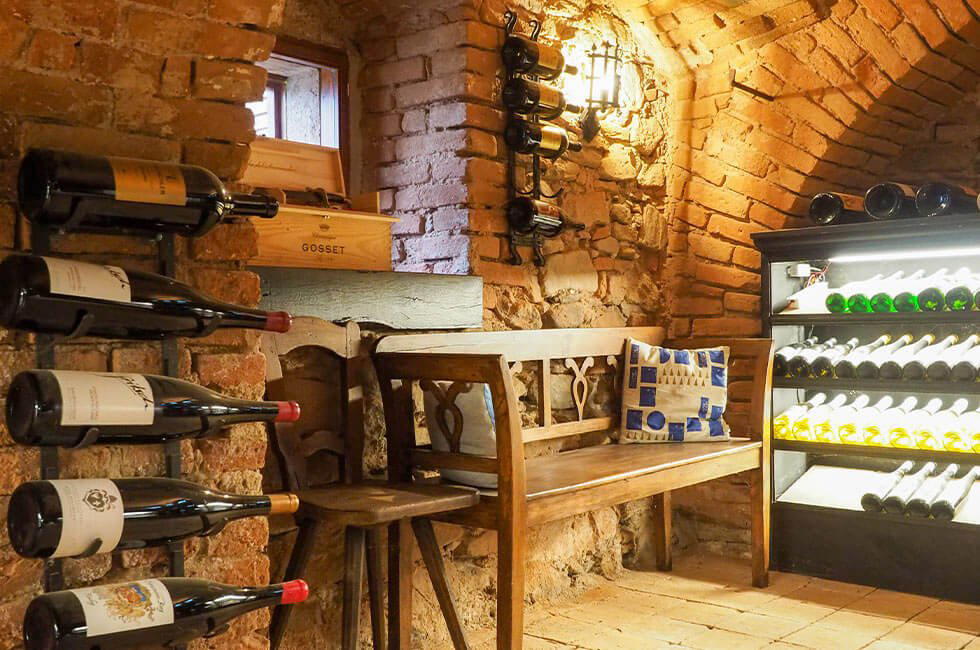
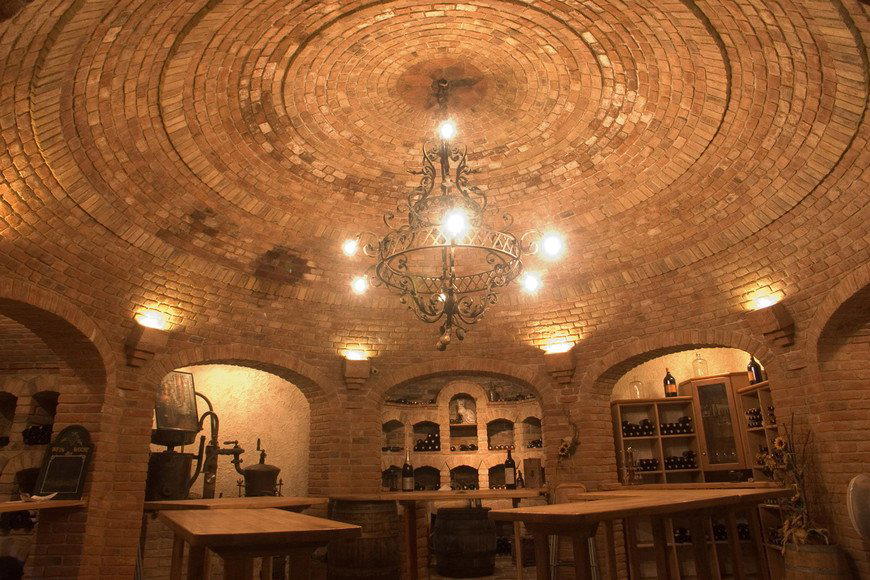
Historic, cozy setting with tasteful décor; guests can choose between intimate Stüberl and larger Gaststube dining rooms; romantic inner courtyard and sun terrace overlooking the Danube.