
Roggenhof sits in the forested Waldviertel hills outside Weitra, earning a Pearl 2 Star Prestige in 2025, a signal that Austria's rye-forward distilling tradition is producing spirits recognised well beyond the country's borders. The address, Roggenreith 3, encodes the land itself: roggen means rye in German, and the surrounding terrain has defined the distillery's grain character for decades.
Pearl is the En Primeur Club membership app — saves, bookings, and concierge access live there. Same editors, same standards.
- Address
- Roggenreith 3, 3664 Roggenreith
- Phone
- +43 2874 7496
- Website
- whiskyerlebniswelt.at
 Saves & bookings on Pearl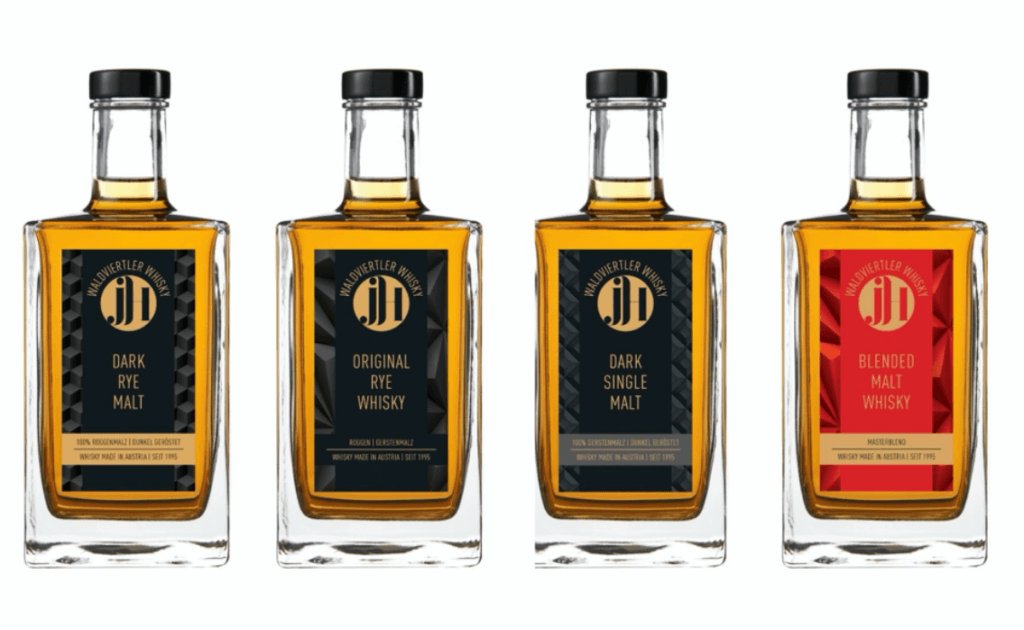
Rye Country: The Waldviertel and What It Produces
Austria's distilling reputation has long been overshadowed by its wine culture, the Wachau and Kamptal draw most of the international attention, with houses like Weingut Emmerich Knoll in Dürnstein and Weingut Bründlmayer in Langenlois setting the benchmark for Austrian terroir expression. Haider Whisky Distillery (Roggenhof) is a casual appointment-only whisky distillery in Roggenreith, Austria, recognized with Pearl 2 Star Prestige in 2025. But in the Waldviertel, the forested plateau region in Lower Austria's northwest corner, a different agricultural tradition has been quietly producing spirits for generations. The soil here is granitic, the winters are long, and rye, not grape, is the defining crop. That condition shapes everything about what gets distilled in this corner of Austria.
Roggenreith, the hamlet where Haider Whisky Distillery operates under the Roggenhof name, encodes its own geography: roggen is simply German for rye, and the surrounding land has grown it as a staple for centuries. This is not marketing convenience, it is a genuine alignment between place and product that distinguishes Waldviertel spirits from the grain-neutral or malt-led categories that dominate international whisky shelves. The region's cooler, slower growing seasons produce a rye with a particular density of flavour, and the granitic water sources that run through the plateau carry mineral characteristics into the distillation process. Terroir, in the wine sense, applies here with the same logic it applies in the vineyards further east.
A Prestige Signal in 2025
Haider received a Pearl 2 Star Prestige recognition in 2025, which places it at a tier where production quality is no longer in question and the conversation shifts to character and consistency. Within Austria's distilling community, that kind of formal recognition matters as a market signal: it tells export buyers, specialist retailers, and whisky-focused travellers that the operation at Roggenreith 3 has cleared a serious credibility threshold. For context on the broader Austrian spirits scene, producers such as Weingut Scheiblhofer Distillery in Andau and 1310 Spirit of the Country Distillery in Sierning represent the range of approaches competing for that same prestige tier, making Haider's position within it a meaningful distinction rather than a default.
The 2025 award also arrives at a moment when Austrian whisky is attracting sustained attention from specialists who have exhausted the conventional Scottish and Irish categories and are looking for grain-driven alternatives. Rye-forward expressions from Central Europe are increasingly stocked by serious whisky merchants across Germany, Switzerland, and the Netherlands, and the Waldviertel sits at the geographic centre of that trade pattern. Haider's recognition is therefore timed well for its export ambitions, even if the distillery itself remains rooted firmly in the quieter rhythms of rural Lower Austria.
Approaching Roggenreith
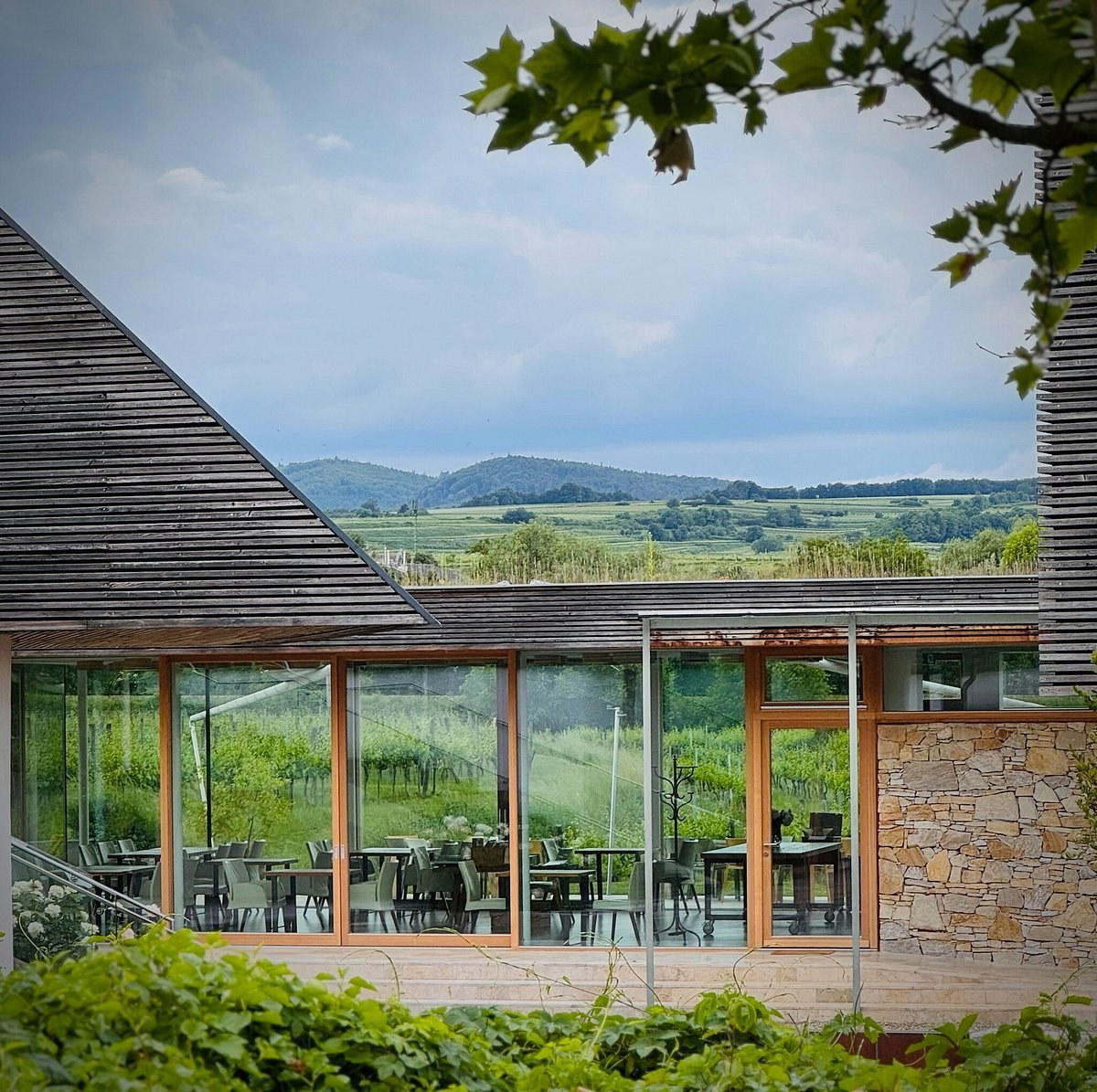
The address, Roggenreith 3, 3664 Roggenreith, already says something about the scale of the settlement. This is not a village with a centre; it is a hamlet of farmsteads and forest tracks in the hills west of Weitra. Arriving by car from Weitra takes roughly fifteen minutes along roads that narrow progressively as the forest closes in. The landscape shifts from the small market town character of Weitra to something more agricultural and deliberate: fields edged by stands of spruce, occasional farm buildings, the kind of stillness that makes you aware you are operating on a different temporal register from any urban tasting room. That physical experience is part of what the distillery represents, and visitors who approach it expecting a polished visitor centre will need to recalibrate.
Weitra itself, one of Lower Austria's oldest chartered towns, is a useful base for the region. Its brewing history, the town operates one of Austria's oldest brewery-hotels, situates Haider's distilling tradition within a wider craft production culture that has persisted here for centuries.
Rye Whisky and Its Place in the Austrian Category
Austrian whisky as a formal category is relatively young, serious commercial production began in the 1990s, and the Waldviertel was among the first regions to pursue it at scale. What makes Waldviertel rye whisky structurally different from Scotch malt or American rye is the combination of grain provenance, water mineral profile, and ageing conditions. The high-altitude, continental climate of the plateau produces significant temperature swings between summer and winter, which drives more active interaction between spirit and barrel than milder maritime climates allow. A given number of years in wood here produces different results than the same period in a lowland Scottish warehouse.
That intensity of ageing character is one reason Waldviertel producers like Haider are taken seriously in specialist circles despite the region's relatively short distilling history. The spirits mature faster in structural terms, which means producers must make careful decisions about barrel selection and ageing duration to avoid over-extracting. The 2 Star Prestige signal from 2025 implies those decisions are being made at a high level of competence at Roggenhof.
For travellers already engaged with Austrian grain and fermentation culture, the contrast with the wine estates further east is instructive. The logic that shapes Weingut Pittnauer in Gols or Weingut Kracher in Illmitz, terroir specificity, small-scale production, prestige recognition as a market signal, applies with equal force at Haider, just through a different raw material. Weingut Wohlmuth in Kitzeck and Weingut Heinrich Hartl in Oberwaltersdorf represent the wine side of that prestige-tier discussion; Haider represents the grain side. The underlying quality framework is the same.
The comparable set in Austrian Distilling
Austrian craft distilling has expanded significantly over the past decade, and the range of producers now operating is wide enough to make peer-set distinctions meaningful. At the urban, high-volume end, operations like 1516 Brewing Company Distillery in Vienna and A. Batch Distillery in Bergheim operate with different priorities: accessibility, distribution, brand legibility in competitive on-trade settings. At the specialist, grain-specific end, producers like Haider and Abfindungsbrennerei Franz in Leithaprodersdorf are producing spirits whose primary audience is the collector and the specialist retailer, not the cocktail bar. The Pearl 2 Star Prestige recognition places Haider firmly in that second cohort.
Internationally, the frame of reference shifts. Austrian rye sits in a conversation with producers like Aberlour in the Scottish Speyside, not because the styles are similar, but because both operate within a prestige-tier framework where provenance and award credentials are the primary commercial signals. The comparison is about market positioning, not flavour. What Waldviertel rye offers that Speyside malt does not is precisely the unfamiliarity of its reference point: for a specialist consumer already fluent in Scotch, the Haider range represents a genuinely different grain-and-terroir argument. That argument is now backed by formal recognition.
Planning a Visit
The practical reality of visiting Roggenhof is that it operates on rural Austrian terms, which means advance contact is advisable before making the drive from Weitra or from further afield. It is a casual, appointment-only visit. The distillery address at Roggenreith 3 is direct to reach by car; public transport options into the hamlet are limited, and the surrounding roads are not designed for cycling in poor weather. The Waldviertel is at its most accessible from late spring through early autumn, when the forest tracks are clear and the surrounding landscape makes the drive itself worthwhile. Winter visits are possible but require more careful planning around weather and road conditions. Given the Pearl 2 Star Prestige standing, the distillery draws visitors from across Austria and from specialist whisky tourism circuits in Germany and the Czech Republic, making early-season planning sensible for those travelling specifically for the spirits rather than for the broader region.
Fast Comparison
Comparable venues nearby, for context on price, style, and recognition.
| Venue | Cuisine | Price | Notes |
|---|---|---|---|
| Haider Whisky Distillery (Roggenhof)This venue — the venue you are viewing | rye, barley | $$ | |
| Brennerei Weigand | Winery | , | Steyr |
| Mountain Spirits Distillery | Winery | , | Axams |
| Schnapsbrennerei Habbel | Winery | , | Kirchberg am Wechsel |
| Destillerie Farthofer | ancient grains, oats | $$ | Öhling |
| Weingut Josef Schmelz | Grüner Veltliner, Riesling | $$ | Joching |
Continue exploring
More in Weitra
Wineries in Weitra
Browse all →
Bars in Weitra
Browse all →
Restaurants in Weitra
Browse all →
At a Glance
- Rustic
- Classic
- Scenic
- Group Outing
- Wine Education
- Special Occasion
- Barrel Room
- Estate Grounds
- Historic Building
- Sustainable