Hotel Schachner
Hotel Schachner sits at the foot of the Maria Taferl basilica in Lower Austria's Nibelungengau region, where the Danube valley shapes both the terrain and the table. The property occupies a position typical of Austria's pilgrim-route hotel tradition: accommodation and dining running in parallel, with regional produce anchoring the kitchen. For those passing through this corner of the Wachau hinterland, it represents a grounded alternative to the more publicised restaurants further along the river.
Pearl is the En Primeur Club membership app — saves, bookings, and concierge access live there. Same editors, same standards.
- Address
- Maria Taferl 24, 3672 Maria Taferl, Austria
- Phone
- +434374136355
- Website
- hotel-schachner.at
- Directions
- Get directions
 Saves & bookings on Pearl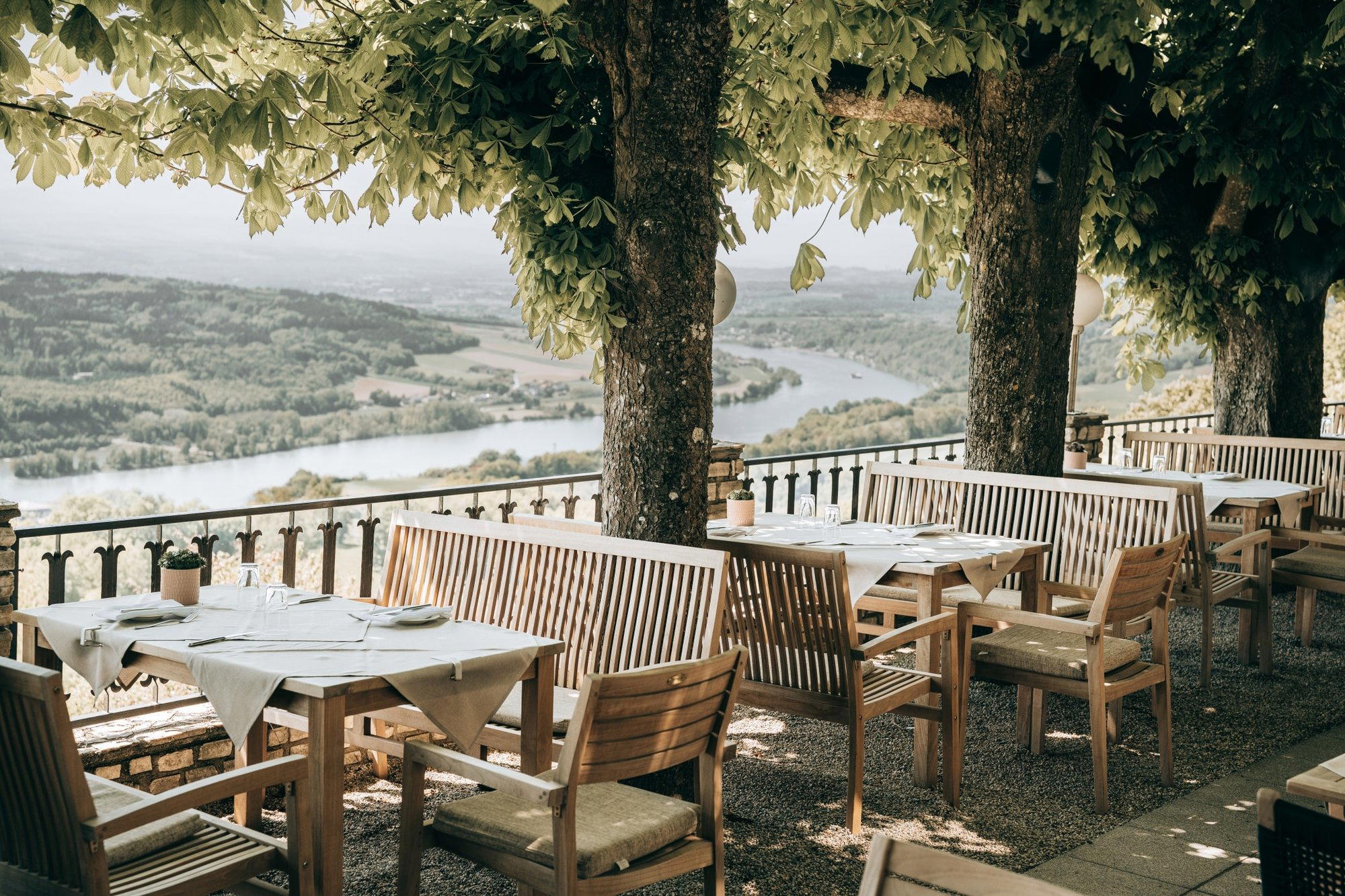
Where the Danube Valley Comes to the Table
The road up to Maria Taferl climbs through orchard country before the baroque silhouette of the pilgrimage basilica appears against the sky. The village sits above the Danube on the edge of the Nibelungengau, a stretch of Lower Austria where agriculture has remained small-scale and the kitchens of its few good hotels have long worked from what the surrounding land produces. Hotel Schachner occupies that position directly beneath the church at Maria Taferl 24, a placement that has made it a stopping point for visitors to the basilica for generations. In the Austrian Landhotel tradition, the distinction between guesthouse and restaurant is largely administrative: the kitchen is the reason many people book a room, and the room is why many diners linger long enough for another course.
Ingredient Geography: What the Nibelungengau Puts on the Plate
Austrian regional cooking, at its most coherent, is a product of geography rather than culinary fashion. The Nibelungengau corridor between Melk and Grein is apricot and wine country at its southern edges, transitioning into mixed farmland as the land rises toward the forested plateau where Maria Taferl sits. Kitchens in this part of Lower Austria have always worked with a short supply chain not as a marketing position but as a practical reality: the infrastructure for importing exotic produce at scale simply does not reach into villages of this size, and local farmers have supplied the same establishments for decades.
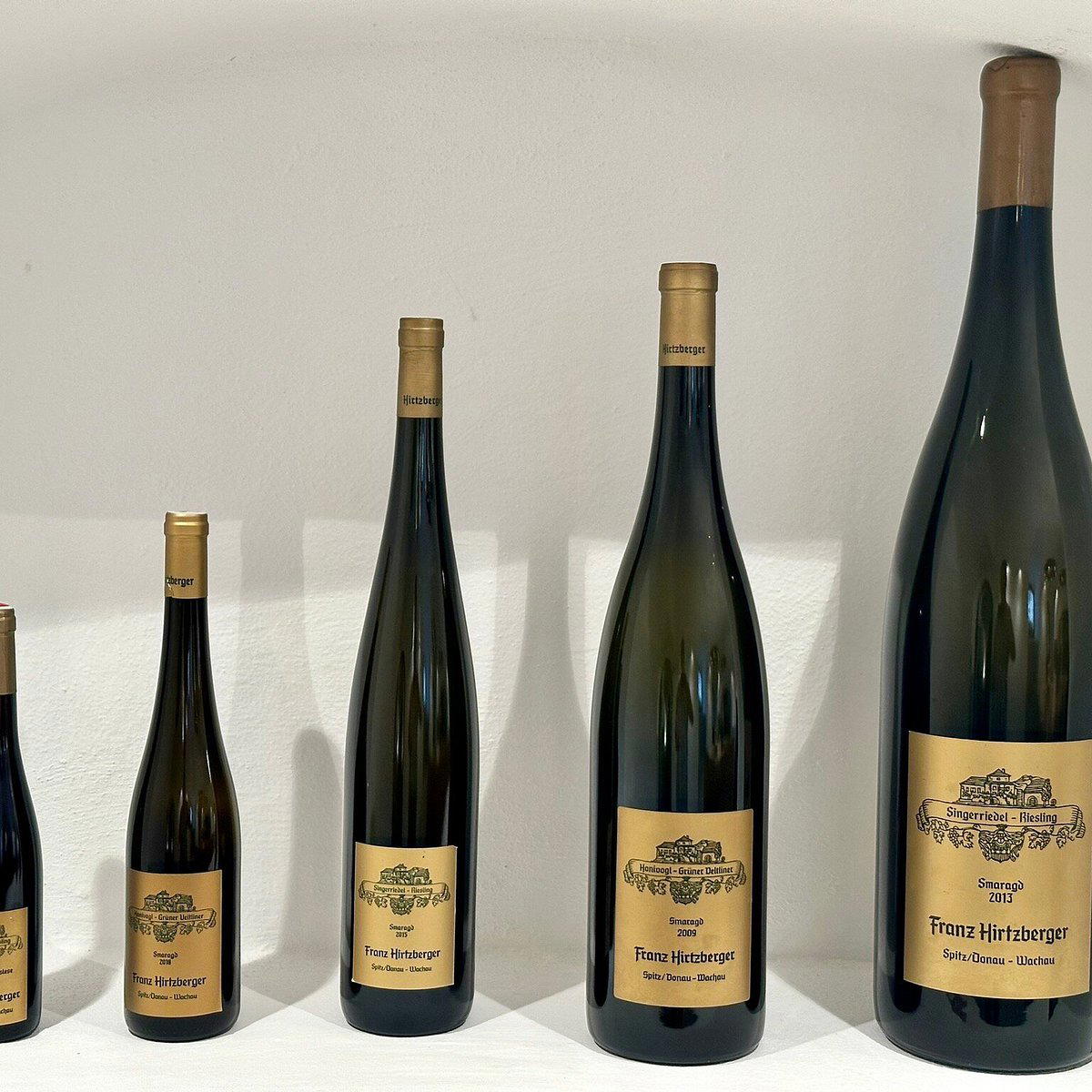
This matters because it shapes what ends up on the plate in ways that are legible to anyone who eats attentively. Vegetables carry more flavour when they have not spent four days in a distribution centre. River fish from the Danube, when handled correctly, tastes nothing like the farmed alternatives that fill most European menus. The Wachau and its hinterland produce some of Austria's most structured white wines, and the proximity of Hotel Schachner to those vineyards means the wine list, whatever its current composition, is drawing from a serious regional tradition. For a comparative sense of what that tradition looks like at its most decorated end, Landhaus Bacher in Mautern an der Donau, itself positioned along the Danube, offers a point of reference for the classical Austrian kitchen applied at high ambition.
The Pilgrim-Route Hotel as a Dining Category
Maria Taferl draws visitors for religious reasons, which means the hospitality infrastructure here evolved to serve people arriving with specific purposes rather than open-ended leisure. That context produces a particular kind of establishment: properties that combine honest regional cooking with accommodation built around function rather than design spectacle. The format is common across central Europe's pilgrimage corridors, from the Salzburg approaches to the routes through Styria, and it tends to produce cooking that is consistent and ingredient-led rather than technically experimental.
Austria's more technically ambitious kitchens sit in a different category entirely. Steirereck im Stadtpark in Vienna operates at the creative end of the national dining scene, as does Döllerer in Golling an der Salzach, which applies contemporary technique to alpine ingredients with precision. Ikarus in Salzburg runs a rotating guest chef format that places it firmly outside the regional-kitchen tradition. Hotel Schachner is not in conversation with those properties. Its comparable set is the network of family-run Landhotels that have served as the backbone of Austrian rural hospitality for well over a century, where the measure of quality is consistency and provenance rather than innovation. Other Austrian properties worth knowing for regional comparison include Obauer in Werfen, Taubenkobel in Schützen am Gebirge, and Kräuterreich by Vitus Winkler in Sankt Veit im Pongau, each of which interprets the regional-sourcing ethos at different price points and levels of ambition.
Planning a Visit: What to Expect Practically
Maria Taferl is accessible by road from Linz to the northwest and from Krems and the Wachau to the east, with both journeys passing through the kind of river-valley scenery that makes a long lunch in a Landhotel feel like a coherent use of an afternoon. The village has a small resident population, and outside the basilica's main pilgrimage seasons the pace is unhurried. For an overview of dining options in the area, our full Maria Taferl restaurants guide covers the broader local picture, including Restaurant Smaragd, the other notable dining address in the same village.
Properties of this type in Austria often make dinner part of the stay, particularly when regional wine pairings are available. Arrivals mid-week outside July and August will find the village and the dining room quieter than during peak pilgrimage periods. Those travelling further into the Austrian alpine dining circuit might also note addresses such as Gourmetrestaurant Tannenhof in Sankt Anton am Arlberg, Griggeler Stuba in Lech, Stüva in Ischgl, Schwarzer Adler in Hall in Tirol, Ois in Neufelden, Restaurant 141 by Joachim Jaud in Mieming, and Artis in Graz for properties that represent the range of Austrian regional dining at different ambition levels. And for those whose travels take them further afield, the contrast with technically driven urban kitchens like Le Bernardin in New York City or Atomix in New York City underlines just how distinct the central European Landhotel tradition is.
Fast Comparison
Comparable venues nearby, for context on price, style, and recognition.
| Venue | Cuisine | Price | Notes |
|---|---|---|---|
| Hotel SchachnerThis venue — the venue you are viewing | Regional Austrian with Seasonal Danube Valley Ingredients | $$$ | Not listed |
| Restaurant Smaragd | Modern Austrian Gourmet | $$$$ | Maria Taferl |
| Restaurant Richard Löwenherz | Traditional Austrian with Regional Specialties | $$$ | Dürnstein |
| Landgasthaus Böhm | Traditional Austrian Regional | $$$ | Weinzierl |
| G'Schlössl Murtal | Regional Styrian Austrian | $$$ | Lobmingtal |
| Griechenbeisl | Traditional Viennese | $$$ | Innere Stadt |
Continue exploring
More in Maria Taferl
Restaurants in Maria Taferl
Browse all →
Bars in Maria Taferl
Browse all →

Hotels in Maria Taferl
Browse all →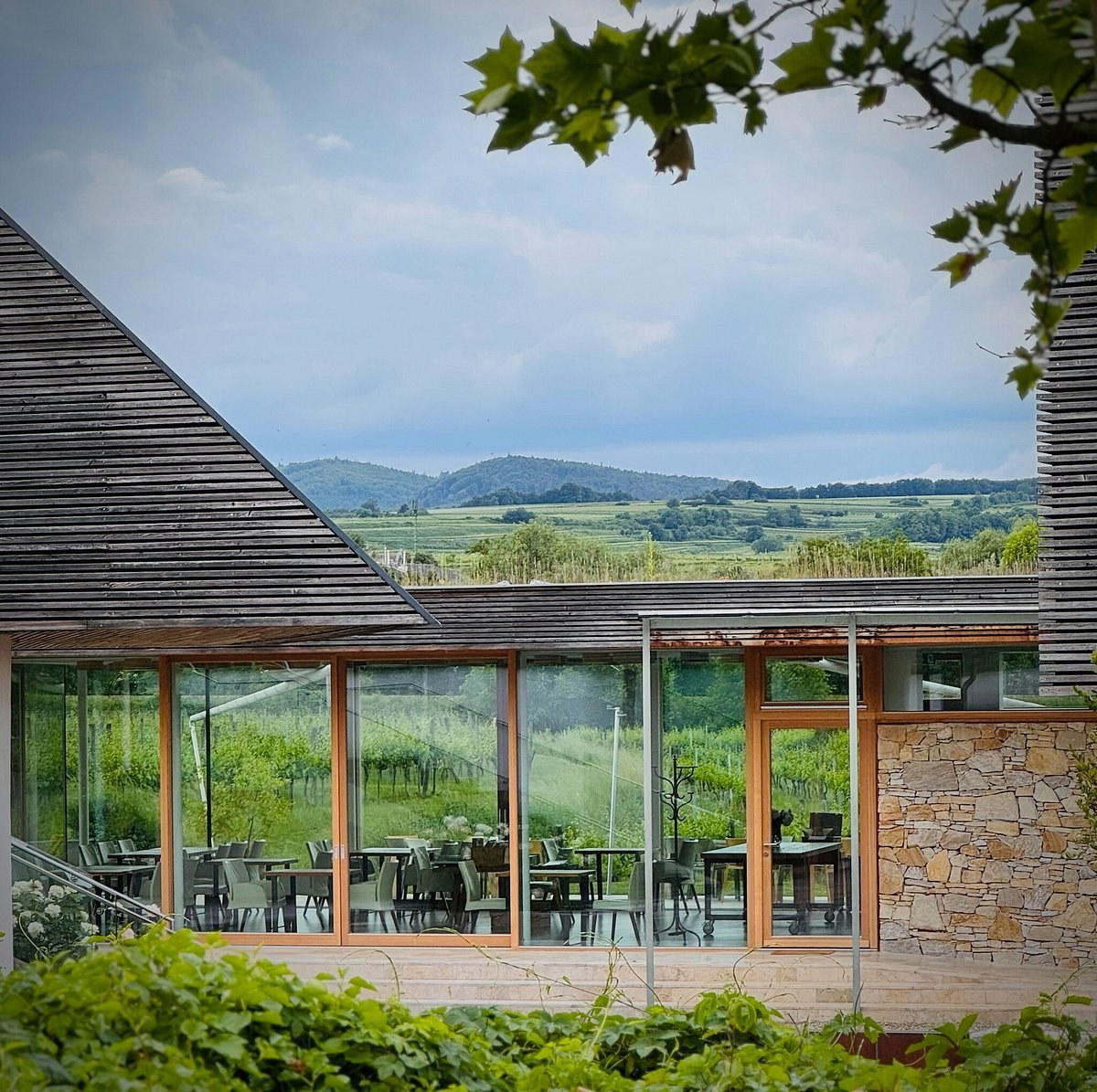
At a Glance
- Scenic
- Elegant
- Romantic
- Sophisticated
- Date Night
- Business Dinner
- Special Occasion
- Celebration
- Panoramic View
- Terrace
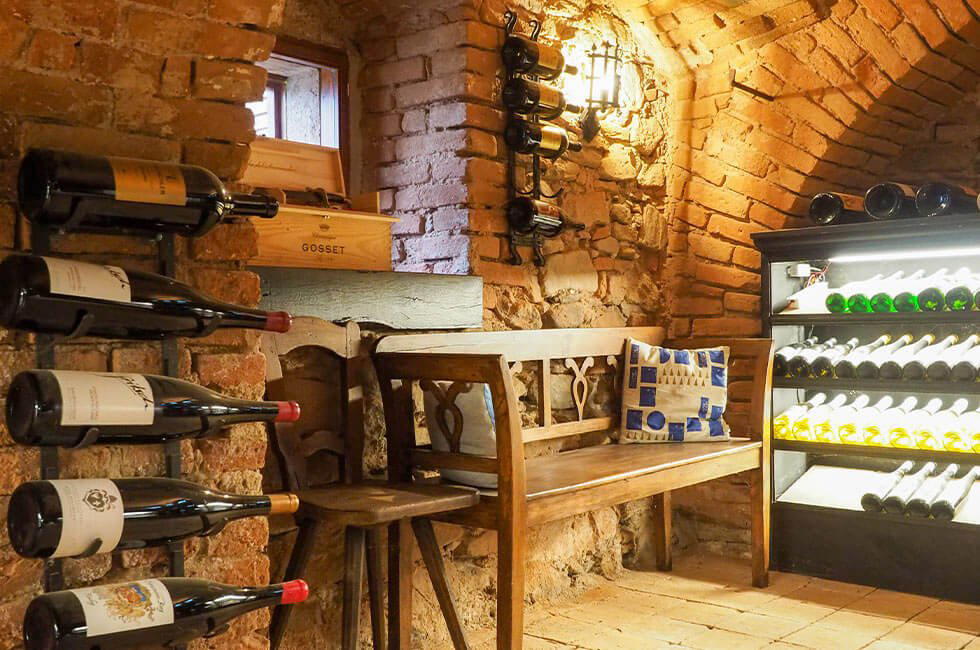
- Wine Cellar
- Hotel Restaurant
- Garden
- Extensive Wine List
- Sommelier Led
- Local Sourcing
- Farm To Table
- Waterfront
- Mountain
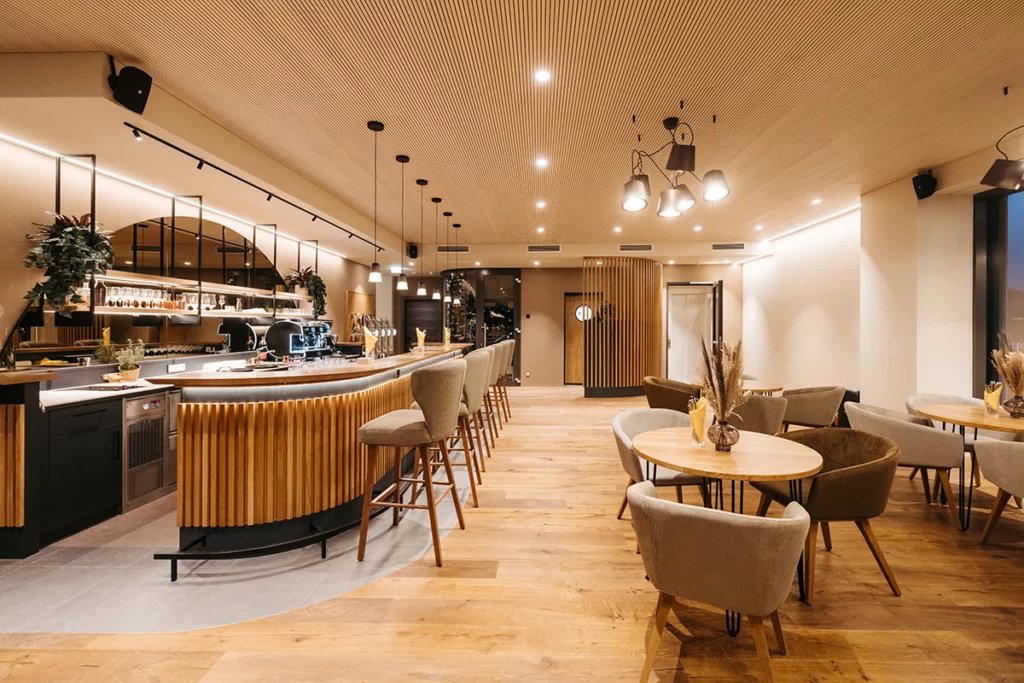
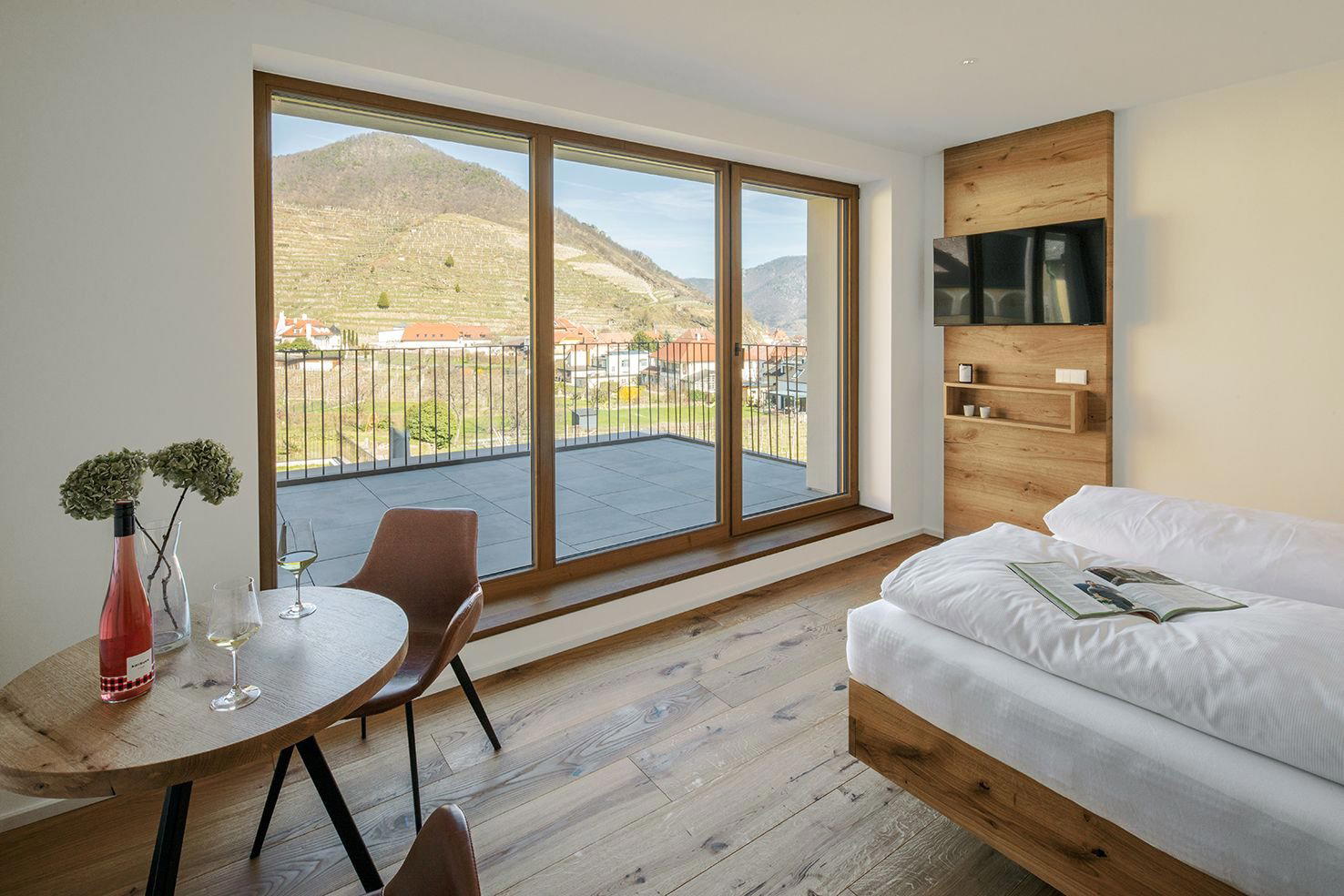
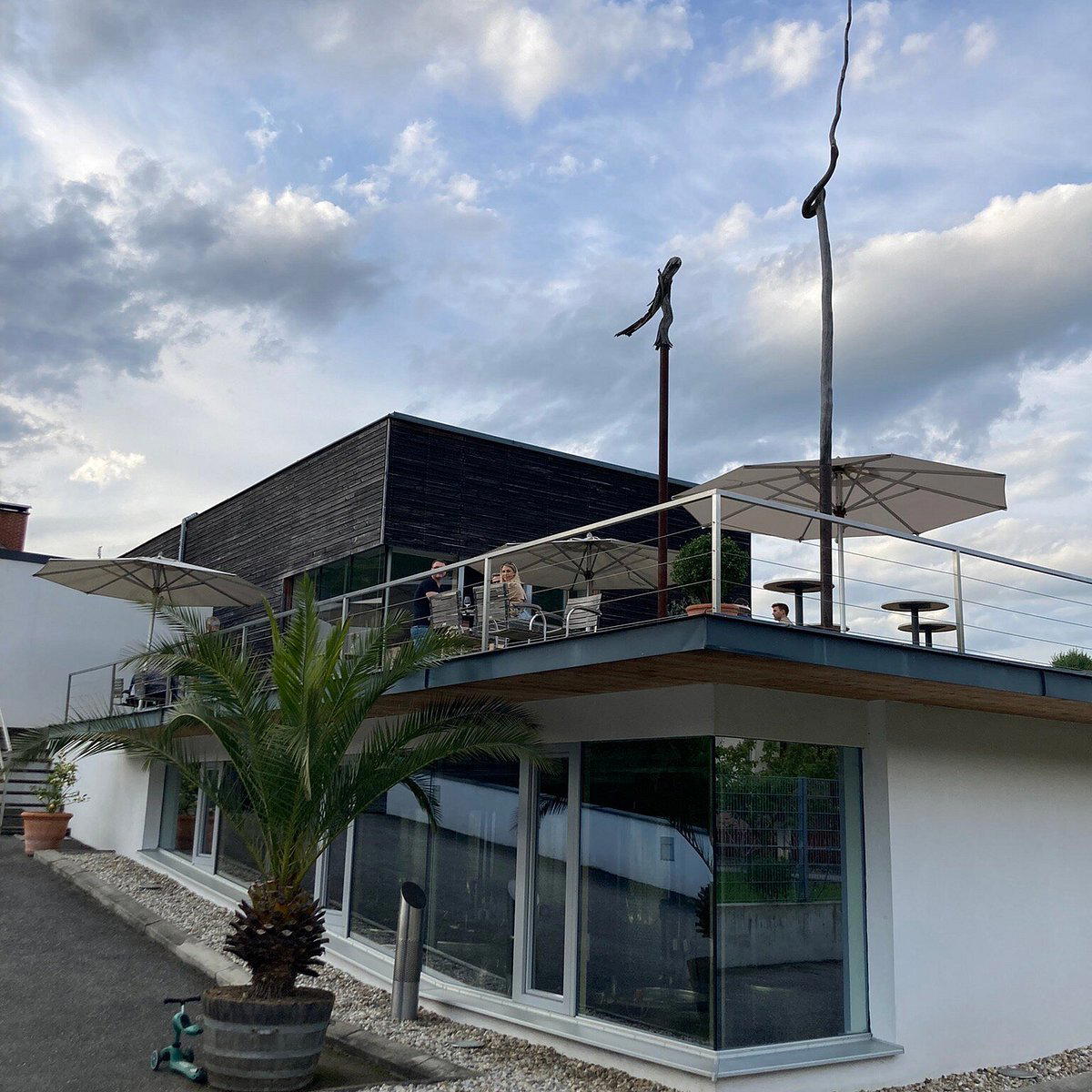
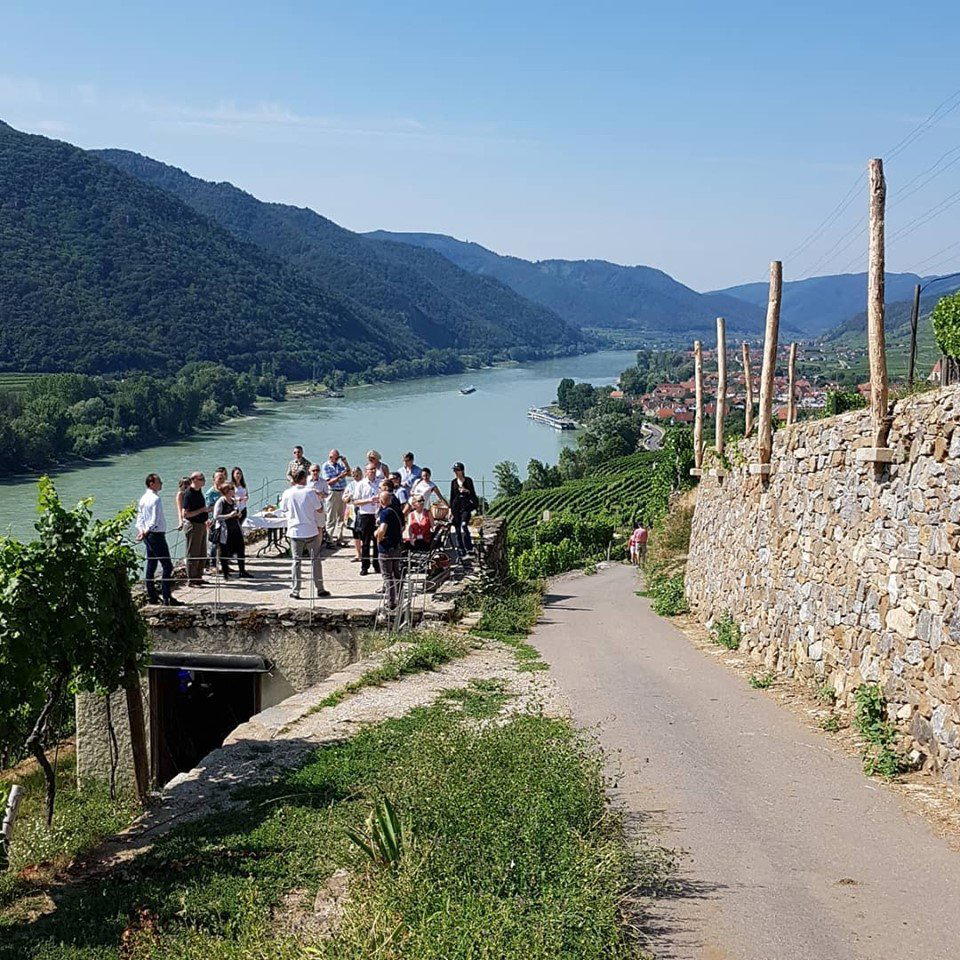
Elegant and refined with bright, naturally lit dining areas showcasing panoramic windows overlooking the Danube and Alpine foothills; warm, attentive service creates an upscale yet welcoming atmosphere.