Our verdict
A pizza address on Eggersdorfer Strasse in Amstetten, Elvis Pizzazz sits within a modest Lower Austrian town that has quietly built a more considered dining scene than its size suggests.

Pearl is the En Primeur Club membership app — saves, bookings, and concierge access live there. Same editors, same standards.
- Address
- Eggersdorfer Str. 43, 3300 Amstetten, Austria
- Phone
- +436764508518
- Hours
- Mon–Tue ClosedWed–Thu 11 AM–2:30 PM, 5–9:30 PMFri–Sat 11 AM–10 PMSun 11 AM–9:30 PM
- Website
- elvis-pizzazz.at
- Directions
- Get directions
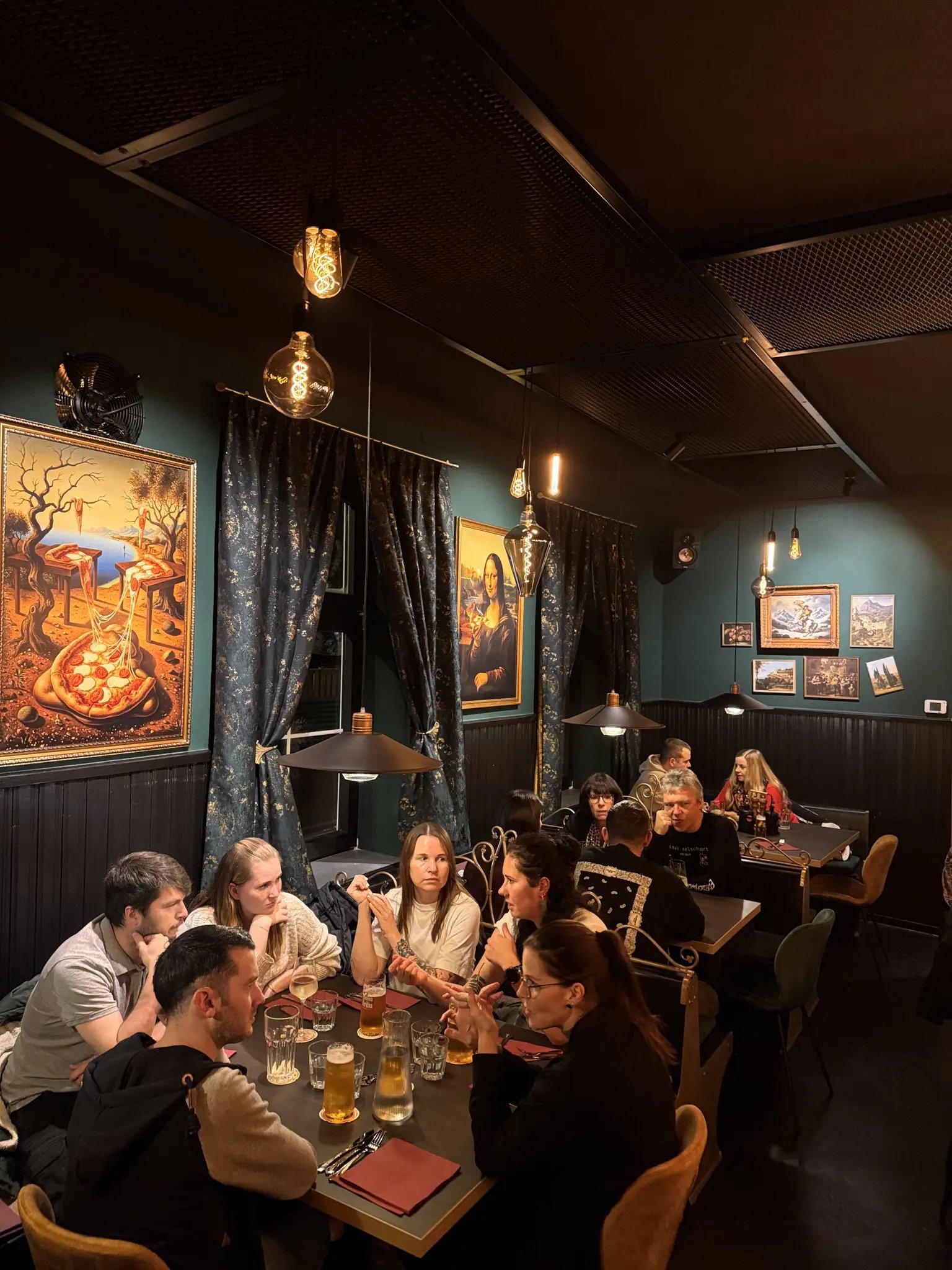
Pizza in a Provincial Town: What Amstetten's Dining Scene Actually Looks Like
Lower Austria's smaller cities rarely earn column inches in the food press, yet Amstetten — a Mostviertel market town of roughly 25,000 people on the rail corridor between Vienna and Salzburg — has accumulated a more layered set of dining options than its population would predict. The town sits at an intersection of agricultural tradition and transit convenience, which tends to produce a particular kind of hospitality: places that cook for regulars rather than tourists, where the sourcing of ingredients reflects regional proximity rather than imported prestige. Into that context, a pizza address like Elvis Pizzazz on Eggersdorfer Strasse makes a certain kind of sense. Pizza in central Europe has moved well beyond the generic, and Austrian towns at this scale now host operators whose sourcing decisions and dough practices vary considerably from one kitchen to the next.
Ingredient Sourcing and Why It Matters at This Price Point
Pizza is, more than almost any other format, a product of its inputs. The flour, the water chemistry, the fermentation time, the tomato variety, the fats used in the dough, these are not incidental choices. In Italy's most serious pizza cities, the sourcing argument has been well-documented: Neapolitan operations that use San Marzano DOP tomatoes and Caputo 00 flour operate in a different register from those using generic commodity ingredients, and the gap is apparent in the finished crust. Austrian pizza kitchens face a different supply map. Local flour mills in the alpine foothills produce strong, characterful wheat, and the country's dairy tradition means mozzarella-adjacent products of genuine quality are available without importing.
Amstetten's position in the Mostviertel, a region historically associated with cider-apple and pear orchards rather than viticulture, means that ingredient sourcing often skews toward the land rather than the cellar. Operators in towns like this tend to maintain relationships with farm suppliers simply because proximity makes it practical. The broader Austrian restaurant culture, well-represented at a higher tier by addresses such as Landhaus Bacher in Mautern an der Donau and Obauer in Werfen, has consistently placed seasonal and regional sourcing at the centre of its identity. That ethos filters down the price tiers, and a pizza kitchen in a town like Amstetten is not immune to it.
The Amstetten Context: A Town That Rewards Closer Attention
Amstetten's restaurant scene is small enough that individual operators carry disproportionate weight. The town has a handful of addresses with distinct identities: Hofcafe/Mojo occupies a different register, Hotel Exel serves the transit and accommodation market, and Le Burger anchors the fast-casual end. Stubersheimer Hof (Classic Cuisine), positioned in the classic cuisine and €€ tier, represents the town's more traditional Austrian dining option. Elvis Pizzazz, with its address on Eggersdorfer Strasse, sits within this modest competitive set as a pizza-specific operator, a format that, in Austrian provincial towns, increasingly competes on product quality rather than novelty.
The name itself signals something about the venue's positioning: a degree of informality, possibly a sense of humour, and a deliberate step away from the earnest Italian-authenticity branding that defines many pizza operations across central Europe.
Austrian Pizza in Broader Perspective
Austria's relationship with pizza is older than the country's recent artisan-pizza wave might suggest. The format arrived in Austrian cities in the 1960s and became embedded in the everyday dining repertoire well before the current focus on fermentation, flour provenance, and wood-fired technique. The contemporary moment in Austrian pizza, visible most clearly in Vienna but filtering outward, draws on Neapolitan method, Roman teglia formats, and occasionally hybrid approaches that incorporate local grain varieties or regional toppings. Comparing that movement to the serious pizza programs at addresses like Lazy Bear in San Francisco or even the sourcing discipline visible at Le Bernardin in New York City at a fine-dining level illustrates how ingredient provenance has become the dominant differentiator across format tiers. A pizza operation that can speak credibly about its flour, its tomato source, and its fermentation process is operating in a different conversation from one that cannot.
Austria's most decorated kitchens, from Steirereck im Stadtpark in Vienna to Döllerer in Golling an der Salzach, and extending to regional standouts like Kräuterreich by Vitus Winkler in Sankt Veit im Pongau, Stüva in Ischgl, Gourmetrestaurant Tannenhof in Sankt Anton am Arlberg, Schwarzer Adler in Hall in Tirol, Taubenkobel in Schützen am Gebirge, Ois in Neufelden, and Restaurant 141 by Joachim Jaud in Mieming, have established a national culinary identity built around produce relationships and seasonal discipline. That culture creates upward pressure even at the informal end of the market. A pizza kitchen in Amstetten operates within that general expectation, even if it is not directly competing with Michelin-rated rooms.
Planning a Visit: What to Know
Elvis Pizzazz is located at Eggersdorfer Str. 43, 3300 Amstetten. Amstetten is served by direct rail connections on the Westbahn corridor, making it accessible from Vienna (under an hour) and from Salzburg (roughly two hours), which positions the town as a practical stop rather than a dedicated destination for most travellers. For a broader picture of what the town offers, the EP Club Amstetten restaurants guide maps the full set of options across format and price tier.
Frequently asked questions
Is Elvis Pizzazz okay with children?
Pizza formats are broadly family-friendly by nature, and Amstetten's provincial dining scene tends toward relaxed, unfussy service rather than formal restaurant codes. Nothing in the venue's profile at Eggersdorfer Str. 43 signals otherwise.
What kind of setting is Elvis Pizzazz?
Elvis Pizzazz is a pizza-focused address on Eggersdorfer Str. 43 in Amstetten, a Mostviertel market town of around 25,000 people in Lower Austria. The setting reflects Amstetten's broader dining character: small-scale, operator-driven, and a long way from the self-conscious theatre of Vienna's food scene. Expect a neighbourhood register rather than a destination-restaurant one.
Is Elvis Pizzazz a good option for visitors arriving by train from Vienna?
Amstetten sits on the Westbahn corridor with direct rail connections from Vienna, making the town reachable without a car. Elvis Pizzazz at Eggersdorfer Str. 43 is in the Amstetten urban area, and for travellers passing through or stopping specifically for a meal, a pizza-focused venue in a small Lower Austrian town represents a different proposition from the capital's artisan-pizza operators. It is worth setting expectations around the provincial scale of the scene rather than benchmarking against Vienna.
What's the best thing to order at Elvis Pizzazz?
At a pizza-focused operation, the dough and tomato base are the clearest indicators of quality — both are worth interrogating when you arrive. Ask the staff what they're making most on a given day.
Where is Elvis Pizzazz in Amstetten?
Elvis Pizzazz is located at Eggersdorfer Str. 43, 3300 Amstetten, Austria, Amstetten.
How far ahead should I plan for Elvis Pizzazz?
In a town the size of Amstetten, walk-in availability is plausible at many pizza addresses, but calling ahead is prudent, particularly on weekends. Amstetten is accessible by direct rail on the Westbahn corridor, so planning your wider journey first is a reasonable starting point.
What's Elvis Pizzazz best at?
The venue operates in a pizza format in Amstetten, a town where individual restaurant operators carry disproportionate weight given the modest size of the overall dining scene. 43 makes it a practical option for pizza in the Mostviertel area. On-the-ground assessment will tell you more than any published record currently can.
Comparable Spots, Quickly
Comparable venues nearby, for context on price, style, and recognition.
| Venue | Cuisine | Price | Notes |
|---|---|---|---|
| Elvis PizzazzThis venue — the venue you are viewing | Neapolitan Pizza | $10–20 | Not listed |
| Le Burger | Austrian Craft Burgers | $10–20 | City Center |
| Hofcafe/Mojo | Casual Cocktail Bar & Café | Not listed | Amstetten |
| Hotel Exel | Austrian Regional | $20–30 | city center |
| Casa Borbone | Authentic Southern Italian Street Food (Sicilian & Neapolitan) | $20–30 | Alsergrund |
| Monte Rosa | Sardinian & Italian Trattoria | $20–30 | Gersthof |
Continue exploring
More in Amstetten
Restaurants in Amstetten
Browse all →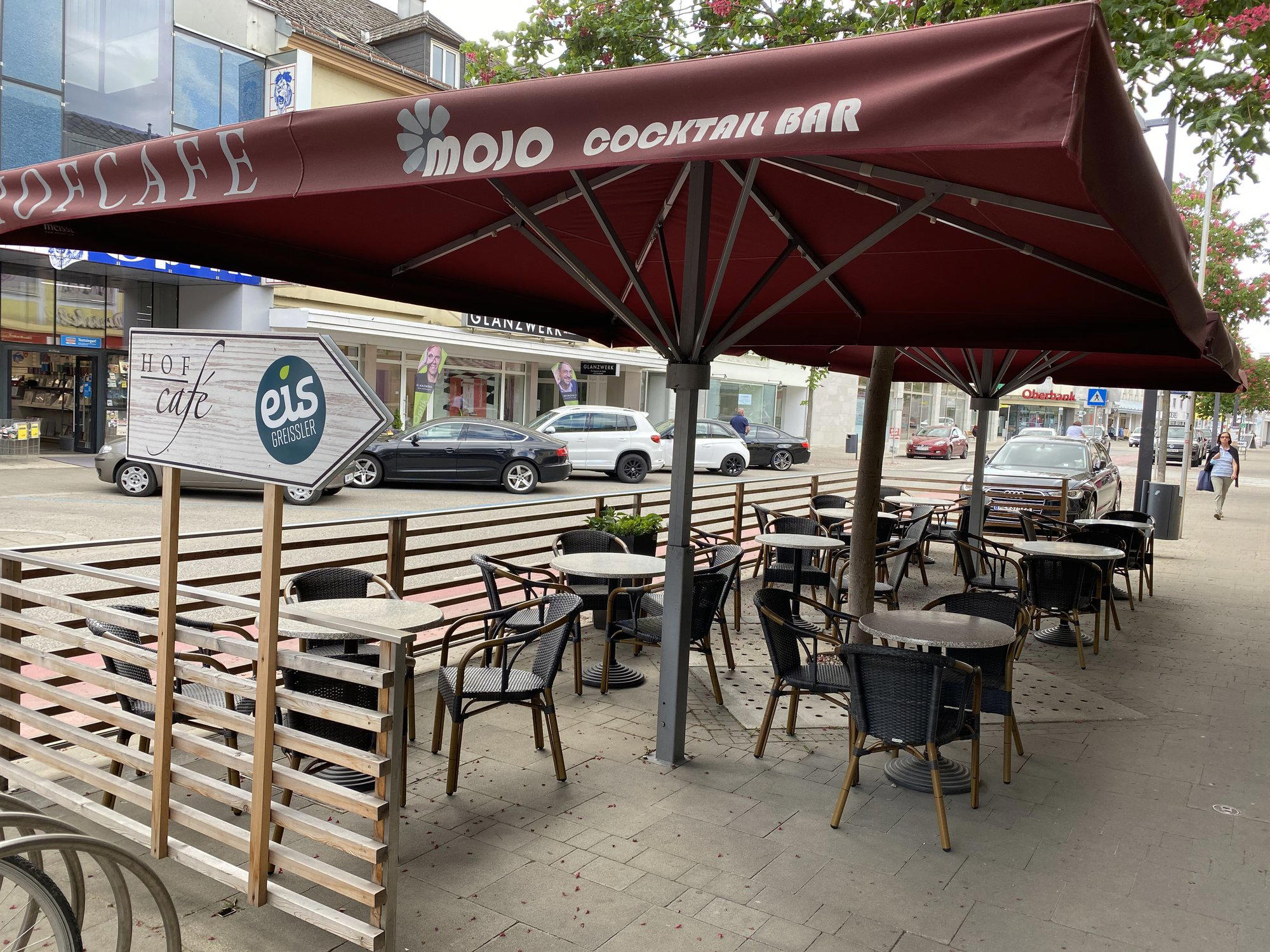

Bars in Amstetten
Browse all →

Hotels in Amstetten
Browse all →

Details
- Trendy
- Lively
- Casual Hangout
- A La Carte
- Vegan Options
Current opening hours
- Monday
- Closed
- Tuesday
- Closed
- Wednesday
- 11 AM–2:30 PM, 5–9:30 PM
- Thursday
- 11 AM–2:30 PM, 5–9:30 PM
- Friday
- 11 AM–10 PM
- Saturday
- 11 AM–10 PM
- Sunday
- 11 AM–9:30 PM
Hours can change for holidays and private events. Last verified .
Casual street food atmosphere from a food truck with fresh, oven-baked pizzas.