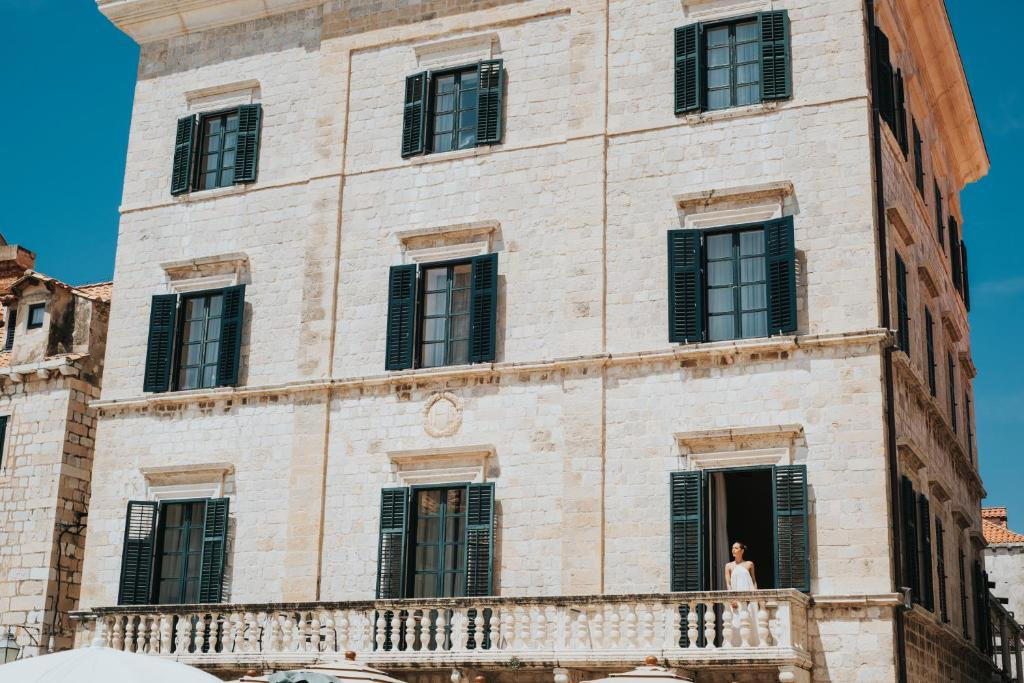
Situated in Dubrovnik's Old Town on Poljana Ruđera Boškovića, Restaurant Kopun occupies a corner of the city where stone walls and open sky define the setting before any food arrives. The kitchen draws on Dalmatian culinary tradition, placing Kopun among a small group of Dubrovnik restaurants that treat regional cooking as a serious discipline rather than a tourist accommodation. Reservations are advisable, particularly during the high summer season.
Pearl is the En Primeur Club membership app — saves, bookings, and concierge access live there. Same editors, same standards.
- Address
- Poljana Ruđera Boškovića 7, 20000, Dubrovnik, Croatia
- Phone
- +385 20 323 969
- Website
- restaurantkopun.com
- Directions
- Get directions
 Saves & bookings on Pearl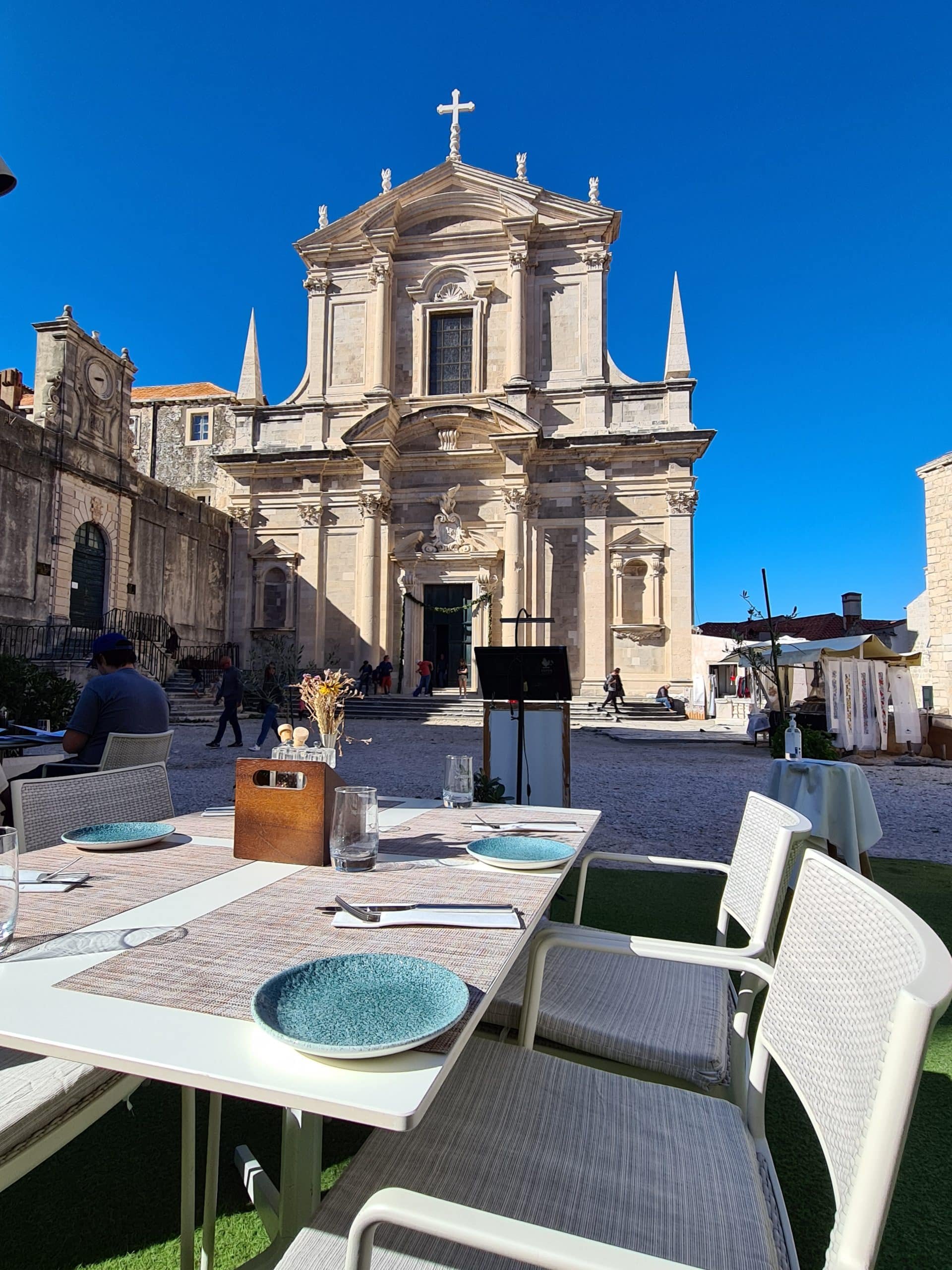
Stone Walls, Open Courtyards, and the Pace of a Dalmatian Table
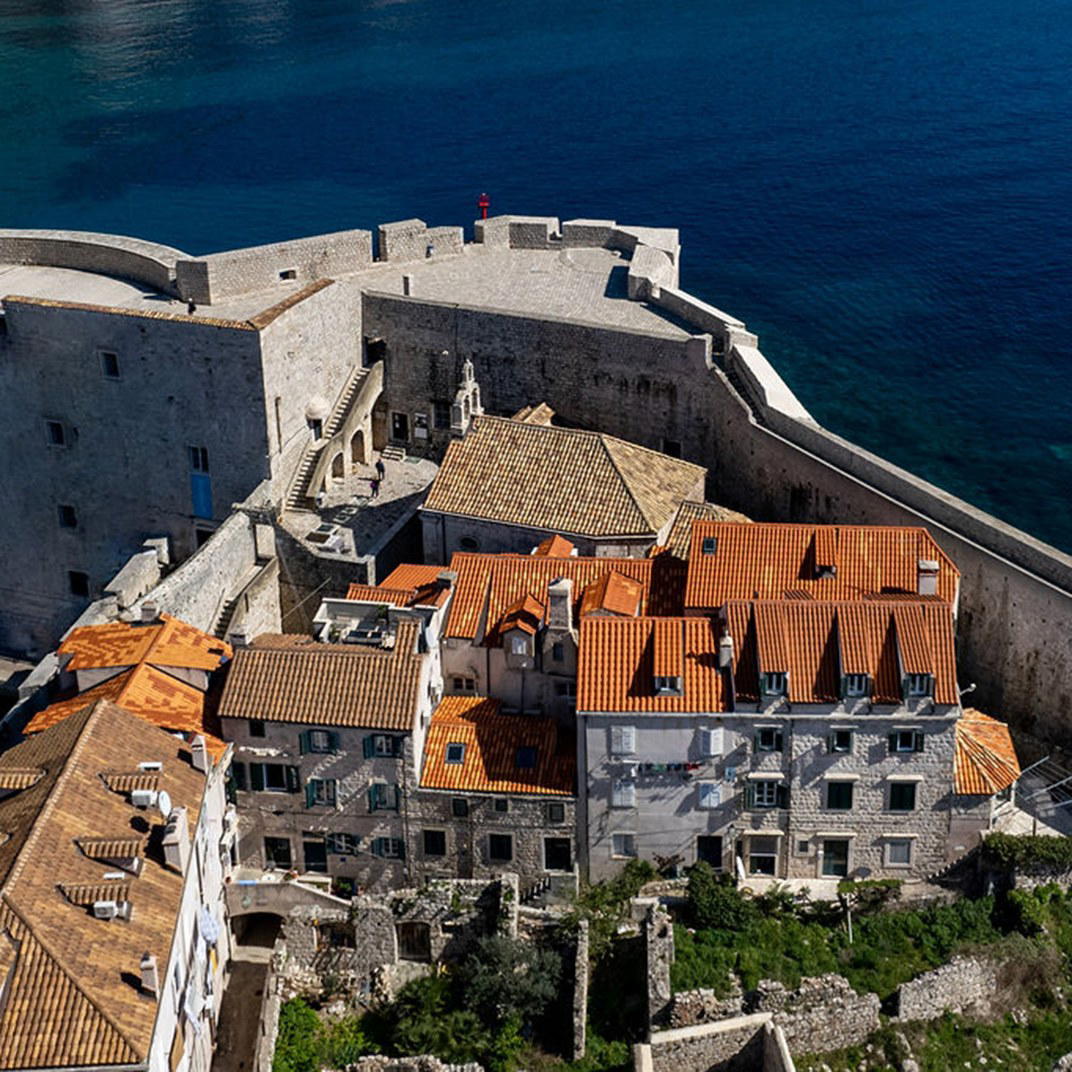
Approaching the Old Town from the Pile Gate, the maze of limestone lanes narrows and widens in ways that reward slow movement. Poljana Ruđera Boškovića sits within that network, a square named for the 18th-century Ragusan polymath Ruđer Bošković, and the physical address of Restaurant Kopun. Before you sit down, the setting does considerable work: the compressed scale of the old city means you arrive on foot, past carved doorways and the ambient noise of other diners spilling from adjacent terraces. There is no parking, no valet, no buffer of distance between the street and the table. This is, by design and geography, a walk-in relationship with a city.
In Dubrovnik, where the summer tourist density is among the highest in the Adriatic, a restaurant that holds to a Dalmatian identity rather than defaulting to pan-European hotel food occupies a specific and increasingly rare position. The city's dining options split broadly into two registers: the high-spend, view-maximising tier, where Restaurant 360 (International, Modern Cuisine) operates at the €€€€ end of the market with its city walls backdrop, and a smaller group of establishments that treat the region's culinary traditions as the primary material. Restaurant Kopun belongs to the latter group, with traditional Croatian cooking shaped by a modern twist and an average price of about $65 per person. Kopun places itself in this second group, and that positioning shapes everything about how a meal unfolds here.
The Ritual of a Dalmatian Meal
Dalmatian dining has its own pacing logic, one that predates the tourism economy and reflects a coastal culture built around extended tables, shared plates, and a sequence that moves slowly through fish, meat, and vegetables without much regard for the clock. The meal structure that restaurants like Kopun inherit is not a tasting menu format, nor the rapid-turnover model that high-volume tourist districts elsewhere in Europe tend to enforce. It is closer to the rhythm of a Sunday lunch at a konoba, the regional term for a traditional tavern, where the antipasto arrives as conversation, the main course as event, and the close of the meal as an open question.
That tradition anchors what distinguishes the more serious end of Dubrovnik's dining scene from its louder competitors. Compare Kopun's positioning to a place like Bistro Tavulin (Traditional Cuisine), which operates in a similar €€ territory with an emphasis on traditional cooking, or Barba, which takes a more casual approach to Dalmatian seafood. Each of these operates from the same regional pantry, the Adriatic catch, the local olive oils, the wines of the Pelješac peninsula, but interprets the material at a different level of formality and investment.
Across Croatia's more ambitious restaurants, this regional-ingredient discipline has produced a recognisable tier of cooking that draws comparisons with what destinations like Istria have built over a longer period. Agli Amici Rovinj in Rovinj and Pelegrini in Sibenik represent the Michelin-recognised end of that spectrum, where Croatian produce is handled with technical precision that competes directly with northern European fine dining. Kopun operates at a less formally credentialled level than those establishments, but shares the underlying commitment to Dalmatian sourcing that defines the better end of Croatian coastal cuisine.
What the Kitchen Signals About the Region
The dish that gives the restaurant its name is capon, the castrated rooster that was historically a prestige protein in Ragusan households, prepared for important guests and feast days. Using that specific bird as an identity marker is a deliberate act of culinary archaeology: it positions the kitchen as engaged with the actual food history of Dubrovnik, not the simplified version that ends at grilled fish and peka-baked lamb. Whether the capon is the centrepiece of a seasonal menu or one element among several regional preparations, its presence as a naming device signals the kitchen's orientation toward research-grounded Dalmatian tradition.
That orientation places Kopun in a recognisable pattern across Croatia's better restaurants, a kitchen that treats the regional archive as a working document rather than a decorative backdrop. You see the same approach at LD Restaurant in Korčula, where Dalmatian ingredients are handled with comparable seriousness, and at Boskinac in Novalja, where island produce drives a similarly rooted menu. The distinction between these places and the broader tourist-facing dining market in their respective cities is the same: a kitchen willing to do the research rather than reach for the expected.
Dubrovnik's Dining Tier and Where Kopun Sits
Positioning Kopun within Dubrovnik's competitive set requires acknowledging that the city's dining scene is shaped by an unusual demand curve. Summer months bring extreme visitor volume to a walled city with fixed physical capacity, which compresses the window in which most restaurants do the majority of their annual business. This produces a market where restaurants at the upper end of the local price range, the four-euro-sign tier occupied by Restaurant 360, trade heavily on setting and spectacle, while mid-tier establishments either survive on tourist throughput or build a local and informed-visitor clientele that returns for the food itself.
Kopun's address on a quieter internal square, away from the main Stradun artery, is a practical filter. Visitors who find it are generally looking for it. That self-selection shapes the room. Alongside venues like Above 5 and Bistro 49, Kopun represents the part of Dubrovnik's food offering that rewards prior research rather than spontaneous walk-in decisions.
For a wider read on the Croatian restaurant scene, the comparison set extends well beyond Dalmatia. Nebo by Deni Srdoč in Rijeka, Korak in Jastrebarsko, and Dubravkin Put in Zagreb each represent the inland counterpart to what coastal Dalmatia is doing with its own produce, a national dining scene that has become considerably more interesting in the past decade without yet attracting the international attention that its ambition warrants.
Planning a Meal at Kopun
Restaurant Kopun sits at Poljana Ruđera Boškovića 7 in Dubrovnik's Old Town, reachable only on foot from any of the city gates. During high season (June through August), Dubrovnik's Old Town fills to capacity by mid-afternoon, and evening tables at any restaurant with a reputation require advance booking; arriving without a reservation during peak months is a low-probability strategy. The shoulder months of May and September offer a more reasonable experience of the city itself and somewhat easier access to tables. For those extending a Croatian itinerary, Alfred Keller in Mali Lošinj, San Rocco in Brtonigla, and Krug in Split offer regional-cooking reference points further along the Adriatic coast and islands.
Cuisine Lens
Comparable venues nearby, for context on price, style, and recognition.
| Venue | Cuisine | Price | Notes |
|---|---|---|---|
| Restaurant KopunThis venue — the venue you are viewing | Traditional Croatian with Modern Twist | $$$$ | Not listed |
| Ul. od Sigurate 2 | Mediterranean Seafood | $$$ | Old Town |
| Konoba Maestro | Authentic Croatian Mediterranean | $$$ | Ploče |
| Above 5 | Modern Mediterranean Fine Dining | $$$$ | Old Town |
| Orsan | Dalmatian Seafood | $$$ | Lapad |
| Restaurant Panorama | Mediterranean Seafood with Croatian Influences | $$$ | Mount Srđ |
Continue exploring
More in Dubrovnik
Restaurants in Dubrovnik
Browse all →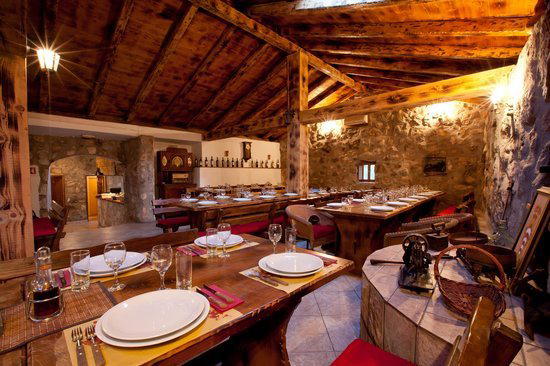
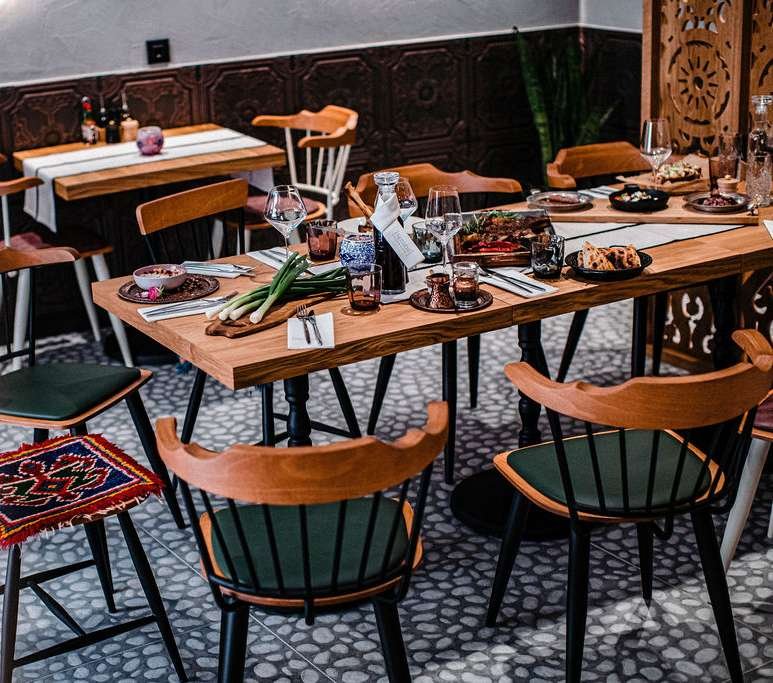
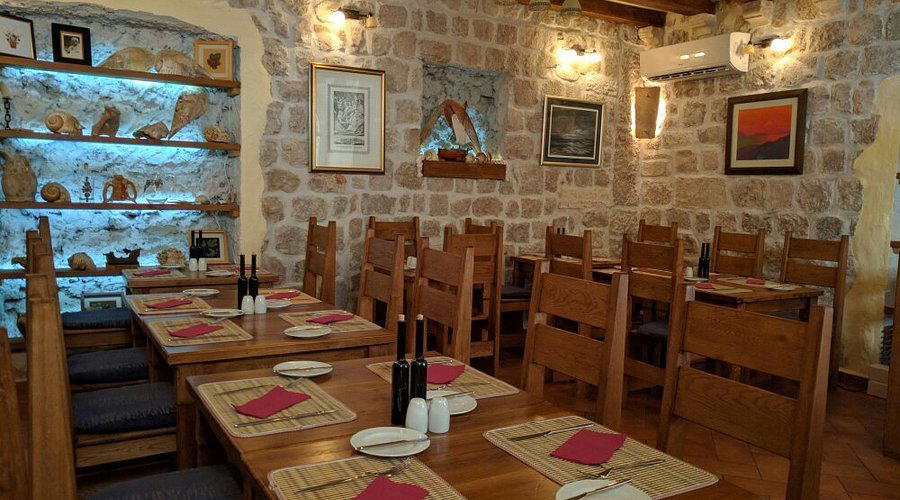
Bars in Dubrovnik
Browse all →

At a Glance
- Romantic
- Classic
- Elegant
- Intimate
- Date Night
- Special Occasion
- Celebration
- Terrace
- Historic Building
- Standalone
- Sommelier Led
- Local Sourcing
- Organic
- Street Scene
Current opening hours
- Monday
- 10 AM–9 PM
- Tuesday
- 10 AM–9 PM
- Wednesday
- 10 AM–9 PM
- Thursday
- 10 AM–9 PM
- Friday
- 10 AM–9 PM
- Saturday
- 10 AM–9 PM
- Sunday
- 10 AM–9 PM
Hours can change for holidays and private events. Last verified .
Mellow and romantic with terrace dining overlooking the Jesuit Church square; elegant interior with designed black chairs and tables; peaceful, refined atmosphere.