Our verdict
Positioned on Dubrovnik's Lapad waterfront at Obala Ivana Pavla II 49, Bistro 49 occupies a stretch of the Adriatic coast where the city's summer dining season runs at full intensity from June through September. The address places it outside the Old Town's tourist density, in a neighbourhood where locals and longer-stay visitors tend to settle. Expect Dalmatian coastal cooking in a waterfront setting that rewards an unhurried evening.

Pearl is the En Primeur Club membership app, where members save venues, book tables and use the concierge.
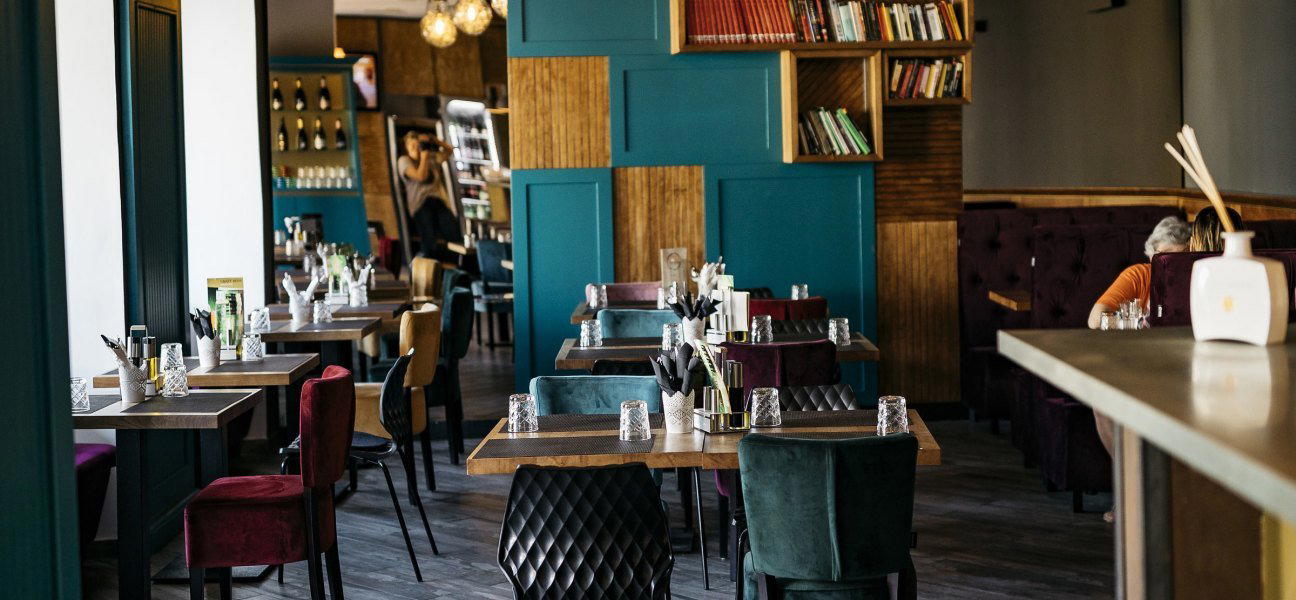
The menu
What to order
- Burger B49
- Stonska Torta
- Beet Pasta
- Shrimp Ceviche
The Waterfront Setting That Defines the Meal
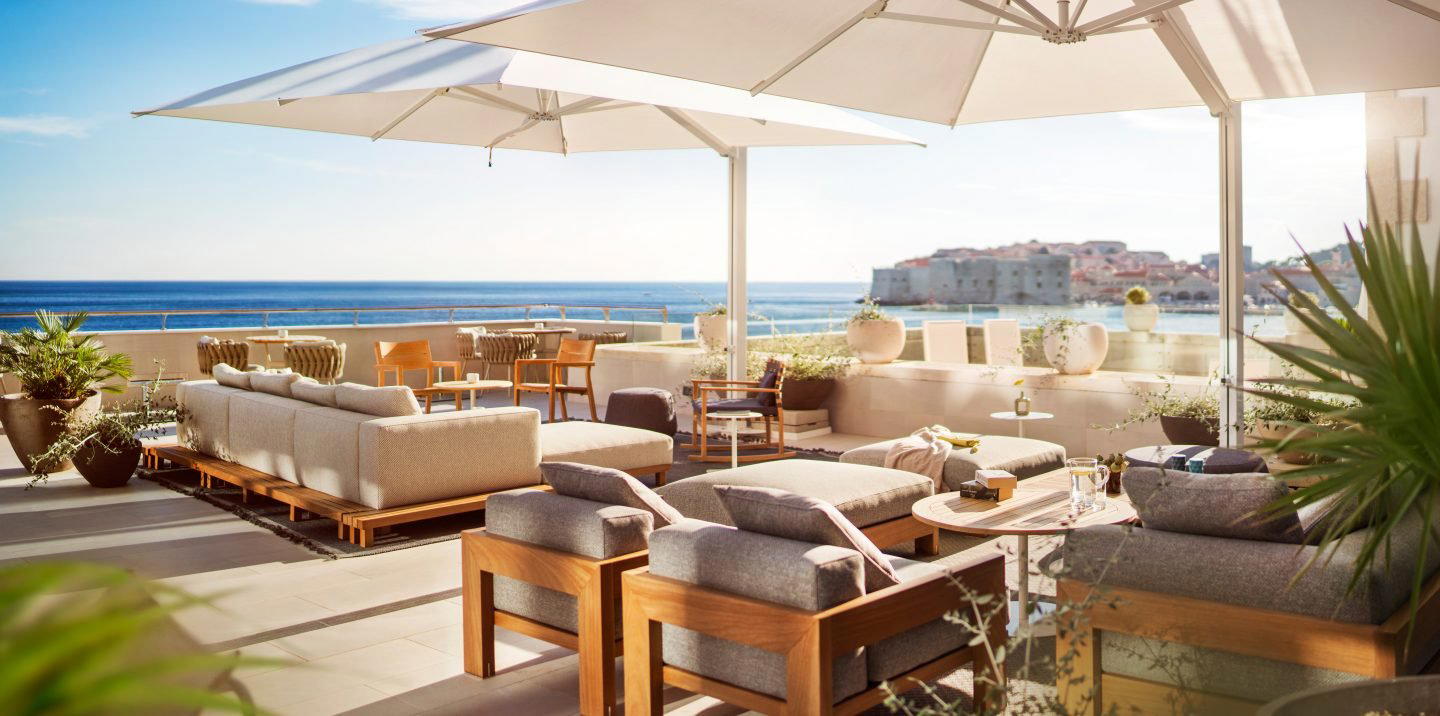
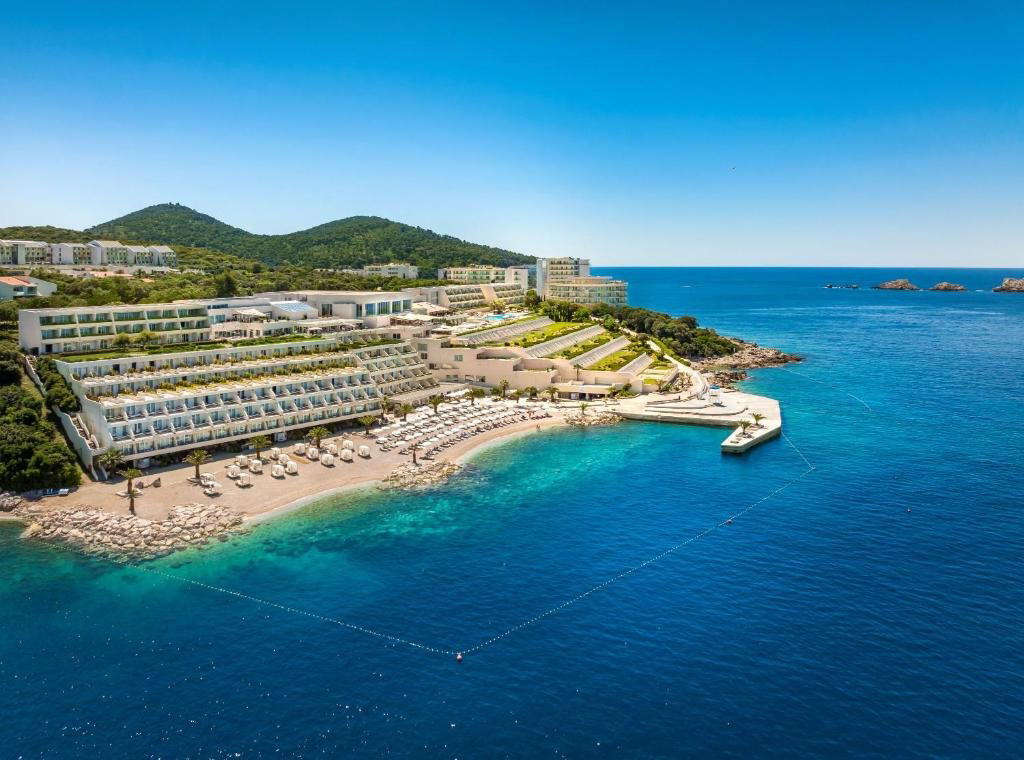
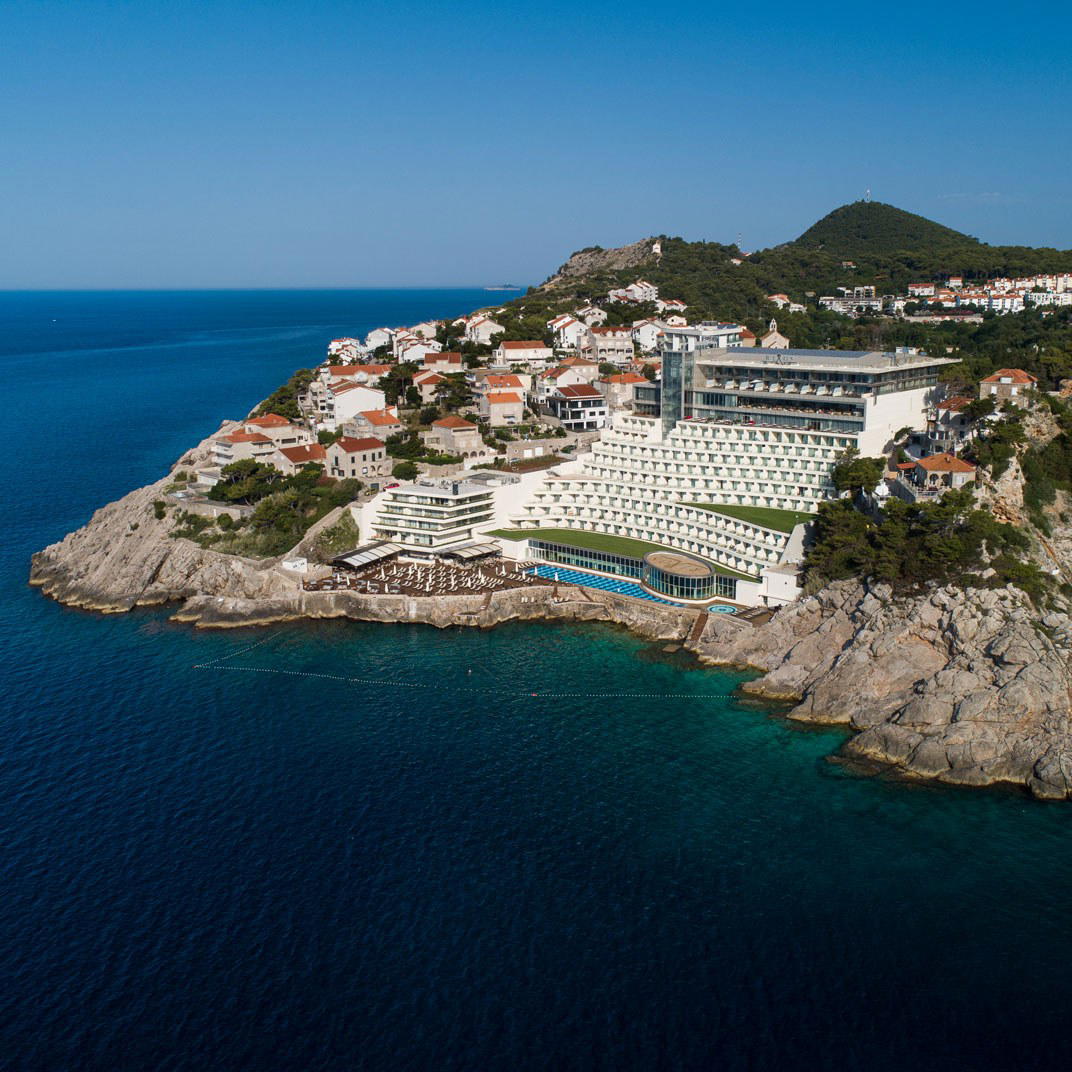
Dubrovnik's dining geography divides cleanly between two worlds: the compressed, stone-walled intensity of the Old Town, where every square metre commands a premium and the crowds rarely thin before midnight in summer, and the quieter Lapad peninsula, where the Adriatic edge opens up and the pace drops noticeably. Bistro 49 sits on the latter, at Obala Ivana Pavla II 49, a waterfront address that positions it along one of the more relaxed stretches of Dubrovnik's coastline. Approaching along the promenade in the early evening, with the light hitting the water at a low angle and the Old Town's walls visible in the middle distance, the setting does a significant amount of the work before you've looked at a menu.
That physical context matters more in Dubrovnik than in most cities. The Croatian coast has a specific quality of late-afternoon light, diffuse, warm, and prolonged in the summer months, that shapes how waterfront restaurants feel at the hour when dinner begins. Bistro 49's position on the Lapad seafront means it catches that light directly, and the gap between a terrace seat here and one inside the Old Town's narrow alleyways is the difference between a meal with a view and a meal with a backdrop.
Lapad in the Dalmatian Dining Context
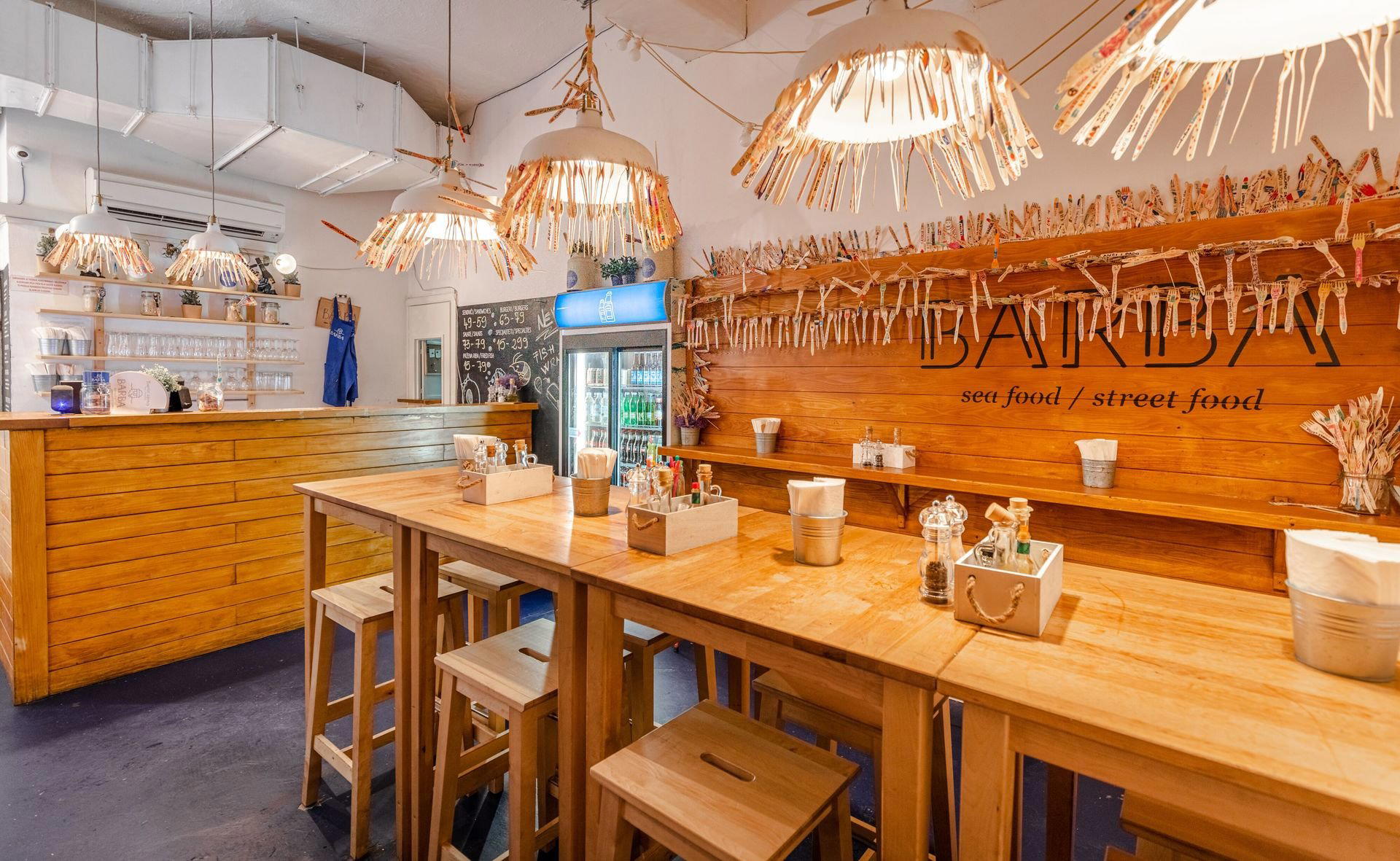
Understanding where Bistro 49 sits within Dubrovnik's broader restaurant scene requires a short map of the city's dining tiers. At the leading end, Restaurant 360 (International, Modern Cuisine) operates from the Old Town walls at the €€€€ price point, with a format built around contemporary European tasting menus and a terrace that looks directly over the port. Above 5 and Bowa occupy similarly ambitious territory. Then there is a middle tier, where places like Bistro Tavulin (Traditional Cuisine) and Barba handle Dalmatian cooking with more attention to craft than the tourist-volume places around Stradun. Bistro 49's Lapad address keeps it away from the highest-traffic zones while still maintaining a waterfront position that most cities would reserve for their priciest operators.
Lapad functions as the residential and hotel district for visitors who prefer to be within reach of the Old Town without being inside its summer compression. The neighbourhood's restaurants tend toward a more regular-return clientele than the one-and-done dynamic of Old Town dining, which shifts how kitchens calibrate their output. Consistency matters differently when you're cooking for guests who will eat at your tables three or four times over a week-long stay.
Dalmatian Coastal Cooking: What the Cuisine Represents
The Dalmatian cooking tradition is one of the more coherent regional cuisines on the eastern Adriatic, built on a short list of high-quality ingredients: freshly caught Adriatic fish and shellfish, olive oil from the coastal groves, vegetables grown in the karst soil behind the coast, and the specific wines of the Dalmatian hinterland. The tradition draws simultaneously on Croatian inland influences and centuries of Venetian and Mediterranean contact, producing a cuisine that is neither purely Slavic nor Mediterranean but sits at the intersection of both.
Seafood is the structural centre. Grilled fish on the Dalmatian coast follows specific conventions: the fish should be from the Adriatic that day, prepared with olive oil and fresh herbs, and the quality is determined almost entirely by sourcing and timing rather than technical elaboration. Peka, the slow-cooking method using a bell-shaped lid covered in embers, applies to octopus and lamb with equal facility and remains one of the most distinctively Croatian preparations in the coastal repertoire. Brodetto, the slow-simmered fish stew that appears across the coast under various names, rewards patience from both kitchen and diner. These are the dishes that define what a serious Dalmatian coastal restaurant is expected to do well.
Croatia's broader fine dining circuit extends well beyond Dubrovnik. Pelegrini in Sibenik and LD Restaurant in Korčula represent the kind of Dalmatian restaurants that have attracted sustained critical attention. Further up the Adriatic coast, Agli Amici Rovinj in Rovinj and Nebo by Deni Srdoč in Rijeka operate at the tier where Michelin attention becomes a relevant reference point. For visitors building a broader Croatian itinerary, Alfred Keller in Mali Lošinj, Boskinac in Novalja, Korak in Jastrebarsko, San Rocco in Brtonigla, and Dubravkin Put in Zagreb all form part of a serious Croatian dining circuit. Krug in Split covers the central Dalmatian coast with a similar commitment to local sourcing. For contrast at the global scale, Le Bernardin in New York City and Lazy Bear in San Francisco illustrate the kind of destination-restaurant format that Croatia's most ambitious kitchens are beginning to reference in their own terms.
When to Go and How to Plan
Dubrovnik's restaurant season peaks between June and September, when the city's population swells dramatically and table availability at well-positioned waterfront spots becomes a genuine planning consideration. The Lapad promenade operates at its most atmospheric in this window, but the trade-off is crowds on the pedestrian seafront and higher competition for tables at the hour when the light is leading. Late May and early October offer conditions that regulars tend to prefer: the weather remains warm enough for terrace dining, the Adriatic is still swimmable, and the city's hospitality sector is operating at full capacity without the July-August saturation. Arriving at Bistro 49's address before 7pm in peak season improves your options considerably, whether or not advance booking is required.
The address at Obala Ivana Pavla II 49 is reachable on foot from Lapad's hotels in under ten minutes, and the number 6 bus connects the peninsula to the Old Town for those combining dinner with an evening in the historic centre. For a full picture of the city's dining options across all price points and neighbourhoods, the EP Club Dubrovnik restaurants guide maps the scene with comparative detail.
Frequently asked questions
How do I find Bistro 49?
Bistro 49 is located at Obala Ivana Pavla II 49, 20000, Dubrovnik, Croatia, Dubrovnik.
Is Bistro 49 a good option for dinner with a view of Dubrovnik's harbour?
Bistro 49's address at Obala Ivana Pavla II 49 places it directly on the Lapad waterfront, which faces the bay rather than the Old Town harbour. That distinction matters: Lapad offers open Adriatic views without the foot-traffic density of the Stradun area, making it a practical choice for a seated outdoor dinner during the summer season.
Can I walk in to Bistro 49?
Walk-in availability at Bistro 49 depends heavily on the time of year. Dubrovnik's waterfront restaurants along Obala Ivana Pavla II fill quickly between June and September, when the city's visitor numbers peak sharply. Outside that window, the Lapad strip is considerably quieter and walk-ins are more realistic.
Can Bistro 49 adjust for dietary needs?
Dalmatian cuisine is broadly accessible for pescatarians and those avoiding meat, given the strong emphasis on seafood across the region's restaurant kitchens. Contacting the venue directly before visiting is the practical approach for specific requirements.
City Peers
| Venue | Cuisine | Price | Awards | Notes |
|---|---|---|---|---|
| Bistro 49This venue (the venue you are viewing) | Modern Mediterranean Bistro | $10–20 | Not listed | Not listed |
| Restaurant 360 | Modern Mediterranean with Asian and French Influences | $200–300 | 1 Michelin Star · La Liste Top Restaurants | International, Modern Cuisine |
| Nautika | Traditional Mediterranean Seafood | $100–150 | Michelin Plate · Star Wine List | Modern European, Classic Cuisine |
| Taj Mahal | Authentic Bosnian | $30–50 | Michelin Bib Gourmand | Balkan |
| Zuzori | Modern Mediterranean | $50–100 | Michelin Plate | Mediterranean Cuisine |
| Bistro Tavulin | Modern Croatian Mediterranean Bistro | $30–50 | Michelin Plate | Traditional Cuisine |
Continue exploring
More in Dubrovnik
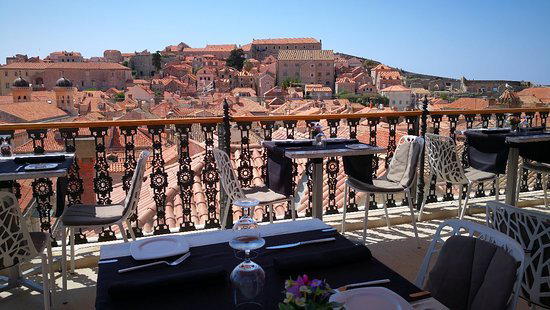
Restaurants in Dubrovnik
All restaurants in Dubrovnik →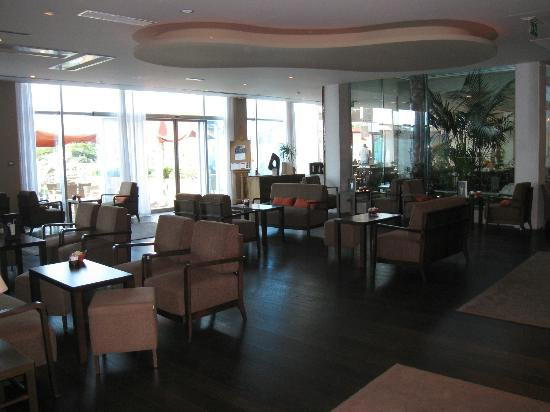
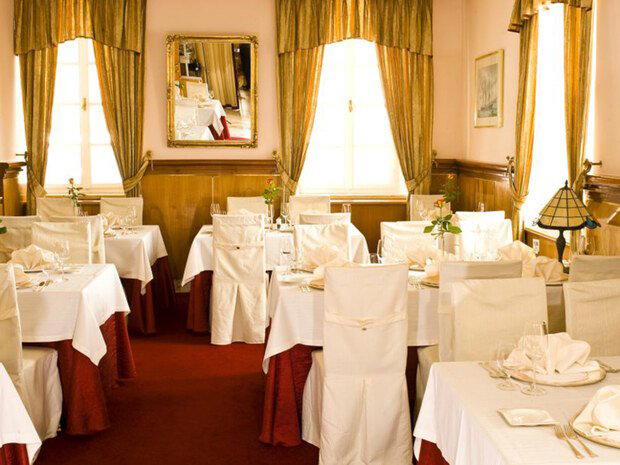
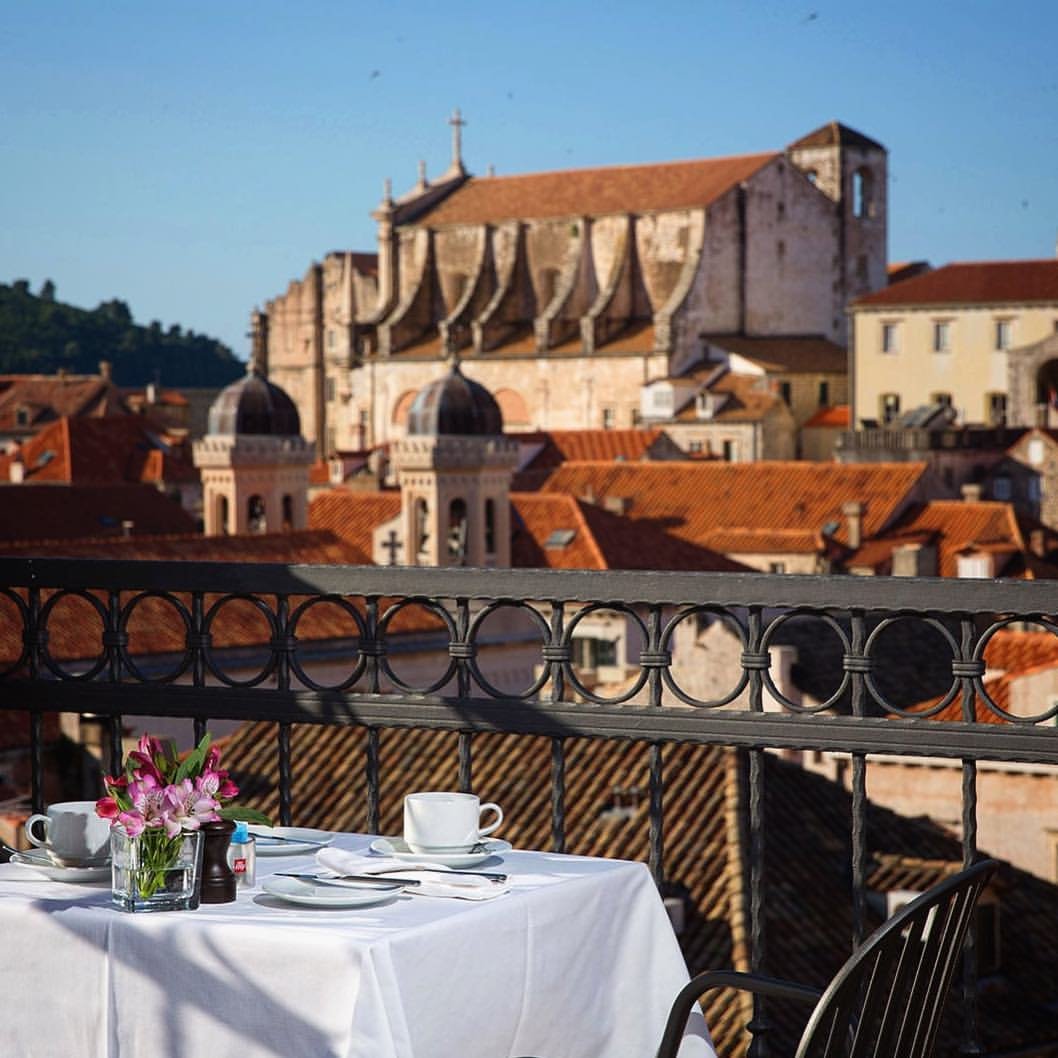
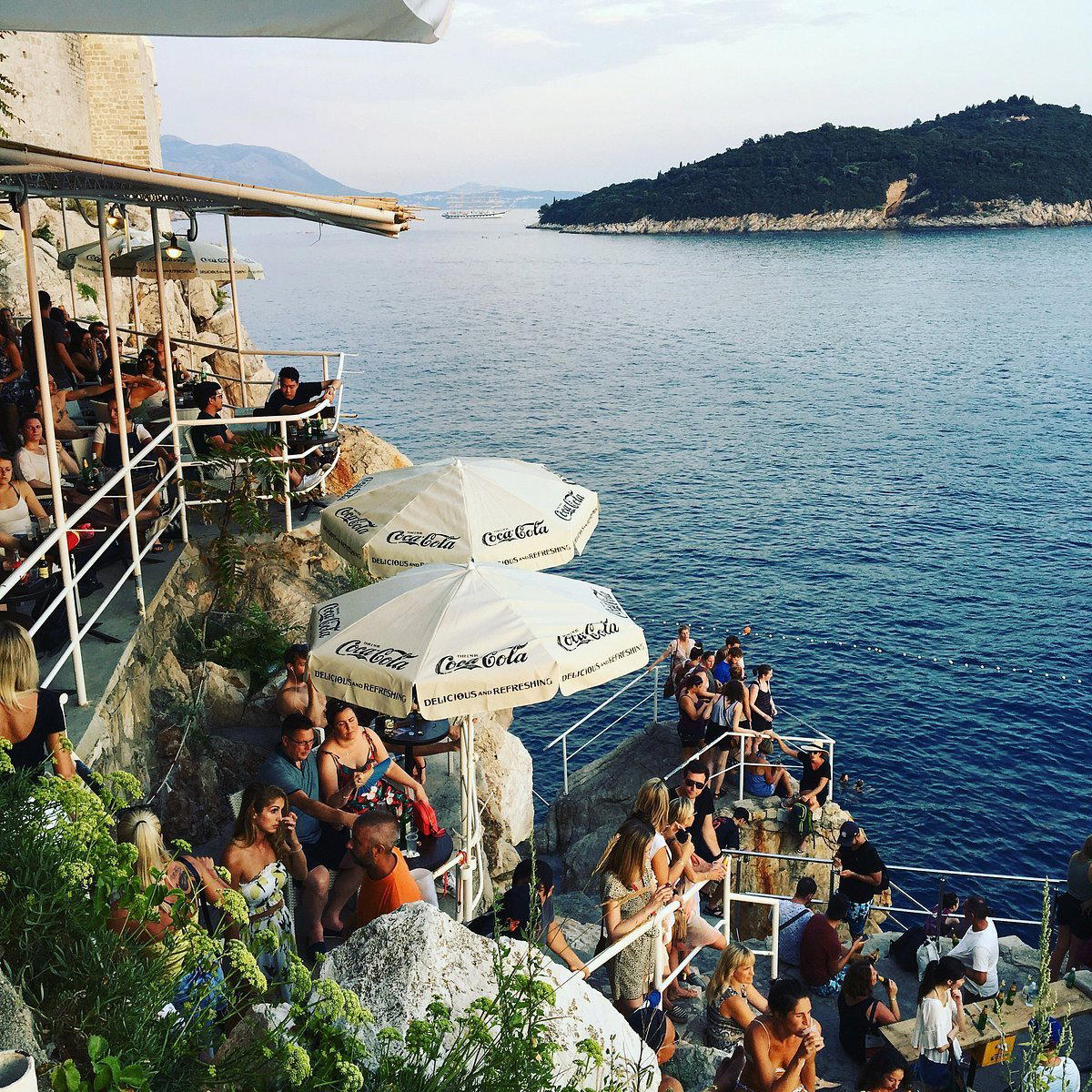
Bars in Dubrovnik
All bars in Dubrovnik →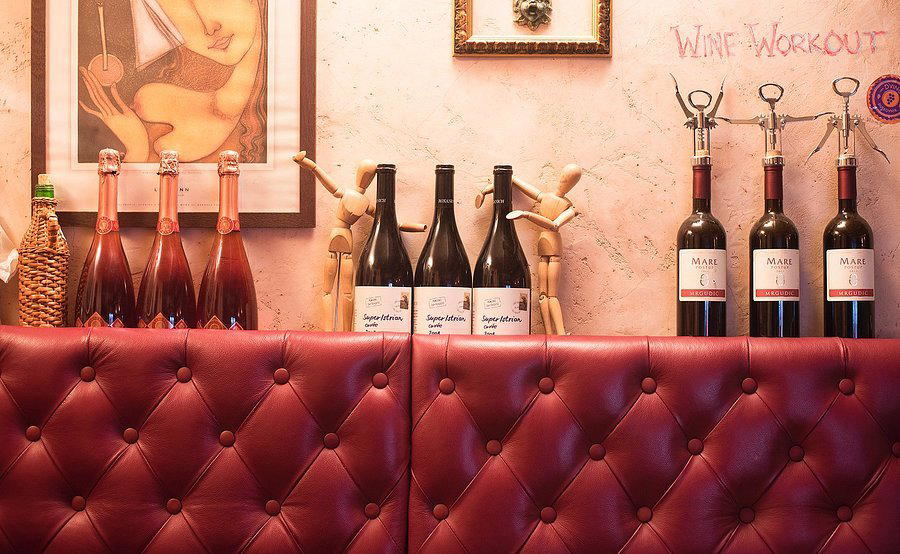

Details
- Cozy
- Modern
- Lively
- Casual Hangout
- Brunch
- Standalone
- Beer Program
- Local Sourcing
- A La Carte
- Vegetarian Friendly
Current opening hours
- Monday
- 8 AM–11 PM
- Tuesday
- 8 AM–11 PM
- Wednesday
- 8 AM–11 PM
- Thursday
- 8 AM–11 PM
- Friday
- 8 AM–11 PM
- Saturday
- 8 AM–11 PM
- Sunday
- Closed
Hours can change for holidays and private events. Hours as of .
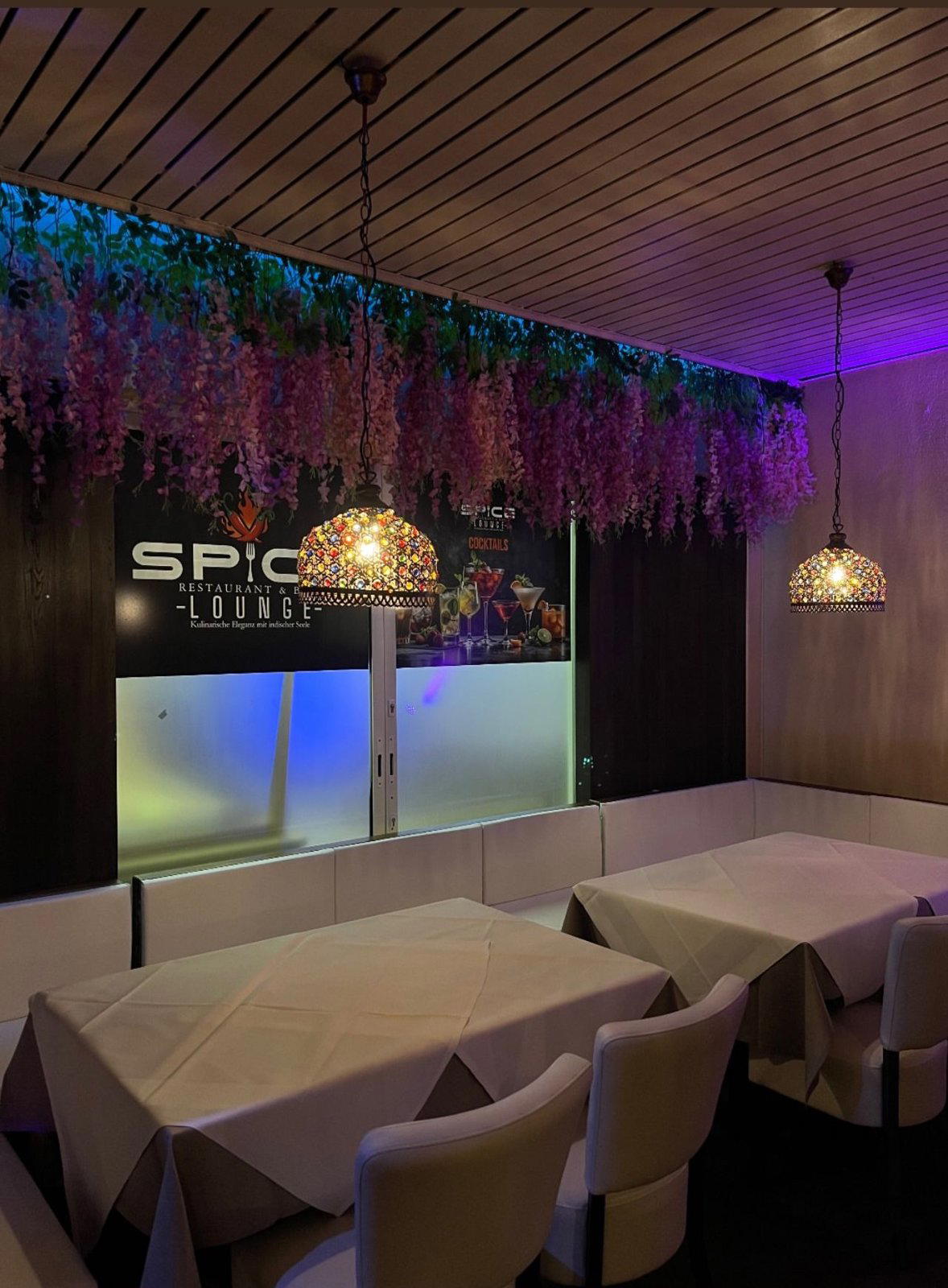
Neat and grand with wooden floorboards, minimalist chairs and tables, and padded purple booths creating a relaxed yet polished casual atmosphere.