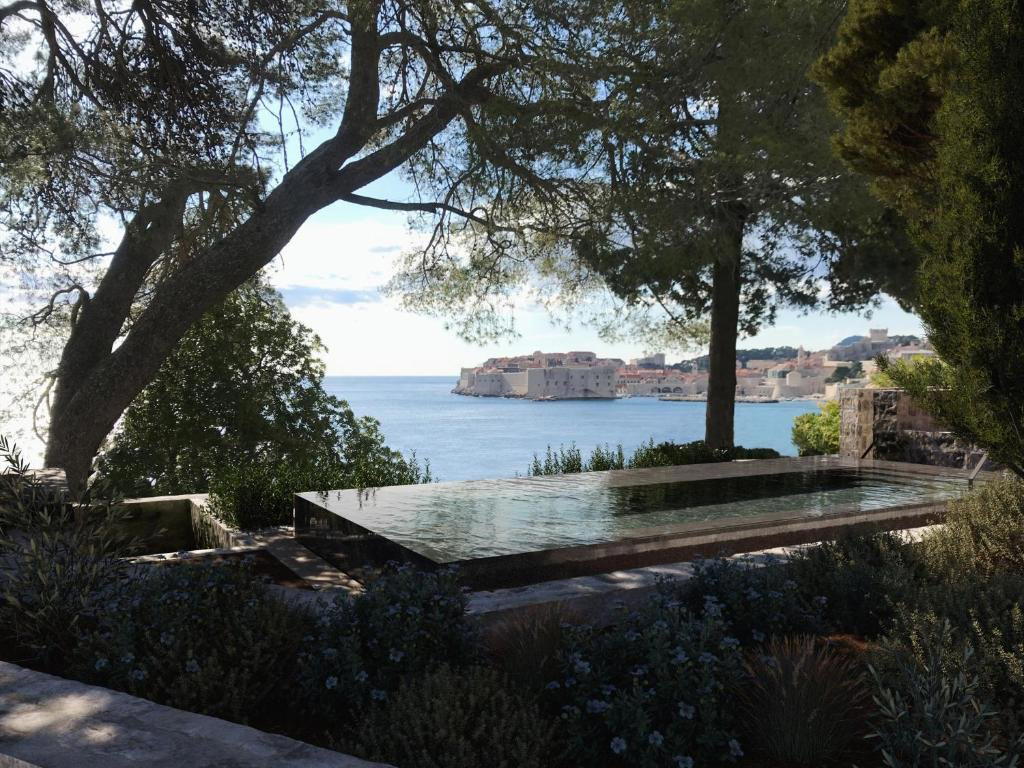
Villa Orsula occupies a cliff-facing position along Ul. Frana Supila, one of Dubrovnik's most composed residential stretches, where the city's historic walls meet the open Adriatic. The property sits in a tier of small, architecturally considered Dubrovnik hotels that compete on intimacy and setting rather than scale. For travellers arriving from the Old Town's stone lanes, the shift to a quieter, sea-facing property carries immediate weight.

Pearl is the En Primeur Club membership app, where members save venues, book tables and use the concierge.
Where Dubrovnik Slows Down
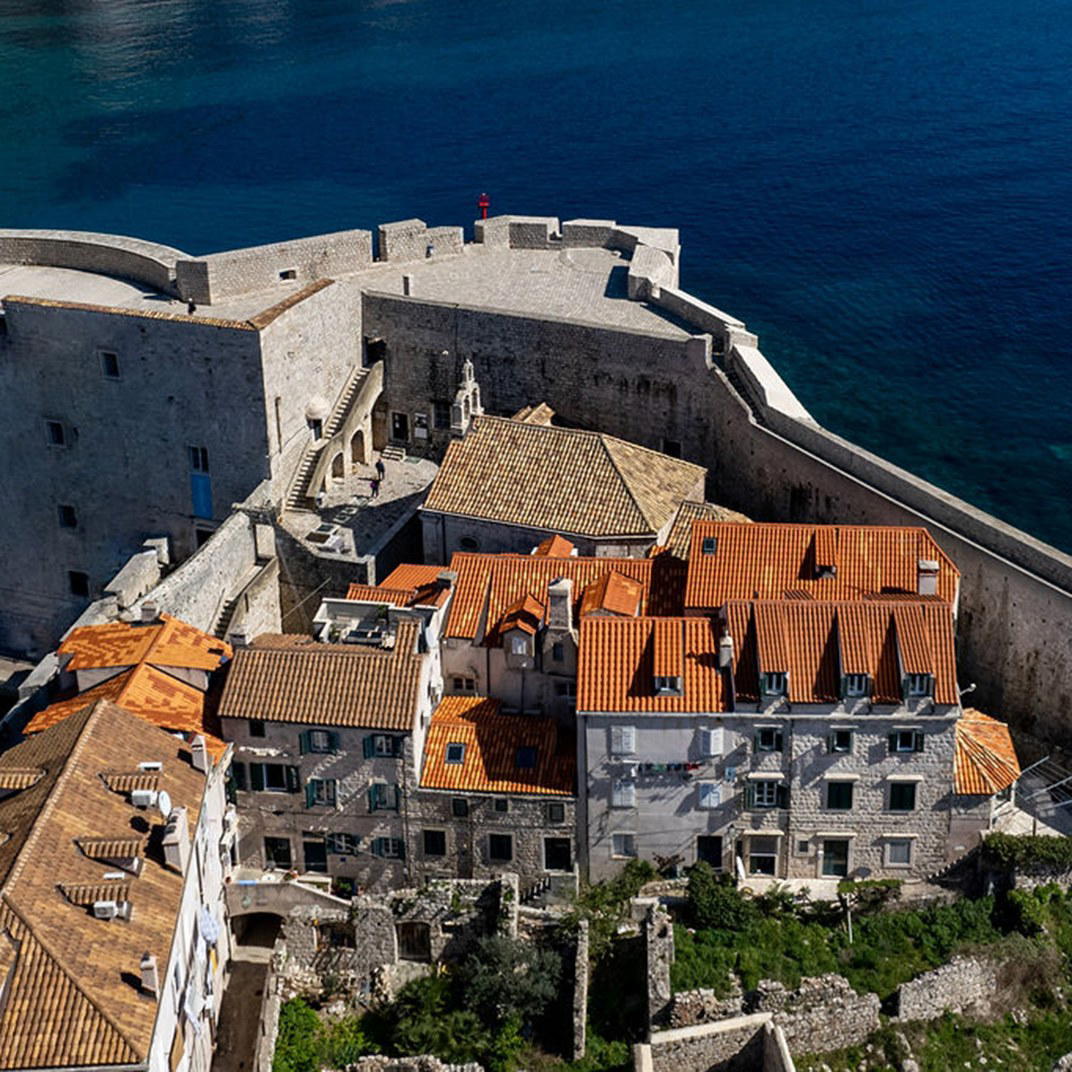
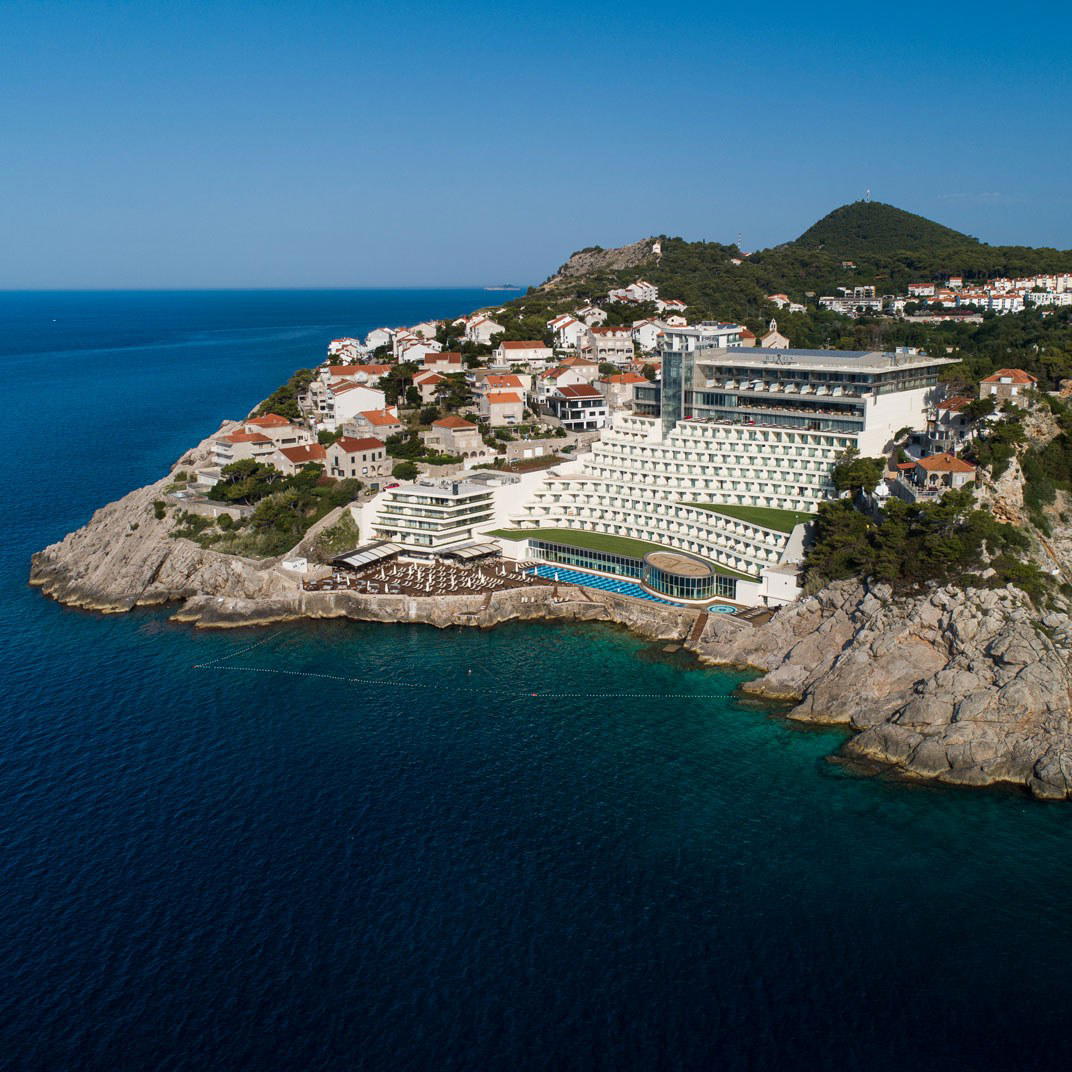
The road from Dubrovnik's Ploče Gate toward Ul. Frana Supila marks one of the city's quieter transitions. The tour groups thin out, the stone facades give way to villa-style architecture, and the Adriatic opens up along the southern cliffs. This is the stretch where several of Dubrovnik's smaller, design-attentive properties sit, properties that trade on proximity to the Old Town while offering something the Old Town itself cannot: a degree of remove, a sea view that isn't framed by a restaurant terrace, and a pace that doesn't compete with the summer foot traffic inside the walls. Hotel Villa Dubrovnik and Hotel Bellevue Dubrovnik occupy this same corridor, and Villa Orsula sits within that cohort, positioned for guests who want the city's history readable from a terrace rather than underfoot.
The Setting as Service
In Dubrovnik's premium accommodation tier, the physical environment is not incidental, it functions as part of the service offer. Properties along the Frana Supila approach have learned that a well-placed terrace, a direct sea staircase, or a garden that shields guests from the city's peak-season noise performs the same function as a concierge: it manages expectations and shapes experience before a single interaction with staff. Villa Orsula's cliff-side position means that the Adriatic is a constant presence, not a selling point available only from certain room categories or at certain times of day. That kind of setting consistency is what separates this tier of smaller Dubrovnik properties from the larger, amenity-heavy options further from the walls, such as Hotel Kompas Dubrovnik or President Hotel, Valamar Collection.
The broader pattern across this category in Dubrovnik is a deliberate reduction in scale. Fewer rooms, tighter staff-to-guest ratios, and architecture that references the city's Baroque and maritime vernacular rather than importing a generic luxury language. For travellers accustomed to properties like Aman Venice, where a palazzo setting and a small key count are inseparable from the service model, Villa Orsula operates within a recognisably similar logic applied to the Dalmatian coast.
Service as the Organising Principle
Small, independently-spirited properties along this part of the Croatian coast have increasingly distinguished themselves not through facilities arms races but through the texture of guest interaction. At the scale Villa Orsula operates within, there is neither the anonymity of a resort nor the self-consciousness of a boutique hotel trying too hard. The staff-to-guest ratio at properties in this tier typically allows for a recognition of returning guests, dietary preferences kept without being asked twice, and a check-in interaction that feels more like an arrival at a private residence than a hotel transaction. This is a hospitality register that the larger properties in the city, including Hotel Excelsior Dubrovnik, can approximate through training programs but cannot fully replicate through scale alone.
The service philosophy common to this category of Croatian coastal hotel tends to be rooted in local knowledge that goes beyond a laminated city map. Knowing which beach access point is viable at which tide, which restaurant on the Old Town's western side has tables that don't face a speaker, when the walls circuit is genuinely quiet, this is the intelligence that guests at this price point are paying for, whether or not they articulate it as such.
Dubrovnik's Small-Hotel Tier in Context
Croatia's Adriatic coast has developed a recognisable high-end accommodation vocabulary over the past fifteen years. What began as a handful of design-attentive conversions, often older villas or small manor houses repurposed for hospitality, has grown into a defined category that travels as well internationally as it does domestically. Properties in Istria such as Hotel Kastel in Motovun or Hotel Vela Vrata in Pinguente represent the same structural approach applied to the interior hill towns, while coastal counterparts in Hvar, like Littlegreenbay Hotel, or on Brač, like Kastil in Bol, show how adaptable the format is to different Dalmatian settings. Dubrovnik's version of this tier, anchored along Frana Supila, benefits from the city's international recognition while staying structurally apart from the mass-market visitor flows that define the Old Town in July and August.
For comparison across the Adriatic, the intimacy-first model finds close European parallels at properties like Aman New York or The Fifth Avenue Hotel in New York City, where small key counts and high staff ratios create a similar register, though the Dalmatian version trades Manhattan's vertical density for horizontal sea views and a pace that the Mediterranean imposes almost climatically.
Planning a Stay: What to Know
Dubrovnik's peak season runs hard from late June through August, when Old Town accommodation in any tier books out weeks in advance and the city's infrastructure operates at visible strain. Properties along Frana Supila, including Villa Orsula, are logistically close to the Ploče Gate, which gives direct access to the Old Town on foot while keeping guests at a sensible distance from the concentrated pedestrian traffic inside the walls. For those arriving by air, Dubrovnik Airport is approximately 20 kilometres from the city, with transfer times varying considerably depending on season and whether the Dubrovnik bridge is in use. May, early June, and September represent a more composed version of the city: the light on the Adriatic is still strong, the water swimmable, and the streets navigable without planning routes around coach group timings. Guests considering Dubrovnik's wider accommodation options would do well to read our full Dubrovnik restaurants and hotels guide for neighbourhood-level context, or to look at how properties like The Pucic Palace, positioned inside the walls, differ structurally from cliff-facing properties like Villa Orsula. For budget-conscious travellers sharing a trip with those choosing this tier, Dubrovnik Old Town Hostel offers a point of comparison at the other end of the market.
Category Peers
| Venue | Cuisine | Price | Awards |
|---|---|---|---|
| Villa Orsula DubrovnikThis venue (the venue you are viewing) | This venue | Not listed | Not listed |
| Hotel Bellevue Dubrovnik | Not listed | $300–500 | Michelin Selected · La Liste Top Hotels |
| Hotel Excelsior Dubrovnik | Not listed | $300–500 | Michelin Selected · Mr & Mrs Smith Seal of Approval |
| Hotel Villa Dubrovnik | Not listed | $300–500 | 2 Michelin Keys · La Liste Top Hotels |
| President Hotel, Valamar Collection | Not listed | $100–200 | World Luxury Hotel Awards WLHA Regional Winner |
| Hotel Kompas Dubrovnik | Not listed | $1–100 | Michelin Selected · Mr & Mrs Smith Seal of Approval |
Continue exploring
More in Dubrovnik
Hotels in Dubrovnik
All hotels in Dubrovnik →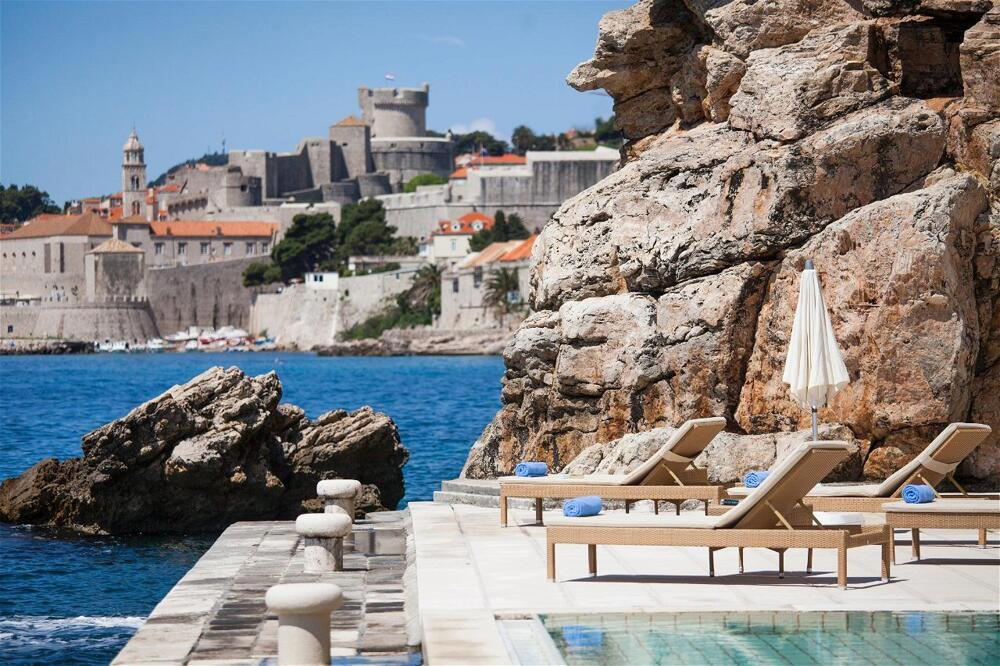
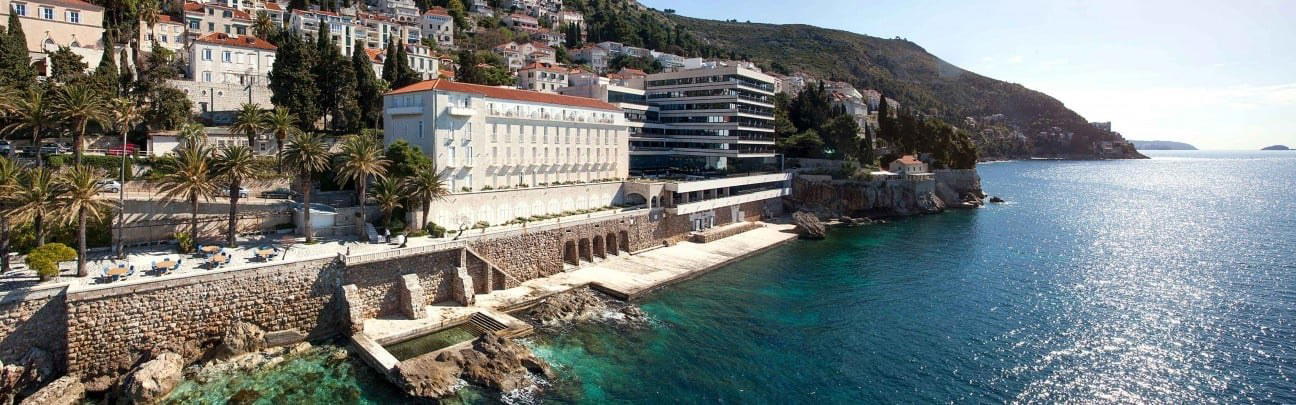
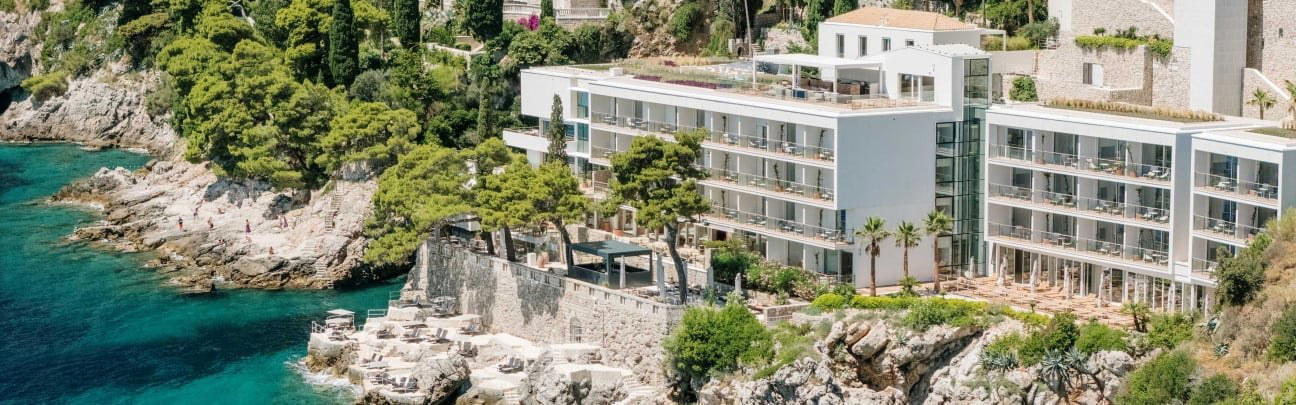
Bars in Dubrovnik
All bars in Dubrovnik →
Restaurants in Dubrovnik
All restaurants in Dubrovnik →
Wineries in Dubrovnik
Browse all →
Details
- Romantic
- Elegant
- Sophisticated
- Intimate
- Scenic
- Honeymoon
- Romantic Getaway
- Anniversary
- Beachfront
- Panoramic View
- Terrace
- Historic Building
- Pool
- Spa
- Room Service
- Concierge
- Wi Fi
- Fitness Center
- Restaurant
- Garden
- Waterfront
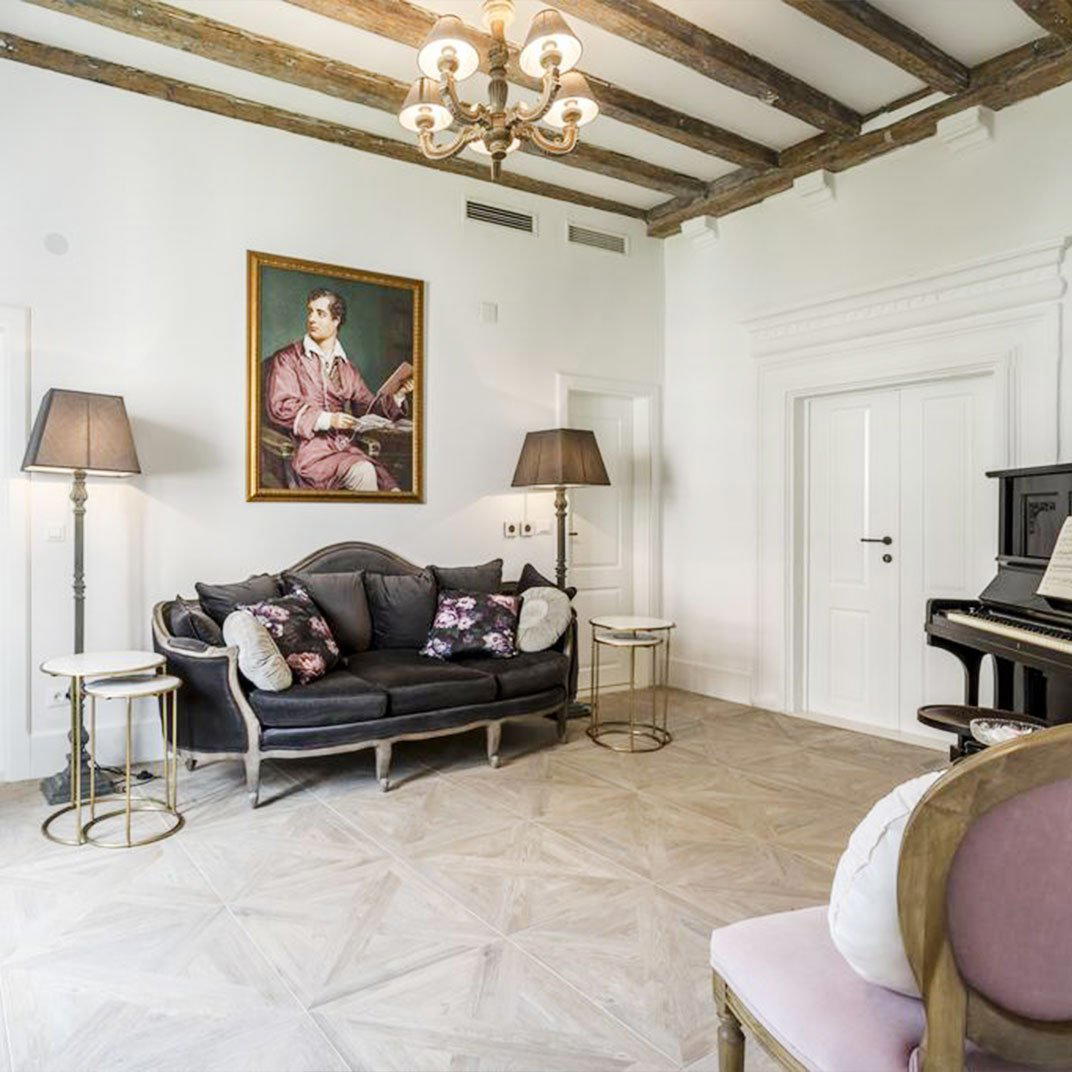
Intimate and elegant atmosphere with stylish interiors combining luxurious vintage aesthetics and contemporary design, enhanced by lush seafront gardens.