On a quiet lane just inside Dubrovnik's Old Town walls, D'VINO operates as one of the city's most focused wine bars, drawing a crowd that treats the glass as seriously as the setting. The Dalmatian wine list anchors the experience, with Croatian and regional bottles providing an alternative to the Adriatic's more tourist-facing drinking culture. A compact, atmospheric space that rewards the curious drinker.
Pearl is the En Primeur Club membership app — saves, bookings, and concierge access live there. Same editors, same standards.
- Address
- Palmotićeva ul. 4a, 20000, Dubrovnik, Croatia
- Phone
- +385 20 321 130
- Website
- dvino.net
- Directions
- Get directions
 Saves & bookings on Pearl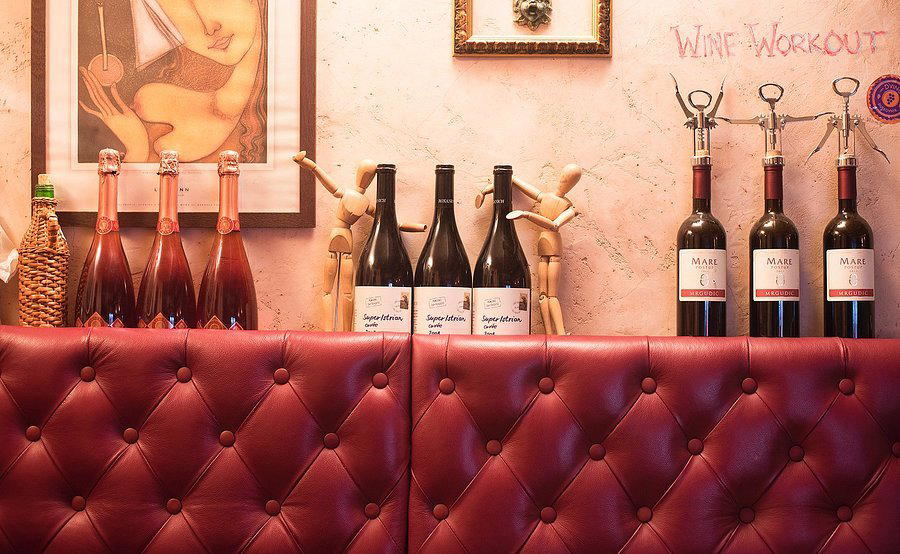
Inside the Walls, Off the Main Drag
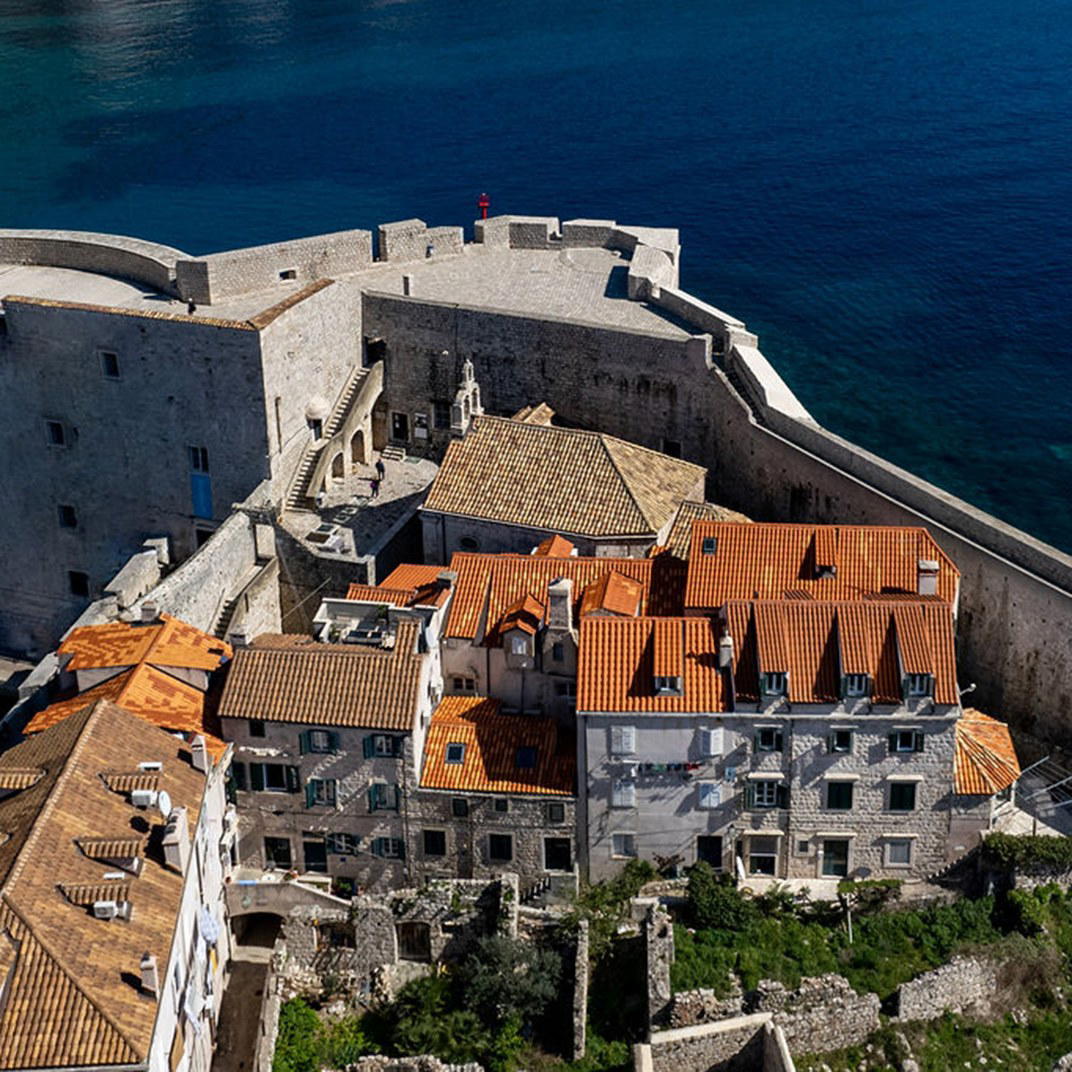
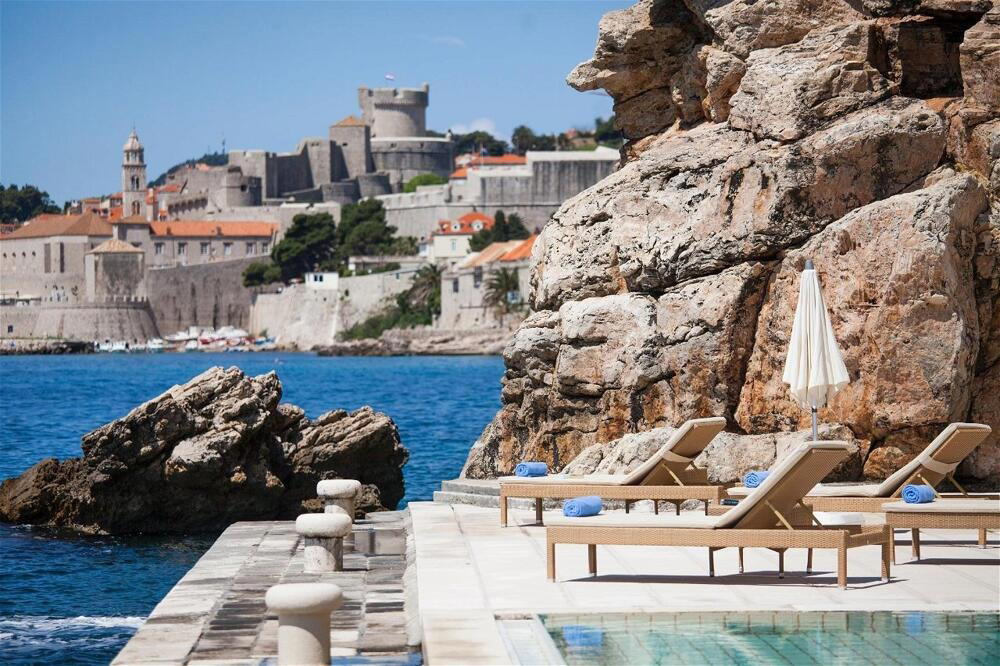
Dubrovnik's Old Town has a drinking problem, not in the way most cities do, but in the structural sense. The Stradun, the city's limestone promenade, generates enormous foot traffic, and most of the bars within easy walking distance of it have adjusted their ambition accordingly: tourist-volume pricing, perfunctory wine lists, and the kind of atmospheric shorthand that substitutes candles and stone walls for genuine character. The deeper streets, the ones that require a deliberate turn off the main artery, tend to hold a different kind of establishment. D'VINO on Palmotićeva sits on one of those lanes, and its continued presence in a city where real estate pressure pushes toward maximum yield says something about how it has positioned itself.
Wine bars that survive in high-tourism environments typically do so by building local-credibility signals that the mass market doesn't know to look for. The selection of Croatian and Dalmatian producers, the resistance to a spirits-heavy menu, the compact footprint: these are choices that narrow the audience and deepen the relationship with the portion of visitors who arrive specifically to understand what the region pours.
The Wine Logic of the Eastern Adriatic
To understand what a bar like D'VINO is doing, it helps to know what makes Croatian wine structurally interesting. The country grows a large number of indigenous grape varieties, Plavac Mali on the Dalmatian coast and islands, Pošip and Grk on Korčula, Malvazija in Istria, that exist in no meaningful commercial quantity anywhere else. These are not obscure for obscurity's sake; they are the direct result of centuries of geographic isolation across a coastal and island geography that prevented the homogenizing effects of continental wine trade. The Dalmatian red varieties in particular produce wines with grip and structure that age differently than Cabernet or Syrah, and the whites, especially Pošip from Korčula, offer a freshness and mineral character that pairs directly with the seafood-forward diet of the coast.
A wine bar positioned at the Dubrovnik end of this geography has access to a genuinely compelling argument: that drinking the local output here, in context, is a different experience than ordering the same bottle in London or New York, where it might appear on a handful of natural-wine-bar lists. The Croatian wine export market remains thin relative to the quality of the leading producers, which means that serious bottles circulate primarily within Croatia itself. That structural fact gives a well-curated Dubrovnik wine bar a rare kind of specificity.
What the Format Signals
Wine bars in historic European city centres occupy a peculiar competitive position. They are not restaurants, so they escape the logistical demands of full kitchen operations and table-turn pressure. They are not cocktail bars, so the investment in technique and spirit inventory looks different. What they trade in is selection depth, staff knowledge, and a room calibrated for conversation. The format rewards lingering, which in a city like Dubrovnik means holding customers who would otherwise leave after a single drink drawn by the spectacle of the Stradun or the cliff-edge theatrics of a place like Buža Bar, which serves a genuinely different function: sunset ritual, outdoor drama, Adriatic backdrop. D'VINO's indoor, wine-focused format targets a different use case entirely.
Visitors who want the classic Dubrovnik drinking experience, the aperitivo on the wall, the open-air table with a sea view, will find Buža and its peers delivering exactly that. Visitors who want to sit with a glass of something they haven't encountered before and talk to someone who can explain where it came from are working from a different brief, and D'VINO addresses that brief more directly.
Dubrovnik in the Wider Croatian Bar Context
Croatia's bar scene has diversified considerably over the past decade. The cocktail format has matured, particularly in Zagreb and Split, where venues like Torito Bar & Food in Split have built programs that hold up against international comparison. Internationally, the template for serious wine-and-spirits programming in a compressed space has been set by bars such as Bar Leather Apron in Honolulu, Jewel of the South in New Orleans, Julep in Houston, and Kumiko in Chicago, each of which demonstrates that format discipline and genuine beverage depth can coexist in a small room.
D'VINO operates at a different scale and with a different geographic mandate than any of those venues, but the underlying logic is consistent: identify what the local context makes possible, build a list around it, and trust that there is a portion of any visiting crowd capable of recognising the argument.
Planning Your Visit
D'VINO sits at Palmotićeva ul. 4a in Dubrovnik's Old Town, reachable on foot from the Pile Gate entrance. The Old Town's pedestrian-only layout means approach is always on foot; from the Stradun, Palmotićeva is a short turn into the residential street grid that runs behind the main drag. The bar is open daily from 10am to 2am, and reservations are recommended.
In Context: Similar Options
Comparable venues nearby, for context on price, style, and recognition.
| Venue | Cuisine | Price | Notes |
|---|---|---|---|
| D'VINO WINE BAR DUBROVNIKThis venue — the venue you are viewing | wine_bar | $$ | Not listed |
| Buža Bar | rooftop_bar | $$ | Old Town |
Continue exploring
More in Dubrovnik
Bars in Dubrovnik
Browse all →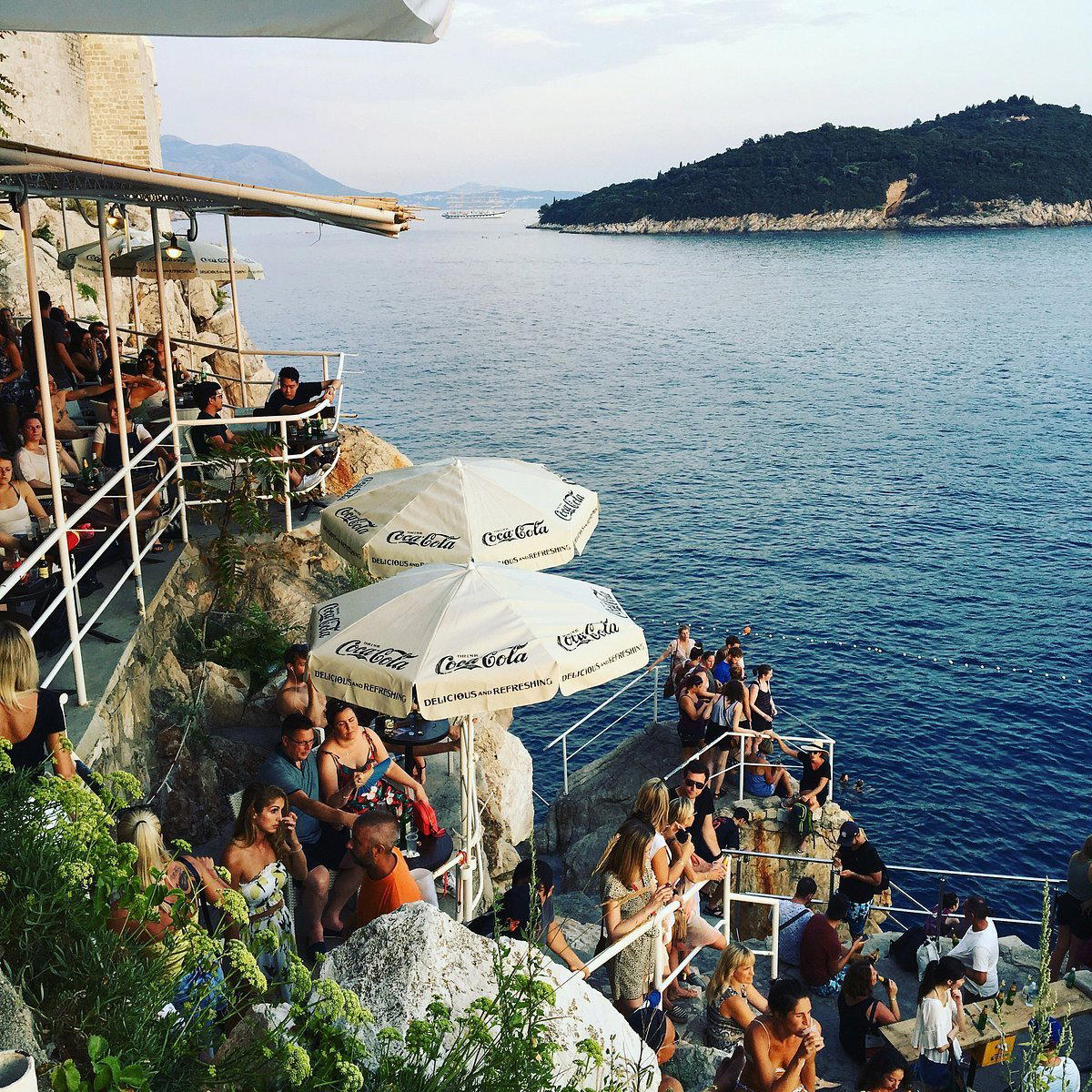
Restaurants in Dubrovnik
Browse all →
Hotels in Dubrovnik
Browse all →

At a Glance
- Cozy
- Intimate
- Romantic
- Date Night
- Casual Hangout
- Special Occasion
- Historic Building
- Seated Bar
- Lounge Seating
- Conventional Wine
Current opening hours
- Monday
- 10 AM–2 AM
- Tuesday
- 10 AM–2 AM
- Wednesday
- 10 AM–2 AM
- Thursday
- 10 AM–2 AM
- Friday
- 10 AM–2 AM
- Saturday
- 10 AM–2 AM
- Sunday
- 10 AM–2 AM
Hours can change for holidays and private events. Last verified .
Cozy and relaxed with a quiet retreat atmosphere, friendly staff, and charming decor ideal for intimate conversations.