
Michelin Plate
Our verdict
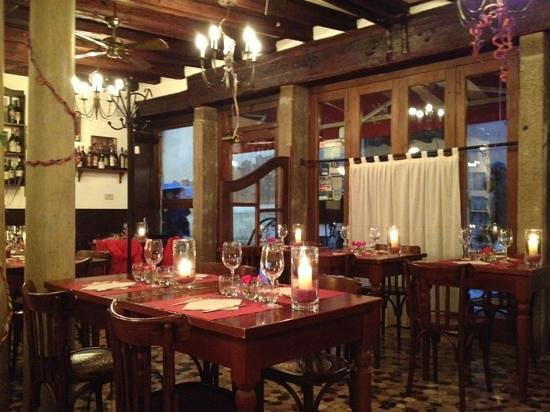
A Michelin Plate recipient in both 2024 and 2025, Marco Polo sits in Dubrovnik's mid-range Mediterranean tier, operating from a stone-lane address within the Old City walls. It holds a consistent position among the Old Town's more reliable Mediterranean kitchens, offering herb-forward Dalmatian cooking at a price point well below the city's flagship fine-dining addresses.

Pearl is the En Primeur Club membership app, where members save venues, book tables and use the concierge.
The menu
What to order
- Precious Blue Tuna steak
- Monkfish Wellington
- 24h Pork belly
- Kublai Khan Steak
Stone Lanes and Herb-Driven Plates: Dining at Marco Polo in Dubrovnik's Old Town
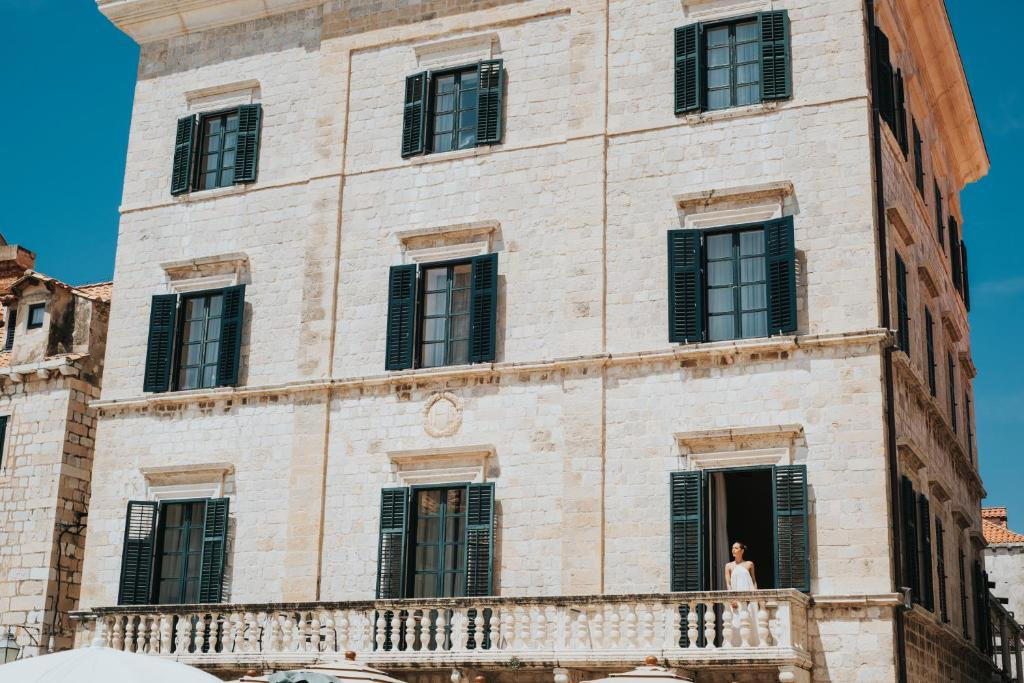
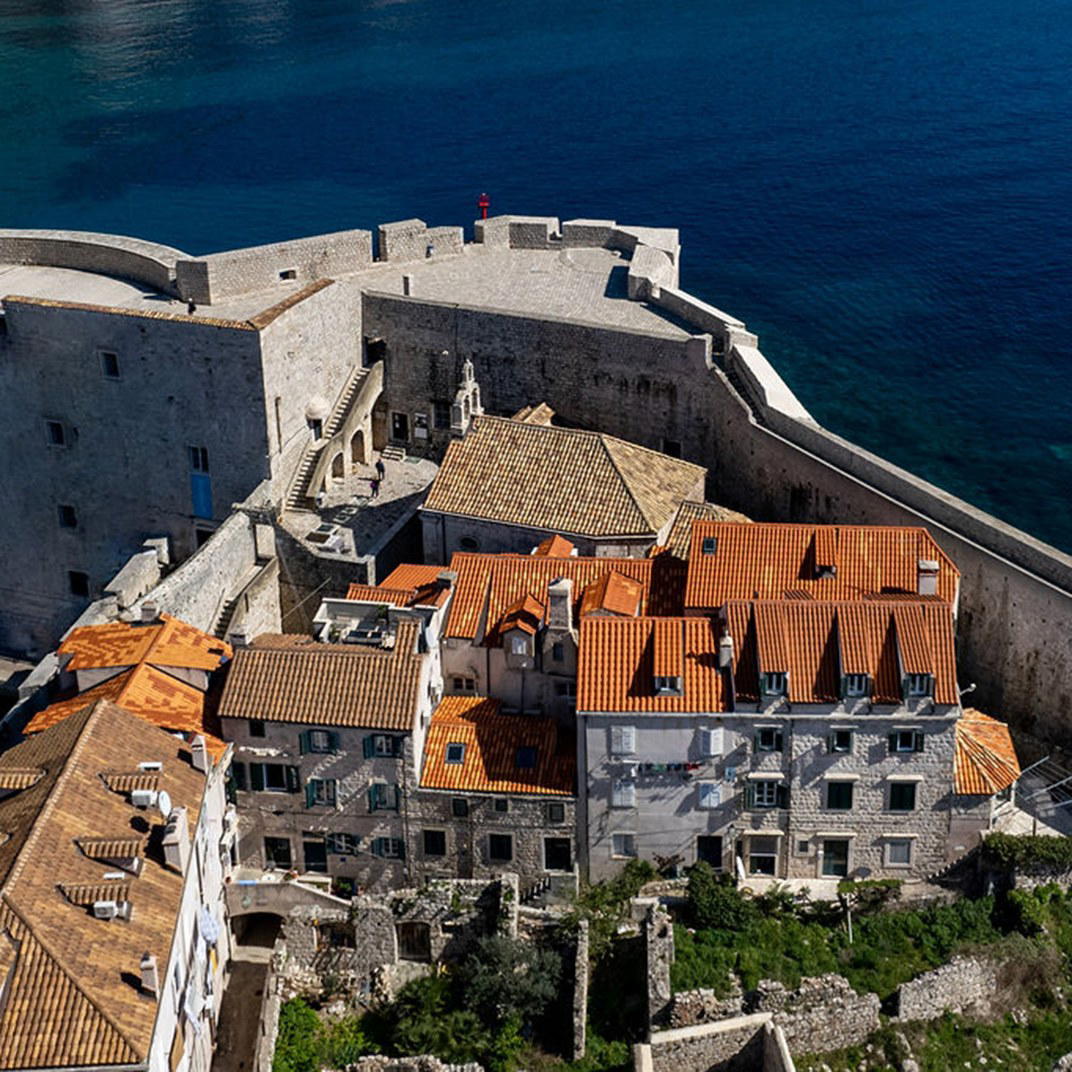
Arriving at Lučarica ul. 6 requires the kind of navigation that Dubrovnik's medieval core demands: you follow the narrowing alleyways off the Stradun until the crowds thin and the light shifts. The Dubrovnik Old Town has a habit of turning restaurants into set pieces, the walls, the limestone underfoot, the proximity to the harbour all press down on every dining decision. Marco Polo operates in this context not as a monument to the setting but as a working kitchen inside it, serving Mediterranean food at a price point that separates it clearly from the city's prestige tier.
Where Marco Polo Sits in the Dubrovnik Dining Tier
Dubrovnik's restaurant field splits into at least three legible bands. At the leading end, addresses like Restaurant 360 (International, Modern Cuisine) operate at the €€€€ level, with tasting menus, architectural terraces, and a competitive set that includes the Adriatic's most ambitious fine-dining rooms. Below them, the €€€ bracket holds places like Zuzori, which pitches Mediterranean cooking with a sharper premium. Marco Polo occupies the €€ band alongside addresses such as Pjerin and Bistro Tavulin, where the proposition is honest regional food without the ceremony or the invoice that comes with it. What separates Marco Polo within that band is the Michelin Plate recognition it has held in both 2024 and 2025, a signal that Michelin's inspectors rate the cooking as competent and consistent, even if it falls short of star territory. That distinction matters when choosing between mid-range options in a city where tourist-facing mediocrity is a real risk.
The Mediterranean Kitchen and Its Herb Foundations
Mediterranean cooking, across its Dalmatian, Italian, Greek, and Levantine expressions, is built on a relatively small number of aromatic plants used with precision and repetition. Oregano dried in the Dalmatian sun has a sharper, more resinous quality than its supermarket equivalent; thyme and rosemary appear in marinades for lamb and fish alike; basil arrives fresh rather than cooked, scattered at the last moment over tomatoes or seafood. Za'atar, more common in the eastern Mediterranean than on the Croatian coast, represents the same impulse toward dried herb blends that do structural work in a dish rather than decorative work. This is the flavour grammar that runs through the category of restaurant Marco Polo belongs to, and it is the grammar that distinguishes a careful Mediterranean kitchen from one that leans on olive oil and grilling alone.
Dalmatian cooking specifically draws on centuries of overlap between Venetian, Ottoman, and Slavic influences, producing a cuisine where fresh fish, seasonal vegetables, and locally grown herbs carry most of the weight. In that tradition, the herb garden is not a garnish station; it is closer to a pantry. A kitchen working in this mode tends to be judged on whether its herb use is confident and calibrated, whether the oregano in a fish preparation sharpens rather than overwhelms, whether the basil reaches the plate at the right temperature. The Michelin Plate designation at Marco Polo, held across two consecutive years, suggests that the kitchen's execution of this kind of cooking clears a defined threshold of care.
Consistency as a Signal
Individual reviews can be distorted by one exceptional or disastrous visit, but a figure held across that volume of responses points to something more durable: a kitchen that performs reliably across different seasons, service periods, and customer profiles. In a city that receives visitors in extreme volume during summer and tapers sharply in winter, maintaining that consistency across the full cycle is harder than it looks. Michelin's repeated Plate recognition over 2024 and 2025 adds a second data layer to the same conclusion.
For comparison, Stara Loza occupies a different register within the Old Town's dining options, and the broader Croatian Adriatic carries its own constellation of Michelin-recognised addresses: Agli Amici Rovinj in Rovinj, Alfred Keller in Mali Lošinj, and Boskinac in Novalja each represent the premium tier of Croatian cooking. Further inland, Dubravkin Put in Zagreb, Korak in Jastrebarsko, and Krug in Split map the reach of serious Croatian cooking beyond the coast. Marco Polo is not competing in that upper bracket; it is operating in a different tier with different criteria. Within the €€ Mediterranean band in Dubrovnik's Old Town, Michelin Plate recognition over two years is a meaningful distinction.
The Mediterranean tradition also travels across borders to addresses like La Brezza in Ascona and Arnaud Donckele & Maxime Frédéric at Louis Vuitton in Saint-Tropez, both of which operate at a different altitude of ambition and price. The point is not that Marco Polo competes with those rooms, but that the culinary tradition it works within has a clear, substantiated lineage across the northern Mediterranean basin, and that cooking within it well requires genuine knowledge of its conventions.
Planning a Visit
Marco Polo is located at Lučarica ul. 6 in Dubrovnik's Old City, reachable on foot through the Pile Gate or Ploče Gate and a short walk from the main Stradun. The €€ price positioning places it among the more accessible serious options within the walls, which matters in a city where the cost differential between tiers is steep. Dubrovnik's peak summer season, running roughly from late June through August, pressures every Old Town address; arriving at the shoulder of that window, in May or September, typically means shorter waits and a different ambient temperature in the lanes themselves. Booking ahead is advisable rather than optional during the main season. For a broader map of where Marco Polo sits among the city's options, the full Dubrovnik restaurants guide covers the field in detail. Visitors planning a longer stay can also consult the full Dubrovnik hotels guide, the full Dubrovnik bars guide, the full Dubrovnik wineries guide, and the full Dubrovnik experiences guide to assemble the full picture.
Frequently asked questions
What's the pricing like at Marco Polo?
Pricing at Marco Polo is listed as €€.
Does Marco Polo have a Michelin star or similar recognition?
Marco Polo has received recognition including: Michelin Plate (2025); Michelin Plate (2024).
What do people recommend at Marco Polo?
The kitchen works within a Mediterranean framework, so herb-forward preparations and Dalmatian coastal ingredients appear throughout. At a €€ price point, the value-to-quality ratio draws repeat visitors who cite reliable cooking over occasional brilliance.
Where is Marco Polo in Dubrovnik?
Marco Polo is located at Lučarica ul. 6, 20000, Dubrovnik, Croatia, Dubrovnik.
Compact Comparison
| Venue | Cuisine | Price | Awards | Notes |
|---|---|---|---|---|
| Marco PoloThis venue (the venue you are viewing) | Modern Dalmatian Mediterranean | $50–100 | Michelin Plate | Not listed |
| Restaurant 360 | Modern Mediterranean with Asian and French Influences | $200–300 | 1 Michelin Star · La Liste Top Restaurants | International, Modern Cuisine |
| Nautika | Traditional Mediterranean Seafood | $100–150 | Michelin Plate · Star Wine List | Modern European, Classic Cuisine |
| Taj Mahal | Authentic Bosnian | $30–50 | Michelin Bib Gourmand | Balkan |
| Zuzori | Modern Mediterranean | $50–100 | Michelin Plate | Mediterranean Cuisine |
| Bistro Tavulin | Modern Croatian Mediterranean Bistro | $30–50 | Michelin Plate | Traditional Cuisine |
Recognition history
Dated appearances from independent guides and award organizations, with the underlying list record or original source where available.
Michelin Plate
Michelin
Full recognition history (3 entries)
Michelin Plate
Michelin
Michelin Plate
Michelin
Continue exploring
More in Dubrovnik
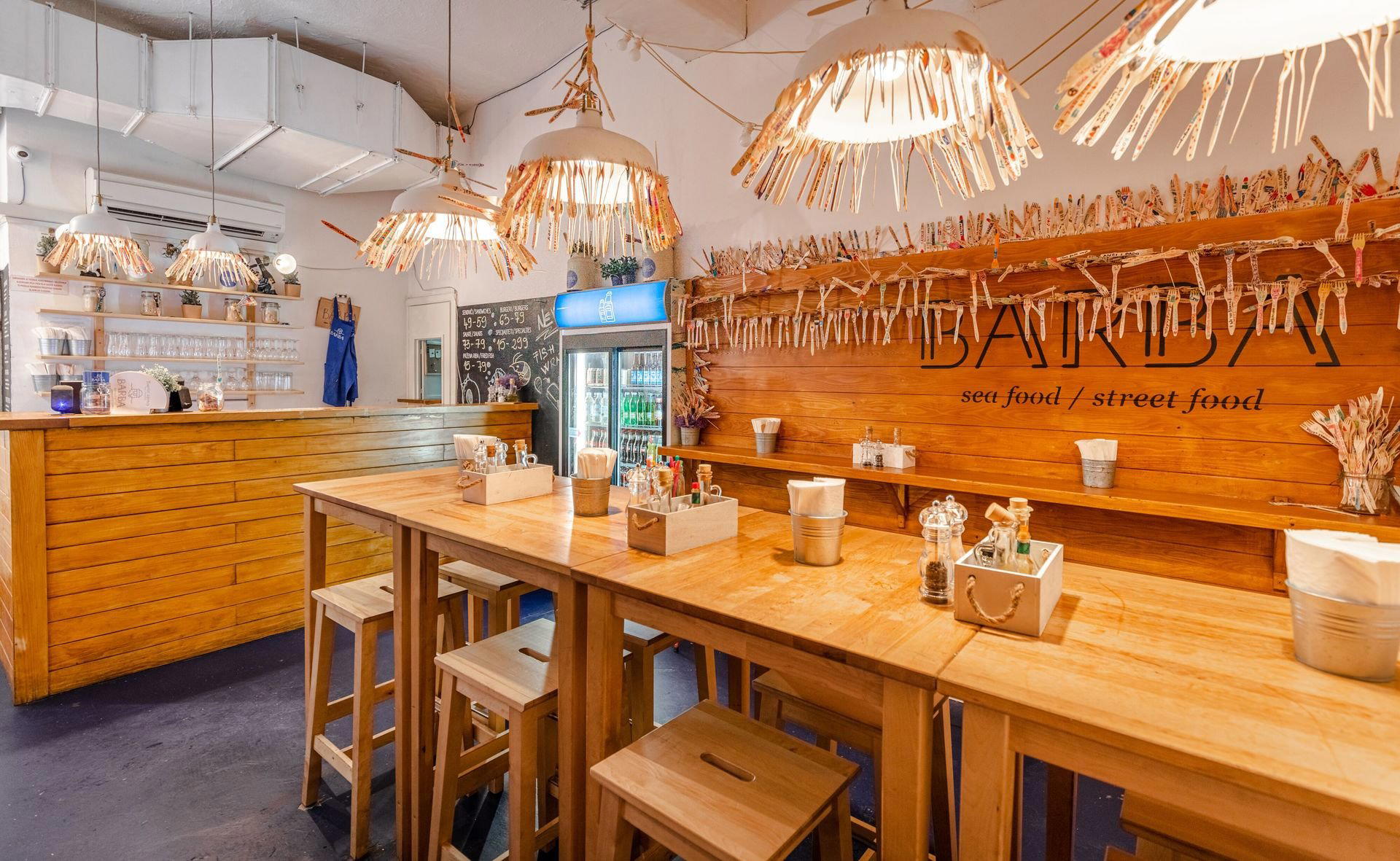
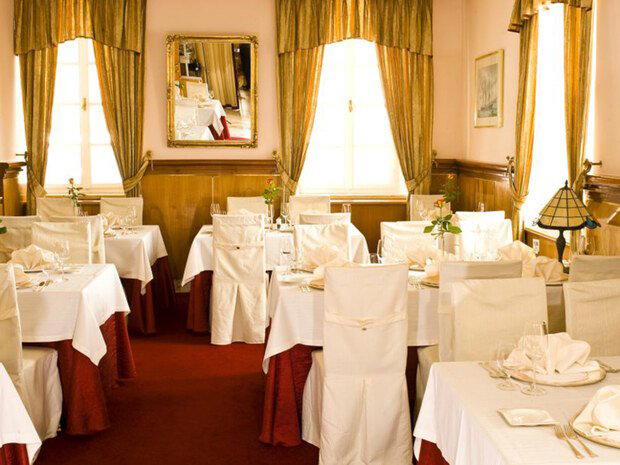
Restaurants in Dubrovnik
All restaurants in Dubrovnik →
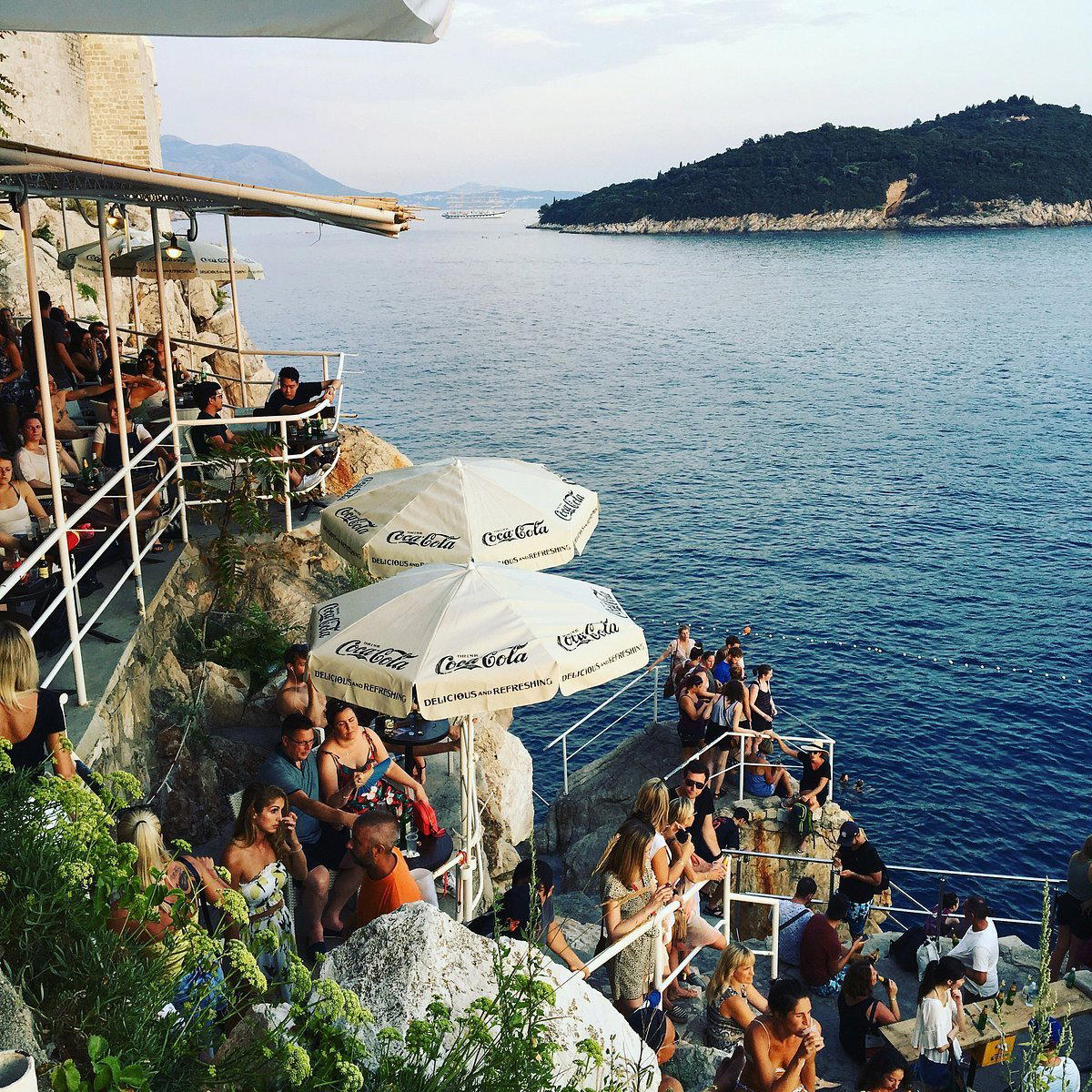
Bars in Dubrovnik
All bars in Dubrovnik →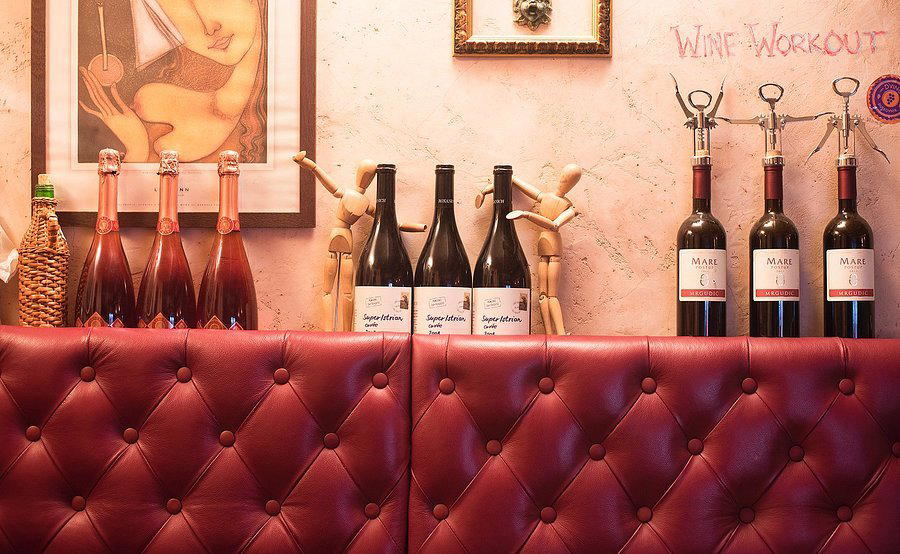

Details
- Intimate
- Elegant
- Cozy
- Classic
- Date Night
- Special Occasion
- Courtyard
- Extensive Wine List
- Local Sourcing
- A La Carte
- Croatian Wine
- Vegetarian Friendly
- Vegan Options
- Gluten Free Options
Current opening hours
- Monday
- 10 AM–12 AM
- Tuesday
- 10 AM–12 AM
- Wednesday
- 10 AM–12 AM
- Thursday
- 10 AM–12 AM
- Friday
- 10 AM–12 AM
- Saturday
- 10 AM–12 AM
- Sunday
- 10 AM–12 AM
Hours can change for holidays and private events. Hours as of .
Private, calm oasis from busy streets with serene traditional courtyard setting and elegant, charming atmosphere.