Our verdict
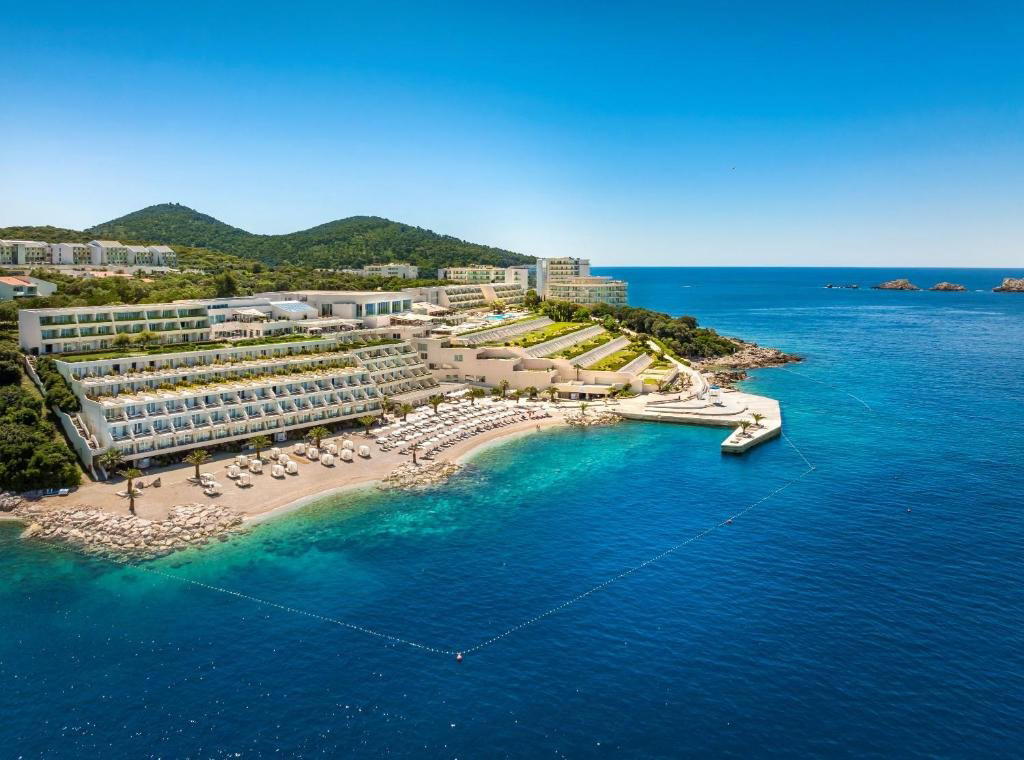
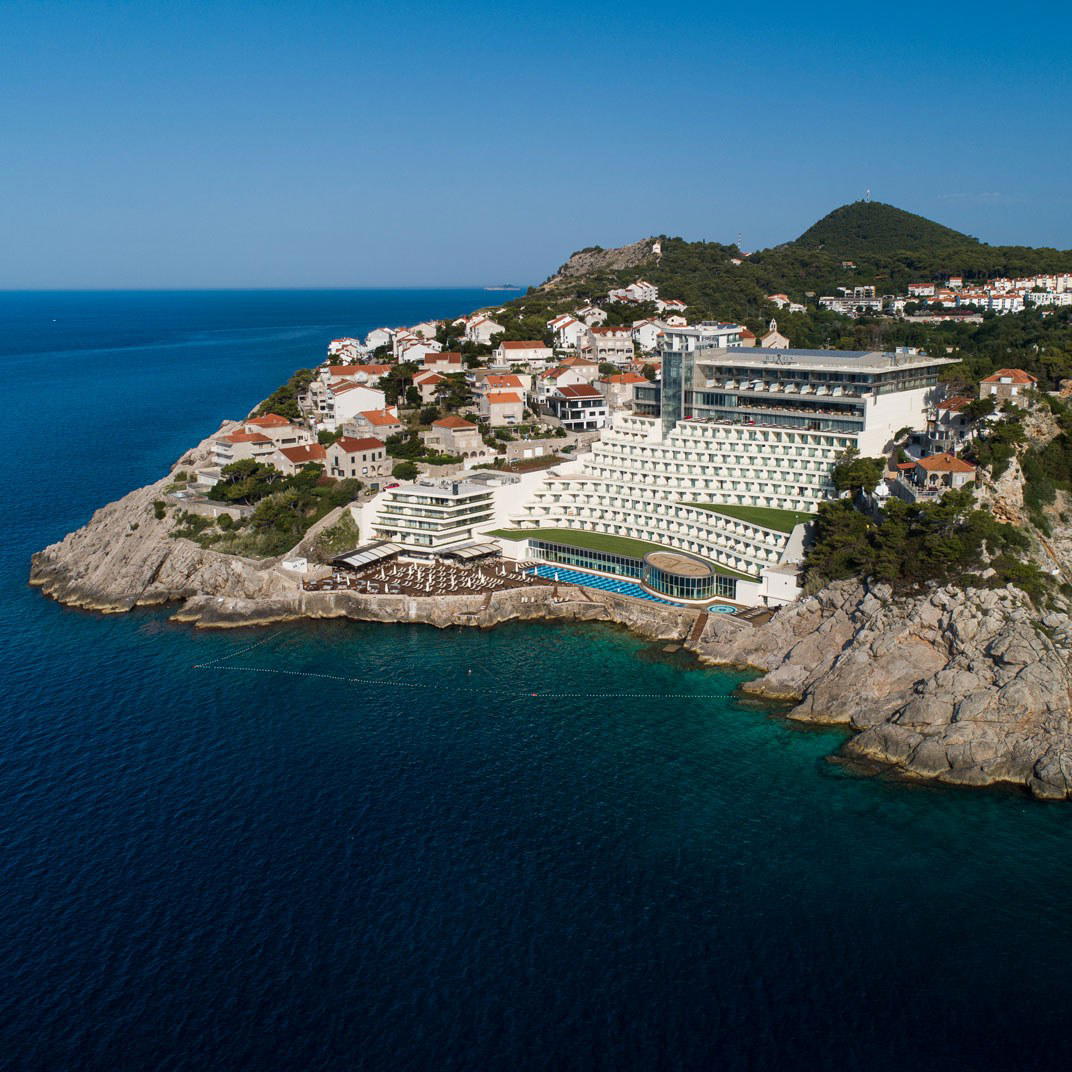
Orsan occupies a quiet corner of Dubrovnik's waterfront at Ul. Ivana pl. Zajca 4, away from the Old Town's summer crush. The setting puts the Adriatic at close range, and the kitchen works within the Dalmatian seafood tradition that defines serious dining along this coastline. For visitors who want proximity to the water without the theatre of the tourist circuit, it earns a clear look.

Pearl is the En Primeur Club membership app, where members save venues, book tables and use the concierge.

The menu
What to order
- Black risotto
- Grilled fish
Where the City Quiets Down and the Water Gets Close
Dubrovnik in high season is a city that performs itself loudly. The Stradun fills by mid-morning, the terrace restaurants above the walls price for spectacle, and the sound of group tours is essentially constant from June through September. Orsan, at Ul. Ivana pl. Zajca 4, sits outside that rhythm. The address puts it along the water in a section of the city where the pedestrian pressure eases and the Adriatic is not a backdrop but a presence you are actually next to. Arriving on foot, the shift in atmosphere registers before you reach the door: fewer voices, slower pace, the particular smell of seawater and stone that the Old Town's interior streets don't carry in the same way.
That physical positioning matters because it shapes what the experience asks of you. Dining in Dubrovnik's premium tier often involves a degree of performance, whether that is the glass-platform drama of Restaurant 360 or the cliff-edge ceremony of Nautika. Orsan does not operate in that register. The draw is proximity and relative calm, which in this city during summer is its own form of scarcity.
The Dalmatian Seafood Tradition and Where Orsan Sits Within It
Croatian coastal cooking is not a single tradition but a layered one, shaped by Venetian influence, Ottoman-era trade routes, and the specificities of each microclimate along the Dalmatian coast. Dubrovnik's version leans on the southern Adriatic's particular catch: dentex, sea bass, John Dory, octopus prepared in the manner known locally as ispod peke, and shellfish from the Mali Ston bay less than an hour up the coast. The quality of raw ingredient available to any kitchen operating here is genuinely high, which means the gap between a good Dubrovnik seafood restaurant and a mediocre one often comes down to restraint rather than technique.
In a city where the leading end is anchored by internationally-oriented tasting menus, there is a distinct tier of restaurants that work closer to the Dalmatian source material. Bistro Tavulin occupies that space with traditional cuisine at a lower price point. Barba approaches the same waters from a casual, fish-and-chips-adjacent angle.
For a broader survey of where Dubrovnik's dining sits across categories and price points, our full Dubrovnik restaurants guide maps the range in detail.
The Sensory Logic of Eating This Close to the Adriatic
There is an argument, made credibly by the Croatian coastline's geography, that seafood dining gains something specific when water is physically adjacent rather than decoratively referenced. The light quality changes through a meal as the sun tracks over the Elaphiti Islands. Sound is mostly ambient rather than constructed: small boat engines, water movement, the occasional seabird. It is a sensory context that the interior Old Town cannot replicate regardless of kitchen quality.
Across Croatia, restaurants that work at this intersection of location and ingredient honesty tend to be the ones that hold up across multiple visits. Pelegrini in Sibenik built its reputation on exactly that pairing. LD Restaurant in Korčula does similar work on the island across the water. Further north, Agli Amici Rovinj and Nebo by Deni Srdoč in Rijeka demonstrate how seriously the country's kitchen generation is now engaging with the question of what Adriatic cooking can be at its most considered. Boskinac in Novalja extends that conversation inland toward wine-led dining on Pag Island.
Timing and Practical Approach
Dubrovnik's dining calculus is heavily seasonal. The city's population swells by a factor of several times between June and late August, and waterfront seating at any well-located restaurant becomes contested. Shoulder season visits, specifically late April through May or the first three weeks of October, offer the same physical setting with less competition for tables and, often, lower prices across the board. The light in October is particularly good along this stretch of coast: lower angle, longer duration at dusk, the kind of late-afternoon quality that makes an outdoor table feel like a deliberate choice rather than a logistical compromise.
For visitors building a broader Croatian itinerary around serious dining, Krug in Split is the natural anchor point further up the Dalmatian coast, while Dubravkin Put in Zagreb and Korak in Jastrebarsko handle the inland argument. Alfred Keller in Mali Lošinj and BioMania Bistro Bol in Bol cover island-specific options for those moving through the archipelago. Bistro 49 and Above 5 fill different niches within Dubrovnik itself for those who want contrast across multiple evenings.
For reference on what serious seafood dining looks like at a global level, Le Bernardin in New York City represents the standard against which fish-focused tasting menus are often measured internationally, while Atomix in New York City shows what a different culinary tradition does with a similarly ingredient-led philosophy.
Frequently asked questions
Is Orsan okay with children?
The waterfront setting at Ul. Ivana pl. Zajca 4 is open and informal enough that families with children fit without friction. The outdoor format typical of Dalmatian harbour restaurants means noise is less of a concern than it would be in an enclosed dining room. That said, the location close to the water's edge warrants attention with very young children.
Is Orsan better for a quiet night or a lively one?
Orsan sits outside the main tourist corridor, which puts it closer to the quieter end of Dubrovnik's dining spectrum. It draws a mix of locals and visitors who have specifically sought it out rather than walked in from the Stradun, which keeps the atmosphere grounded rather than performative. High season in June through August will bring more energy, but the venue's position makes it structurally calmer than the old-town terraces.
How does Orsan compare to dining inside Dubrovnik's old city walls?
Orsan's address on Ul. Ivana pl. Zajca 4 places it outside the walled centre, which has a direct effect on both pricing and pace, restaurants within the walls carry a premium tied to footfall and spectacle rather than the food alone. The Croatian coastal tradition Orsan belongs to is one where proximity to the source, not proximity to a UNESCO site, is the point. For visitors who have already done the old-town circuit, it represents a shift in register.
What's the must-try dish at Orsan?
What is consistent across serious Dalmatian waterfront restaurants in Dubrovnik is that fresh-catch fish, simply grilled and priced by weight, tends to be the anchor of the meal. Ordering seasonally and asking what came in that morning is the standard local approach.
What's the address for Orsan?
Orsan is located at Ul. Ivana pl. Zajca 4, 20000, Dubrovnik, Croatia, Dubrovnik.
Peers You’d Cross-Shop
Comparable venues nearby, for context on price, style, and recognition.
| Venue | Cuisine | Price | Notes |
|---|---|---|---|
| OrsanThis venue (the venue you are viewing) | Dalmatian Seafood | $30–50 | Not listed |
| Konoba Maestro | Authentic Croatian Mediterranean | $30–50 | Ploče |
| Above 5 | Modern Mediterranean Fine Dining | Not listed | Old Town |
| Restaurant Kopun | Traditional Croatian with Modern Twist | $50–100 | Old Town |
| Pantarul | Modern Croatian Mediterranean | $30–50 | Lapad |
| Posat | Modern Mediterranean Seafood | $50–100 | Pile |
Continue exploring
More in Dubrovnik
Restaurants in Dubrovnik
All restaurants in Dubrovnik →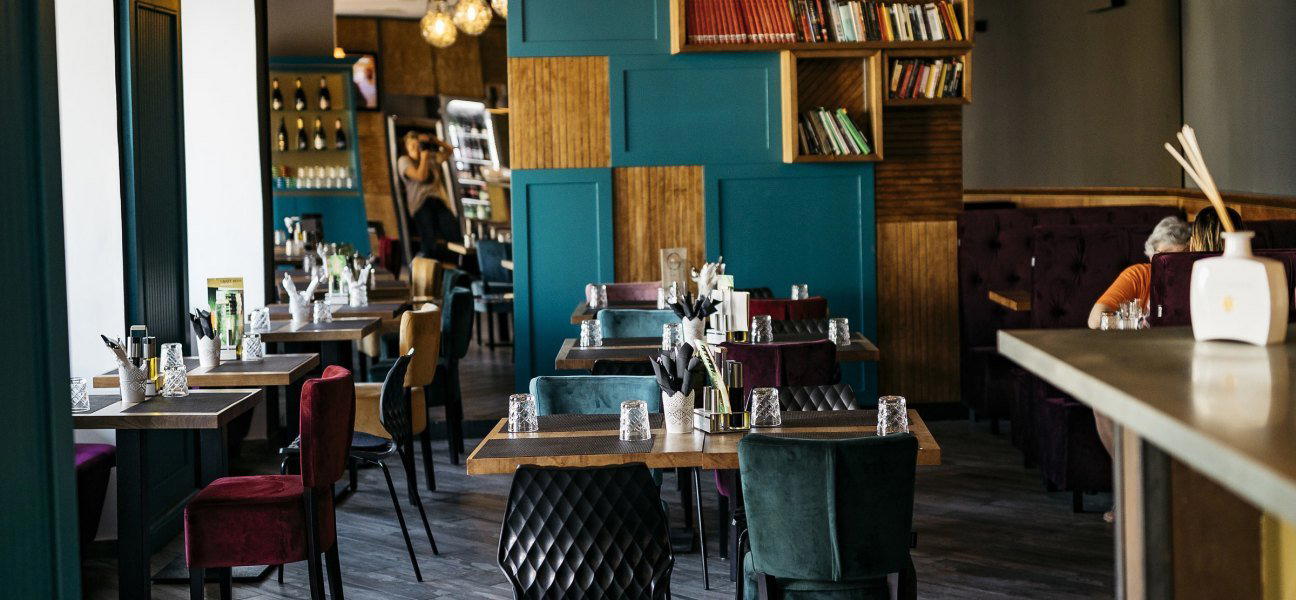
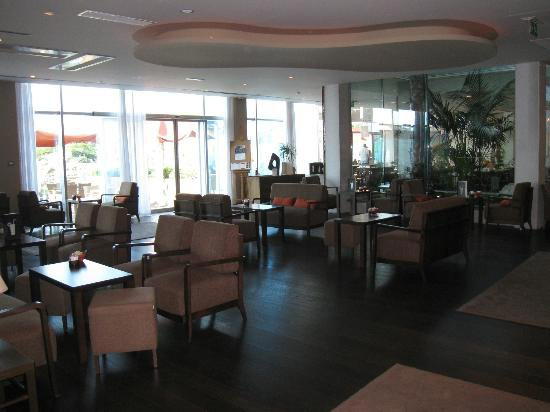
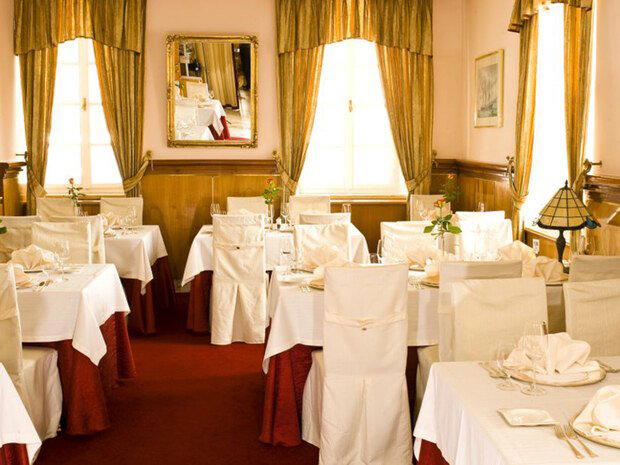
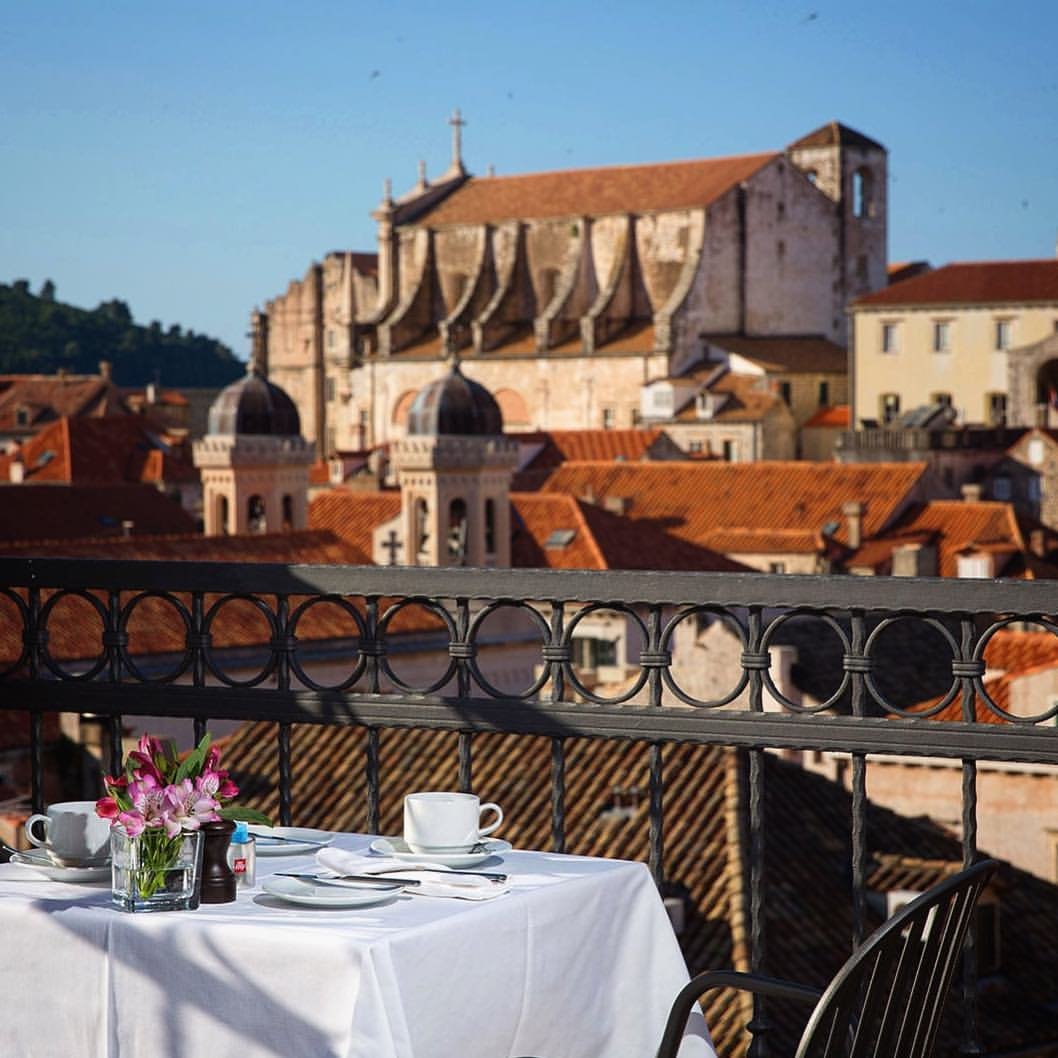
Bars in Dubrovnik
All bars in Dubrovnik →


Details
- Scenic
- Cozy
- Relaxed
- Date Night
- Casual Hangout
- Family
- Waterfront
- Terrace
- Extensive Wine List
- Local Sourcing
- Waterfront
- A La Carte
- Vegetarian Friendly
- Vegan Options
- Gluten Free Options
Current opening hours
- Monday
- 10 AM–10:30 PM
- Tuesday
- 10 AM–10:30 PM
- Wednesday
- 10 AM–10:30 PM
- Thursday
- 10 AM–10:30 PM
- Friday
- 10 AM–10:30 PM
- Saturday
- 10 AM–10:30 PM
- Sunday
- 10 AM–10:30 PM
Hours can change for holidays and private events. Hours as of .
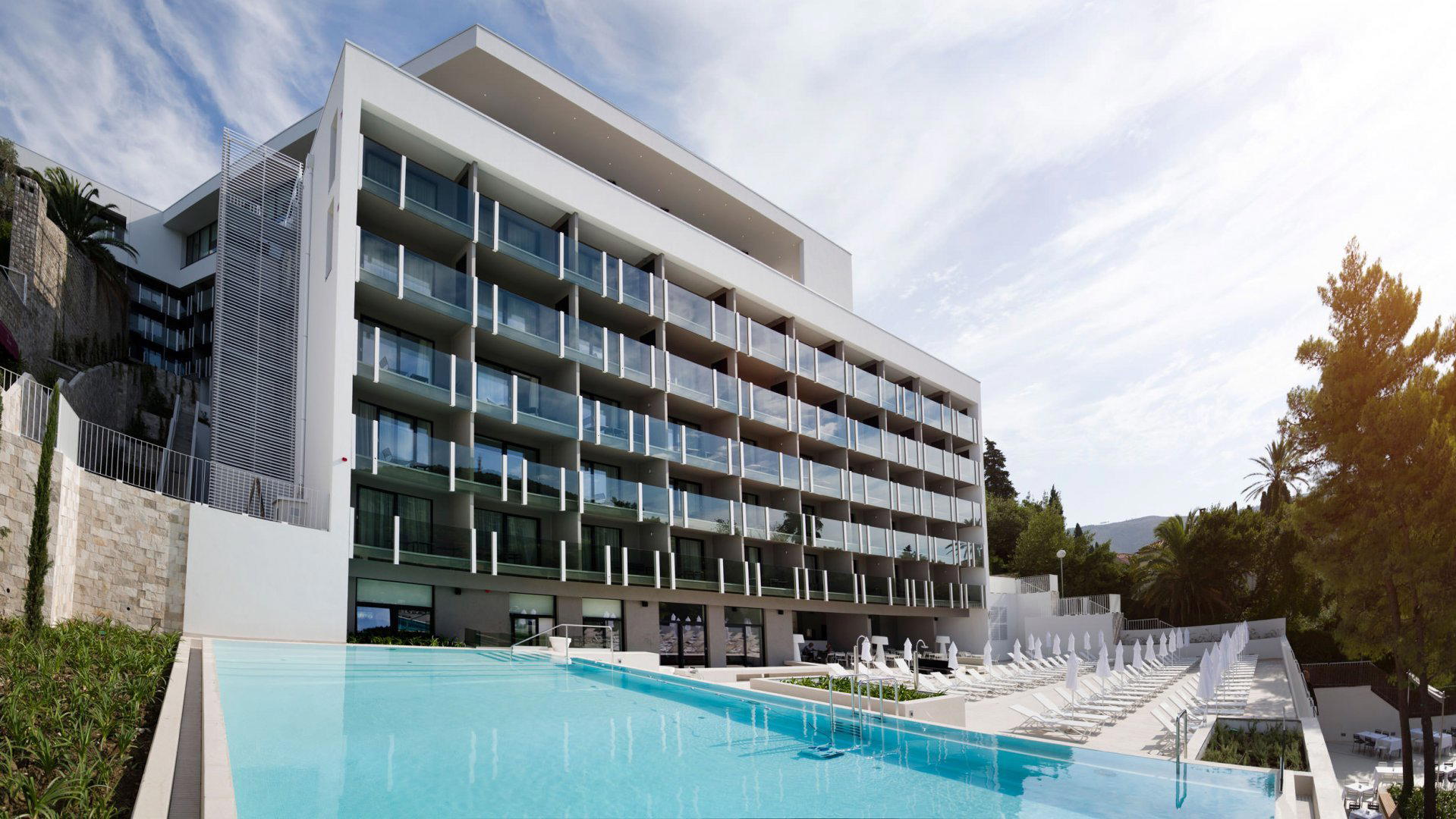
Relaxed and friendly atmosphere with stylish interior and shaded pine-tree terrace by the sea.