Our verdict
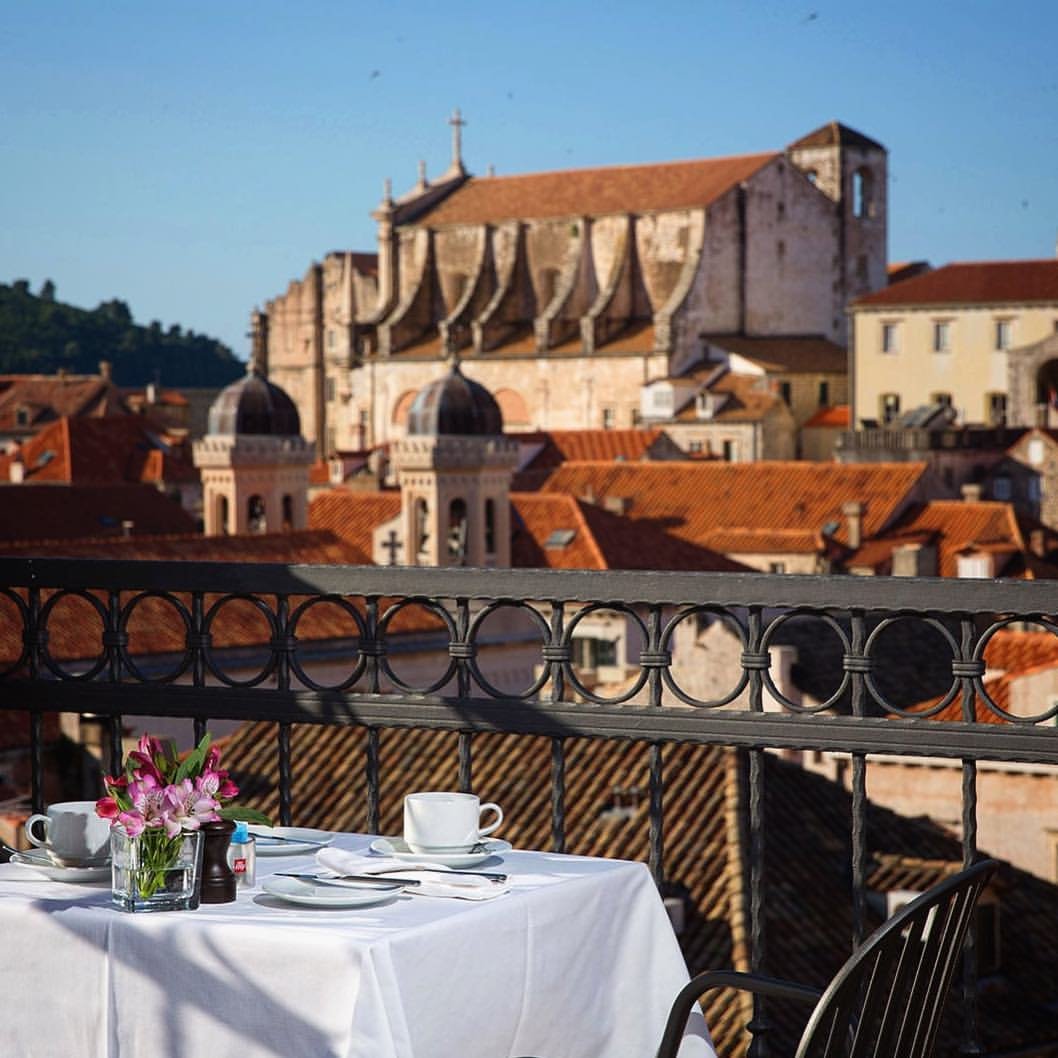
Above 5 occupies a position in Dubrovnik's dining scene that rewards visitors willing to look past the Old Town's most-trafficked restaurant rows. Located on Ul. od Sigurate in the historic centre, it operates within a city where rooftop and terrace dining has become the dominant format for premium experiences. A considered stop for those mapping the upper tier of Dubrovnik's restaurant offerings.

Pearl is the En Primeur Club membership app, where members save venues, book tables and use the concierge.
The menu
What to order
- Lobster with homemade pasta
- Dry-aged beef tenderloin
- Asparagus and lobster
Dining High in Dubrovnik: What the Terrace Format Reveals
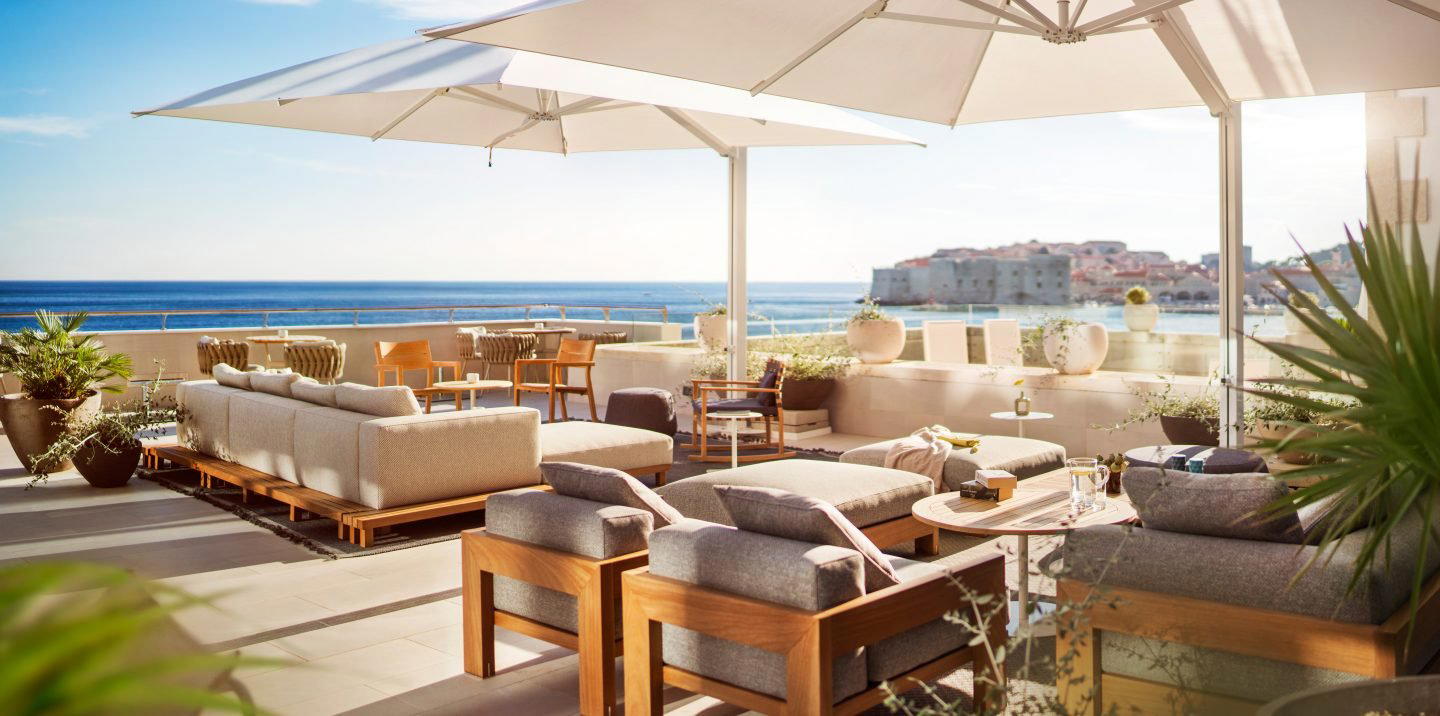
Dubrovnik's restaurant scene has been shaped, more than almost any other European city of its size, by verticality. Perched terraces, refined dining rooms, and rooftop formats are not an amenity here, they are the dominant architectural logic of premium dining inside the Old Town walls. When a restaurant takes a name like Above 5, it is making an explicit claim within that context: that its position, physical or conceptual, justifies attention against a market where every second address offers a view and a price point to match.
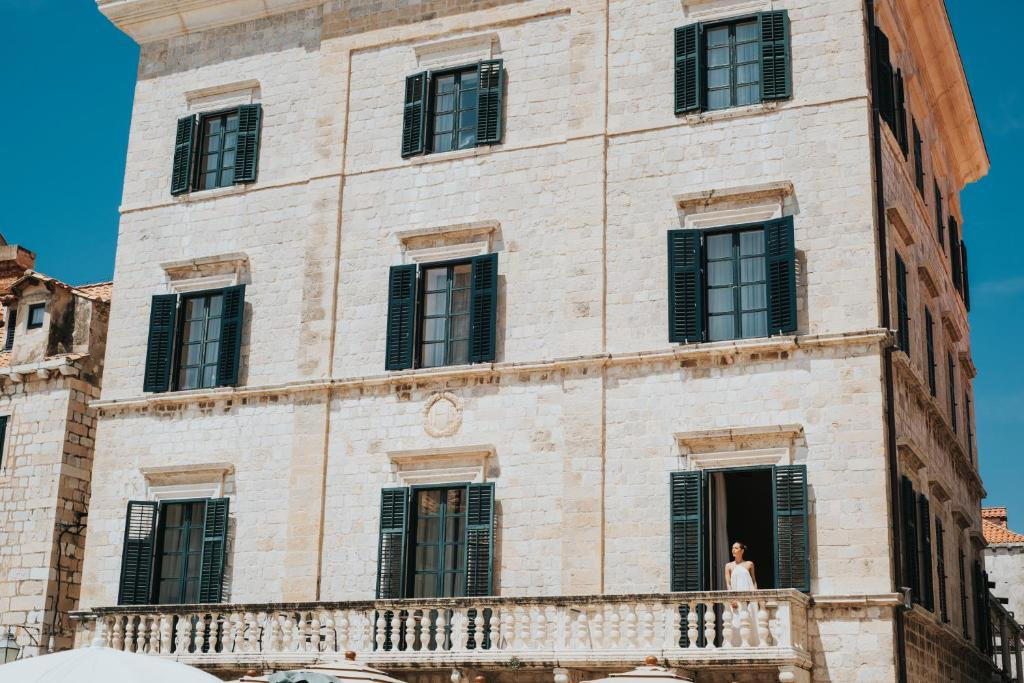
Above 5 sits on Ul. od Sigurate 4, a street that places it within the dense limestone grid of Dubrovnik's historic centre. In a city where tourists concentrate heavily along Stradun and the immediately surrounding lanes, an address slightly off that axis can signal either obscurity or deliberate positioning. In the upper tier of Old Town dining, the latter is more often the case, venues that rely on the Stradun foot traffic tend toward volume; those that do not tend toward specificity.
How the Menu Format Frames the Offer
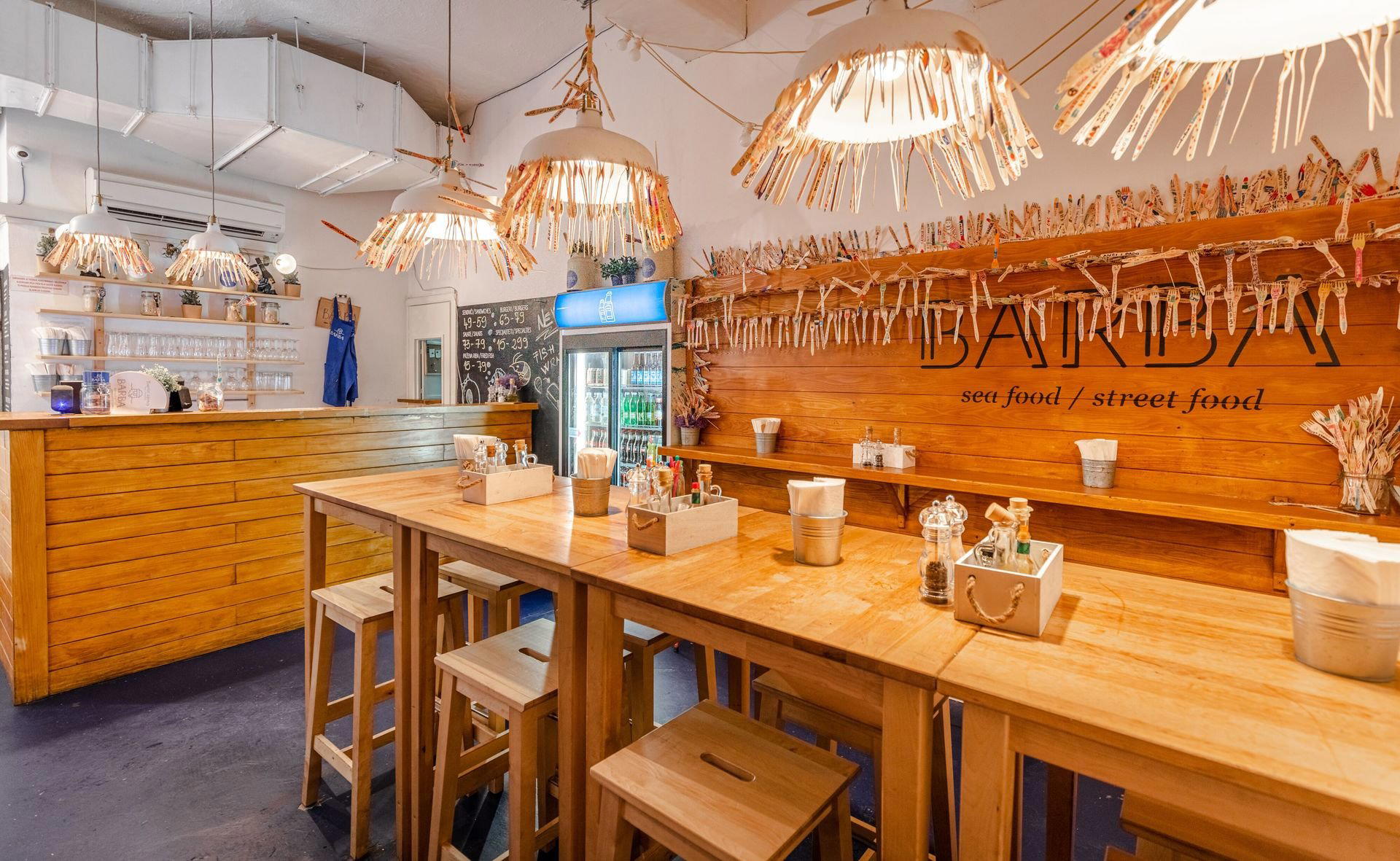
The editorial angle that matters most for a venue like Above 5 is what its menu structure communicates about its ambitions. Dubrovnik's premium restaurant market has split across several distinct formats over the past decade. At one end sit the full-production tasting-menu houses, Restaurant 360 (International, Modern Cuisine) being the most prominently positioned, with its terrace cantilevered over the city wall and an international kitchen vocabulary to match. At the other end, places like Bistro Tavulin (Traditional Cuisine) operate in the traditional Dalmatian register at a more accessible price point, while Barba leans into a focused, quality-driven casual format that has found its own loyal following.
Between those poles, mid-to-upper tier venues have to make a structural choice: compete on the spectacle of a full tasting progression, or build a menu that allows the cooking to carry the weight without theatrical scaffolding. How a restaurant organises its menu, the number of courses it offers, how it prices across sections, whether it pushes a fixed format or permits a la carte selection, tells you as much about its intended guest as any single dish does. A tightly edited a la carte, for instance, signals confidence in the sourcing and kitchen skill; a multi-course fixed menu signals a desire to control the narrative of the meal from arrival to departure.
For visitors planning around Dubrovnik's compressed summer season, this structural distinction matters practically. The city receives the bulk of its annual tourism between June and September, which compresses reservation windows considerably across the Old Town's better addresses. Venues operating a fixed tasting format typically require advance booking of several weeks during peak months; those with more flexible a la carte formats can sometimes accommodate shorter-notice reservations, though this is not guaranteed at any address in the historic centre during high summer.
Placing Above 5 in Croatia's Broader Fine Dining Pattern
Croatia's serious restaurant scene has developed unevenly across the country's geography. The Istrian peninsula has attracted the most consistent critical attention, with Agli Amici Rovinj in Rovinj and Pelegrini in Sibenik representing the kind of formal recognition that places Croatian cooking into international reference conversation. Further north, Nebo by Deni Srdoč in Rijeka and Alfred Keller in Mali Lošinj have built reputations within the premium coastal tier. Inland, Korak in Jastrebarsko and Dubravkin Put in Zagreb anchor the continental side of the conversation.
Dubrovnik's position within this national picture is somewhat paradoxical. It is Croatia's most internationally recognised city for tourism, yet its restaurant scene has not produced the same volume of formal critical recognition as Istria. The reasons are partly structural: the extreme seasonality of Dubrovnik's visitor base makes it harder to develop the year-round consistency that award programmes tend to reward, and the premium on Old Town real estate pushes operating costs in ways that can constrain kitchen investment. That context makes the upper tier of Old Town dining, addresses like Bowa and Bistro 49 alongside Above 5, worth examining as a competitive set shaped by specific local pressures rather than a simple hierarchy.
The Dalmatian culinary tradition that underlies most serious cooking in this part of Croatia centres on seafood from the Adriatic, local olive oils, and a Mediterranean herb vocabulary that differs from the Istrian truffle-and-prosciutto register to the north. Restaurants in the Old Town that engage seriously with that tradition, rather than producing a generic tourist-facing Mediterranean menu, occupy a different and more interesting position regardless of price point. LD Restaurant in Korčula and Boskinac in Novalja are examples of how that regional specificity can translate into a distinctive offer elsewhere on the Adriatic coast.
Planning a Visit: Practical Orientation
Ul. od Sigurate 4 places Above 5 within walking distance of the city's main pedestrian artery, Stradun, which makes it accessible on foot from most Old Town accommodation without navigating the hillier back streets of the upper town. For visitors staying outside the walls, in Lapad, Babin Kuk, or Ploče, reaching the Old Town typically means either a short taxi ride to one of the gate entrances or, from the eastern side, the Ploče gate approach past the Dominican monastery.
As with most addresses in the Old Town's dining tier, contacting the venue directly to confirm current hours, reservation requirements, and menu format is the recommended approach before visiting, particularly during peak summer months when operational details can shift with demand. Phone and website details were not confirmed at the time of publication. For a broader picture of the city's restaurant options across price points and styles, the full Dubrovnik restaurants guide maps the scene in more detail.
Visitors building a multi-city Croatia itinerary can use this address as a reference point within a connected set of coastal and inland dining: Krug in Split and San Rocco in Brtonigla represent the spread of considered Croatian cooking available within a few hours of Dubrovnik in either direction.
Frequently asked questions
How do I find Above 5?
Above 5 is located at Ul. od Sigurate 4, 20000, Dubrovnik, Croatia, Dubrovnik.
Where exactly is Above 5 located in Dubrovnik, and how close is it to the main sights?
Above 5 is addressed at Ul. od Sigurate 4 in Dubrovnik's Old City, placing it within walking distance of Stradun, the city's principal pedestrian artery. That proximity means most of the walled city's major landmarks are reachable on foot in under ten minutes. No vehicle access is required from the majority of Old City accommodations.
What should I eat at Above 5?
Dubrovnik's better terrace restaurants tend to anchor their menus in Adriatic seafood and Dalmatian regional ingredients. check the venue's official channels at Ul. od Sigurate 4 or check at the door for the current offer.
Is Above 5 reservation-only?
No booking policy is documented for Above 5 at this time. Given the address on Ul. od Sigurate 4 places it within the densely trafficked Old City, walk-in availability during peak summer months in Dubrovnik is typically limited at any terrace venue in the area. Contacting the restaurant directly before visiting is the safest approach.
What's Above 5 best at?
The venue's positioning in Dubrovnik's vertically oriented dining scene suggests the terrace format and Old City vantage point are central to the offer. Dubrovnik restaurants at this address tier compete primarily on setting and Adriatic-focused cooking.
Is Above 5 good for vegetarians?
Dalmatian menus in Dubrovnik's Old City vary widely in plant-based depth; it is worth calling ahead or checking the current menu at Ul. od Sigurate 4 before visiting. Check the venue's official channels for the latest details.
Where the Accolades Land
| Venue | Cuisine | Price | Awards | Notes |
|---|---|---|---|---|
| Above 5This venue (the venue you are viewing) | Modern Mediterranean Fine Dining | Not listed | Not listed | Not listed |
| Restaurant 360 | Modern Mediterranean with Asian and French Influences | $200–300 | 1 Michelin Star · La Liste Top Restaurants | International, Modern Cuisine |
| Nautika | Traditional Mediterranean Seafood | $100–150 | Michelin Plate · Star Wine List | Modern European, Classic Cuisine |
| Taj Mahal | Authentic Bosnian | $30–50 | Michelin Bib Gourmand | Balkan |
| Zuzori | Modern Mediterranean | $50–100 | Michelin Plate | Mediterranean Cuisine |
| Bistro Tavulin | Modern Croatian Mediterranean Bistro | $30–50 | Michelin Plate | Traditional Cuisine |
Continue exploring
More in Dubrovnik
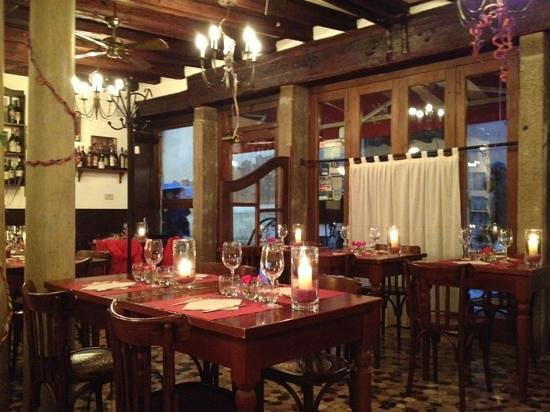
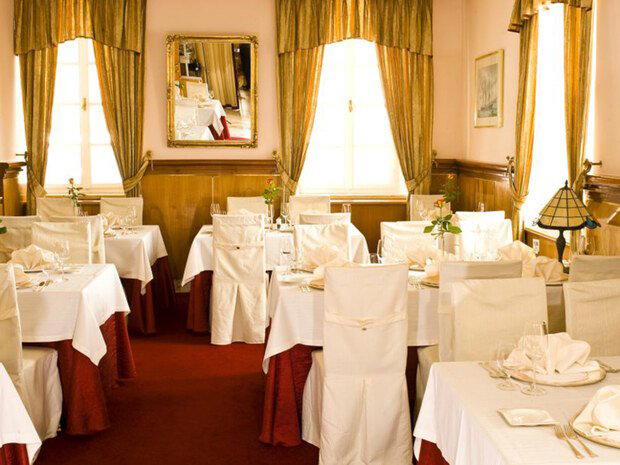
Restaurants in Dubrovnik
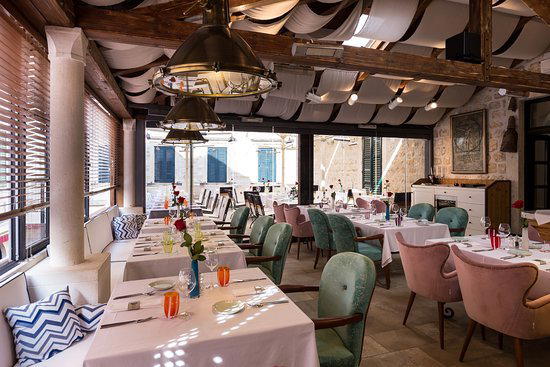
All restaurants in Dubrovnik →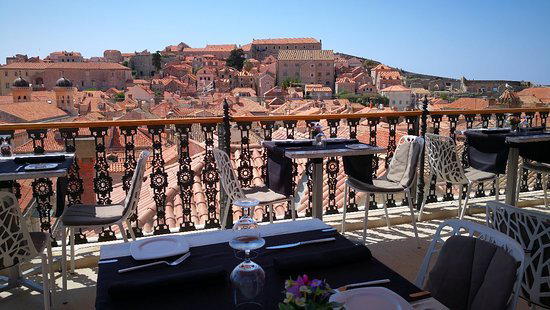
Bars in Dubrovnik
All bars in Dubrovnik →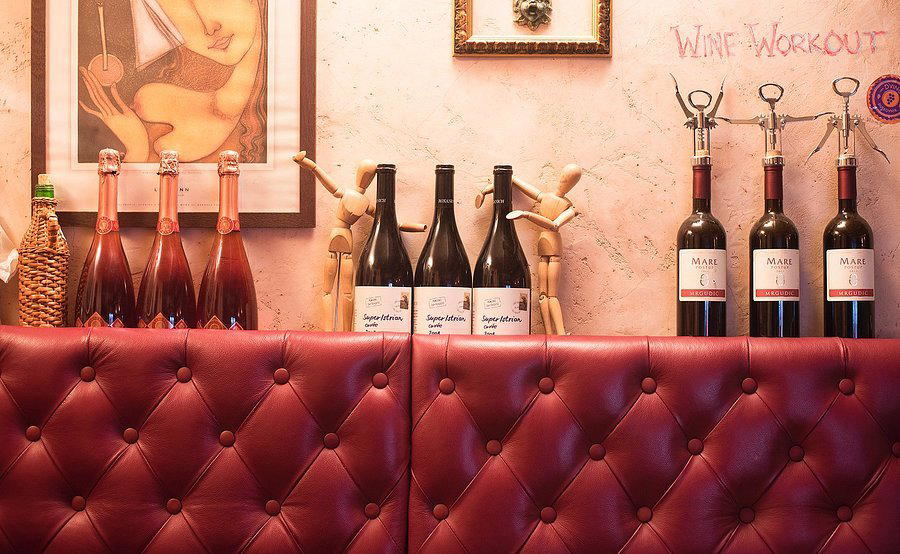

Above 5
The wine
- Wine program
- Deep wine list
- Extensive wine list
- Sommelier-led
- Craft cocktails
Details
- Romantic
- Elegant
- Sophisticated
- Intimate
- Scenic
- Date Night
- Special Occasion
- Celebration
- Private Event
- Rooftop
- Panoramic View
- Private Dining
- Terrace
- Extensive Wine List
- Sommelier Led
- Craft Cocktails
- Local Sourcing
- Waterfront
- Skyline
- Tasting Menu
- A La Carte
- Croatian Wines
- Cocktails
- Vegetarian Friendly
- Gluten Free Options
- Vegan Options
Current opening hours
- Monday
- 12–11 PM
- Tuesday
- 12–11 PM
- Wednesday
- 12–11 PM
- Thursday
- 12–11 PM
- Friday
- 12–11 PM
- Saturday
- 12–11 PM
- Sunday
- 12–11 PM
Hours can change for holidays and private events. Hours as of .
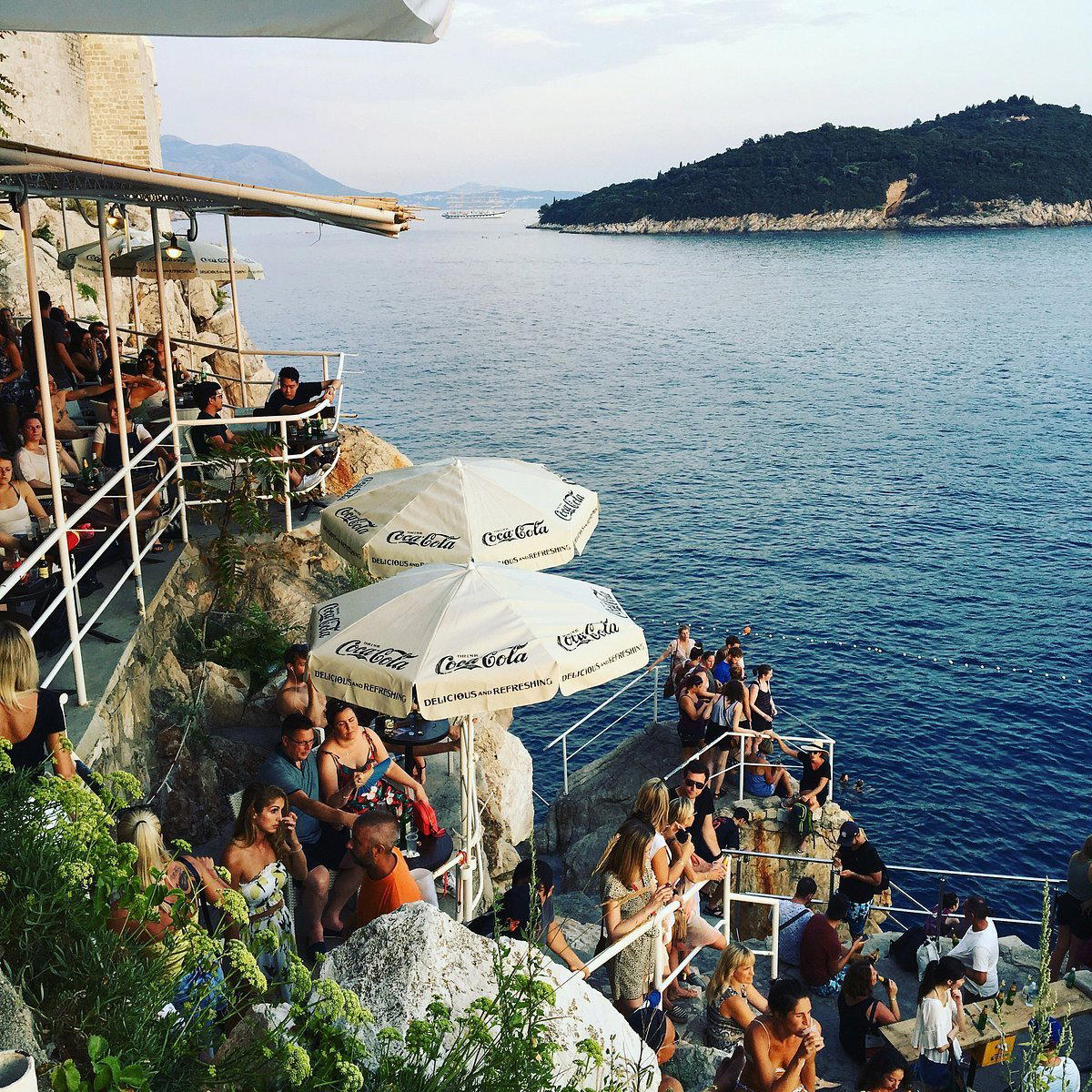
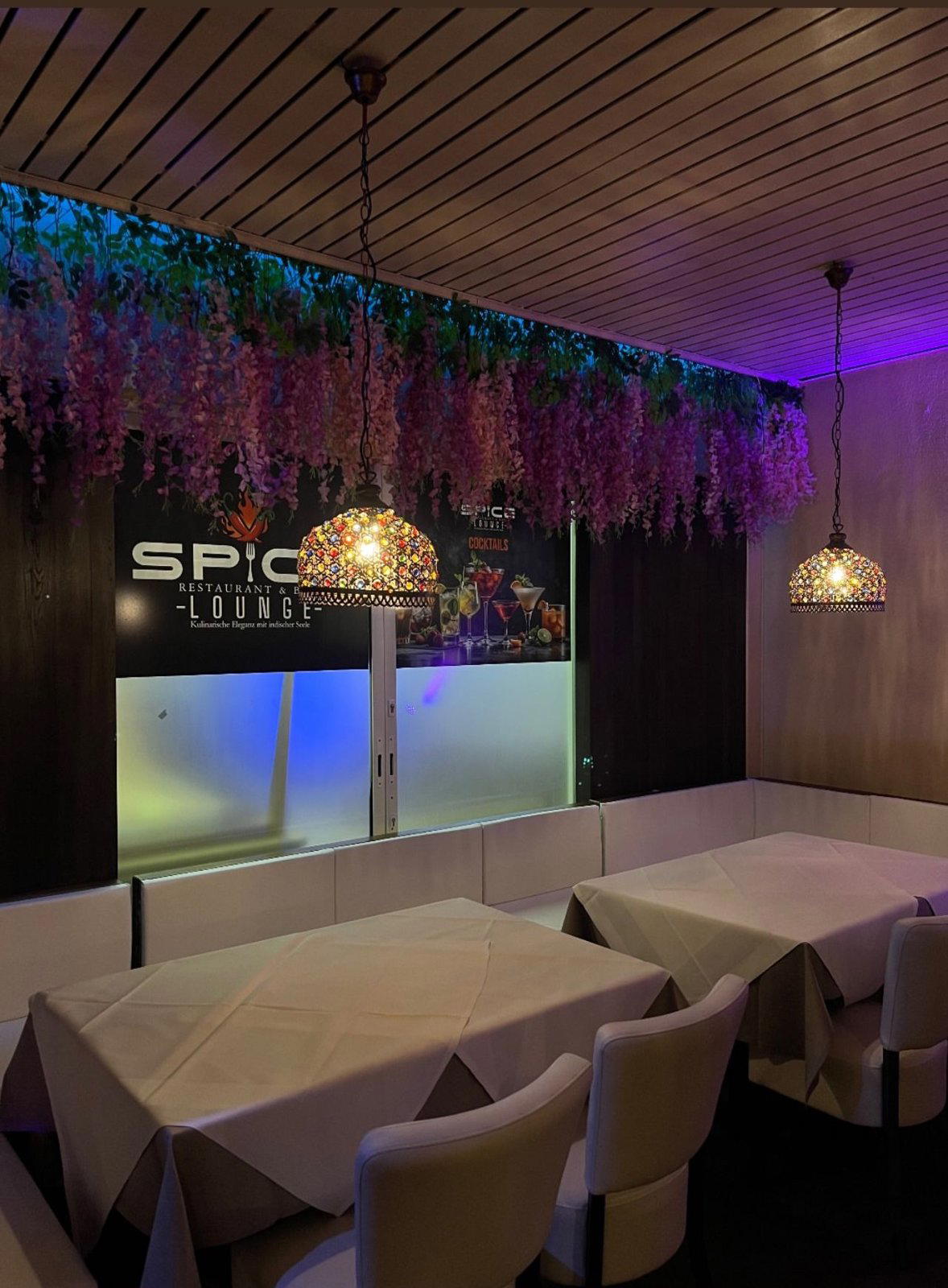
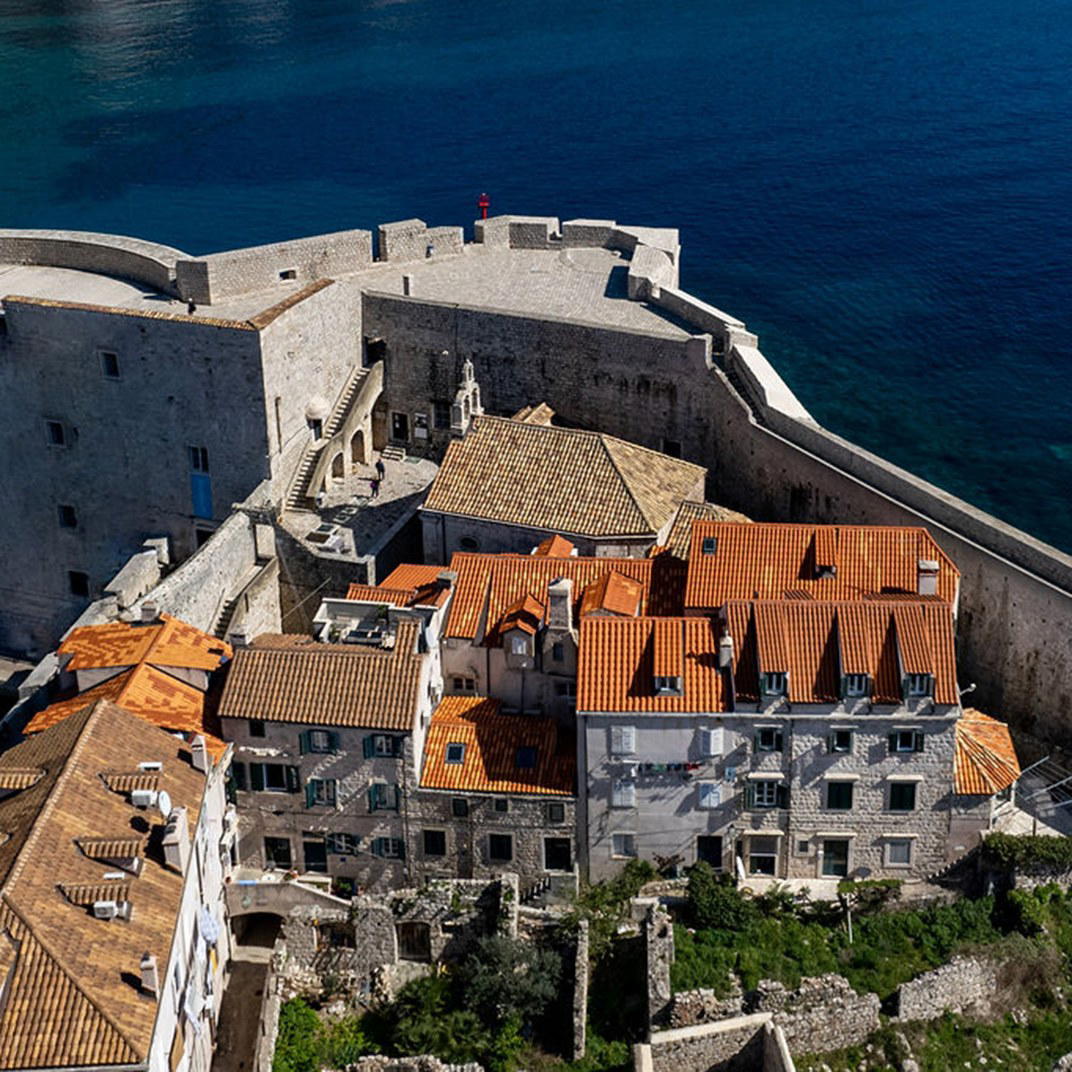
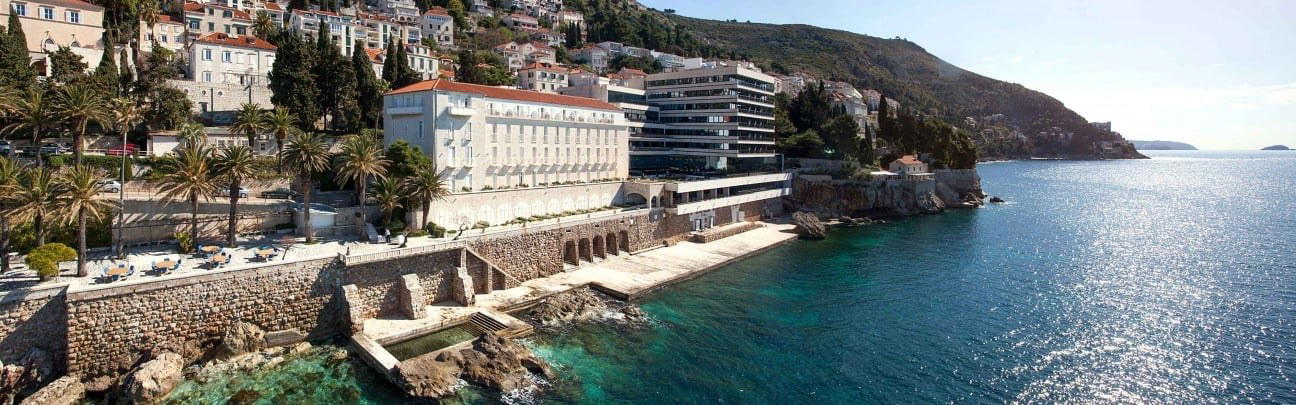
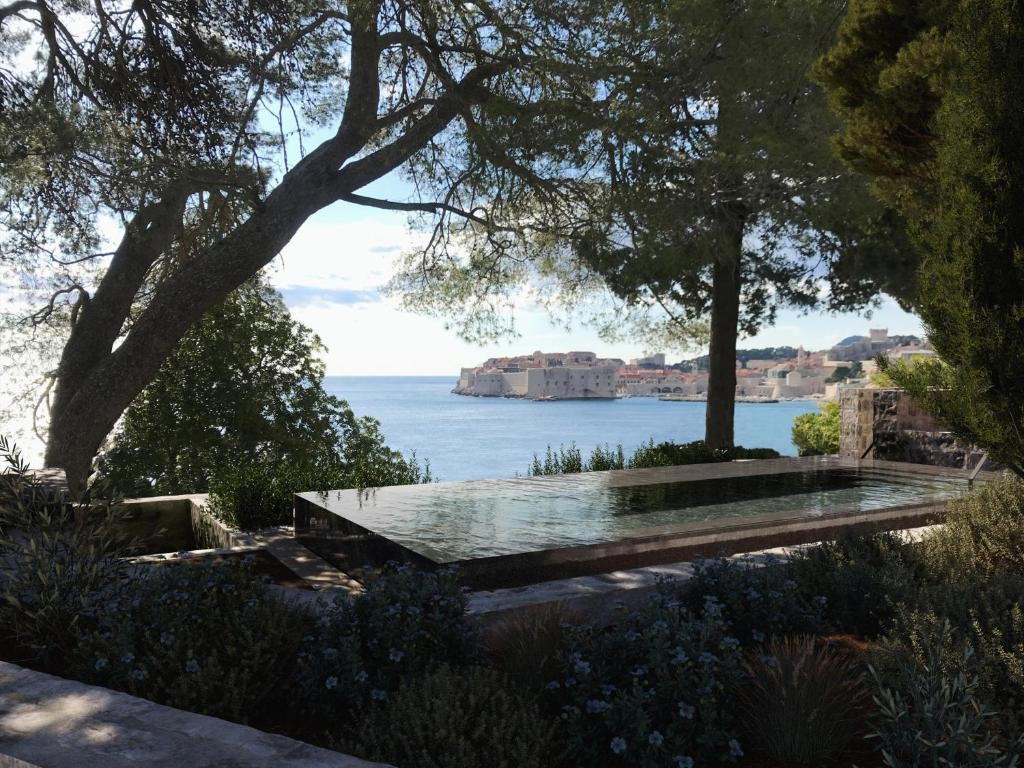
Intimate rooftop terrace with romantic sunset views over the Adriatic, elegant lighting, and a sophisticated atmosphere surrounded by historic stone walls.