Konoba Maestro occupies a quiet address on Hvarska ulica in Dubrovnik's old town, operating within the konoba tradition that defines Dalmatian hospitality at its most grounded. The format prioritises seasonal coastal cooking over spectacle, placing it in a different register from the city's terrace-view destination restaurants. For visitors who want to eat close to local rhythm, this is where that search tends to end.
Pearl is the En Primeur Club membership app — saves, bookings, and concierge access live there. Same editors, same standards.
- Address
- Hvarska ul. 6, 20000, Dubrovnik, Croatia
- Phone
- +385 99 213 8814
- Directions
- Get directions
 Saves & bookings on Pearl
The Konoba Tradition in a City Tilted Toward Tourism
Dubrovnik's restaurant scene has polarised sharply over the past decade. At one end sit the terrace-view flagship rooms, such as Restaurant 360 and Nautika, pricing at the €€€€ tier and positioning against an international audience willing to pay for the setting as much as the plate. At the other end, a quieter stratum of konobe, the Dalmatian word for a traditional tavern, persists in the old town's narrower streets, operating closer to the everyday rhythms of coastal Croatian cooking. Konoba Maestro is a restaurant in Dubrovnik, Croatia, serving authentic Croatian Mediterranean food at Hvarska ul. 6.
The konoba as a format has deep roots in Adriatic culture. These are not restaurants in the contemporary European sense: the format resists tasting menus and elaborate plating in favour of fish grilled over open wood, slow-braised meats, hand-rolled pasta, and wine served without ceremony. The tradition predates tourism infrastructure in Dalmatia by centuries, and in the cities where it survives with any integrity, it functions as a cultural document as much as a meal. In Dubrovnik, where the pressure to convert everything for tourist consumption is particularly intense, a konoba that holds to its format makes a specific statement about priorities.
What Dalmatian Coastal Cooking Actually Means
The cuisine associated with Dubrovnik and the surrounding region of southern Dalmatia draws on a relatively spare pantry: olive oil, Adriatic seafood, locally grown vegetables, lamb from the karst hinterland, and indigenous grape varieties that produce wines quite different from anything produced inland. The cooking philosophy, when it is operating at its clearest, is less about elaboration and more about sourcing proximity. A fresh-caught dentex needs little intervention. Peka, meat or seafood slow-cooked under an iron bell covered with embers, works through patience rather than technique.
This places southern Dalmatian cooking in an interesting comparative position relative to other Croatian regional traditions. The Istrian north, represented at its sharper end by Agli Amici Rovinj in Rovinj, blends Adriatic ingredients with Italian technique and has attracted significant international recognition, including Michelin attention. Sibenik's Pelegrini and Rijeka's Nebo by Deni Srdoč represent a strand of Croatian cooking that engages directly with modernist frameworks. Southern Dalmatia, by contrast, has produced fewer venues in that progressive tier, and its most honest dining tends to live in the konoba format rather than fine dining rooms.
Where Konoba Maestro Sits in Dubrovnik's Current Offering
Dubrovnik's mid-range dining tier, broadly the €€ to €€€ bracket, has become increasingly difficult to read for visitors. Some addresses in that range deliver genuine quality; others are coasting on location and the assumption that tourist turnover makes consistency less important. The konoba addresses that retain local credibility tend to be identifiable by a few signals: they are on streets without water views, they are not signposted aggressively, and their menus change with what is available rather than what prints well on a laminated card.
Konoba Maestro's address on Hvarska ulica places it away from the main pedestrian axis of Stradun and the waterfront promenade, a location pattern shared by Bistro Tavulin, which occupies a similar position in the city's traditional-cuisine bracket. Comparison venues like Barba and Bistro 49 address adjacent segments of the local eating scene, while Above 5 skews toward a cocktail-forward bar format. Maestro's positioning, insofar as available signals allow an assessment, is consistent with the konoba category: a local-facing address in a tourist-heavy city, where the format itself carries the editorial argument.
The Broader Croatian Dining Context
Understanding where any Dubrovnik address fits requires some sense of what Croatian dining looks like at its more ambitious end. Zagreb's Dubravkin Put and Split's Krug indicate what the urban restaurant tier looks like inland and in Croatia's second city. Island cooking, represented by LD Restaurant in Korčula and BioMania Bistro Bol in Bol, follows slightly different seasonal logic than a city-based konoba. Novalja's Boskinac and Jastrebarsko's Korak extend the picture toward wine-estate and rural formats. Mali Lošinj contributes Alfred Keller, a boutique hotel dining room operating in a different key.
None of these addresses map directly onto what a Dubrovnik konoba does. The konoba is a specifically urban-coastal format, dependent on daily market access and a local customer base that acts as a quality check that tourist-only restaurants lack. That context matters when placing the restaurant: it belongs to a tradition with its own coherent logic, not to the tier that competes with Michelin-tracked rooms or the internationally positioned properties that Dubrovnik deploys as its headline dining offer. For reference, the ambition at rooms like Le Bernardin in New York City or Atomix in New York City operates in an entirely different register, technique-driven, multi-course, globally benchmarked. The konoba tradition is the counter-argument to that model: fewer courses, more legible ingredients, no performance.
Planning a Visit
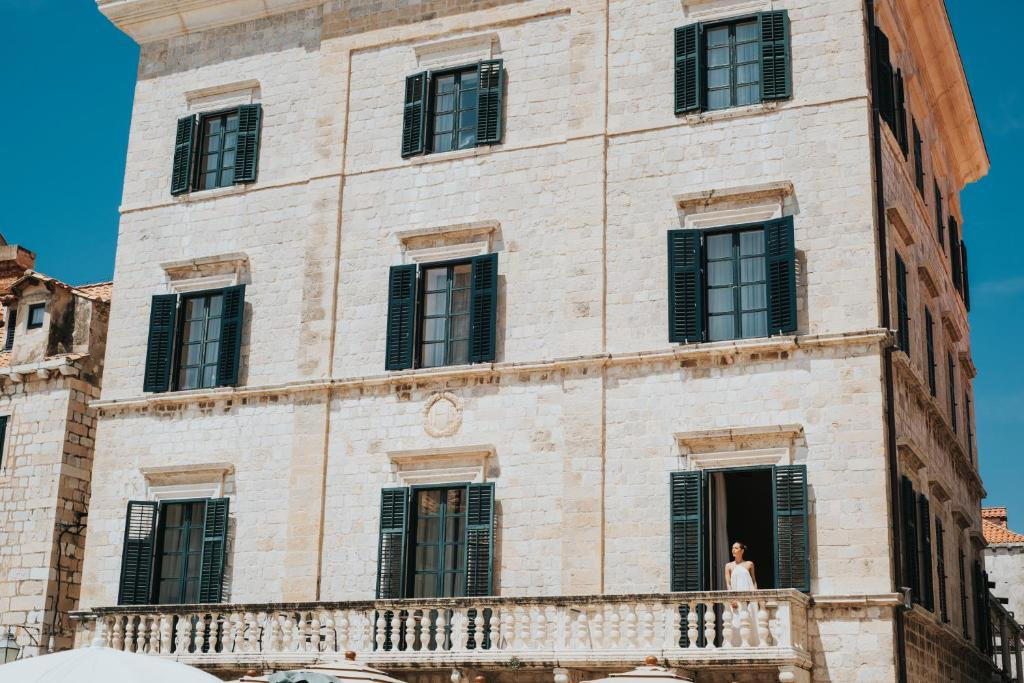
The restaurant is at Hvarska ulica 6 in Dubrovnik's old town. The address sits within the walled city, accessible on foot from the Pile Gate entrance; the street runs parallel to the main tourist flow, which is part of its value. Dubrovnik's peak season runs from June through August, when old-town restaurants across all tiers fill quickly and walk-in availability tightens considerably. The shoulder months of May and September–October generally offer more considered dining conditions: fewer crowds, more availability, and produce that reflects the transition between Adriatic seasons.
Price and Positioning
Comparable venues nearby, for context on price, style, and recognition.
| Venue | Cuisine | Price | Notes |
|---|---|---|---|
| Konoba MaestroThis venue — the venue you are viewing | Ploče, Authentic Croatian Mediterranean | $$$ | Not listed |
| Restaurant Panorama | Not listed | $$$ | Mount Srđ, Mediterranean Seafood with Croatian Influences |
| Ul. od Sigurate 2 | Old Town, Mediterranean Seafood | $$$ | Not listed |
| Pantarul | Lapad, Modern Croatian Mediterranean | $$ | Not listed |
| Restaurant Kopun | Not listed | $$$$ | Old Town, Traditional Croatian with Modern Twist |
| Posat | Pile, Modern Mediterranean Seafood | $$$$ | Not listed |
Continue exploring
More in Dubrovnik
Restaurants in Dubrovnik
Browse all →
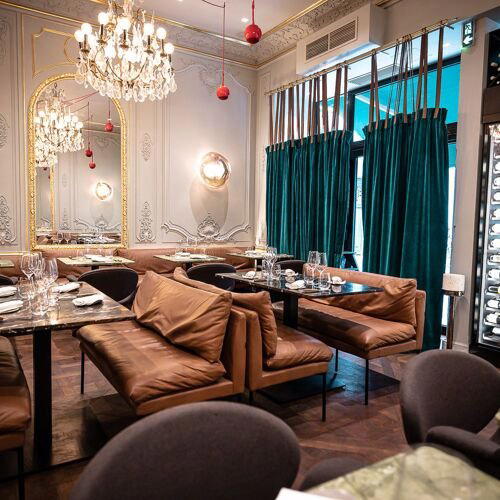
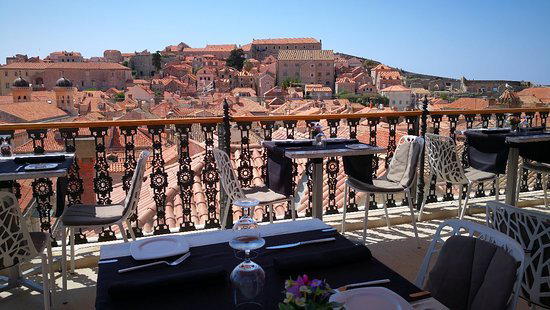
Bars in Dubrovnik
Browse all →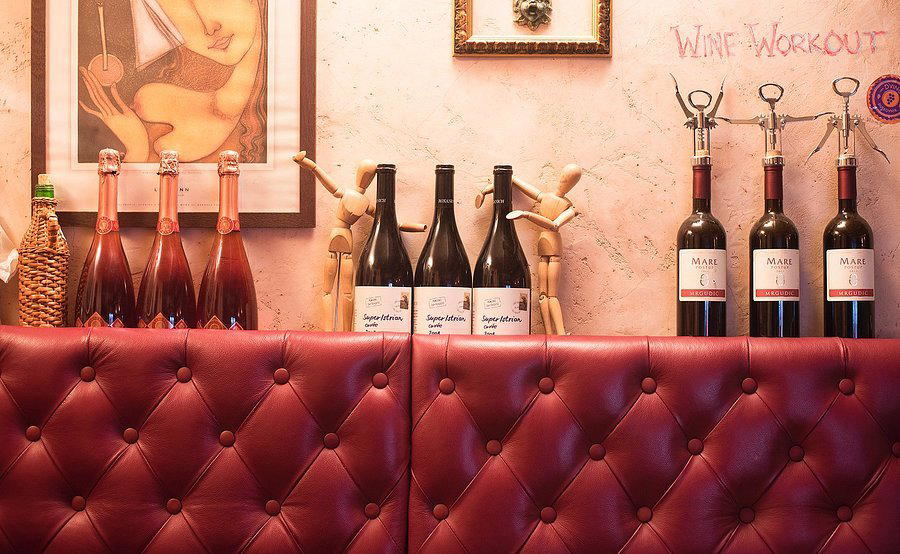
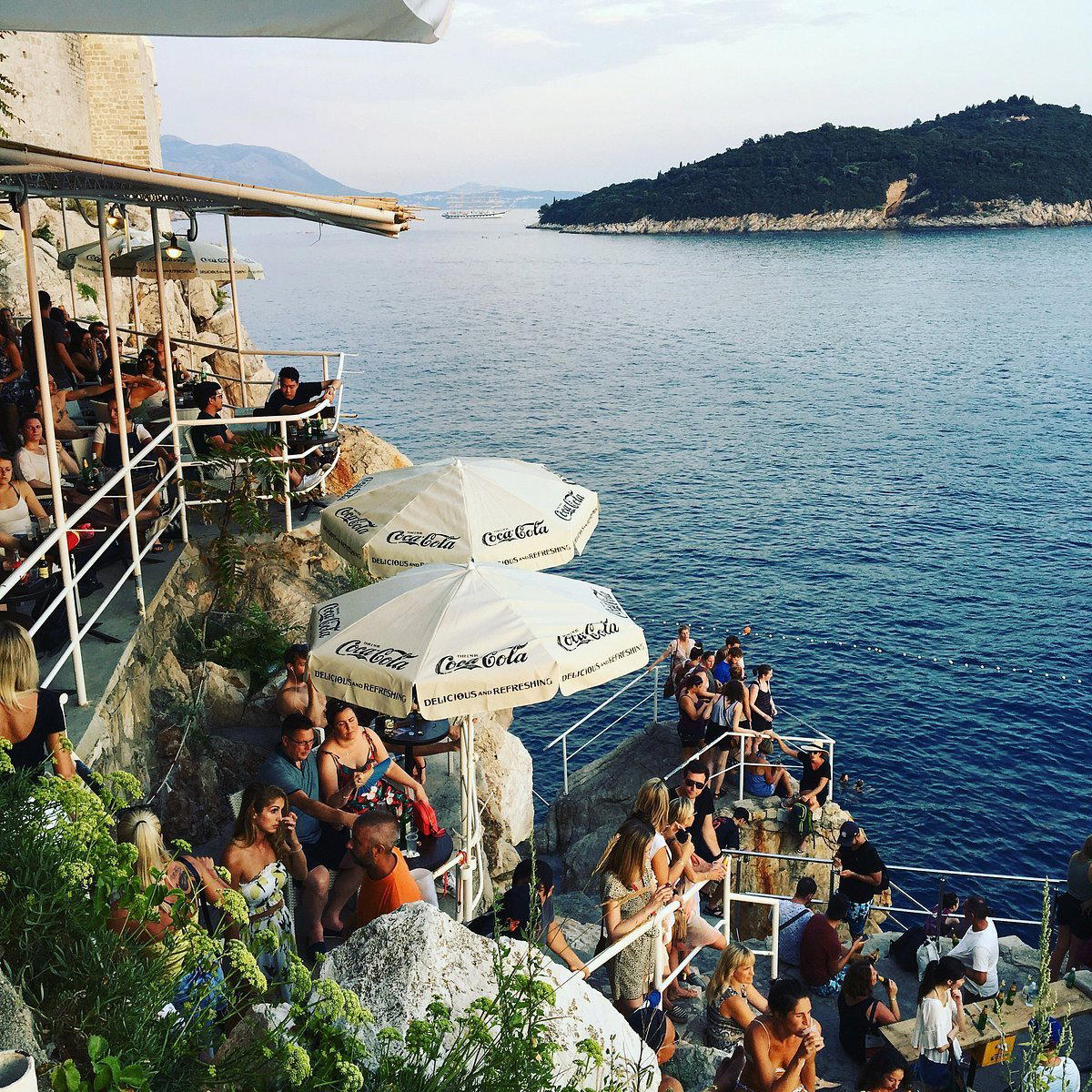
Hotels in Dubrovnik
Browse all →

At a Glance
- Cozy
- Romantic
- Intimate
- Rustic
- Date Night
- Special Occasion
- Family
- Terrace
- Historic Building
- Extensive Wine List
- Local Sourcing
- Street Scene
Current opening hours
- Monday
- 4 PM–12 AM
- Tuesday
- 4 PM–12 AM
- Wednesday
- 4 PM–12 AM
- Thursday
- 4 PM–12 AM
- Friday
- 4 PM–12 AM
- Saturday
- 4 PM–12 AM
- Sunday
- 4 PM–12 AM
Hours can change for holidays and private events. Last verified .
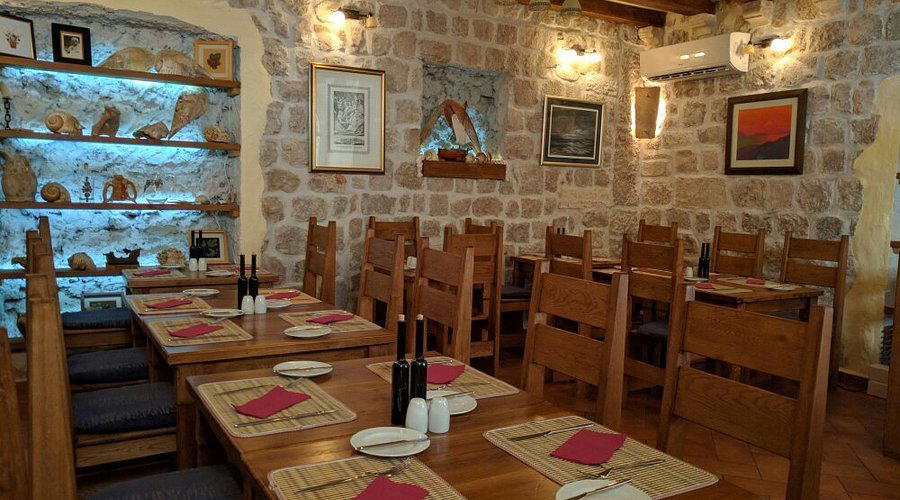
Warm, cozy konoba atmosphere with attentive service and a romantic, intimate setting praised by diners.