
Michelin Plate
Our verdict
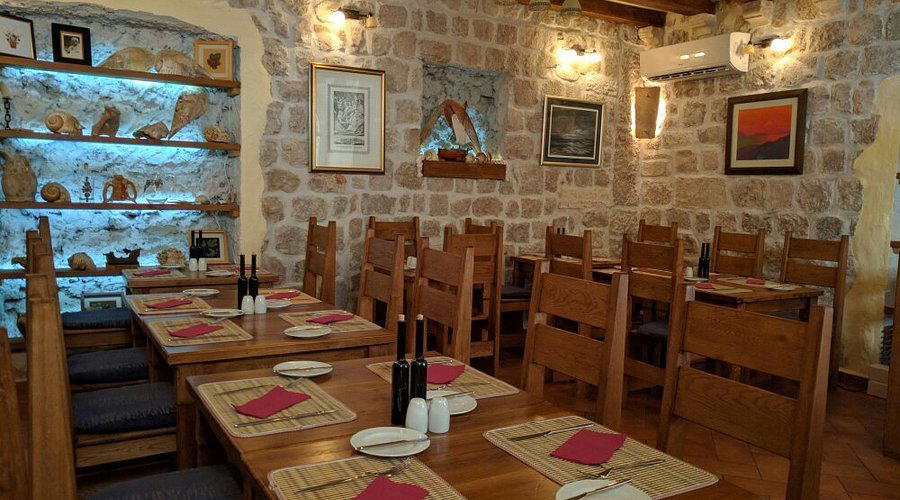
A Michelin Plate recipient in both 2024 and 2025, Bistro Tavulin sits inside the Old City walls on Ulica Cvijete Zuzorić, holding its own in a dining scene dominated by tourist-facing seafood terraces. The kitchen works a traditional Croatian register at a mid-range price point, making it one of the more grounded options in a city where Adriatic credentials often come at a significant premium.

Pearl is the En Primeur Club membership app, where members save venues, book tables and use the concierge.
The menu
What to order
- Agnolotti with Adriatic prawns
- Octopus ragout
- Black ink risotto
- Shrimp ceviche
Stone, Salt Air, and the Weight of Tradition
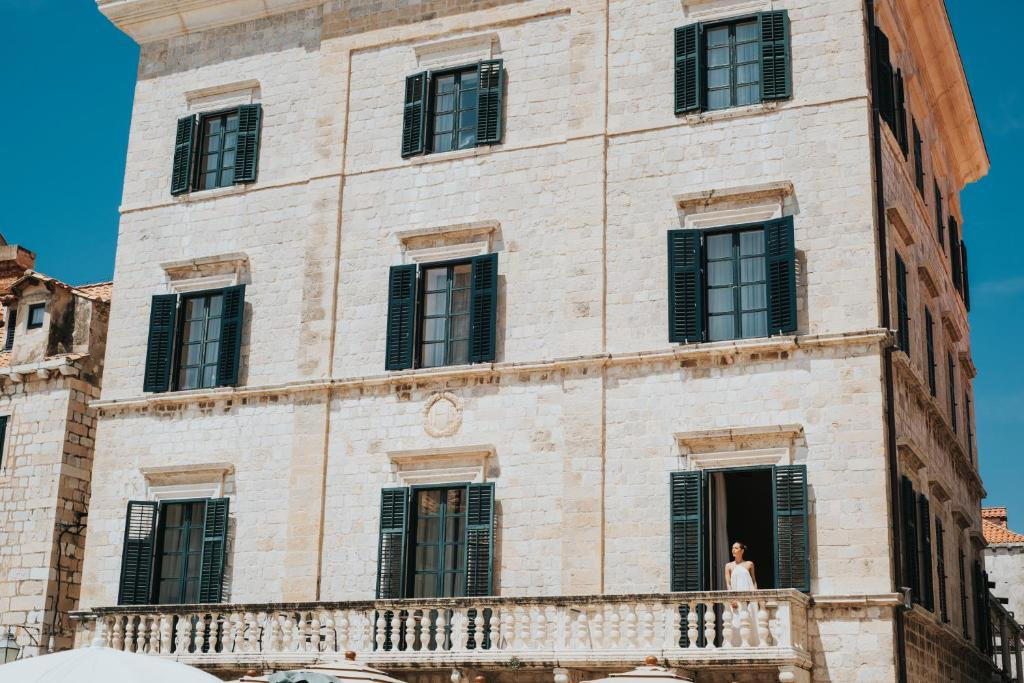
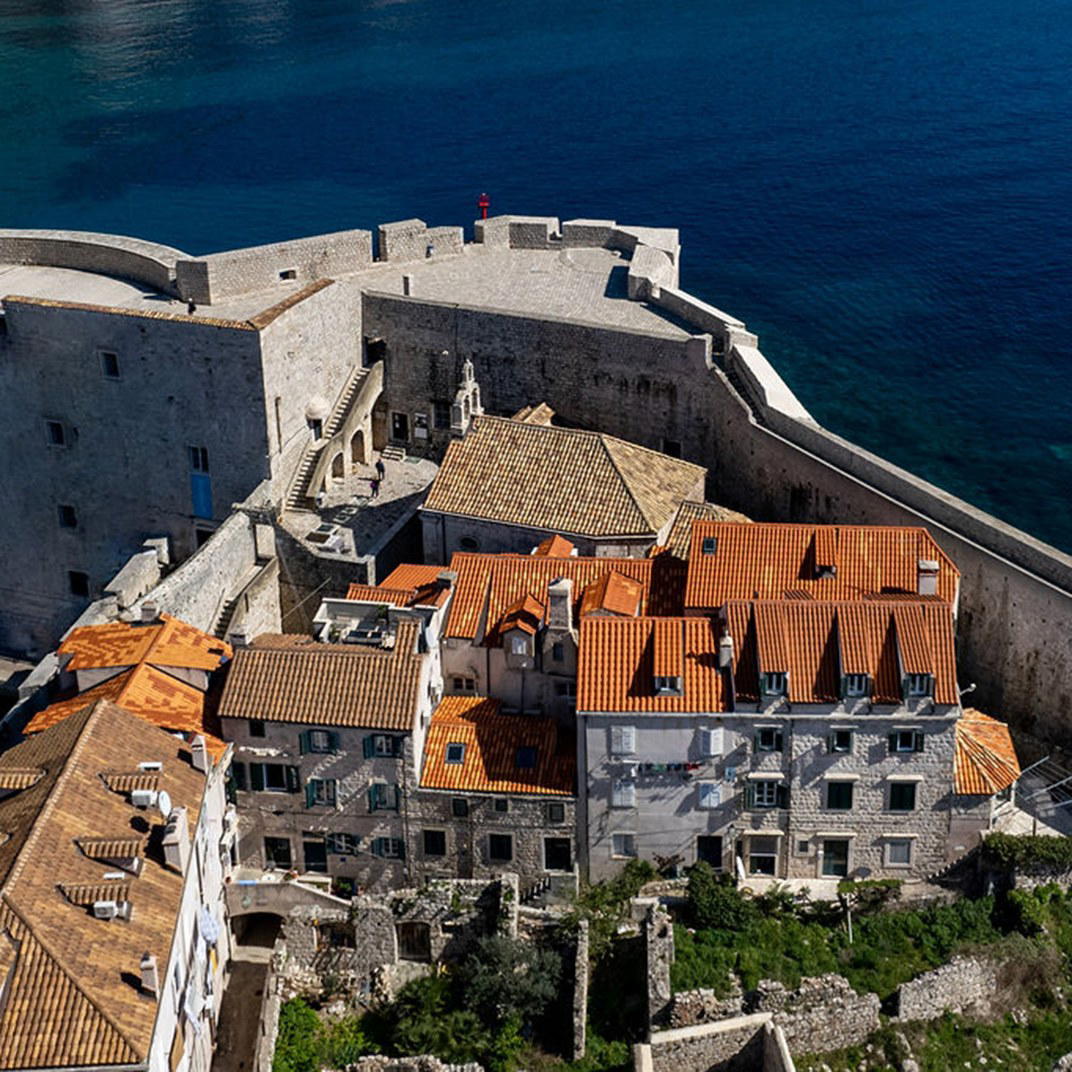
Walking into Dubrovnik's Old City from any gate, you pass through layers of limestone that have absorbed eight centuries of weather, commerce, and cooking. Ulica Cvijete Zuzorić, where Bistro Tavulin occupies its address at number 1, is the kind of narrow street that filters out the loudest strands of summer foot traffic, quieter than the Stradun, more residential in character, with the sea close enough to feel in the air. It is in this physical context that the bistro's approach becomes legible: a kitchen anchored in traditional Croatian technique, operating at a price point (€€) that sits well below the Old City's upper tier.
Dubrovnik's restaurant market has a pronounced split. At one end, venues like Restaurant 360, with a Michelin star and a terrace cantilevered over the city walls, price against an international clientele and compete on spectacle as much as plate. Nautika, another institution in the €€€€ bracket, occupies similar territory. Bistro Tavulin operates on different logic: two consecutive Michelin Plate recognitions (2024 and 2025) signal that the quality floor is real, but the pricing places it in a bracket shared with neighbourhood-oriented dining rather than destination fine dining.
Where the Ingredients Come From, and Why It Matters in Dalmatia
Croatian coastal cooking is shaped, more than most Mediterranean traditions, by proximity and season. The Dalmatian larder is specific: fish from the Adriatic, lamb from the Dalmatian hinterland and the islands, olive oil from groves on Brač and Hvar, wine from Plavac Mali and Pošip vines grown in thin limestone soils. A kitchen that works this register honestly is dealing with produce that doesn't need to travel far and doesn't benefit from heavy intervention. The question for any restaurant claiming traditional Croatian cuisine in Dubrovnik is whether the sourcing discipline holds or whether the menu drifts toward generic Mediterranean to accommodate a broad tourist audience.
Bistro Tavulin's positioning in the traditional cuisine category, sustained across two Michelin inspection cycles, suggests the kitchen is maintaining a recognisable regional identity rather than softening into something more generic. In a city where Le Ponant Mediterranean and Marco Polo operate a Mediterranean register and Dubrovnik restaurant anchors the local scene from another angle, the distinction between traditional Croatian and broadly Mediterranean matters. Traditional Croatian cooking in this corner of the country means dishes like pašticada (slow-braised beef in sweet wine and prunes), black risotto made with cuttlefish ink, grilled fish served simply with blitva (Swiss chard and potato), and salted cod prepared in the manner the Dalmatian coast has used for centuries. These are not dishes that work with imported substitutes, the character depends on local sourcing.
This is also the context in which Croatia's broader restaurant ambition becomes relevant. Across the country, the Michelin-recognised tier has grown steadily, with kitchens in Rovinj (Agli Amici Rovinj), Mali Lošinj (Alfred Keller), Novalja (Boskinac), Zagreb (Dubravkin Put), Jastrebarsko (Korak), and Split (Krug) earning Plate recognition or higher. The pattern across this cohort is consistent: local produce, Croatian wine lists, and cooking techniques rooted in the regional tradition of wherever the kitchen sits. Bistro Tavulin aligns with that national pattern while operating in what is arguably the country's most competitive tourist environment.
Comparable traditional cuisine operations elsewhere in Europe provide useful benchmarks. Auberge Grand'Maison in Mûr-de-Bretagne and Auga in Gijón both work within a hyper-local sourcing logic tied to specific coastlines and hinterlands, earning Michelin recognition precisely by refusing to dilute their regional identity. The Tavulin approach appears to follow similar discipline in a Dubrovnik context.
Planning Your Visit
The bistro's address, Ulica Cvijete Zuzorić 1, 20000 Dubrovnik, places it within the Old City walls, accessible through the Pile or Ploče gates depending on your approach. Old City dining in Dubrovnik operates under two distinct seasonal pressures: the July and August peak, when tables at any recognised restaurant compress quickly, and the shoulder months of May, June, September, and October, when the city remains warm and visitable but the crowd thins enough to make spontaneous bookings more realistic. The Michelin Plate recognition across two consecutive years means the bistro attracts food-aware visitors year-round, so advance planning is advisable in peak season regardless. The €€ pricing tier means a full meal will land considerably below the benchmark set by the city's starred and upper-tier venues, which operate at €€€€. For context within the Dubrovnik dining market, that difference is material, a meal here is not a compromise on quality relative to the price paid; it reflects a different kitchen philosophy. For broader planning, our full Dubrovnik restaurants guide covers the complete range of options across price tiers and cuisine types, alongside our Dubrovnik hotels guide, bars guide, wineries guide, and experiences guide.
Frequently asked questions
What's the address for Bistro Tavulin?
Bistro Tavulin is located at Bistro Tavulin, Ulica Cvijete Zuzorić 1, 20000 Dubrovnik, Croatia, Dubrovnik.
How hard is it to get a table at Bistro Tavulin?
Bistro Tavulin sits inside Dubrovnik's Old City walls at Ulica Cvijete Zuzorić 1, which means it operates in one of Europe's most visited historic centres. Demand peaks sharply from June through August when the Old City is at capacity. Advance reservations are advisable during peak season; specific booking policy and contact details are not listed publicly, so checking directly via the address or local directories is the most reliable route.
| Venue | Cuisine | Price | Awards | Notes |
|---|---|---|---|---|
| Bistro TavulinThis venue (the venue you are viewing) | Modern Croatian Mediterranean Bistro | $30–50 | Michelin Plate | Not listed |
| Restaurant 360 | Modern Mediterranean with Asian and French Influences | $200–300 | 1 Michelin Star · La Liste Top Restaurants | International, Modern Cuisine |
| Nautika | Traditional Mediterranean Seafood | $100–150 | Michelin Plate · Star Wine List | Not listed |
| Taj Mahal | Authentic Bosnian | $30–50 | Michelin Bib Gourmand | Not listed |
| Zuzori | Modern Mediterranean | $50–100 | Michelin Plate | Not listed |
| Le Ponant - Mediterranean | French Fine Dining Cruise | Not listed | Relais Chateaux Award | Not listed |
Recognition history
Dated appearances from independent guides and award organizations, with the underlying list record or original source where available.
Michelin Plate
Michelin
Full recognition history (2 entries)
Michelin Plate
Michelin
Continue exploring
More in Dubrovnik
Restaurants in Dubrovnik
All restaurants in Dubrovnik →
Bars in Dubrovnik
All bars in Dubrovnik →


Details
- Cozy
- Elegant
- Romantic
- Date Night
- Special Occasion
- Group Dining
- Terrace
- Open Kitchen
- Extensive Wine List
- Local Sourcing
- Street Scene
- A La Carte
- Wine
- Vegetarian Friendly
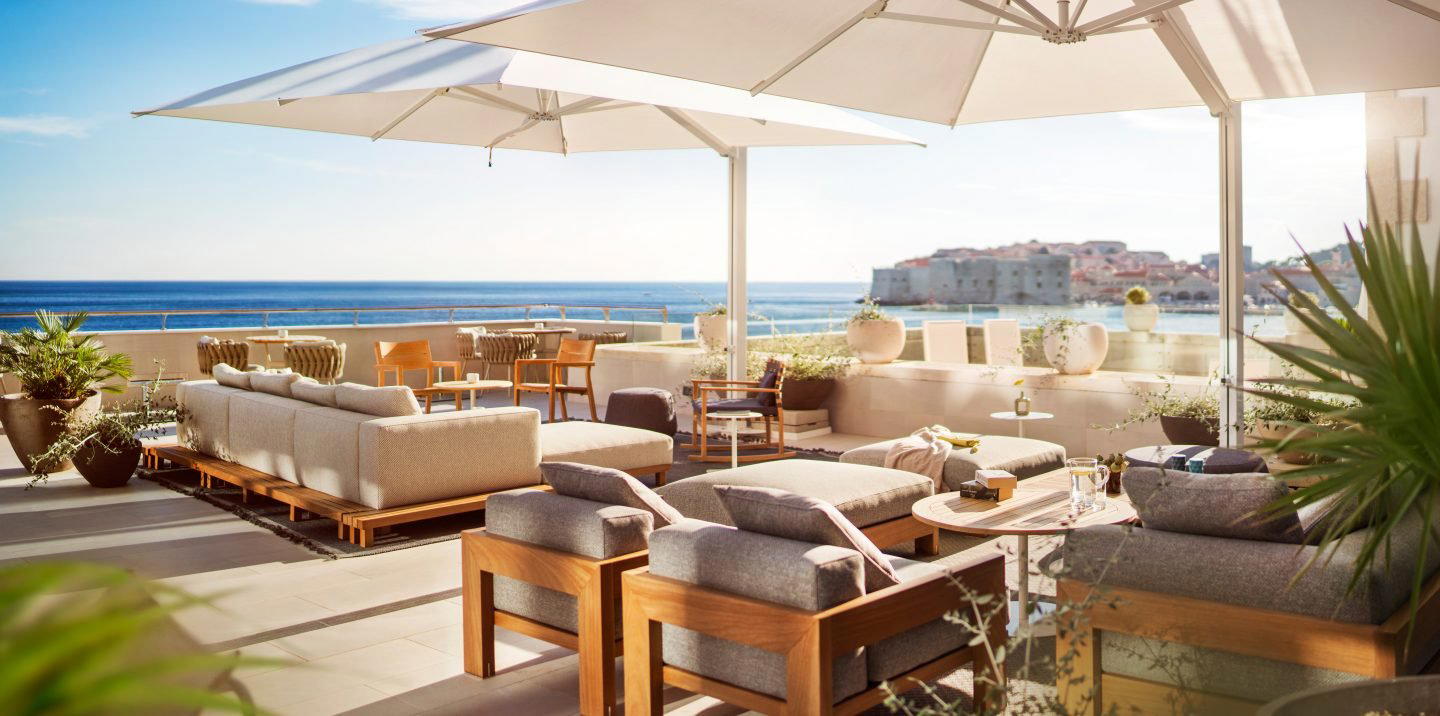
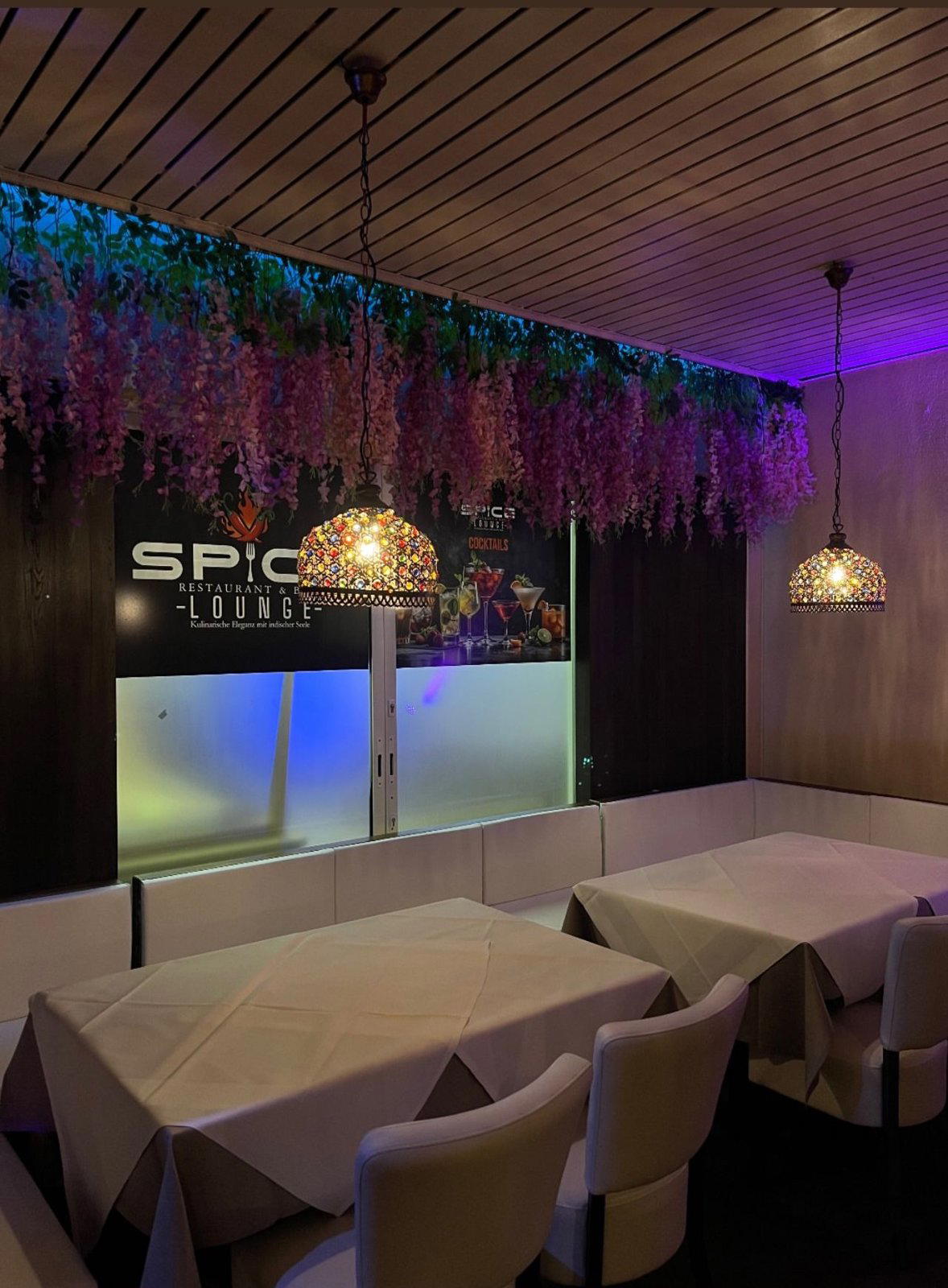
Warm and inviting atmosphere with cozy indoor spaces, lively outdoor terrace in a charming alley setting, and attentive service.