Our verdict
Barba sits on Boškovićeva ulica in Dubrovnik's Old City, operating within a dining scene shaped by the Adriatic's seasonal catch and Dalmatian larder. The kitchen draws on sourcing traditions that define the Dubrovnik coast, placing it in a category of restaurants where provenance, not spectacle, does the talking. For visitors serious about eating well in the Old City, it merits attention.

Pearl is the En Primeur Club membership app, where members save venues, book tables and use the concierge.
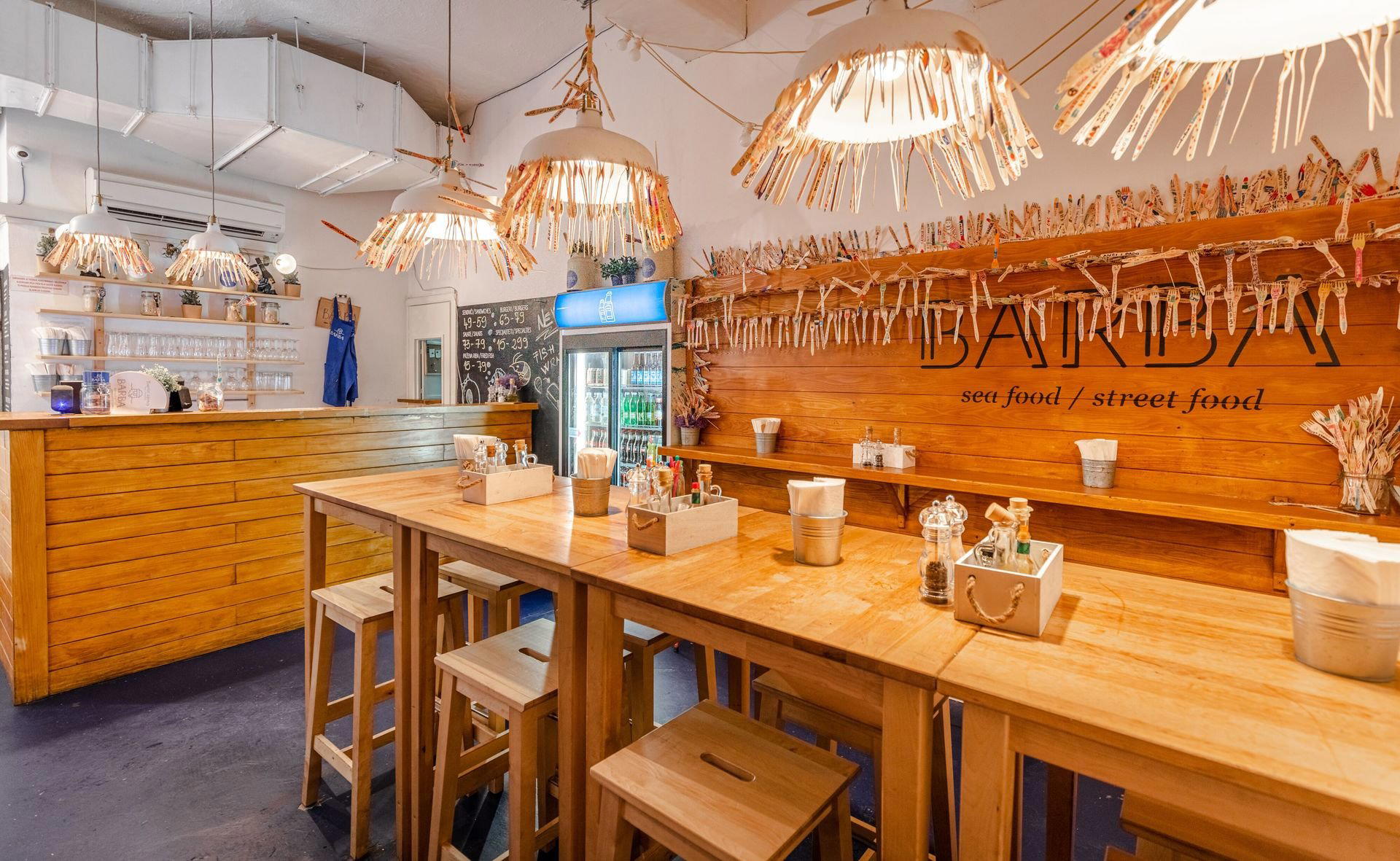
Stone, Salt, and the Adriatic Larder
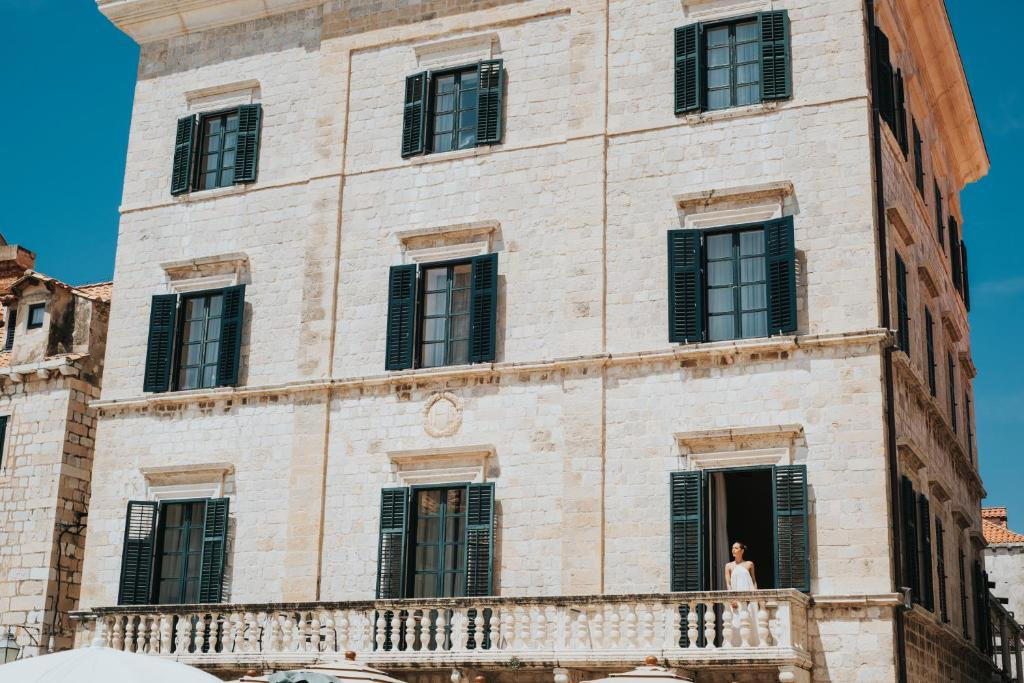
Boškovićeva ulica is one of those narrow Old City passages where the limestone walls hold the afternoon heat long after the sun moves off. Arriving at Barba, the physical environment does its work before you sit down: the compression of the street, the salt-softened air carrying from the harbour a few hundred metres away, and the modest scale of the entrance all signal a register that is deliberately distinct from the terrace restaurants broadcasting sunset views along the Stradun. This is not a panoramic dining proposition. It is a focused one.
That focus matters in Dubrovnik, a city whose dining scene splits cleanly between venues selling the view and venues selling the food. Restaurant 360 (International, Modern Cuisine) occupies the spectacular end of that spectrum, with its position on the city walls and a price tier to match. Bistro Tavulin (Traditional Cuisine) anchors the mid-market traditional end. Barba positions itself in a different conversation: a tighter, ingredient-led format where what arrives on the plate traces back to the Adriatic and the Dalmatian hinterland, and where the sourcing logic is the editorial point.
Where the Food Comes From, and Why That Matters Here
The Dalmatian coast has one of the more coherent ingredient stories in the Mediterranean. The Adriatic is a relatively shallow, enclosed sea with lower salinity than the open Atlantic, which produces shellfish, fish, and crustaceans with flavour profiles that differ measurably from their Atlantic counterparts. Oily fish from these waters, dentex, sea bream, bluefin tuna passing through, carry a clean, mineral quality that rewards simple preparation. The cooking tradition here understands this: Dalmatian kitchens have historically treated their primary ingredients with restraint, not concealment.
That sourcing tradition extends inland. The Dubrovnik-Neretva County produces olive oil from groves that run down to the coast, and the Neretva Delta to the north supplies the valley's celebrated tangerines and eel. Pag island, a few hours up the coast, contributes its aged sheep's milk cheese, one of Croatia's most recognisable artisan products. Restaurants along this coast that take provenance seriously draw from all of these supply lines, and the best of them can read like a map of the region's geography as much as a menu.
Barba operates within this tradition. Its address in the Old City, away from the main drag, is consistent with the kind of restaurant where the sourcing work is done before service rather than presented as theatre during it. The Croatian dining scene has seen a sharper turn toward ingredient transparency over the past decade, visible across the country's higher-rated establishments. Pelegrini in Sibenik has made provenance central to its positioning at a Michelin level. LD Restaurant in Korčula draws directly from the island's agricultural and fishing output. Barba belongs to a wider pattern of Dalmatian restaurants that treat the local supply chain as the primary design constraint.
Dubrovnik's Mid-Market and Where Barba Sits
Pricing in Dubrovnik skews high relative to the rest of Croatia, a function of compressed summer demand and a tourist-to-local ratio that tilts heavily toward international visitors. At the upper end, Bowa and Above 5 offer format-driven experiences with corresponding price points. At the traditional budget end, Taj Mahal (Balkan, €€) holds a different position entirely. Barba sits in the middle of this spread, in the company of restaurants where the value proposition depends on cooking and sourcing quality rather than spectacle or setting.
For the visitor with limited nights in Dubrovnik and a preference for the food to lead, this tier is often where the better eating happens. It is also the tier most likely to reward advance planning. The Old City has a finite number of tables, and the better-regarded mid-market restaurants fill quickly during the June-to-September peak. Walking in on a summer evening without a reservation is a reasonable strategy at the terrace places selling average seafood pasta; it is a less reliable approach at a restaurant with a specific following.
Croatia's Broader Restaurant Moment
It is worth placing Dubrovnik's dining scene in national context. Croatia has, over the past decade, developed a cluster of restaurants operating at a level that draws comparison with mid-European fine dining. Agli Amici Rovinj in Rovinj and Nebo by Deni Srdoč in Rijeka represent the Istrian and Kvarner end of that development. Korak in Jastrebarsko and Dubravkin Put in Zagreb show that the shift extends beyond the coast. Alfred Keller in Mali Lošinj, Boskinac in Novalja, and San Rocco in Brtonigla extend that pattern through the islands and Istria. Krug in Split brings the same orientation to Dalmatia's largest city.
What this amounts to is a national dining culture moving with some momentum toward restaurants that take their ingredients and technique seriously, without necessarily adopting the full apparatus of fine dining. Barba fits that pattern: a focused, ingredient-oriented operation in a city better known internationally for its walls than its kitchens.
Planning a Visit
Barba is located at Boškovićeva ulica 5, inside the Old City walls, reachable on foot from the Pile Gate in under ten minutes. The practical advice for Dubrovnik Old City restaurants applies here: arrive with a reservation during peak season (June through September), when the city's visitor numbers are at their highest and available tables at the better-regarded restaurants are genuinely scarce. Shoulder season, particularly late April through May and October, gives more flexibility and the additional benefit of cooler temperatures and a more manageable crowd level in the streets.
For those building a wider picture of the city's dining options, our full Dubrovnik restaurants guide covers the range from the top-tier international formats down through the traditional Dalmatian houses. Those interested in how seafood-focused cooking operates at a global reference level can cross-reference Le Bernardin in New York City; for an example of how a more informal, sourcing-led restaurant builds a serious reputation, Lazy Bear in San Francisco offers a useful parallel in format logic, if not cuisine. Also worth noting in the Dubrovnik context: Bistro 49 represents another mid-tier option within the Old City worth considering if Barba is fully booked.
Frequently asked questions
What part of town is Barba in?
Barba is located at Boškovićeva ul. 5, 20000, Dubrovnik, Croatia, Dubrovnik.
Is Barba a good option for dining inside Dubrovnik's Old City walls without a tourist-trap menu?
Barba's address at Boškovićeva ulica 5 puts it inside the walls, where most venues operate on high-turnover summer economics and menus calibrated to visitors rather than the Dalmatian coast's actual ingredient traditions. Barba's positioning within the Adriatic seafood supply chain distinguishes it from that pattern. For travellers who want a kitchen oriented toward Croatian coastal produce rather than a generic Mediterranean menu, it represents one of the more coherent choices within the Old City.
What's the best thing to order at Barba?
Given its position inside Dubrovnik's Old City and proximity to the Adriatic supply chain that defines Dalmatian coastal cooking, the seafood-led options are where the kitchen's focus is clearest. The Adriatic is a relatively shallow, enclosed sea that produces shellfish and fish with concentrated flavour, and Barba is positioned to work directly within that ingredient tradition. Order whatever is running fresh that day rather than defaulting to a fixed preference.
How hard is it to get a table at Barba?
Dubrovnik's Old City compresses significant visitor demand into a tight geography, particularly between June and August, when tourist-to-local ratios skew sharply. Barba's address on Boškovićeva ulica places it within that high-footfall zone, so arriving without a plan during peak season is a gamble. Contacting the venue directly ahead of your visit is the practical approach; walk-in availability improves noticeably in shoulder months.
What's Barba best at?
Barba's clearest strength is working within the Dalmatian coast's ingredient logic, where the Adriatic's relatively shallow, lower-salinity waters produce seafood distinct from the open Mediterranean. The Old City address on Boškovićeva ulica places it inside a dining corridor that skews heavily toward tourist-facing menus, and Barba's orientation toward the regional larder sets a different priority. That focus on provenance over spectacle is where it earns its reputation.
Can Barba accommodate dietary restrictions?
A kitchen built around Adriatic seafood and Dalmatian coastal produce will have natural limits for guests avoiding fish and shellfish. Specific accommodation details are best confirmed directly with the venue before visiting, as menu composition and flexibility can shift seasonally. The address is Boškovićeva ulica 5, Dubrovnik, for direct enquiries.
Is Barba overpriced or worth every penny?
Dubrovnik's pricing structure runs high relative to the rest of Croatia, driven by compressed summer demand and operating costs inside the Old City walls. Barba sits in the mid-market tier for Dubrovnik, which still places it above comparable seafood venues in Split or Šibenik. For a restaurant with genuine sourcing discipline and a location on Boškovićeva ulica inside the walls, the value calculation depends on what you're comparing it against: within Dubrovnik, it holds up.
A Quick Peer Check
| Venue | Cuisine | Price | Awards | Notes |
|---|---|---|---|---|
| BarbaThis venue (the venue you are viewing) | Dalmatian Seafood Street Food | $10–20 | Not listed | Not listed |
| Restaurant 360 | Modern Mediterranean with Asian and French Influences | $200–300 | 1 Michelin Star · La Liste Top Restaurants | International, Modern Cuisine |
| Nautika | Traditional Mediterranean Seafood | $100–150 | Michelin Plate · Star Wine List | Modern European, Classic Cuisine |
| Taj Mahal | Authentic Bosnian | $30–50 | Michelin Bib Gourmand | Balkan |
| Zuzori | Modern Mediterranean | $50–100 | Michelin Plate | Mediterranean Cuisine |
| Bistro Tavulin | Modern Croatian Mediterranean Bistro | $30–50 | Michelin Plate | Traditional Cuisine |
Continue exploring
More in Dubrovnik
Restaurants in Dubrovnik
All restaurants in Dubrovnik →
Bars in Dubrovnik
All bars in Dubrovnik →

Details
- Cozy
- Trendy
- Bohemian
- Casual Hangout
- Standalone
- Local Sourcing
- Small Plates
- A La Carte
Current opening hours
- Monday
- 11 AM–10 PM
- Tuesday
- 11 AM–10 PM
- Wednesday
- 11 AM–10 PM
- Thursday
- 11 AM–10 PM
- Friday
- 11 AM–10 PM
- Saturday
- 11 AM–10 PM
- Sunday
- 11 AM–10 PM
Hours can change for holidays and private events. Hours as of .
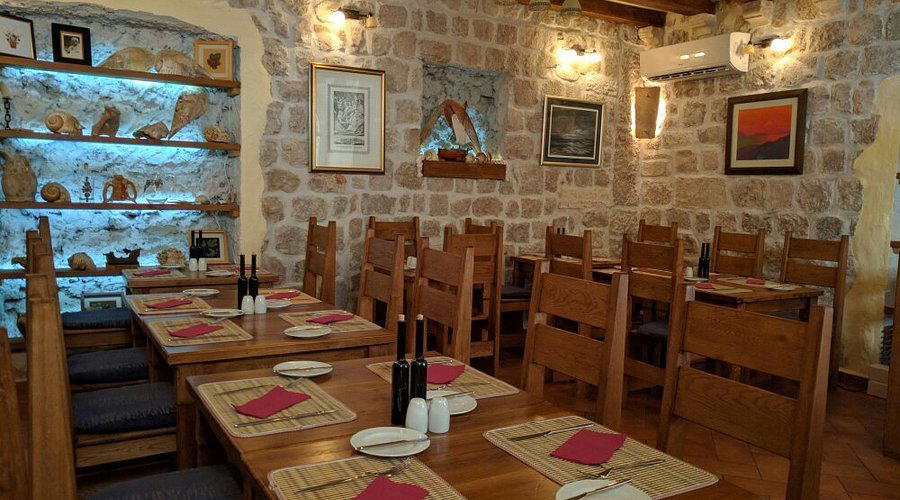
Cozy, charming hole-in-the-wall with pinewood tables, bohemian decor featuring messages on wooden forks, and warm family hospitality.