

Michelin Plate · Falstaff Restaurant - 92 Falstaff Points
Our verdict
A Michelin Plate recipient in both 2024 and 2025, Dubrovnik restaurant sits in the mid-tier of the Old City's dining scene, offering Mediterranean cooking at the €€€ price point. For those working through the Old Town's compact restaurant corridor, it represents a credible entry into Dalmatian-Mediterranean cuisine without the €€€€ step-up required at Restaurant 360 or Nautika.

Pearl is the En Primeur Club membership app, where members save venues, book tables and use the concierge.
The menu
What to order
- Grilled Adriatic squid
- Grilled swordfish
- Rozata
Mediterranean Sharing Plates in the Old City's Dining Tier
The Old Town of Dubrovnik operates as one of the most concentrated restaurant corridors in the Adriatic. Within the limestone walls, tables compete across a relatively narrow price spectrum, and the gap between a €€€ and €€€€ cover can represent a meaningful shift in format and expectation. Dubrovnik restaurant, at Ul. Marojice Kaboge 5, sits in the middle of that spectrum, holding a Michelin Plate in both 2024 and 2025, a recognition that signals consistent quality without entering the starred category occupied by Restaurant 360 one tier above.
The Mediterranean cuisine category in the Old City covers a wide register, from simple grilled fish to more composed, produce-led cooking. What defines the better tables in this bracket is commitment to the communal format, the idea that the table is organised around sharing rather than individual plating. This is not a style invented for tourists; it maps directly to how Dalmatian households have eaten for centuries, with a sequence of small plates arriving in a loose order that follows conversation rather than a strict tasting structure. Restaurants that honour this logic tend to produce a more authentic experience than those that adopt it as surface aesthetics.
The Sharing Table Tradition on the Dalmatian Coast
Along the Dalmatian coast, the meze-adjacent sharing tradition draws from both its Venetian and Ottoman-influenced neighbours, but it has a character of its own. Dalmatian small plates lean toward seafood preparations, salted anchovies, marinated octopus, bottarga-touched pastas, alongside olive oil-dressed vegetables and aged sheep's milk cheeses from the hinterland. The logic is less about surprise-and-revelation and more about generosity: quantity and variety arrive at the table early, and the meal builds from there.
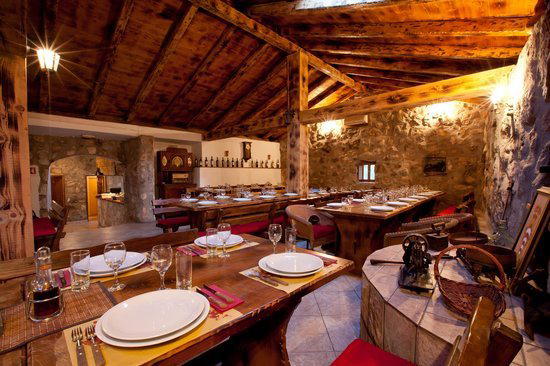
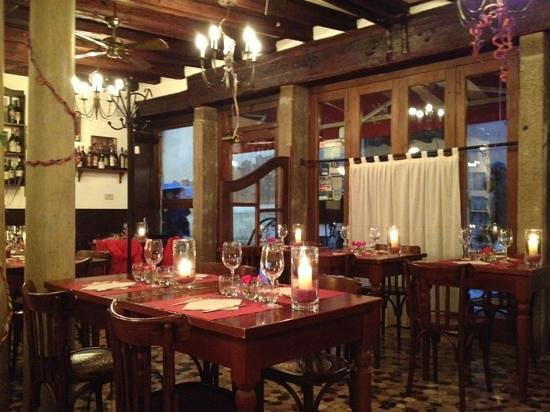
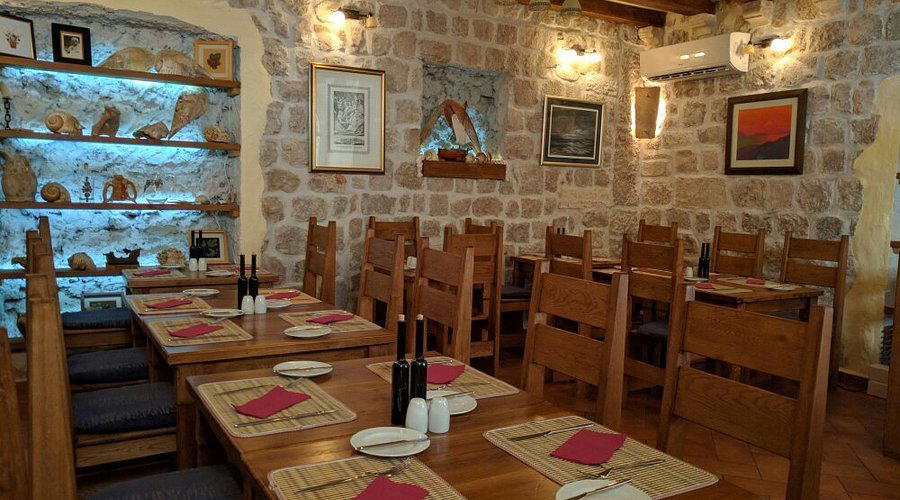
This format works naturally in the Old City's stone-walled dining rooms, where the architecture itself suggests conviviality. Tables pressed close together, ambient noise carried by hard surfaces, and the particular warmth of candlelight on limestone all create a setting in which sharing plates feel less like a menu format and more like a social contract. Dubrovnik restaurant's position on a side street off the main tourist flow means the room carries a slightly different register than the more exposed terraces, one that suits that communal, unhurried pacing.
For comparison within the city's mid-tier Mediterranean bracket, Zuzori operates at the same €€€ price point with a similarly Adriatic-facing menu. Stara Loza and Pjerin both offer proximity in both geography and positioning. Marco Polo sits in the same neighbourhood corridor.
What the Michelin Plate Recognition Signals
The Michelin Plate, reintroduced in the 2019 guide revisions, identifies restaurants that serve food of a reliably good standard, inspectors would eat there, even if starred recognition is not on the table. It is not a consolation category; it represents a floor of quality, not a ceiling. For a city like Dubrovnik, where summer visitor volume puts enormous pressure on kitchen consistency, holding the Plate across consecutive years (2024 and 2025) carries more weight than a single-year appearance might suggest. It indicates the kitchen is not coasting.
In the broader Croatian context, the Michelin Plate operates as a meaningful marker. Properties like Boskinac in Novalja and Krug in Split show how the Croatian Adriatic has developed a credible fine-casual dining tier over the past decade, distinct from the starred tables at Agli Amici Rovinj and Alfred Keller in Mali Lošinj. Dubrovnik restaurant belongs to that mid-register cohort, cooking that takes its produce and technique seriously without the ceremony that accompanies starred covers.
Internationally, the Mediterranean sharing format at this price point finds analogues at La Brezza in Ascona, where the Adriatic influence meets Swiss precision, and at the very different but philosophically adjacent Arnaud Donckele and Maxime Frédéric at Louis Vuitton in Saint-Tropez, where Mediterranean produce is treated with considerably more architectural ambition. The comparison makes clear where the genre can go; it also makes clear that there is value at the more grounded end of the register.
Placing It in Dubrovnik's Dining Decision
For visitors making table decisions in the Old City, the practical reality is that the leading two or three tables book out weeks in advance during high season, particularly July and August. Restaurant 360, which holds a Michelin star and prices at €€€€, requires forward planning and operates in a different financial bracket. At the €€€ tier, the competition is closer and the choices are more numerous, which makes the sustained Michelin Plate recognition a useful filter when the options feel equivalent on the surface.
The address at Ul. Marojice Kaboge 5 places the restaurant within the Old Town's walkable core, accessible from the main Stradun artery without being directly on it, a location that tends to keep the clientele more intentional and less walk-in. For those building a wider understanding of the city's eating and drinking options, Dubravkin Put in Zagreb and Korak in Jastrebarsko offer a useful inland Croatian reference point for how the country's Mediterranean-influenced cooking shifts as it moves away from the coast.
Planning around Dubrovnik's restaurant scene benefits from using the full city guides: our full Dubrovnik restaurants guide maps the tiers clearly, while our full Dubrovnik hotels guide, bars guide, wineries guide, and experiences guide cover the city's broader offer. The restaurant sits in a price range that makes it a practical main-event dinner rather than a special-occasion stretch, which positions it well for multiple visits across a longer stay.
Frequently asked questions
Is Dubrovnik award-winning?
Dubrovnik has received recognition including: Michelin Plate (2025); Michelin Plate (2024).
What's the signature dish at Dubrovnik?
The Michelin Plate recognition, held consecutively in 2024 and 2025, confirms consistent kitchen standards across the Mediterranean menu rather than singling out one preparation. Given the Dalmatian coast tradition the restaurant operates within, sharing-format plates built around local seafood and regional produce are the structural centre of the offer. For current menu detail, contacting the restaurant directly at Ul. Marojice Kaboge 5 is the reliable route.
Cost Snapshot
| Venue | Cuisine | Price | Awards | Notes |
|---|---|---|---|---|
| DubrovnikThis venue (the venue you are viewing) | Traditional Croatian Seafood | $30–50 | Michelin Plate · Falstaff Restaurant - 92 Falstaff Points | Not listed |
| Restaurant 360 | Modern Mediterranean with Asian and French Influences | $200–300 | 1 Michelin Star · La Liste Top Restaurants | International, Modern Cuisine |
| Nautika | Traditional Mediterranean Seafood | $100–150 | Michelin Plate · Star Wine List | Not listed |
| Taj Mahal | Authentic Bosnian | $30–50 | Michelin Bib Gourmand | Not listed |
| Zuzori | Modern Mediterranean | $50–100 | Michelin Plate | Not listed |
| Bistro Tavulin | Modern Croatian Mediterranean Bistro | $30–50 | Michelin Plate | Not listed |
Recognition history
Dated appearances from independent guides and award organizations, with the underlying list record or original source where available.
Michelin Plate
Michelin
Falstaff Restaurant - 92 Falstaff Points
Falstaff
Full recognition history (4 entries)
Michelin Plate
Michelin
Michelin Plate
Michelin
Dubrovnik
Featured Guides
Continue exploring
More in Dubrovnik
Restaurants in Dubrovnik
All restaurants in Dubrovnik →
Bars in Dubrovnik
All bars in Dubrovnik →

Details
- Scenic
- Classic
- Date Night
- Special Occasion
- Waterfront
- Terrace
- Local Sourcing
- Waterfront
- A La Carte
- Vegetarian Friendly
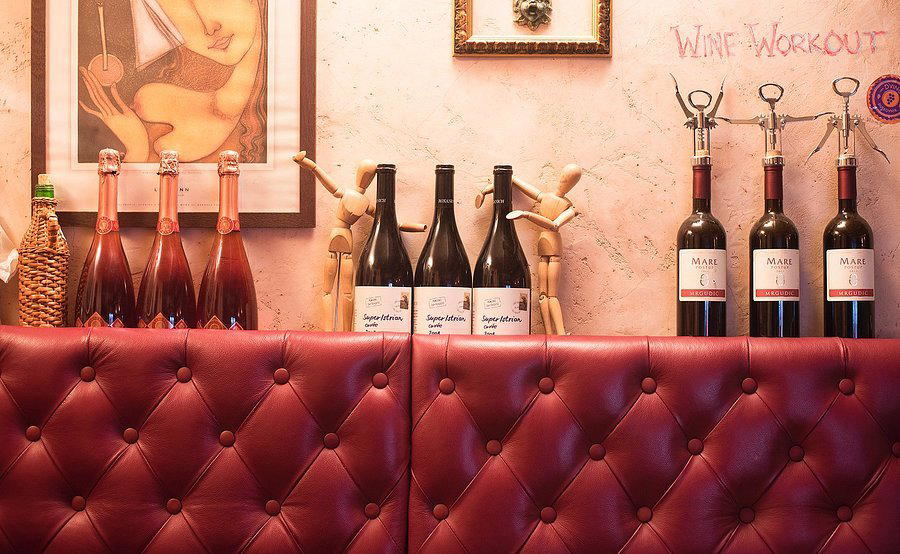
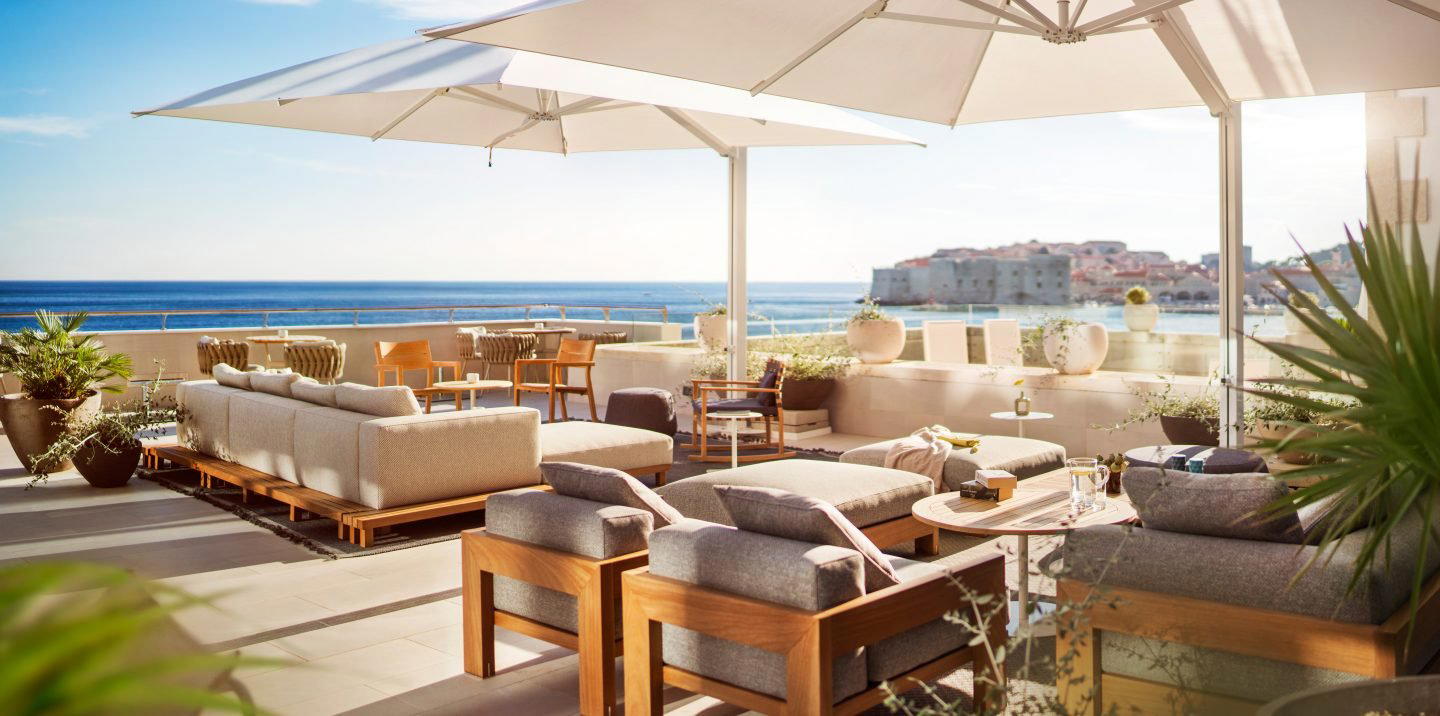
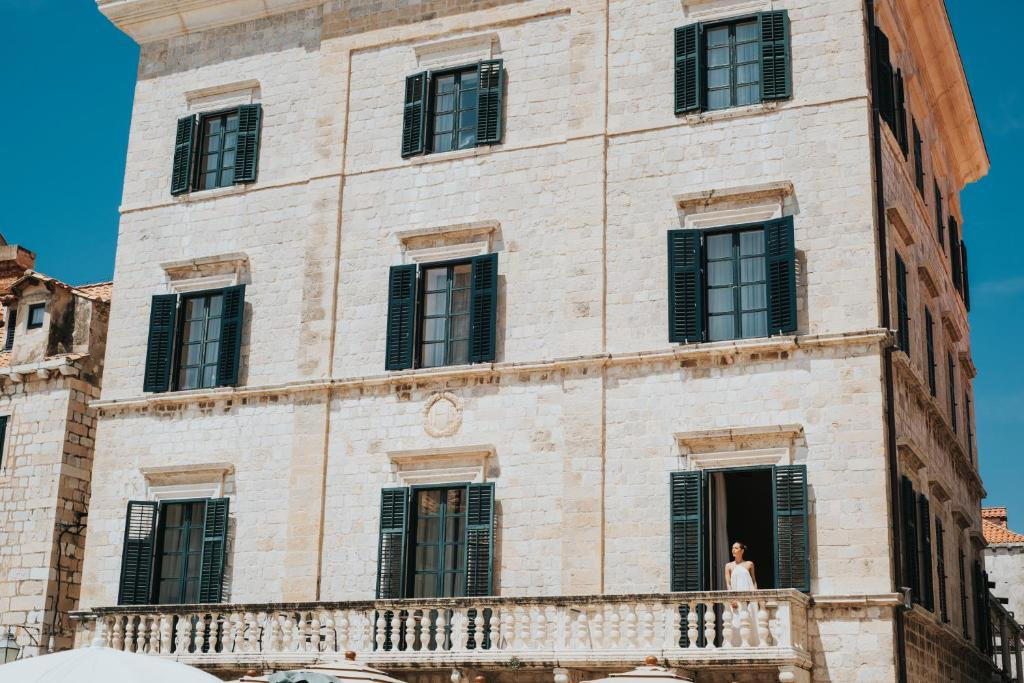
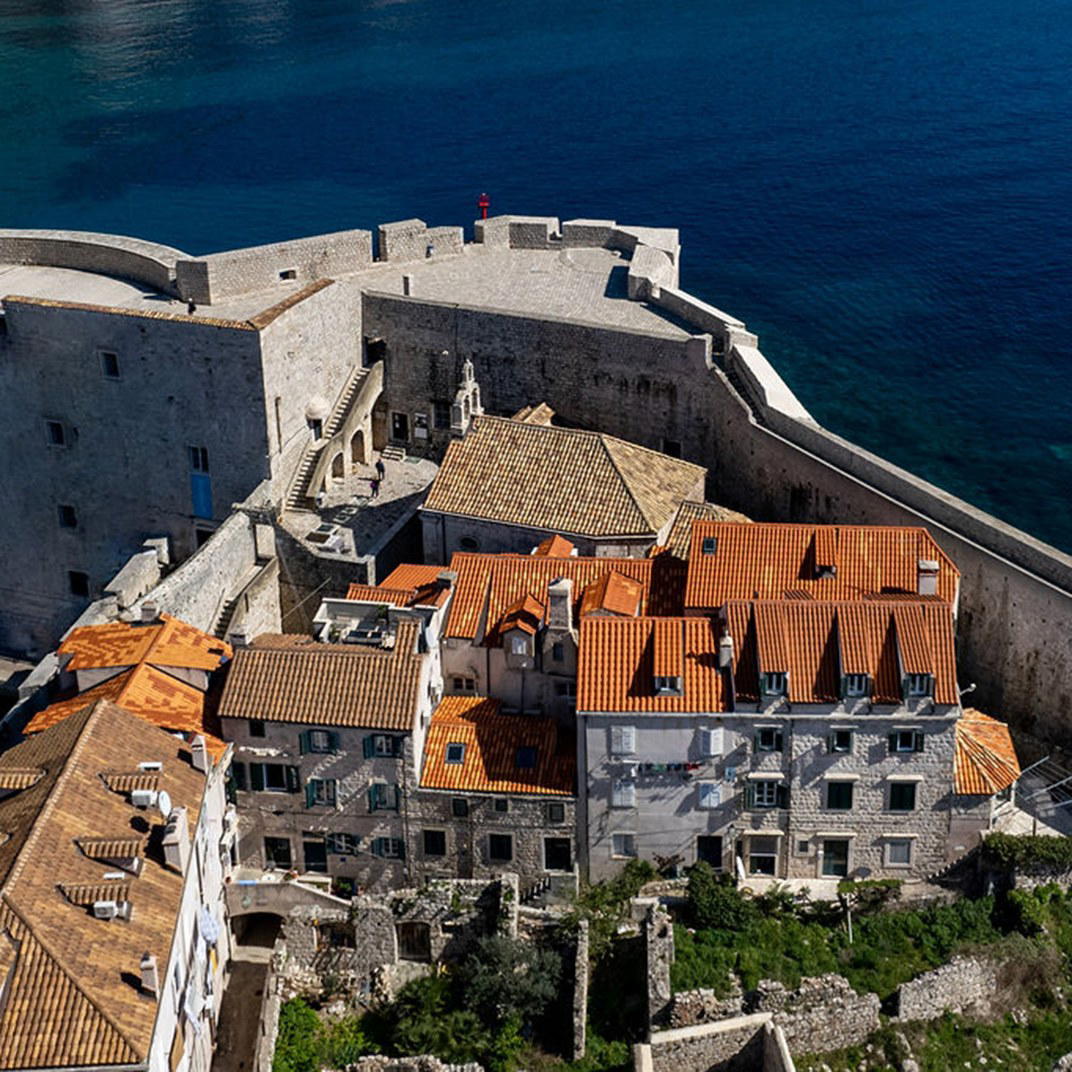
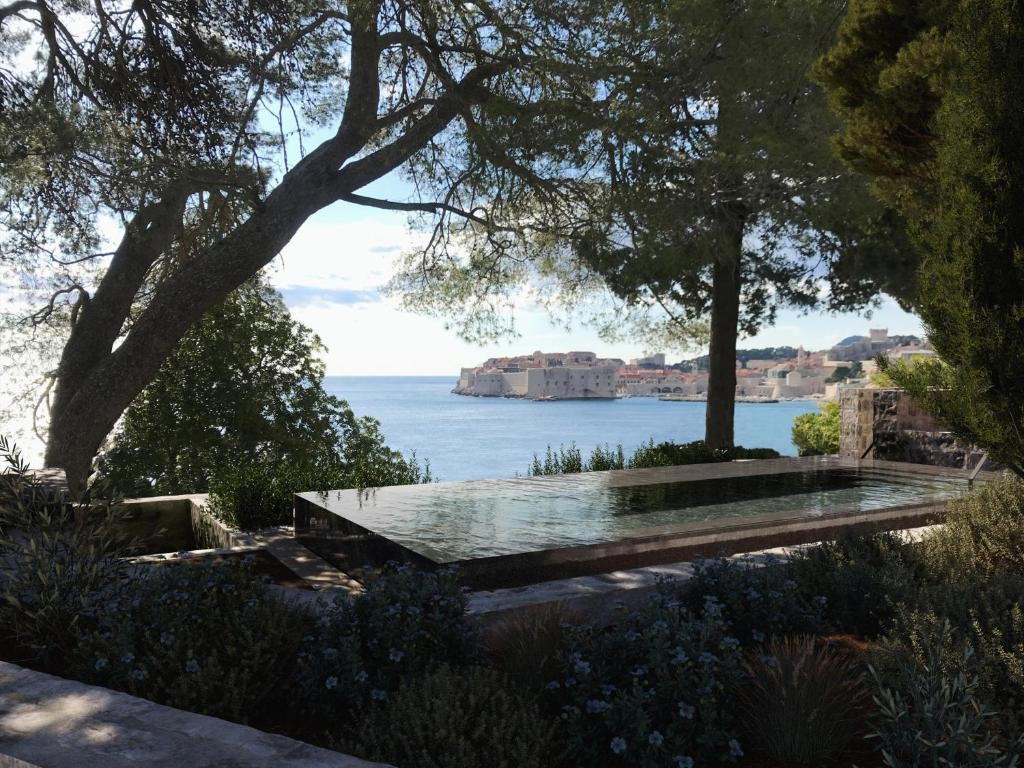
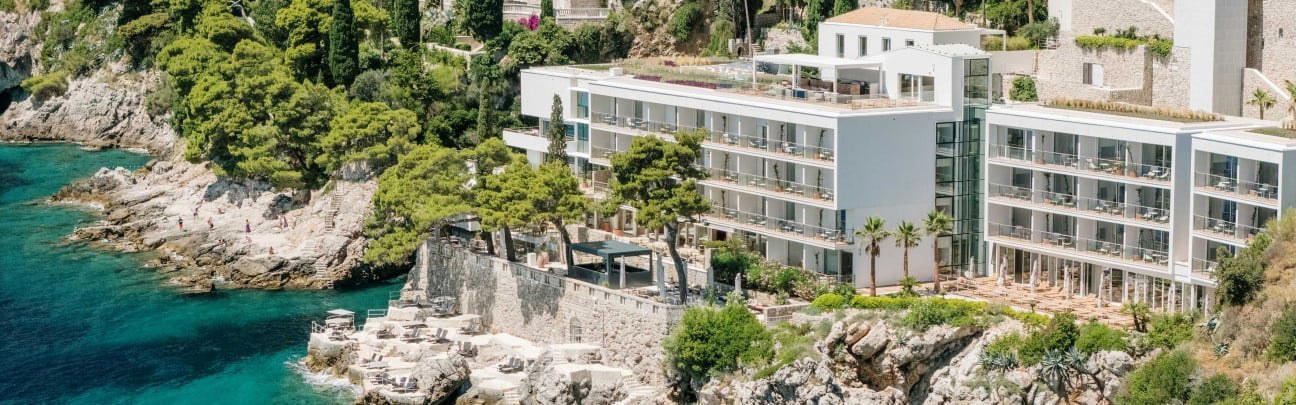
Classic terrace atmosphere ideal for people-watching and scenic dining with a relaxed yet elegant vibe.