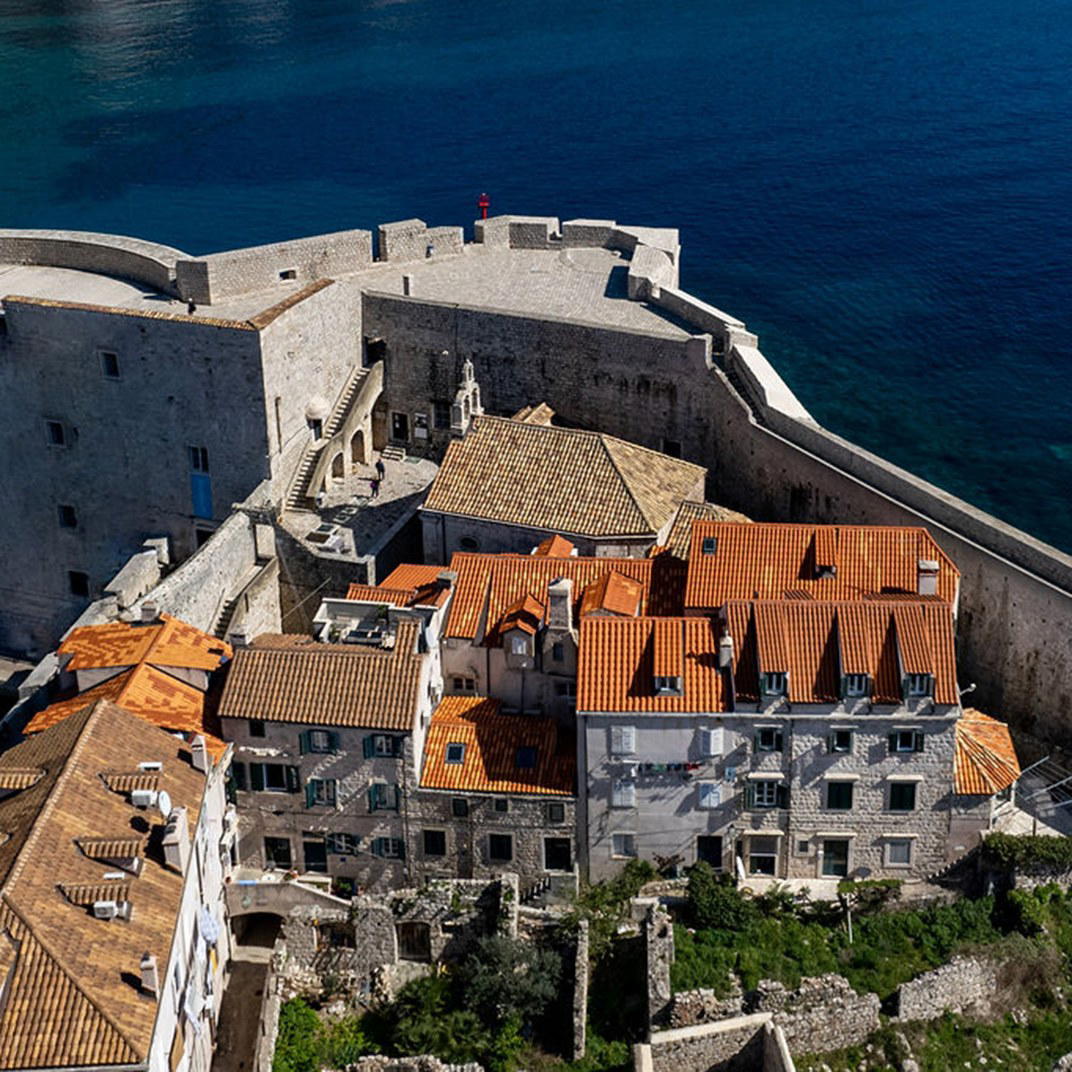
"The Old Town’s main street, Stradun, can’t be missed, it’s the biggest, widest and busiest of all, and many of the city’s attractions are either on or just off it. Also known locally as Placa, it’s especially nice in the late afternoon when the sunlight makes it shiny and the swallows soar through the air. Continue on to the old harbor and then all the way to Porporela pier, which was built under the 19th-century Austrian administration."
Pearl is the En Primeur Club membership app — saves, bookings, and concierge access live there. Same editors, same standards.
- Address
- Ul. od Sigurate 2, 20000, Dubrovnik, Croatia
- Directions
- Get directions
 Saves & bookings on Pearl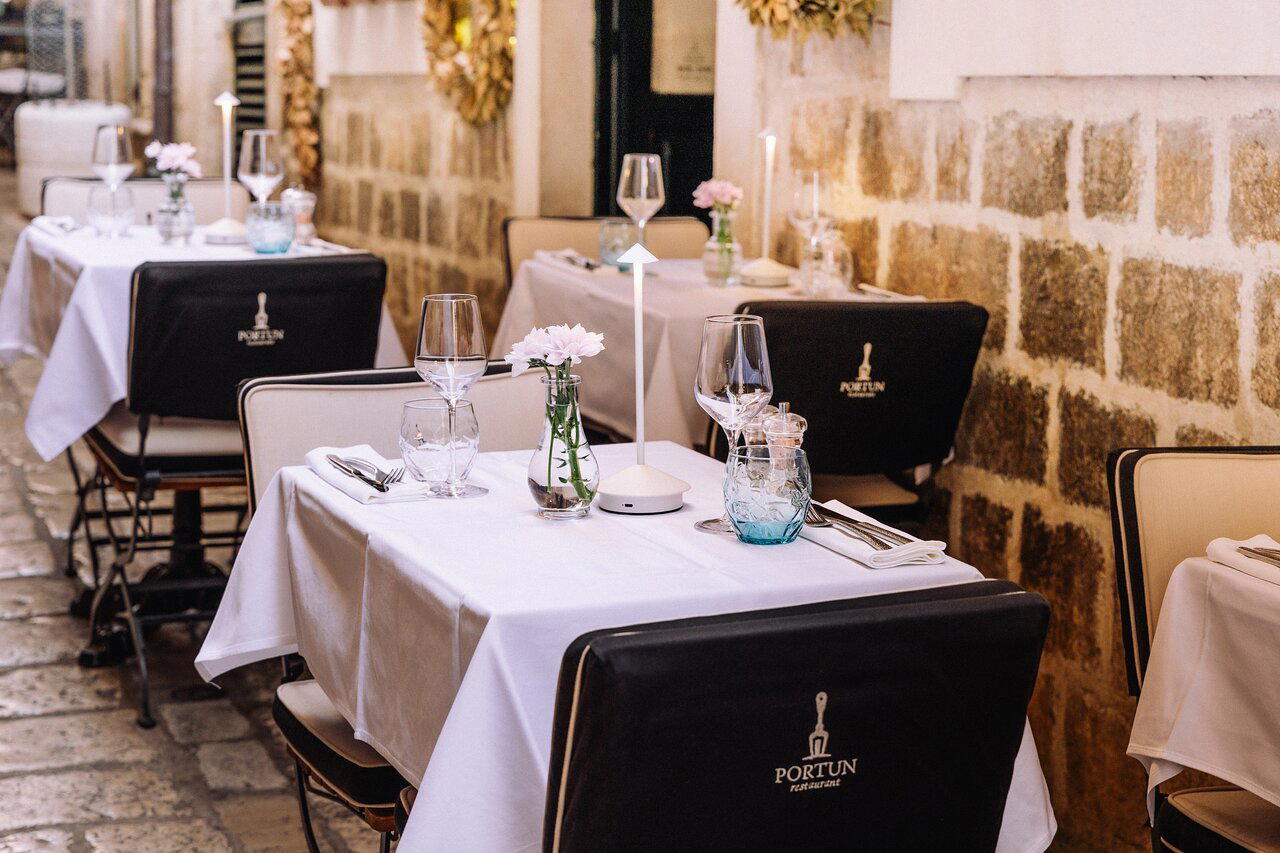
A Street Address in the Heart of Dubrovnik's Old Town
Ul. od Sigurate 2 sits inside Dubrovnik's UNESCO-listed Old Town, a neighbourhood that sets an unusually demanding frame for any dining or hospitality experience. The limestone streets here narrow to the width of two people walking abreast, the walls absorb centuries of Adriatic light, and the ambient soundtrack shifts between the clatter of visitor foot traffic during peak season and a near-silence that falls after the day-trippers clear out by early evening.
That context matters for how addresses like this one are read by travellers. Dubrovnik's Old Town is not a neighbourhood that rewards passive wandering without some forethought. Streets are named, but numbering can be inconsistent for those without local orientation. Od Sigurate is a lane that connects the pedestrian interior of the walled city, and addresses along it sit within walking distance of the Stradun, the main limestone-paved thoroughfare that functions as the city's social and commercial spine. The proximity means guests approaching from most entry points, whether the Pile Gate to the west or the Ploče Gate to the east, will pass through the city's most active zones before arriving.
Dubrovnik's Dining Scene: Where This Address Fits
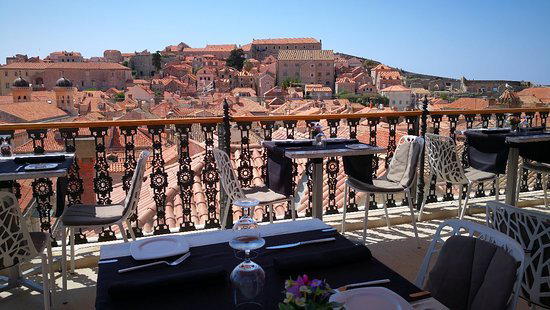
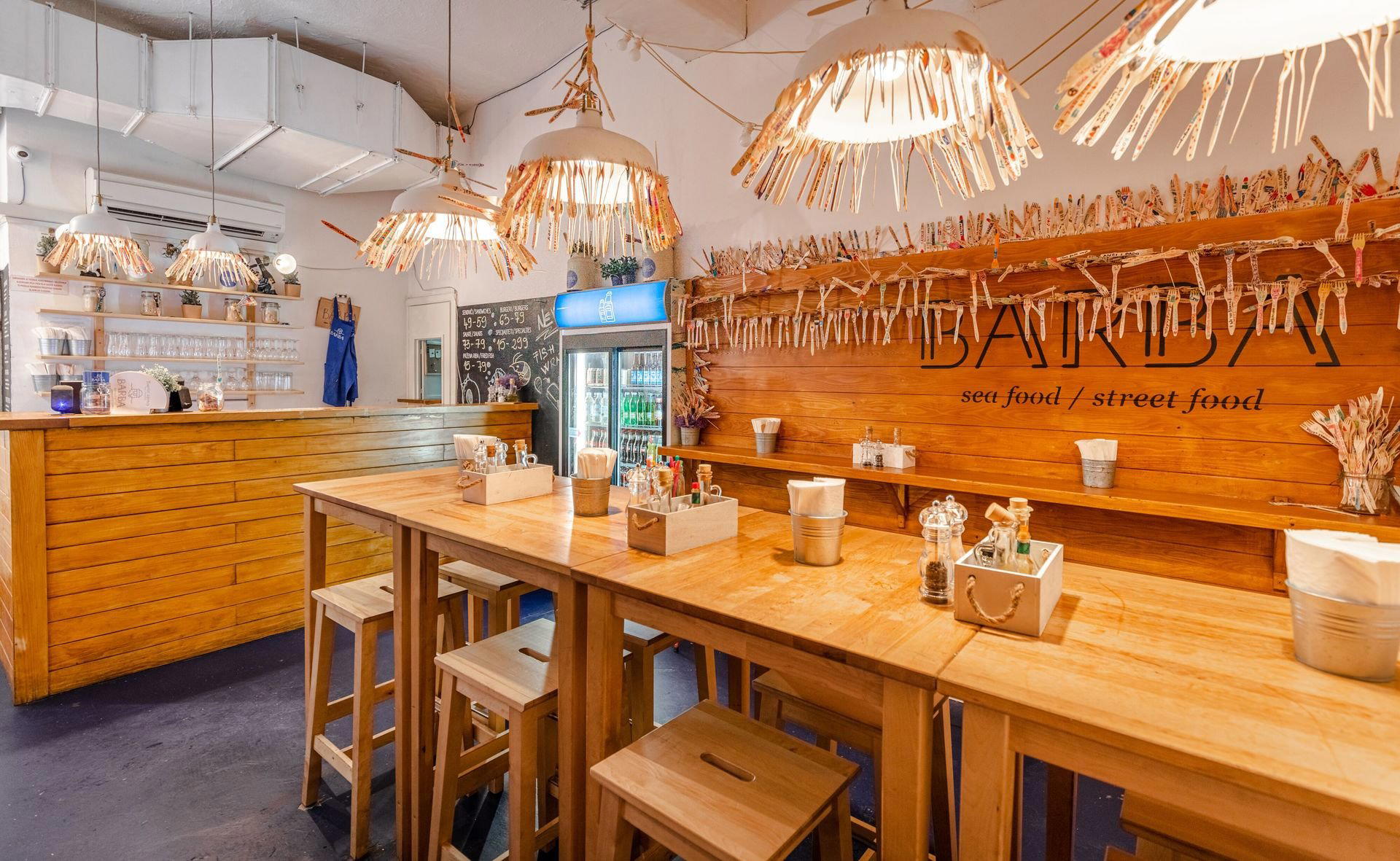
Dubrovnik's restaurant market has sorted itself into clear tiers over the last decade. At the leading end, a handful of venues with sea-facing terraces or Michelin-adjacent credentials command prices and booking lead times that rival comparable coastal cities in Italy or France. Restaurant 360 (International, Modern Cuisine) represents that upper bracket, with a setting on the city walls and a price point in the €€€€ range. Below that sits a mid-tier of Mediterranean and traditional Croatian houses, including Bistro Tavulin (Traditional Cuisine) and Barba, which hold local credibility and price more accessibly. Further along, venues like Bistro 49 and Above 5 each occupy distinct niches within the Old Town's compact hospitality geography.
An address on od Sigurate places a venue in the interior of this competitive cluster. Unlike the wall-leading or harbour-adjacent spots that can charge a premium purely for the view, an interior Old Town address lives or dies on what it puts on the table. That structural position is neither a disadvantage nor an advantage in isolation: it simply shifts the weighting toward food, service, and value rather than spectacle of location. In cities like Dubrovnik, where tourist volumes are high and quality variance is wide, an interior address often signals a place operating for repeat visitors and locals alongside passing trade.
The Adriatic Culinary Tradition at This Latitude
Croatian coastal cooking at Dubrovnik's latitude draws from a pantry shaped by the Dalmatian hinterland and the Adriatic itself. The dominant patterns are fish and shellfish from local waters, lamb from the Dalmatian interior, olive oil from the surrounding islands and peninsula, and wine produced from indigenous varieties including Plavac Mali for reds and Pošip or Grk for whites. These are not interchangeable with Italian or Greek coastal cooking, even though the influences overlap historically. The Dalmatian approach leans toward restraint in preparation, letting primary ingredients carry dishes rather than building complex sauces or elaborate technique.
At the premium end of the Croatian dining spectrum, this tradition is being taken seriously by a generation of chefs who trained in regional kitchens with documented credentials. Pelegrini in Sibenik and LD Restaurant in Korčula represent how Dalmatian coastal cooking translates into fine-dining format. On the Istrian side of Croatia, Agli Amici Rovinj in Rovinj and Nebo by Deni Srdoč in Rijeka push the tradition in more technically ambitious directions. Even inland, Korak in Jastrebarsko and Dubravkin Put in Zagreb demonstrate that Croatian cooking's ambitions extend well beyond the coastline. Against that broader Croatian dining context, any venue at an address like od Sigurate 2 operates in a city that punches below its tourism profile in terms of serious culinary output, which creates room for a well-executed operation to register quickly with informed visitors.
Timing, Seasons, and What That Means for This Address
Dubrovnik's visitor profile is intensely seasonal. July and August bring cruise-ship volumes that swell the Old Town to a point where the Stradun becomes difficult to move through at midday. Restaurants operating in this window run at capacity and can afford to be less attentive to return visits. The shoulder months, May to June and September to October, represent the city at its most functional for serious dining: temperatures are manageable, crowds thin enough that tables are easier to secure, and the produce calendar aligns well with Adriatic seafood and early harvest vegetables from the surrounding region. For an interior Old Town address, the shoulder season matters more than it does for wall-leading destinations, where the view sustains demand regardless of crowd conditions.
Winter is a different city entirely. Much of the tourist infrastructure closes or reduces hours, but the residents who remain, and the smaller number of visitors who come specifically for the quieter pace, find a Dubrovnik that reads differently. An address operating through winter signals either a local clientele strong enough to sustain off-season trade or a deliberate choice to serve the year-round community rather than purely the tourist cycle.
Planning Your Visit
For travellers arriving in Dubrovnik's Old Town, the approach to od Sigurate is most direct from the Pile Gate entrance, following the Stradun east before turning into the residential interior streets. The neighbourhood is walkable from all major hotels within the walls and from the cluster of accommodation immediately outside. Dubrovnik does not have a metro system; the cable car to Mount Srd is nearby for those wanting a broader orientation before settling in. For comparable calibre experiences elsewhere along the Croatian coast, Boskinac in Novalja, Alfred Keller in Mali Lošinj, and San Rocco in Brtonigla each represent strong regional alternatives. For a wider view of Dubrovnik's dining options, our full Dubrovnik restaurants guide maps the city's current market in detail.
A Tight Comparison
Comparable venues nearby, for context on price, style, and recognition.
| Venue | Cuisine | Price | Notes |
|---|---|---|---|
| Ul. od Sigurate 2This venue — the venue you are viewing | Old Town, Mediterranean Seafood | $$$ | Not listed |
| Orsan | Lapad, Dalmatian Seafood | $$$ | Not listed |
| Pantarul | Lapad, Modern Croatian Mediterranean | $$ | Not listed |
| Kamenice | Old Town, Traditional Croatian Seafood | $$ | Not listed |
| Bistro Tavulin | Not listed | $$ | Old Town, Modern Croatian Mediterranean Bistro |
| Pjerin | Not listed | $$$$ | Vlaha Bukovca, Haute Mediterranean Fine Dining |
Continue exploring
More in Dubrovnik
Restaurants in Dubrovnik
Browse all →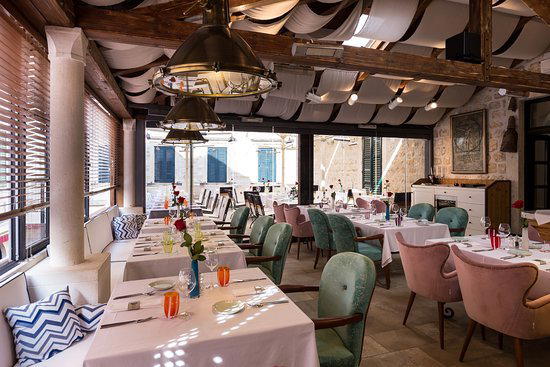
Bars in Dubrovnik
Browse all →
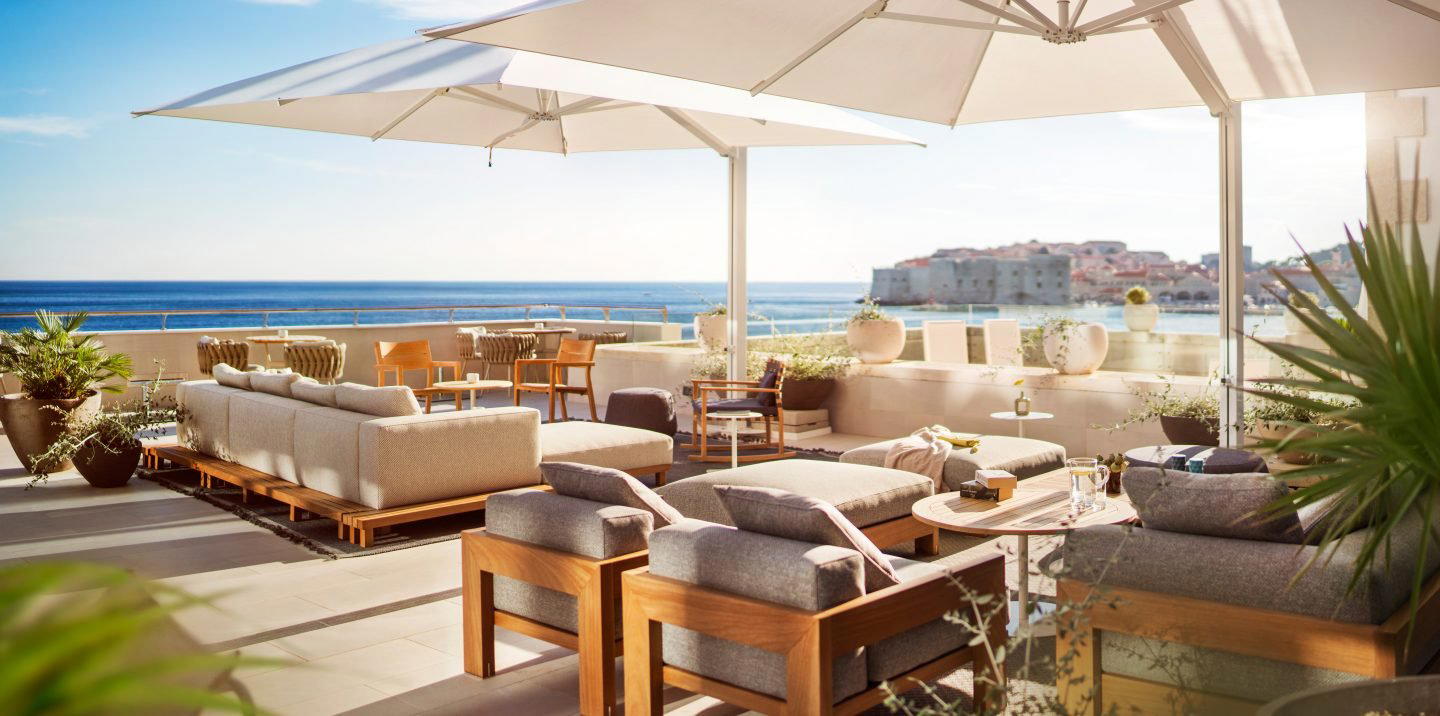
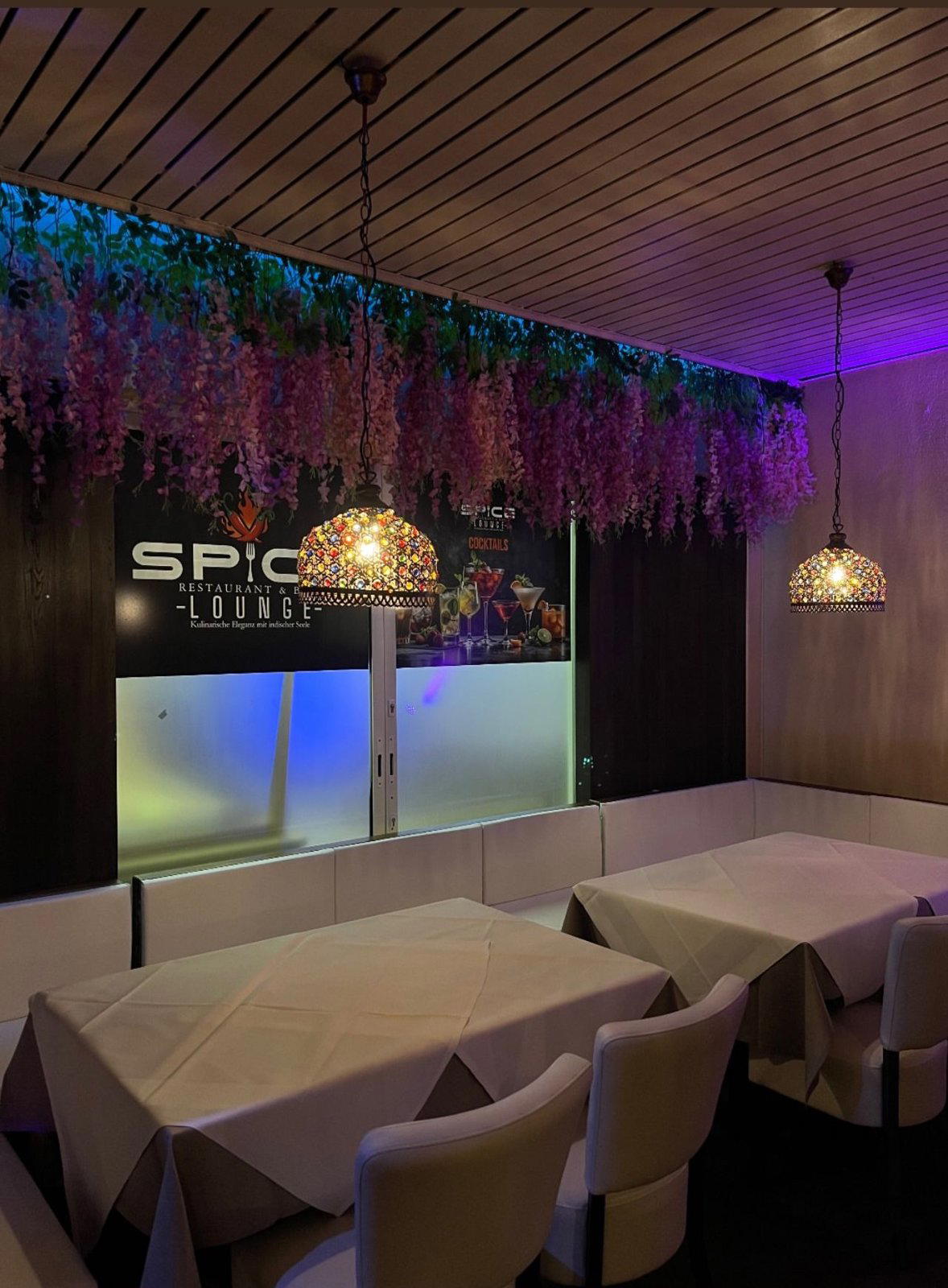
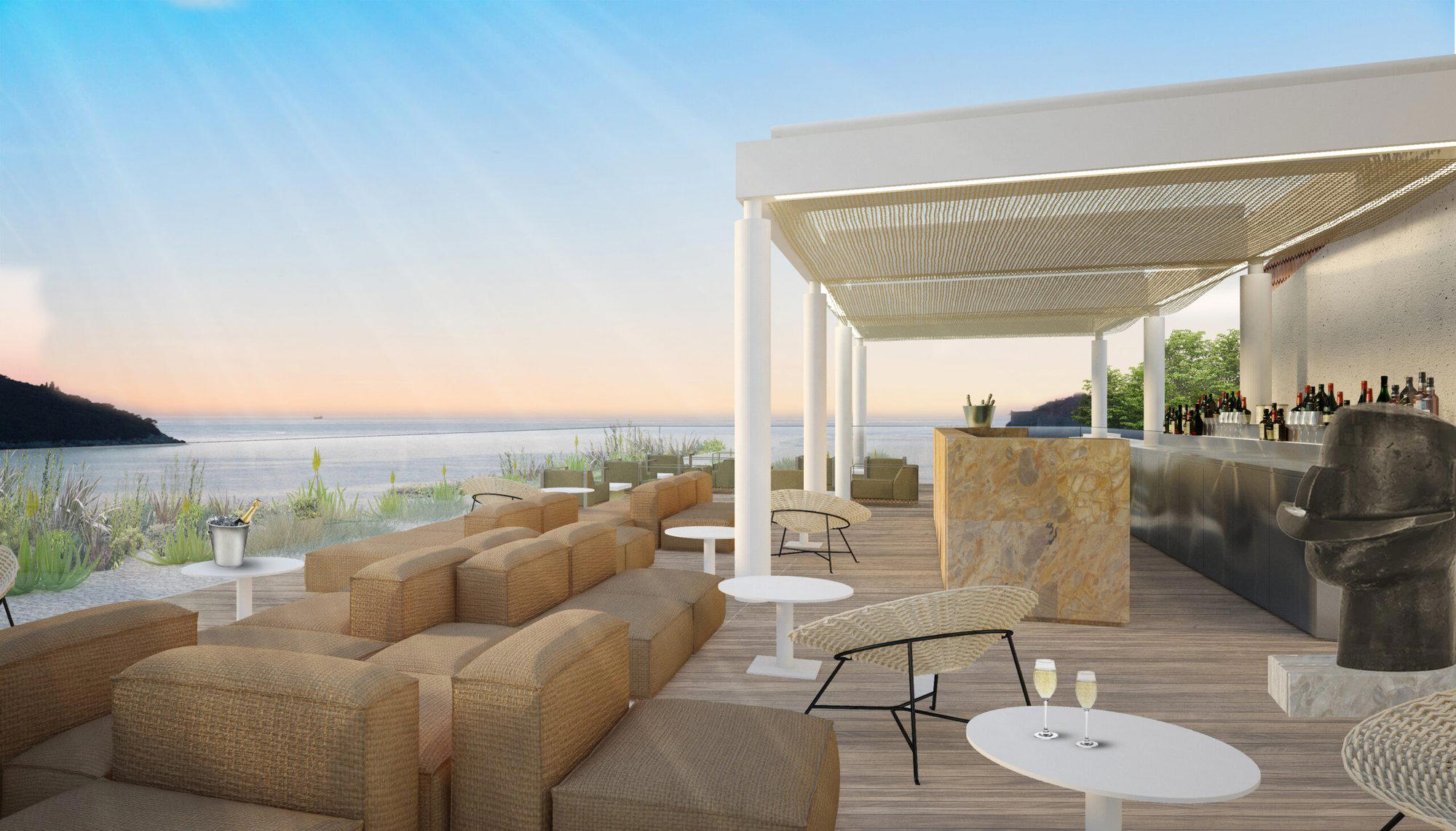
Hotels in Dubrovnik
Browse all →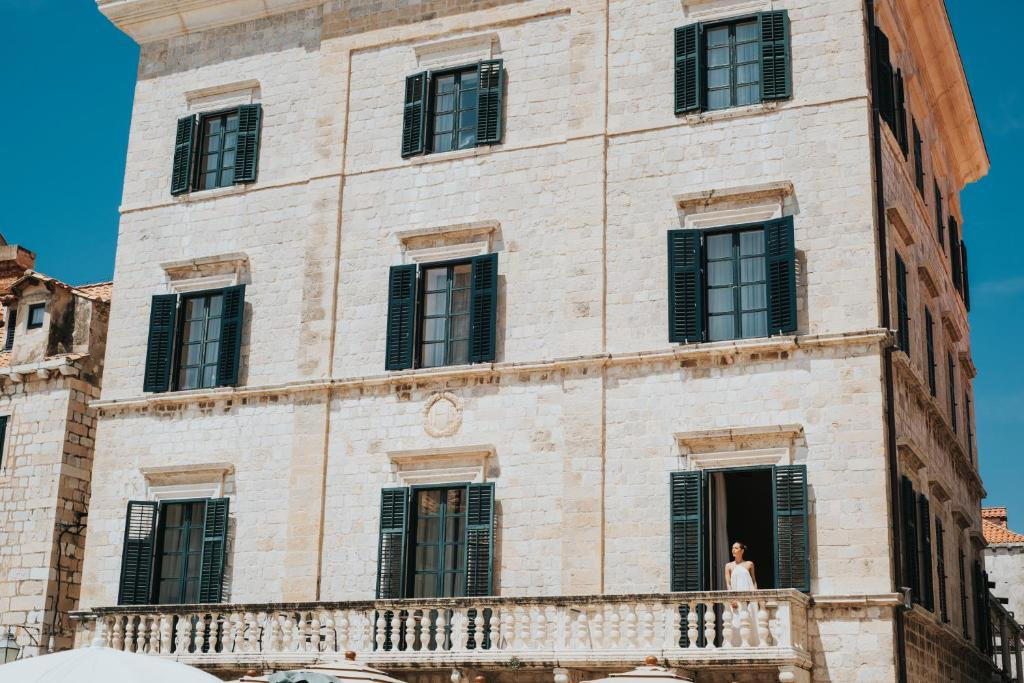

At a Glance
- Romantic
- Classic
- Cozy
- Intimate
- Date Night
- Family
- Celebration
- Casual Hangout
- Special Occasion
- Terrace
- Historic Building
- Standalone
- Beer Program
- Local Sourcing
- Street Scene
Charming and inviting with warm, welcoming atmosphere; intimate setting on a romantic street near the main plaza with local scenery and historic architecture.