
Michelin Selected
A baroque palace on Dubrovnik's Stradun, The Pucic Palace translates the walled city's 17th-century mercantile heritage into boutique hotel form. Its Old Town address at Ul. od Puča 1 places guests within the historic core, steps from the Rector's Palace and the Gundulic Square market. For travellers who want architecture rather than resort scale, it represents one of the most historically grounded addresses in coastal Croatia.

Pearl is the En Primeur Club membership app, where members save venues, book tables and use the concierge.
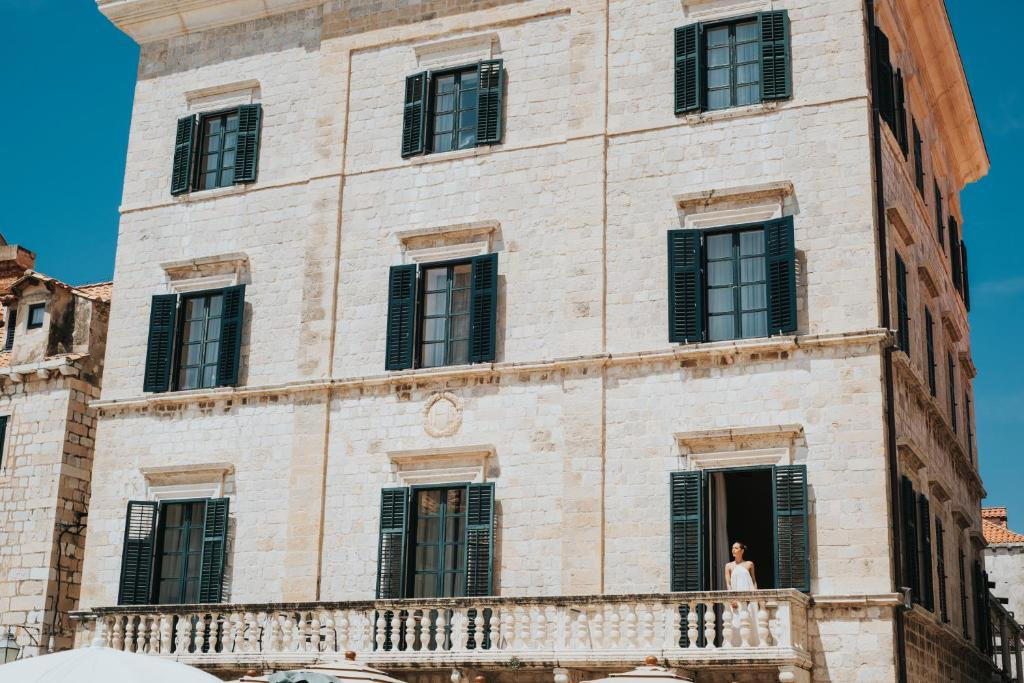
Stone Walls and a City That Earned Its Density
Dubrovnik's Old Town is among the most spatially compressed historic centres in the Mediterranean. The walls contain churches, palaces, markets, and residences within an area measured in minutes on foot, and every building carries a legal and architectural obligation to the UNESCO World Heritage designation that has governed the city since 1979. Hotels inside the walls operate under those constraints. There is no room to build, no permission to enlarge footprints, and no tolerance for facades that break the limestone continuity. What exists was built before the protection order, and that scarcity is the defining condition of Old Town accommodation.
The Pucic Palace, at Ul. od Puča 1, is one of the few properties inside the walls that occupies a genuine baroque palace rather than a retrofitted merchant house. The building predates modern tourism infrastructure by centuries, which is simultaneously its strongest asset and its operating reality. Guests are not staying in a building designed for hospitality; they are staying in a building that has been adapted for it, preserving the structural logic of 17th-century Ragusan aristocratic architecture along the way.
What Baroque Means in This Context
The Ragusan Republic, which governed Dubrovnik as an independent city-state from 1358 until Napoleon's dissolution in 1808, produced a civic architecture that prioritised stone permanence over ornament. The noble families who built on Puča Street were merchants and diplomats operating one of the most sophisticated trade networks in the Adriatic. Their buildings reflect that: thick walls for thermal mass, interior courtyards for air circulation, and a materiality that assumed the structures would outlast any single generation's preferences. That logic holds in the building today. The stone regulates temperature in ways that contemporary HVAC systems approximate but do not replicate, and the spatial proportions of the original rooms resist the kind of standardised fit-out that larger hotel groups apply across properties.
For context on how Dubrovnik's premium accommodation tier is structured, the city splits broadly between large cliff-side resort hotels outside the walls and smaller, historically embedded properties within them. The cliff-side category includes addresses like Hotel Bellevue Dubrovnik, Hotel Excelsior Dubrovnik, and Hotel Villa Dubrovnik, all of which offer sea-view terraces and pool infrastructure that Old Town buildings cannot accommodate. The President Hotel, Valamar Collection and Hotel Kompas Dubrovnik occupy a similar resort-adjacent tier. The Pucic Palace belongs to neither of those categories. It competes on location density and architectural character rather than amenity breadth, which makes it a fundamentally different proposition for a fundamentally different traveller.
The Old Town Address and What It Removes from Your Day
Gundulic Square, Dubrovnik's main morning market, is directly adjacent to the palace. The Stradun, the city's primary limestone thoroughfare, is seconds away on foot. The Rector's Palace, which houses a significant collection of Ragusan civic history, is within a two-minute walk. For guests prioritising access to the historic core over pool lounging or beach proximity, the address removes the logistical friction that affects properties outside the walls: the shuttle timings, the cable car queues, the decision about whether to walk back up after dinner.
That friction matters more in Dubrovnik than in most comparable walled cities. Visitor density inside the walls peaks sharply between late morning and early afternoon during the summer months, particularly on cruise ship days when passenger volumes can add thousands of pedestrians to an already compressed space. Guests staying inside the walls can time their movement to avoid those peaks in ways that cliff-side hotel guests cannot easily manage from their positions outside the Pile or Ploce gates.
Responsible Luxury in a Protected Environment
The sustainability argument for a property like The Pucic Palace is structural rather than programmatic. The building's stone construction, its thermal mass, and its adaptation of existing historic fabric rather than new build all represent a form of resource stewardship that new-construction hotels cannot claim regardless of their certification programmes. Operating within a UNESCO-listed zone also imposes external accountability: the management of material changes, lighting, noise, and waste is subject to municipal oversight that does not apply to resort hotels in less protected areas.
Croatia's Adriatic coast has faced increasing pressure from short-term rental proliferation, particularly in Dubrovnik's Old Town, where residential conversion to tourist accommodation has reshaped the local demographic considerably over the past decade. Professionally managed, long-term hospitality operations within the walls represent one alternative to that pattern: they maintain employment continuity, pay local taxes, and operate under licensing frameworks that informal rental platforms often circumvent. Whether a guest considers this a factor in their booking decision is a matter of values, but the structural difference between a regulated historic-property hotel and an unregulated flat rental is more material in Dubrovnik than in most cities.
Visitors interested in responsible accommodation options across Croatia's coast will find properties engaging with heritage and environmental stewardship at various points along the Adriatic. The Aminess Korčula Heritage Hotel in Curzola occupies a similar historic-property tier on the island of Korčula. The Littlegreenbay Hotel in Hvar takes a different approach, with an eco-conscious small-scale format on Hvar. Further north along the coast, D-Resort Šibenik in Sibenik and Brown Beach House Croatia in Trogir each engage with their historic or natural settings in distinct ways. Istrian options include Grand Park Hotel Rovinj by Maistra Collection in Rovinj, Lone Hotel by Maistra Collection in Rovigno D Istria, Hotel Kastel in Motovun, and Hotel Vela Vrata in Pinguente. For a broader Croatian coastal overview, Boutique & Design Hotel Navis in Opatija, Boutique Hotel Alhambra in Mali Losinj, Kastil in Bol, B&B Heritage Villa Apolon in Stari Grad, and Falkensteiner Hotel & Spa Iadera in Petrčane provide additional reference points across different formats and price tiers. Inland, the Esplanade Zagreb Hotel in Zagreb represents Croatia's most formally recognised luxury address outside the coast.
Planning a Stay
The Pucic Palace is located at Ul. od Puča 1 in Dubrovnik's Old Town, within the walled city. Guests should note that vehicle access to the Old Town is restricted, meaning luggage must be carried from the nearest gate. The Pile Gate is the primary western entry point; the Ploce Gate serves the eastern approach. Summer booking windows for Old Town properties close well in advance of peak season, and June through August represents the highest-demand period. Shoulder months, May and September into early October, offer meaningfully reduced pedestrian congestion and comparable weather. Travellers considering Dubrovnik as part of a broader Croatian itinerary can reference our full Dubrovnik restaurants guide for dining context across the city. Additional accommodation options at different price points include Dubrovnik Old Town Hostel for budget-tier Old Town proximity, and Villa Orsula Dubrovnik for a smaller boutique format outside the walls.
Pricing, Compared
| Venue | Price | Awards |
|---|---|---|
| The Pucic PalaceThis venue (the venue you are viewing) | $300–500 | Michelin Selected |
| Hotel Bellevue Dubrovnik | $300–500 | Michelin Selected · La Liste Top Hotels |
| Hotel Excelsior Dubrovnik | $300–500 | Michelin Selected · Mr & Mrs Smith Seal of Approval |
| Hotel Villa Dubrovnik | $300–500 | 2 Michelin Keys · La Liste Top Hotels |
| President Hotel, Valamar Collection | $100–200 | World Luxury Hotel Awards WLHA Regional Winner |
| Hotel Kompas Dubrovnik | $1–100 | Michelin Selected · Mr & Mrs Smith Seal of Approval |
Recognition history
Dated appearances from independent guides and award organizations, with the underlying list record or original source where available.
Michelin Selected
Michelin
Continue exploring
More in Dubrovnik
Hotels in Dubrovnik
All hotels in Dubrovnik →
Bars in Dubrovnik
All bars in Dubrovnik →
Restaurants in Dubrovnik
All restaurants in Dubrovnik →

Details
- Elegant
- Classic
- Sophisticated
- Ornate
- Romantic
- Intimate
- Romantic Getaway
- Honeymoon
- Anniversary
- Weekend Escape
- Historic Building
- Terrace
- Wi Fi
- Pool
- Spa
- Room Service
- Concierge
- Restaurant
- Street Scene
- Wheelchair Accessible
- Step Free Entrance
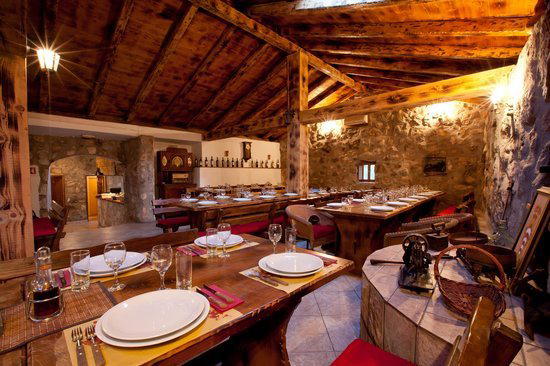
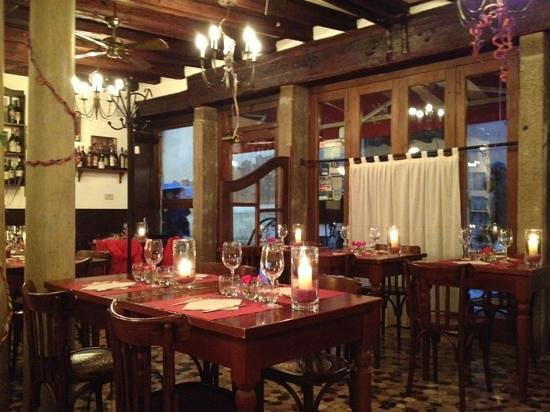
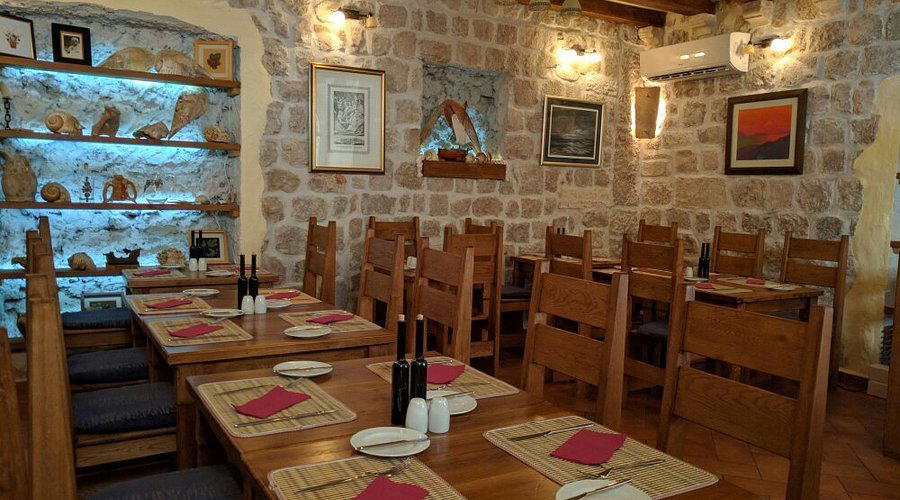
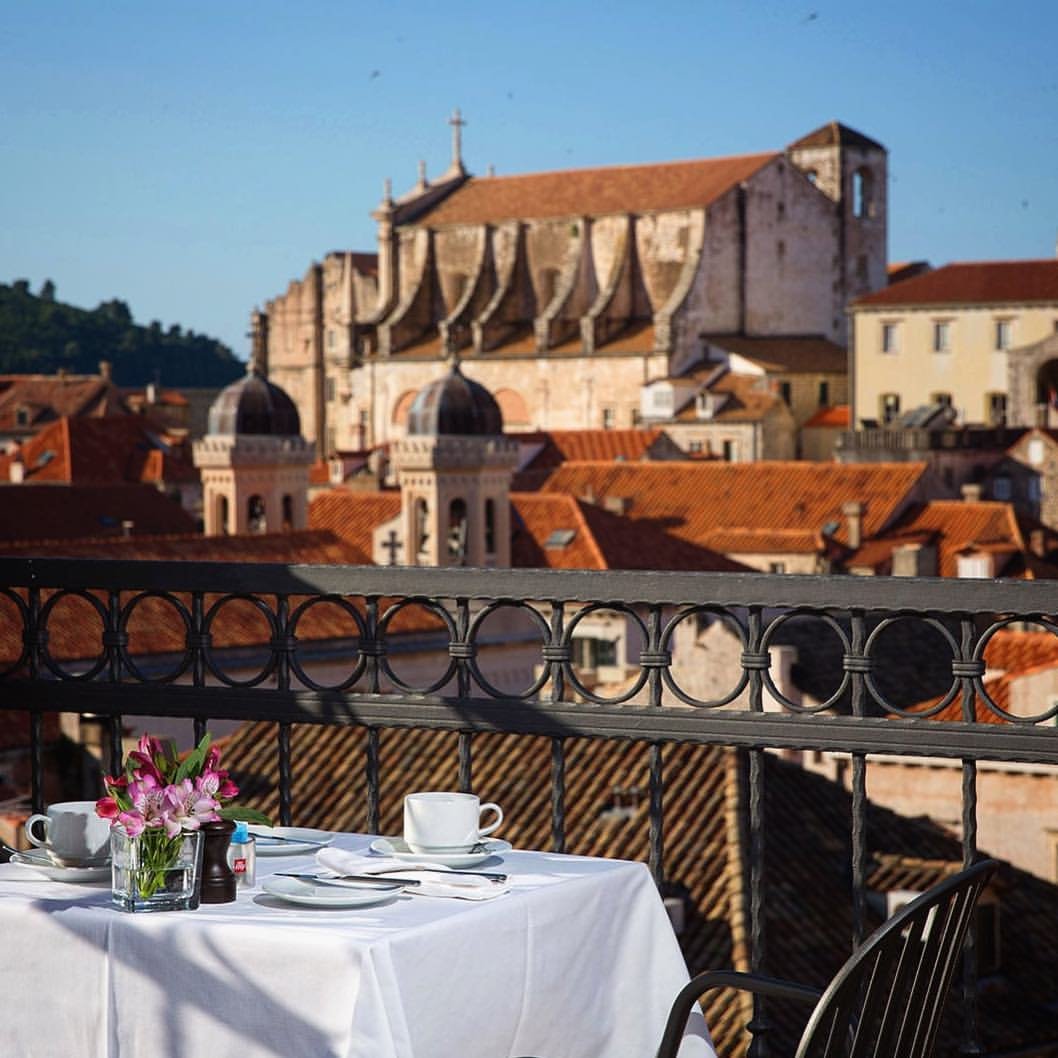
Elegant baroque atmosphere with wooden-beamed ceilings, antique artwork, wrought-iron balustrades, and a tranquil setting enhanced by historical antiques and natural light.