Restaurant Békaa occupies a quiet address on Rentzelstraße in Hamburg's Eimsbüttel district, bringing Lebanese and Eastern Mediterranean cooking to a city whose fine-dining scene has historically tilted toward French and modern European traditions. With data sparse in the public record, the restaurant has built its following through word of mouth rather than awards infrastructure, placing it in a distinct tier from Hamburg's more decorated tables.
Pearl is the En Primeur Club membership app — saves, bookings, and concierge access live there. Same editors, same standards.
- Address
- Rentzelstraße 50, 20146 Hamburg, Germany
- Phone
- +494940454975
- Website
- bekaa.de
- Directions
- Get directions
 Saves & bookings on Pearl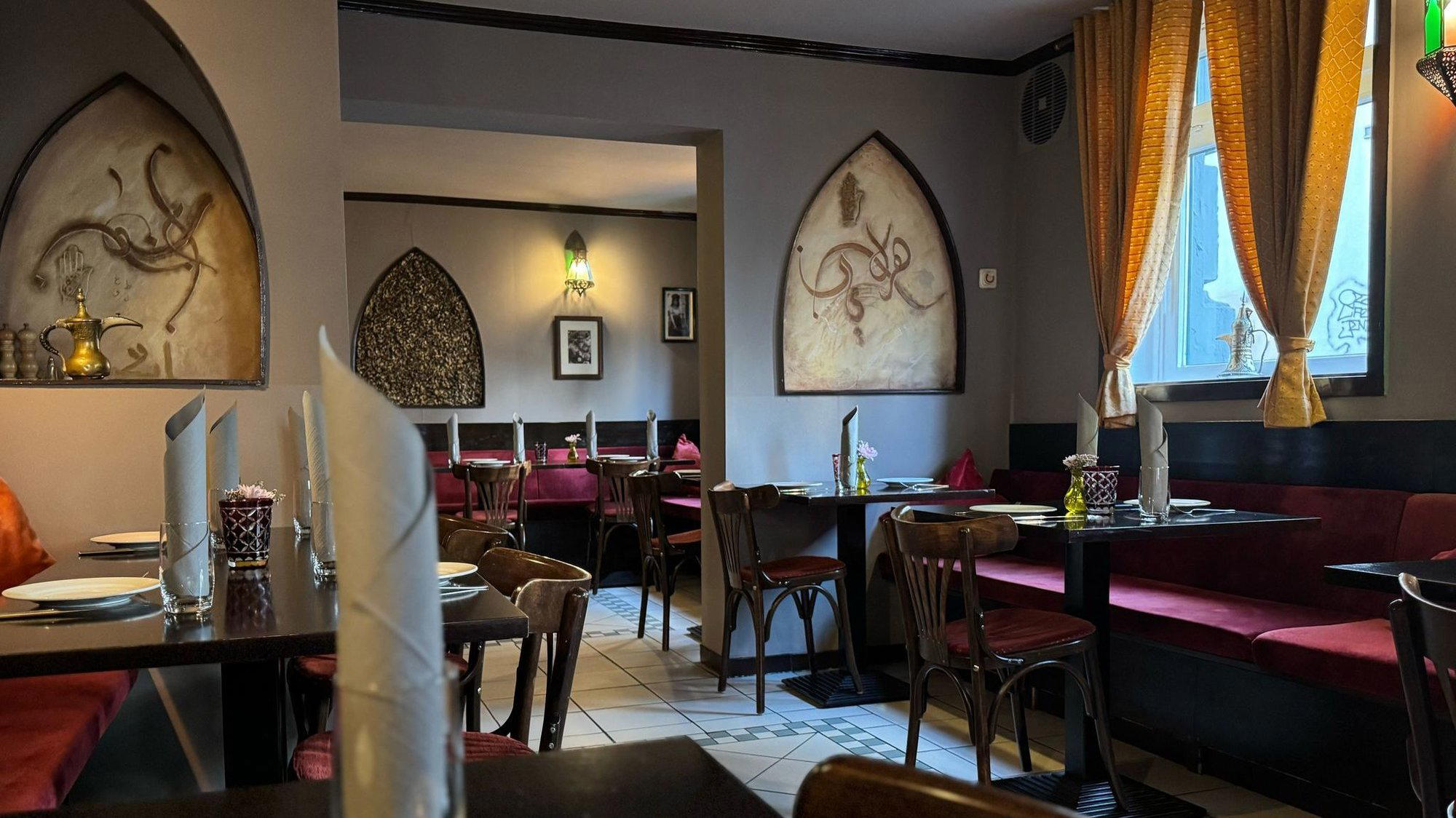
A Different Register on Rentzelstraße
Eimsbüttel is not Hamburg's loudest neighbourhood for restaurants. The streets around Rentzelstraße run quietly between Dammtor station and the Grindel quarter, lined with pre-war apartment buildings and the kind of low-key shopfronts that reward walkers who are paying attention. It is precisely this register, unhurried and residential, that makes a restaurant like Békaa legible. Eastern Mediterranean cooking in this setting does not announce itself; it waits to be found.
Hamburg's serious dining culture has spent decades gravitating toward French-derived tasting menus and modern European frameworks. Restaurant Haerlin and The Table Kevin Fehling represent the city's most decorated end of that spectrum, while 100/200 Kitchen and bianc occupy the Mediterranean-adjacent tier with considerably more institutional recognition behind them. Békaa operates outside that awards infrastructure, which is itself a data point worth reading carefully. Restaurants that accumulate regular followings without Michelin scaffolding tend to do so because the cooking is consistent and the room is comfortable enough to return to.
What Eastern Mediterranean Cooking Looks Like in This Context
Lebanese cooking that draws from that inland tradition is different in character from the coastal meze culture most European diners encounter first: it tends toward heartier preparations, legume-heavy dishes, and lamb cooked with spice profiles that owe more to the eastern trade routes than to the olive-oil-and-lemon shorthand of generic Mediterranean cuisine.
In Germany, Lebanese restaurants have historically clustered in cities with larger Lebanese diaspora communities, with Berlin carrying the deepest representation. Hamburg's scene in this register is thinner, which means a restaurant operating in this space here faces a different calibration challenge: the cooking needs to work for diners who may not have a baseline reference for what the cuisine is supposed to taste like at its most considered. That is a harder problem to solve than cooking for an audience that already knows what it wants. The restaurants that solve it tend to develop loyalty that looks, from the outside, like cult status.
The Sensory Architecture of the Room
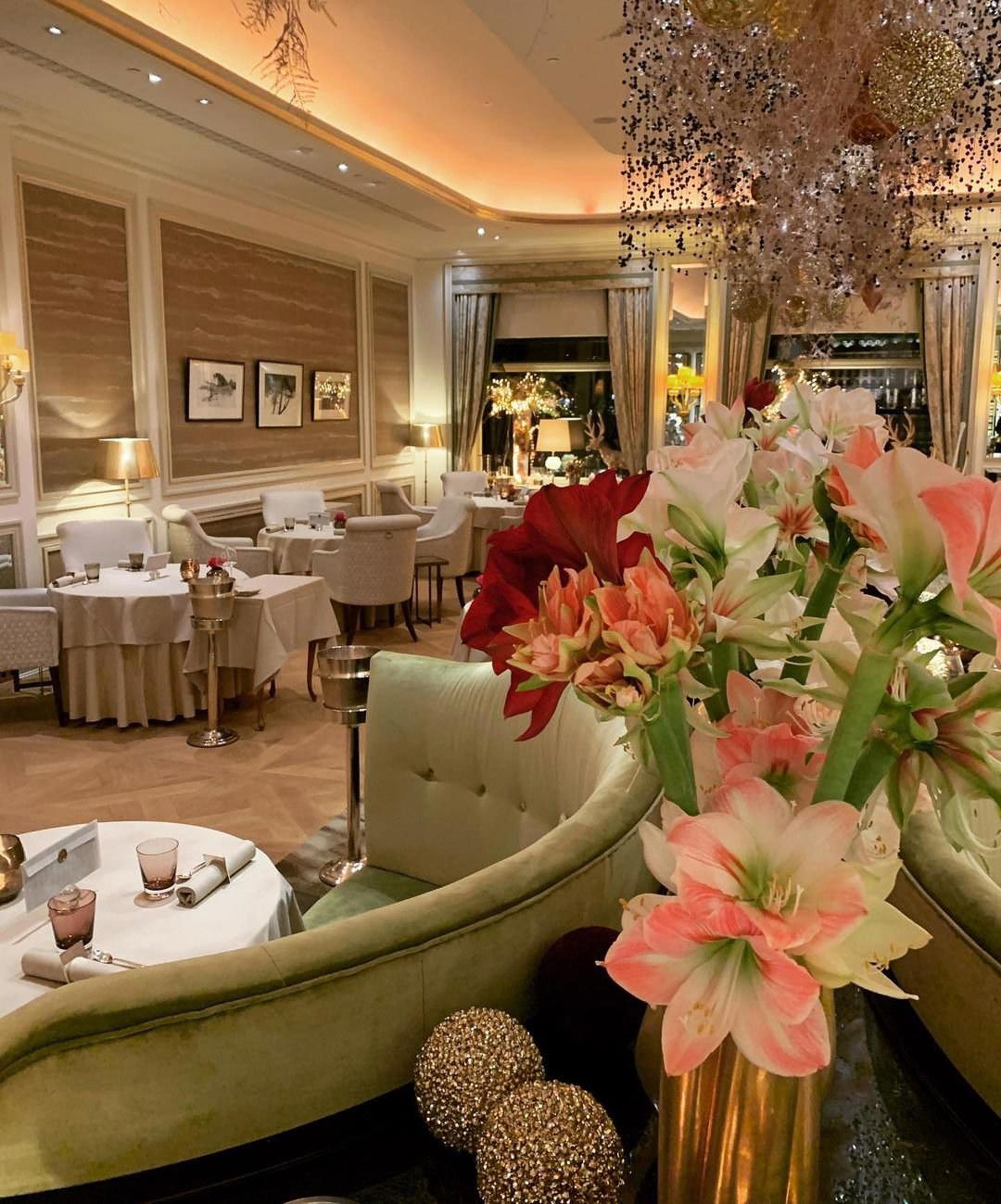
Rentzelstraße 50 is a street-level address in a neighbourhood built for living rather than spectacle. Restaurants in this format, smaller, quieter, without the design investment that signals ambition in a more competitive corridor, create a specific kind of atmosphere that is harder to manufacture in a purpose-built dining destination. The sounds are domestic: the street outside, the kitchen at a low register, conversation at a human volume. The light, in rooms of this type in Hamburg's older building stock, tends to come from street-facing windows that let in the particular grey-white quality of northern German daylight and shift toward warmer interior sources in the evening.
That physical context is not incidental to how Eastern Mediterranean food reads. Dishes built around spiced lamb, slow-cooked pulses, and herb-forward salads carry differently in an intimate, non-theatrical room than they do in a large dining hall. The food does the work that the room does not need to. This is a well-established structural logic in neighbourhood restaurant culture across Europe: the less the room asserts itself, the more the plate has to justify the visit. For regulars, this trade-off is precisely the point.
Where Békaa Sits in Hamburg's Dining Order
Hamburg's premium dining tier is relatively compact. Lakeside and bianc operate in the €€€€ bracket alongside The Table Kevin Fehling and Haerlin, forming a small cluster of high-spend, high-production venues. Below that, restaurants in the €€€ range, Heimatjuwel among them, with its German-creative positioning, compete for the table that wants serious cooking without the full ceremony of a tasting menu evening. Békaa's price point fits the mid-tier rather than the leading end.
That positioning, if accurate, makes it part of a broader pattern visible in other German cities: the emergence of Middle Eastern and Eastern Mediterranean cooking as a serious mid-market category, running alongside but not inside the fine-dining circuit. CODA Dessert Dining in Berlin shows how far a conceptually rigorous approach can travel in Germany when the format is right. The question for any restaurant in Békaa's apparent register is whether the cooking has the specificity to convert first-time visitors into the repeat customers that sustain a neighbourhood address over years.
Reading the German Fine-Dining Map Around It
For visitors to Hamburg who are building a wider itinerary across Germany's restaurant tier, the context shifts considerably once you leave the city. Aqua in Wolfsburg, Schwarzwaldstube in Baiersbronn, and Vendôme in Bergisch Gladbach represent the heavily awarded French-classical end of the German spectrum. JAN in Munich, ES:SENZ in Grassau, and Victor's Fine Dining by Christian Bau in Perl extend that geography. Closer to the Mosel, Waldhotel Sonnora in Dreis, Schanz in Piesport, and Bagatelle in Trier fill out a wine-country dining circuit worth planning separately. None of these overlap in character with what Békaa represents: an independent neighbourhood restaurant operating in a cuisine category that sits outside the mainstream of German fine dining.
For reference points at the international level, the precision service culture of Le Bernardin in New York City or the concept-led tasting format of Atomix illustrate how far the spectrum runs from what a room like Békaa's is attempting. The comparison is instructive precisely because it clarifies what Békaa is not trying to do, and why that distinction matters to the reader choosing between a full tasting menu evening and a neighbourhood dinner with a more specific culinary focus. For a broader view of where Békaa sits among Hamburg's restaurant options, the full Hamburg restaurants guide maps the city's dining tiers in more detail.
Know Before You Go
Address: Rentzelstraße 50, 20146 Hamburg, Germany
Neighbourhood: Eimsbüttel / Dammtor, west of the Alster
Price range: About $27 per person
Booking: Reservations recommended
Awards: No Michelin recognition listed
Getting there: Rentzelstraße 50, 20146 Hamburg, Germany
Budget Reality Check
Comparable venues nearby, for context on price, style, and recognition.
| Venue | Cuisine | Price | Notes |
|---|---|---|---|
| Restaurant BékaaThis venue — the venue you are viewing | Rotherbaum, Modern Lebanese | $$ | Not listed |
| Kimo | Eimsbuttel, Middle Eastern Falafel | $$ | Not listed |
| L'Amira Steindamm | Not listed | $$ | St. Georg, Authentic Syrian & Lebanese |
| Azeitona | Not listed | $$ | Sternschanze, Lebanese Vegetarian Falafel |
| Adam Café City | Neu Lokstedt, Syrian Vegetarian | $$ | Not listed |
| Kebab for Friends | Alstertal, Middle Eastern Kebab Shop | $ | Not listed |
Continue exploring
More in Hamburg
Restaurants in Hamburg
Browse all →
At a Glance
- Cozy
- Romantic
- Intimate
- Elegant
- Date Night
- Group Dining
- Family
- Celebration
- Special Occasion
- Standalone
- Extensive Wine List
Current opening hours
- Monday
- 6–11 PM
- Tuesday
- Closed
- Wednesday
- 6–11 PM
- Thursday
- 6–11 PM
- Friday
- 6–11 PM
- Saturday
- 6–11 PM
- Sunday
- Closed
Hours can change for holidays and private events. Last verified .
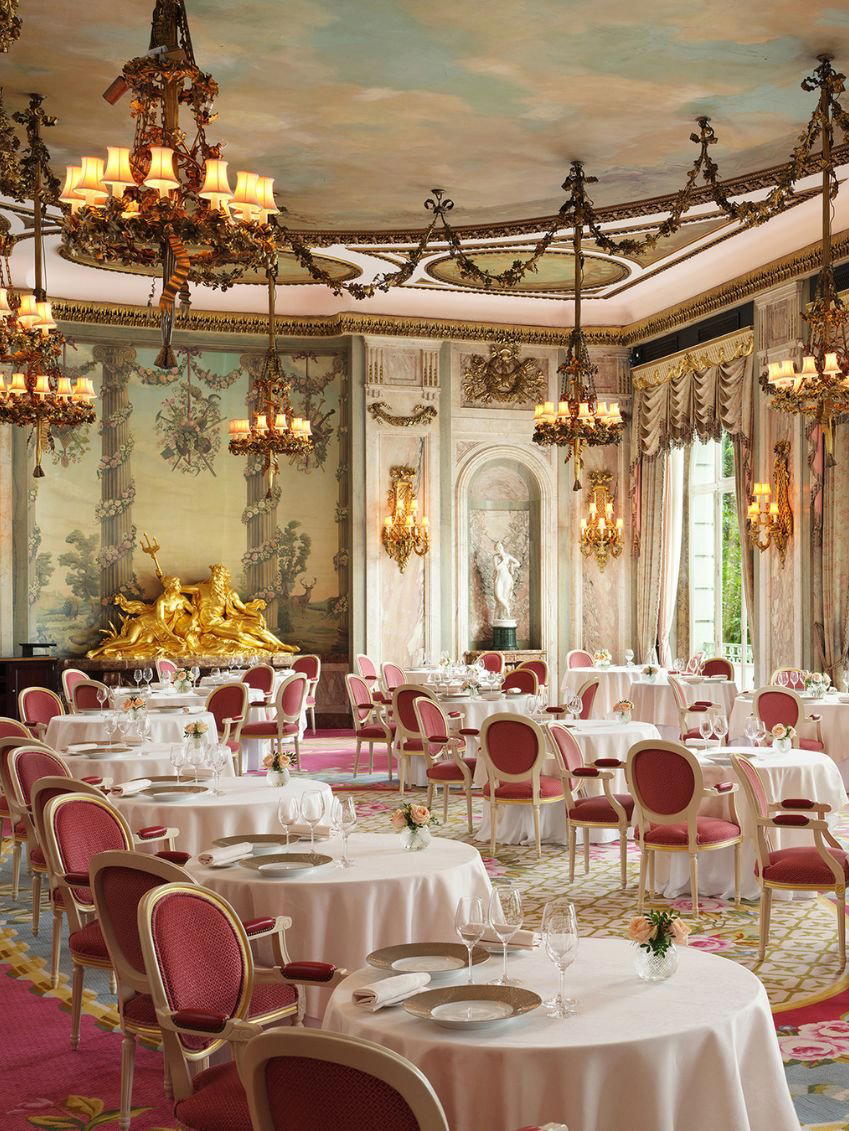
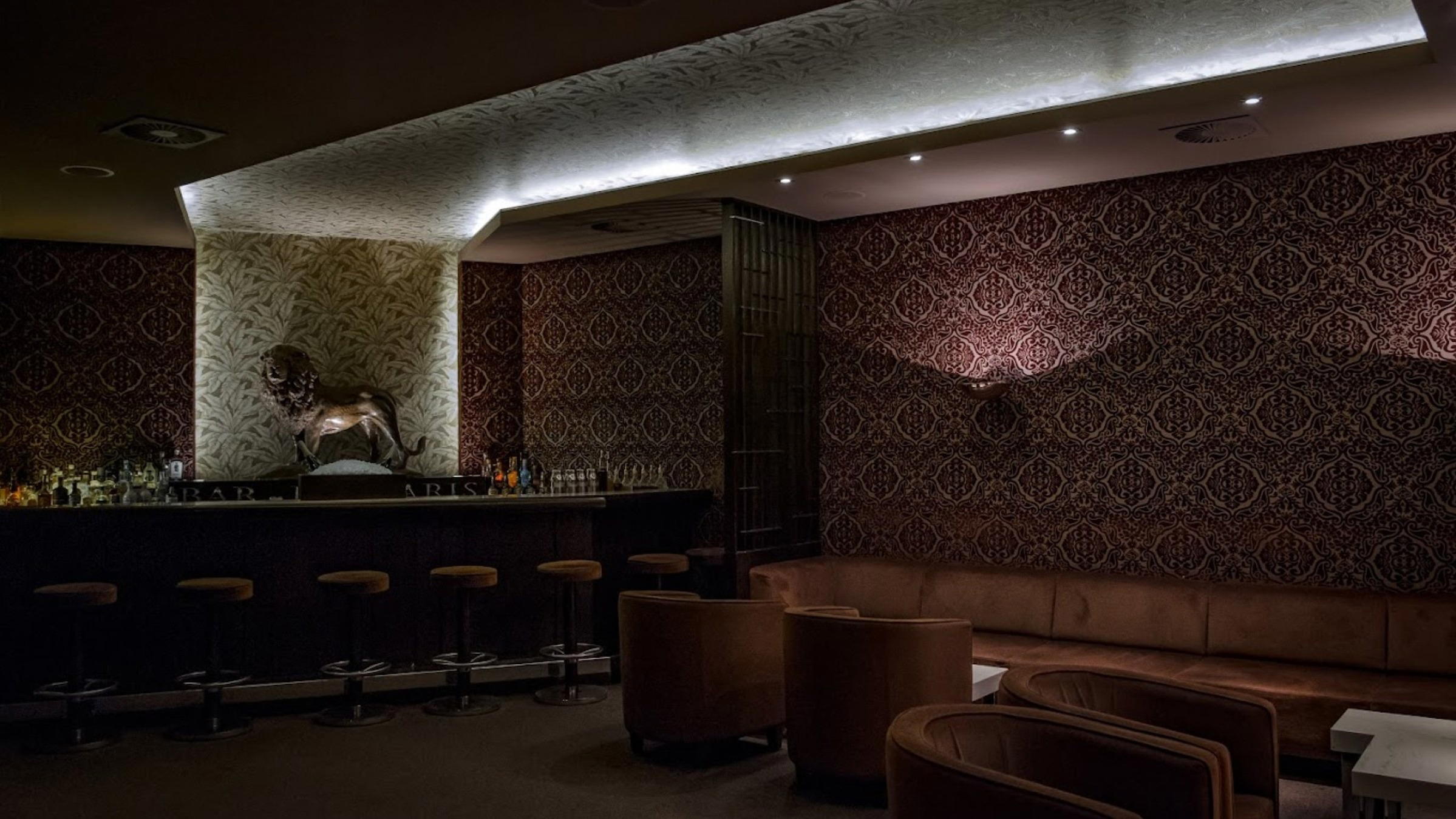
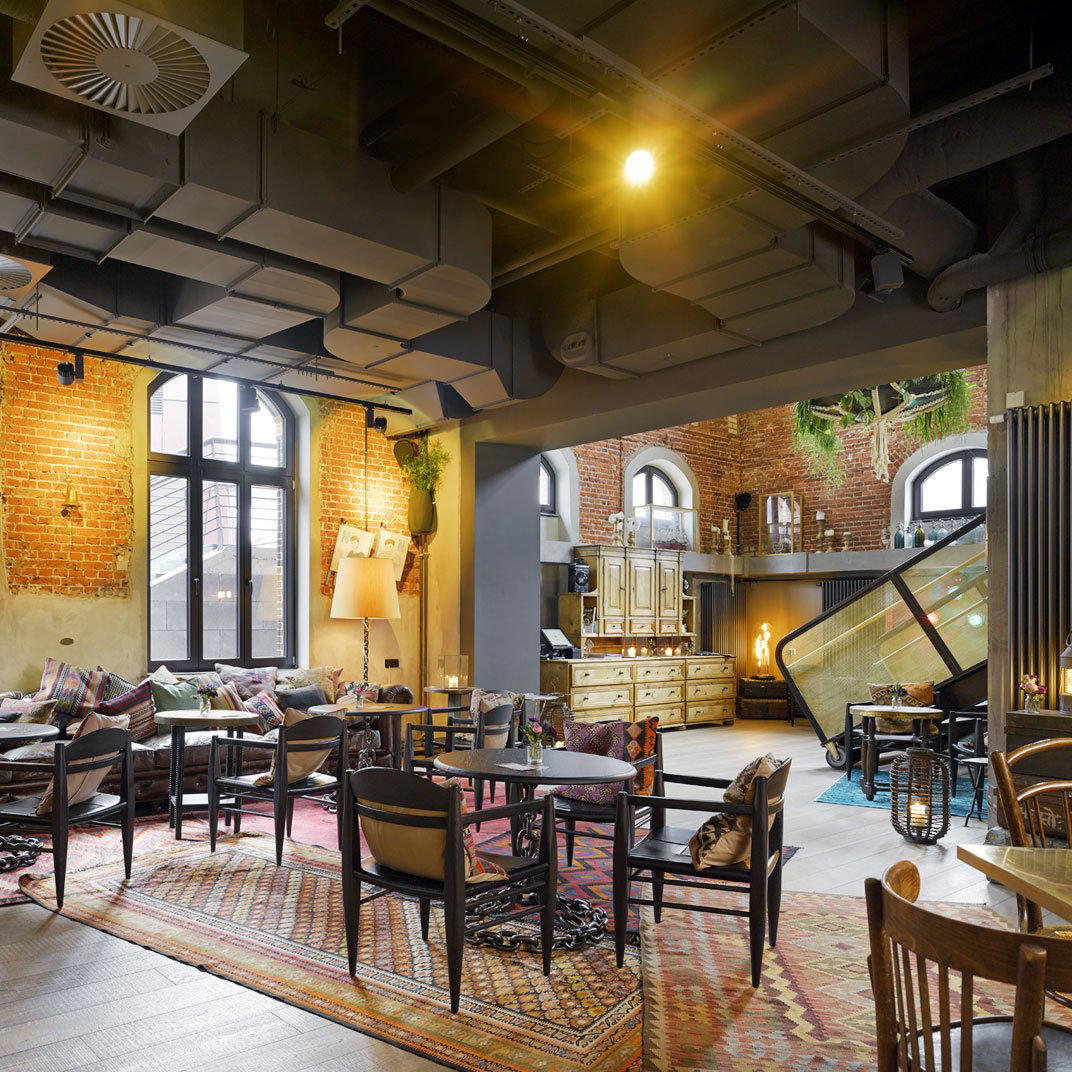
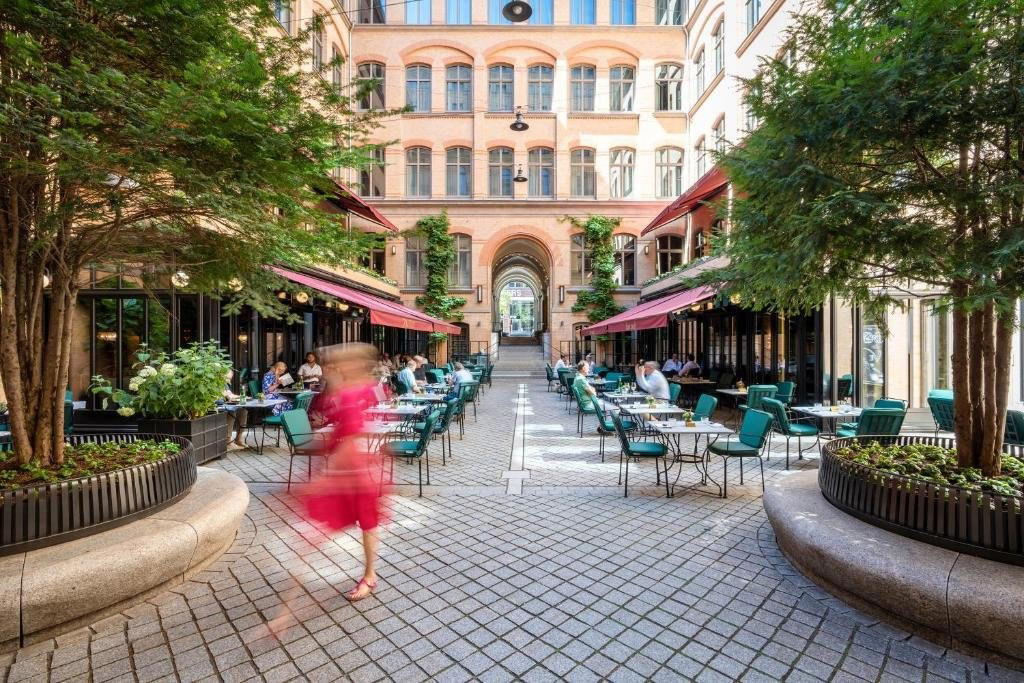
Simple but stylish basement setting with warm, peaceful atmosphere; described as quirky and interesting with relaxing decor that creates an intimate dining experience.