Kimo occupies a address on Schanzenstraße 111 in Hamburg's Schanzenviertel, a neighbourhood that has evolved from counterculture stronghold to one of the city's most active dining corridors. Specific cuisine style, pricing, and booking details are limited in current records, but the address places it firmly within a district where the gap between casual neighbourhood eating and serious restaurant ambition continues to narrow.
Pearl is the En Primeur Club membership app — saves, bookings, and concierge access live there. Same editors, same standards.
- Address
- Schanzenstraße 111, 20357 Hamburg, Germany
- Phone
- +494039993586
- Website
- falafel-kimo.com
- Directions
- Get directions
 Saves & bookings on Pearl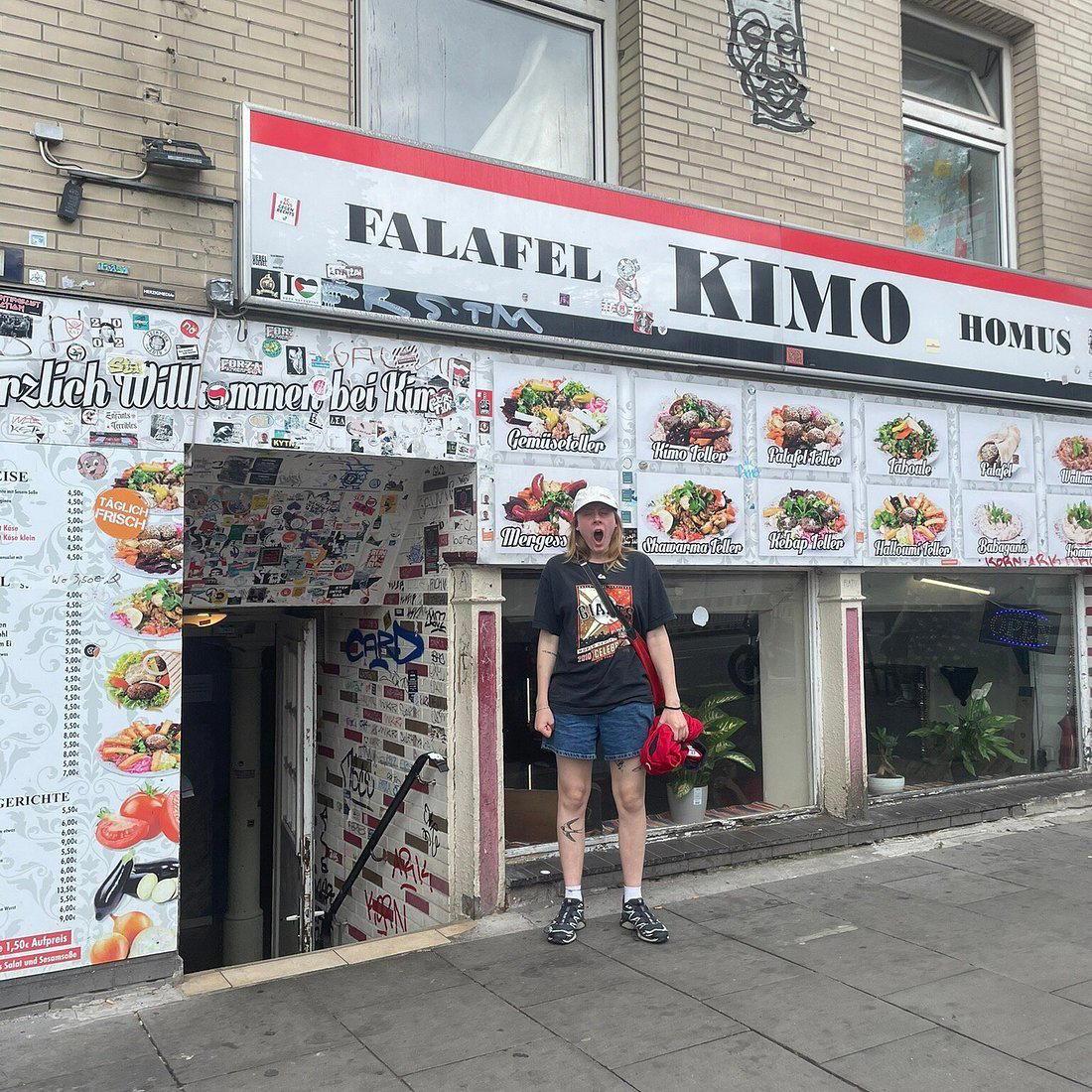
Schanzenviertel and the Question of Where Hamburg Eats Now
Hamburg's Schanzenviertel has undergone a longer and more complicated transformation than most of the city's dining districts. What began as a neighbourhood defined by squats, record shops, and Imbiss counters has, over the past fifteen years, become a corridor where serious restaurant projects sit within walking distance of Turkish greengrocers and late-night bars. Schanzenstraße itself functions as the spine of that shift: a street where the ground-floor turnover is high enough that the addresses that hold tend to signal something deliberately chosen, not accidentally arrived at. Kimo, at Schanzenstraße 111, is a Middle Eastern falafel restaurant with a casual dress code and walk-in-friendly service.
That geographic context matters when thinking about how to approach a visit. Hamburg's premium dining tier is anchored further east and south: Restaurant Haerlin and The Table Kevin Fehling both operate in a different register, with formal structures, extensive booking lead times, and price points that assume a special-occasion decision has already been made before you arrive. The Schanzenviertel operates differently. Here, the decision to eat somewhere is often made with more flexibility, and the venues that attract a following tend to earn it through consistency and kitchen focus rather than through ceremony or accumulated award architecture.
Where Kimo Sits in Hamburg's Mid-to-Upper Tier
Hamburg's restaurant scene, measured across its full range, is one of the more stratified in northern Germany. At the leading, venues like 100/200 Kitchen and bianc operate at the €€€€ tier with creative or Mediterranean-focused menus designed for extended sittings. Below that, a cluster of neighbourhood-facing restaurants operate at €€€ or lower, where the expectation is a complete meal with wine rather than a multi-course progression with matching pairings. Lakeside sits at the upper end of the Hamburg spectrum with a lakeside setting that adds a spatial premium most urban addresses cannot offer.
The Schanzenviertel tends to house venues from the middle of that range: places where the cooking is taken seriously without the apparatus of tasting menus, amuse-bouches, and cheese trolleys that define the city's formal dining tier. Within that context, Kimo is positioned on one of the neighbourhood's most-walked streets, which carries both an advantage and a pressure. Foot traffic on Schanzenstraße means a venue can build a casual following without relying solely on destination diners, but it also means that the competition for attention is immediate and constant. The addresses that endure at this end of the street typically do so because they offer something with definition: a specific cuisine approach, a room with character, or a price-to-kitchen ratio that makes repeat visits feel direct to justify.
What to Know Before Planning a Visit
Kimo is open Monday through Thursday and Sunday from 11 AM to 12 AM, and Friday and Saturday from 11 AM to 4 AM, so plan accordingly. This is not unusual for addresses operating in the Schanzenviertel tier, where some venues update availability through informal channels rather than through the reservation platforms that dominate the city's formal dining end.
For reference, the broader Hamburg booking context is worth understanding. At the formal end, venues like The Table Kevin Fehling operate on booking windows of several months, with high demand sustained by international recognition. At the neighbourhood end, same-week availability is common, particularly for solo diners or pairs on weeknights. Schanzenstraße sits closer to the latter pattern, though well-regarded addresses here can fill at weekends with less notice than a Monday or Tuesday allows.
Germany's broader fine dining context, for those using Hamburg as a gateway, is worth mapping out. North of Hamburg, the options thin quickly, which makes the city's restaurant density more significant for anyone travelling from the coast. The standout Michelin-recognised addresses spread across the country's centre and south: Aqua in Wolfsburg, JAN in Munich, Schwarzwaldstube in Baiersbronn, and ES:SENZ in Grassau all represent the kind of destination commitment that requires separate trip planning. Within Hamburg, the comparison set is more immediately accessible: 100/200 Kitchen and the addresses clustered around the Alster and Hafencity offer a denser concentration of serious kitchens than Schanzenstraße typically produces, but the neighbourhood's character is a different kind of offer entirely.
For readers who move between Hamburg and other major cities, the Schanzenviertel comparison point might be Berlin's Mitte fringe or certain streets in Munich's Maxvorstadt: neighbourhoods where the dominant dining character is informed-casual rather than ceremonial, and where the leading addresses reward return visits more than single high-stakes outings. CODA Dessert Dining in Berlin represents the kind of format-led ambition that can emerge from exactly these kinds of neighbourhoods, where lower property costs relative to prime locations allow for more experimental approaches. Vendôme in Bergisch Gladbach and Waldhotel Sonnora in Dreis sit at the opposite end of that spectrum, in rural or resort settings where the dining room is the primary reason for the trip.
International comparisons for those calibrating expectations: the Hamburg neighbourhood dining tier operates closer to what you find in the residential arrondissements of Paris or the less-touristed streets of central Lisbon than to the destination-dining circuits of Le Bernardin in New York City or Atomix in New York City. Those addresses are structured around a different kind of diner and a different planning process.
For a complete picture of Hamburg's restaurant range across all tiers and neighbourhoods, the full Hamburg restaurants guide maps the city's key addresses by district, style, and price tier.
Know Before You Go
- Address: Schanzenstraße 111, 20357 Hamburg, Germany
- Neighbourhood: Schanzenviertel
- Phone: check current listings before visiting
- Website: check current listings
- Booking: walk-in friendly
- Price tier: €€
- Cuisine: Middle Eastern falafel
- Awards: none recorded
- Nearby context: Schanzenstraße connects to Schulterblatt and Susannenstraße, both walkable within minutes
Booking and Cost Snapshot
Comparable venues nearby, for context on price, style, and recognition.
| Venue | Cuisine | Price | Notes |
|---|---|---|---|
| KimoThis venue — the venue you are viewing | Eimsbuttel, Middle Eastern Falafel | $$ | Not listed |
| Salam | Hamburg-Altstadt, Lebanese Street Food | $$ | Not listed |
| Saliba | Neustadt, Authentic Syrian | $$ | Not listed |
| Adam Café City | Neu Lokstedt, Syrian Vegetarian | $$ | Not listed |
| Chingu St. Pauli | Not listed | $$ | St. Pauli, Korean Hotpot & Grill with Karaoke |
| Falafel Haus | Not listed | $ | Rotherbaum, Traditional Lebanese Street Food |
Continue exploring
More in Hamburg
Restaurants in Hamburg
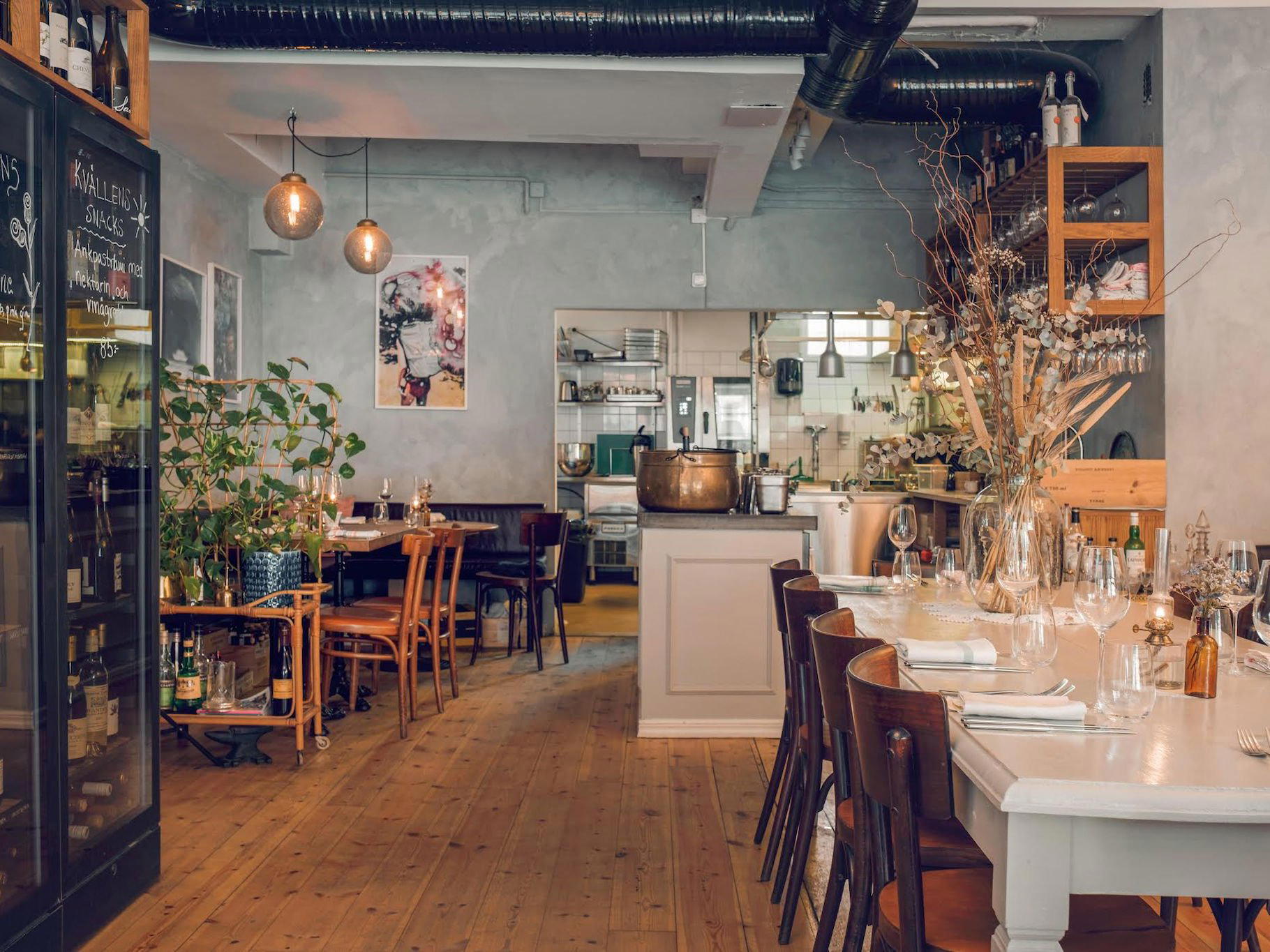
Browse all →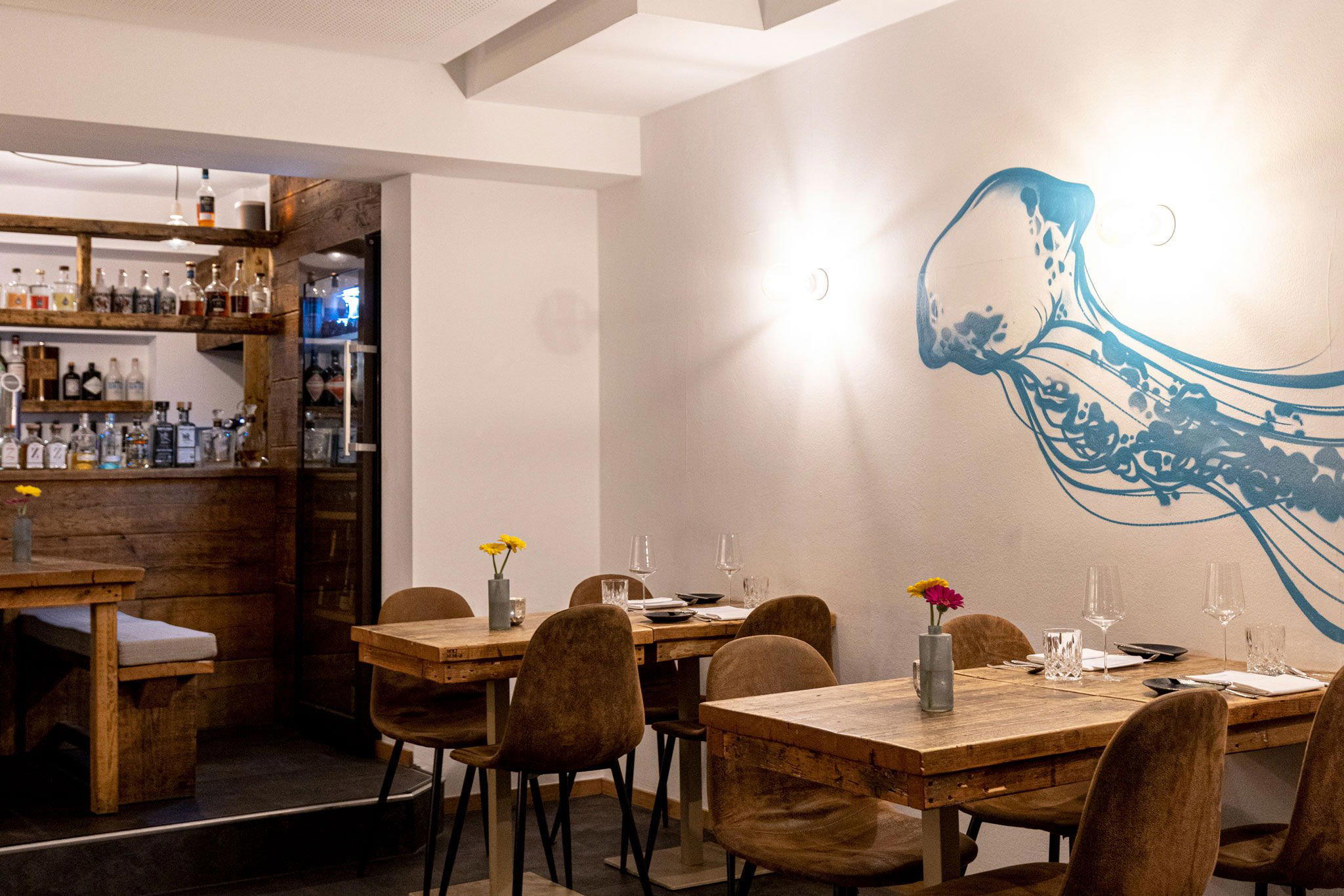
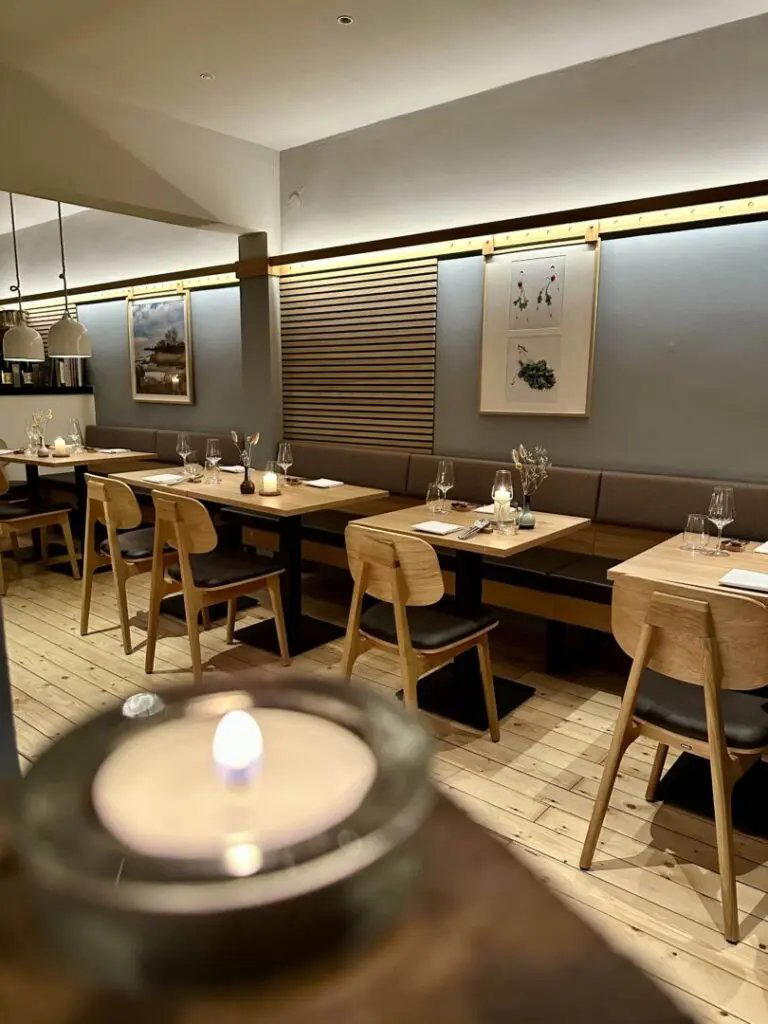
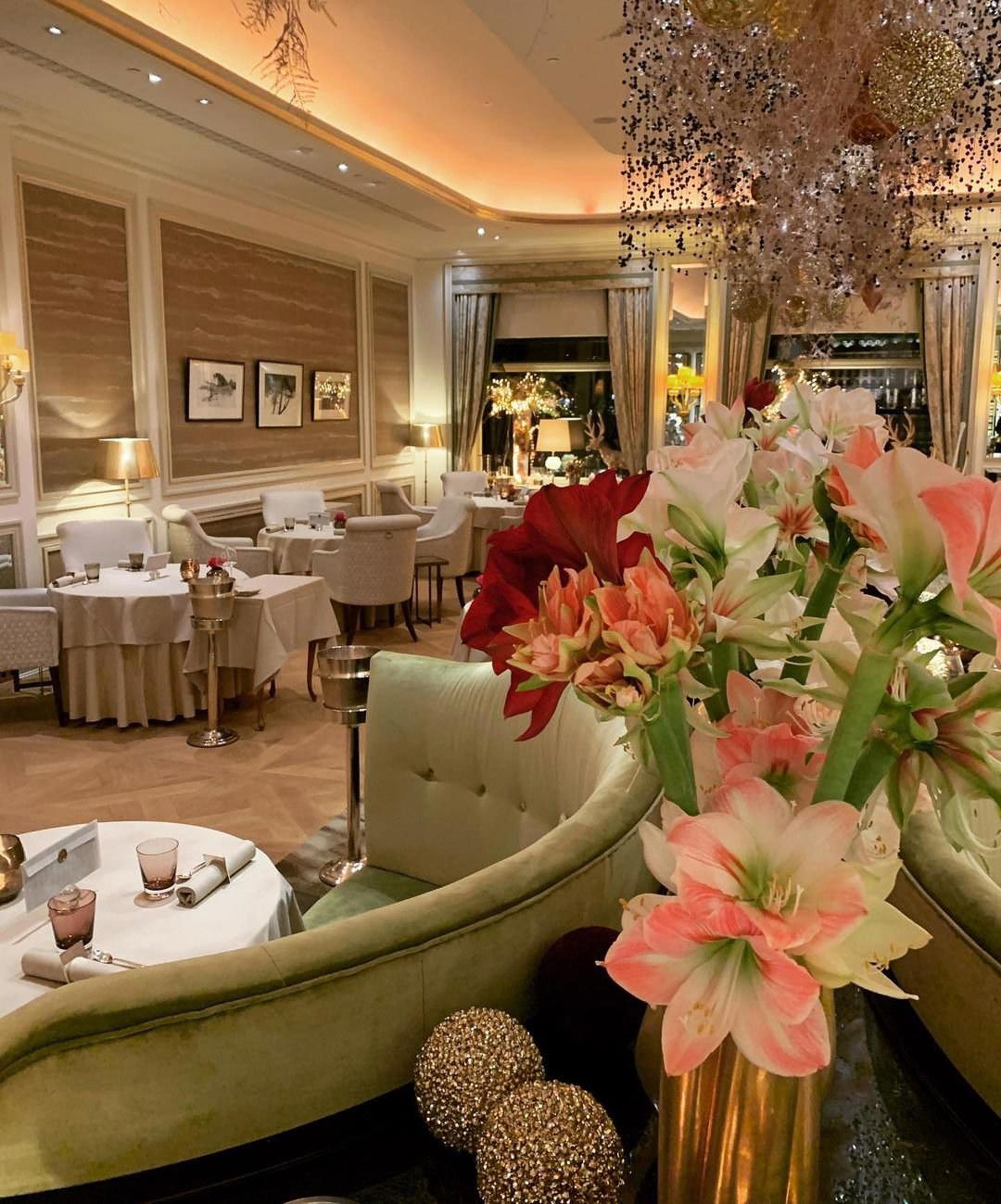
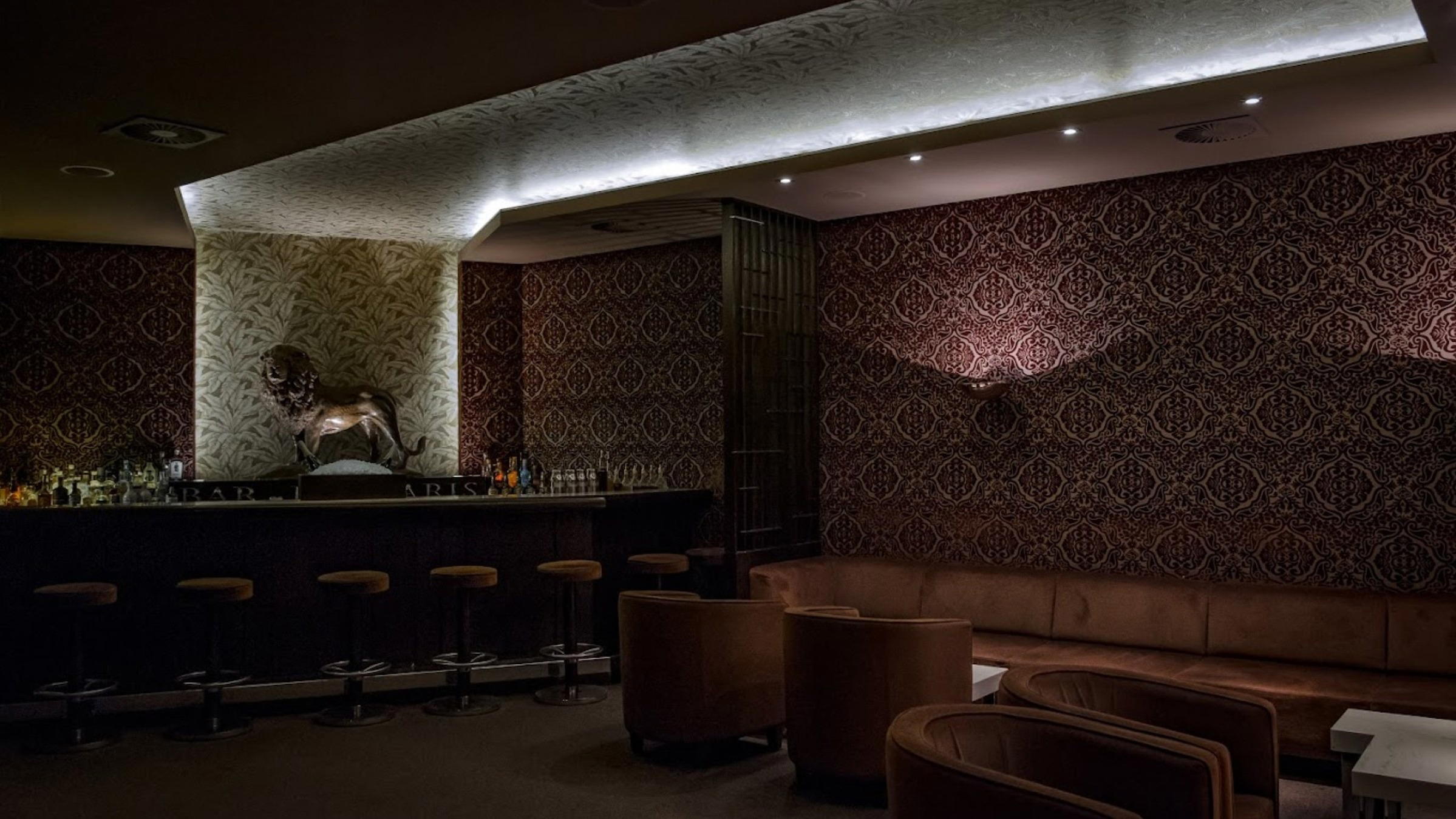
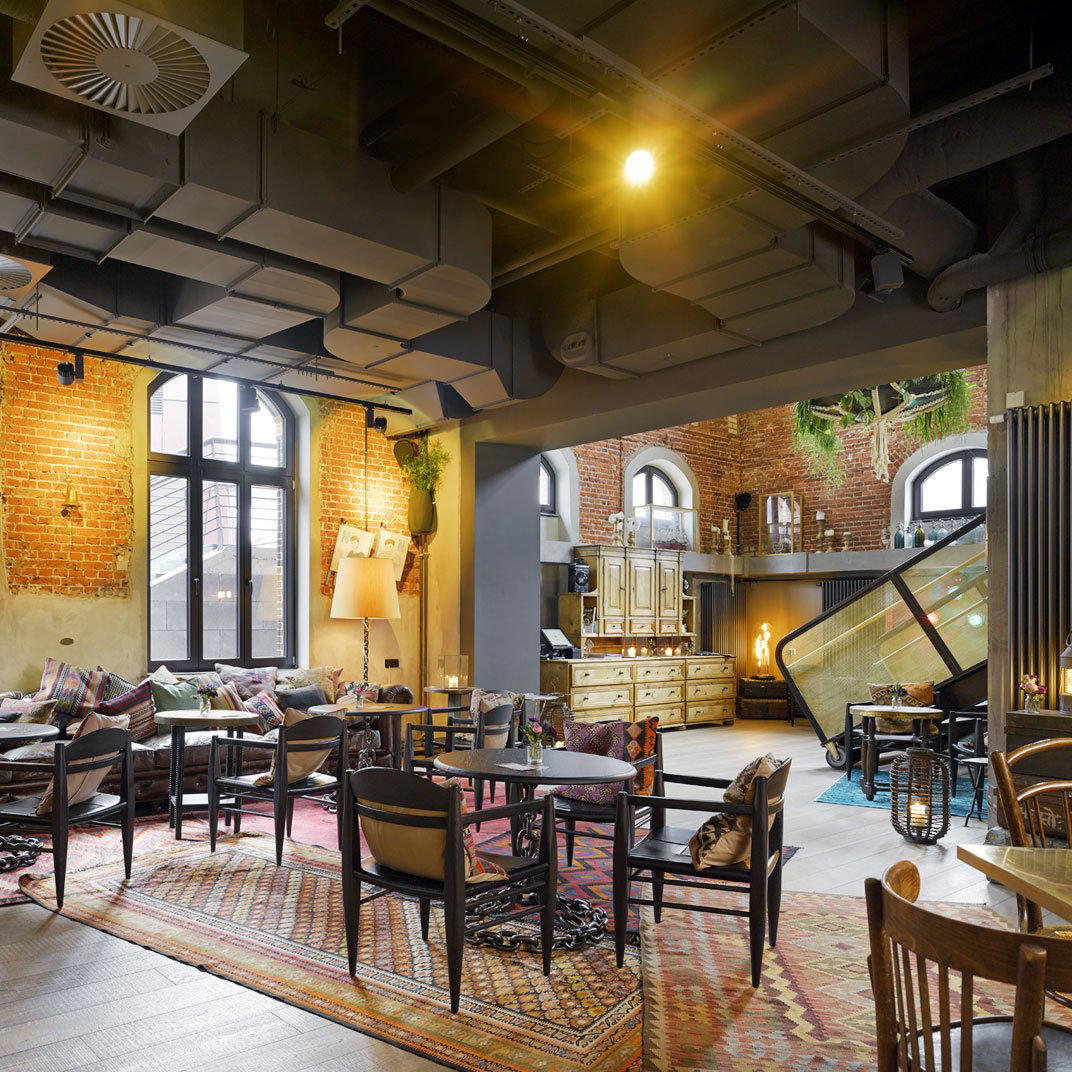
At a Glance
- Lively
- Casual
- Casual Hangout
Current opening hours
- Monday
- 11 AM–12 AM
- Tuesday
- 11 AM–12 AM
- Wednesday
- 11 AM–12 AM
- Thursday
- 11 AM–12 AM
- Friday
- 11 AM–4 AM
- Saturday
- 11 AM–4 AM
- Sunday
- 11 AM–12 AM
Hours can change for holidays and private events. Last verified .
Casual fast-food atmosphere with quick service focused on fresh, street-style eats.