Adam Café City sits on Müggenkampstraße in Hamburg's Eimsbüttel district, where neighbourhood cafés and low-key dining rooms have long coexisted with the city's more formal restaurant scene. The address places it firmly in a residential quarter known for everyday eating rather than destination fine dining, making it a reference point for understanding how Hamburg's mid-range café culture operates away from the harbour-front spectacle.
Pearl is the En Primeur Club membership app — saves, bookings, and concierge access live there. Same editors, same standards.
- Address
- Müggenkampstraße 45, 20257 Hamburg, Germany
- Phone
- +494036940941
- Website
- adamcafecity.de
- Directions
- Get directions
 Saves & bookings on Pearl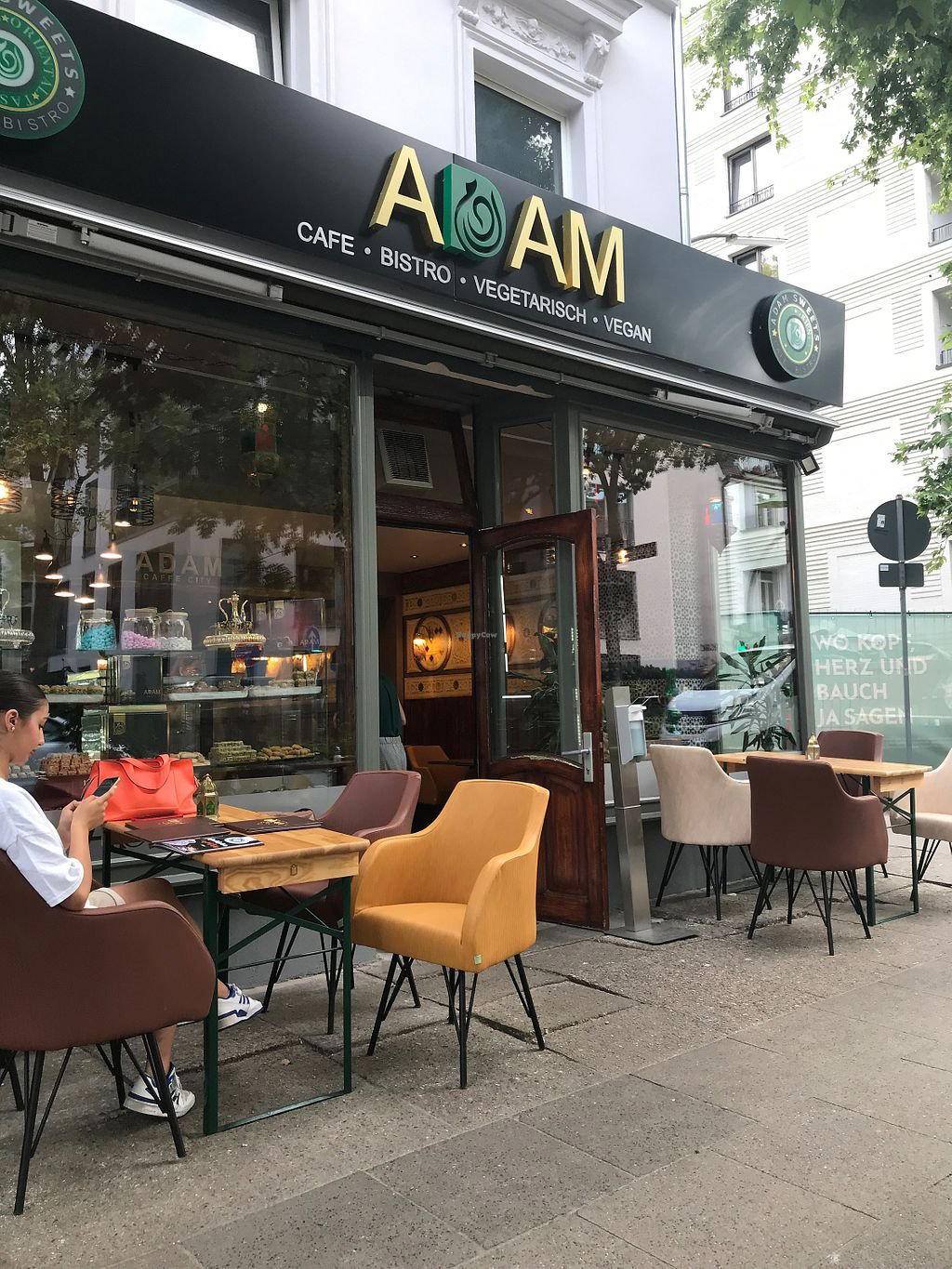
Where Eimsbüttel's Café Culture Takes Shape
Müggenkampstraße runs through one of Hamburg's more settled residential quarters, the kind of street where the rhythm is set by locals rather than tourists. Eimsbüttel has built a quiet reputation over the past decade as a district where independent café operators hold ground against the creep of chain formats, and Adam Café City sits within that tradition. The address at number 45 places the venue in a stretch of the street where ground-floor hospitality is part of the neighbourhood's daily infrastructure rather than an occasion.
This matters because Hamburg's café scene is not monolithic. At one end, the harbour-facing venues around HafenCity draw visitors looking for panoramic settings and recognisable names. At the other, districts like Eimsbüttel, Eppendorf, and Ottensen sustain a different format: smaller rooms, regulars who arrive on foot, and a pace determined by the neighbourhood rather than the booking calendar. Adam Café City belongs to the latter register, and understanding that placement is the starting point for any visit.
Hamburg's Mid-Range Café Tier in Context
Germany's café culture has long operated on a different axis from its restaurant scene. The country's formal dining credentials are well documented: Germany holds more Michelin stars per capita than most European nations, and Hamburg contributes meaningfully to that count. Restaurant Haerlin and The Table Kevin Fehling represent the city's upper tier, where tasting menus run to multiple courses and reservations open months in advance. 100/200 Kitchen and bianc occupy a similarly serious position in terms of format and commitment. Lakeside takes a different approach through its setting rather than its menu ambition.
Below that tier, the city sustains a large and largely underdocumented café and casual dining layer. These are the rooms that serve most Hamburgers most of the time, and they operate according to different rules: consistency over revelation, neighbourhood familiarity over destination theatre. The gap between these two worlds is wider in Hamburg than in cities like Berlin or Munich, partly because Hamburg's premium scene has concentrated around specific districts and partly because the city's working culture creates strong demand for reliable daily eating rather than occasional celebration dining.
Across Germany more broadly, venues operating in the café register vary considerably by region. In Baden-Württemberg, where Schwarzwaldstube anchors a different tradition, or in the Moselle Valley where Schanz demonstrates what rural fine dining can achieve, the distance between formal and informal hospitality is equally pronounced. The common thread is that Germany's café and mid-market dining culture tends to be intensely local in character, rooted in specific neighbourhoods rather than designed for wider audiences.
The Progression of a Neighbourhood Café Visit
The editorial angle that works well for a venue like Adam Café City is not course-by-course revelation in the manner of a tasting menu at Vendôme in Bergisch Gladbach or the dessert-led sequencing that defines CODA Dessert Dining in Berlin. Instead, the progression here is spatial and temporal: arrival into a neighbourhood room, the calibration of expectations against surroundings, and the accumulation of small details that make a place work or not work for its actual audience.
In that sense, café visits in residential Hamburg follow a recognisable arc. Early morning brings a working crowd, coffee-focused and time-constrained. Midday shifts the room toward longer stays, the kind of lunch that extends into conversation. By late afternoon, the café functions as a between-hours anchor, the sort of place that earns loyalty through availability rather than ambition. Adam Café City fits that pattern as a neighbourhood café in Eimsbüttel.
For visitors making a day of Hamburg's residential districts, this kind of venue operates as connective tissue between the more documented stops. A neighbourhood café in Eimsbüttel requires neither, which is precisely the point.
Hamburg's Café District Map
Eimsbüttel's position in Hamburg's café geography is worth understanding before arrival. The district lies northwest of the Alster lakes, bordered by Eppendorf to the north and Altona to the west. It is residential in character, with a demographic mix that skews toward long-term residents and younger households, both of which sustain independent café culture more effectively than transient populations do. The area's main shopping street, Osterstraße, runs roughly parallel to Müggenkampstraße and carries more commercial density, which means the side streets retain a quieter character.
Visitors arriving by public transport will find Eimsbüttel well served by U-Bahn connections from the city centre, making the district accessible without requiring orientation time. For those working through a Hamburg itinerary that includes the formal dining options documented in our full Hamburg restaurants guide, Eimsbüttel functions as a lower-pressure counterpoint to the harbour district and the Altstadt, where the city's Michelin-recognised kitchens are concentrated.
Internationally, the neighbourhood café format that Eimsbüttel exemplifies has close parallels in cities where residential districts sustain independent hospitality without relying on tourist traffic. The model is not unlike the neighbourhood dining culture that institutions like Lazy Bear in San Francisco or Le Bernardin in New York City exist alongside: formal destination venues and neighbourhood formats occupy different parts of the same city's hospitality ecosystem, and both are necessary to understand how the city actually eats.
What the Address Tells You
Müggenkampstraße 45 is a residential address in a district that values continuity. Hamburg's café operators in this part of the city tend to build loyalty over time rather than generating burst attention, and the venues that survive do so by being useful to their immediate community rather than notable to outside observers. Waldhotel Sonnora in Dreis or JAN in Munich earn attention through documented culinary achievement; a neighbourhood café like Adam Café City earns its place through different criteria entirely, ones that are harder to quantify but no less real.
For the reader deciding whether to visit, the question is not whether the restaurant competes with Hamburg's formal dining tier. It does not, and it is not designed to. The question is whether Eimsbüttel's café culture is worth exploring as part of a broader Hamburg visit, and on that count, the district's track record as a neighbourhood that sustains independent operators provides a reasonable basis for interest.
A Credentials Check
Comparable venues nearby, for context on price, style, and recognition.
| Venue | Cuisine | Price | Notes |
|---|---|---|---|
| Adam Café CityThis venue — the venue you are viewing | Syrian Vegetarian | $$ | Not listed |
| L'Amira Steindamm | Authentic Syrian & Lebanese | $$ | St. Georg |
| Kimo | Middle Eastern Falafel | $$ | Eimsbuttel |
| Falafelstern | Lebanese Falafel & Middle Eastern Street Food | $ | Eimsbuttel |
| Kokomo Noodle Club | Authentic Japanese Ramen | $$ | St. Pauli |
| La Quesadilla | Mexican & Caribbean | $$ | Neu Lokstedt |
Continue exploring
More in Hamburg
Restaurants in Hamburg
Browse all →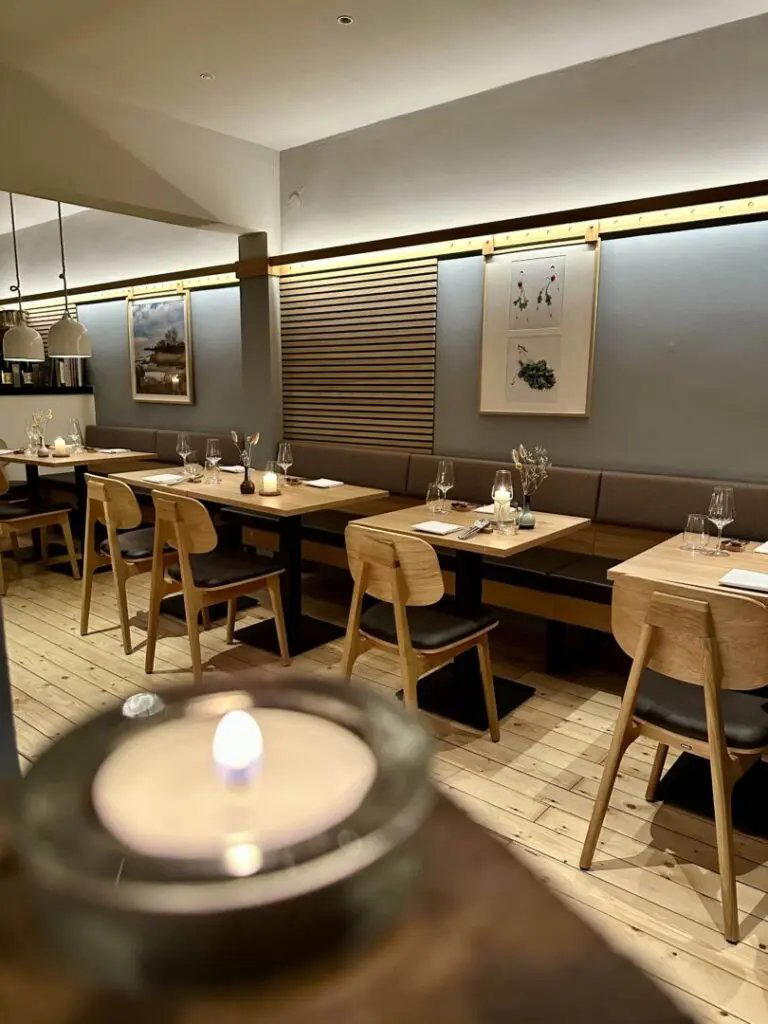
At a Glance
- Cozy
- Modern
- Casual Hangout
- Brunch
Current opening hours
- Monday
- 8 AM–11 PM
- Tuesday
- 8 AM–11 PM
- Wednesday
- 8 AM–11 PM
- Thursday
- 8 AM–11 PM
- Friday
- 8 AM–11 PM
- Saturday
- 8 AM–11 PM
- Sunday
- 8 AM–11 PM
Hours can change for holidays and private events. Last verified .
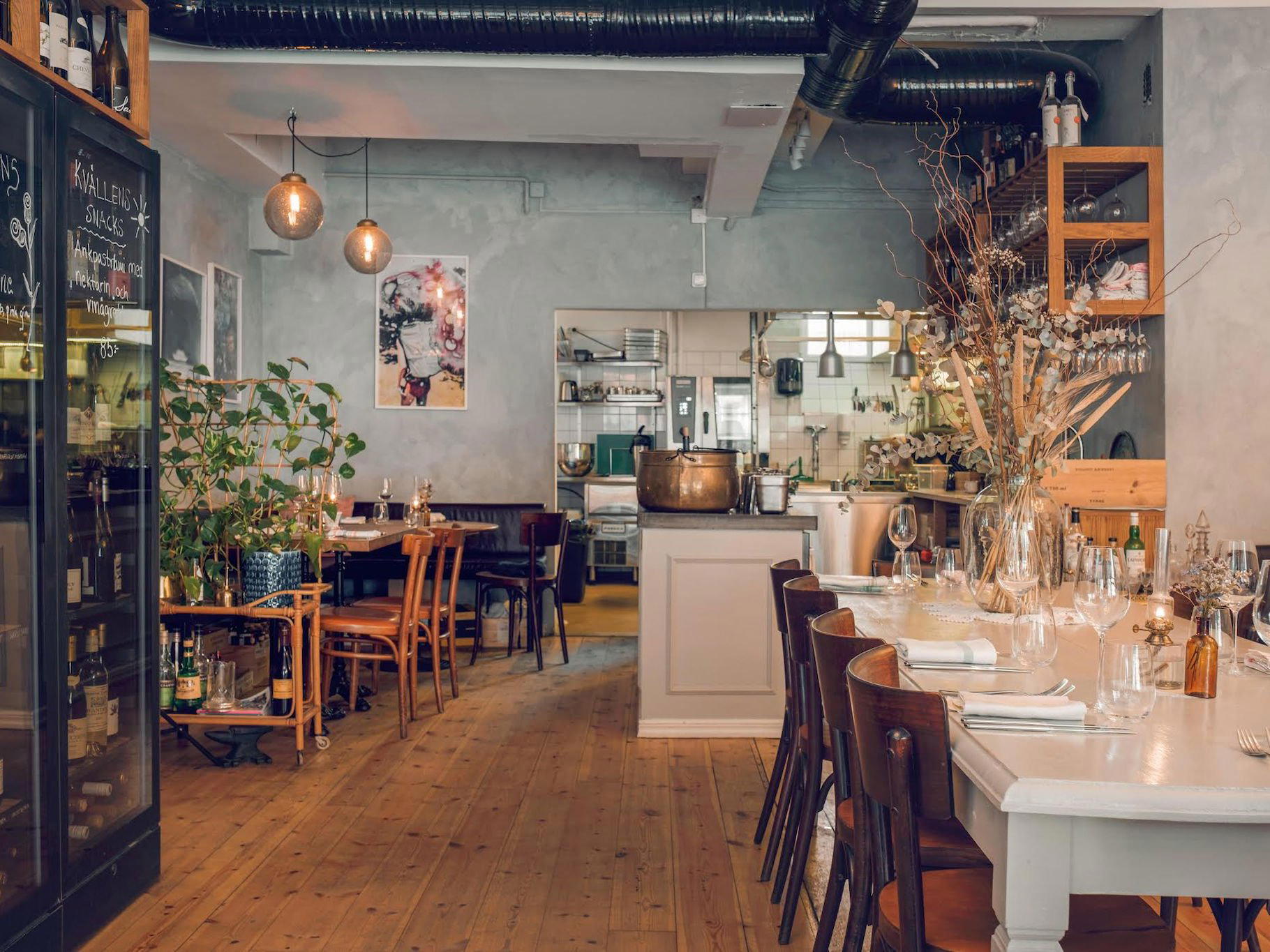
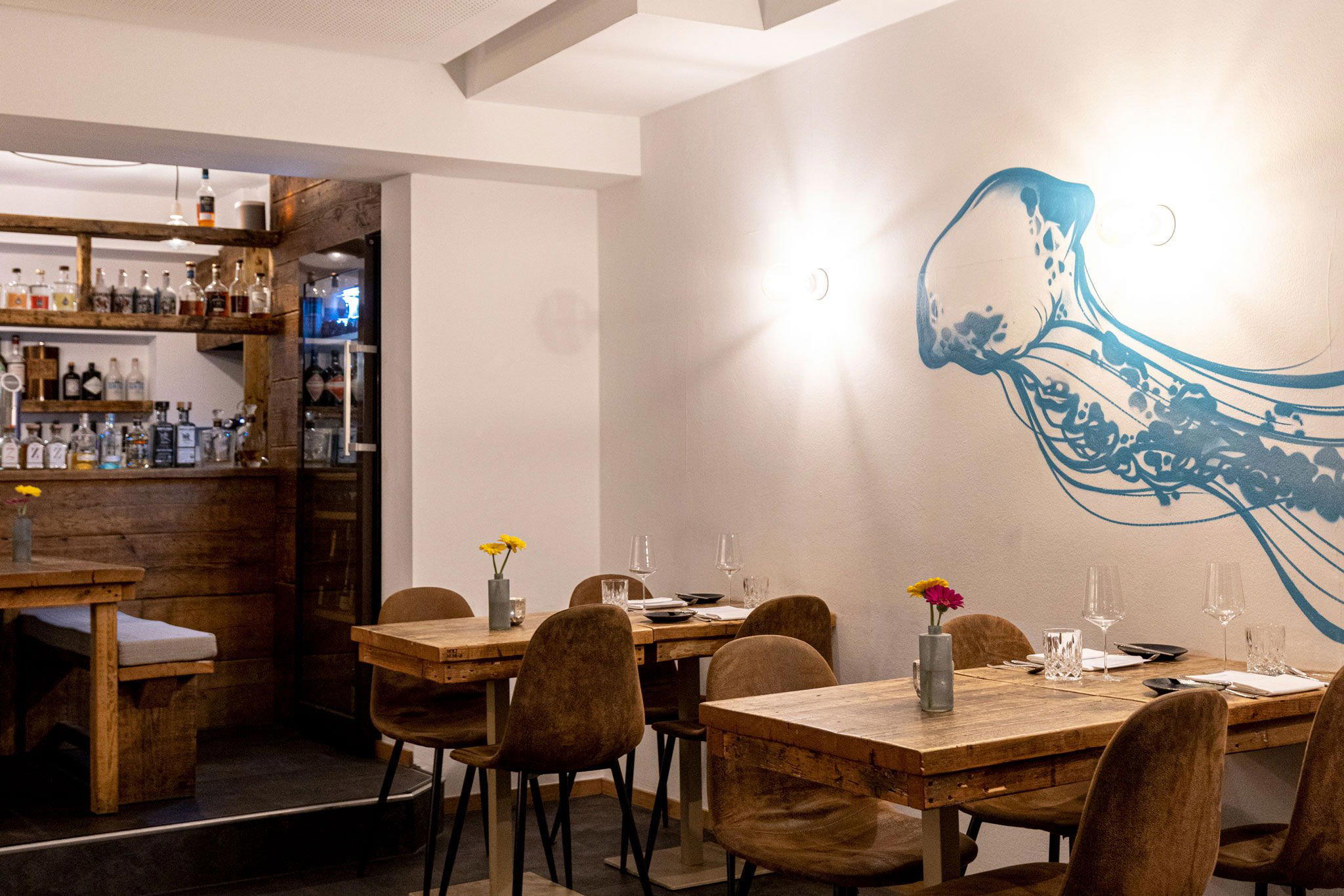
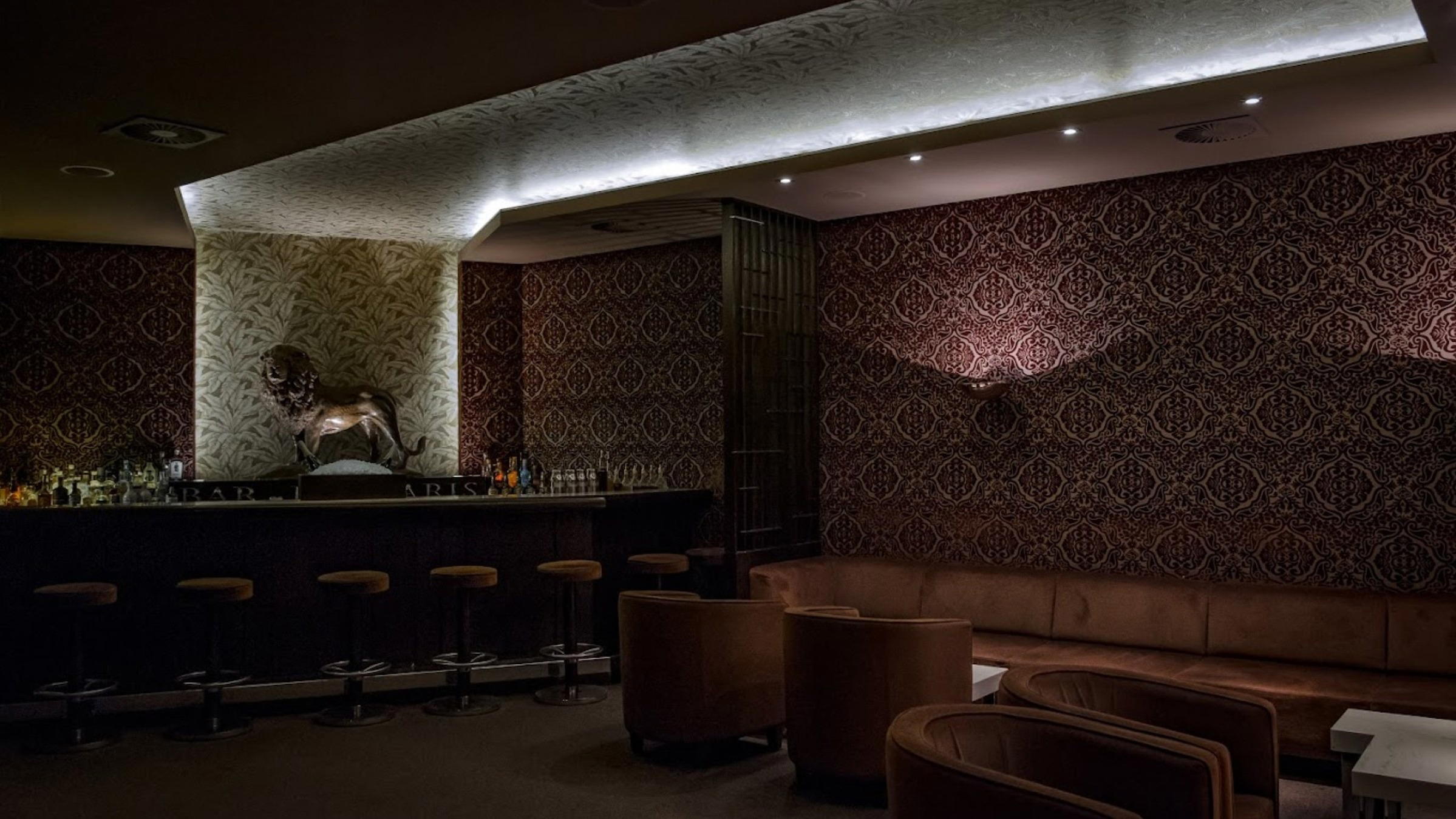
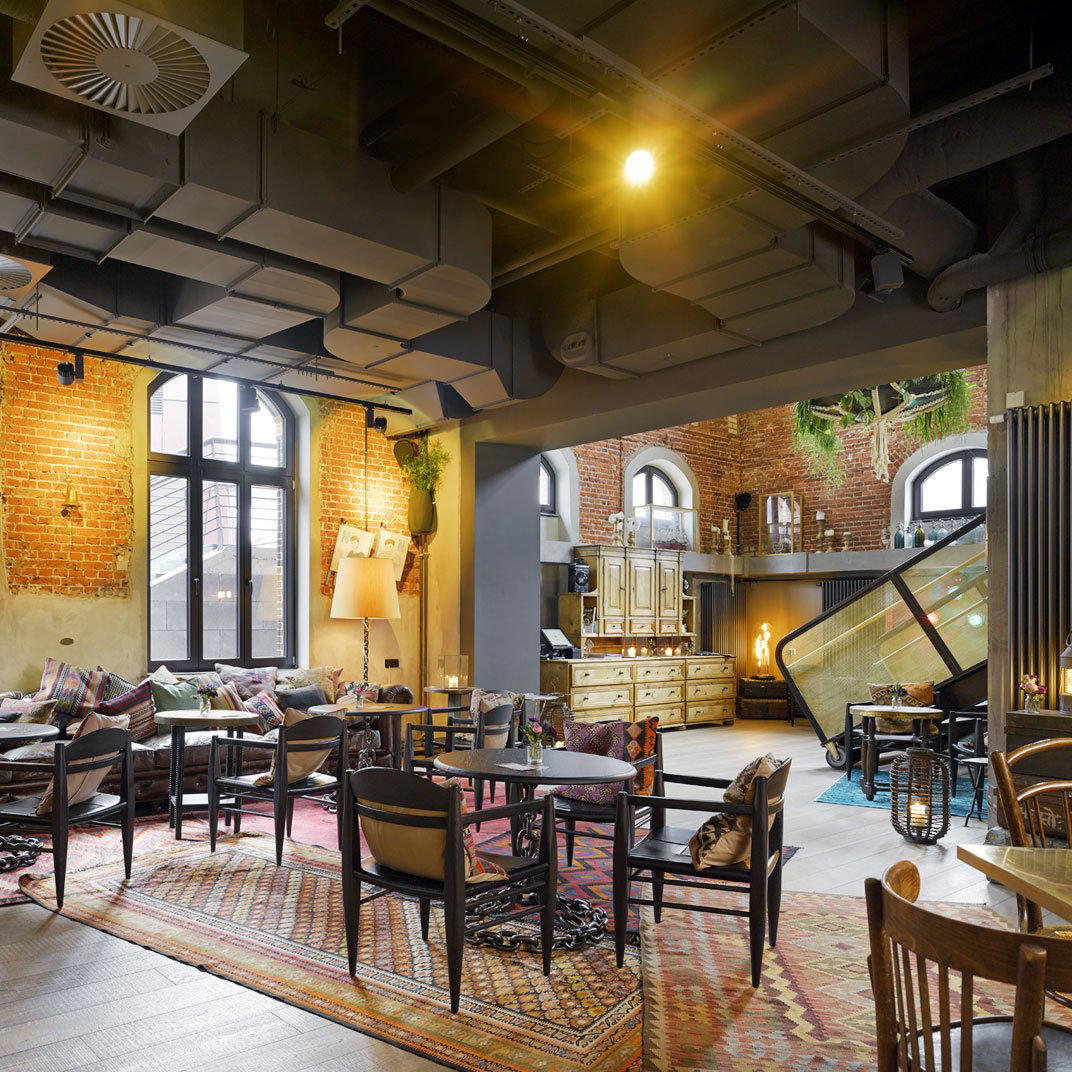
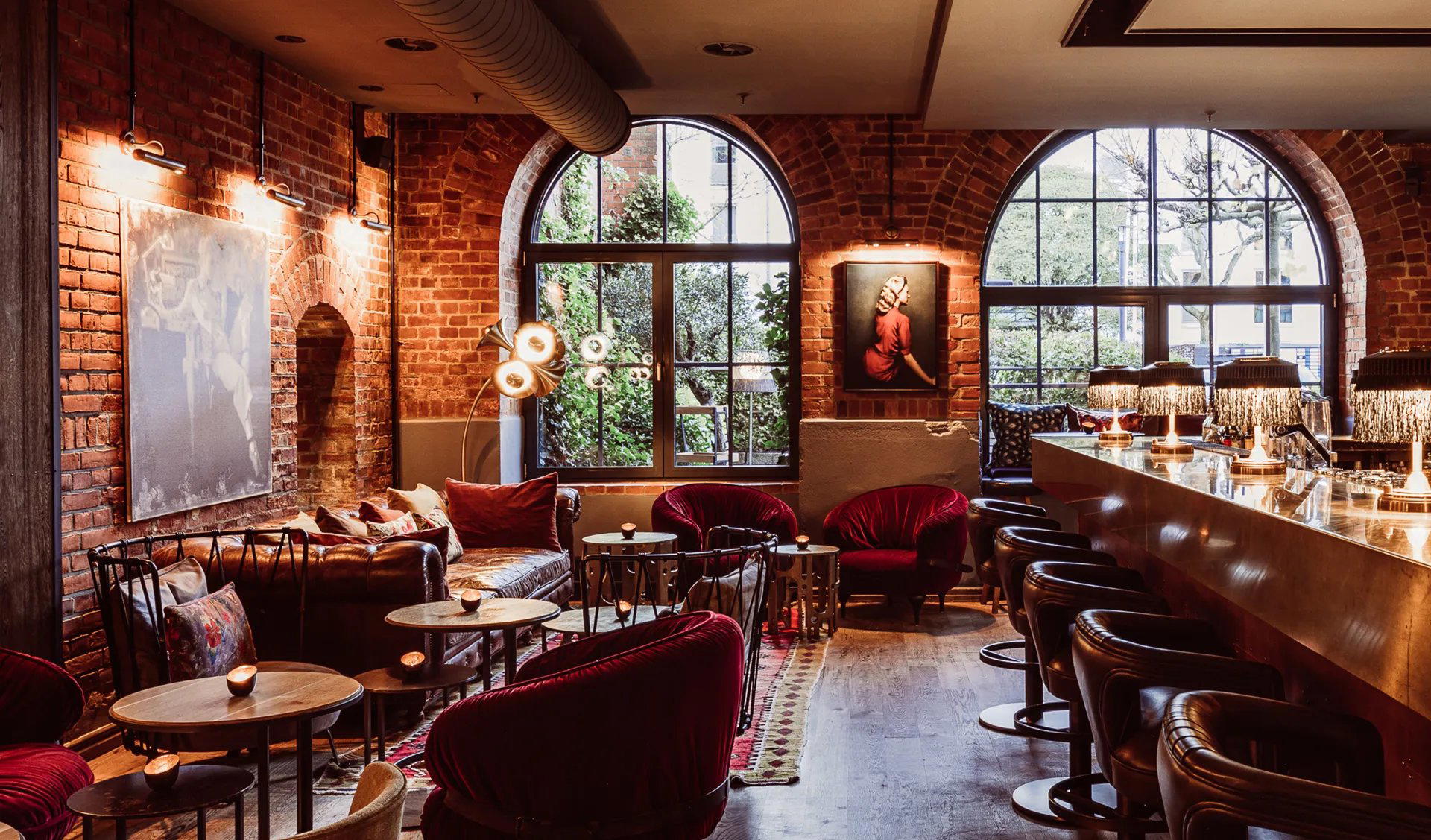
Nicely decorated with attention to detail, offering a cozy and welcoming atmosphere.