
Piment holds a Michelin star for the second consecutive year in 2025, placing it within Hamburg's small tier of destination-grade creative restaurants. Lehmweg 29 in Hoheluft-West puts it at a remove from the harbour-adjacent fine dining cluster, drawing a neighbourhood-rooted crowd that returns for cooking that sits closer to French-influenced creative tradition than to the city's more theatrical end of the market.
Pearl is the En Primeur Club membership app — saves, bookings, and concierge access live there. Same editors, same standards.
- Address
- Lehmweg 29, 20251 Hamburg, Germany
- Phone
- +49 40 42937788
- Website
- restaurant-piment.de
- Directions
- Get directions
 Saves & bookings on Pearl
Hoheluft-West and the Geography of Hamburg's Starred Tier
Piment is a one-Michelin-star restaurant in Hamburg, Germany, serving French with Moroccan influences at about $108 per person. Hamburg's Michelin-starred restaurants are not evenly distributed. The dominant concentration runs along the Alster waterfront and into the Altstadt, where addresses like Restaurant Haerlin and The Table Kevin Fehling sit within a few minutes of the major hotels and the city's conventional luxury circuit. Piment, at Lehmweg 29 in Hoheluft-West belongs to a smaller countermovement: starred kitchens that operate in residential neighbourhoods, where the dining room functions as a destination in its own right rather than an extension of a hotel or waterfront promenade. This geography matters. A restaurant that draws its clientele to a quiet residential street in the northwest of the city is making a different kind of argument about what it offers than one positioned at the centre of Hamburg's tourist infrastructure.
Lehmweg sits in a district of mid-century apartment buildings, independent cafes, and the kind of low-key commercial strips that characterise Hamburg's better-off inner suburbs. Approaching Piment from the street, the scale is domestic rather than monumental, a format that has become a reliable signal in German fine dining that what follows will be kitchen-led rather than decor-led. Across Germany, from JAN in Munich to ES:SENZ in Grassau, particularly serious creative cooking happens in spaces that read as intimate rather than grand.
Creative Cuisine and Its Cultural Coordinates
The designation "creative cuisine" in the Michelin framework covers a wide range of cooking philosophies, but in Hamburg's context it tends to cluster around kitchens that draw on French classical technique while incorporating influences from further afield. This is not accidental. Hamburg has been a trading port for centuries, and its culinary identity has always absorbed external influences more readily than cities with stronger regional cooking traditions. The city's relationship with spice routes, the name Piment itself references allspice, the aromatic berry that once moved through Hamburg's docks, places the kitchen's reference points inside a longer civic history of flavour exchange.
At the price point Piment occupies (€€€€ on a four-tier scale), the expectation is tasting-menu format with wine pairing as the standard mode of engagement. This places it in a competitive set that runs across Germany's major cities: Vendôme in Bergisch Gladbach, Aqua in Wolfsburg, and the Black Forest's Schwarzwaldstube all occupy a similar tier, where single-star standing represents consistent technical excellence rather than an entry point.
Two Consecutive Stars and What That Signals
Piment held its Michelin star in both 2024 and 2025. In the context of Michelin's German coverage, retention across consecutive years carries specific weight: it distinguishes kitchens that achieved a one-time result from those operating with structural consistency. The inspectors' model rewards repeatability above novelty, which means a kitchen that has held its position across two award cycles has demonstrated that its cooking standard is not dependent on a single polished service or a seasonally notable product run.
Germany's Michelin guide has grown more selective at the one-star level in recent years, with inspectors applying pressure to maintain distinctions between starred and recommended categories. Within Hamburg specifically, the starred tier remains small relative to the city's size and wealth: Koer represents a newer addition to that cohort, while longer-established names like Haerlin anchor the leading. Piment's position in that group, consistent, neighbourhood-based, culturally grounded in the city's trading heritage, gives it a distinct identity within the local starred set. For comparison at the European creative level, Alléno Paris au Pavillon Ledoyen and Enrico Bartolini in Milan represent what the creative format looks like at multi-star scale, but Piment operates in the register where the single star functions as the primary quality signal rather than a stepping stone.
At a price tier where one poor experience can generate a strongly negative review, maintaining a 4.5 across more than 200 submissions suggests the kitchen's output is consistent enough to satisfy guests who arrive with high expectations formed by the Michelin recognition.
The Hamburg Creative Scene in Context
Hamburg's fine dining tier has developed along two broad lines over the past decade. One strand is spectacle-driven and international in reference: elaborate multi-course formats with theatrical presentation, strong wine programs, and dining rooms designed to signal global ambition. The Table Kevin Fehling represents one visible expression of this strand, with three Michelin stars and a format that competes with the leading tables of any European city. The other strand is quieter, more neighbourhood-specific, and more likely to draw on Hamburg's own culinary history rather than treating the city as a neutral backdrop for internationally inflected technique.
Piment sits closer to the second strand. Its location, its name's allusion to Hamburg's spice-trading past, and its creative designation within a residential context all point toward a kitchen that is engaged with where it is rather than where fine dining more broadly is pointing. This is a meaningful distinction at the €€€€ level, where the choice between Hamburg restaurants at this tier involves not just quality comparison but an assessment of what kind of experience the diner is selecting. Those drawn to German creative cooking with explicit local and cultural anchoring will find a different proposition here than at the more internationally oriented end of the same price bracket.
For creative dining at comparable standard elsewhere in Germany, CODA Dessert Dining in Berlin offers an instructive contrast in how the creative format can be pushed in a different structural direction entirely.
Planning a Visit
Piment is located at Lehmweg 29, 20251 Hamburg, in the Hoheluft-West district. The address is accessible from central Hamburg by U-Bahn (Hoheluftbrücke on the U3 line places you within a short walk) or by taxi from the Altstadt in under fifteen minutes depending on traffic. Reservations are recommended, particularly for weekend sittings. The restaurant is open Monday, Tuesday, Thursday, Friday, and Saturday from 7 to 11 PM, and closed Wednesday and Sunday.
What Regulars Order at Piment
The kitchen operates in the creative format, which in practice means a tasting-menu structure where individual dish selection is not the primary mode. Regulars at Piment are, in effect, regulars to the kitchen's current sequence rather than to a fixed set of dishes. The creative designation implies the menu evolves with season and product availability, which means that guests returning across two or three visits will encounter substantially different cooking each time. What remains consistent, based on the restaurant's Michelin recognition and the cultural framing suggested by its name, is an approach that engages with spice and flavour complexity at a level beyond the more restrained northern European baseline. At this price point, the wine pairing is the standard accompaniment, and given Hamburg's strength as a wine market with well-supplied cellars, the pairing program at starred restaurants in the city tends to draw on serious European producers rather than relying on a single region. Guests who have returned multiple times tend to engage with the full tasting sequence and the pairing rather than requesting shorter formats, which is a reasonable indicator that the kitchen's output justifies the full commitment.
The Quick Read
Comparable venues nearby, for context on price, style, and recognition.
| Venue | Cuisine | Price | Notes |
|---|---|---|---|
| PimentThis venue — the venue you are viewing | Creative | $$$$ | Not listed |
| GLORIE | Not listed | $$$$ | Elbbrucken, Modern French-German Classics |
| THE LISBETH | Not listed | $$$$ | Hamburg-Altstadt, Modern North German Fine Dining |
| Petit Amour | Not listed | $$$$ | Ottensen, Modern French with Nordic Influences |
| Jellyfish | Eimsbuttel, Modern Seafood Fine Dining | $$$$ | Not listed |
| haebel | Not listed | $$$$ | St. Pauli, Modern German Fine Dining |
Recognition history
Dated appearances from independent guides and award organizations, with the underlying list record or original source where available.
Michelin 1 Star
Michelin
Michelin 1 Star
Michelin
Michelin 1 Star
Michelin
Continue exploring
More in Hamburg
Restaurants in Hamburg
Browse all →
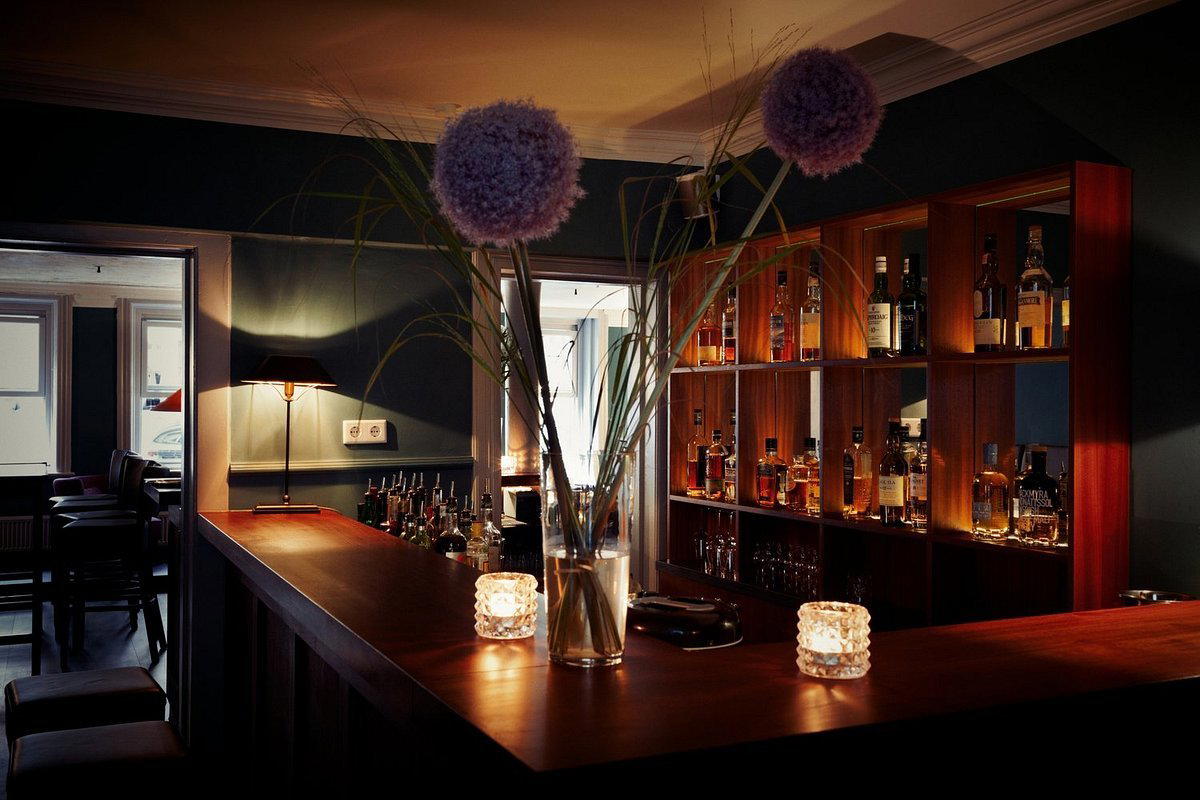
Bars in Hamburg
Browse all →
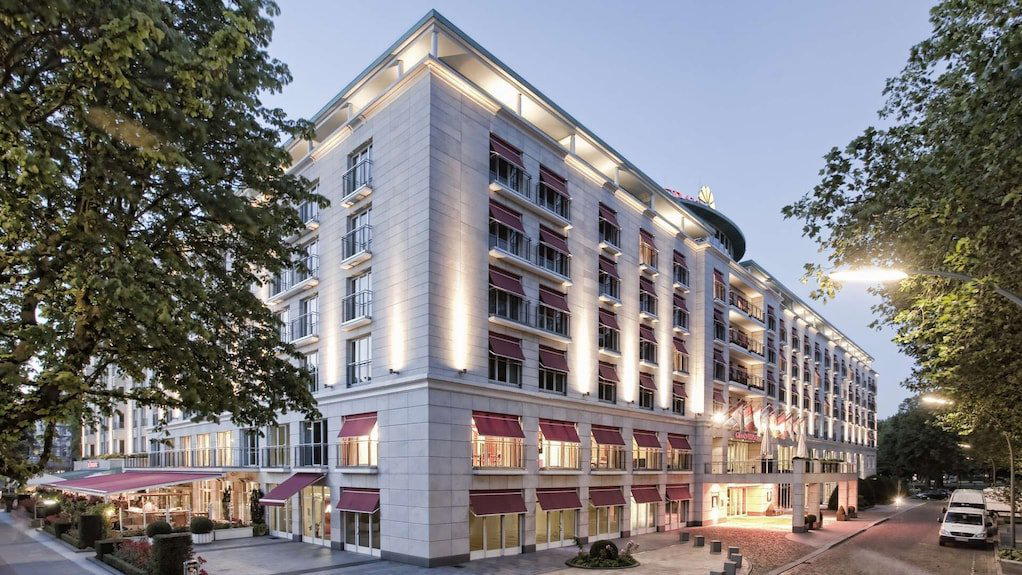
Hotels in Hamburg
Browse all →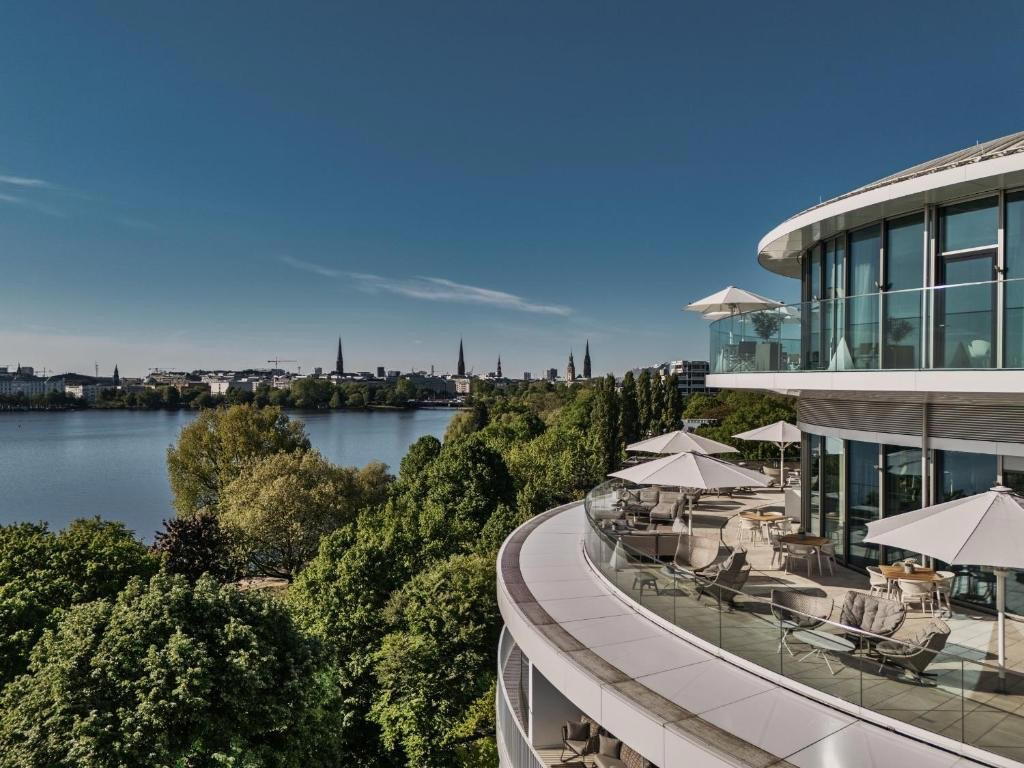
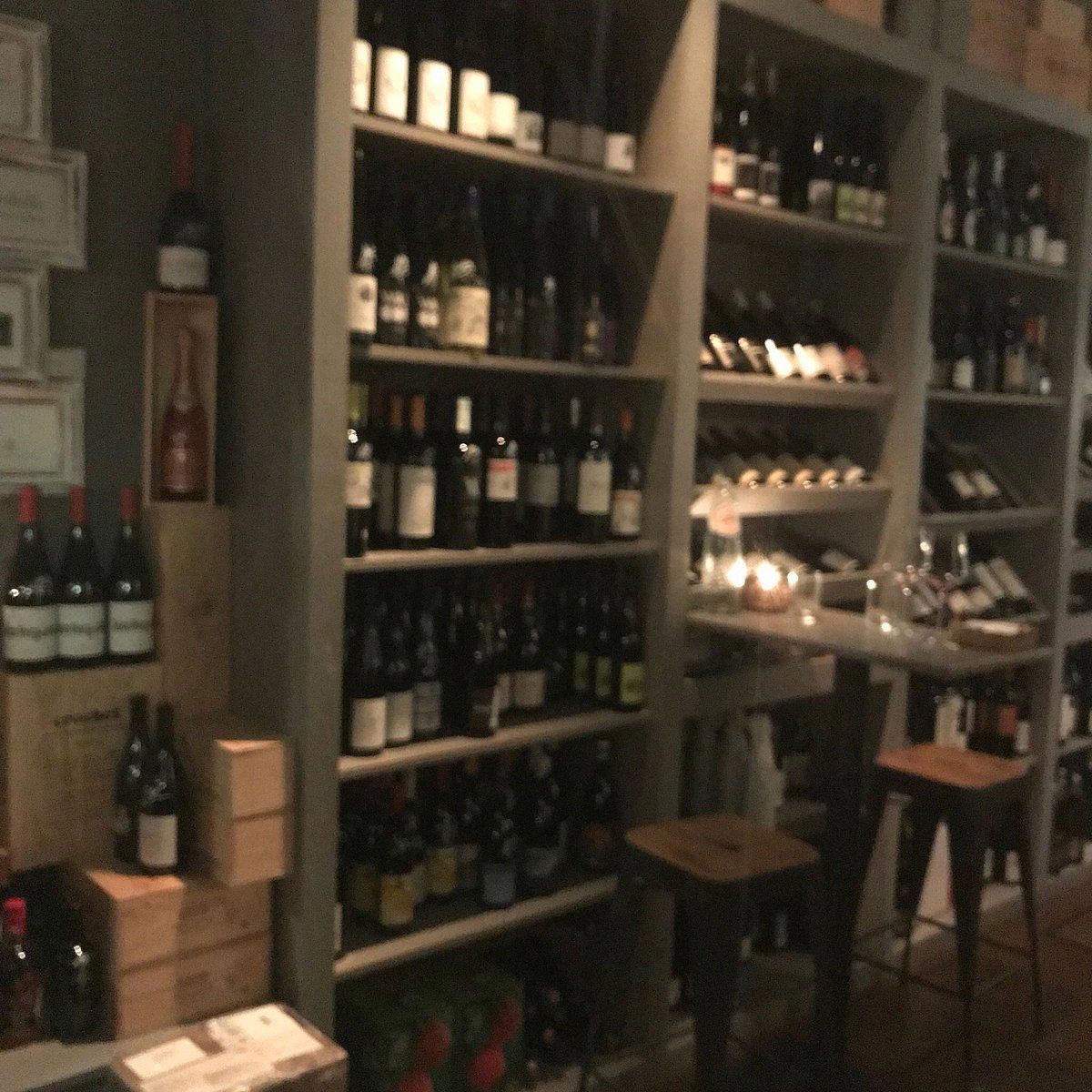
Wineries in Hamburg
Browse all →
At a Glance
- Intimate
- Elegant
- Cozy
- Date Night
- Special Occasion
- Open Kitchen
Current opening hours
- Monday
- 7–11 PM
- Tuesday
- 7–11 PM
- Wednesday
- Closed
- Thursday
- 7–11 PM
- Friday
- 7–11 PM
- Saturday
- 7–11 PM
- Sunday
- Closed
Hours can change for holidays and private events. Last verified .
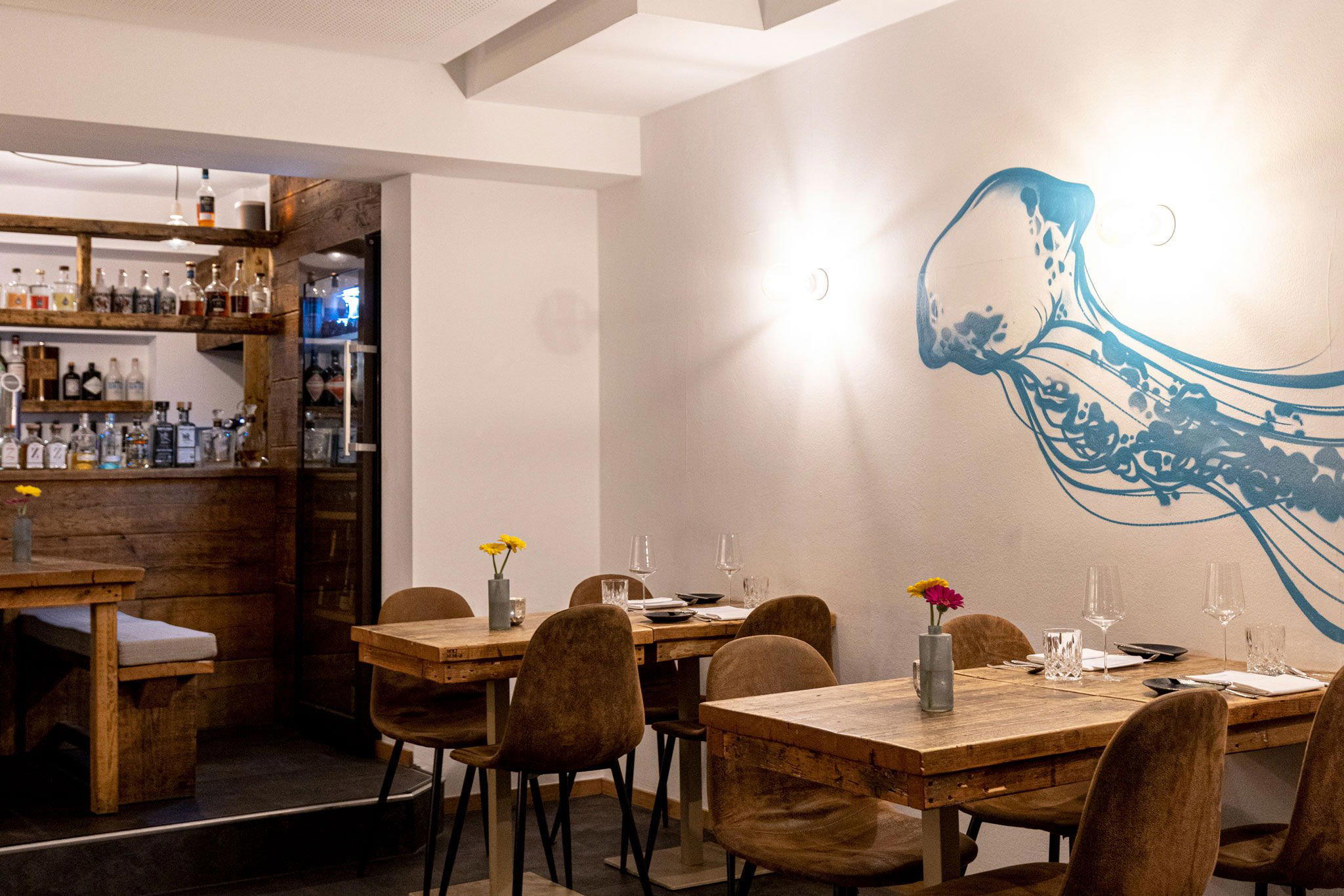
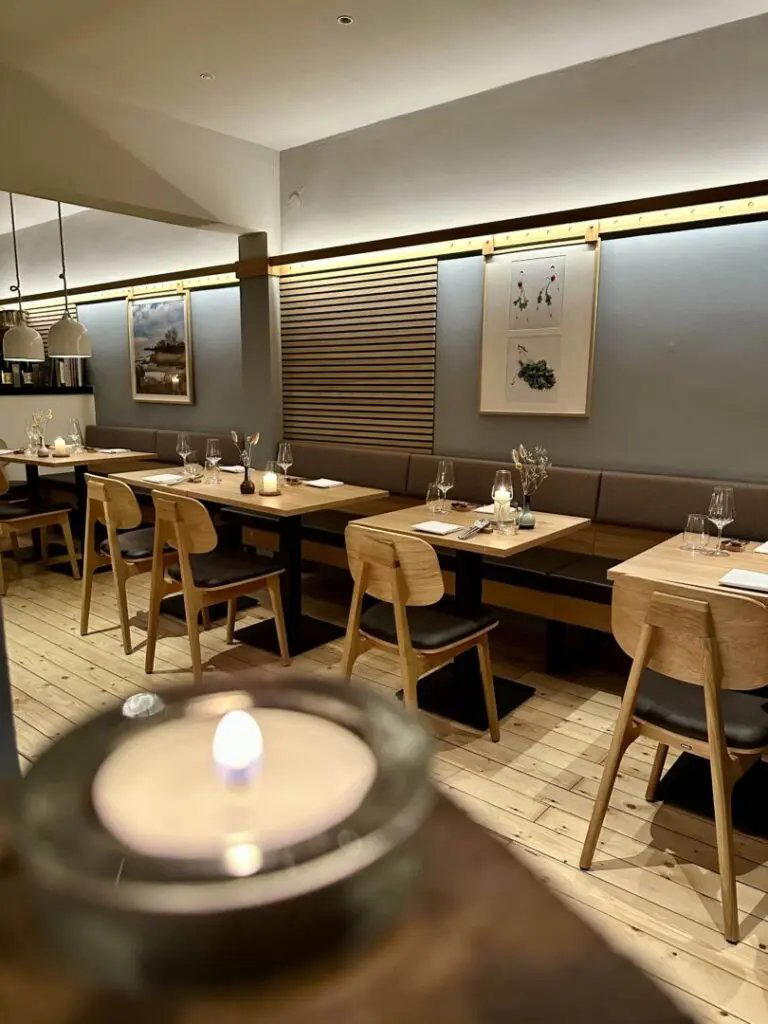
Small, charming interior with warm tones, simple design, white tablecloths, and an intimate, cozy atmosphere.