Michelin Bib Gourmand · Tabelog 100 #43
Our verdict
Ramenya Toy Box holds a 2024 Michelin Bib Gourmand for its soy sauce ramen in Higashinippori, Arakawa, one of Tokyo's quieter residential wards. The flagship broth combines over ten varieties of soy sauce into a bowl the chef frames as simple, childhood happiness. At the ¥ price tier, it represents the serious craft end of Tokyo's everyday ramen scene.

Pearl is the En Primeur Club membership app, where members save venues, book tables and use the concierge.
Where Arakawa Sits in Tokyo's Ramen Geography
Tokyo's ramen conversation tends to anchor itself in the obvious districts: Shinjuku, Shibuya, the compressed alleys of central Minato. Arakawa Ward reads differently. The neighbourhood retains a working residential texture that the city's more tourist-facing wards have largely shed, and the ramen shops that earn recognition there tend to do so on the strength of the bowl alone rather than location convenience or social media adjacency. That context matters when assessing Ramenya Toy Box, which operates from an address in Higashinippori and carries a 2024 Michelin Bib Gourmand, the Guide's marker for serious quality at accessible price, in a ward that rarely draws the same reservation-hunting crowds as central Tokyo counters.
The Bib Gourmand category functions as a useful calibration point here. Where a starred designation implies a full orchestrated experience, the Bib signals something different: cooking that prioritises honesty and craft at a price point that keeps the bowl approachable. At the ¥ tier, Ramenya Toy Box sits in the bracket where the value-to-quality ratio is the primary argument, and the Michelin recognition in 2024 suggests that argument holds.
The Soy Sauce Tradition and What Iteration Looks Like Here
Shoyu ramen, the soy sauce variant, is among the oldest and most debated styles in Tokyo's bowl culture. It predates the tonkotsu wave that reshaped perceptions of the dish internationally and carries a set of expectations around clarity, balance, and a restrained savoury depth that distinguishes it from heavier pork-bone broths. The challenge for any shoyu shop is that the style's apparent simplicity makes every decision visible: the quality of the tare, the temperature of the broth, the noodle texture, the ratio of umami to salt.
At Ramenya Toy Box, the approach to that challenge involves blending more than ten types of soy sauce in the broth construction. In the context of shoyu ramen craft, this is a meaningful technical commitment. Different soy sauces, varying by region, fermentation time, wheat-to-soy ratio, and secondary fermentation, bring distinct aromatic registers and savoury depth. Layering them is a method for building complexity without opacity, arriving at a broth that reads as rounded rather than dominated by any single note. The stated aim is depth of gustatory experience, but the framing attached to the shop is equally telling: the ramen is positioned as a dish of simple happiness, of noodles from another era. The ambition is technical; the intended result is comfort.
That tension, serious craft producing an uncomplicated emotional response, is not unusual in Tokyo's Bib Gourmand tier. It is, in fact, something the category tends to reward. Comparable shoyu-focused counters recognised by Michelin across the city share a similar orientation: the process is rigorous, the presentation is unassuming, the bowl does not announce itself. For context, other Tokyo ramen counters in the broader Michelin-recognised tier include Afuri, known for a yuzu-inflected shio style, and Chukasoba Ginza Hachigou, which operates in the more visible Ginza corridor. Chukasoba KOTETSU and Fuunji represent further points on the spectrum of Tokyo's serious noodle scene, each with a distinct stylistic position. Ramenya Toy Box's differentiation sits in its neighbourhood, its price tier, and the specific commitment to iterating on a shoyu broth rather than diversifying across styles.
The Counter as a Space of Ongoing Revision
Ramen shops at this level of craft often have a restless quality that distinguishes them from venues built around a fixed, perfected formula. The soy sauce ramen at Ramenya Toy Box is described as constantly tinkered with, an ongoing process of refinement rather than a static recipe delivered consistently. That disposition aligns the shop with a broader current in Tokyo's serious ramen culture, where the bowl on any given visit reflects not just the recipe but the chef's current thinking on it.
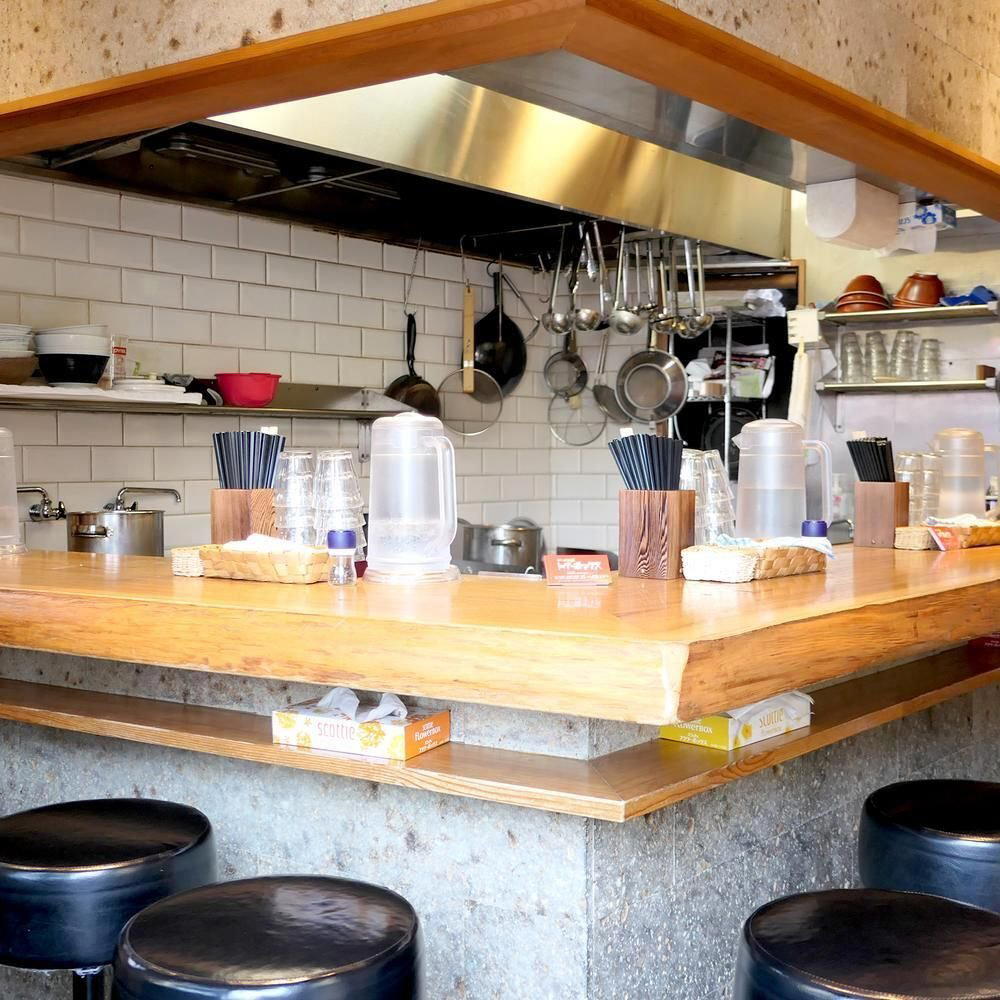
This is where the editorial angle of live preparation becomes relevant, even in a format that lacks the theatrical staging of a teppanyaki counter or an omakase sushi bar. The equivalent performance at a ramen shop of this character is quieter and more incremental: the adjustment of the soy sauce blend, the calibration of broth temperature, the decision about noodle cook time. The counter proximity that defines Tokyo's small ramen shops creates a different kind of transparency, less theatrical than an open kitchen format, but no less deliberate. Guests at close-set counters can observe the process without it being performed for them, which is its own kind of integrity.
The childhood reference embedded in the shop's name and founding logic, the grandmother's ramen, the toy box as a frame for excitement and warmth, functions not as a sentimental flourish but as a positioning statement about what the bowl is meant to do. Tokyo has no shortage of technically demanding ramen that communicates difficulty. The stated aim here is the opposite: to use that technical depth invisibly, in service of a response that feels immediate and uncomplicated.
Ramenya Toy Box in the Broader Japan Dining Picture
Arakawa's ramen scene occupies a specific register within Tokyo's food geography, but Tokyo itself sits within a wider network of serious Japanese dining worth mapping for anyone building a trip. The kaiseki tradition, a different category of craft entirely, is most fully represented in Kyoto at places like Gion Sasaki, while Osaka's HAJIME in Osaka represents the innovative French-Japanese current. Nara contributes akordu, and Fukuoka's Goh anchors the southern end of the Kyushu dining conversation. Closer to Tokyo, 1000 in Yokohama provides a further data point on the region's range, while 6 in Okinawa extends the map to the archipelago's southwest.
The ramen format also travels: Afuri Ramen in Portland and Akahoshi Ramen in Chicago represent the export of serious Tokyo-adjacent bowl culture to North American markets, and comparing them against their Tokyo counterparts offers a useful measure of how the craft holds when transplanted. Chuogo Hanten Mita rounds out the picture of Tokyo's broader Chinese-influenced noodle and broth tradition.
For anyone building a broader Tokyo itinerary around eating and drinking, the full guides to Tokyo restaurants, Tokyo hotels, Tokyo bars, Tokyo wineries, and Tokyo experiences map the full range of the city's offer.
Planning Your Visit
| Venue | Neighbourhood | Price Tier | Recognition | Style |
|---|---|---|---|---|
| Ramenya Toy Box | Higashinippori, Arakawa | ¥ | Michelin Bib Gourmand 2024 | Shoyu ramen |
| Afuri | Multiple locations | ¥¥ | Michelin-recognised | Yuzu shio ramen |
| Chukasoba Ginza Hachigou | Ginza | ¥¥ | Michelin-recognised | Chukasoba |
| Fuunji | Shinjuku | ¥ | Michelin-recognised | Tsukemen / ramen |
The address is 1 Chome-1-3 Higashinippori, Arakawa City, Tokyo 116-0014. Price tier is ¥, placing it among the most accessible Michelin-recognised bowls in the city.
Frequently asked questions
How would you describe the cuisine at Ramenya Toy Box?
Is Ramenya Toy Box Michelin-listed?
Ramenya Toy Box has received recognition including: The chef’s starting point is the ramen his grandmother cooked for him when he was a child. He added ‘Toy Box’ to the name because he wanted to create ramen that holds the same excitement for his guests as a box of toys does for a child. Soy….
What's the signature dish at Ramenya Toy Box?
The flagship is soy sauce ramen built from a blend of more than ten types of soy sauce, a formula the chef continues to adjust rather than fix. It earned a 2024 Michelin Bib Gourmand, placing it among Tokyo's recognised shoyu counters at the ¥ price tier. The concept draws directly from the chef's childhood memory of his grandmother's ramen, which informs the dish's focus on simple, considered flavour over technical showmanship.
What should I budget for a meal at Ramenya Toy Box?
Pricing at Ramenya Toy Box is listed as ¥.
How do I find Ramenya Toy Box?
Ramenya Toy Box is located at 1 Chome-1-3 Higashinippori, Arakawa City, Tokyo 116-0014, Japan, Tokyo.
Do I need a reservation for Ramenya Toy Box?
Arriving early or outside peak lunch hours is a sensible approach for a neighbourhood counter at this price point. Check current local sources or the shop directly at its Higashinippori address for updated queue or booking information.
What's the defining dish or idea at Ramenya Toy Box?
Booking and Cost Snapshot
| Venue | Cuisine | Price | Awards | Notes |
|---|---|---|---|---|
| Ramenya Toy BoxThis venue (the venue you are viewing) | Chicken Shoyu Ramen | $10–20 | Michelin Bib Gourmand · Tabelog 100 #43 | Not listed |
| Harutaka | Edo-Style Omakase Sushi | $200–300 | 3 Michelin Stars · World's 50 Best #76 | Sushi |
| RyuGin | Modern Kaiseki | $500+ | 3 Michelin Stars · World's 50 Best #41 | Kaiseki, Japanese |
| L'Effervescence | Modern French with Japanese Influences | $200–300 | 3 Michelin Stars · World's 50 Best #69 | French |
| HOMMAGE | Modern French with Japanese Influences | $150–200 | 2 Michelin Stars · World's 50 Best #78 | Innovtive French, French |
| MAZ | Innovative Peruvian-Japanese Fusion | $150–200 | 2 Michelin Stars · World's 50 Best #28 | Innovative |
Recognition history
Dated appearances from independent guides and award organizations, with the underlying list record or original source where available.
Michelin Bib Gourmand
Michelin
Tabelog 100 #43 · No. 43
Tabelog · Tabelog 100 - Ramen - TOKYO - 2025
Full recognition history (3 entries)
Michelin Bib Gourmand
Michelin