

Michelin Bib Gourmand · Tabelog 100 #70
Our verdict
At Japanese Ramen Gokan in Higashiikebukuro, two bowls define the menu: a salt ramen built on shijimi and hamaguri clams, and a soy-sauce version anchored by free-range chicken and kombu. Domestic ingredients, charcoal cooking, and handmade ceramic bowls distinguish the shop from the wider Tokyo ramen field.

Pearl is the En Primeur Club membership app, where members save venues, book tables and use the concierge.
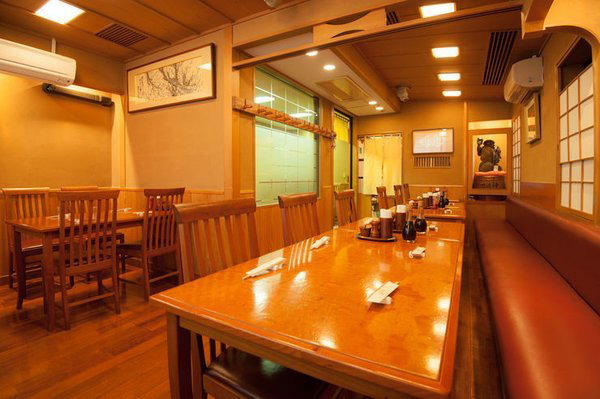
The menu
What to order
- Special Salt Ramen
- Special Soy Sauce Ramen
- Charcoal-grilled Oniku Gohan
Where Ikebukuro's Ramen Scene Gets Serious About Source
The Toshima ward ramen circuit rarely draws the same international attention as Shinjuku or Shibuya, but Higashiikebukuro has developed a quieter concentration of shops that treat the bowl as a precision exercise rather than a volume play. Japanese Ramen Gokan, on a low-profile stretch of Higashiikebukuro 2-chome, belongs to that more considered tier. The shop occupies ground-floor retail in a mixed-use building, and the exterior gives little away. What distinguishes it from the neighbourhood's busier, louder competitors begins with a deliberate decision about ingredients: everything in the bowl is domestically sourced, and that sourcing commitment shapes every element of the menu.
Two Broths, Multiple Layers
Ramen menus in Tokyo can run to a dozen variants; Japanese Ramen Gokan holds to two. Salt ramen and soy-sauce ramen are the shop's entire offering, and the constraint is editorial. Tokyo's more ambitious ramen kitchens have increasingly moved toward restraint in menu length as a signal of focus, and Gokan fits that pattern. The logic is that fewer options allow deeper work on the soup base.
The salt ramen draws on shijimi (freshwater clams) and hamaguri (hard-shell clams) for its primary broth character. Clam-based tare and stock represent one of the more technique-intensive approaches in Japanese ramen, since the shellfish flavour is both more delicate and more volatile than a pork or chicken base. The soy-sauce variant layers free-range chicken with kombu, a combination that reflects the dashi tradition of building umami from complementary sources rather than a single dominant protein. Both broths incorporate Berkshire pork and mussel alongside their primary ingredients, which means neither bowl is a simple single-stock construction. Charcoal cooking is applied in the preparation, a technique that introduces smokiness and controlled heat in a way that gas cooking does not replicate. Across the wider Tokyo ramen scene, charcoal use has appeared most consistently in shops that position themselves against the industrialised, mass-production end of the category.
For readers tracing ramen's regional diversity across Japan, this approach to layering regional flavour references, such as shijimi from freshwater traditions and hamaguri from coastal cuisine, into a single Tokyo bowl is a pattern worth understanding. Afuri works from a yuzu-shio base to create a similarly lighter-spectrum ramen, while Chukasoba Ginza Hachigou and Chukasoba KOTETSU represent the chukasoba end of the spectrum where chicken-forward broths and classic Tokyo soy are the reference points. Fuunji occupies the tsukemen tier, where dipping broth intensity is the primary variable. Gokan positions itself differently from all of them: shellfish and domestic provenance, rather than regional style or format, are the differentiating claims.
The Ceramics Argument
One signal that often distinguishes the more intentional end of any food category is the choice of vessel. At Gokan, ceramic bowls handmade by a potter replace the standard porcelain used across the vast majority of ramen shops in Japan. The decision is not decorative. Handmade ceramics vary in thermal properties from piece to piece, hold heat differently from uniformly manufactured porcelain, and carry visual character that frames the colour and clarity of the broth in ways that affect how the diner perceives it before the first sip. The choice also carries a philosophical consistency with the shop's domestic-sourcing position: Japanese craft, Japanese ingredients, Japanese technique. The name itself, rendered in Latin script, is described in the shop's own framing as a statement of intent to present Japan's comfort food tradition to an international audience without domesticating it for foreign palates.
Ingredient Provenance as Editorial Position
Tokyo's upper-tier ramen shops have, over the past decade, increasingly borrowed the ingredient-forward vocabulary of kaiseki and high-end sushi. The logic is that ramen's reputation for cheap, fast, interchangeable bowls is not a ceiling but a baseline, and that the same attention to origin and quality that defines a kaiseki counter at a place like Gion Sasaki in Kyoto can be applied, at a very different price point, to a ramen broth. Gokan's approach, specifying free-range chicken, Berkshire pork, and wild-harvested shellfish rather than commodity proteins, is an expression of that same shift.
It is worth noting how this sits relative to the broader Japan dining conversation. The kaiseki tradition that shapes restaurants like HAJIME in Osaka or the ingredient-focused precision of Goh in Fukuoka is expensive and formal. Gokan takes the ingredient seriousness of those kitchens and places it inside a single-dish, budget-priced format. That compression, from sourcing discipline to an accessible bowl priced at a fraction of formal dining, is the more interesting story.
For those mapping Japanese food culture across the country, akordu in Nara and 1000 in Yokohama illustrate how the domestic-provenance argument plays out in very different formats and price bands. 6 in Okinawa works with regional Okinawan ingredients in ways that parallel the regional-source logic Gokan applies to its shellfish and chicken selections.
Ramen Beyond Tokyo
For readers tracking ramen as a category internationally, the bowl format that Gokan represents, clam-enriched, restrained in menu length, ceramics-served, has found partial equivalents abroad. Afuri Ramen in Portland and Akahoshi Ramen in Chicago both signal how Japanese ramen conventions migrate and adapt. Gokan operates in the original context where those conventions were formed, and against which international interpretations are necessarily measured. Chuogo Hanten Mita offers a different lens on how Tokyo interprets regional Chinese-Japanese hybrids within its ramen culture.
Recognition and Standing
The shop's recognition notes that the food presents well visually, that the aroma is immediate and appetite-sharpening, and that the flavour holds across the bowl rather than peaking on first contact and fading. For a single-dish format at a yen-tier price point, consistent execution across a high volume of covers is the relevant measure of quality, and 312 responses at 4.3 suggests that consistency holds.
Planning Your Visit
Location: 2 Chome-57-2 Cosmo Higashi Ikebukuro 101, Higashiikebukuro, Toshima City, Tokyo. Getting there: Higashiikebukuro Station on the Yurakucho Line provides the most direct access; Ikebukuro Station on multiple lines is a short walk. Budget: Priced at the single-yen tier, this is among the more accessible price points in Tokyo dining. Reservations: Booking method not confirmed; as with many Tokyo ramen shops in this format, walk-in is the standard approach. Hours: Further reading: See our full Tokyo restaurants guide, our full Tokyo hotels guide, our full Tokyo bars guide, our full Tokyo experiences guide, and our full Tokyo wineries guide.
Frequently asked questions
What do people recommend at Japanese Ramen Gokan?
The shop's two ramen, salt and soy-sauce, anchor all recommendations. The salt ramen, built on shijimi and hamaguri clams, is the more distinctive of the two: clam-based broths are less common in Tokyo than chicken or pork bases, and the shellfish character is lighter and more mineral in profile. The soy-sauce variant layers free-range chicken with kombu in a construction that reflects the dashi tradition of complementary umami sources. Both are served in handmade ceramic bowls, and charcoal cooking features in the preparation. For visitors comparing ramen options across Tokyo, see also Afuri for yuzu-shio, Fuunji for tsukemen, and Chukasoba Ginza Hachigou for a classic chukasoba reference point.
Standing Among Peers
| Venue | Cuisine | Price | Awards | Notes |
|---|---|---|---|---|
| Japanese Ramen GokanThis venue (the venue you are viewing) | Japanese Ramen | $20–30 | Michelin Bib Gourmand · Tabelog 100 #70 | Not listed |
| Harutaka | Edo-Style Omakase Sushi | $200–300 | 3 Michelin Stars · World's 50 Best #76 | Sushi |
| RyuGin | Modern Kaiseki | $500+ | 3 Michelin Stars · World's 50 Best #41 | Kaiseki, Japanese |
| L'Effervescence | Modern French with Japanese Influences | $200–300 | 3 Michelin Stars · World's 50 Best #69 | French |
| HOMMAGE | Modern French with Japanese Influences | $150–200 | 2 Michelin Stars · World's 50 Best #78 | Innovtive French, French |
| MAZ | Innovative Peruvian-Japanese Fusion | $150–200 | 2 Michelin Stars · World's 50 Best #28 | Innovative |
Recognition history
Dated appearances from independent guides and award organizations, with the underlying list record or original source where available.
Michelin Bib Gourmand
Michelin
Tabelog 100 #70 · No. 70
Tabelog · Tabelog 100 - Ramen - TOKYO - 2025
Full recognition history (3 entries)
Michelin Bib Gourmand
Michelin
Continue exploring
More in Tokyo
Restaurants in Tokyo
All restaurants in Tokyo →
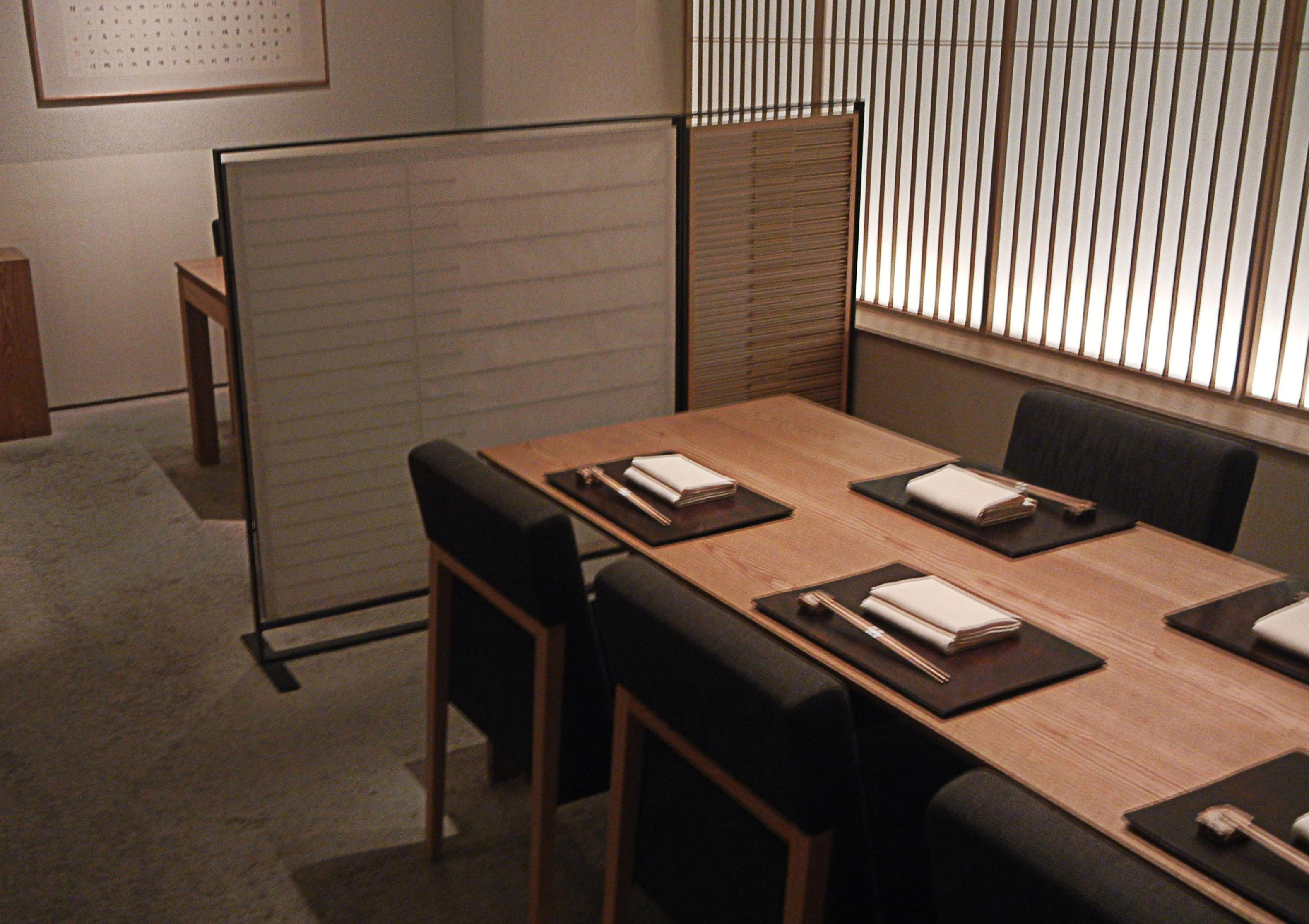


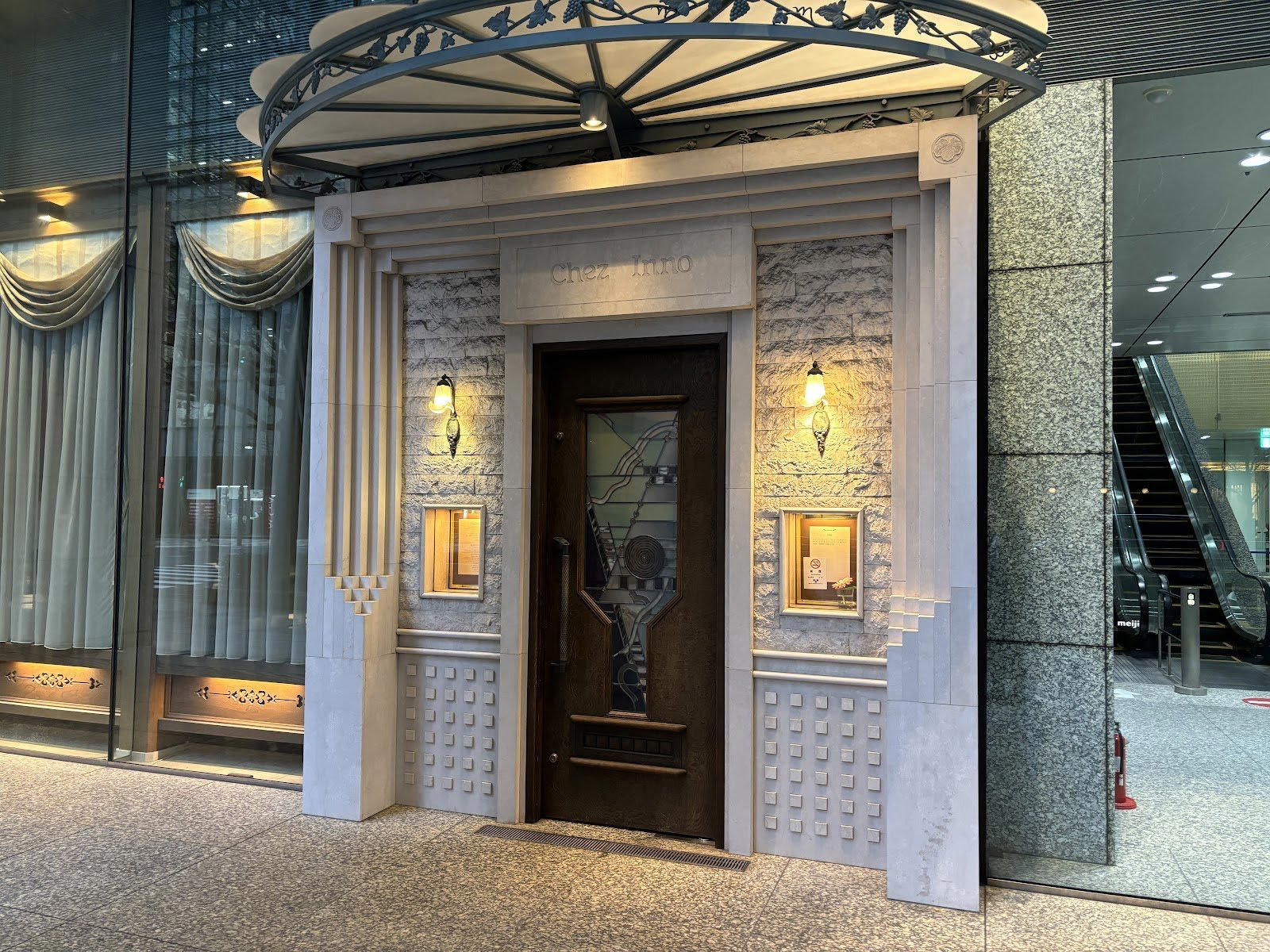
Bars in Tokyo
All bars in Tokyo →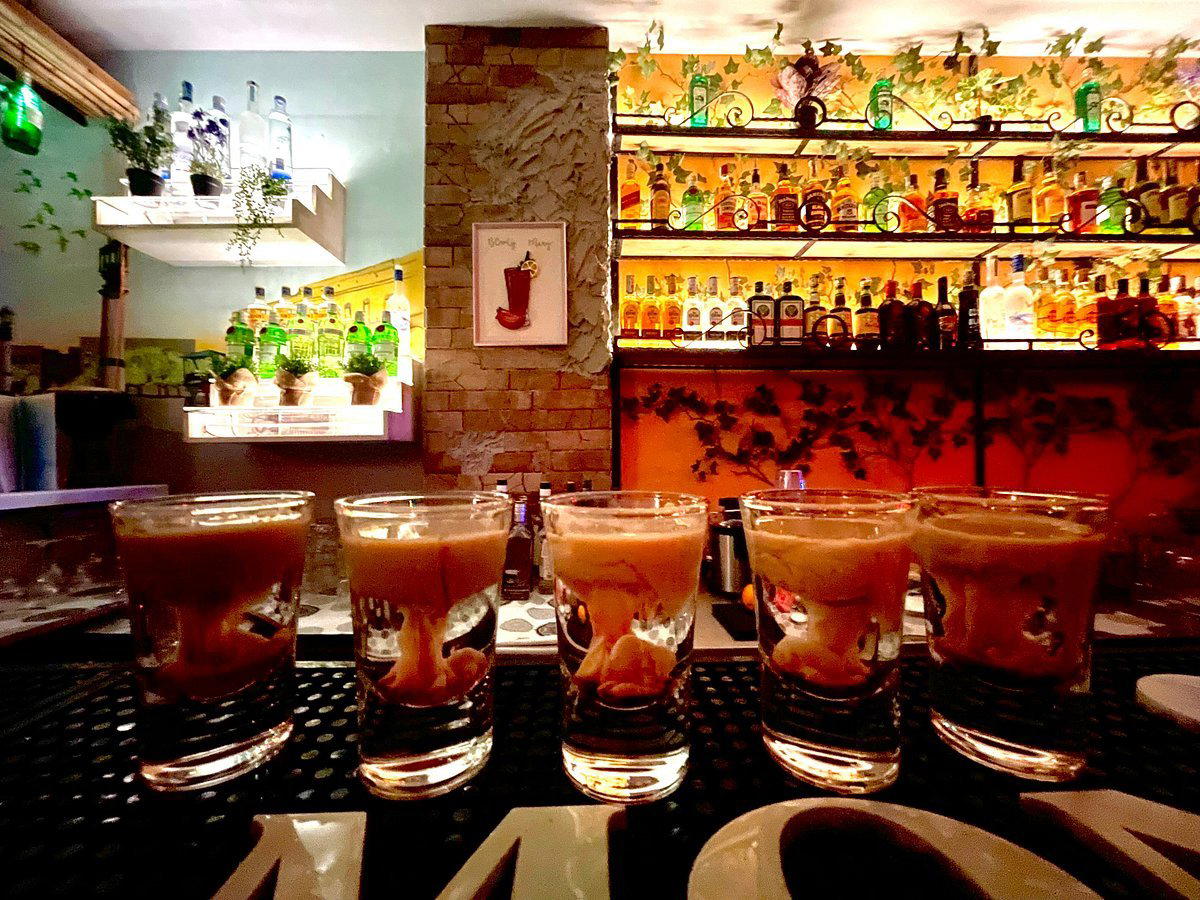




Details
- Modern
- Minimalist
- Intimate
- Sophisticated
- Solo
- Casual Hangout
- Open Kitchen
- Sake Program
- Local Sourcing
- A La Carte
- Counter Dining
Current opening hours
- Monday
- Closed
- Tuesday
- Closed
- Wednesday
- 11:30 AM–3 PM
- Thursday
- 11:30 AM–3 PM
- Friday
- 11:30 AM–3 PM
- Saturday
- 11:30 AM–3 PM
- Sunday
- 11:30 AM–3 PM
Hours can change for holidays and private events. Hours as of .
Serene and spacious stylish space with counter seating, offering an intimate and refined atmosphere.