
Ramen Go On belongs to Tokyo’s serious neighborhood ramen tier: small-room, low-price, and judged by repeat diners rather than ceremony. Its Tabelog Ramen TOKYO 100 selections in 2024 and 2025 put it on the map for travelers willing to leave the central dining circuit for Nakano’s Yamatocho area.
Pearl is the En Primeur Club membership app — saves, bookings, and concierge access live there. Same editors, same standards.
- Address
- 東京都中野区大和町1-13-7
- Website
- tabelog.com
 Saves & bookings on Pearl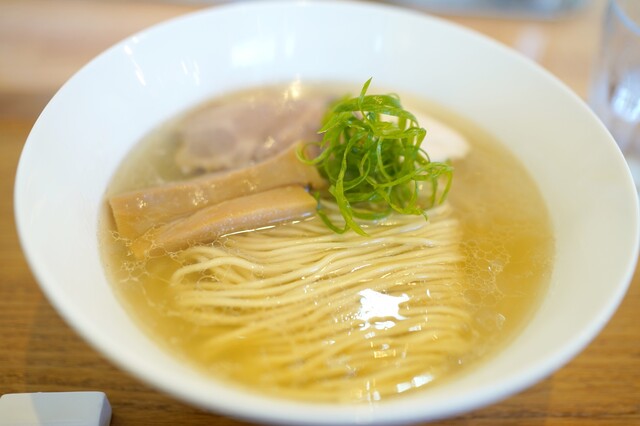
Approaching a Tokyo ramen counter rarely has the theatre of Ginza sushi or the choreography of kaiseki. The signal is compressed: short frontage, queue rhythm, stock escaping as the door opens, and a room built for turnover. In Nakano’s Yamatocho pocket, Ramen Go On fits that grammar. It is not spectacle-led; it belongs to a Tokyo tradition where the bowl carries the argument, the seat is temporary, and lunch can be the kitchen day’s sharpest expression.
That matters because Tokyo ramen splits differently from fine dining. Elsewhere dinner often carries prestige; ramen reputations are often made in daylight, as office workers, neighborhood regulars, and railway-line diners compress demand into a few hours. Ramen Go On’s profile fits: Tabelog’s Ramen TOKYO 100 recognition in 2024 and 2025, a 3.81 Tabelog score, and a price band closer to daily food culture than tasting-menu tourism. The lens is not luxury versus casual, but precision versus convenience.
Daytime ramen culture, judged at neighborhood scale
Tokyo ramen rewards specialization with unusual severity. A shop can be tiny, informal, and inexpensive yet compete in a field where broth style, noodle handling, tare balance, and service cadence are scrutinized by habitual diners. A Tabelog 100 ramen selection therefore carries a different weight from a hotel dining-room award: it reflects a category where small citywide shops are compared by people who understand the form.
Ramen Go On’s placement says more than a long menu description. The shop sits in the sub-¥2,000 bracket, where Tokyo ramen remains unusually democratic by global standards. There, value is not soft praise; it is competitive pressure. The bowl must justify a trip without service luxury, wine lists, or architectural distraction. Whole Spice Curry Seiran and Patisserie l’abricotier occupy similar modest Tokyo spending territory, but ramen’s time-sensitive format is sharper: shorter, hotter, and less forgiving.
The lunch-versus-dinner divide also changes the decision. A high-end sushi counter asks diners to protect an evening. Ramen asks whether a midday detour is worth interrupting a route across the city. For travelers tracking Tokyo’s casual depth, the better comparison is focused neighborhood addresses, not tourist districts. The city’s luxury end can be planned through Our full Tokyo restaurants guide, but ramen like this suits another itinerary: rail-line movement, short meals, and lunch as the day’s main food memory.
A small-room format keeps the stakes high
Eight seats change a ramen shop’s psychology. With four counter seats and two small tables, the room cannot absorb indecision. Tokyo has many restaurants where scale creates anonymity; here the format does the opposite. A small seat count makes timing part of the craft, because every bowl, pause, and clearing affects the next diner. That is operational reality, not romance.
The neighborhood matters too. Yamatocho and nearby Nogata sit outside the central luxury dining map, filtering the audience. This is not hotel-lobby, department-store, or late-night cocktail Tokyo. For that side of the city, use Our full Tokyo hotels guide or Our full Tokyo bars guide. The restaurant belongs to the commuter-line pattern: focused shop, narrow category, and a meal that depends on the right expectations.
Consecutive Tabelog ramen-list recognition is the cleanest trust signal. Tokyo has hundreds of serious ramen shops, and the Tabelog 100 format creates a visible shortlist in one of the city’s densest food categories. In that company, the appeal is concentration, not breadth. No private rooms, a non-smoking policy, and compact seating reinforce the familiar Tokyo ramen contract: eat directly, move efficiently, judge the bowl.
That distinguishes it from reservation-led meals such as 124. KAGURAZAKA (Yakitori), sushi-focused spending at 12/10 Shinjuku ten, or a grilled-meat evening at. 鮪と炭火焼き うお炭 秋葉原店. Those meals need another tempo. Ramen’s discipline is faster and less forgiving, which is why a low price can still support a serious recommendation.
Where it fits in a Tokyo food day
The strongest use case is a food day built on contrast. A compact ramen lunch before an elaborate dinner is one of Tokyo’s great scheduling advantages, especially for travelers who dislike giving an entire day to one reservation. A curry stop such as 3 Chome no Curry Ya San, a stylized café like 2D Cafe, or higher-spend dinner at Sushi Hayashi or kouenji yakiniku kokochi Honten all sit in different decision categories. The restaurant is the midday anchor: quick, inexpensive, and serious enough to justify crossing neighborhood boundaries.
For wider Japan routes, the comparison is clearer. Casual formats vary sharply by city and region, from [Curry Senmon Ten] Maruyama Kyoju. in Sapporo to [ki:] in Kyoto.cafe in Osaka.know in Kumamoto, (Shoku) Vietnam in Kawasaki, and -Grilled beef Sukiyaki- KAMAKURA TANUKIAN 鎌倉 たぬき庵 in Kamakura. Tokyo ramen’s advantage is density: serious bowls can sit far from international hotel corridors and still draw informed attention.
International readers often compare Japanese casual dining with Japanese-influenced formats abroad, such as Jōdo Saké Bar in Los Angeles or Onigiri Time in Pasadena. Tokyo’s difference is compression. A small ramen shop can deliver a complete argument in the time another city spends on seating and drinks. Treat the meal as a focused lunch stop, not a leisurely evening plan.
For broader planning, Tokyo’s food ecosystem is clearer by format than neighborhood prestige. Restaurants carry the main burden, but drinks, hotels, wine, and cultural programming shape the day around them. Use Our full Tokyo wineries guide and Our full Tokyo experiences guide for the surrounding itinerary. Keep the ramen slot clean. The reward is a meal that shows how exacting Tokyo can be at a price point many capitals treat casually.
A Pricing-First Comparison
Comparable venues to anchor price and recognition.
| Venue | Cuisine | Price | Notes |
|---|---|---|---|
| Ramen Go OnThis venue — the venue you are viewing | Nakano, Japanese Ramen | $ | Not listed |
| Buta Daigaku (豚大学) | Not listed | $ | Shimbashi, Grilled Pork Bowl (Butadon) |
| Takahashi no Saka Manju | Not listed | $ | Suginami, Japanese traditional sweets (saka manju specialty) |
| Katei Saien Sasaki | Not listed | $ | Shinjuku, Japanese home-style fish teishoku cafeteria |
| Gekko Sabou | Not listed | $ | Shibuya, Japanese jazz kissaten & coffee shop |
| E-chan Shokudo | Not listed | $ | Meguro, Early-morning Tokyo ramen counter |
Recognition history
Dated appearances from independent guides and award organizations, with the underlying list record or original source where available.
Tabelog 100 #65 · No. 65
Tabelog · Tabelog 100 - Ramen - TOKYO - 2025












At a Glance
- Quiet
- Cozy
- Minimalist
- Solo
- Family
- Casual Hangout
- Standalone
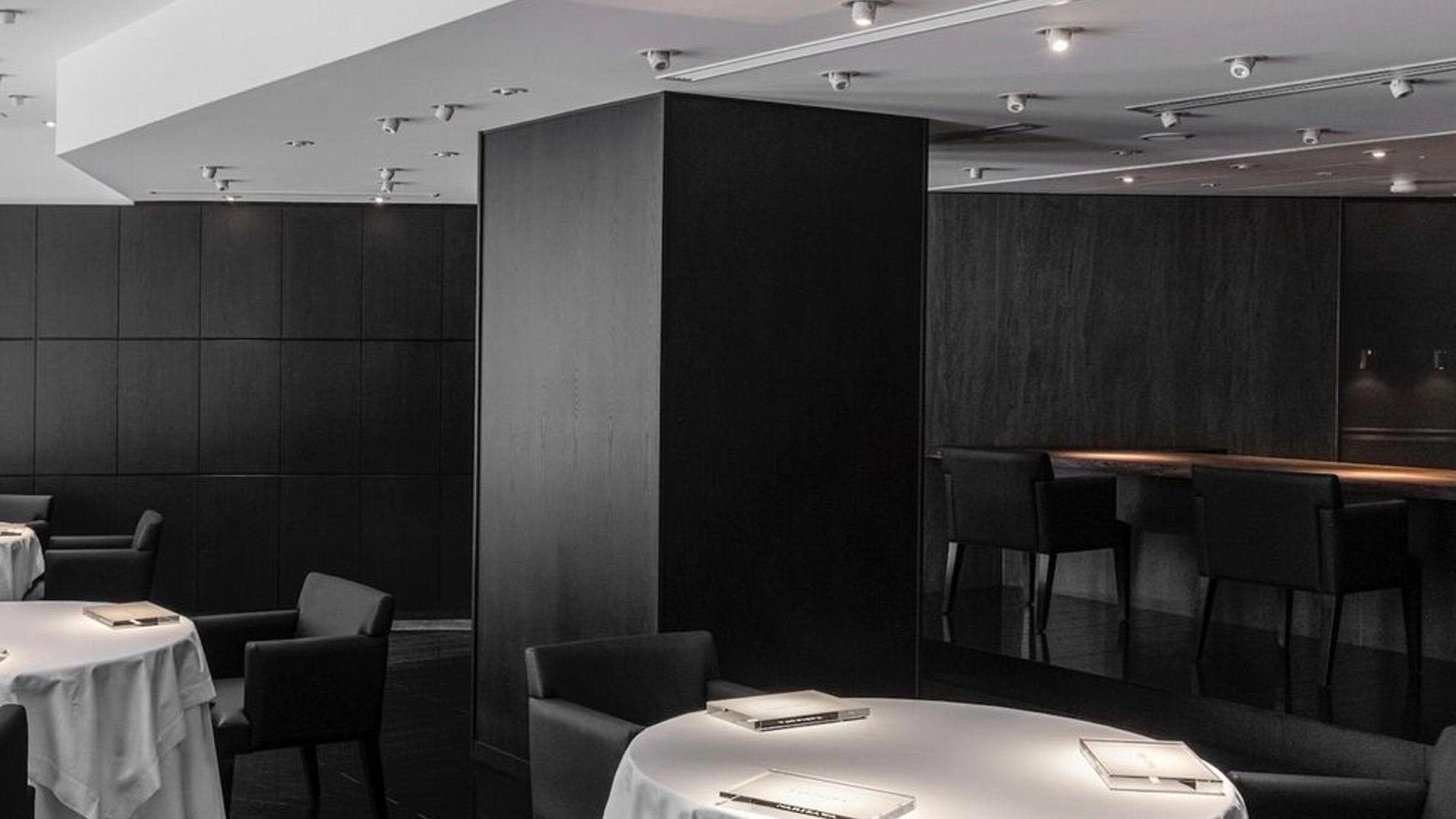
Clean, comfortable, and focused on a no-frills ramen experience in a small dining room.