
Katei Saien Sasaki belongs to Tokyo’s quieter shokudo tradition: compact, fish-minded, regular-driven, and judged by repetition rather than spectacle. Its Tabelog 100 Diner selections in 2024 and 2026 place it in a narrow band of everyday restaurants that earn attention without shifting into luxury-restaurant theatre.
Pearl is the En Primeur Club membership app — saves, bookings, and concierge access live there. Same editors, same standards.
- Address
- 3 Chome-18-4 Shimoochiai, Shinjuku City, Tokyo 161-0033, Japan
- Phone
- +81 3-3951-3788
- Website
- tabelog.com
 Saves & bookings on Pearl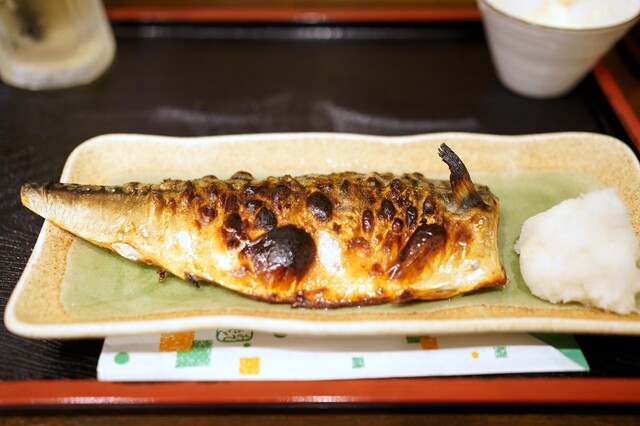
Approach Mejiro from the JR Yamanote Line and Tokyo changes register. The station area has the orderliness of an old residential district rather than Shinjuku’s vertical rush: schools, small shops, apartment blocks, and lunch counters built for repeat use. Here, Katei Saien Sasaki reads less as a destination restaurant than as a local rhythm, where seriousness is measured by return custom, not ceremony.
Tokyo’s premium dining conversation often narrows to omakase counters, French-influenced tasting rooms, and reservation systems that reward planning over appetite. Shokudo works differently: compact menus, clear value, rooms that handle solo diners without fuss, and cooking that fits an ordinary weekday. Recognition from Tabelog’s Diner “Tabelog 100” list in 2024 and 2026 matters because it identifies this less theatrical tier, where repeatability counts as much as novelty.
Fish-led shokudo cooking, judged by regulars rather than ceremony
The defining idea is fish-focused cafeteria cooking, not chef-driven theatre. Listed as cafeteria and seafood, with a stated emphasis on fish, the restaurant belongs to a Tokyo lineage valuing set-meal logic, short decision paths, and consistency. That differs from sushi counters, kappo rooms, or seafood izakaya, even when ingredients overlap.
Regulars shape this kind of restaurant more than tourists. A 15-seat room, split between counter seats and tables, changes the social contract: diners sit close to the kitchen’s pace, but the experience is not performance-led. Counter seating makes solo dining natural, while tables keep it from becoming a specialist counter-only format. Children are welcomed, private rooms are absent, and the appeal is practical without being careless.
That distinction matters in Tokyo. The city has many places where modest pricing signals speed and compromise; it also has small everyday restaurants where price discipline and culinary focus coexist. Katei Saien Sasaki belongs to the latter because its fish emphasis gives it identity, while the shokudo frame keeps it accessible. Its Tabelog score of 3.63 reinforces the point: not a hype-driven number, but, in the diner category, steady approval from a demanding local audience.
For travellers, the risk is misreading the genre. Do not expect a narrated tasting sequence, long beverage program, or a room designed for lingering over courses. The reward is a compact Tokyo meal showing how serious everyday dining can be when the kitchen has a clear lane. The repeat customer is the implied critic; the menu’s unwritten promise is dependability rather than surprise.
Mejiro's quieter dining map rewards specificity
Mejiro occupies an interesting place in Tokyo’s food geography. Close enough to Shinjuku for a visitor itinerary, it does not behave like a station-front entertainment district. Dining is dispersed and local in tone, with small restaurants serving residents, students, office workers, and destination eaters who know what they want. In that context, a fish-led shokudo can reveal more than another high-gloss counter in a busier ward.
The nearby comparison set explains the appeal. Mejiro Shimura works in a similar everyday price bracket, while Unagi Mejiro Zorome and Mejiro Zorome point toward eel as a more specialized, higher-spend route. Soba Osame represents another classic Japanese lane, where noodle craft defines the meal. Against those choices, this restaurant’s strength is not category purity like eel or soba, but range within a modest seafood-and-cafeteria frame. It suits diners wanting a Japanese meal shaped by fish without committing to a formal seafood counter.
That makes it useful for repeat Tokyo visitors. First trips often chase names and formats: sushi, ramen, tempura, yakitori, cocktail bars, grand hotels. Later trips get more interesting when itineraries shift toward neighbourhood meals that explain how the city eats. A shokudo with Tabelog 100 Diner recognition gives that move editorial backing: the everyday category is not a consolation prize, but one of Tokyo’s serious pleasures.
Planning needs common sense rather than strategy. The restaurant is small, cash handling is part of the setup, and the dining pattern suits people comfortable in compact local spaces. Mejiro also pairs well with a broader northwest Tokyo day, especially for travellers avoiding meals stacked around Ginza, Roppongi, or central Shinjuku.
How it fits into a Tokyo itinerary
The smart use case is lunch or an early, unfussy dinner built around Mejiro rather than a cross-city trophy stop. It also works as a corrective between expensive meals: after counter sushi or formal kaiseki, this shokudo resets palate and budget. The point is proportion, not austerity.
Readers mapping a wider Tokyo food day can compare this neighbourhood style with Akihabara seafood and charcoal at . 鮪と炭火焼き うお炭 秋葉原店, Shinjuku dining at 12/10 Shinjuku ten, yakitori in Kagurazaka at 124. KAGURAZAKA (Yakitori), café culture at 2D Cafe, and curry specialist cooking at 3 Chome no Curry Ya San. For a fuller city plan, use Our full Tokyo restaurants guide, then layer in Our full Tokyo hotels guide, Our full Tokyo bars guide, Our full Tokyo wineries guide, and Our full Tokyo experiences guide.
Outside Tokyo, everyday Japanese dining takes different forms: sukiyaki in Kamakura at -Grilled beef Sukiyaki- KAMAKURA TANUKIAN 鎌倉 たぬき庵 in Kamakura, café culture in Kansai at.cafe in Osaka, regional dining at.know in Kumamoto, Vietnamese cooking in Kanagawa at (Shoku) Vietnam in Kawasaki, curry in Hokkaido at [Curry Senmon Ten] Maruyama Kyoju. in Sapporo, and Kyoto dining at [ki:] in Kyoto. The Japanese casual-dining idea even travels abroad, from sake-bar culture at Jōdo Saké Bar in Los Angeles to rice-ball specialization at Onigiri Time in Pasadena.
The verdict is deliberately restrained: Katei Saien Sasaki is valuable because it refuses to act like a trophy booking. In a city where luxury dining dominates the international narrative, it points to another Tokyo truth: small, fish-minded neighbourhood restaurants can be as instructive as formal counters, especially for diners who care how local habits shape a meal.
A Quick Peer Check
Comparable options at the same price tier.
| Venue | Cuisine | Price | Notes |
|---|---|---|---|
| Katei Saien SasakiThis venue — the venue you are viewing | Japanese home-style fish teishoku cafeteria | $ | Not listed |
| Pneuma Curry | Japanese Curry | $ | Shinjuku |
| Taiyaki Wakaba | Traditional Japanese taiyaki & wagashi shop | $ | Shinjuku |
| Kikumi Senbei Sohonten | Japanese senbei shop | $ | Bunkyō |
| Kissa Ko | Traditional Japanese Sweets & Coffee Cafe | $ | Taitō |
| Habutae Dango Honten | Traditional Japanese dango & wagashi teahouse | $ | Arakawa |
Recognition history
Dated appearances from independent guides and award organizations, with the underlying list record or original source where available.
Tabelog 100 #59 · No. 59
Tabelog · Tabelog 100 - Diner - 2026







At a Glance
- Cozy
- Classic
- Quiet
- Solo
- Family
- Casual Hangout
- After Work
- Group Dining
- Standalone
- Street Scene
Current opening hours
- Monday
- 11:30 AM–2:30 PM, 6–8:45 PM
- Tuesday
- 11:30 AM–2:30 PM, 6–8:45 PM
- Wednesday
- 11:30 AM–2:30 PM, 6–8:45 PM
- Thursday
- 11:30 AM–2:30 PM, 6–8:45 PM
- Friday
- 11:30 AM–2:30 PM, 6–8:45 PM
- Saturday
- Closed
- Sunday
- Closed
Hours can change for holidays and private events. Last verified .
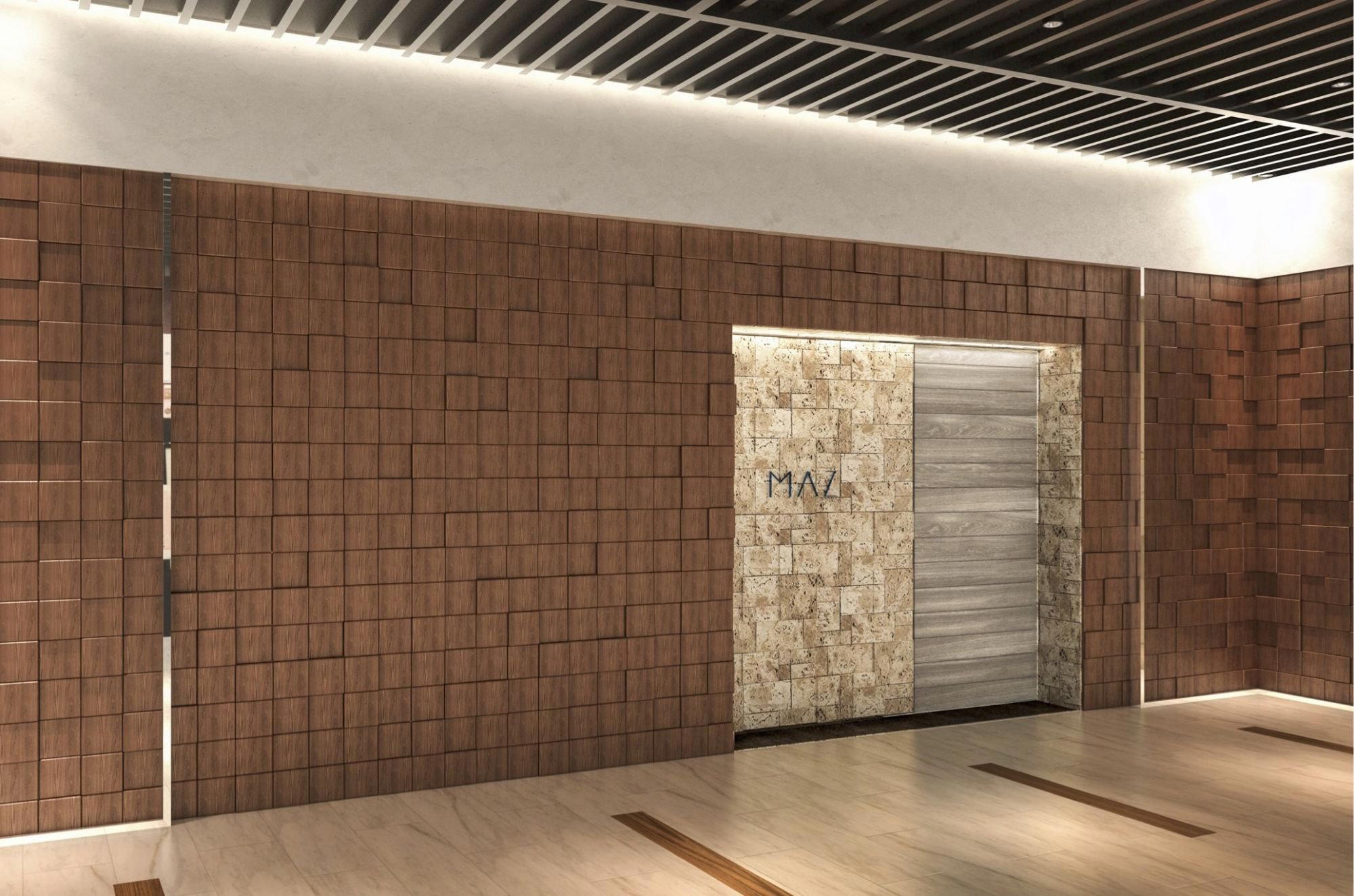
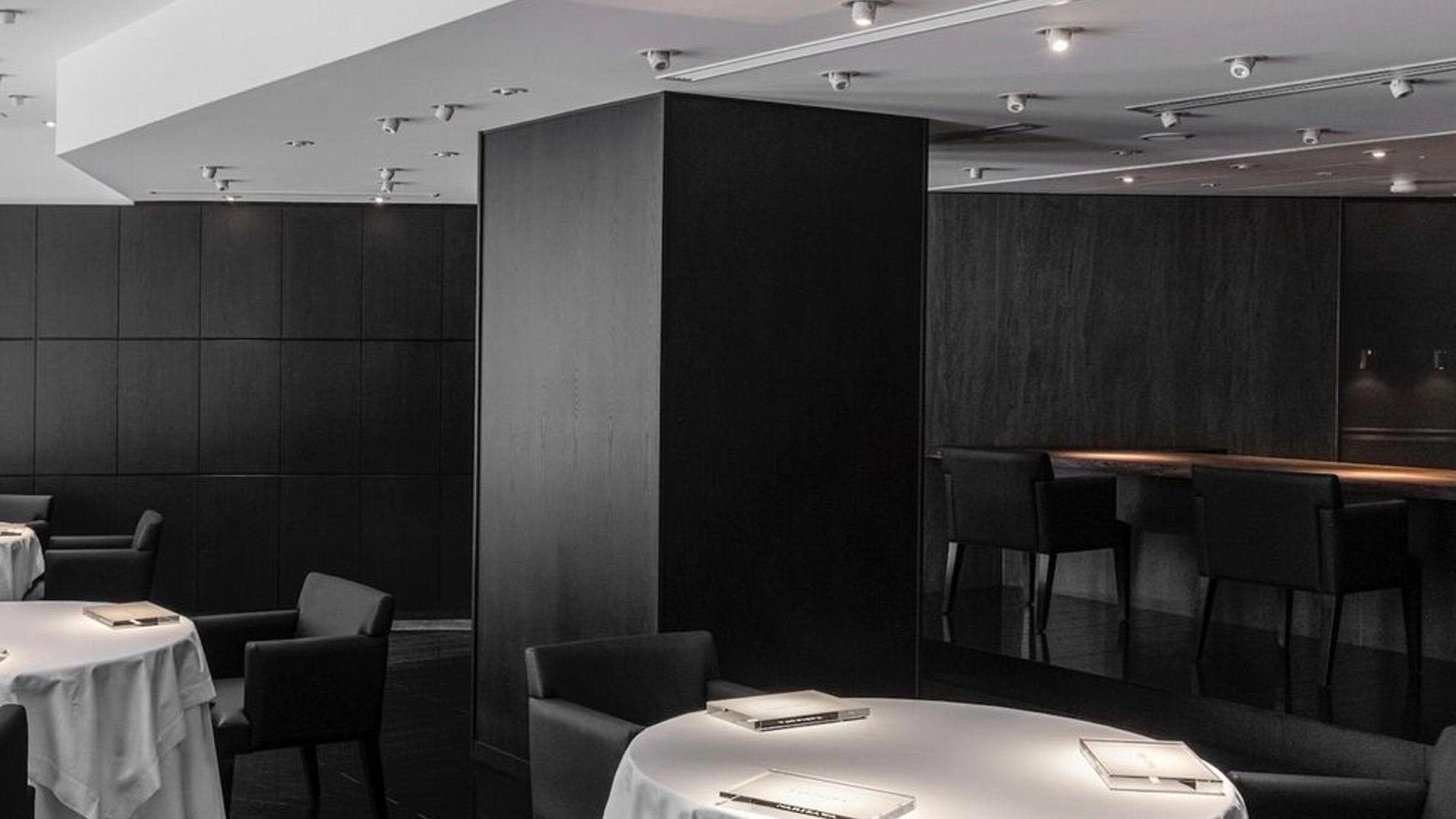
A small, non-smoking neighborhood canteen with counter and simple table seating, offering a relaxed, home-style feel focused on direct fish set meals rather than decor or formality.