
Yokohama’s northern ramen belt rewards small counters over spectacle, and Ramen Garaku fits that pattern with 11 counter seats in Azamino and a menu centered on ramen and tsukemen. Selection for Tabelog Ramen KANAGAWA “Tabelog 100” in 2024 and 2025 gives it a clear quality signal within Kanagawa’s crowded noodle field.
Pearl is the En Primeur Club membership app — saves, bookings, and concierge access live there. Same editors, same standards.
- Address
- 神奈川県横浜市青葉区新石川2-15-1
- Phone
- +81455118811
- Website
- ameblo.jp
 Saves & bookings on Pearl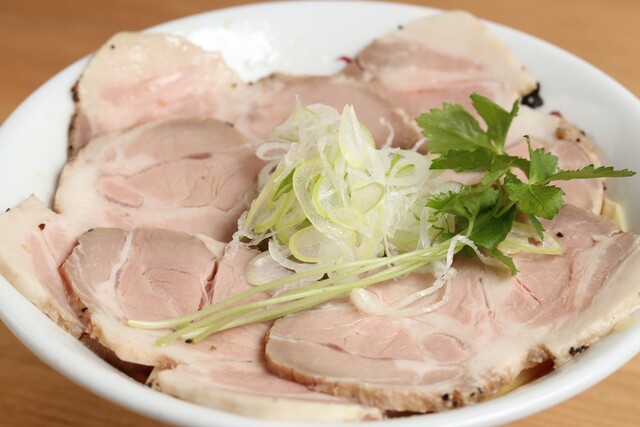
Azamino is not Yokohama’s waterfront promenades and hotel lobbies. It is a railway-and-residential district on the city’s northern edge, where lunch queues form with local purpose, not tourist choreography. That setting matters for ramen: better counters in this part of Kanagawa rely on repeat neighbourhood traffic, short menus, and fast turnover rather than theatrical service. Ramen Garaku fits that register: an 11-seat counter focused on broth, noodles, and timing.
Kanagawa’s ramen scene has long sat in productive tension with Tokyo. Yokohama has its own noodle history, from iekei richness to station-area specialists, while the northern suburbs draw commuters, families, solo diners, and regulars who know exactly how long they have between trains. In that context, a small Azamino shop selected for Tabelog Ramen KANAGAWA “Tabelog 100” in both 2024 and 2025 reads less like a trophy than a signal that the local circuit has noticed.
Azamino ramen with a counter-first rhythm
The room’s scale shapes the experience. Eleven counter seats create ramen service where pacing is visible, without fine-dining chef’s-counter performance. This is the opposite of Yokohama’s longer-form dining rooms and price-led destination restaurants. A meal here is built for concentration: order, sit, eat while the noodles are in their proper window, and yield the seat.
The menu centres on ramen and tsukemen, a distinction that matters in Japan’s noodle culture. Ramen places broth and noodles in one bowl; tsukemen separates noodles from dipping soup and often suits diners who prefer firmer texture and a more concentrated broth impression. Garaku’s public menu notes point to two core directions: rich miso ramen blended from seven types of miso, and shoyu ramen built around Ooyama chicken with namaage soy sauce. Those details place the shop among specialists using seasoning structure, not garnish excess, to make the bowl legible.
That positioning also separates the counter from nearby value peers. Honoka Azami no and Atelier UKAI Tama puraaza sit in the same sub-¥999 bracket, while Shirakawa Teuchi Chuka Soba Kosuga moves into ¥1,000–¥1,999. Teuchi Soba Fuurai Kyo follows a different spend pattern, with dinner at ¥4,000–¥4,999 and lunch at ¥1,000–¥1,999. The useful comparison is not cuisine-for-cuisine parity, but how Azamino supports both quick everyday meals and more deliberate sit-down dining within a few station stops.
What the recognition says about Yokohama's ramen suburbs
Tabelog’s Hyakumeiten selections matter especially for ramen because the category is crowded, price-accessible, and fiercely local. A 3.71 score and repeat selection in the Kanagawa ramen list put Ramen Garaku in a competitive field where small differences in broth identity, noodle handling, and consistency decide loyalty. Unlike luxury sushi or kaiseki, the entry cost is low, so reputation depends on frequency: diners can return, compare, and punish inconsistency quickly.
The Azamino location gives the shop a different role from central Yokohama counters around station hubs. It is reachable from Azamino Station on the Tokyu Den-en-toshi Line and Yokohama City Subway Blue Line, tying it to both Yokohama commuters and Tokyo-side traffic. For travellers using Yokohama as a base, the meal is a neighbourhood detour rather than an obvious waterfront add-on. Readers mapping a broader city itinerary can cross-reference Our full Yokohama restaurants guide, then decide whether northern-suburb ramen fits the day better than a central reservation.
The local pattern is worth noting. Yokohama dining has no single centre of gravity. The city sprawls across coastal, commercial, residential, and railway-linked districts, and restaurant choices follow. Yakitori at 1000 (Yakitori (Grilled chicken skewers)), regional Chinese at Aichun, curry at Ajowan, and soup curry at Alpenjiro Honten show a city where everyday categories develop serious followings. Garaku fits that Yokohama logic: casual format, narrow focus, strong local filtering.
How to place it in a wider Yokohama itinerary
For visitors, the question is route discipline. Azamino works when the day already points north, when a meal before or after rail travel makes sense, or when the aim is to read Yokohama beyond Minato Mirai and Chinatown. The counter format is solo-diner friendly, and a kids menu broadens the audience without turning it into a slow family restaurant. Payment is listed as cash-only across cards, electronic money, and QR methods, so plan practically.
The shop opened in 2014, giving it more than a decade of operating history by 2026. That matters in ramen, where fashion cycles move quickly and a bowl can gain attention before the kitchen proves stamina. Repeat Hyakumeiten selection, an 11-seat counter, and a low price band create a clear editorial read: a compact neighbourhood ramen address with recognised consistency, not a luxury detour.
Yokohama rewards travellers who group meals by district rather than chase the whole city in one day. For a wider food map, compare casual regional cooking at Anzen Shokudo or extend the Kanagawa frame toward -Grilled beef Sukiyaki- KAMAKURA TANUKIAN 鎌倉 たぬき庵 in Kamakura and (Shoku) Vietnam in Kawasaki. Travellers building a full stay can pair restaurant planning with Our full Yokohama hotels guide, Our full Yokohama bars guide, Our full Yokohama wineries guide, and Our full Yokohama experiences guide.
Outside Yokohama, the same editorial question applies: which small-format places justify a route change, and which are better saved for when the neighbourhood already fits? For contrast, see Tokyo’s casual izakaya register at. 鮪と炭火焼き うお炭 秋葉原店 in Tokyo, Osaka café pacing at.cafe in Osaka, Kumamoto’s.know in Kumamoto, Sapporo curry at [Curry Senmon Ten] Maruyama Kyoju. in Sapporo, and Japanese-leaning Los Angeles and Pasadena spots such as Jōdo Saké Bar in Los Angeles and Onigiri Time in Pasadena. Garaku’s appeal is sharper through that lens: a small Yokohama counter whose recognition is tied to local ramen discipline rather than destination gloss.
A Lean Comparison
Comparable options at the same price tier.
| Venue | Cuisine | Price | Notes |
|---|---|---|---|
| Ramen GarakuThis venue — the venue you are viewing | Aoba, Japanese Ramen | $$ | Not listed |
| Suzukiya Honten | Hodogaya, Yokohama Iekei Ramen | $$ | Not listed |
| Hetchikan Fukutomichou honten | Naka, Ramen & Japanese Sake Bar | $$ | Not listed |
| Alpenjiro Honten | Naka, Soup and steak curry house | $$ | Not listed |
| Tonkatsu Souki | Not listed | $$ | Kōnan, Specialty Tonkatsu (Pork Cutlet) Restaurant |
| Toraya | Not listed | $$ | Naka, Tempura / Japanese Seafood |
Recognition history
Dated appearances from independent guides and award organizations, with the underlying list record or original source where available.
Tabelog 100 #9 · No. 9
Tabelog · Tabelog 100 - Ramen - KANAGAWA - 2025
Continue exploring
More in Yokohama
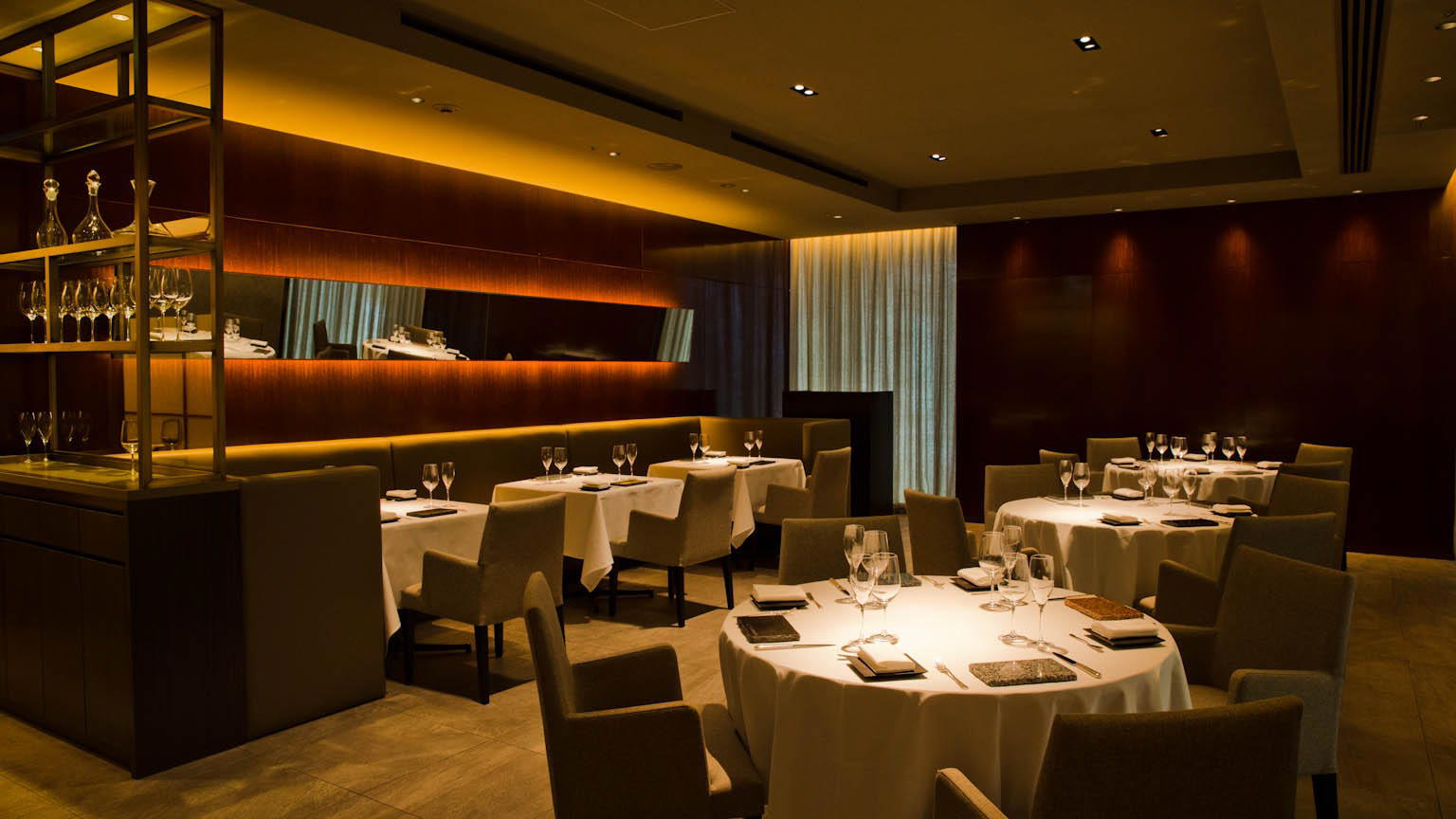
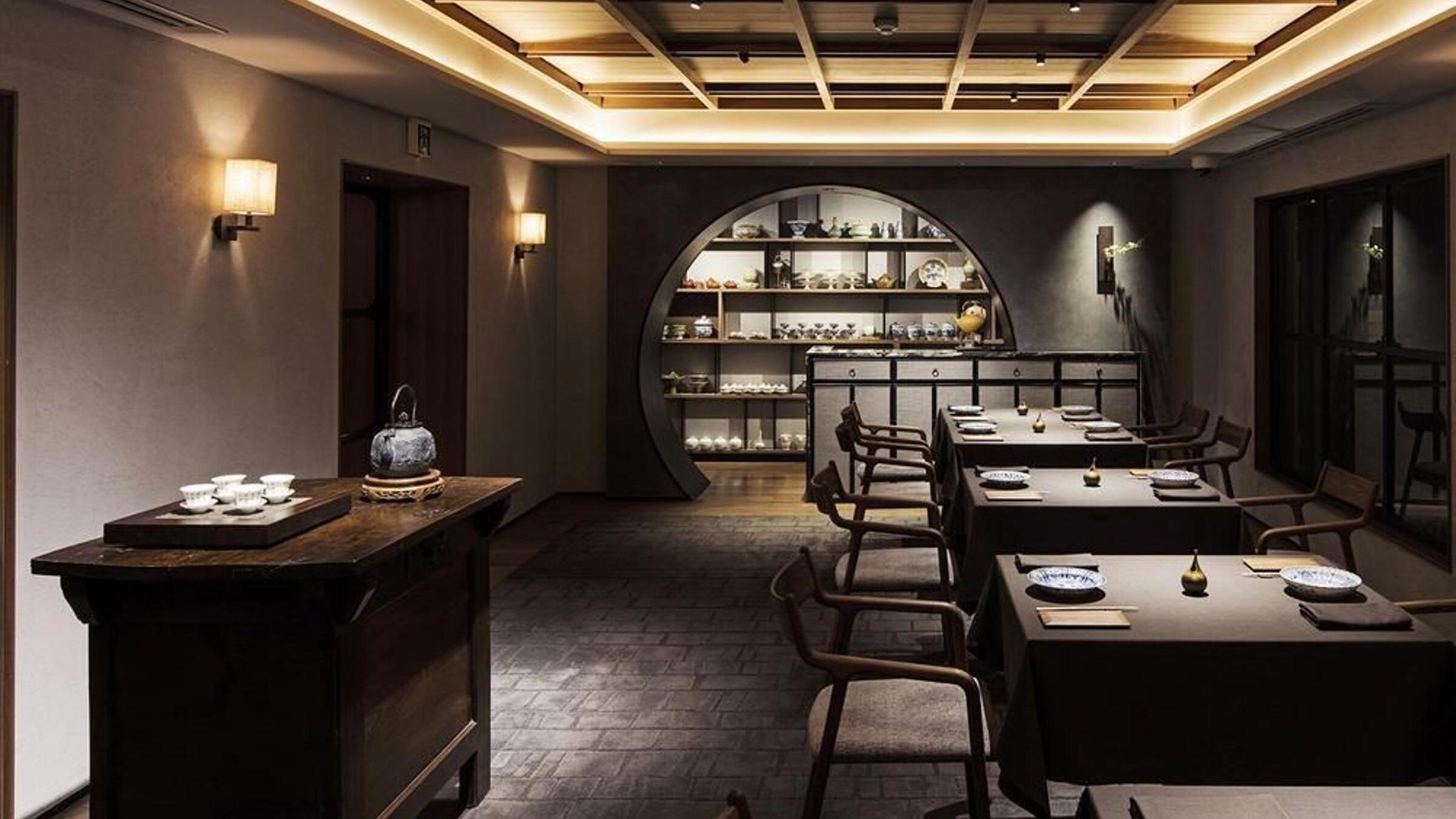
Restaurants in Yokohama
Browse all →


Bars in Yokohama
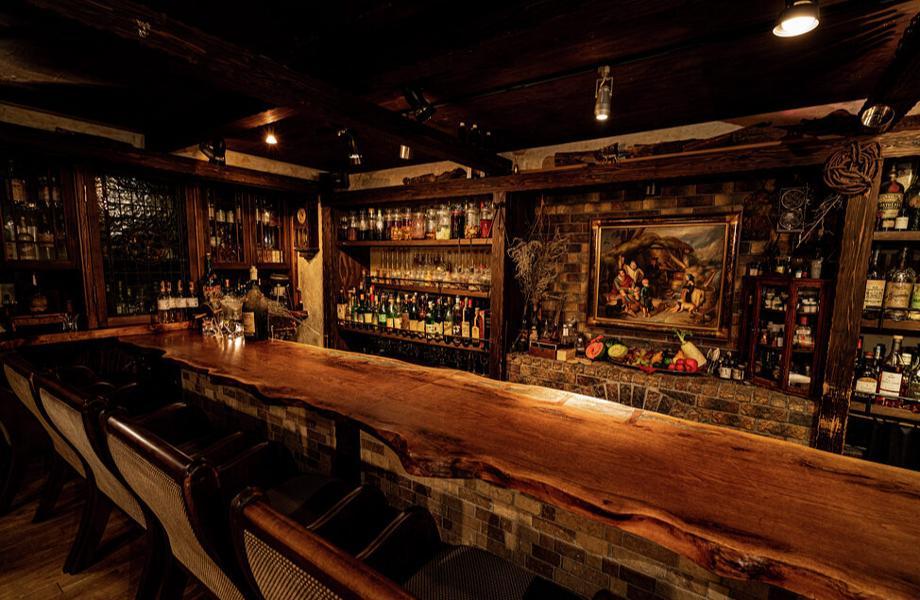
Browse all →



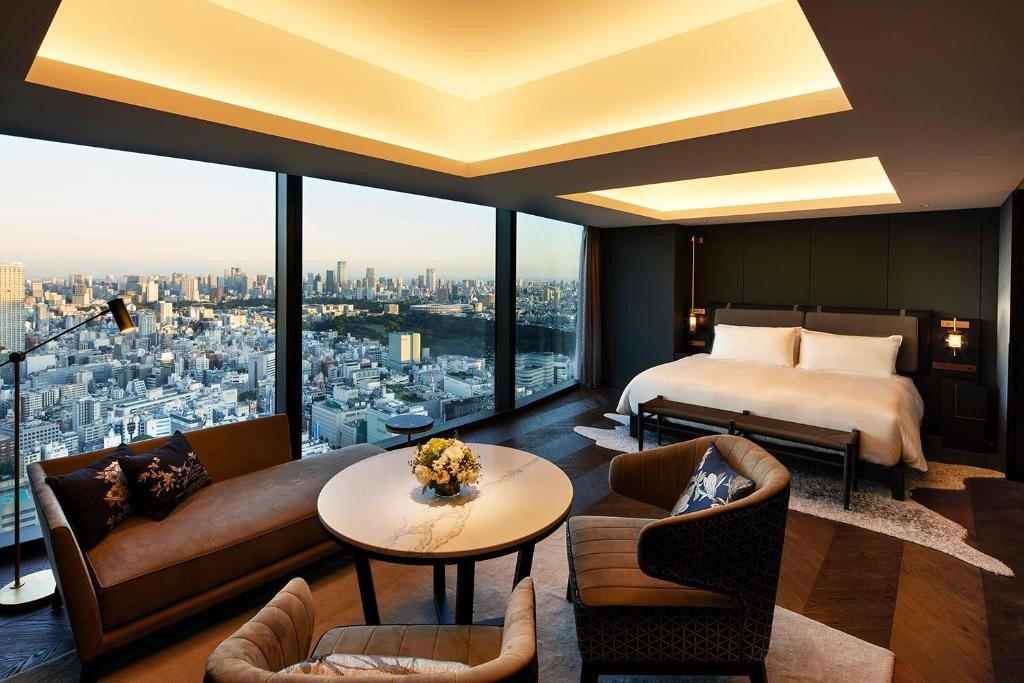
Hotels in Yokohama
Browse all →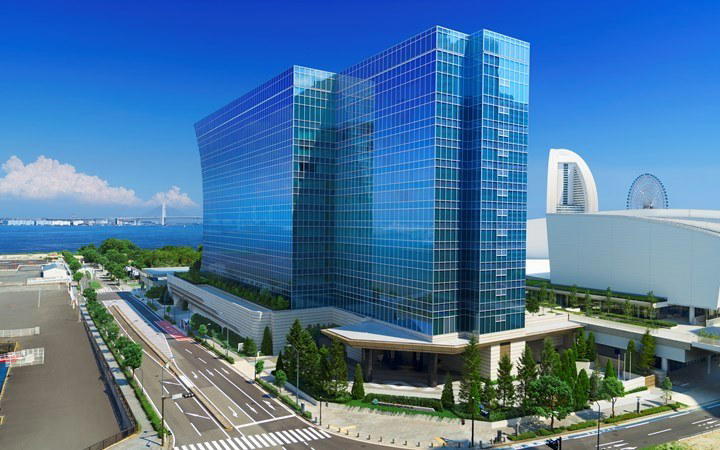



Wineries in Yokohama
Browse all →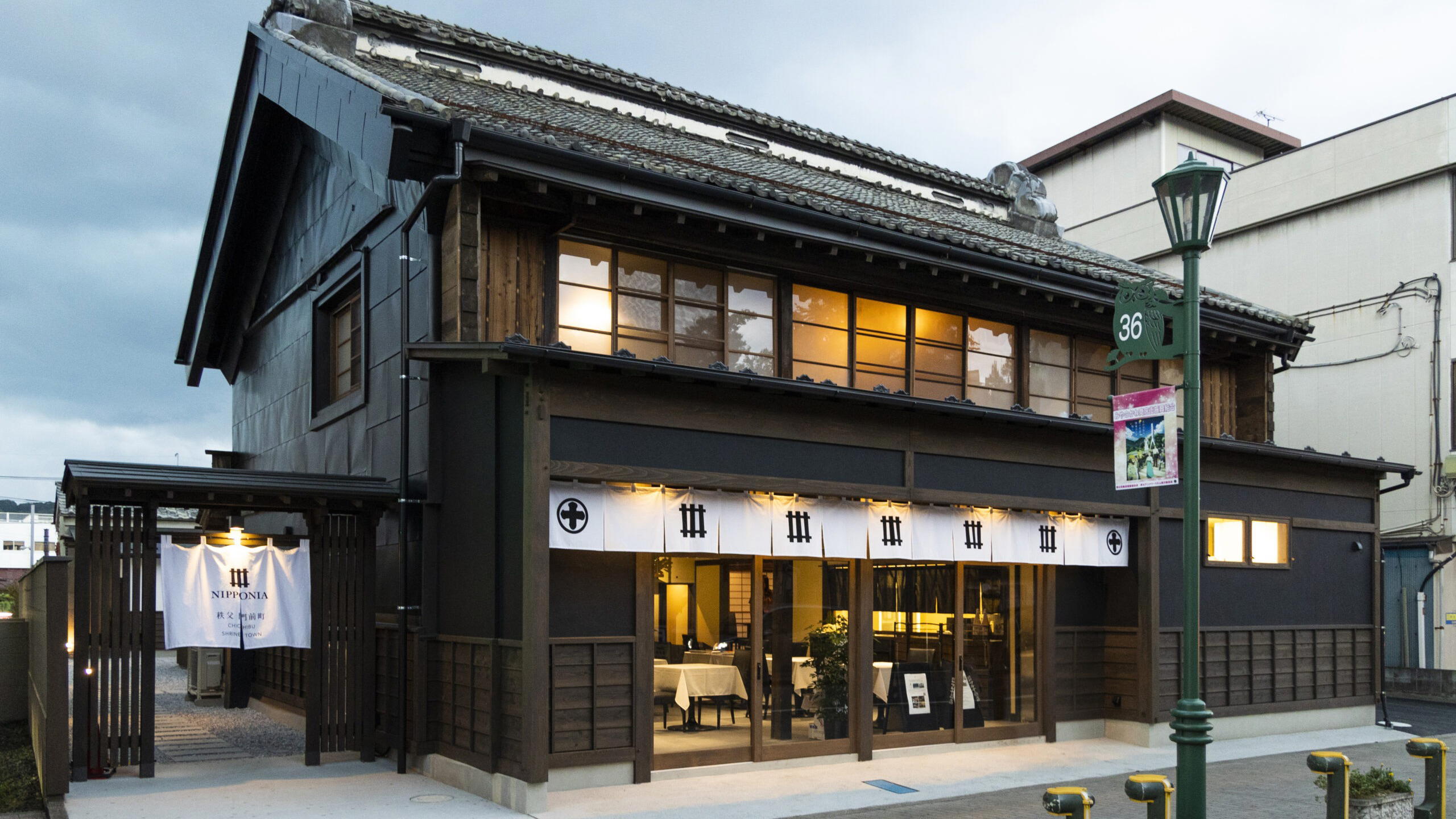
At a Glance
- Cozy
- Classic
- Solo
- Casual Hangout
- Standalone
A small, counter-only ramen shop with a stylish but relaxed feel; the atmosphere reads as efficient and neighborhood-focused rather than formal.