
Tabelog 100 #15
Our verdict
Toraya gives Yokohama tempura a sourcing-led address rather than a luxury-counter performance. Its Tabelog 100 Tempura 2025 selection, fish-focused cooking, counter seating, tatami room, and sake-shochu-wine range place it in the city’s serious but approachable Japanese dining tier, with seafood and fry work doing the editorial heavy lifting.

Pearl is the En Primeur Club membership app, where members save venues, book tables and use the concierge.
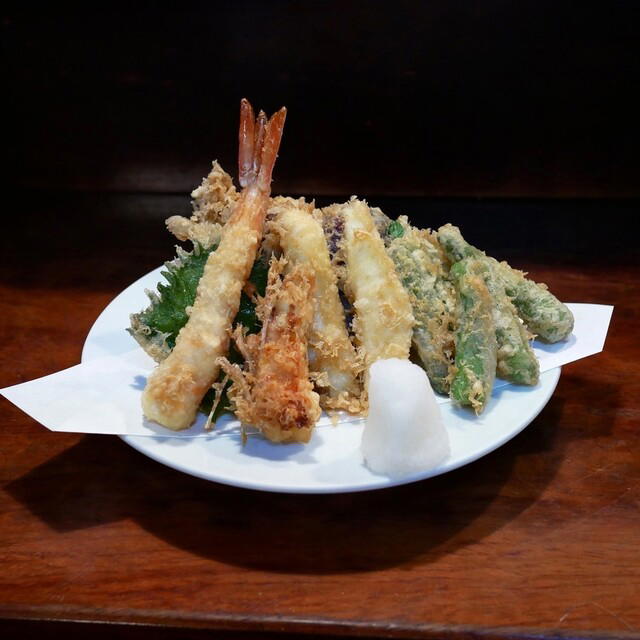
Yokohama is not a single dining image. Port history, office routines, small bars, and long-running Japanese restaurants sit together, a mix that matters for tempura. The form rewards immediacy: batter, oil temperature, seafood quality, and the short interval between fryer and plate. Toraya belongs to the practical, ingredient-led side of the tradition, where the appeal is less ceremony than fish, timing, and a room built for regular use.
Yokohama’s dining identity is often flattened into a few postcard scenes. The more useful map is smaller and more everyday: older drinking-and-dining culture, station-adjacent pockets, and specialist Japanese cooking that survives without theatre. Here, tempura can read differently from Tokyo’s high-price counters: serious without needing the hushed choreography of a capital-city omakase room.
Fish-driven tempura in a Yokohama register
Tempura is often described through technique, but sourcing is the sharper lens. Seafood changes the meal: moisture, fat, cut size, and freshness decide whether batter becomes a thin shell or heavy coat. Toraya’s listed categories are tempura, seafood, and Japanese cuisine. That places the restaurant where the fryer is not an end, but a way to present seafood with heat, texture, and restraint.
The Tabelog 100 Tempura 2025 selection is the main external signal. Tabelog’s Hyakumeiten lists are not Michelin-style stars, but in Japan they carry weight because they sort deeply local categories by specialist reputation and user attention. For a Yokohama tempura restaurant, inclusion says more than a generic popularity badge: it places the restaurant among category specialists, not casual fry shops or general izakaya kitchens.
The format signals a useful middle ground. Toraya is best understood as a Yokohama restaurant that can serve both focused tempura appetites and more casual Japanese dining needs. In Yokohama, many serious neighborhood restaurants serve both the office worker’s meal and the planned evening out. That usefulness matters, especially for travelers looking for craft without turning every dinner into a formal event.
The appeal is similarly practical. Seafood-led tempura has a natural rhythm: order, frying, serving, eating while the texture is still alive. The point is flexibility around a cuisine that can feel austere without context, not novelty. Toraya’s categories make the case plainly: tempura, seafood, and Japanese cuisine, in a city where those registers can overlap without fanfare.
Yokohama's older dining logic suits the fryer
Yokohama suits this cooking because it does not ask every restaurant to perform luxury. The city has office routines, small streets, and a long habit of eating before or after drinking. Tempura here can stay grounded: seafood and rice rather than a tasting-menu thesis. Toraya reads as local rather than theatrical, substantial enough for everyday use while still giving the cooking a clear focus.
Against Yokohama venues in the same city orbit, the positioning is clear. Spice Drunker yabuya answers one kind of evening appetite, Bar Noble belongs to the cocktail side of adult-night economy, and casual listings such as Menya Sakigakeboshi or Bunmeidou Sakan Ru Cafe answer different daily needs. Tempura here sits between them: more deliberate than a quick station meal, less formal than a Tokyo special-occasion counter, and anchored by seafood rather than mood lighting or chef biography.
That middle ground helps travelers because Yokohama rewards meals connected to its working fabric. Better than chasing one grand dinner is letting categories stack: tempura, local dining history, curry or yoshoku in older commercial districts, and bars after dark. For that wider map, start with Our full Yokohama restaurants guide, then pair it with Our full Yokohama bars guide if the evening continues elsewhere in the city.
The sourcing angle gives the restaurant a reason to matter beyond convenience. Fish-forward tempura depends on procurement discipline and turnover. Batter may briefly disguise weak ingredients, but cannot create clean seafood character. Yokohama’s port identity is often over-romanticized, yet its dining culture has long been shaped by movement: goods, people, foreign techniques, and everyday Japanese appetites through the same streets. Seafood tempura is a quieter way that history stays edible without a museum label.
How to place it in a Yokohama itinerary
Toraya fits when the plan calls for Japanese cooking with recognisable craft rather than a long, expensive performance. Its listed dinner budget is JPY 5,000 - JPY 5,999, while lunch is listed at JPY 1,000 - JPY 1,999, which places it in a useful band for travelers who want a category specialist without treating the meal as a splurge-only reservation. That flexibility is not unseriousness. In Japan, especially outside central Tokyo, many category-defining restaurants operate as neighborhood houses first and destinations second.
For a broader food route, use contrast. Yokohama’s local dining map can run from quick everyday meals to old-school local tables, curry, seafood, Japanese cooking, and late drinks. Toraya adds the tempura-and-seafood piece to that route. Then use the city guides beyond restaurants: Our full Yokohama hotels guide, Our full Yokohama wineries guide, and Our full Yokohama experiences guide.
Regional context helps, but it is best kept general. A traveler moving through Kanagawa and beyond can compare Yokohama tempura with other unnamed dining rooms across Japan: formal Japanese restaurants, seafood counters, cafés, curry shops, and casual neighborhood formats. The point is not to force Toraya into a national ranking narrative, but to understand how a specific local category holds its shape inside Yokohama.
The verdict is simple: choose Toraya for Yokohama tempura with a fish-first bias and enough local texture to feel anchored in the city. The strongest case rests on category recognition, its Tabelog 100 Tempura 2025 selection, and a Tabelog score listed at 3.67. It is not presented here as the city’s flashiest dining proposition, which is why it reads as Yokohama rather than imported Tokyo theatre.
Frequently asked questions
Where is Toraya in Yokohama?
Yokohama.
What are Toraya's hours?
Current hours are not specified here; confirm directly with Toraya before visiting.
What does dinner at Toraya typically cost?
Dinner at Toraya is listed at JPY 5,000 - JPY 5,999; lunch is listed at JPY 1,000 - JPY 1,999.
What is Toraya known for?
Toraya is known for tempura, seafood, and Japanese cuisine in Yokohama, and is listed in the Tabelog 100 Tempura 2025 selection.
Comparable Spots, Quickly
Side-by-side context: comparable cuisine and price.
| Venue | Cuisine | Price | Awards | Notes |
|---|---|---|---|---|
| TorayaThis venue (the venue you are viewing) | Tempura / Japanese Seafood | $30–50 | Tabelog 100 #15 | Not listed |
| Ramen Torikku | Chicken-focused ramen | $10–20 | Tabelog 100 #75 | Minami |
| 1000 | Japanese | Not listed | Tabelog Bronze #392 | Naka |
| Shinachiku Tei | Ramen | $10–20 | Tabelog 100 #39 | Kanagawa |
| Ramen Sugimoto | Traditional Japanese Ramen | $10–20 | Tabelog 100 #64 | Aoba |
| Mendokoro Tatsunoki | Japanese Ramen | $10–20 | Tabelog 100 #11 | Hodogaya |
Recognition history
Dated appearances from independent guides and award organizations, with the underlying list record or original source where available.
Tabelog 100 #15 · No. 15
Tabelog · Tabelog 100 - Tempura - 2025
Continue exploring
More in Yokohama
Restaurants in Yokohama
All restaurants in Yokohama →

Bars in Yokohama
Browse all →



Details
- Classic
- Cozy
- Family
- Group Dining
- Casual Hangout
- Solo
- Standalone
- Historic Building
- Sake Program
- Beer Program
- Street Scene
- A La Carte
- Set Menu
- Counter Dining
- Sake
- Shochu
- Wine
- Pescatarian Friendly
Current opening hours
- Monday
- Closed
- Tuesday
- 11 AM–8 PM
- Wednesday
- 11 AM–8 PM
- Thursday
- 11 AM–8 PM
- Friday
- 11 AM–8 PM
- Saturday
- 11 AM–8 PM
- Sunday
- Closed
Hours can change for holidays and private events. Last verified .
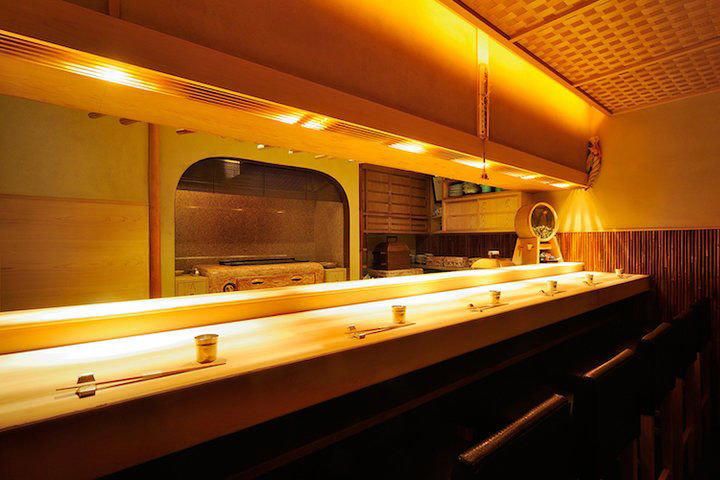
Casual and relaxed with a house-restaurant feel, including counter seating and tatami-room options that suggest a traditional, unfussy atmosphere.