
A young Yokohama tonkatsu counter with a 2026 Tabelog 100 Tonkatsu selection, Tonkatsu Souki sits in the serious cutlet tier rather than the quick-lunch bracket. The appeal is value through specialization: a focused pork-cutlet format, a non-smoking room, and pricing that stays below luxury kappo while asking more than everyday station dining.
Pearl is the En Primeur Club membership app — saves, bookings, and concierge access live there. Same editors, same standards.
- Address
- 神奈川県横浜市港南区最戸1-3-4
- Phone
- +81452912897
- Website
- tabelog.com
 Saves & bookings on Pearl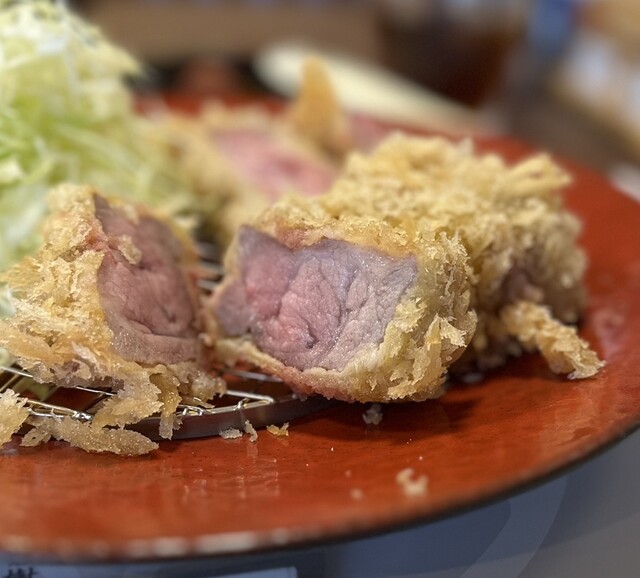
A serious tonkatsu meal is quieter than sushi or tempura: no hand-pressed rice theatre, no visible batter cascade, just the expectation that pork, breading, oil temperature, cabbage, rice, and sauce are handled with discipline. In Yokohama, the category tests value. Diners can spend lightly around stations on ramen, curry, or bakery counters, but a focused pork-cutlet shop asks: how much more is careful frying worth?
Tonkatsu Souki answers from the higher end of everyday dining. Its selection for Tabelog 100 Tonkatsu in 2026 places it inside Japan’s specialist cutlet conversation, a narrower field than general restaurant rankings that often favor sushi, French, or kaiseki. The point is not hotel-style luxury. It is category precision: pork cutlet as the main event, not a set-meal afterthought.
Yokohama's value equation shifts when tonkatsu becomes the destination
Yokohama dining rewards travelers who look beyond the waterfront postcard. The city’s stronger everyday food culture runs through station areas, residential shopping streets, and single-category rooms built on repetition. Tonkatsu has an advantage there. The format is legible even with limited Japanese, but the gap between a casual cutlet plate and a specialist version shows in sourcing, frying control, and meal structure.
The comparison set matters. In Yokohama, casual noodle and bakery addresses such as Kawa no Saki no Ue, Susurimase nka, G Men 7, and boulangerie onni sit in lower price bands, while Gumyoji Hekan reaches into a broader spend. Against that local field, Tonkatsu Souki costs more than a quick neighborhood meal, yet remains far below the tasting-menu economy that shapes much of Japan’s luxury dining. That middle position is the argument: pay for focus, not ceremony.
For travelers mapping a Yokohama food day, the category offers contrast. Yakitori at 1000 (Yakitori (Grilled chicken skewers)) gives a grilled-skewer lens on the city; Aichun, Ajowan, and Alpenjiro Honten point to Yokohama’s broader casual appetite; Anzen Shokudo adds another informal reference point. Tonkatsu belongs in that practical world, but specialist rooms feel more exacting because the margin for error is visible: over-fry the cutlet and the meal collapses.
A young room with an older Japanese discipline
The opening date, 19 February 2025, makes the recognition timeline notable. A 2026 Tabelog 100 Tonkatsu selection so early signals fast category traction, especially in a genre where regulars are unforgiving about texture and value. Tabelog’s score of 3.72 is another useful signal in Japan, where ratings cluster tightly and a high-three score can indicate strong local confidence rather than casual popularity.
Tonkatsu also travels well for visitors. Unlike omakase sushi, it does not require a long counter-etiquette apprenticeship; unlike ramen, it does not automatically push diners through at speed. The grammar is easy to read: cutlet, rice, cabbage, soup or supporting sides depending on the set, and condiments that keep fat, salt, acidity, and crunch balanced. That clarity makes it a strong spend for travelers wanting a Japanese specialty without committing an entire evening to formal dining.
The absence of private rooms keeps the format honest. This is not built around entertaining or staged exclusivity; it sits closer to the daily Japanese restaurant tradition, where the room, menu, and pace serve the main preparation. The non-smoking policy helps, because tonkatsu depends on aroma as much as texture. Heavy smoke would flatten what the fryer is meant to preserve.
Yokohama’s geography also shapes the decision. Kamiooka is not the harborfront city first-time visitors usually photograph, which is part of the appeal for serious eaters. The area is a lived-in transport and shopping node rather than a sightseeing stage. A meal here can pair with a broader south-Yokohama itinerary, or correct for a day in districts where restaurants often price for foot traffic.
How to place it in a Yokohama itinerary
Tonkatsu Souki suits diners who treat lunch or dinner as a focused stop rather than a lingering multi-course occasion. The spend makes more sense for those who already appreciate the difference between commodity katsu and specialist tonkatsu; first-timers will still understand the pleasure, but the value lands harder when benchmarked against cheaper cutlet sets around Japan.
For a broader plan, use it as the anchor for a Yokohama restaurant day rather than an add-on after heavy snacking. The category is filling, and the pleasure comes from arriving hungry. Visitors comparing city options can start with Our full Yokohama restaurants guide, then build around nearby interests through Our full Yokohama hotels guide, Our full Yokohama bars guide, Our full Yokohama wineries guide, and Our full Yokohama experiences guide.
Travelers extending the meal into a wider Japan itinerary can think laterally rather than chase the same category twice. Regional comfort food in Kamakura appears through -Grilled beef Sukiyaki- KAMAKURA TANUKIAN 鎌倉 たぬき庵 in Kamakura; Tokyo’s casual drinking-and-grill culture is represented by. 鮪と炭火焼き うお炭 秋葉原店 in Tokyo; Osaka and Kumamoto add lighter café and contemporary references through.cafe in Osaka and.know in Kumamoto. For cross-city casual Japanese and Asian formats, (Shoku) Vietnam in Kawasaki, [Curry Senmon Ten] Maruyama Kyoju. in Sapporo, Jōdo Saké Bar in Los Angeles, and Onigiri Time in Pasadena show how focused formats can carry a meal without fine-dining machinery.
The editorial case is narrow and persuasive: a specialist tonkatsu address for diners who want their yen spent on the cutlet rather than spectacle. The Tabelog 100 Tonkatsu 2026 selection gives it external validation; the young opening date gives it current relevance; the Yokohama location keeps it grounded in a city where the strongest meals often happen away from the postcard route.
Standing Among Peers
Side-by-side context: comparable cuisine and price.
| Venue | Cuisine | Price | Notes |
|---|---|---|---|
| Tonkatsu SoukiThis venue — the venue you are viewing | Specialty Tonkatsu (Pork Cutlet) Restaurant | $$ | Not listed |
| Izutsu | Traditional Tempura & Seafood | $$ | Isogo |
| Ramen Sugimoto | Traditional Japanese Ramen | $$ | Aoba |
| TRICK (鶏喰) | Chicken Shoyu Ramen | $$ | Yoshinocho |
| Ryusei Ken | Japanese Ramen | $ | Minami |
| Yokohama Iekei Ramen Kogane Ya | Yokohama iekei ramen | $ | Naka |
Recognition history
Dated appearances from independent guides and award organizations, with the underlying list record or original source where available.
Tabelog 100 #75 · No. 75
Tabelog · Tabelog 100 - Tonkatsu - 2026










At a Glance
- Cozy
- Solo
- Casual Hangout
- After Work
- Family
- Group Dining
- Standalone
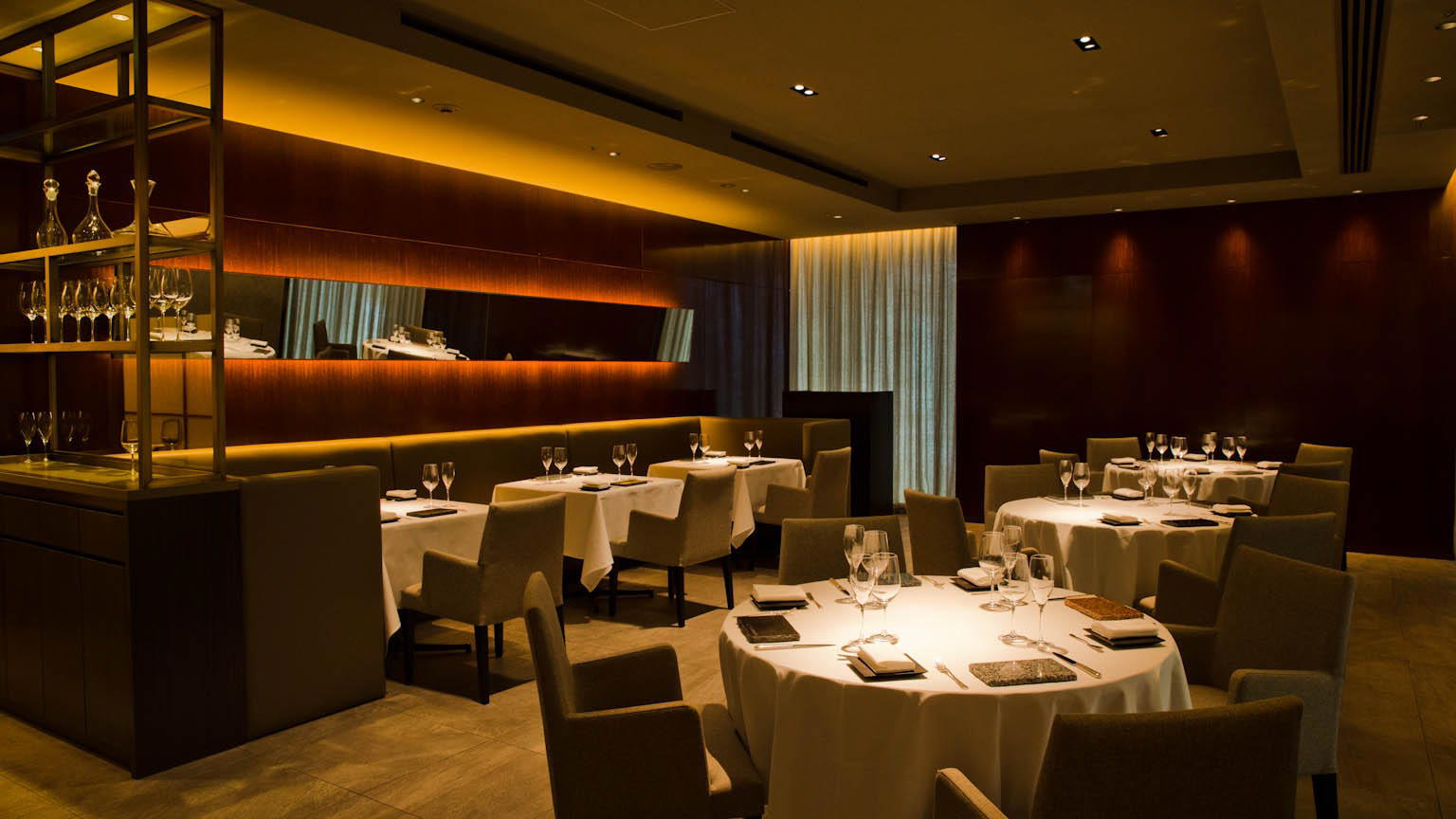
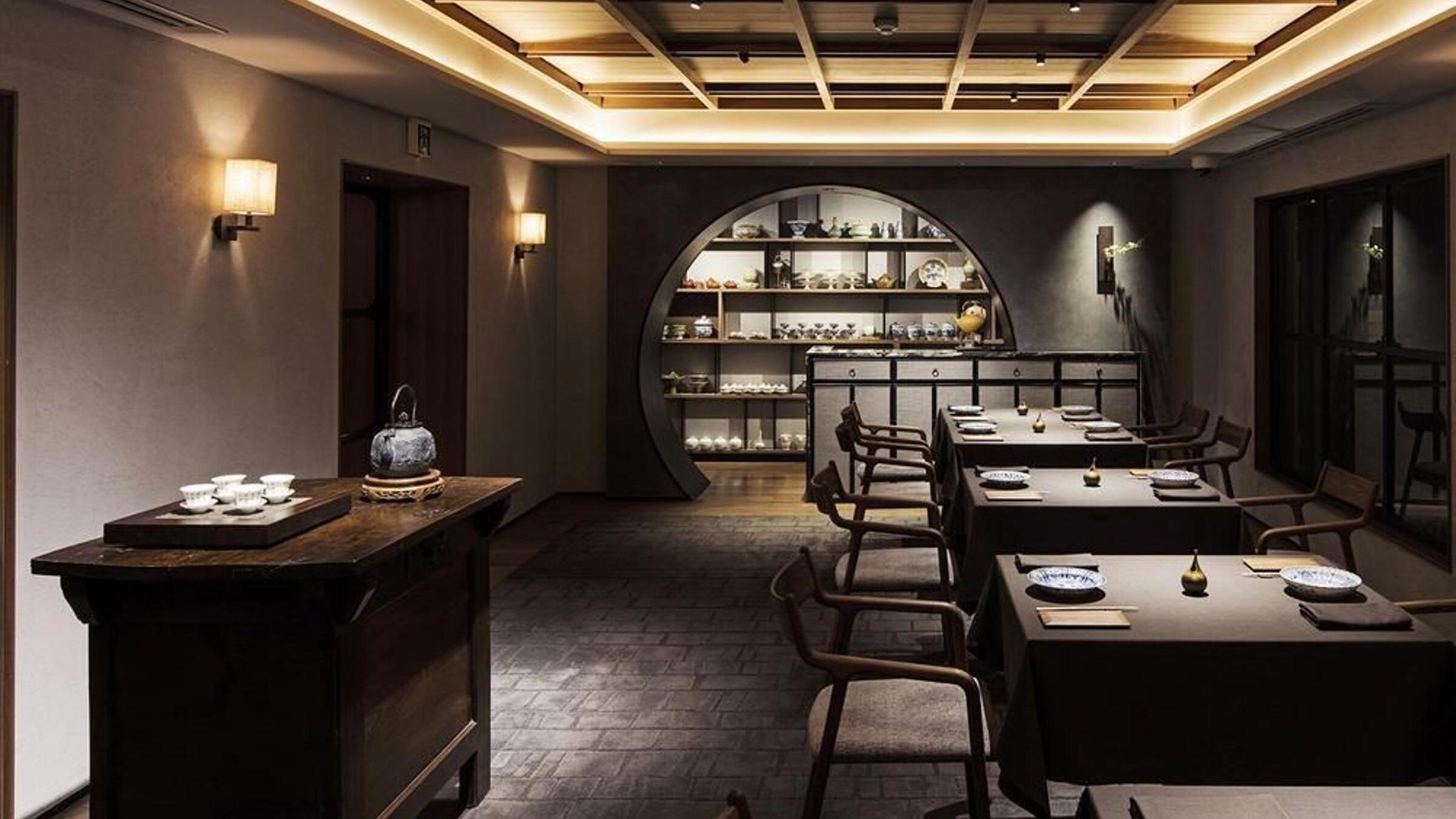
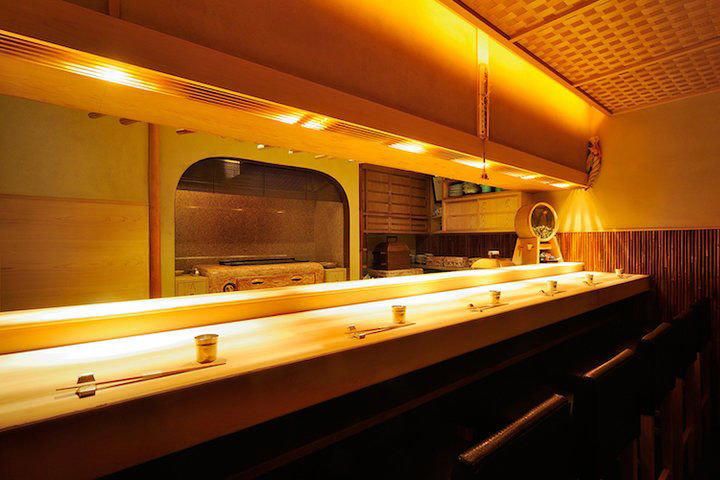
Small, non-smoking neighborhood tonkatsu restaurant with a cozy, low-key atmosphere, suited to relaxed lunches or dinners rather than formal occasions.