
A nine-seat counter in Yokohama’s Fukutomicho area, Hetchikan Fukutomichou honten belongs to the city’s serious ramen-and-sake tier rather than the quick-bowl mainstream. Its repeated Tabelog 100 ramen selections from 2019 through 2025, counter-only format, and sake-bar identity make it a focused stop for diners interested in how ramen overlaps with ingredient-driven drinking culture in Kanagawa.
Pearl is the En Primeur Club membership app — saves, bookings, and concierge access live there. Same editors, same standards.
- Address
- Nakadori-2-4 Fukutomicho, Naka Ward, Yokohama, Kanagawa 231-0043, Japan
- Phone
- +81 70-9090-8953
- Website
- instagram.com
 Saves & bookings on Pearl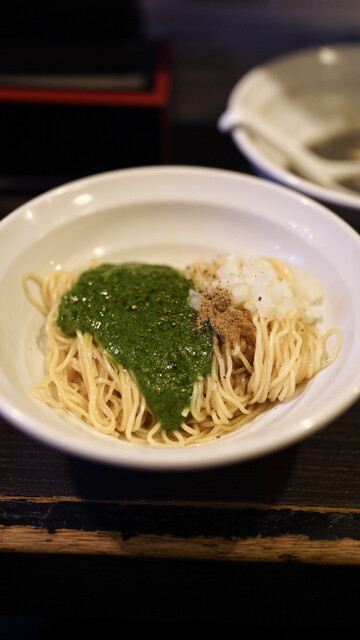
Fukutomicho feels like Yokohama after the office towers thin out: compact streets, late lights, and small rooms for people who know where they are going. Here, ramen shifts from station-front fuel to counter ritual, close to the cook, the stockpot, and the drinking culture that runs through Naka Ward after dark.
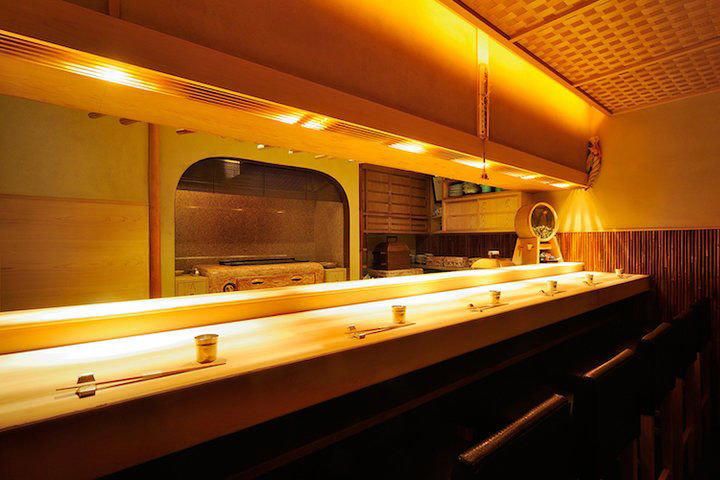
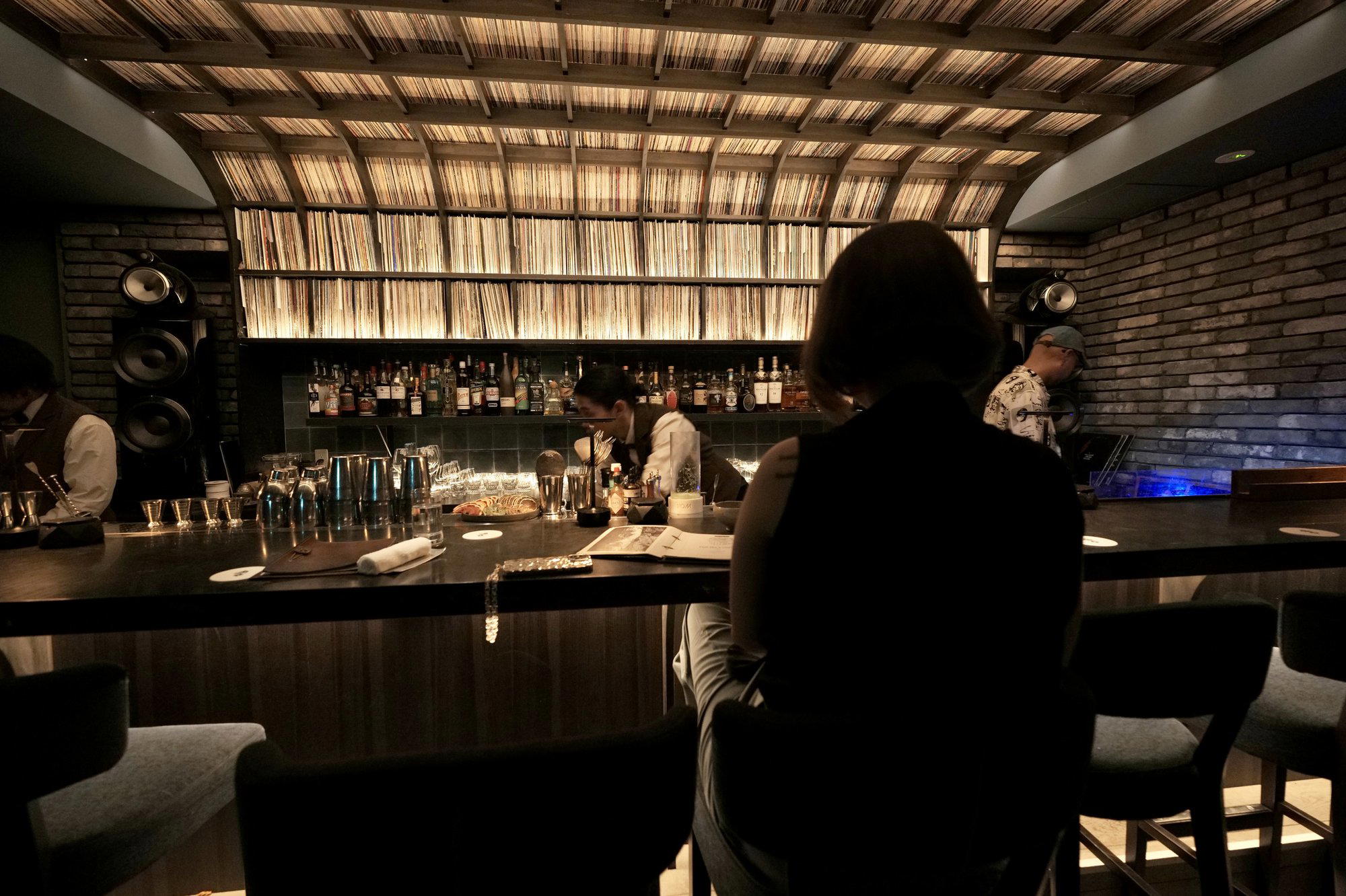
That frames Hetchikan Fukutomichou honten. Built around nine counter seats, the room leaves little to hide behind: no private rooms, sprawling menu theatre, or soft-focus luxury cues. Publicly listed as ramen, Japanese sake bar, and bar, it occupies a narrower Yokohama lane where bowl and glass are meant to be read together.
Ramen treated as a counter-format drinking culture
Kanagawa ramen is often mapped by convenience: near Yokohama Station, near Kannai, where the line is shorter. The sharper split is between volume shops and counter rooms that behave almost like compact kappo spaces. Hetchikan Fukutomichou honten sits in the latter camp. Its selection for Tabelog Ramen KANAGAWA “Tabelog 100” in 2024 and 2025, after Tabelog Ramen EAST selections from 2019 through 2023, gives it a measurable place in the prefecture’s ramen conversation, not just atmosphere.
Ingredient sourcing matters because ramen is extraction, balance, and restraint as much as abundance. Stock, tare, oils, noodles, and toppings all carry sourcing choices, even without a published producer roll call. Here, the sake-bar classification is the clearest public signal: the kitchen is not isolated from the drinking list. Nihonshu is part of the identity, rewarding diners who think about salt, aroma, and finish rather than portion size alone.
Yokohama’s wider restaurant scene offers contrast. A yakitori counter such as 1000 (Yakitori (Grilled chicken skewers)) places the ingredient argument on skewers and charcoal; Aichun and Ajowan reflect the city’s habit of absorbing outside foodways; Alpenjiro Honten shows how one dish category can become a destination. Ramen in Fukutomicho follows that Yokohama logic: casual genres are strongest when handled with obsessive limits.
Why the small room changes the value equation
The economics matter. Lunch is listed at JPY 1,000 to JPY 1,999, dinner at JPY 2,000 to JPY 2,999: above a basic sub-JPY 1,000 noodle stop, far below formal tasting-menu territory. In the supplied Yokohama comparison set, Menya Sakigakeboshi occupies the cheaper ramen bracket, Marumasara a similar low-to-mid casual range, and BAKE ROOM a higher spend band. Hetchikan Fukutomichou honten is priced like a specialist counter, not a white-tablecloth occasion.
Counter-only dining shapes timing and temperament. A nine-seat room suits solo diners and pairs comfortable with close quarters and a quick read of the room, not lingering groups or broad family celebrations. The sequence is focused: arrive, eat attentively, drink if the evening calls for it, and leave the seat for the next diner. Serious Japanese ramen culture often balances turnover and concentration without making the meal feel rushed.
Practical details fit that reading. Service runs in lunch and dinner windows through the week, and evening reservations are available only in the early part of dinner service. Payment is cash-only across cards, electronic money, and QR payments, so planning is simple but non-negotiable. The nearest station is Kannai; the address is in Fukutomicho Nakadori, Naka Ward, best folded into a Kannai or Sakuragicho evening rather than a cross-city detour for one bowl.
For a wider Yokohama itinerary, the surrounding editorial context extends beyond ramen. The city’s dining range can be scanned through Our full Yokohama restaurants guide, hotel planning through Our full Yokohama hotels guide. After dinner, drinking culture belongs in Our full Yokohama bars guide; wine-led planning, thinner in Yokohama than in Tokyo or Osaka, in Our full Yokohama wineries guide. For travelers building a port-city day rather than one reservation, Our full Yokohama experiences guide adds the non-restaurant layer.
How to read its place in Yokohama's food map
The strongest reason to pay attention is continuity. Repeated Tabelog 100 recognition across seven annual ramen lists, first in the EAST grouping and then in the KANAGAWA grouping, suggests a shop that stayed visible through changing award geography and a crowded noodle field. In Japan’s ramen culture, where openings can flare quickly, repeated selection matters more than one burst of attention.
The critique is clear. This is not for diners seeking broad hospitality, English-first handholding, or a long evening built around multiple rooms and pacing. It is a compact ramen-and-sake counter with a narrow brief. That narrowness is the appeal. Yokohama has bigger, louder, easier meals; sometimes the more rewarding move is the room where the format has been reduced to its working parts.
Beyond Yokohama, Japanese casual specialization travels in different directions: Anzen Shokudo in Fukuoka, (Shoku) Vietnam in Kawasaki, [Curry Senmon Ten] Maruyama Kyoju. in Sapporo, and -Grilled beef Sukiyaki- KAMAKURA TANUKIAN 鎌倉 たぬき庵 in Kamakura each show how a defined category can anchor a trip. Further afield. 鮪と炭火焼き うお炭 秋葉原店 in Tokyo.cafe in Osaka.know in Kumamoto, Jōdo Saké Bar in Los Angeles, and Onigiri Time in Pasadena make the same point from different angles: focused formats travel well when the sourcing logic is legible.
The restaurant belongs in a Yokohama plan for diners who treat ramen as craft, not filler between larger reservations. Its value lies in the collision of counter scale, sake culture, and repeated ramen recognition, in a neighbourhood where small rooms often carry the sharper local signal.
In Context: Similar Options
Comparable venues by category and price.
| Venue | Cuisine | Price | Notes |
|---|---|---|---|
| Hetchikan Fukutomichou hontenThis venue — the venue you are viewing | Ramen & Japanese Sake Bar | $$ | Not listed |
| Noge Highball | Japanese Highball Bar | $$ | Naka |
| Tachinomi Shokudo Ultra Suzuki | Tachinomi stand-up bar with yoshoku and bistro-style plates | $$ | Naka |
| Rishiri Ramen Miraku (利尻らーめん 味楽) | Rishiri-Style Yaki Shoyu Ramen | $ | Kohoku-Ku |
| Yakitori Midori | Yakitori Omakase | $$$ | Naka |
| Yukiguni | Miso Ramen | $$ | Izumi |
Recognition history
Dated appearances from independent guides and award organizations, with the underlying list record or original source where available.
Tabelog 100 #91 · No. 91
Tabelog · Tabelog 100 - Ramen - KANAGAWA - 2025









At a Glance
- Lively
- Cozy
- Solo
- After Work
- Casual Hangout
- Late Night
- Standalone
- Chefs Counter
- Sake Program
- Beer Program
Current opening hours
- Monday
- 11 AM–3 PM, 5–10 PM
- Tuesday
- 11 AM–3 PM, 5–10 PM
- Wednesday
- 11 AM–3 PM, 5–10 PM
- Thursday
- 11 AM–3 PM, 5–10 PM
- Friday
- 11 AM–3 PM, 5–10 PM
- Saturday
- 11 AM–3 PM, 5–10 PM
- Sunday
- 11 AM–3 PM, 5–10 PM
Hours can change for holidays and private events. Last verified .
An intimate nine-seat counter ramen bar that shifts into a sake-focused izakaya atmosphere at night, with a casual, lively feel typical of Kannai backstreets.