Our verdict
Rakuraku Udon occupies a specific tier within Osaka's udon scene, where everyday noodle culture and ingredient-led cooking converge. The city's deep relationship with wheat-based staples gives restaurants like this a context that high-end kaiseki counters cannot replicate. For visitors orienting themselves within Osaka's broader food culture, it sits within a category defined by accessibility and craft rather than ceremony.

Pearl is the En Primeur Club membership app, where members save venues, book tables and use the concierge.
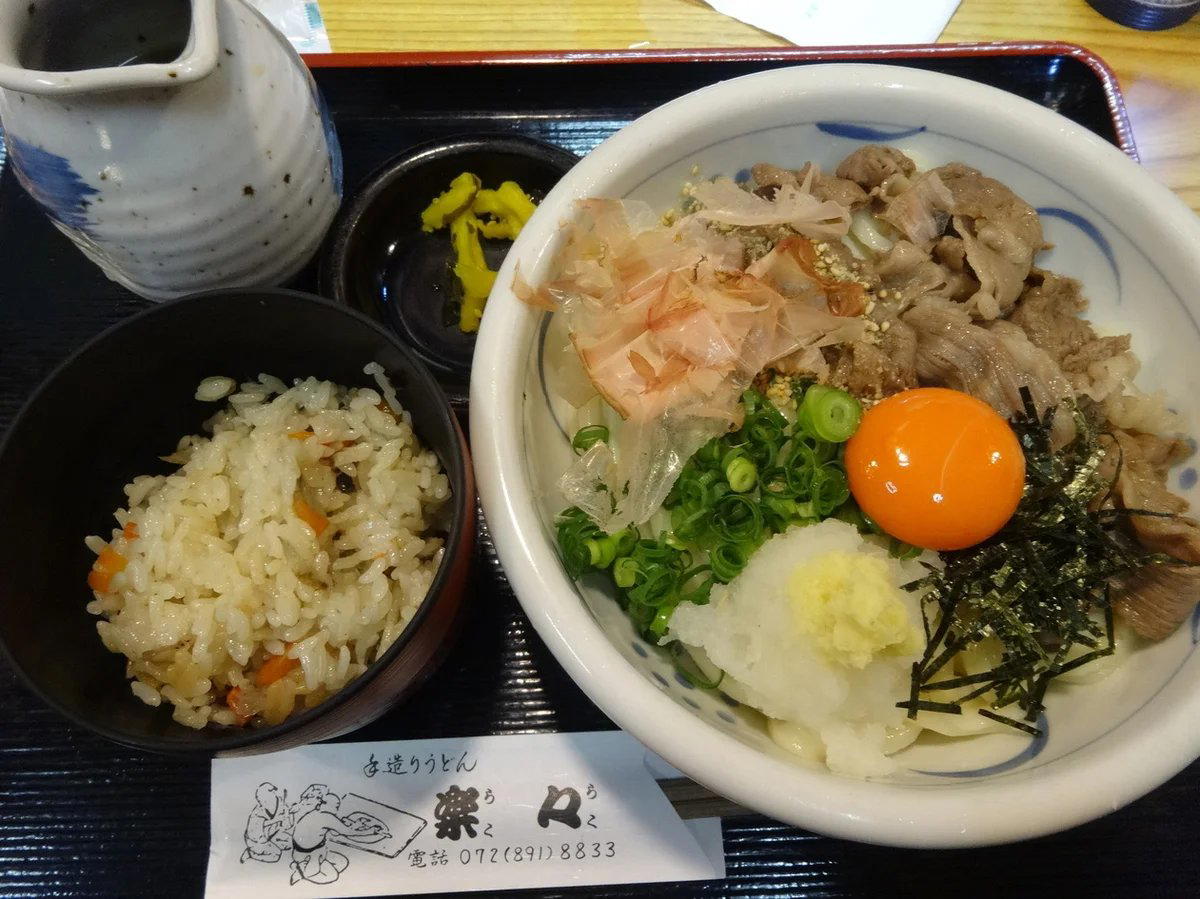
The menu
What to order
- Beef bukkake udon
- Tempura udon
Udon in Osaka: The Noodle Culture That Predates the Tasting Menu
Osaka has always separated itself from Tokyo and Kyoto on the question of daily eating. Where Kyoto built its identity around ceremony and kaiseki restraint, and Tokyo around the relentless formalization of every culinary category, Osaka kept a different priority: the pleasure of eating well without performance. That philosophy runs through every segment of the city's food culture, from the takoyaki stalls of Dotonbori to the long-established udon shops that serve the city's working population before the tourists arrive. Rakuraku Udon sits within that second tradition, a category that outsiders frequently skip in favour of Osaka's decorated fine-dining tier but that locals treat as the foundation of the city's culinary identity.
Udon, particularly in the Kansai region, has its own internal hierarchy. The broth style here leans toward a lighter, dashi-forward base, distinct from the darker, soy-heavy broths common in eastern Japan. This regional divide is not a marketing point, it reflects centuries of ingredient availability, fishing culture, and local taste that have calcified into convention. A Kansai udon shop is measured against other Kansai udon shops, not against the richer preparations found in Kagawa, the prefecture that claims the most zealous udon identity in the country. Rakuraku Udon operates within that Osaka-Kansai frame, where the quality of kombu-derived dashi and the texture of hand-cut noodles carry more weight than the volume of soy in the tare.
Where Everyday Craft Meets Environmental Consideration
The question of sustainability in Japanese noodle shops is rarely framed the way it is in Western fine dining, where zero-waste menus and carbon-offset sourcing appear as explicit selling points. In traditional Japanese food culture, the concept of mottainai, a deep aversion to waste, has shaped kitchen practice for generations without requiring a marketing label. Kombu and katsuobushi, the two primary dashi components, are typically used in secondary preparations after their initial extraction. Vegetable trim informs other components of a set meal. Portion calibration in Japanese noodle shops tends toward precision rather than excess, which structurally reduces food waste at the point of service.
This context matters when assessing any established Osaka udon shop. The category has never required the farm-to-table vocabulary that European and American restaurants have adopted to signal ethical intent, because the underlying kitchen logic was already aligned with those values. A shop that sources its wheat regionally, uses seasonal toppings tied to what is actually available, and minimises single-use materials in its service format is not making a conscious sustainability statement in the Western sense, it is operating within a tradition that never departed from those practices in the first place. Rakuraku Udon, as an Osaka udon establishment, sits within that inherited framework.
Osaka's Food Spectrum: From Decorated Counters to Daily Noodles
Understanding where an udon shop fits within Osaka's dining ecosystem requires some orientation across price tiers. At the upper end, Osaka carries serious fine-dining weight. HAJIME and La Cime both operate at the ¥¥¥¥ tier with French and innovative frameworks. Taian and Kashiwaya Osaka Senriyama anchor the kaiseki segment at ¥¥¥, where multi-course seasonal menus reflect the Kansai tradition of disciplined, produce-led cooking. Fujiya 1935 pushes the innovative format at ¥¥¥¥ with a more experimental approach.
The udon category occupies a different position entirely. It is not competing with those venues for the same occasion, it serves a separate eating moment, one defined by speed, accessibility, and a different kind of craft assessment. Where a kaiseki counter is judged on knife work, seasonal calibration, and the arc of a multi-course progression, a udon shop is judged on broth clarity, noodle consistency, and the precision of its simplicity. These are not lesser standards; they are different ones. Visitors who approach Rakuraku Udon expecting a kaiseki experience will misread it. Those who understand what the category offers will find a form of cooking where there is almost nowhere to hide, a too-soft noodle or a cloudy broth is immediately legible in a way that a slightly under-seasoned sauce in a complex tasting menu is not.
The Broader Kansai Noodle Map
Osaka's position within the Kansai region means it sits in close proximity to other strong noodle traditions. Kyoto's Gion Sasaki represents the kaiseki pole, while Nara's akordu shows how the region is absorbing European influence within its food culture. Further afield, Goh in Fukuoka illustrates how Kyushu-based chefs are reworking Japanese fine dining. For Tokyo comparisons at the opposite end of the formality spectrum, Harutaka represents the capital's high-precision omakase tier. These reference points are useful not because Rakuraku Udon competes with any of them, but because they frame the variety of serious food experiences available across Japan's main island chain. Across a multi-city Japan itinerary, an Osaka udon shop serves as a different kind of anchor point than any of these venues can provide.
For readers building a broader Japan itinerary, our guides covering restaurants in Nanao, Sapporo, Takashima, Nishikawa Machi, and Sakai offer additional regional depth. International context for this kind of ingredient-led, low-ceremony cooking can be found through venues like Bistro Ange in Toyohashi, while for reference on what serious culinary precision looks like at the opposite end of the formality scale, Le Bernardin in New York and Atomix in New York provide useful comparative anchors.
Planning a Visit
Udon shops in Osaka generally operate on a walk-in model, with peak service falling around midday and early evening. The EP Club Osaka city guide provides broader orientation on neighbourhoods, timing, and how to structure a food itinerary across the city's different dining tiers. For a city as layered as Osaka, treating the udon category as a deliberate part of an itinerary rather than an afterthought tends to produce a more honest reading of what makes this city's food culture worth the journey.
Frequently asked questions
How does an Osaka udon shop like Rakuraku Udon compare to higher-end options in the city?
Osaka carries several Michelin-recognised counters at the upper end of its dining spectrum, but the udon tradition operates in a deliberately separate register, lower price point, faster service, and a focus on daily craft rather than theatrical presentation. Rakuraku Udon sits within that everyday category in Osaka, making it a practical midday anchor within a multi-venue itinerary that might also include a formal kappo or kaiseki dinner. The two ends of Osaka's food spectrum are complementary rather than competing.
What's the signature dish at Rakuraku Udon?
Across Osaka's udon category, the house dashi, typically a kombu and katsuobushi base, is the defining variable that separates one shop from another. The noodle calibre and broth clarity are the two benchmarks by which regulars judge any shop in this tradition.
Should I book Rakuraku Udon in advance?
Udon shops in Osaka operate almost exclusively on a walk-in model, with peak queues forming around midday and early evening. Arriving slightly before or after the lunch rush is the standard approach for avoiding a wait.
What is Rakuraku Udon known for?
Rakuraku Udon is associated with Osaka's everyday udon tradition, where dashi quality and noodle texture take priority over formal dining convention. Osaka has long separated itself from Kyoto's ceremony-driven food culture by centring accessible, craft-focused noodle eating as a daily practice. That positions Rakuraku Udon within a category where the bowl itself carries the argument, not the setting or the price tier.
A Minimal comparable set
Comparable venues nearby, for context on price, style, and recognition.
| Venue | Cuisine | Price | Awards | Notes |
|---|---|---|---|---|
| Rakuraku UdonThis venue (the venue you are viewing) | Handmade Udon | $10–20 | Not listed | Not listed |
| Yakitori Shokudo | Yakitori & Izakaya | $30–50 | Tabelog 100 #62 | Kita, Yakitori & Izakaya |
| Onomichi Murakami | Japanese Teppan-Yaki / Okonomiyaki | $30–50 | Tabelog 100 #36 | Kita, Japanese Teppan-Yaki / Okonomiyaki |
| Watanabe Curry Umeda honten | Japanese–Sri Lankan Curry House | $10–20 | Tabelog 100 #6 | Kita, Japanese–Sri Lankan Curry House |
| Tsukiro | Japanese Udon | $1–10 | Tabelog 100 #83 | Nishinari, Japanese Udon |
| Yuiga Dokuson | Japanese Curry & Cafe | $10–20 | Tabelog 100 #51 | Kishiwada, Japanese Curry & Cafe |
Continue exploring
More in Osaka
Restaurants in Osaka
All restaurants in Osaka →

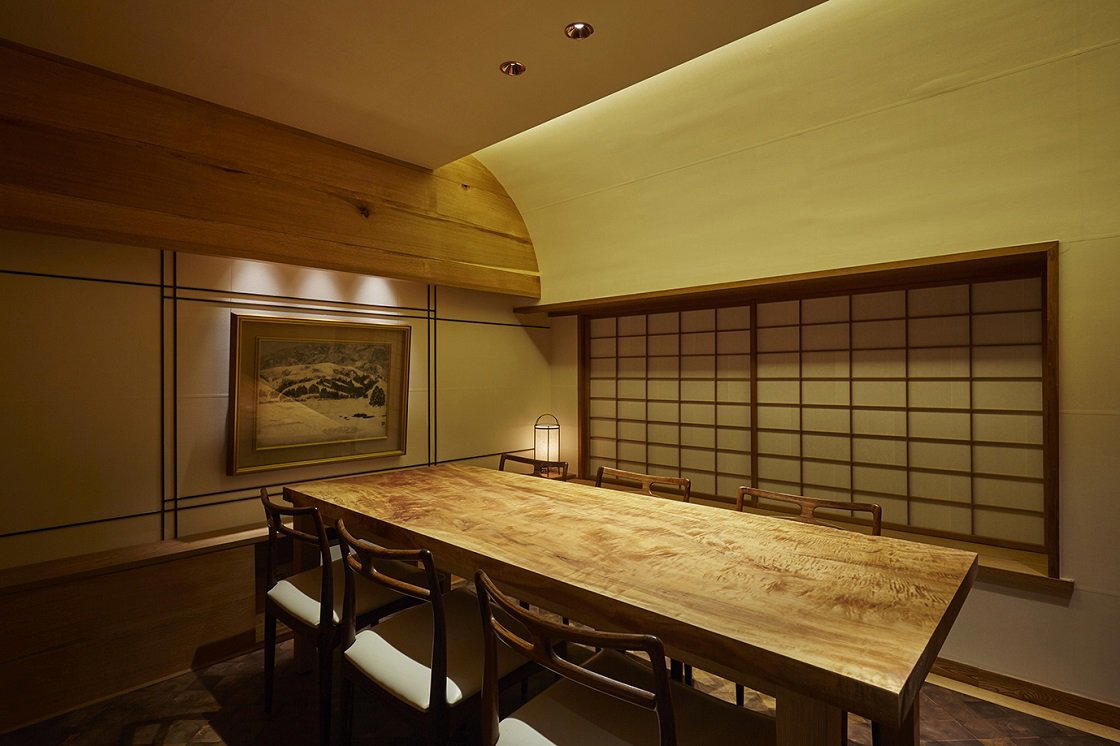
Bars in Osaka
All bars in Osaka →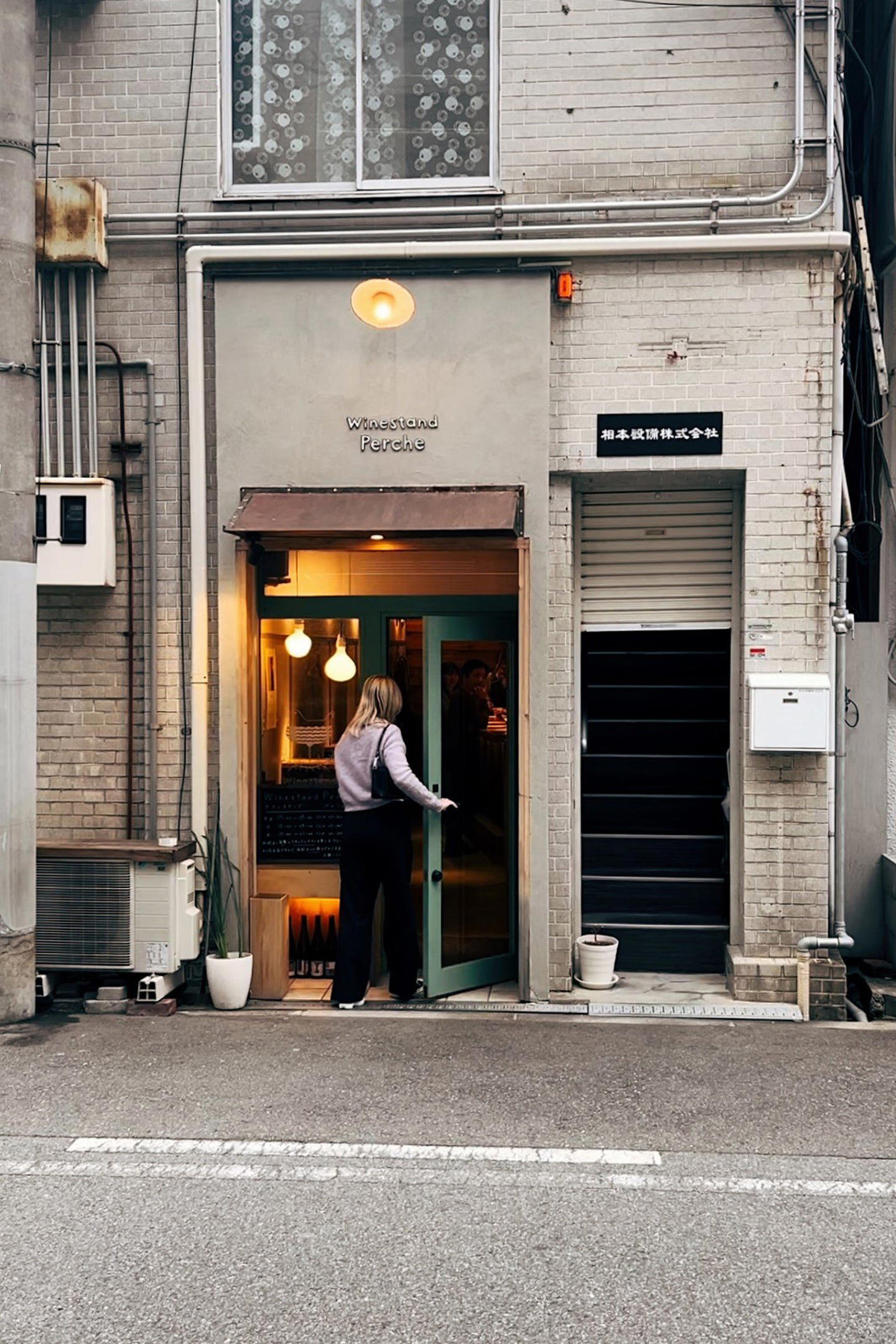

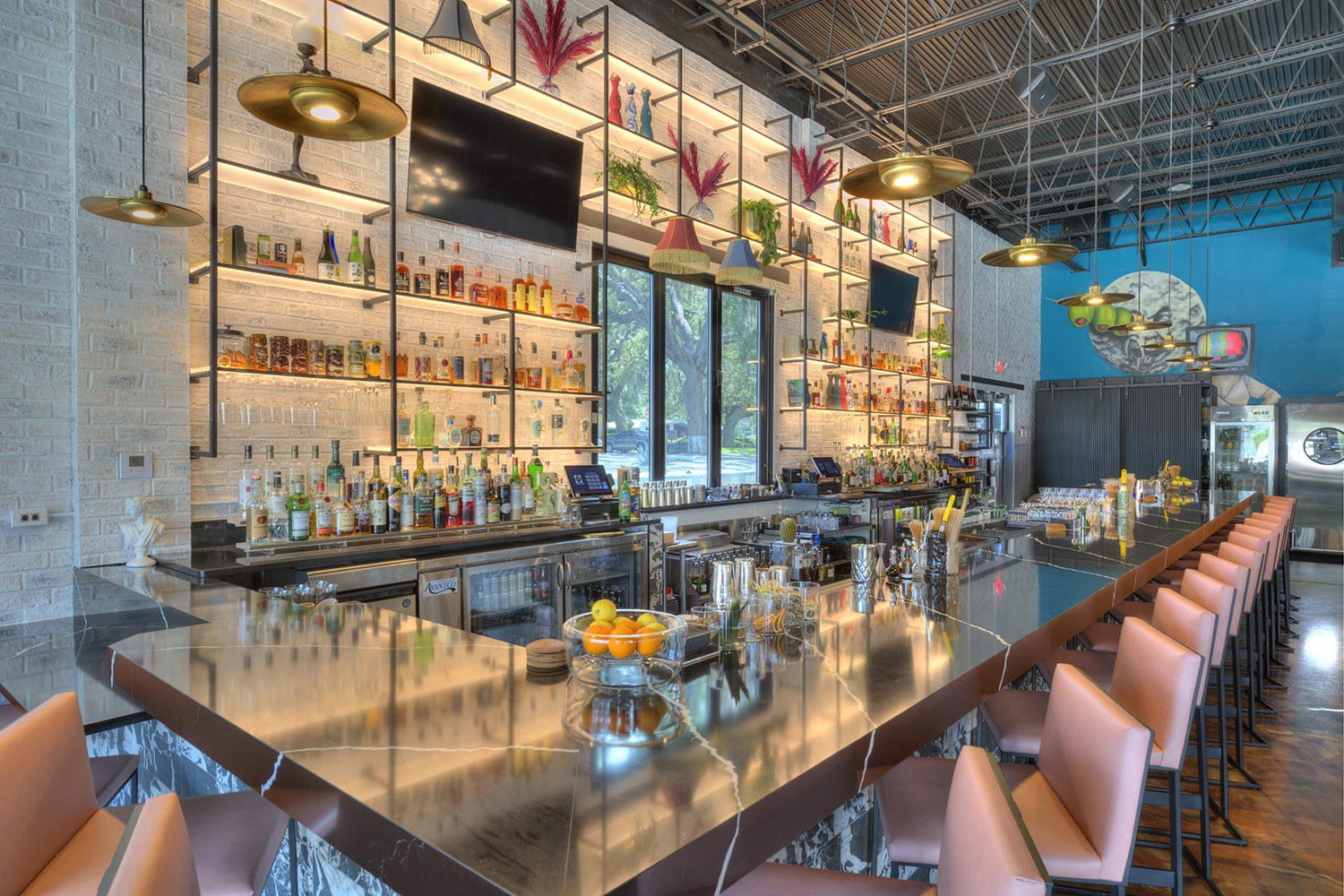
Hotels in Osaka
All hotels in Osaka →


Wineries in Osaka
Browse all →
Details
- Cozy
- Casual Hangout
- A La Carte
- Counter Dining
Casual neighborhood spot with counter and table seating in a residential area.