Our verdict
Taverna San Trovaso occupies a quiet stretch of the Dorsoduro sestiere, a neighbourhood where working boatyards and neighbourhood wine bars have historically coexisted with little interest in tourist traffic. The kitchen draws on the Venetian bacaro tradition, placing it in a tier of local trattorie defined by cicchetti, regional wine, and a dining room that functions as much for residents as for visitors.

Pearl is the En Primeur Club membership app, where members save venues, book tables and use the concierge.

The menu
What to order
- Spaghetti alle vongole
- Spaghetti allo Scoglio
- Fritto misto di pesce
- Fegato alla Veneziana
Dorsoduro and the Trattoria Tradition
Venice's dining scene has always been stratified in a way that other Italian cities are not. The lagoon city runs two parallel economies: one built around the high-end hotel restaurants and Michelin-tracked tables that line up along the Grand Canal, places like Glam Restaurant by Enrico Bartolini, Oro Restaurant, and Ristorante Quadri, and another built on neighbourhood trattorie that have existed in the same calli for generations, largely indifferent to the first economy's incentives. Taverna San Trovaso belongs firmly to the second category. It sits in the Dorsoduro sestiere, on Calle Contarini Corfù, a narrow passage in a part of the city where the Squero di San Trovaso boatyard has been building and repairing gondolas since the seventeenth century. The neighbourhood retains a density of year-round residents that parts of Venice closer to San Marco have long since lost, and that residential character shapes what is expected of a restaurant here.
The Bacaro Logic and What It Means at the Table
The bacaro is Venice's foundational food-and-drink institution: a wine-pouring bar where cicchetti (small bread-topped snacks or fried morsels) serve as both social ritual and light meal. The trattoria model that places like Taverna San Trovaso represent extends that logic into a sit-down format, where the emphasis remains on accessibility, regional produce, and wine poured by the glass or carafe rather than by the bottle at formal markup. Across Venice's €€€ tier, a category that also includes Osteria alle Testiere and Corte Sconta, the distinction from the €€€€ fine-dining bracket is less about quality than about intent. These are rooms where the goal is a reliable Venetian meal, not a tasting menu experience.
Venetian cuisine at this tier is largely defined by what the lagoon and the surrounding waters supply: sarde in saor (sardines marinated with onion, vinegar, pine nuts, and raisins in a preparation with Moorish roots), baccalà mantecato (salt cod whipped with olive oil to a mousse-like consistency), risi e bisi in spring, and seppie al nero when cuttlefish is in season. These are not dishes that travel well to reinvention; their integrity depends on proportion and sourcing. At neighbourhood trattorie in Dorsoduro, the kitchen's standing is measured by fidelity to those proportions rather than by departure from them. For readers comparing this tier to Italy's more formally ambitious tables, from Osteria Francescana in Modena to Le Calandre in Rubano, the frame of reference should shift entirely: tradition is the point, not the starting point.
Wine in a City That Drinks From the Carafe
Venice sits at the intersection of three significant wine-producing regions: the Veneto to the west, Friuli-Venezia Giulia to the northeast, and, within reach, the Alto Adige further north. That geography gives neighbourhood osterie and trattorie access to a range of wines that rarely appear on export markets at any price: single-vineyard Soave from growers who bottle less than ten thousand cases, Ribolla Gialla from Friuli producers who sell primarily to local restaurants, and Valpolicella in its lighter ripasso expressions rather than the oak-heavy Amarone bottlings that international buyers favour. At the bacaro-trattoria tier, the carafe, the mezzo or the quarto, functions as the primary service format, drawn from local producers whose names may not register outside the Veneto but whose wines are matched precisely to the saline, iodine-edged flavours that define Venetian cooking.
This is the editorial angle that separates a Dorsoduro trattoria from, say, Enoteca Pinchiorri in Florence, which holds one of Italy's most catalogued cellars and prices against international collector benchmarks. The wine list at a trattoria like Taverna San Trovaso operates on entirely different logic: regionality, pour-by-the-glass accessibility, and a short selection that turns over quickly because the room is consistently occupied. That consistency of custom is itself a trust signal in Venice, where restaurants without a local clientele tend to drift toward the tourist-menu format. Readers planning wine-focused evenings at a higher price point should also consider Local or Wistèria, both of which operate with more formal wine programs within Venice's contemporary tier.
Approaching the Campo and What You Find There
The approach to Taverna San Trovaso from the Accademia vaporetto stop takes roughly five minutes on foot through the Dorsoduro interior, a walk that passes the Gallerie dell'Accademia and then moves into progressively quieter streets as the tourist density thins. The Campo San Trovaso itself opens onto the boatyard, one of only two surviving gondola workshops in Venice, and the visual grammar of the neighbourhood, low facades, a canal cutting alongside working timber frames, sets a tone that is entirely at odds with the marble-and-chandelier rooms of the hotel dining tier. The physical context matters: this is a part of Venice that has retained functional daily life in a city where that is genuinely uncommon.
In practical terms, the Dorsoduro location places Taverna San Trovaso within walking distance of several of Venice's significant cultural institutions, making it a natural lunch or early dinner option for visitors covering the Accademia or the Peggy Guggenheim Collection. Reservations at neighbourhood trattorie in this category are worth making, particularly in high season (late spring through early autumn) and during Carnevale, when even the local tier sees pressure from visitor volumes. Walk-ins at midday remain more likely than at dinner during peak periods.
How It Sits in the Wider Italian Dining Map
For EP Club readers who spend time across Italy's serious restaurant circuit, at Dal Pescatore in Runate, Uliassi in Senigallia, Piazza Duomo in Alba, or Reale in Castel di Sangro, a Dorsoduro trattoria represents the complementary register rather than a lesser one. The argument for including both in a Venice itinerary is not about contrast for its own sake; it is that Venetian cuisine, at its more formal expressions, draws directly from the same lagoon-anchored repertoire that neighbourhood kitchens have maintained without interruption. Understanding one informs the other. Italy's most ambitious chefs, including those whose work appears in our Brunico and Marina del Cantone features, frequently cite the trattoria tradition as the foundational grammar their contemporary work is written against.
For context on where Taverna San Trovaso fits within Venice's full range, our full Venice restaurants guide maps the city's dining options from neighbourhood trattorie through to the formal tasting-menu tier. Readers comparing across international seafood programs will find additional reference in our coverage of Le Bernardin in New York City and Atomix, both of which occupy a different tier entirely but share the same underlying principle: that a kitchen's authority is measured by how specifically it knows its own tradition, and how consistently it delivers on that knowledge. At the neighbourhood trattoria level in Dorsoduro, that consistency, season after season, is the credential that matters most.
Planning Your Visit
Taverna San Trovaso is located at Calle Contarini Corfù 1016, in the Dorsoduro sestiere. The closest vaporetto stop is Accademia (lines 1 and 2), from which the restaurant is reachable on foot in approximately five to seven minutes. Visiting in the shoulder season, October through November, or February outside Carnevale, reduces competition for tables and brings the neighbourhood closer to the quieter register that defines its daily character.
Frequently asked questions
What's the must-try dish at Taverna San Trovaso?
Is Taverna San Trovaso reservation-only?
What's the standout thing about Taverna San Trovaso?
How does Taverna San Trovaso compare to other wine-focused dining options in Venice?
A Credentials Check
Comparable venues nearby, for context on price, style, and recognition.
| Venue | Cuisine | Price | Notes |
|---|---|---|---|
| Taverna San TrovasoThis venue (the venue you are viewing) | Authentic Venetian Seafood Trattoria | $20–30 | Not listed |
| Rossopomodoro | Neapolitan Pizza | $20–30 | San Marco |
| Pier Dickens | Italian Pizza & Pasta | $20–30 | Dorsoduro |
| Osottoosopra | Venetian Italian Seafood | $50–100 | Santa Croce |
| La Patatina di San Giacomo | Italian Pizza and Seafood with Vegan Options | $30–50 | Santa Croce |
| Osteria Ai Promessi Sposi | Authentic Venetian Seafood Osteria | $30–50 | Santa Croce |
Continue exploring
More in Venice
Restaurants in Venice
All restaurants in Venice →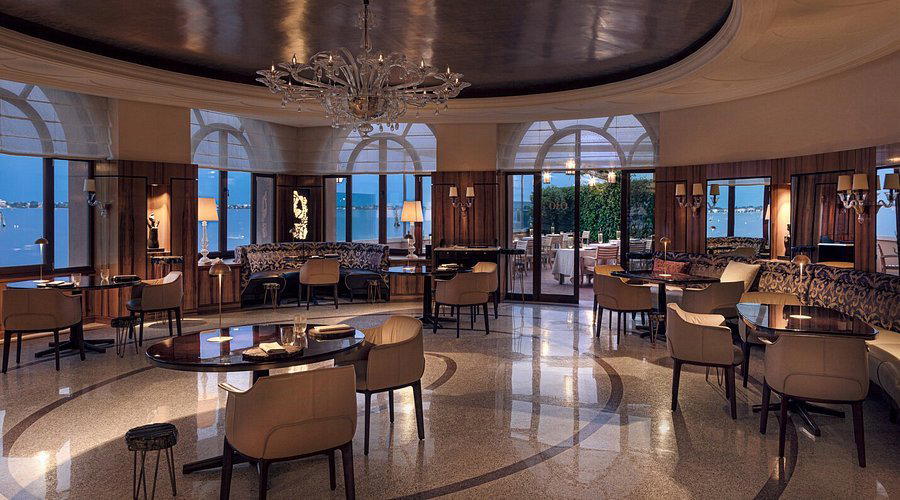
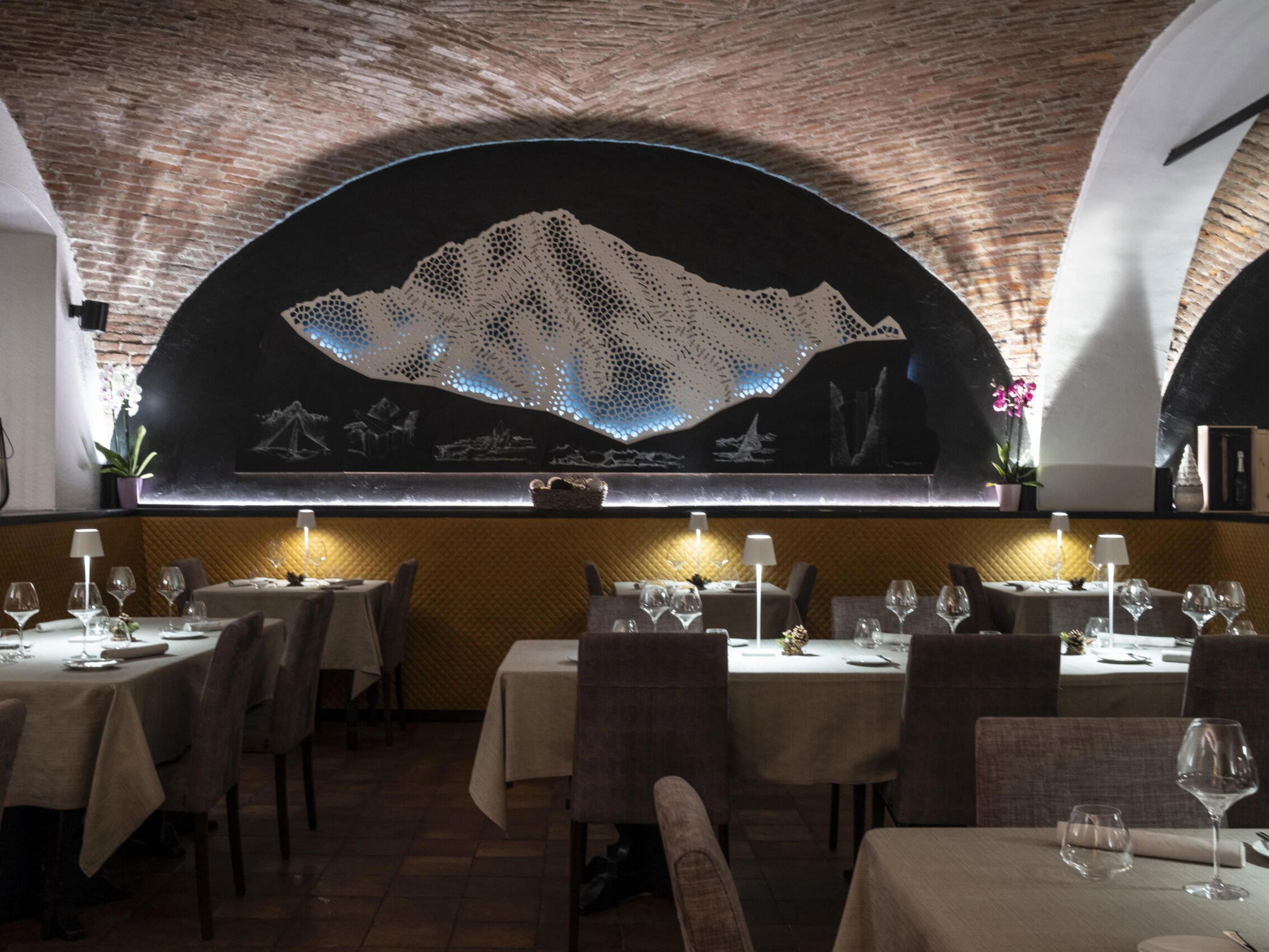
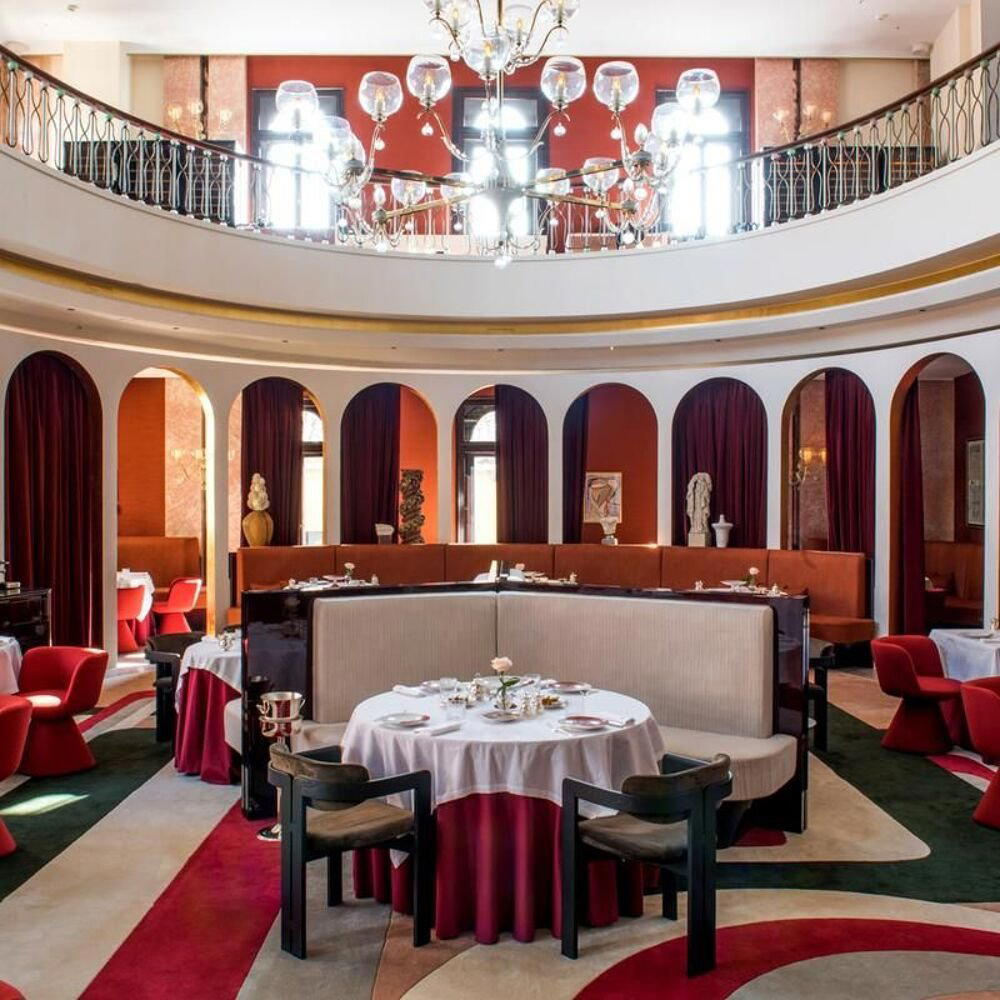
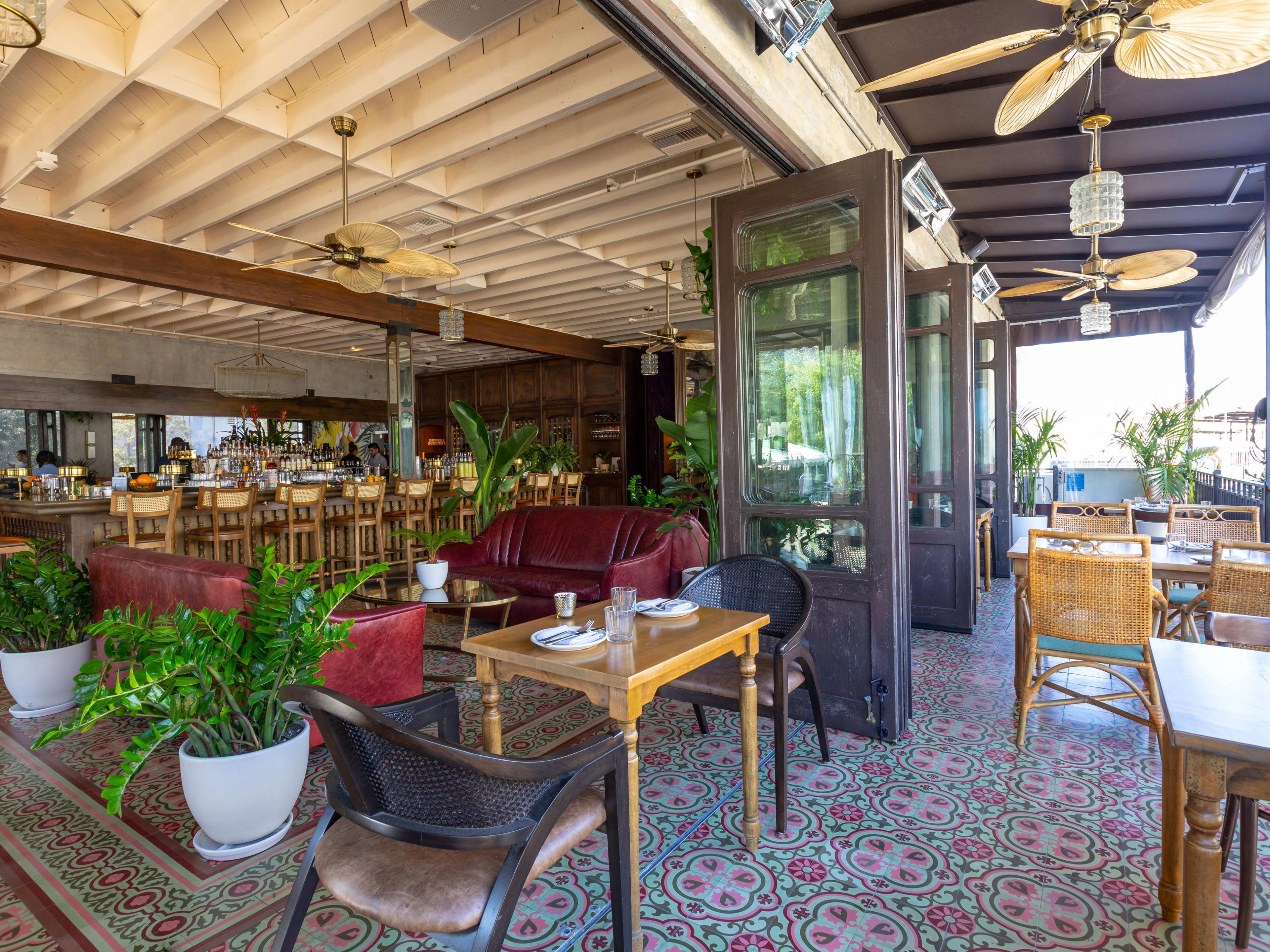
Bars in Venice
All bars in Venice →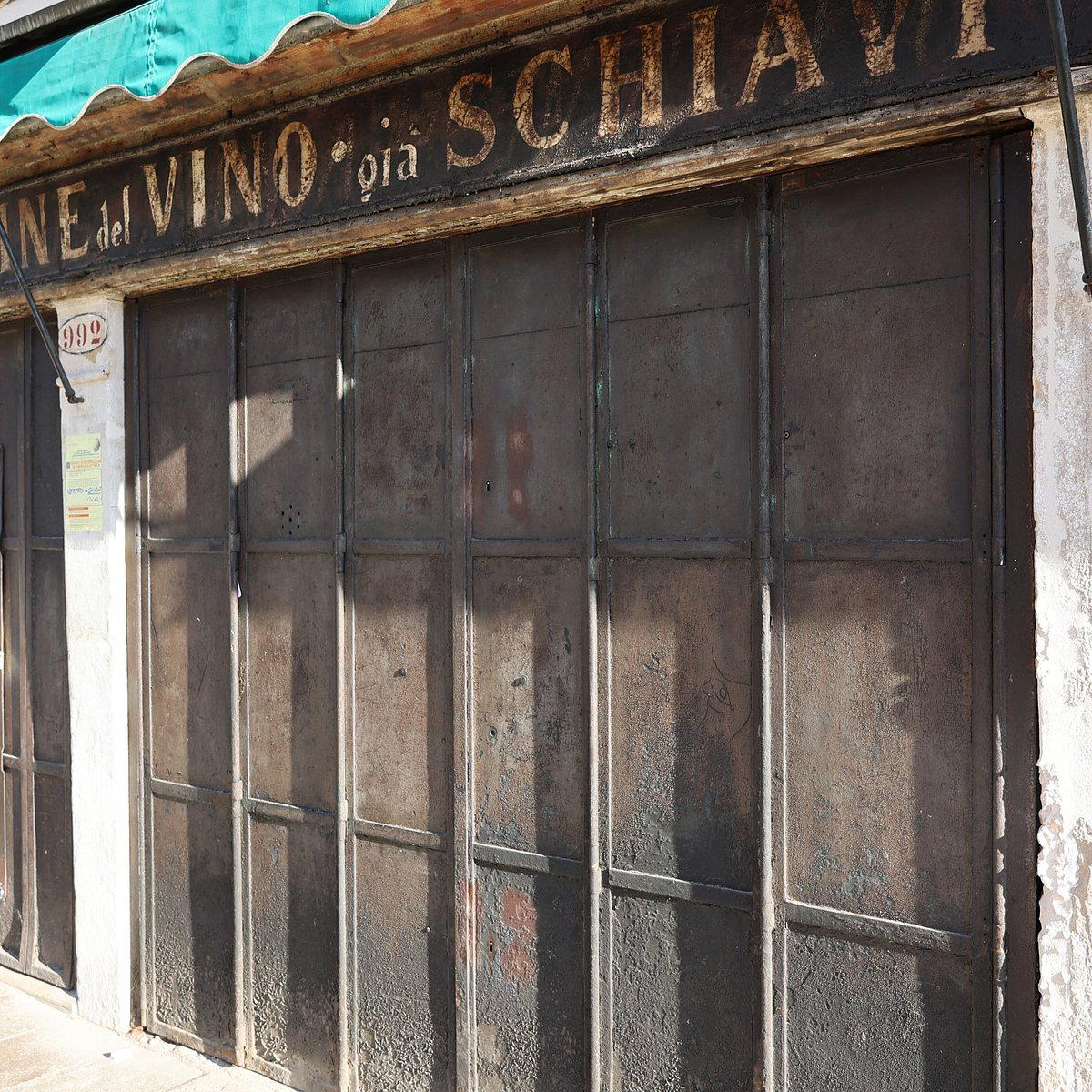
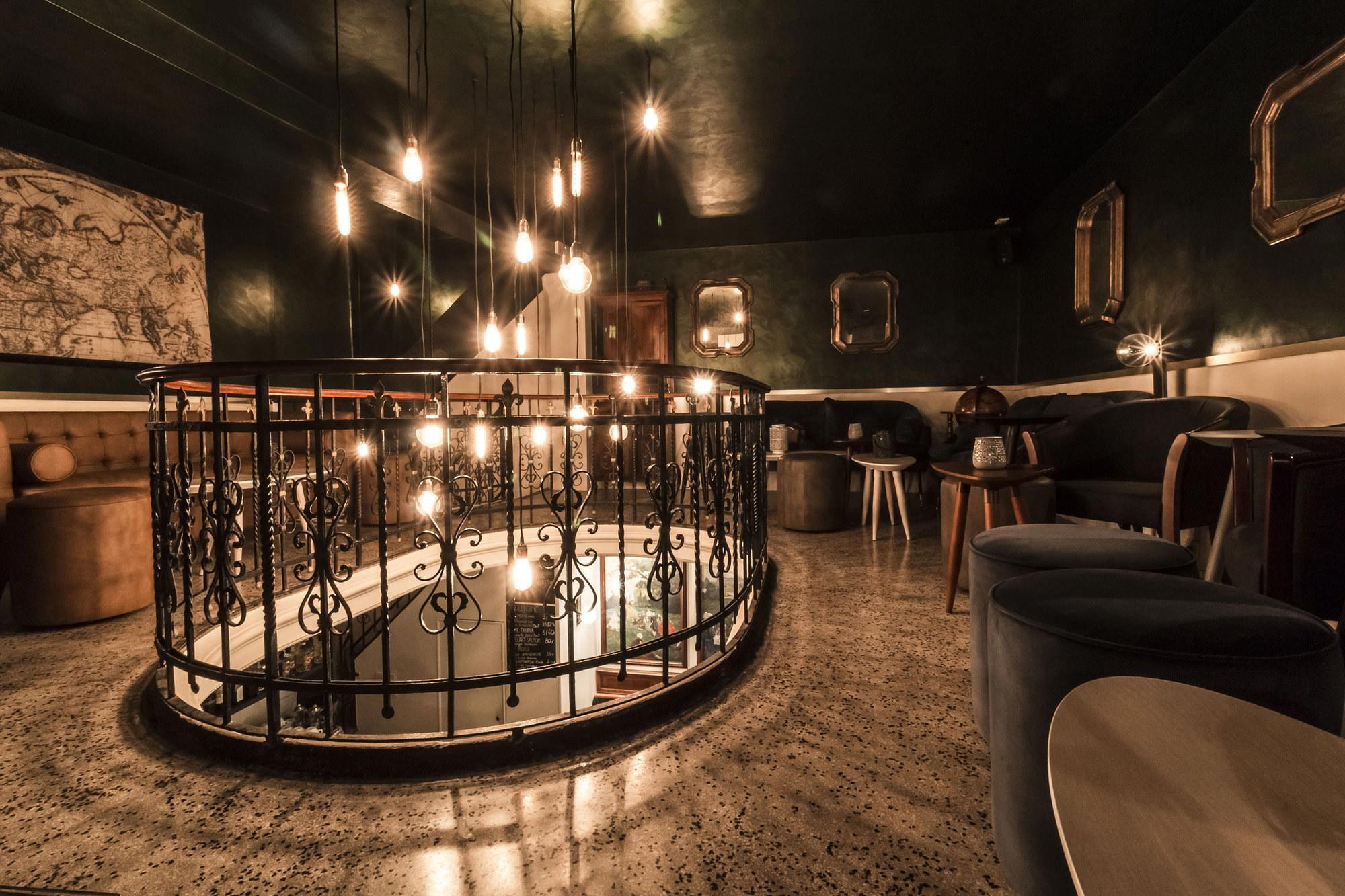
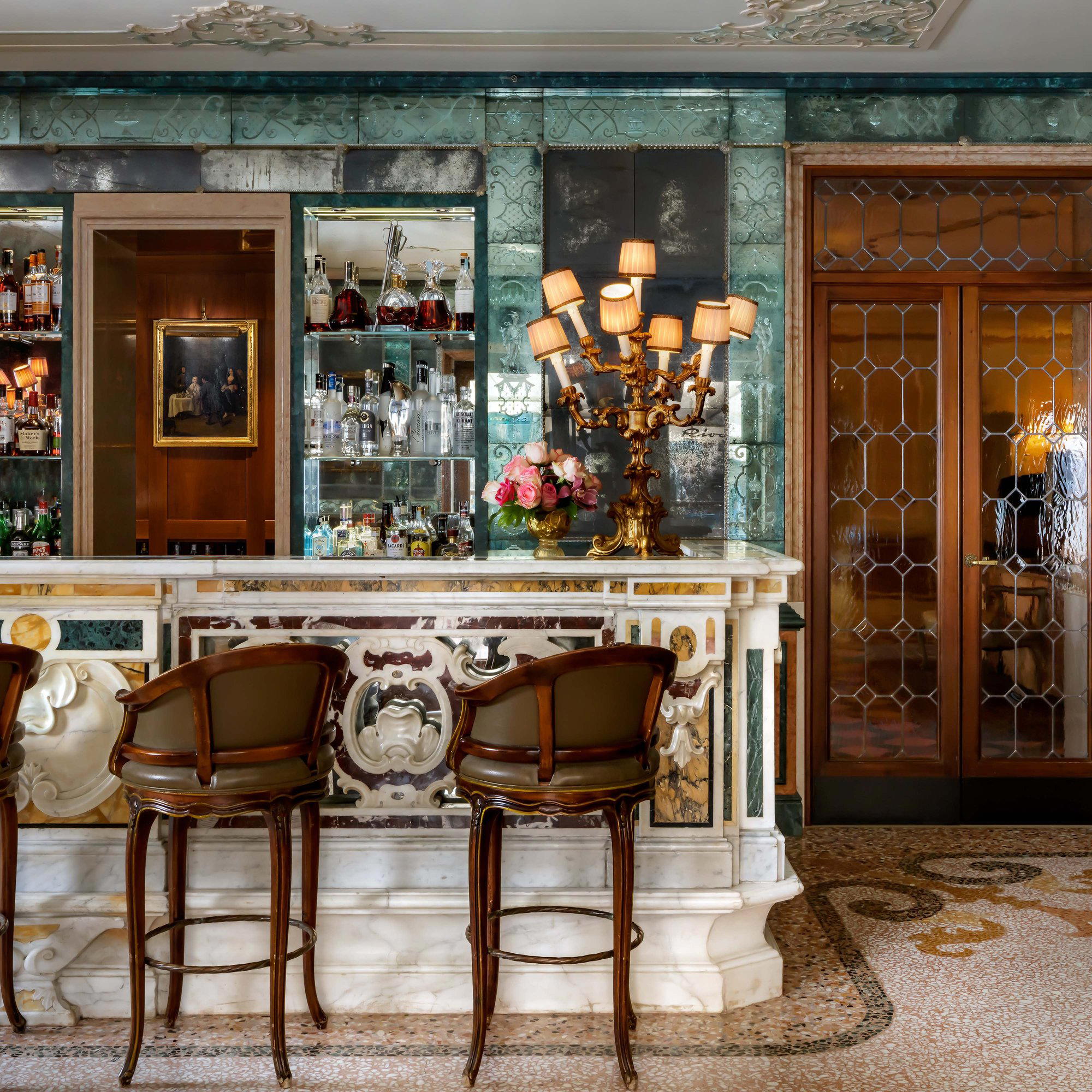

Details
- Cozy
- Rustic
- Classic
- Casual Hangout
- Family
- Historic Building
- A La Carte
- Vegetarian Friendly
- Gluten Free Options
- Vegan Options
Current opening hours
- Monday
- 12–2:45 PM, 7–9:45 PM
- Tuesday
- 12–2:45 PM, 7–9:45 PM
- Wednesday
- 12–2:45 PM, 7–9:45 PM
- Thursday
- 12–2:45 PM, 7–9:45 PM
- Friday
- 12–2:45 PM, 7–9:45 PM
- Saturday
- 12–2:45 PM, 7–9:45 PM
- Sunday
- Closed
Hours can change for holidays and private events. Hours as of .
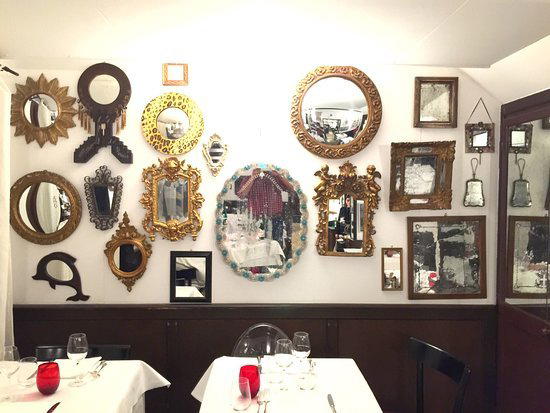
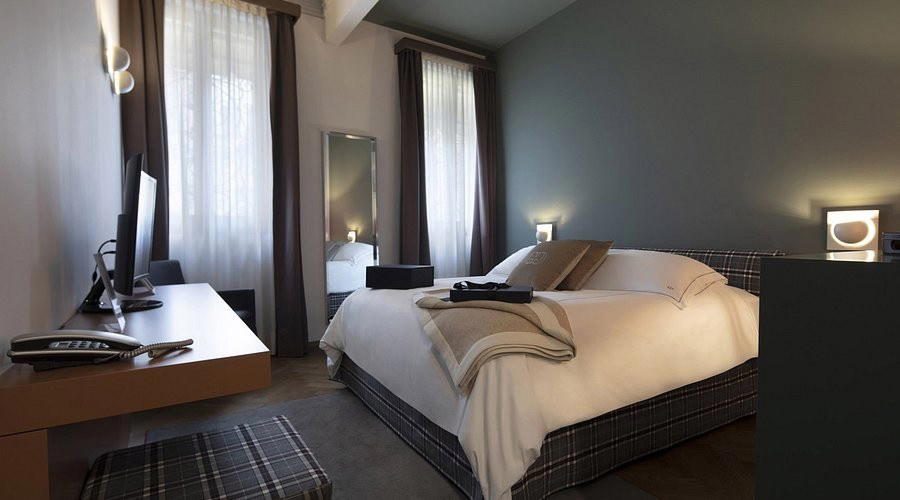
Warm woody decor with a cozy, authentic Venetian feel and bright lighting.