
Michelin Plate
Our verdict
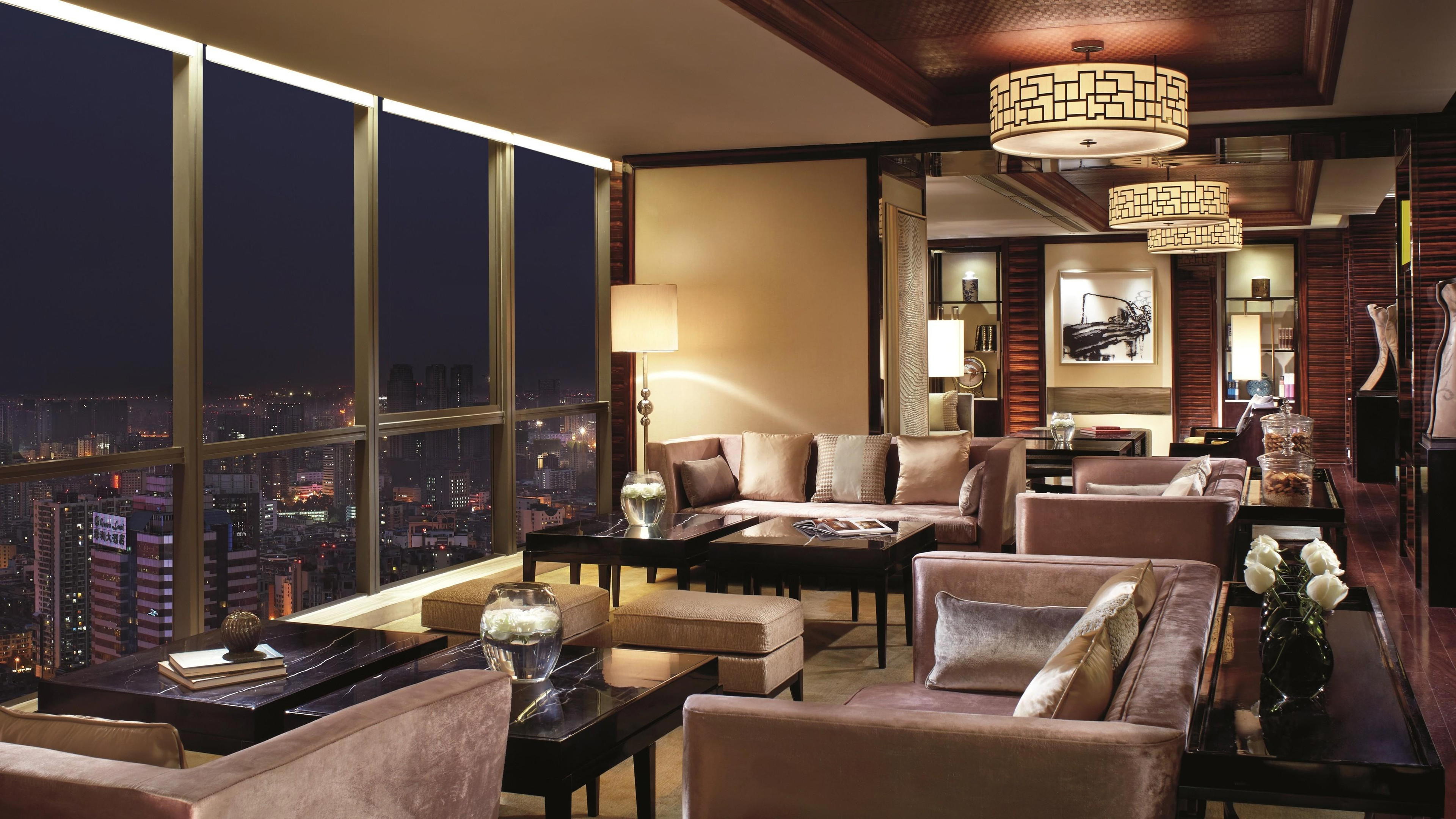
Tucked into the Origin Zone on Qunyi Road in Qingyang, Qie Fang Xiang sits at the calmer end of Chengdu's home-style Sichuanese dining scene. A wood-rich interior with stylised Chinese motifs and a terrace that absorbs city noise frame a kitchen focused on street food and domestic classics, from silky Xipu silver carp with garlic to braised pork balls stuffed with salted egg yolks.

Pearl is the En Primeur Club membership app, where members save venues, book tables and use the concierge.
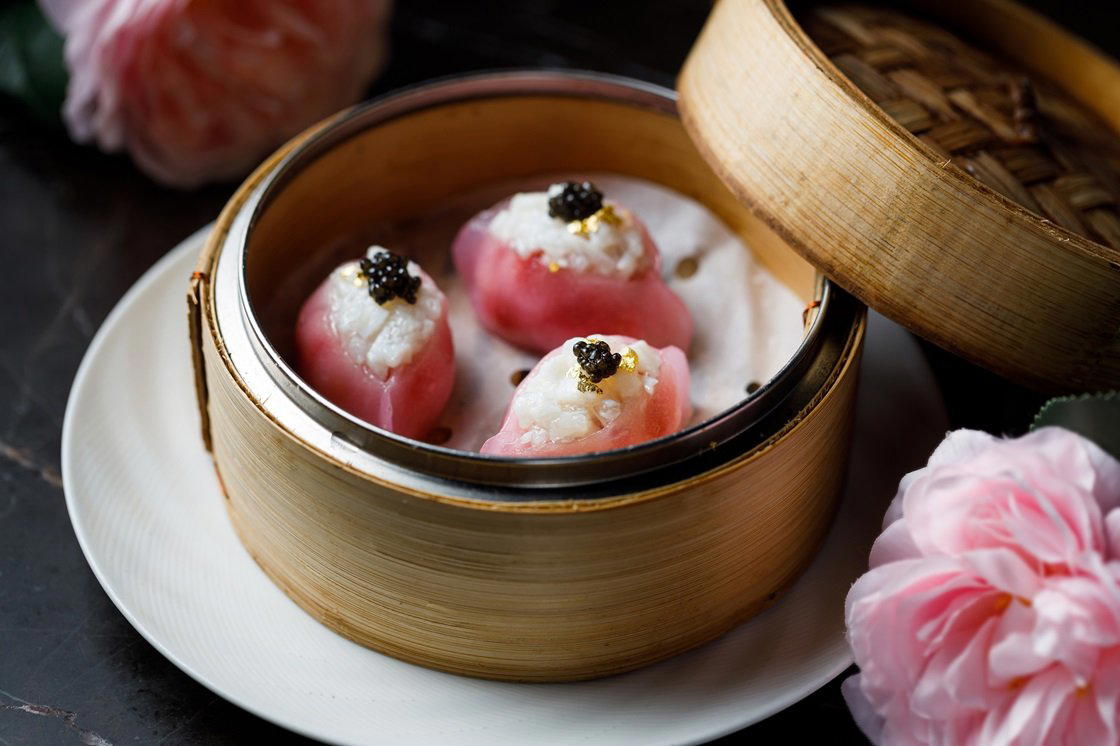
The menu
What to order
- Xibu silver carp with garlic
- Braised pork balls with salted egg yolks
Wood, Stone, and the Architecture of Domestic Sichuan
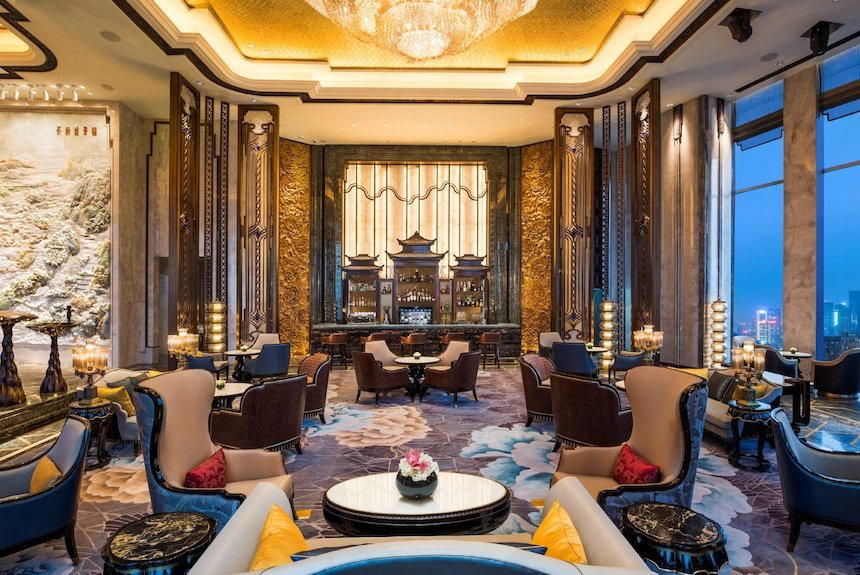
Chengdu's dining scene has long operated on two parallel tracks: the theatrical, chilli-forward showmanship aimed at visitors arriving with a checklist, and the quieter, more considered strand of home-style cooking that the city's own residents return to on weeknights and family occasions. Qie Fang Xiang, positioned in the Origin Zone on Qunyi Road in Qingyang, belongs firmly to the second category. The terrace faces the kind of Chengdu street where the noise is constant but not aggressive, and it functions as a decompression chamber between the city and the interior. Inside, the wood-rich fitout uses stylised Chinese motifs with enough restraint to feel atmospheric rather than decorative. The physical environment is doing deliberate editorial work: this is a room that signals comfort and seriousness before a dish has arrived.
That signal matters in a city where the dining room aesthetic often runs ahead of the kitchen. Chengdu has more restaurants per capita than almost any comparable Chinese city, and the competition for regulars, the guests who return rather than the tourists who visit once, is fierce. Spaces that hold together visually and gastronomically occupy a specific and valued position in that market.
How the Menu is Organised, and What It Tells You
The kitchen at Qie Fang Xiang works from a menu architecture that prioritises legibility over ambition. This is not the progressive tasting-format approach that has migrated from European fine dining into parts of Chinese restaurant culture, as seen at places like Yu Zhi Lan in Chengdu's upper tier. Nor does it attempt the cross-regional synthesis that defines restaurants like Xin Rong Ji, which imports Taizhou seafood sensibility into Sichuan. Qie Fang Xiang's menu is organised around the domestic Sichuanese repertoire: street food staples alongside home-kitchen classics that Chengdu families have been eating for generations.
What that structure communicates is specificity of purpose. A restaurant that commits to home-style cooking is making a claim about what it values: depth over novelty, recognisability over surprise, the quality of execution over the novelty of conception. The Xipu silver carp, finished with garlic and described as achieving a notably silky texture, is a case in point. Carp in Sichuan cooking is rarely an ingredient that announces itself, it earns attention through technique applied to a familiar fish, the kind of dish where the cooking process is the entire point. Getting the texture right on a silver carp requires attention that no amount of sourcing premium ingredients can substitute for.
The braised pork balls stuffed with salted egg yolks and finished in a sticky gravy represent a different facet of the same logic. Stuffed pork preparations exist across Chinese regional cooking, but the salted egg yolk interior is a detail that references both the Cantonese tradition and the Sichuanese appetite for textural contrast within a single bite. The sticky gravy grounds the whole construction in a flavour register that is immediately local. For comparative context, the kind of technical integration this dish requires is the same discipline that separates serious Chinese kitchens from competent ones at any price tier, whether you are looking at a ¥¥¥¥ room like Imperial Treasure Fine Chinese Cuisine in Guangzhou or a neighbourhood restaurant in Qingyang.
The inclusion of street food alongside sit-down dishes is also an editorial statement about format. Chengdu's street food canon is one of the most documented in China, and a kitchen willing to put those preparations on a restaurant menu is accepting a direct comparison with the city's most beloved casual formats. That is a meaningful act of confidence. The seafood-laced preparations that appear alongside the pork and fish dishes add a further dimension, suggesting a kitchen comfortable ranging across protein categories without losing coherence of style.
Placement in Chengdu's Dining Tier Structure
The Qingyang district location, within the city centre rather than in a peripheral food mall, also points to a restaurant drawing a regular local clientele rather than depending on tourist flow.
For context on how Chengdu's broader restaurant scene stratifies, our full Chengdu restaurants guide maps the city's dining options across price tiers and cuisine types. Those planning to extend their trip should also consult our full Chengdu hotels guide, our full Chengdu bars guide, and our full Chengdu experiences guide. The city's wine scene is covered in our full Chengdu wineries guide.
Elsewhere in the Sichuan dining category, Fang Xiang Jing and Fu Rong Huang occupy adjacent positions in the home-style and regional cuisine space, while Hokkien Cuisine demonstrates how Chengdu's restaurant market has incorporated southern Chinese regional traditions. For comparison with how Chinese regional cooking presents at the fine dining end in other cities, Ru Yuan in Hangzhou, Dai Yuet Heen in Nanjing, and Chef Tam's Seasons in Macau each offer a different lens on the question of how traditional Chinese cooking adapts to a contemporary restaurant context. 102 House in Shanghai and Xin Rong Ji on Xinyuan South Road in Beijing round out that comparative picture across China's major dining cities.
For those arriving in Chengdu from further afield, the reference points shift: the discipline of turning familiar, domestic ingredients into something precisely executed has parallels in Western fine dining traditions at places like Le Bernardin in New York City, where classical French technique applied to seafood produces a similar effect, or Emeril's in New Orleans, where regional American cooking is treated with serious technical respect.
Planning a Visit
Qie Fang Xiang sits at 9-13 Qunyi Road in the Origin Zone, Qingyang district, centrally located within Chengdu. Given the terrace access and the room's apparent appeal to both regulars and visitors looking for a considered alternative to the city's louder Sichuan formats, the restaurant likely fills on weekend evenings. Booking in advance is advisable, particularly for terrace seats. The Qingyang district is accessible from most central Chengdu accommodation, and the area around Qunyi Road contains several other dining options worth exploring before or after.
Frequently asked questions
What's the address for Qie Fang Xiang?
Qie Fang Xiang is located at Origin Zone, 9-13 Qunyi Road, Qingyang, Chengdu.
Has Qie Fang Xiang won any awards?
Qie Fang Xiang has received recognition including: Right in the busy city centre, this elegant restaurant comes with a terrace that offers a tranquil refuge from the hustle and bustle. The wood-rich interior is equally serene, boasting stylised Chinese motifs. The kitchen excels in home-sty….
What should I order at Qie Fang Xiang?
Two dishes stand out in documented commentary: the Xipu silver carp, noted for its silky texture and garlic perfume, and the seafood-laced braised pork balls stuffed with salted egg yolks and finished in a sticky, rich gravy. Both represent the kitchen's home-style Sichuanese approach rather than the chilli-forward register many visitors expect from Chengdu. Order around these two and fill gaps with the street food selections on the menu.
Should I book Qie Fang Xiang in advance?
The restaurant sits centrally on Qunyi Road in Qingyang, which puts it within reach of a large lunchtime and dinner crowd. The terrace seating, in particular, is likely to fill on mild evenings given the scarcity of calm outdoor dining in this part of the city centre. Booking ahead, especially for weekend dinners or terrace tables, is a reasonable precaution.
What do critics highlight about Qie Fang Xiang?
Published editorial commentary focuses on three elements: the textural precision of the Xipu silver carp, the construction of the braised pork balls with salted egg yolk stuffing, and the spatial quality of the room itself. The wood-rich interior with stylised Chinese motifs and a terrace offering respite from the surrounding city centre is treated as a meaningful part of the dining proposition, not just backdrop.
Credentials Lens
Comparable venues nearby, for context on price, style, and recognition.
| Venue | Cuisine | Price | Awards | Notes |
|---|---|---|---|---|
| Qie Fang XiangThis venue (the venue you are viewing) | Home-Style Sichuanese | Not listed | Michelin Plate | Not listed |
| Long Sen Yuan (Qingyang) | Authentic Chengdu Hotpot | $20–30 | Michelin Plate | Chengdushi |
| Chuanpu | Fujian Live Seafood | Not listed | Michelin Plate | Chengdushi |
| Datenbank | Innovative Sichuan-Mexican Fusion | Not listed | Michelin Plate | Chengdushi |
| Yanyu (Wuhou) | Fujian with Sichuan Twist | Not listed | Michelin Plate | Chengdushi |
| Hidden Place | Ancient Sichuan Cuisine | $50–100 | Michelin Plate | Chengdushi |
Recognition history
Dated appearances from independent guides and award organizations, with the underlying list record or original source where available.
Michelin Plate
Michelin · 2026 Michelin Plate
Continue exploring
More in Chengdu
Restaurants in Chengdu
All restaurants in Chengdu →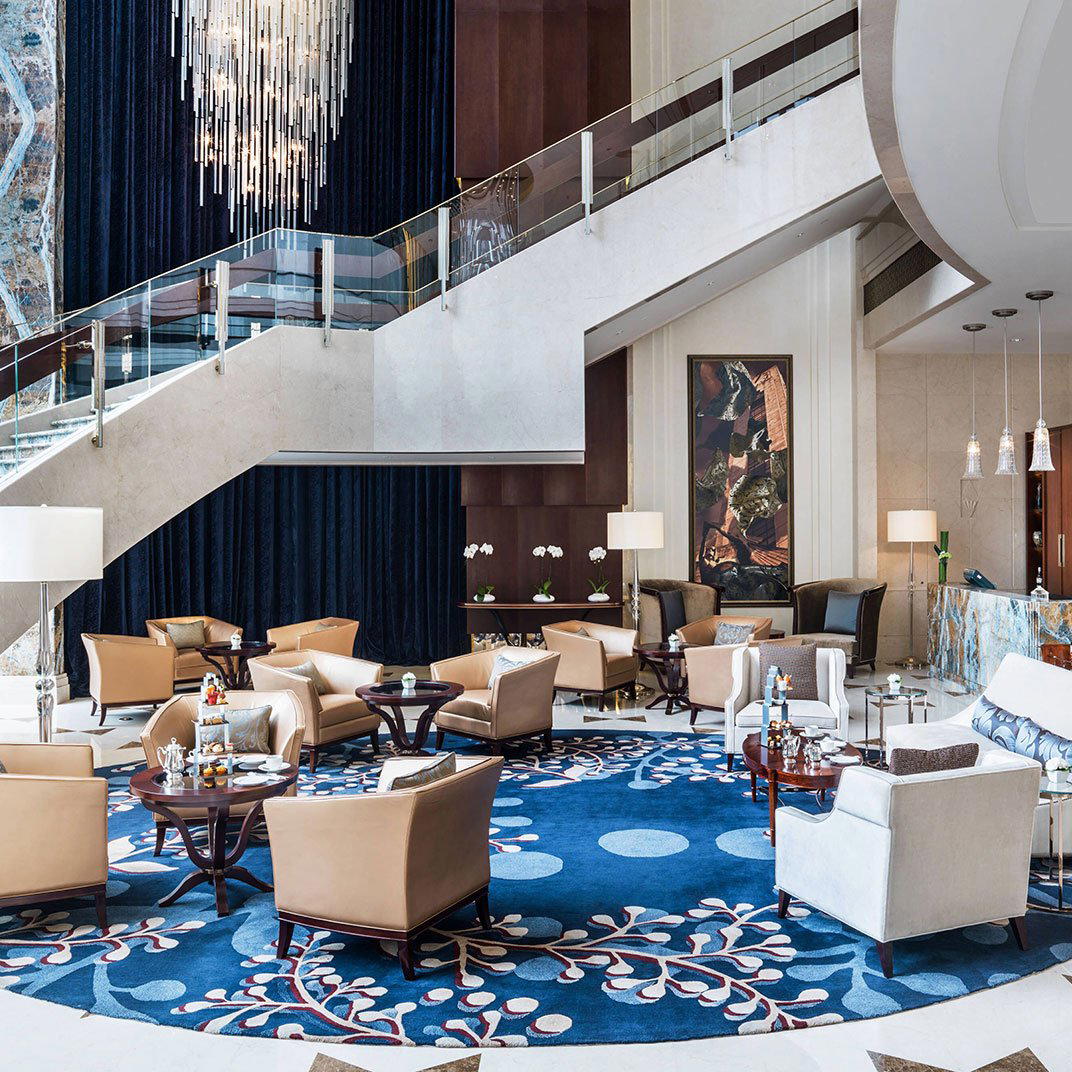
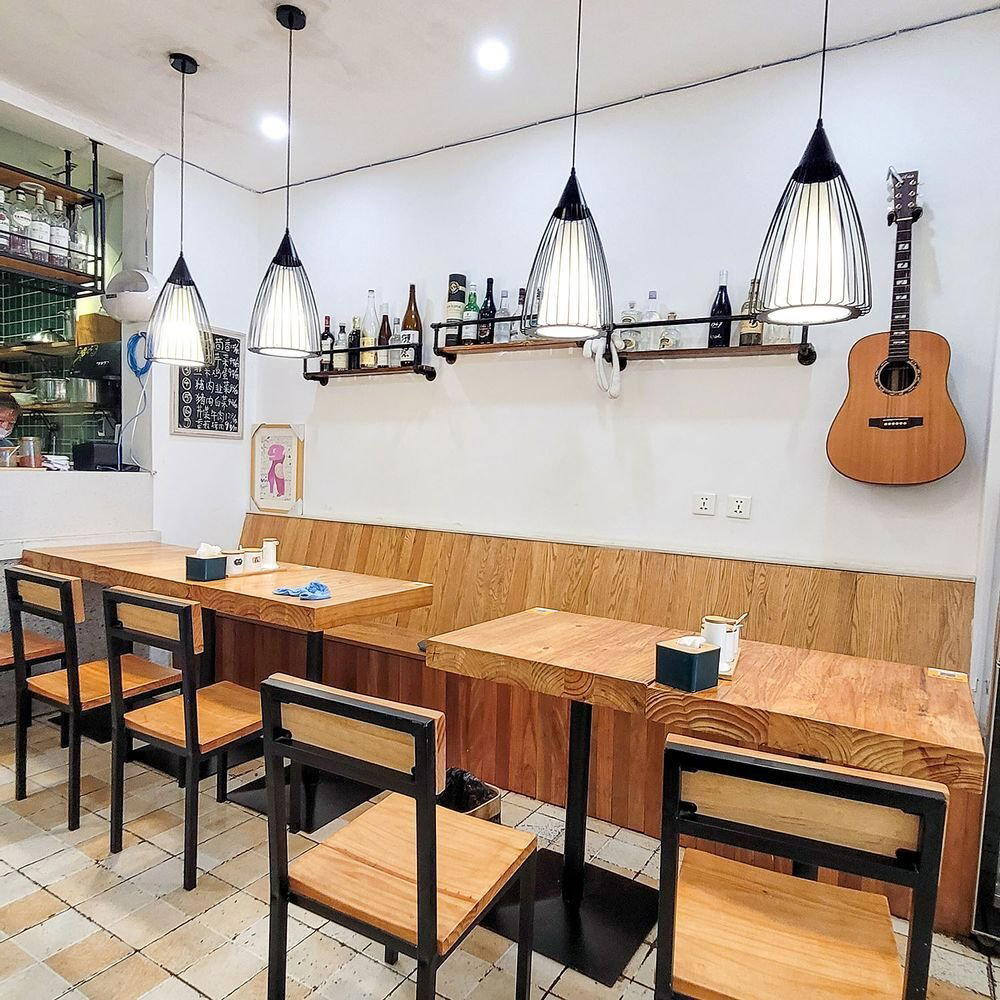
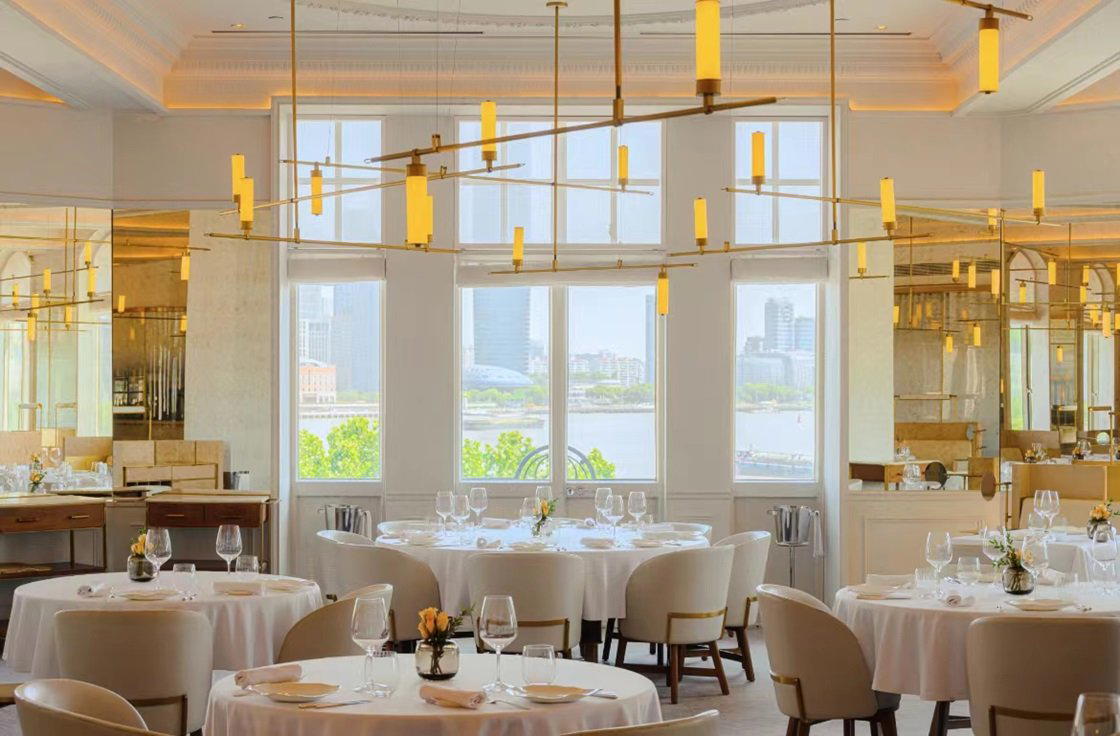
Bars in Chengdu
All bars in Chengdu →
Details
- Elegant
- Quiet
- Serene
- Casual Hangout
- Group Dining
- Terrace
- A La Carte
- Family Style
Serene wood-rich interior with stylised Chinese motifs; elegant setting that provides a tranquil refuge from the busy city centre atmosphere.