

Michelin Plate
Our verdict
Hidden Place occupies a secluded corner of a Wuhou District hotel, operating at the quieter, more considered end of Chengdu's mid-tier Sichuan dining scene. The kitchen focuses on ancient Sichuan recipes executed with precise technique, drawing ingredients from outside the region where the dish demands it.

Pearl is the En Primeur Club membership app, where members save venues, book tables and use the concierge.
The menu
What to order
- Braised mandarin fish with chillies
- Guaiwei chicken
- Spicy fried chicken
- Abalone stewed tofu
- Fish-flavored shrimp balls
Space Before Spice: How Hidden Place Frames Its Sichuan Kitchen
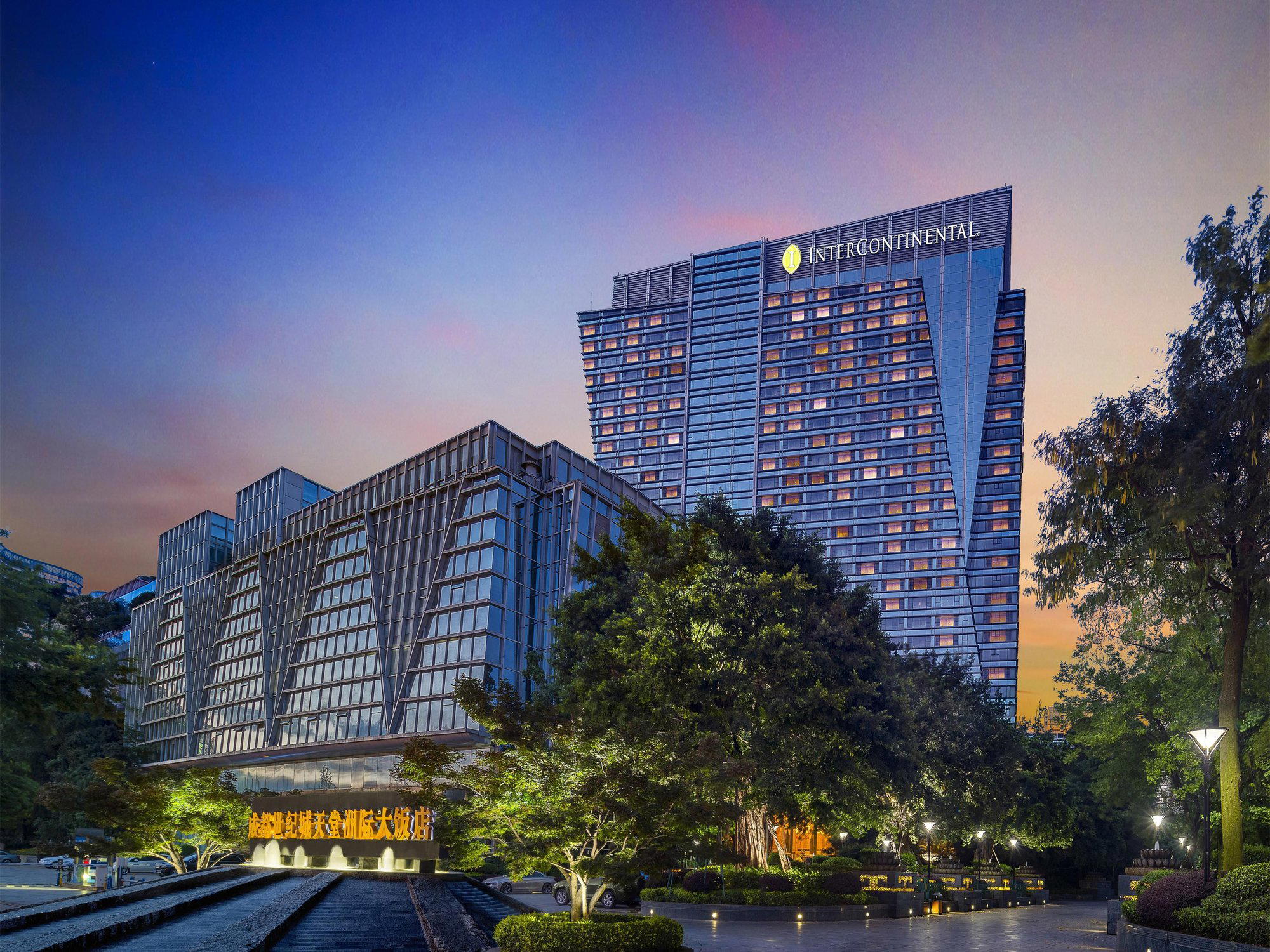
Chengdu's most-discussed Sichuan restaurants tend to occupy two poles: the high-volume neighbourhood institution where tables turn quickly and the broth is decades old, or the formal tasting-menu address where the city's culinary ambitions reach toward international recognition. Yu Zhi Lan operates firmly in the second category, holding two Michelin stars and pricing accordingly. Hidden Place sits outside both poles. It is housed inside a hotel in Wuhou District, a placement that immediately signals something different: the dining room exists on the hotel's terms, which tend toward the calm and the contained rather than the crowded and the clamorous.
That physical framing is not incidental. In a city where the standard Sichuan dining room is loud by design, the hotel container enforces a quieter register. Entering through the hotel rather than off a street changes how the space is encountered. There is a transition, a decompression, before the table. For a kitchen focused on reviving historical Sichuan recipes, that transition does real work: it asks the diner to slow down before the food begins its argument.
A Room Designed for Attention
The premium revival of classical Chinese cuisines has found its most credible homes in spaces that match the patience of the cooking. This is not unique to Chengdu: Ru Yuan in Hangzhou and 102 House in Shanghai have both demonstrated that the physical container shapes how diners receive technique-forward Chinese cooking. When the room is serene, dishes that depend on layered flavour rather than immediate impact land differently. The guaiwei chicken at Hidden Place, dressed in a blend of over twenty condiments, is exactly that kind of dish: its argument is cumulative, built across bites rather than announced at first taste. A noisy, rushed room would flatten that argument.
The hotel setting in Wuhou also carries neighbourhood logic. Wuhou District holds the Wuhou Shrine and a dense corridor of cultural and hospitality infrastructure oriented toward longer, more deliberate stays. It draws visitors who are not simply passing through, and a restaurant inside a hotel there is speaking to people with time, not to the lunchtime crowd moving between meetings. That context shapes what kind of restaurant Hidden Place can be.
The Kitchen's Argument: Ancient Recipes, International Ingredients
Revival cooking is a specific discipline, and Chengdu has practitioners at several price points. At the expensive end, Fang Xiang Jing and Fu Rong Huang both engage with the question of what historical Sichuan cooking actually tasted like before the modernization of the spice trade and industrial farming changed the region's ingredient supply. Hidden Place enters this conversation at the mid-tier price point (¥¥), which means the kitchen's choices about sourcing carry more visible weight. When the stated approach involves importing premium ingredients from outside the region specifically to serve ancient recipes, the implication is that historical authenticity and local sourcing are, in some cases, in tension. Sichuan cooking before the widespread adoption of New World chillies was a different cuisine. The restaurant's willingness to reach internationally for ingredients suggests a commitment to the recipe's logic over its geography.
That position has precedents elsewhere in China. Imperial Treasure Fine Chinese Cuisine in Guangzhou and Dai Yuet Heen in Nanjing both work in the space where classical Chinese technique meets careful ingredient sourcing. The difference at Hidden Place is the price bracket. At ¥¥, the diner is not paying a premium-tier surcharge for that sourcing, which either means the margins are tight or the volume of premium sourcing is selective and strategic. Either way, the value calculation deserves attention.
Signature Dishes as Structural Argument
The two dishes most associated with Hidden Place give a reasonable map of the kitchen's range. Braised mandarin fish topped with chillies is a textural and aromatic problem: the fish must hold its structure through a braise while absorbing the spiced sauce without losing its own character. The description of tender flesh in an aromatic, spiced sauce suggests the kitchen is solving that problem correctly, though at a mid-tier price point the sourcing of the fish itself will determine how much the dish can say.
Guaiwei chicken is a more classical Sichuan test. The name translates roughly as "strange flavour," referring to the simultaneous presence of sweet, sour, salty, spicy, numbing, and savoury elements in a single dressing. Twenty-plus condiments in the dressing is not a boast about complexity for its own sake; it is a description of what the dish structurally requires. Getting the proportions right across that many components is genuine technique. Compared to the casual versions of this dish found at neighbourhood spots like Ma's Kitchen, a kitchen that claims precision execution in this dish is positioning itself in a more deliberate tier.
For context on how Sichuan cooking travels, Five Foot Road in Macau and Song in Guangzhou both operate as Sichuan outposts in non-Sichuan cities, and both illustrate how the cuisine gets interpreted when it leaves its home province. Hidden Place is the inverse: it is Sichuan cooking in Sichuan, drawing on historical recipes to argue that something was lost in modernization and is worth recovering.
Where It Sits in Chengdu's Dining Structure
It places the restaurant in the early-reputation phase, where the kitchen's direction is readable but the critical consensus has not yet consolidated. The Silver Pot operates at a comparable positioning in Chengdu's mid-range, while the two-Michelin-star tier represented by Yu Zhi Lan is operating in a different conversation entirely.
For visitors planning around Chengdu's broader dining scene, the city's full range of options is covered in our full Chengdu restaurants guide. Those extending the trip should also consult our full Chengdu hotels guide, our full Chengdu bars guide, our full Chengdu experiences guide, and our full Chengdu wineries guide for a complete picture of what the city offers across categories.
The practical approach to Hidden Place follows from its hotel address. The Wuhou District location is accessible by metro and by the city's ride-hailing networks; the district itself rewards an evening that begins before dinner, with the Wuhou Shrine area and its surrounding streets offering good context for the historical orientation the kitchen brings to its cooking. For comparison against how other regional Chinese kitchens handle the classical revival argument, Chef Tam's Seasons in Macau and Xin Rong Ji in Beijing both represent high-end versions of what precision technique applied to regional tradition can produce at scale.
What Dish Is Hidden Place Known For?
The two dishes most associated with the kitchen are braised mandarin fish topped with chillies, where the sauce is built for aromatic depth alongside heat, and guaiwei chicken, the classical Sichuan "strange flavour" preparation dressed in over twenty condiments to produce simultaneous sweet, sour, salty, spicy, numbing, and savoury notes. The guaiwei chicken in particular functions as a technical benchmark: in a kitchen whose stated approach involves precise technique applied to ancient recipes, the multi-component dressing of this dish is where that claim is most directly tested.
Frequently asked questions
What price level is Hidden Place?
Pricing at Hidden Place is listed as ¥¥.
What's Hidden Place known for in terms of accolades?
Hidden Place has received recognition including: Once a protégé of the Sichuan culinary master, the young owner chose to open her first venture in a secluded, serene hotel. She aims to re-create ancient Sichuan recipes, using precise techniques and premium ingredients from around the worl….
What dish is Hidden Place famous for?
The kitchen is most closely associated with two preparations: braised mandarin fish topped with chillies, where the fish is cooked for tender flesh inside an aromatic, spice-forward sauce, and guaiwei chicken, dressed in a blend of over 20 condiments that produces distinctly layered flavour. Both dishes reflect the restaurant's core premise of reviving classical Sichuan recipes through precise technique and premium ingredients sourced internationally.
What part of town is Hidden Place in?
Hidden Place is located at Wuhou District, Chengdu, China, 610211, Chengdu.
A Tight Comparison
Comparable venues nearby, for context on price, style, and recognition.
| Venue | Cuisine | Price | Awards | Notes |
|---|---|---|---|---|
| Hidden PlaceThis venue (the venue you are viewing) | Ancient Sichuan Cuisine | $50–100 | Michelin Plate | Not listed |
| Song Chuan | Sichuanese | Not listed | Michelin Plate | Chengdushi, Sichuanese |
| Chanyue Vegetarian | Modern Sichuan Vegetarian | $20–30 | Michelin Plate | Chengdushi, Modern Sichuan Vegetarian |
| Cloud Arise (Chenghua) | Traditional Sichuanese | Not listed | Michelin Plate | Chengdushi, Traditional Sichuanese |
| Long Sen Yuan (Qingyang) | Authentic Chengdu Hotpot | $20–30 | Michelin Plate | Chengdushi, Authentic Chengdu Hotpot |
| Xiang Shang Xiang | Refined Hunan Cuisine | Not listed | Michelin Plate | Chengdushi, Refined Hunan Cuisine |
Recognition history
Dated appearances from independent guides and award organizations, with the underlying list record or original source where available.
Michelin Plate
Michelin
Opinionated About Dining Top Restaurants in Asia Recommended
Opinionated About Dining
Continue exploring
More in Chengdu
Restaurants in Chengdu
All restaurants in Chengdu →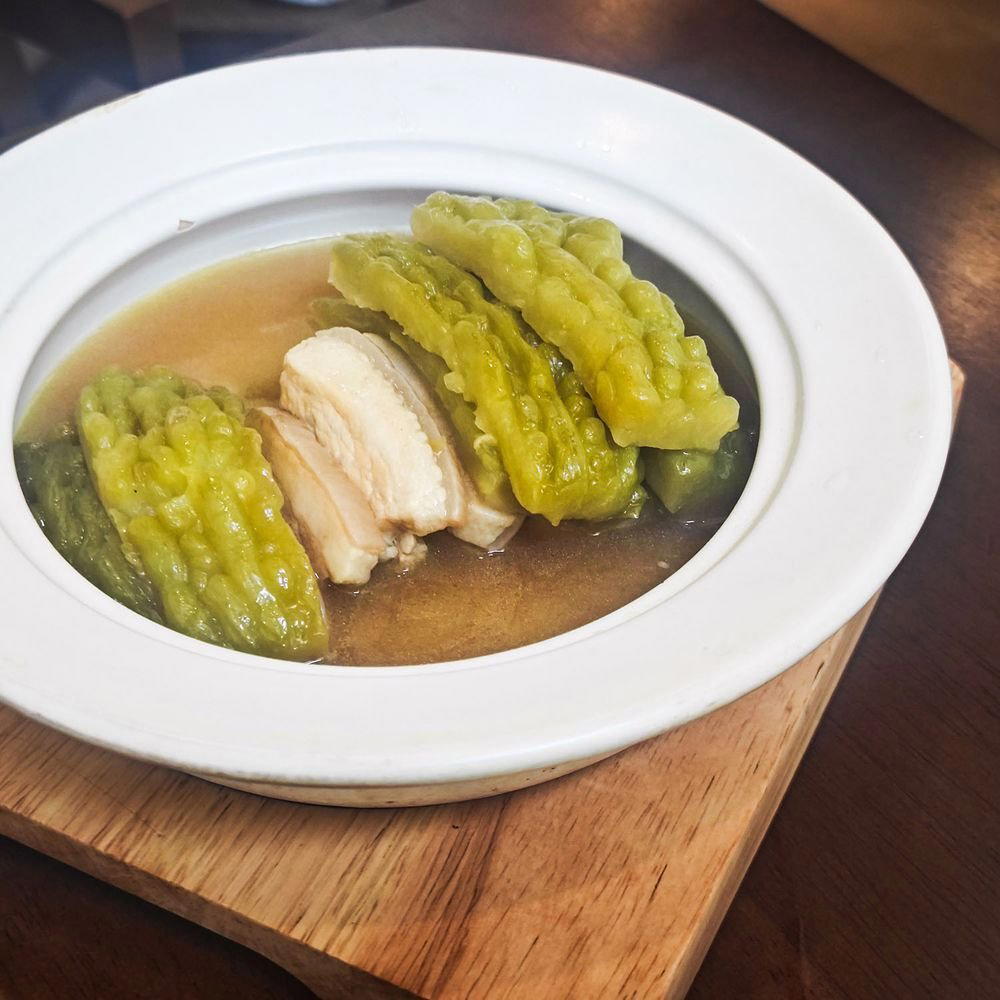
Bars in Chengdu
All bars in Chengdu →
Details
- Elegant
- Quiet
- Intimate
- Minimalist
- Business Dinner
- Group Dining
- Special Occasion
- Date Night
- Private Dining
- Garden
- Hotel Restaurant
- Design Destination
- Garden
- A La Carte
- Family Style
- Chinese Tea
- Allergy Accommodating
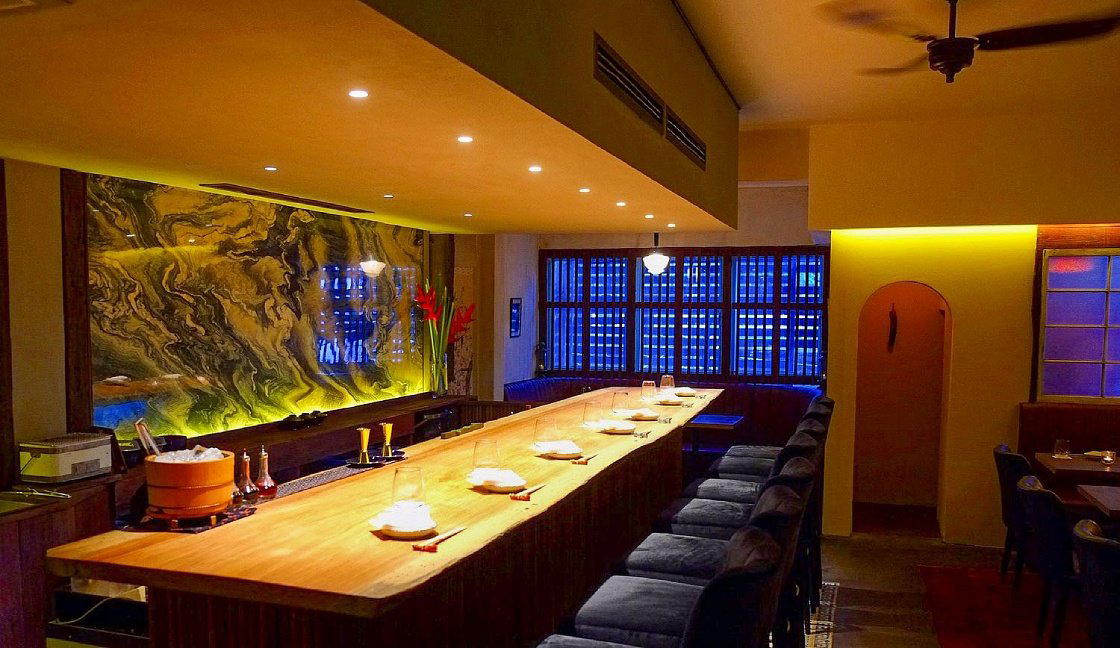
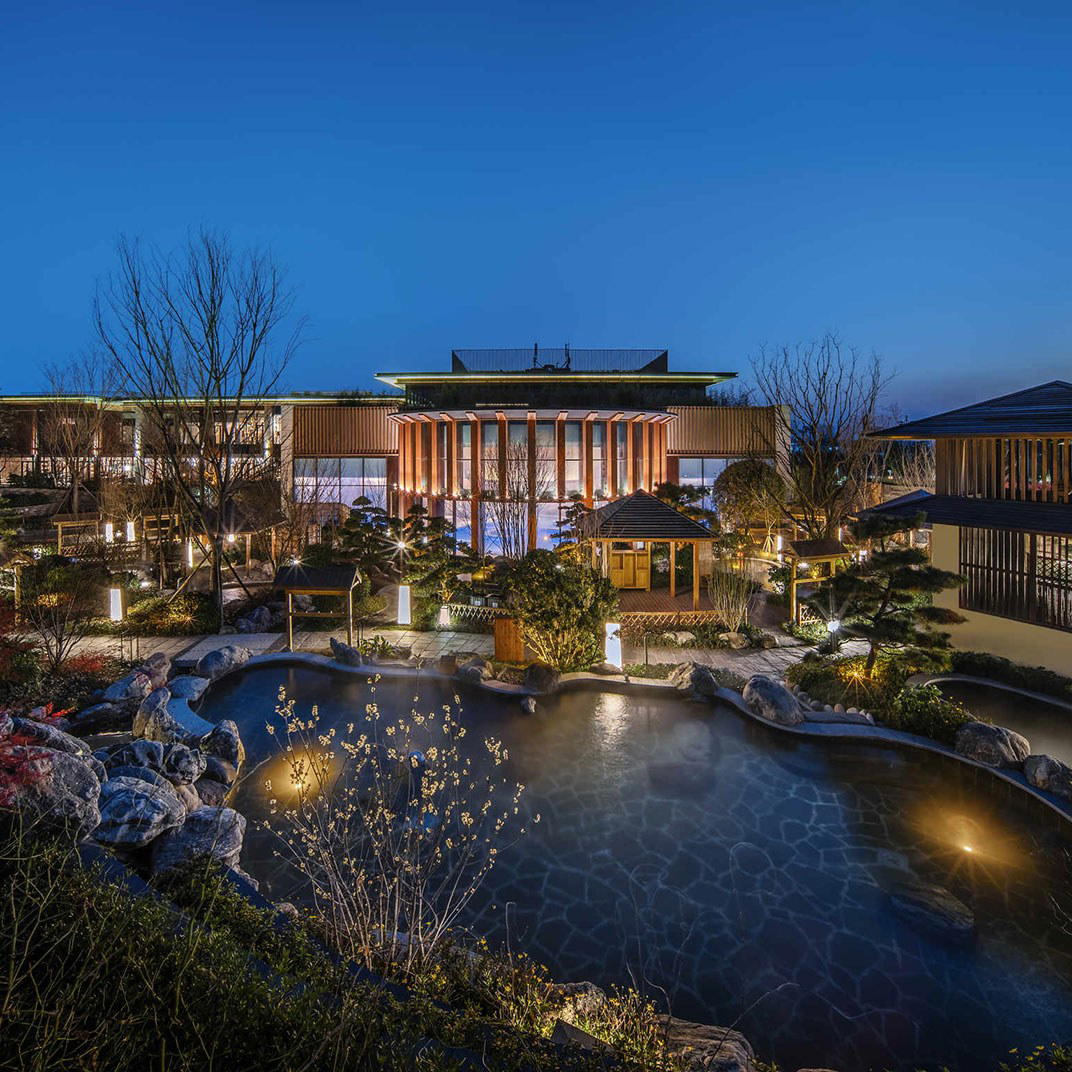
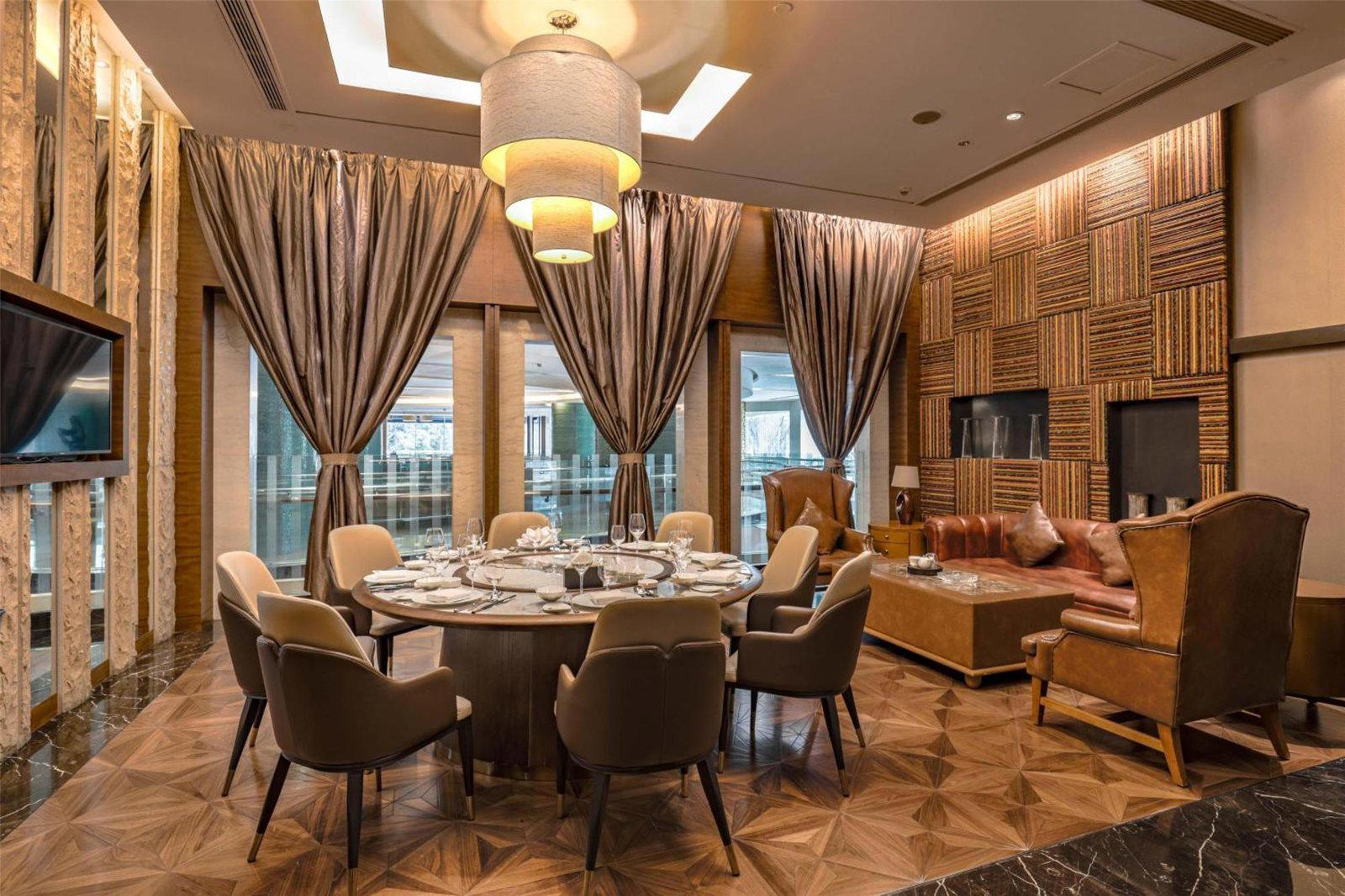
Serene and sophisticated with dim, atmospheric lighting designed to evoke a Zen-like calm; minimalist oriental aesthetic with modern touches and artistic design elements throughout.