Puerta del Sol occupies a quiet address on Lange Gasse in Vienna's 8th district, operating in a neighbourhood that sits several price tiers below the city's Michelin-decorated creative dining scene. Where restaurants like Steirereck im Stadtpark and Konstantin Filippou anchor Vienna's top end, Puerta del Sol positions itself as a more accessible proposition in a district that rewards unhurried exploration.
Pearl is the En Primeur Club membership app — saves, bookings, and concierge access live there. Same editors, same standards.
- Address
- Lange G. 52, 1080 Wien, Austria
- Phone
- +436644233838
- Website
- tapas-bar.at
- Directions
- Get directions
 Saves & bookings on Pearl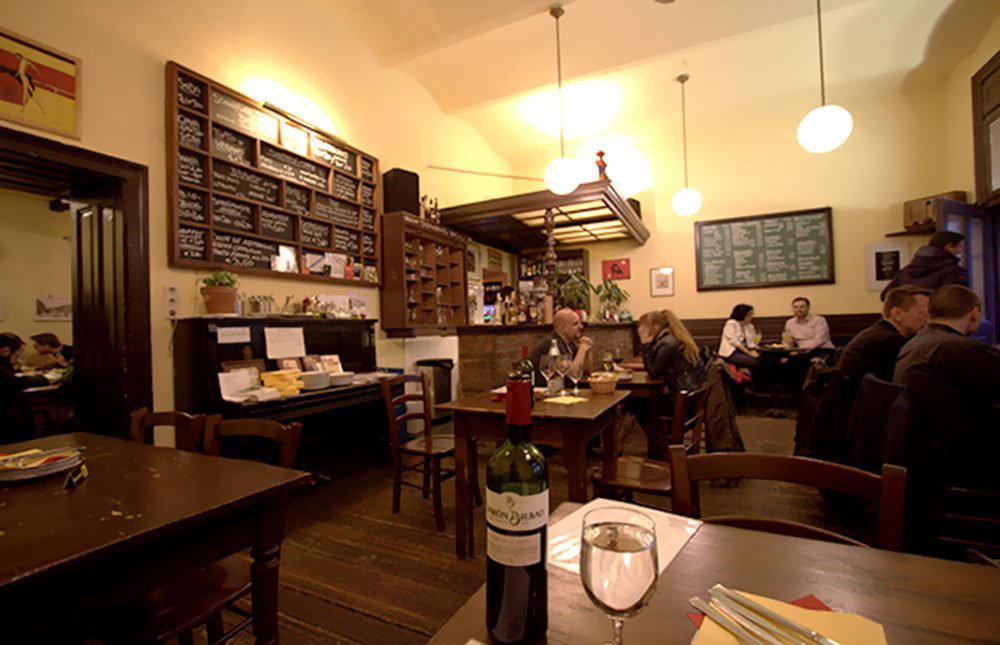
Lange Gasse and the Eighth District's Dining Register
Vienna's 8th district, Josefstadt, occupies an interesting middle ground in the city's restaurant geography. It is residential enough to sustain neighbourhood regulars but central enough to draw visitors who have exhausted the obvious first-ring options around the Ringstrasse. The streets here run quieter than the 1st or 7th, and the dining offer reflects that: fewer destination restaurants with international press coverage, more rooms that depend on repeat custom and word of mouth. Lange Gasse sits in that register. It is a street of converted townhouses, small professional offices, and the kind of café that opens early and closes when the last regular leaves. Puerta del Sol, at number 52, belongs to this fabric.
That positioning matters because Vienna's restaurant scene has become increasingly bifurcated. At one end, the creative fine-dining tier anchored by names like Steirereck im Stadtpark, Amador, and Mraz & Sohn operates at €€€€ price points with tasting menus, advance reservations, and international recognition. At the other end, neighbourhood rooms hold the everyday dining culture that makes a city function. Puerta del Sol sits closer to the latter, and that is not a criticism, it is a context that shapes what a visit here should look like.
The Lunch and Dinner Divide in Vienna's Neighbourhood Rooms
Across Vienna's mid-tier neighbourhood restaurants, the gap between lunch and dinner service often tells you more about a room than any single dish. Lunch in the 8th district tends toward a faster rhythm: regulars from nearby offices, shorter menus, wine by the glass rather than by the bottle. The light through Josefstadt's older facades changes the feel of these rooms entirely between midday and evening. By dinner, the same tables carry a different weight, longer stays, a higher proportion of couples and small groups, and a menu that typically expands or shifts in composition.
For a venue on Lange Gasse, this divide is structurally significant. The street does not have the late-night foot traffic of the Naschmarkt corridor or the 7th district's bar-dense blocks, which means dinner here depends on destination intent rather than passing trade. Visitors who arrive at lunch are often doing so as part of a neighbourhood walk; those who arrive at dinner have typically made a deliberate choice. That self-selection shapes the room's atmosphere more than any design decision could.
Austria's broader dining scene rewards this kind of attention to time-of-day. Some of the country's most respected rooms, including Landhaus Bacher in Mautern an der Donau and Obauer in Werfen, have long maintained distinct lunch and dinner identities within a single kitchen. The pattern holds in Vienna's neighbourhood tier too, where the lunch trade subsidises the dinner ambition.
Where Puerta del Sol Sits Against Its comparable set
Vienna's creative fine-dining rooms at the leading end, Konstantin Filippou for modern European precision, Doubek for its distinct editorial position, require advance planning, specific dress considerations, and a budget commitment that rules them out for casual repeat visits. The restaurant operates in a different competitive set entirely, one where accessibility and regularity of use matter more than occasion-dining credentials.
That comparable set in the 8th district includes the kind of rooms that Viennese residents use on Tuesday evenings rather than anniversary dinners. The name itself, Spanish for the central square in Madrid, signals something about orientation: not rooted in Austrian Bürgerküche tradition, not chasing the creative tasting-menu format that dominates the city's Michelin tier. The reference points are southern European in register, which in Vienna's neighbourhood dining context tends to mean lighter preparations, more vegetable-forward plating, and wine lists that lean toward the Iberian peninsula or natural producers.
For comparison against Austria's destination dining circuit, venues like Ikarus in Salzburg, Griggeler Stuba in Lech, and Gourmetrestaurant Tannenhof in Sankt Anton am Arlberg sit in a completely different register: destination-resort dining with international price benchmarks. The restaurant is not competing in that category, nor should it be evaluated against it. The more useful frame is what the 8th district's neighbourhood offer looks like in aggregate, and whether this address adds something distinct to that offer.
The Eighth District as a Dining Neighbourhood
Josefstadt has a reputation among Viennese residents as a quieter alternative to the 7th district's more self-consciously hip dining strip. The streets around the Rathaus end of the 8th carry a bourgeois residential character that filters through into the restaurants: rooms tend toward comfort over statement, and the clientele skews toward professional locals in their thirties and forties rather than the tourist-heavy crowds of the 1st. This is the neighbourhood where a well-run room with consistent cooking and fair pricing can sustain itself for years without a single press mention.
That context makes the address on Lange Gasse legible. A venue here is not chasing the dining press circuit that covers places like Kräuterreich by Vitus Winkler or Ois in Neufelden. It is sustaining a local proposition in a neighbourhood that values reliability. For travellers approaching Vienna's dining scene from outside the country, coming from tables at Le Bernardin in New York or Atomix, the contrast in register is considerable, but that contrast is also the point. Not every meal in a city should benchmark against its leading rooms.
The broader Austrian fine-dining circuit extends well beyond Vienna, and travellers who build itineraries around the capital often miss what Döllerer in Golling an der Salzach, Schwarzer Adler in Hall in Tirol, and Restaurant 141 by Joachim Jaud in Mieming represent. Vienna's neighbourhood tier and the country's destination dining are two separate circuits, and using them interchangeably leads to miscalibrated expectations in both directions.
Planning a Visit
The Short List
Comparable venues nearby, for context on price, style, and recognition.
| Venue | Cuisine | Price | Notes |
|---|---|---|---|
| Puerta del SolThis venue — the venue you are viewing | Josefstadt, Authentic Spanish Tapas | $$ | Not listed |
| Colono Wien | Not listed | $$ | Wien-Mitte, Spanish Tapas Bar & Gourmet Shop |
| PACO Ribera | Donauturm, Authentic Spanish Tapas | $$$ | Not listed |
| Toma Tu Tiempo | Neubau, Authentic Spanish Tapas | $$ | Not listed |
| Paco | Alsergrund, Authentic Spanish Tapas | $$$ | Not listed |
| Marienhof | Hofburg, Traditional Viennese Cuisine | $$ | Not listed |
Continue exploring
More in Vienna
Restaurants in Vienna
Browse all →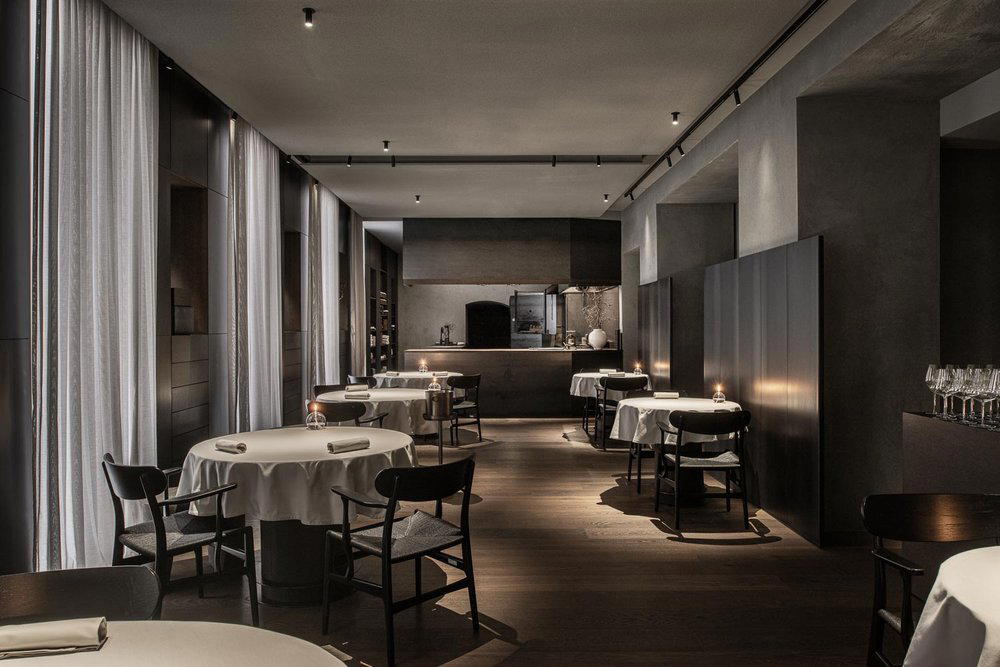
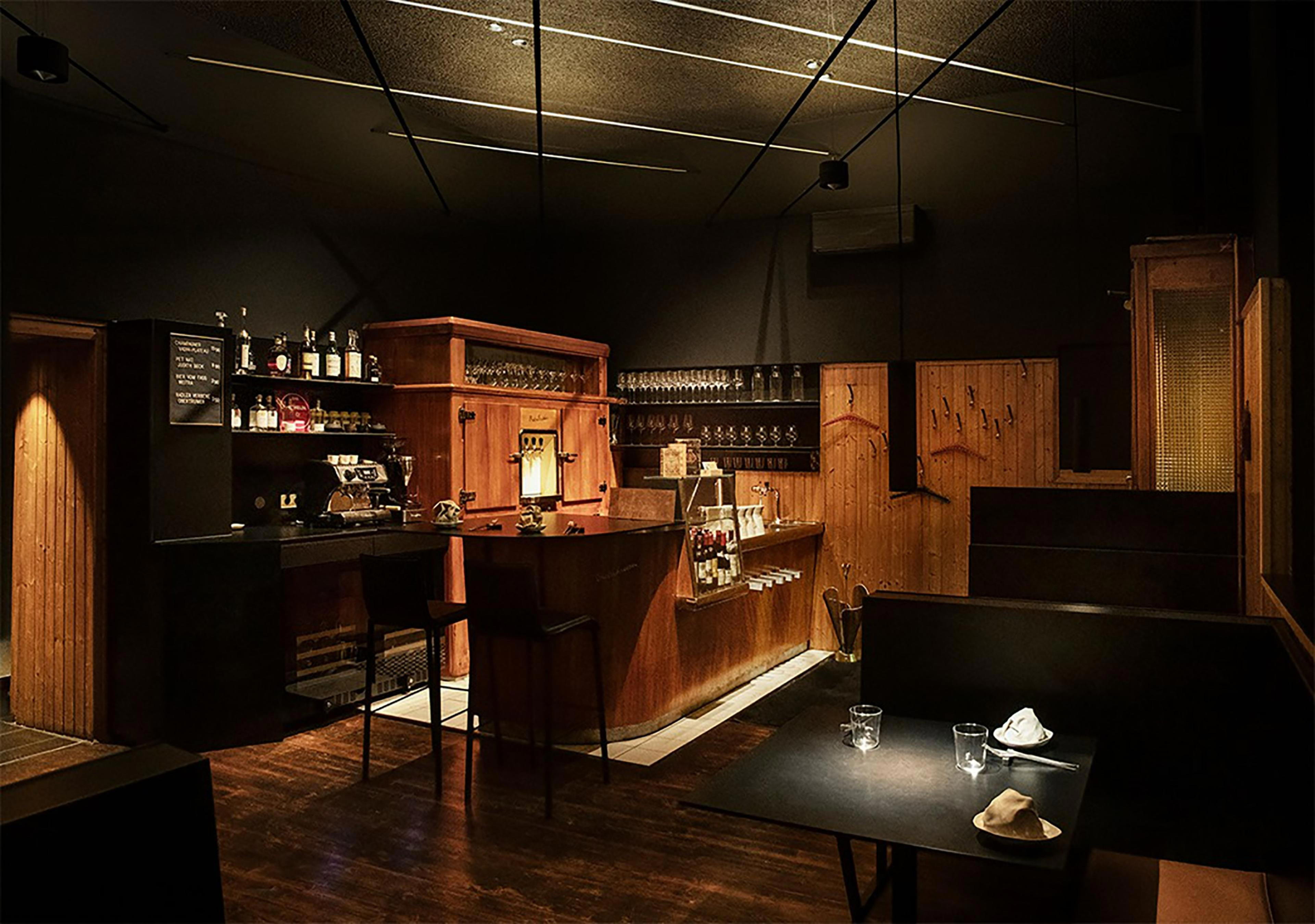
Bars in Vienna
Browse all →

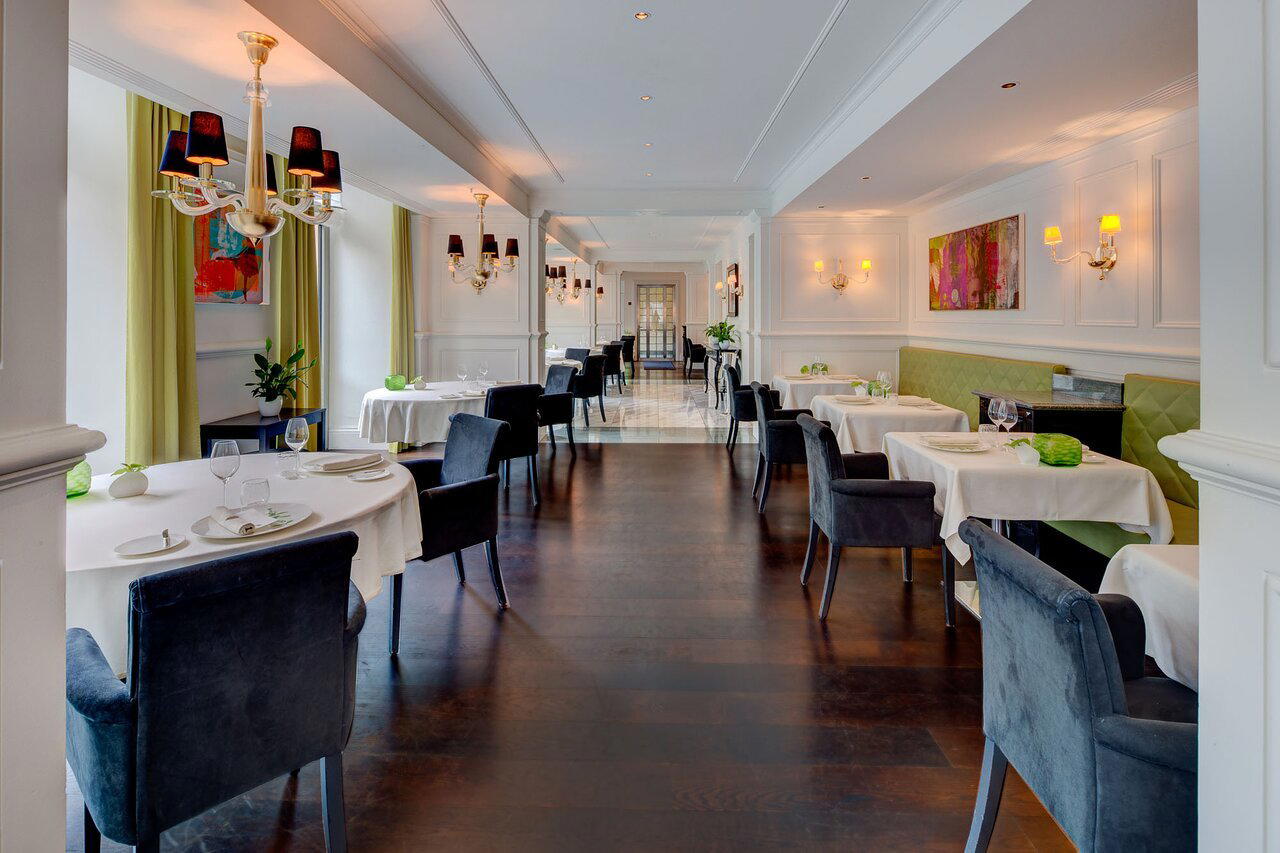
Hotels in Vienna
Browse all →
At a Glance
- Lively
- Cozy
- Rustic
- Casual Hangout
- Group Dining
- Standalone
- Extensive Wine List
Current opening hours
- Monday
- 6 PM–12 AM
- Tuesday
- 6 PM–12 AM
- Wednesday
- 6 PM–12 AM
- Thursday
- 6 PM–12 AM
- Friday
- 6 PM–12 AM
- Saturday
- 6 PM–12 AM
- Sunday
- Closed
Hours can change for holidays and private events. Last verified .
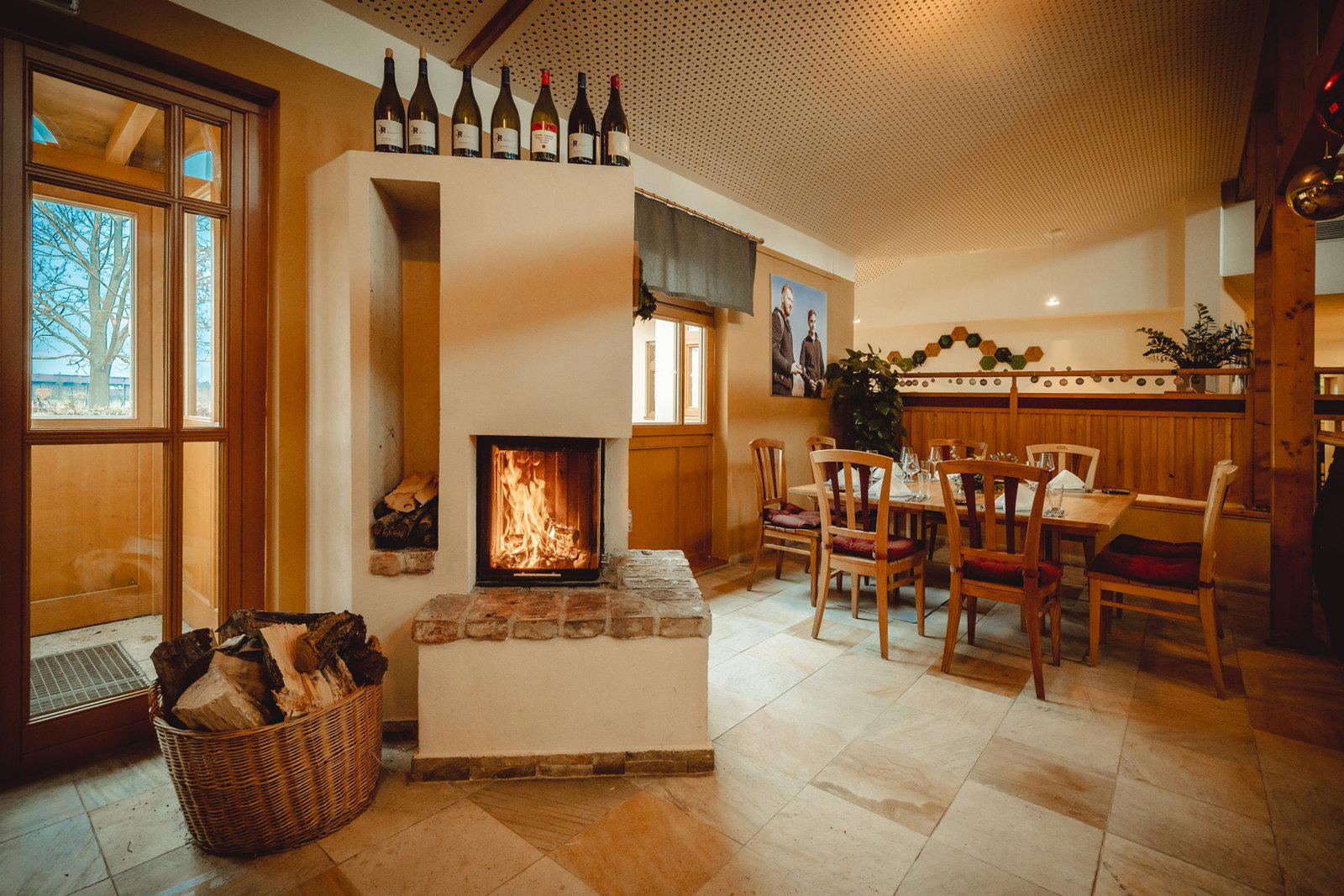
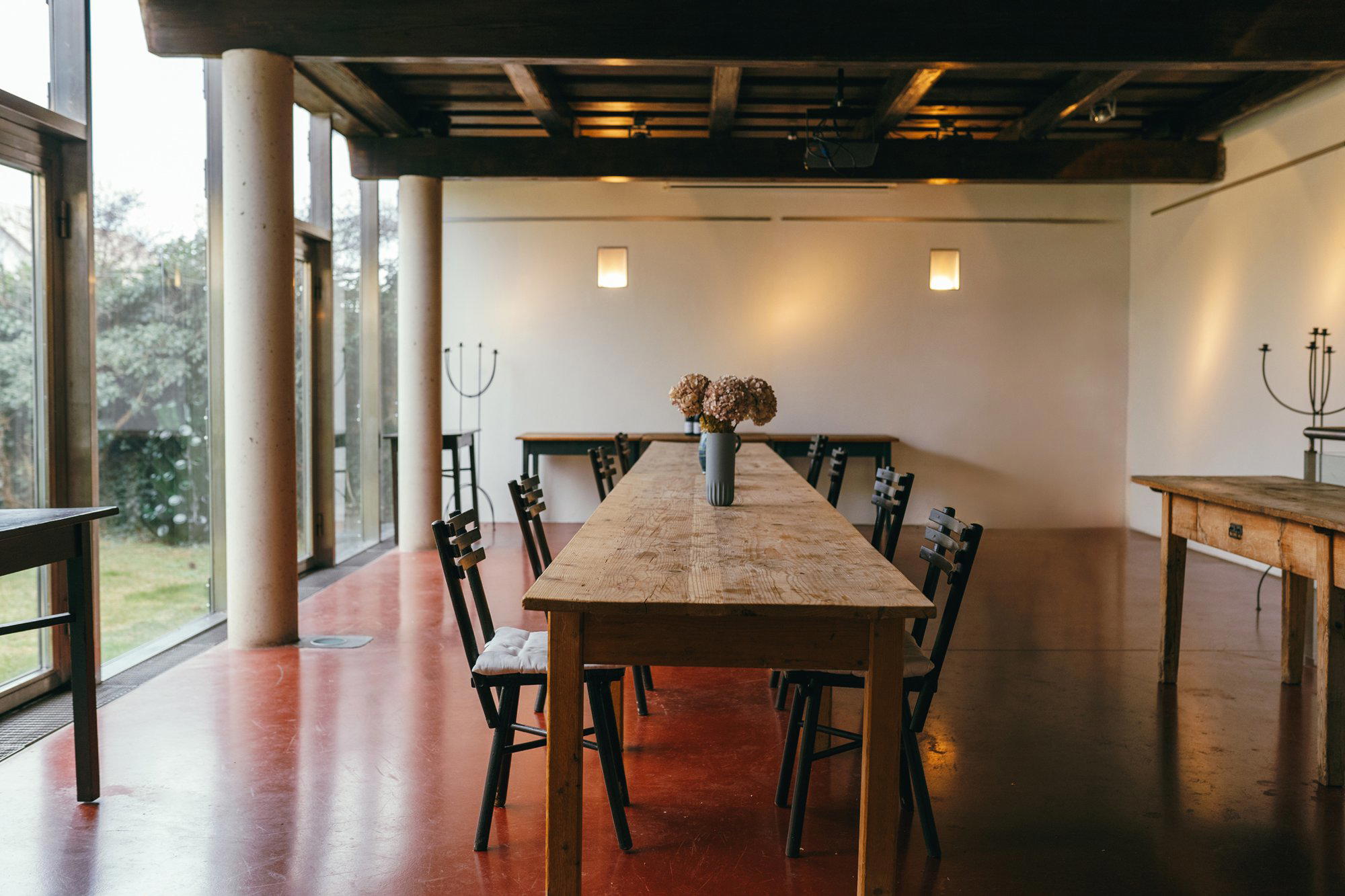
Warm and inviting atmosphere evoking a Spanish tavern, often lively and full with a social dining vibe.