Marienhof occupies a quiet address on Josefstädter Strasse in Vienna's 8th district, a neighbourhood where the city's appetite for serious dining runs alongside its literary café culture. The restaurant sits in a part of town that rewards deliberate discovery, where the quality of what's in the glass tends to carry as much weight as what arrives on the plate.
Pearl is the En Primeur Club membership app — saves, bookings, and concierge access live there. Same editors, same standards.
- Address
- Josefstädter Str. 9, 1080 Wien, Austria
- Phone
- +431408890530
- Website
- restaurant-marienhof.at
- Directions
- Get directions
 Saves & bookings on Pearl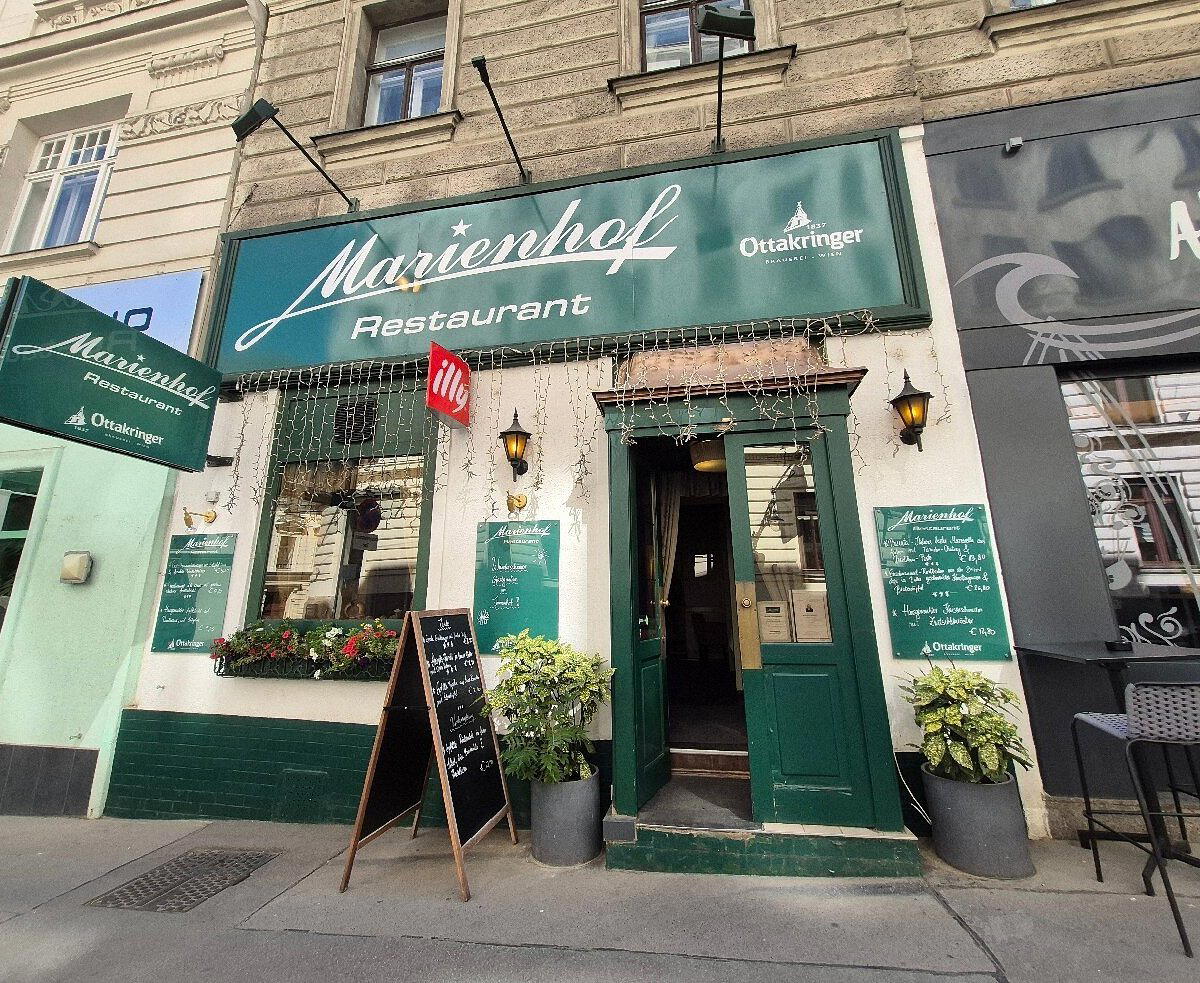
The 8th District and the Case for Unhurried Dining
Marienhof is a restaurant serving Traditional Viennese Cuisine at Josefstädter Str. 9, 1080 Wien, Austria. Josefstädter Strasse itself threads through this character directly, a street where Viennese institutional life and contemporary hospitality sit in close proximity. It is the kind of address where a serious restaurant can develop an identity without the distraction of foot traffic designed for another audience entirely.
Within Vienna's broader restaurant conversation, the 8th district sits adjacent to the city's more celebrated dining corridors without competing directly with them. The major creative kitchens, among them Steirereck im Stadtpark, Amador, and Konstantin Filippou, operate with the full weight of international recognition behind them. Josefstadt's restaurants, including Marienhof at number 9, tend to build reputation through consistency and local endorsement rather than critical campaigns.
What the Wine List Tells You About a Room
In Vienna's higher-end restaurant tier, the wine list has become among the more reliable signals of a kitchen's actual ambitions. Austria's wine culture is, by any measure, among the more underexplored in Europe relative to its quality ceiling. Grüner Veltliner and Riesling from the Wachau and Kamptal regularly sit alongside leading Burgundy in blind tastings conducted by serious critics; Blaufränkisch from Burgenland has emerged as a reference point for continental red wine outside the Franco-Italian axis. A restaurant that takes its Austrian cellar seriously is implicitly making an argument about its own editorial standards.
The wine program at any serious Viennese establishment in the €€€ to €€€€ range is increasingly expected to demonstrate depth across domestic producers, from the Wachau's steep terraced vineyards to the Styrian border where whites carry a different mineral profile altogether. Mraz and Sohn and Doubek represent different approaches to this standard within the city, one through creative Austrian cuisine that frames the cellar as essential context, the other through a more classically rooted idiom. Marienhof's address in Josefstadt positions it within a neighbourhood where the cellar depth of a restaurant often precedes its kitchen reputation in local conversation.
For a visitor constructing a Vienna itinerary around wine as much as food, the city rewards lateral thinking. The internationally recognised rooms are the obvious anchors, but the 8th district has historically offered a quieter entry point into Austrian wine service without the booking pressures or prix-fixe commitments that define the city's most celebrated addresses. Austria's wine laws, which place Smaragd-grade Wachau Rieslings and Grüne Veltliners at the apex of a regulated quality hierarchy, mean that a well-curated list almost always includes bottles that would benchmark against European peers at considerably higher price points.
Where Marienhof Sits in Vienna's Mid-to-Upper Tier
Vienna's serious dining options now span a wider band than a decade ago. At the upper end, tasting menus at Steirereck and Amador operate at €€€€ and require forward planning of weeks to months depending on the season. Below that ceiling, a cluster of serious restaurants, many in residential districts rather than tourist corridors, offer cuisine with genuine technical intent at a more accessible price architecture. Marienhof at Josefstädter Str. 9 occupies this category geographically and, based on its neighbourhood positioning, likely in terms of price register as well.
For context, Austrian fine dining outside Vienna also operates at a high standard. Döllerer in Golling an der Salzach, Obauer in Werfen, and Landhaus Bacher in Mautern an der Donau each demonstrate that serious kitchen ambition in Austria is not confined to the capital. Closer to Vienna, the capital's own creative tier, including Mraz and Sohn and Konstantin Filippou, sets the benchmark against which quieter neighbourhood restaurants are inevitably measured. Marienhof's position in Josefstadt suggests a deliberate distance from that competitive noise, which in Vienna's dining culture is frequently a strength rather than a limitation.
How the Neighbourhood Frames the Experience
Arriving on Josefstädter Strasse in the early evening, the transition from Vienna's busier inner districts is perceptible within a few blocks. The pace changes. The 8th district has long maintained a density of theatres, small galleries, and independent restaurants that attracts a Viennese crowd rather than an international one. That demographic skew tends to produce better service conditions: the room is less performative, the pace is set by the table rather than a turn policy, and the wine conversation tends to run longer.
This dynamic is not distinctive to Marienhof specifically, but it is a defining characteristic of the Josefstadt dining experience that any visitor should factor into their choice of evening. For those accustomed to the stripped-down tasting menu format that defines rooms like Ikarus in Salzburg or international reference points such as Le Bernardin in New York and Atomix, the Josefstadt model offers a different value: depth of local character over formal spectacle.
Planning Your Visit
Vienna's serious restaurant tier divides roughly between those requiring advance booking of four to eight weeks and those that can be secured within a week or two. The former group includes recognised Michelin-starred addresses and creative tasting menu rooms; the latter includes well-regarded neighbourhood restaurants where local demand is consistent but not stratospheric.
Those extending a trip into Austria's western regions should consider Griggeler Stuba in Lech, Gourmetrestaurant Tannenhof in Sankt Anton am Arlberg, Schwarzer Adler in Hall in Tirol, Restaurant 141 by Joachim Jaud in Mieming, Kräuterreich by Vitus Winkler in Sankt Veit im Pongau, and Ois in Neufelden as part of a wider Austrian itinerary.
Quick Comparison: Josefstadt vs Central Vienna Dining
| Factor | Marienhof / Josefstadt | Central Vienna (€€€€ tier) |
|---|---|---|
| Booking lead time | Days to 1-2 weeks (est.) | 4-8 weeks minimum |
| Price register | Mid-to-upper tier | Top tier (€€€€) |
| Audience profile | Predominantly Viennese | Mixed international |
| Format | Neighbourhood restaurant | Tasting menu / formal |
| Wine focus | Austrian cellar emphasis | International + Austrian |
In Context: Similar Options
Comparable venues nearby, for context on price, style, and recognition.
| Venue | Cuisine | Price | Notes |
|---|---|---|---|
| MarienhofThis venue — the venue you are viewing | Traditional Viennese Cuisine | $$ | Not listed |
| Binter | Tyrolean Alpine Street Food | $$ | Neubau |
| Goldener Baum | Traditional Austrian | $$ | Baumgarten |
| Sopherl am Naschmarkt | Modern Viennese | $$ | Wieden |
| Café Anzengruber | Traditional Austrian with Croatian influences | $$ | Wieden |
| Das Columbus | Traditional Austrian Gastropub | $$ | Favoriten |
At a Glance
- Cozy
- Classic
- Romantic
- Intimate
- Date Night
- Group Dining
- Family
- Casual Hangout
- Special Occasion
- Courtyard
- Standalone
- Beer Program
- Local Sourcing
- Garden
Current opening hours
- Monday
- 11 AM–11 PM
- Tuesday
- 11 AM–11 PM
- Wednesday
- 11 AM–11 PM
- Thursday
- 11 AM–11 PM
- Friday
- 11 AM–11 PM
- Saturday
- 5:30–11 PM
- Sunday
- 5:30–11 PM
Hours can change for holidays and private events. Last verified .
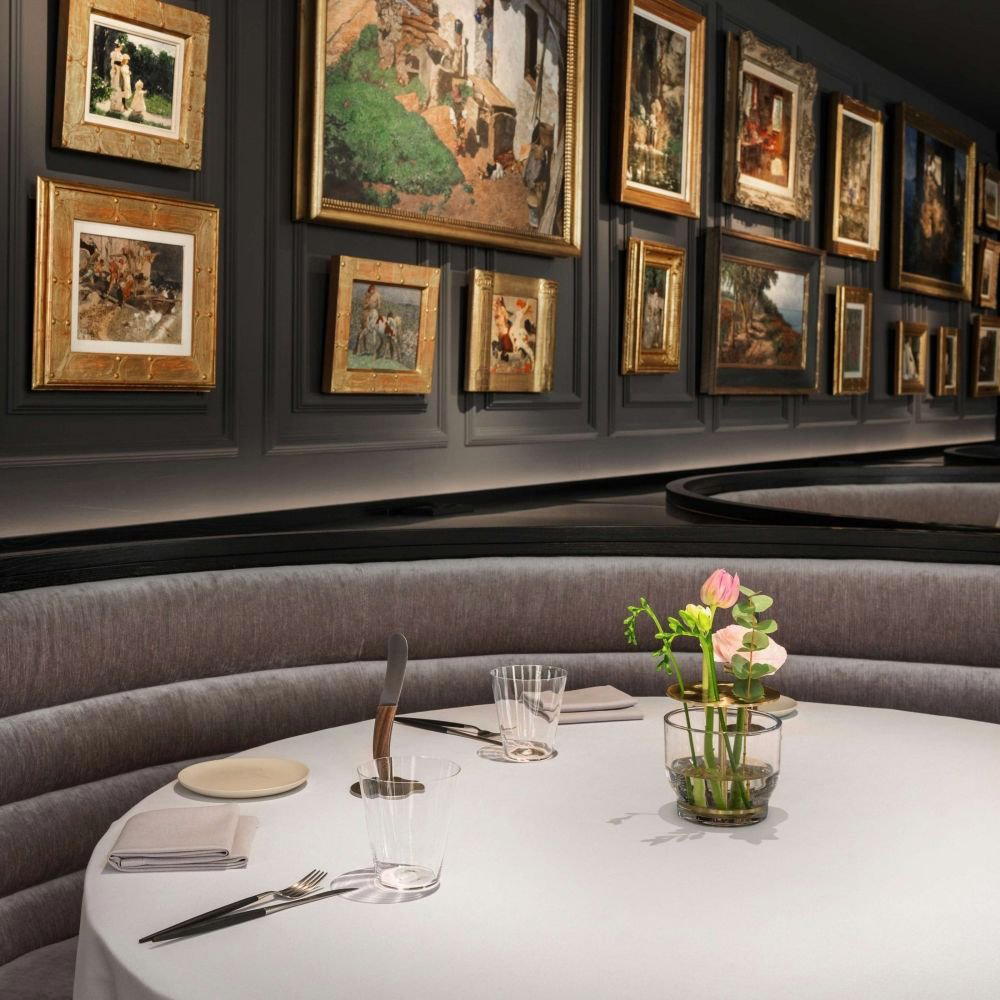
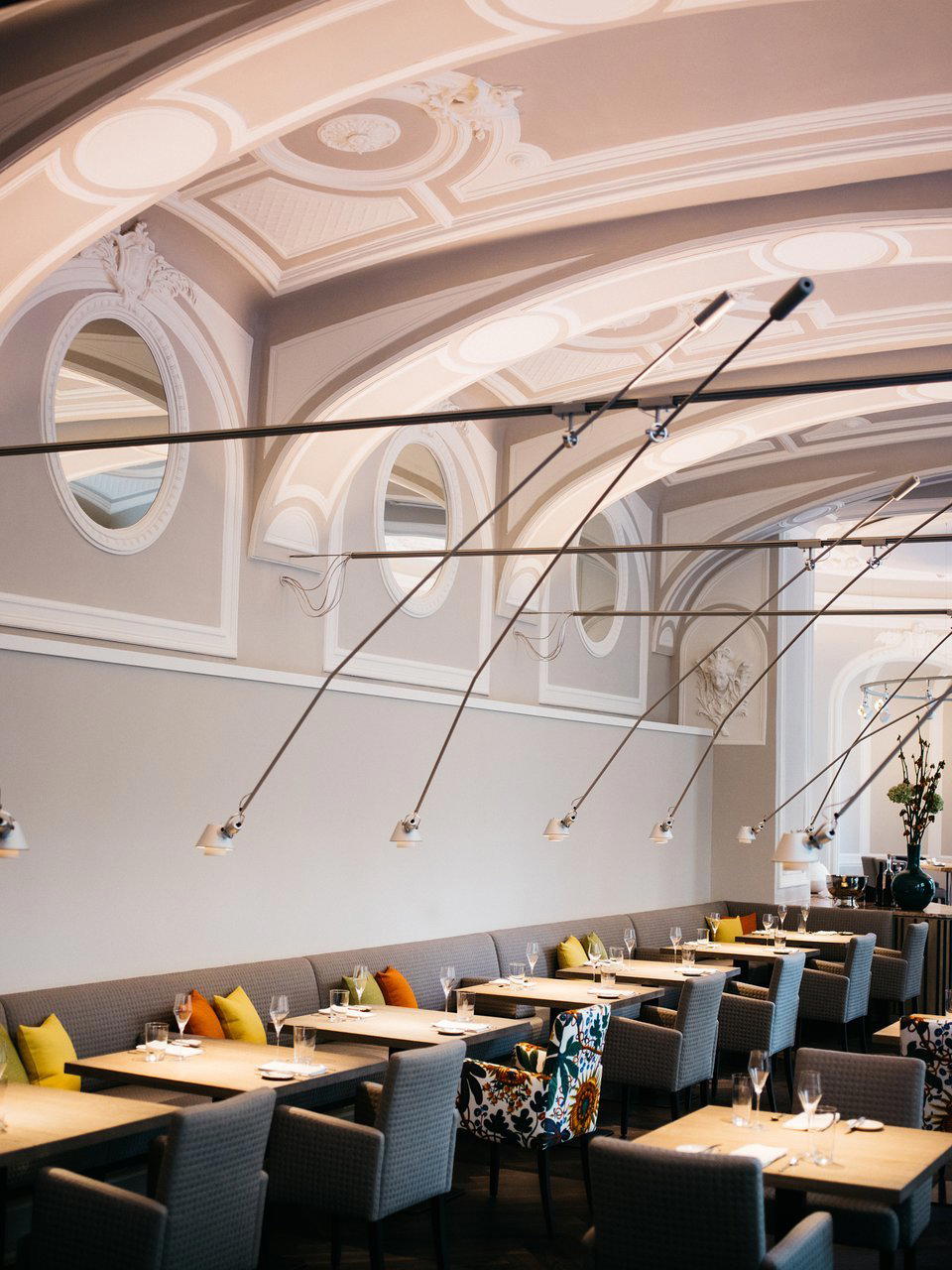
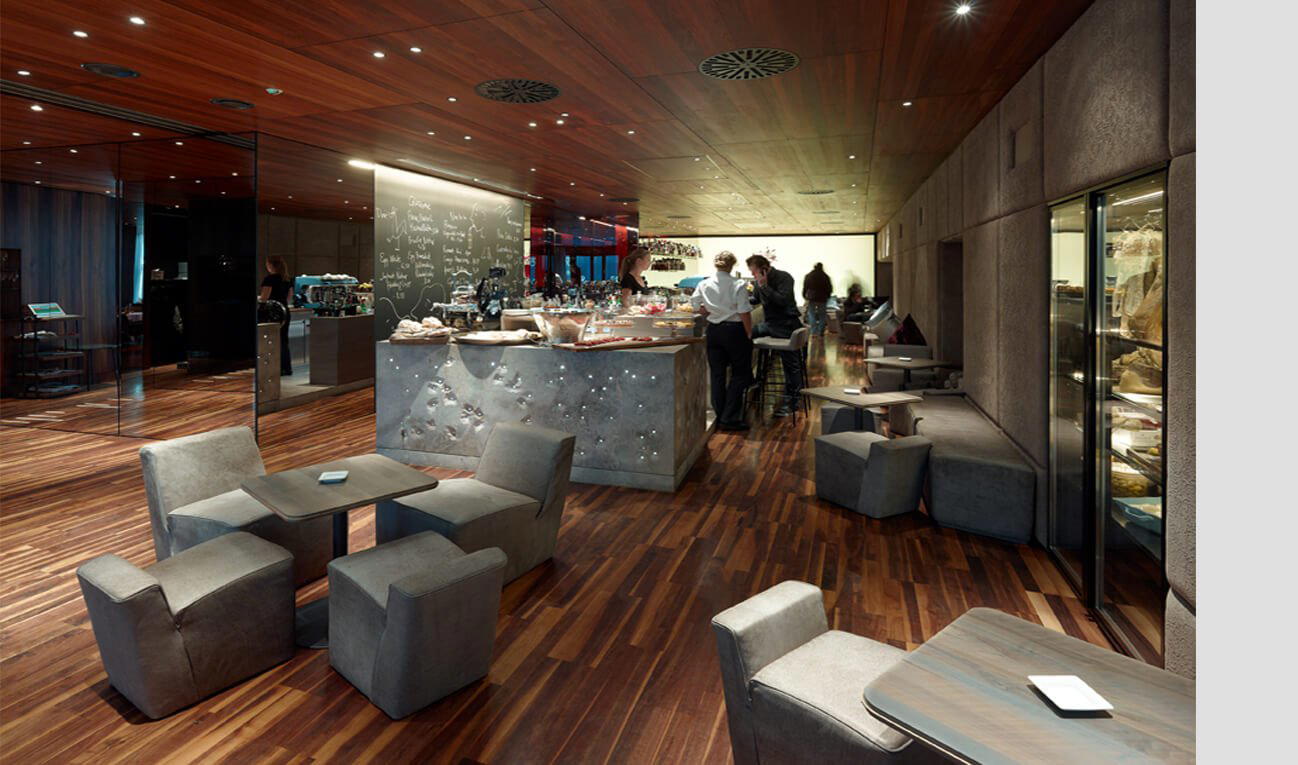
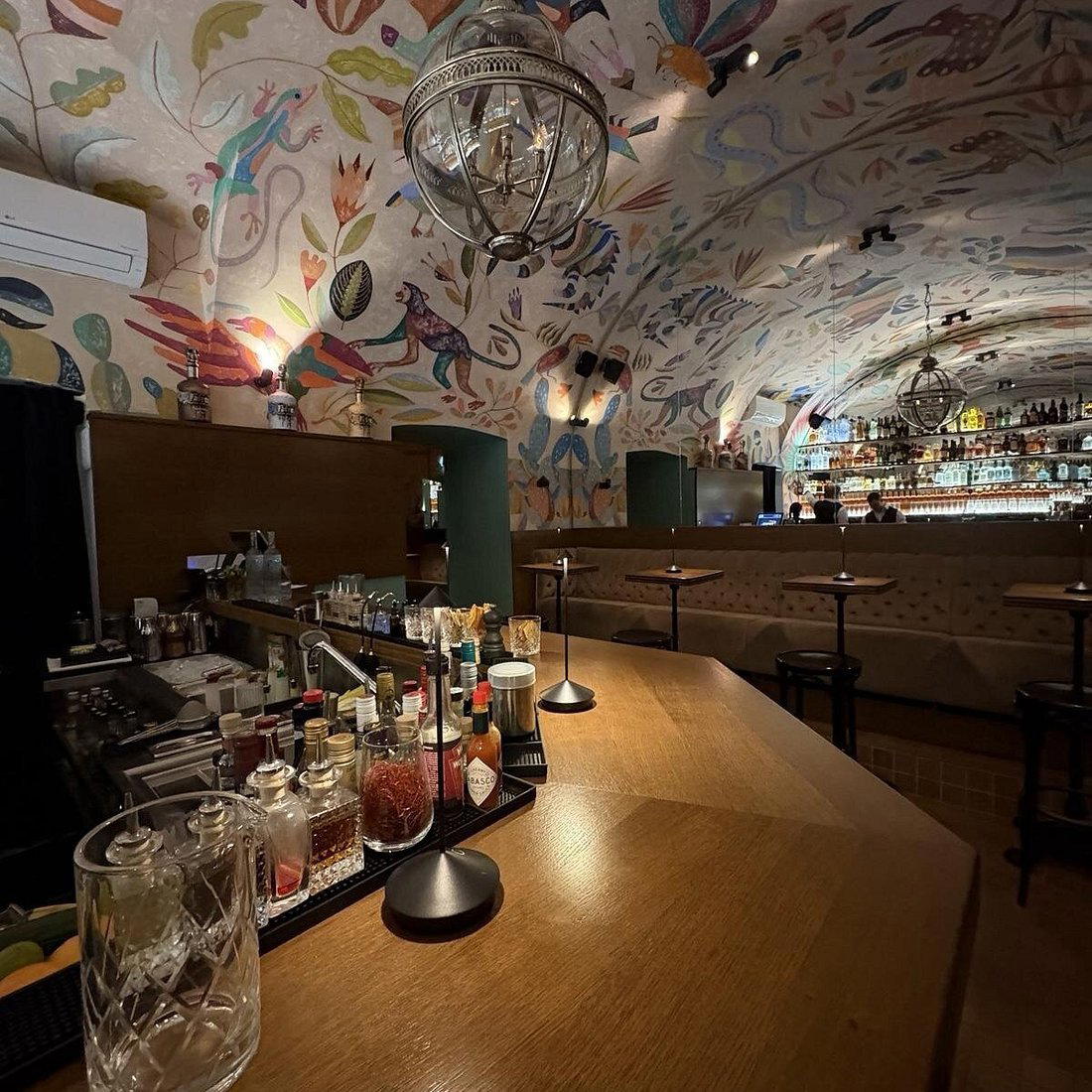
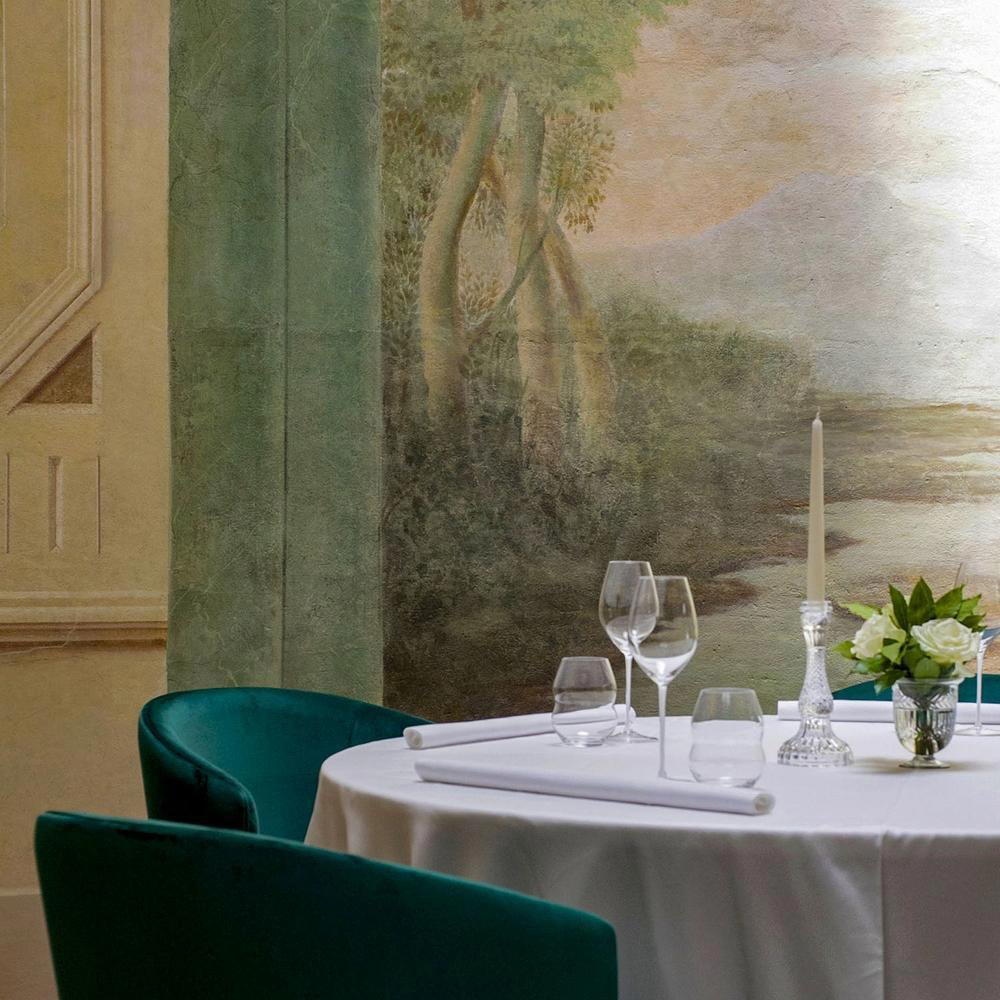
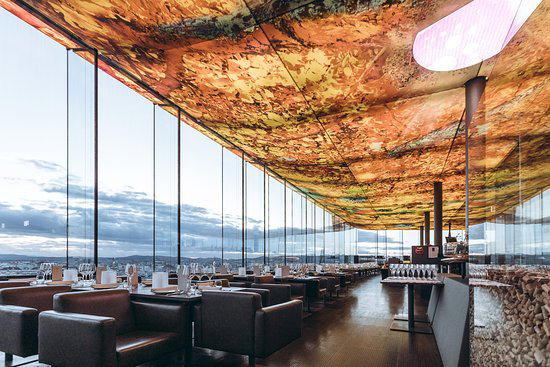
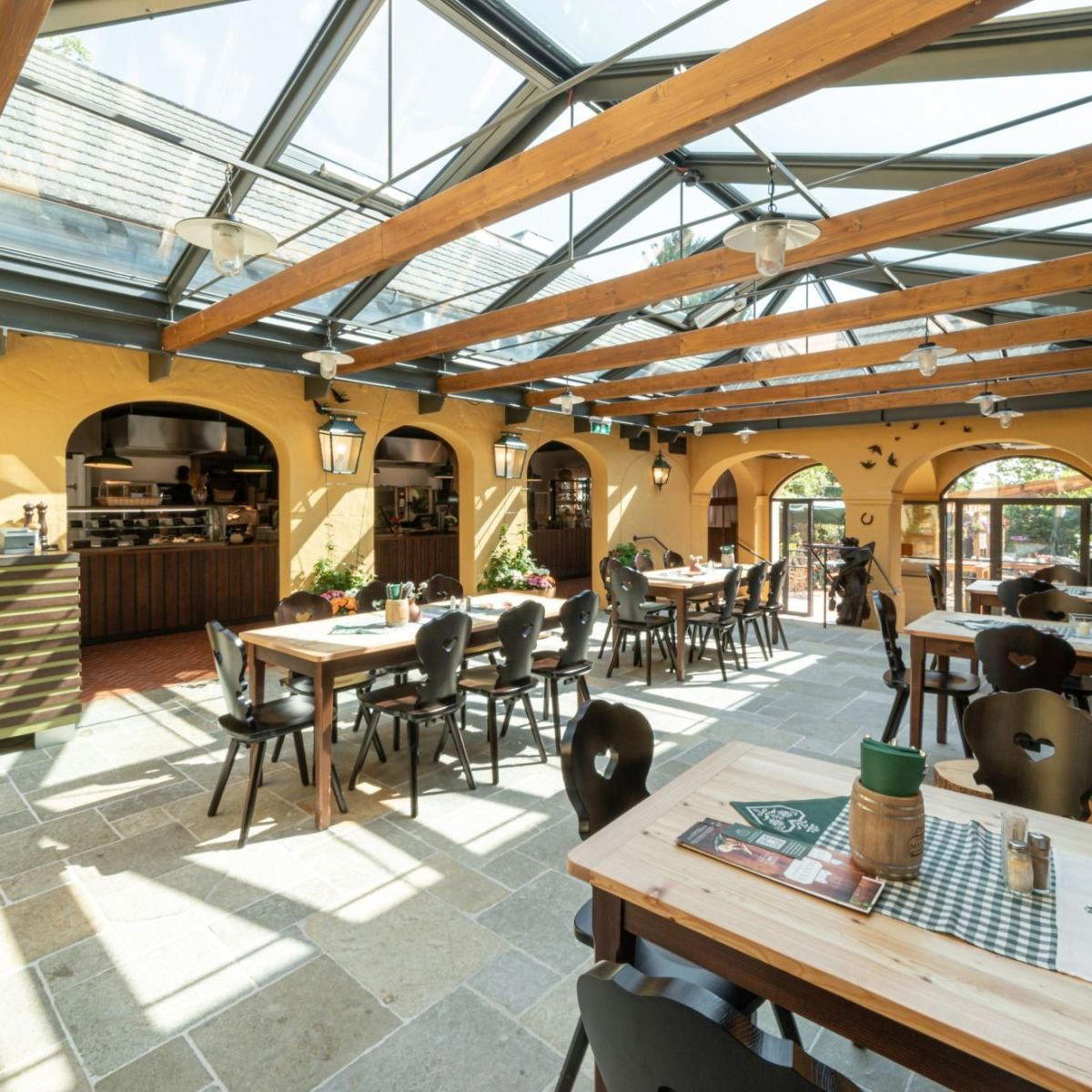
Warm and inviting with relaxing atmosphere, greenery throughout, comfortable seating, and polished service that maintains coziness despite bustling ambiance.